Top Auto Spare Parts Air Filter Tips for Global Buyers?
In the competitive realm of global auto spare parts, air filters play a crucial role. As consumers become more aware of vehicle maintenance, the demand for high-quality auto spare parts air filters has surged. Industry expert John Anderson, an authority in automotive components, emphasizes, “A reliable air filter can enhance engine performance and fuel efficiency.” This insight highlights the importance of choosing the right products.
Navigating the auto spare parts air filter market can be daunting. Buyers must consider quality, compatibility, and reliability. Counterfeit or subpar filters can lead to engine problems, compromising vehicle performance and safety. Many buyers overlook these factors, leading to costly mistakes down the road.
Understanding the intricacies of air filter selection can make a significant difference. Global buyers should connect with reputable suppliers and invest time in research. While the market offers numerous options, not all products meet necessary standards. Reflection on past experiences can guide future purchases. The right choice contributes to vehicle longevity and operational efficiency.
Understanding the Importance of Air Filters in Automotive Performance
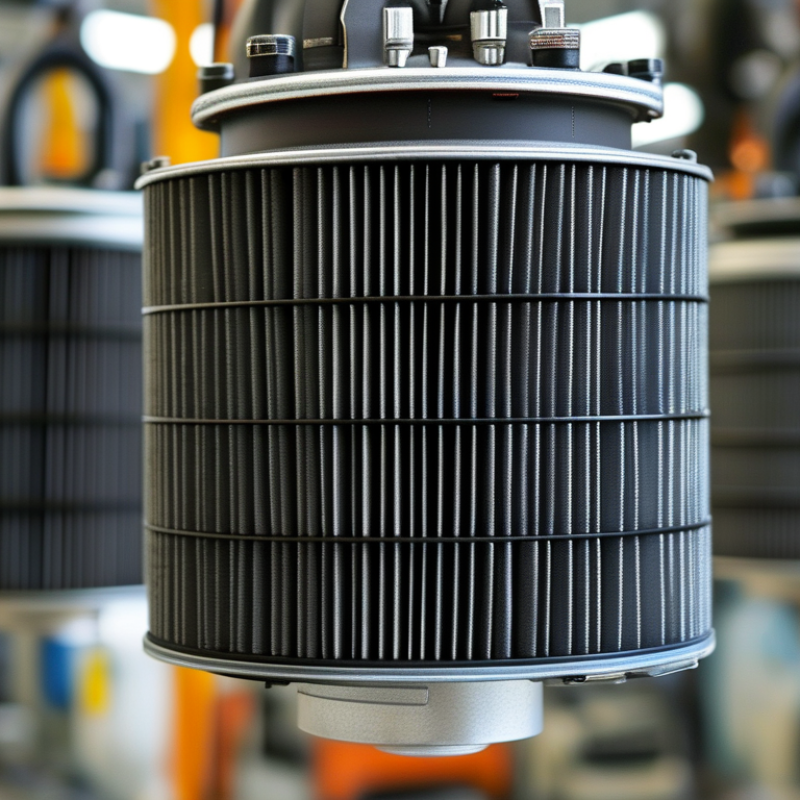
Air filters play a crucial role in automotive performance. They ensure that clean air enters the engine, promoting optimal combustion. The International Council on Clean Transportation reports that effective air filtration can enhance fuel efficiency by 2-4%. This translates to significant cost savings over time, making air filters an essential maintenance item.
Over time, air filters can accumulate dirt and debris, obstructing airflow. This can lead to reduced engine performance and increased emissions. In fact, a study by the Engine Manufacturers Association indicates that a clogged air filter can decrease engine power by up to 10%. Regular inspections and timely replacements are vital for maintaining engine health.
Buyers should consider various factors when selecting air filters. Look for filters that offer high filtration efficiency and durability. Standardizing maintenance practices can mitigate potential performance issues. However, not all filters are created equal. Some may require more frequent replacements. Evaluate your vehicle’s specific needs to make an informed decision.
Types of Air Filters: Selecting the Right One for Your Vehicle
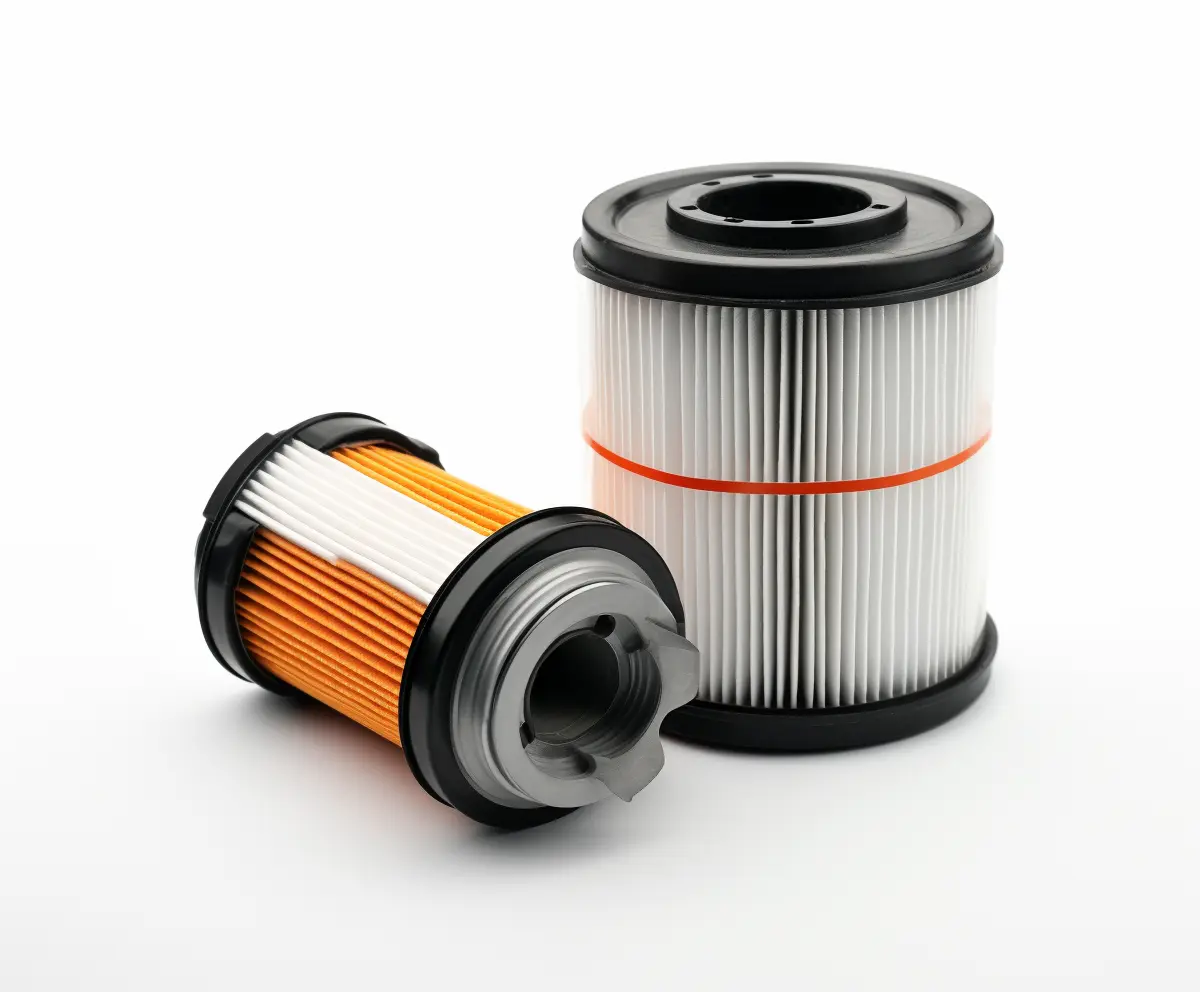
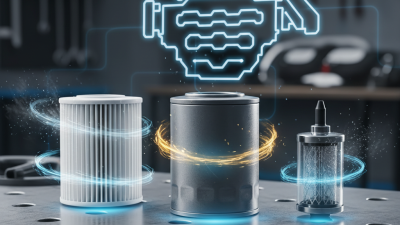
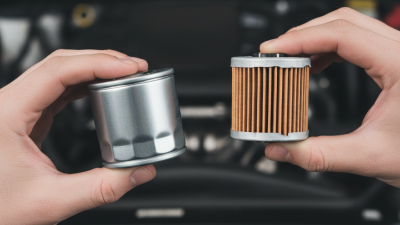
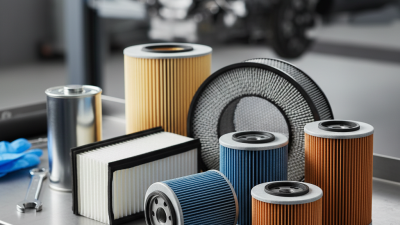
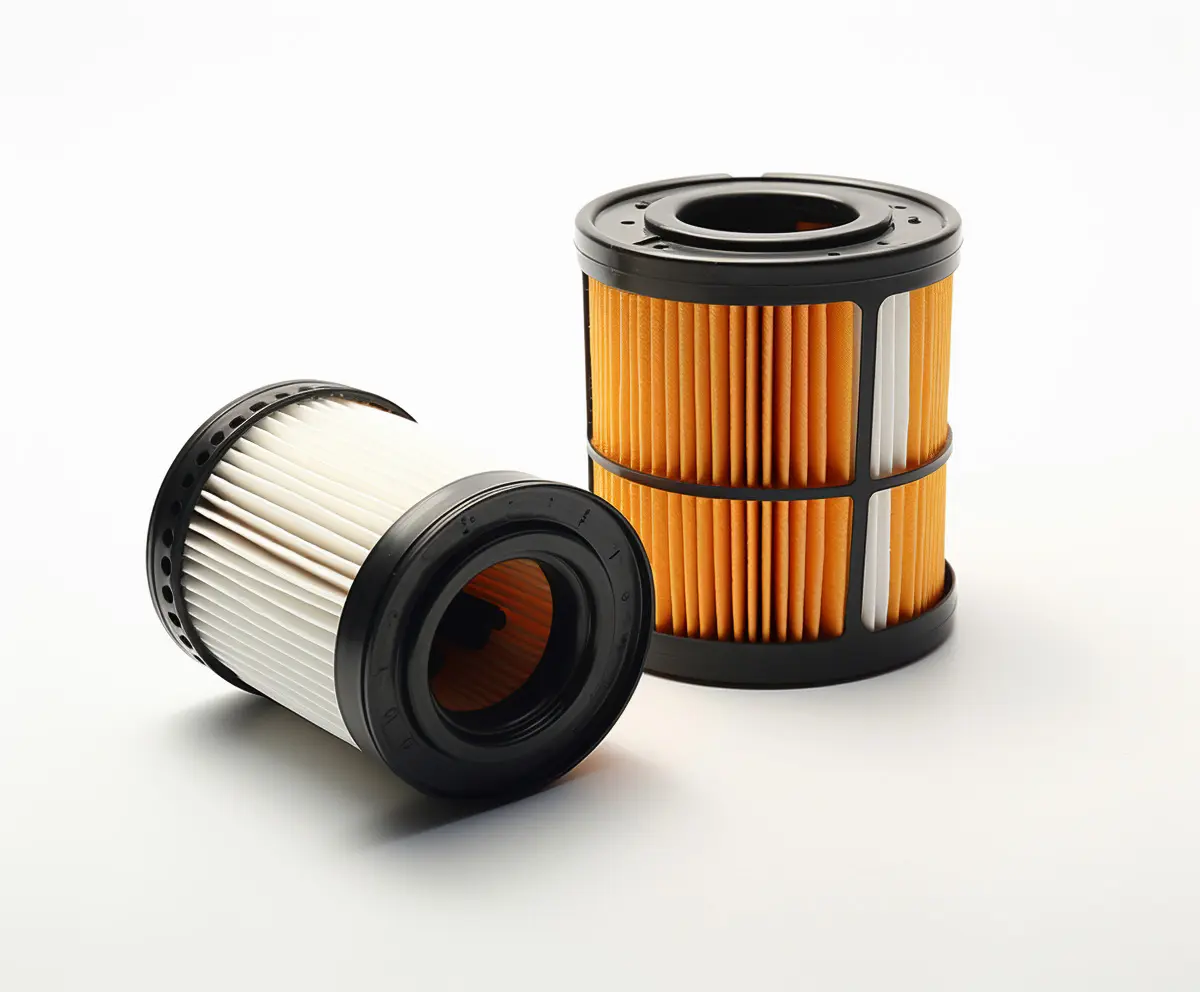
When selecting an air filter for your vehicle, understanding the types available is crucial. Common types include panel filters, foam filters, and HEPA filters. Each type has specific applications and benefits, affecting engine performance and air quality. Panel filters, often made from pleated paper, are standard in many cars. They provide adequate filtration for most daily drivers.
Tips for choosing the right air filter: assess your driving conditions. If you frequently drive in dusty areas, opt for a higher-efficiency filter. Foam filters can offer enhanced filtration but require more maintenance. Always look for filters with good airflow rates. A filter that's too restrictive can hurt your engine's performance.
Another tip: consider your vehicle's specifications. Refer to the owner’s manual for recommendations. This ensures compatibility and optimal function. Many buyers overlook this, leading to mistakes. Filter installation should also be straightforward. Complicated setups can result in improper sealing, which diminishes effectiveness. Prioritize filters that you can install easily to enhance regular maintenance.
Air Filter Types and Their Popularity Among Global Buyers
Key Features to Consider When Buying Auto Spare Parts Air Filters
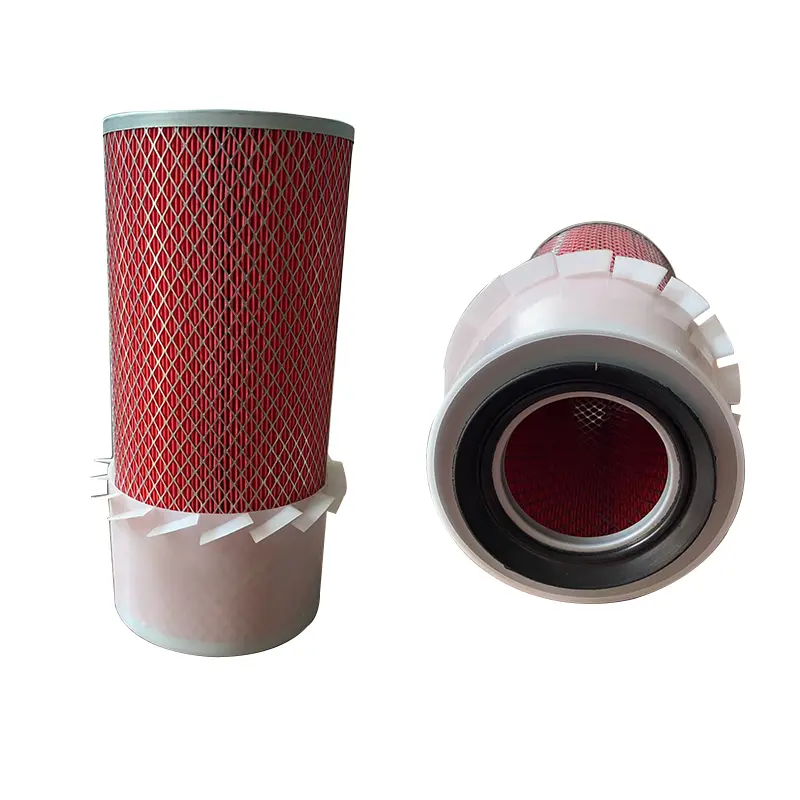
When purchasing auto spare parts air filters, focus on several key features. First, consider the filter's material. High-quality materials enhance filtration efficiency. Look for filters made from synthetic materials or multi-layered designs. These typically capture more contaminants than standard paper filters. The filter's sizing is crucial; an incorrect fit can compromise engine performance.
Check the filtration capacity. A good air filter should remove dust, dirt, and particulate matter effectively. High-efficiency filters may have a higher initial cost. However, they often prolong engine life and enhance fuel efficiency. Don’t overlook the recommendations from automotive experts and user reviews. Experience matters. Seek filters that have consistently positive feedback.
Price should not be the sole deciding factor. Consider long-term savings with better filters. Sometimes, lower-priced filters may not perform as well. This can lead to more frequent replacements and higher maintenance costs. Remember, making an informed choice involves weighing costs against reliability and performance. Balancing quality and budget can be tricky, yet it’s essential for optimal engine health.
Top Auto Spare Parts Air Filter Tips for Global Buyers - Key Features to Consider When Buying Auto Spare Parts Air Filters
| Feature |
Description |
Importance |
| Filter Material |
The type of material used in the air filter can impact filtration efficiency. |
High |
| Filtration Efficiency |
Measures how effectively the filter captures dust and debris. |
Critical |
| Compatibility |
Ensure the filter fits the vehicle make and model. |
Essential |
| Price |
Consider the price relative to quality and performance. |
Moderate |
| Longevity |
Expected lifespan of the air filter before needing replacement. |
High |
| Installation |
Ease of installation—some filters require tools, others do not. |
Moderate |
Tips for Global Buyers: Ensuring Quality and Authenticity
When sourcing auto spare parts, particularly air filters, authenticity is crucial. The automotive industry faces challenges with counterfeit products, which account for up to 30% of the global market. Such products may compromise vehicle performance and safety.
Ensuring quality in your purchases begins with thorough research.
Tips for Global Buyers: Always verify the supplier's credibility. Look for certifications such as ISO or equivalent standards. These can be indicators of reliability. Checking reviews and feedback from previous customers can provide insight into product quality. Online forums and industry publications often highlight reputable suppliers, helping buyers make informed decisions.
Another important aspect is to request samples before placing large orders. This allows buyers to assess the filter's material and performance firsthand. According to recent reports, only around 60% of air filters meet performance standards based on tests conducted across various manufacturers. Monitoring inventory rotation is also essential; filters that sit too long may lose efficacy.
Quality assurance requires vigilance from buyers. Engaging with suppliers who value transparency in their production processes can aid in ensuring that you receive authentic parts. It’s a step towards fostering a trustworthy supply chain, which ultimately benefits not just the buyer, but the entire automotive ecosystem.
Common Mistakes to Avoid When Purchasing Air Filters for Cars
When purchasing air filters for cars, many buyers make common mistakes that can affect vehicle performance. A study from the Automotive Aftermarket Suppliers Association shows that over 40% of consumers do not check compatibility with their vehicle's make and model. This oversight can lead to using ineffective or ill-fitting filters, which may harm engine health.
Choosing the right material is crucial. Some buyers opt for cheaper options without considering filtration efficiency. High-quality HEPA filters, for example, can trap up to 99.97% of airborne particles. In contrast, lower-quality filters may only capture 50% of contaminants. This significant difference can impact air quality and engine longevity.
Moreover, neglecting proper maintenance schedules is another frequent mistake. Many manufacturers recommend replacing air filters every 12,000 to 15,000 miles. Ignoring these guidelines can cause airflow issues and reduce fuel efficiency. Keeping track of replacement intervals can save costs and enhance performance in the long run. Buyers should be cautious and strive for informed decisions when selecting air filters.

 Products
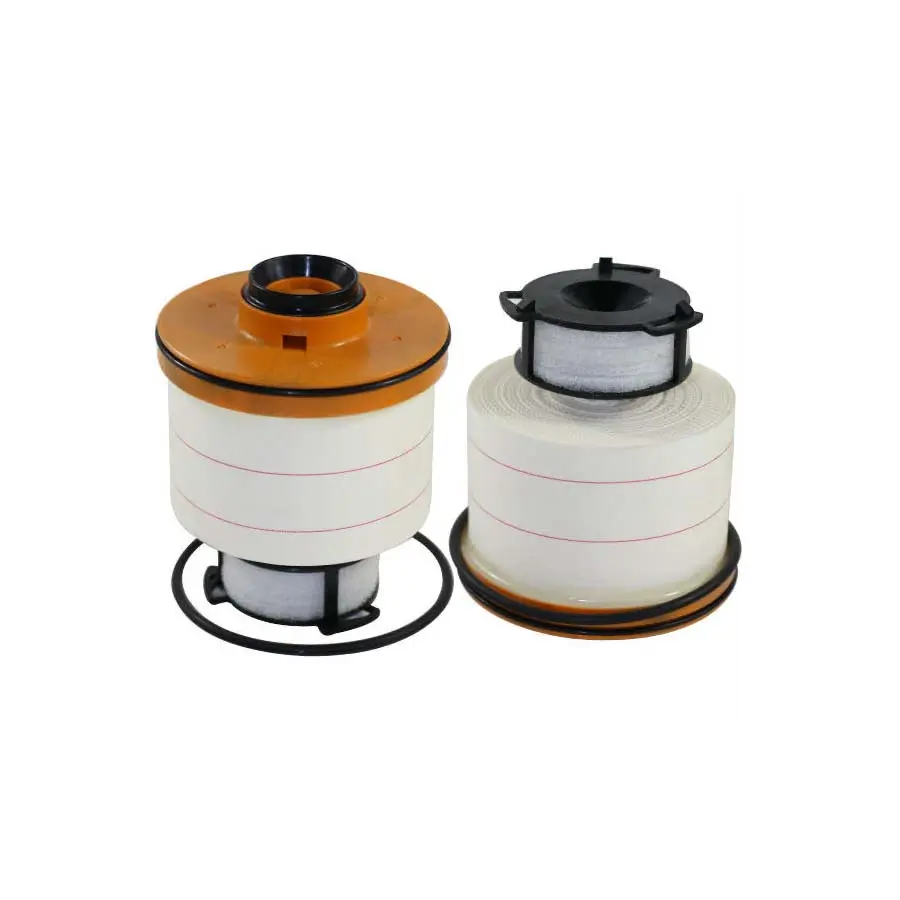 FUEL FILTER
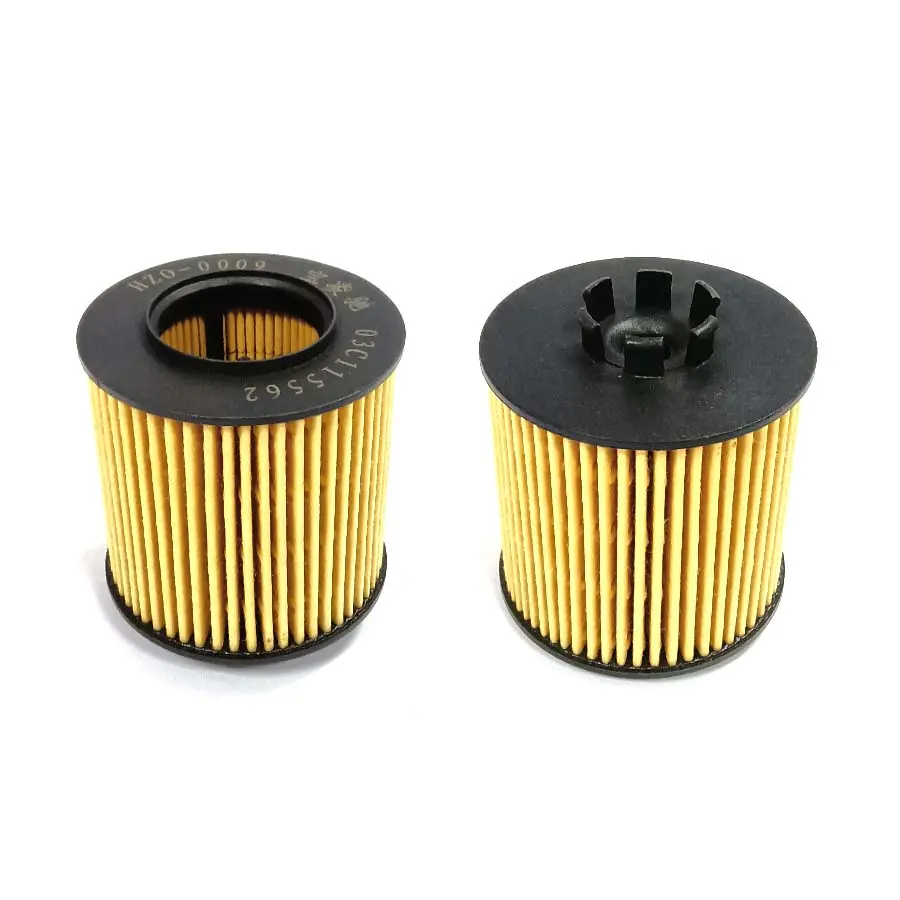 OIL ELEMENT FILTER
 OIL FILTER
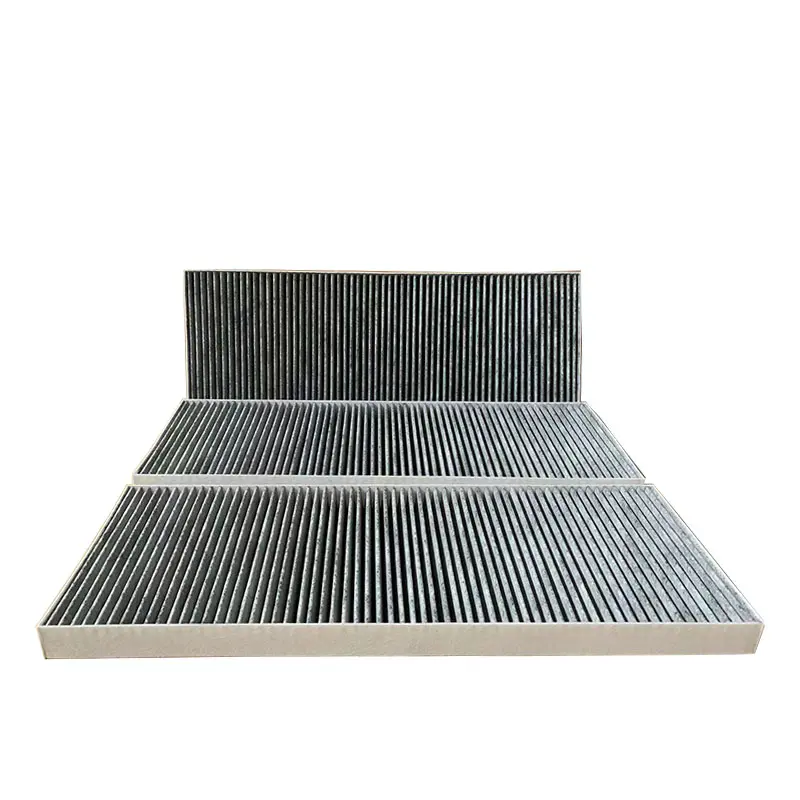 CABIN FILTER
 AIR FILTER