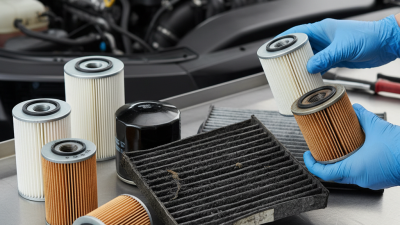
What is an Automotive Filter and How Does It Work?
Automotive filters play a crucial role in vehicle performance. They ensure that only clean air, oil, and fuel enter the engine. This task is vital for optimal functioning. As John Smith, an industry expert at AutoTech Filters, stated, “A clean filter is the heartbeat of your vehicle.” This highlights the importance of the automotive filter in every car.
Despite their significance, many drivers overlook their maintenance. A neglected filter can lead to reduced engine efficiency. For instance, a dirty air filter can decrease fuel economy by up to 10%. This is a tangible reminder of the need for regular checks.
In the ever-evolving automotive landscape, understanding filters is essential. Choices abound, and selecting the right filter can be daunting. Many people fail to realize the connection between filter quality and engine longevity. This lack of awareness often leads to costly repairs. Ultimately, education on automotive filters can enhance a vehicle's lifespan and reliability.
What is an Automotive Filter?
Automotive filters play a crucial role in maintaining vehicle performance. They serve multiple functions, including filtering air and fluid, ensuring a clean environment within the car’s systems. A study by the Society of Automotive Engineers shows that up to 80% of engine wear can be attributed to contaminants in oil. By using quality filters, engines can achieve higher efficiency, reducing wear and tear.
In cars, air filters prevent dust and debris from entering the engine. Cabin air filters improve air quality for passengers, capturing allergens and pollutants. According to a recent market report, the automotive filter industry is projected to grow by 6% annually, highlighting their importance. However, many vehicle owners neglect regular maintenance, leading to reduced filter effectiveness. When filters become clogged, fuel consumption can increase, and engine performance may degrade significantly.
Beyond the technical aspects, there is a reflection needed on consumer awareness. Many drivers don’t recognize the impact of filters on vehicle health. Ignoring filter replacements can lead to long-term damage and higher repair costs. Regular checks of automotive filters are essential, yet they are often overlooked in routine maintenance schedules. This oversight can compromise the very efficiency and safety drivers seek.
What is an Automotive Filter and How Does It Work?
| Filter Type |
Purpose |
How It Works |
Replacement Interval |
| Air Filter |
Prevent dust and debris from entering the engine |
Filters air entering the engine via a porous material that traps particles |
15,000 to 30,000 miles |
| Oil Filter |
Remove contaminants from engine oil |
Uses a filter element that traps particles and sludge as oil circulates |
5,000 to 7,500 miles |
| Fuel Filter |
Prevent contaminants from entering the fuel system |
Traps dirt and debris from fuel before it reaches the engine |
15,000 to 30,000 miles |
| Cabin Air Filter |
Improve air quality inside the vehicle |
Filters out dust, pollen, and other pollutants from the air entering the cabin |
15,000 to 20,000 miles |
Types of Automotive Filters and Their Functions
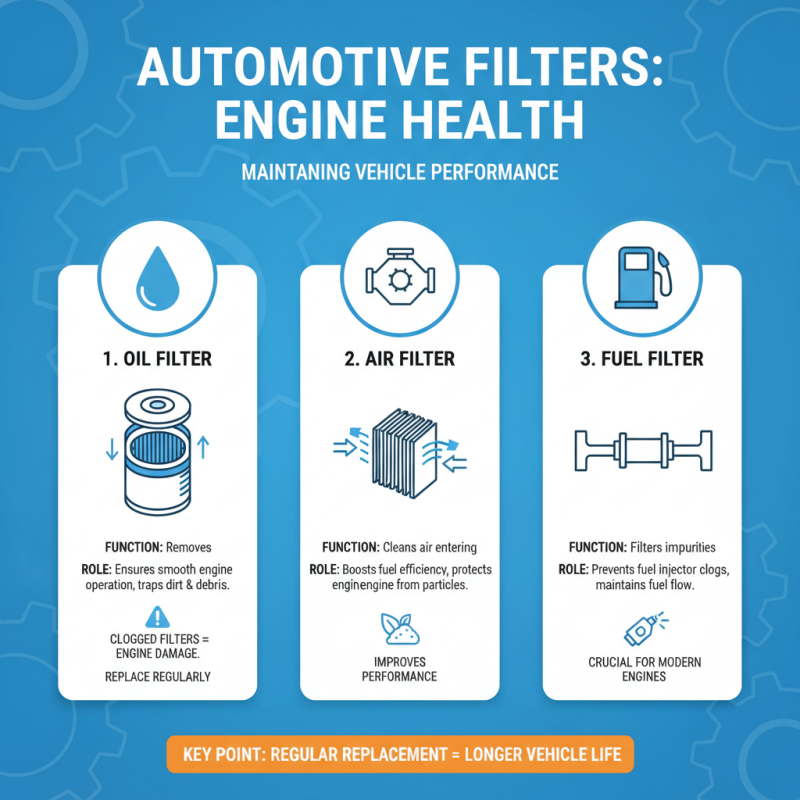
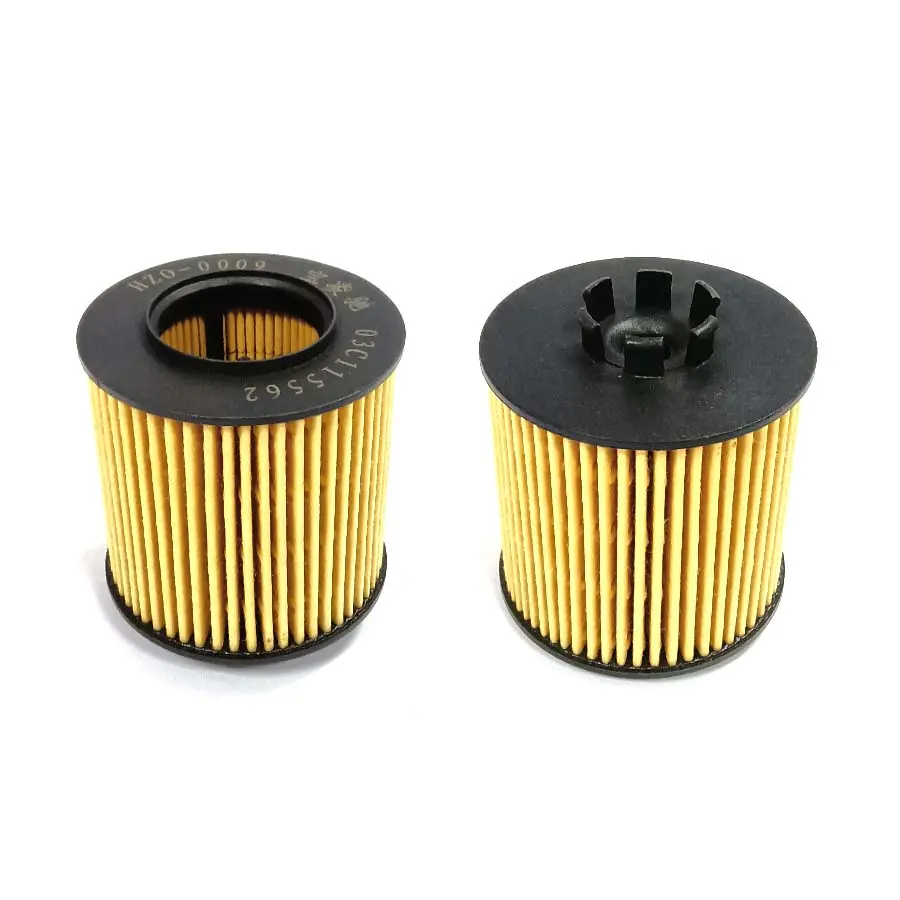
Automotive filters play a crucial role in maintaining vehicle performance. There are several types of filters, each with specific functions. Oil filters remove contaminants from engine oil, ensuring smooth engine operation. They trap dirt and debris, preventing it from circulating through the engine. Over time, these filters can become clogged. Replacing them regularly is essential for engine health.
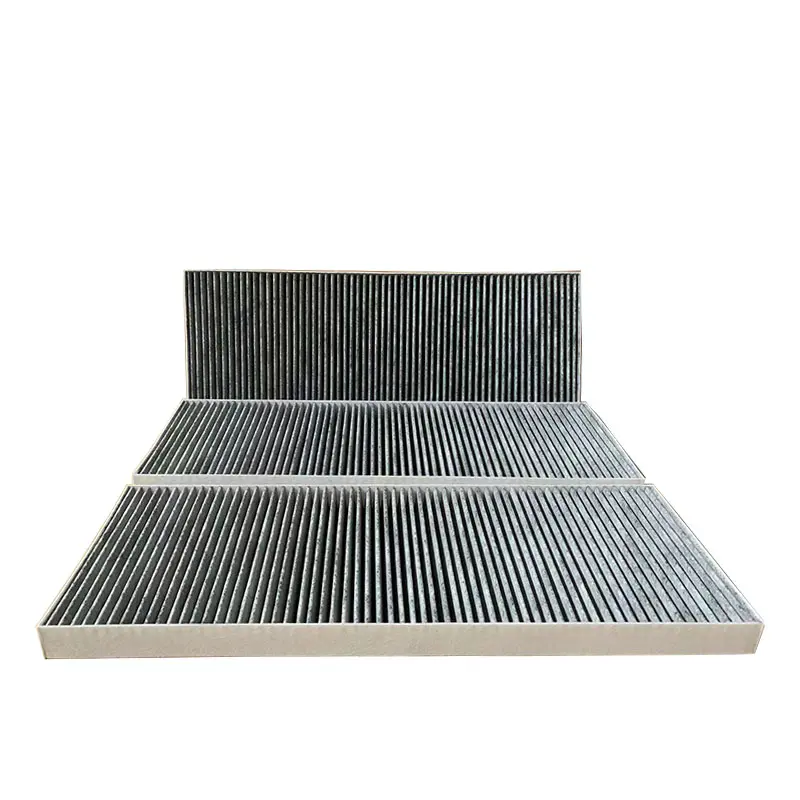
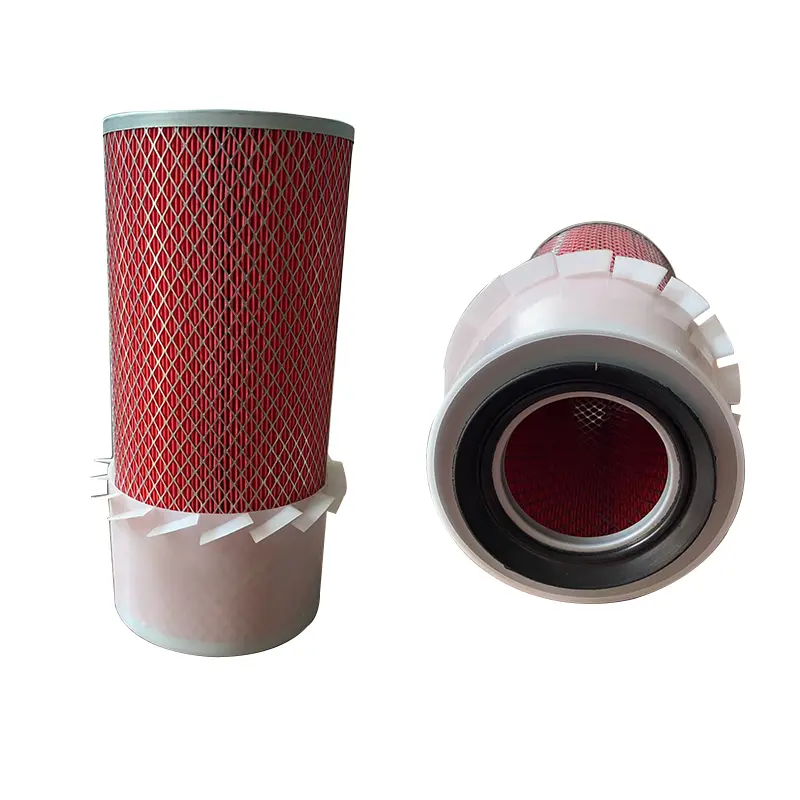
Air filters are another key component. They clean the air entering the engine for combustion. A dirty air filter can restrict airflow, causing reduced engine efficiency. These filters should be checked frequently, especially in dusty environments. Cabin air filters are just as important. They filter out pollutants entering the vehicle's interior, improving air quality for passengers. If ignored, they can lead to musty odors and allergic reactions.
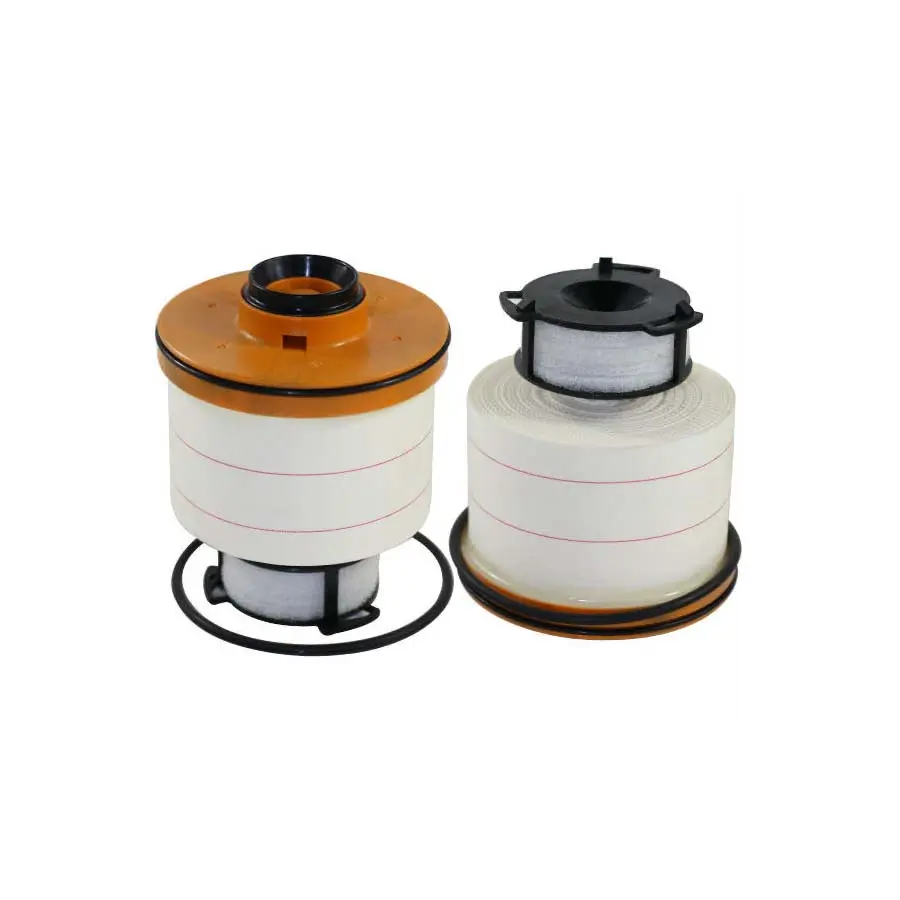
Fuel filters help ensure that only clean fuel reaches the engine. They collect impurities and protect fuel injectors. A failing fuel filter can lead to poor engine performance. It can cause stalling or rough idling. While filters are often overlooked, their importance cannot be stressed enough. Regular maintenance can save headaches down the road.
How Automotive Filters Work: The Mechanism Explained
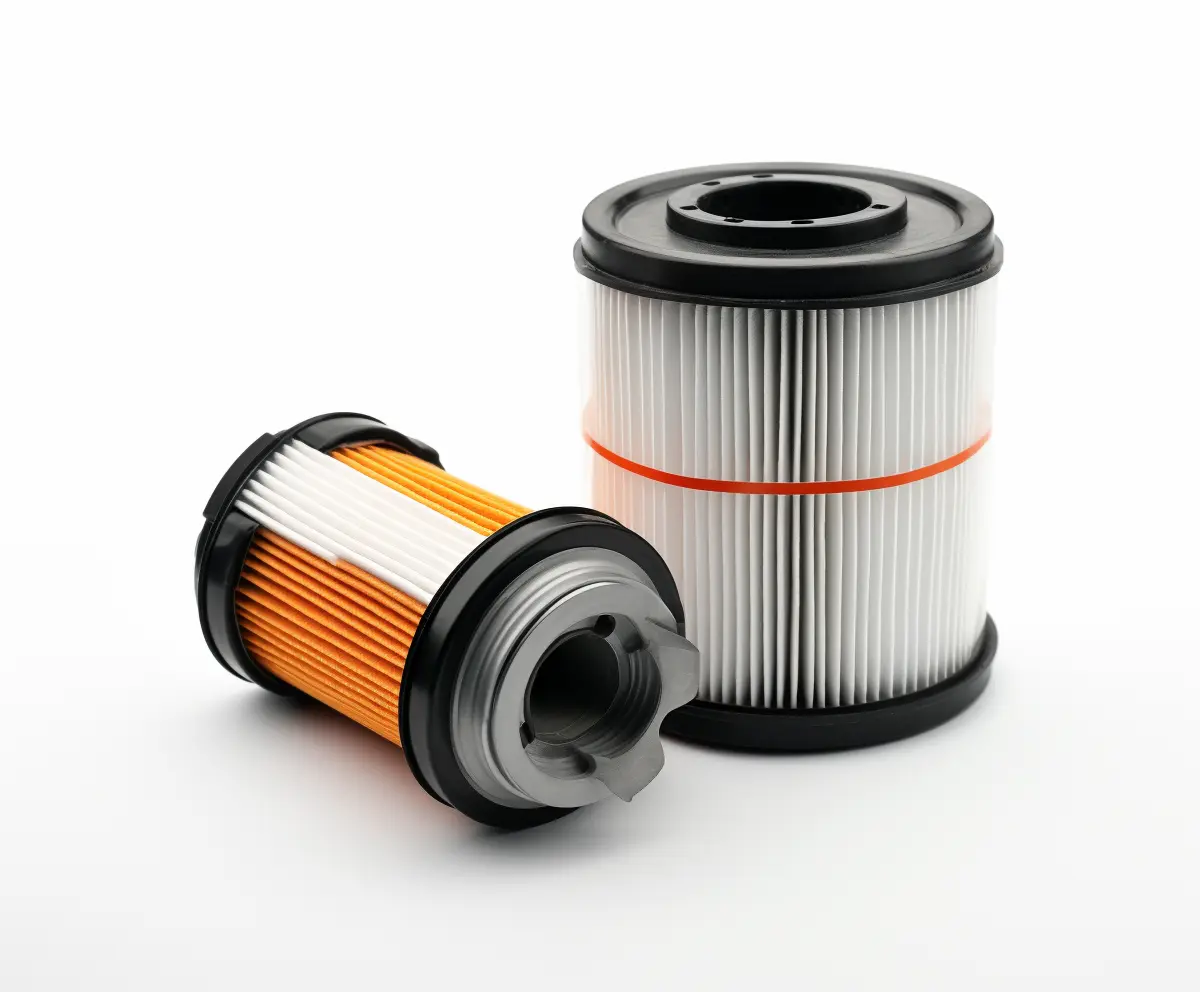
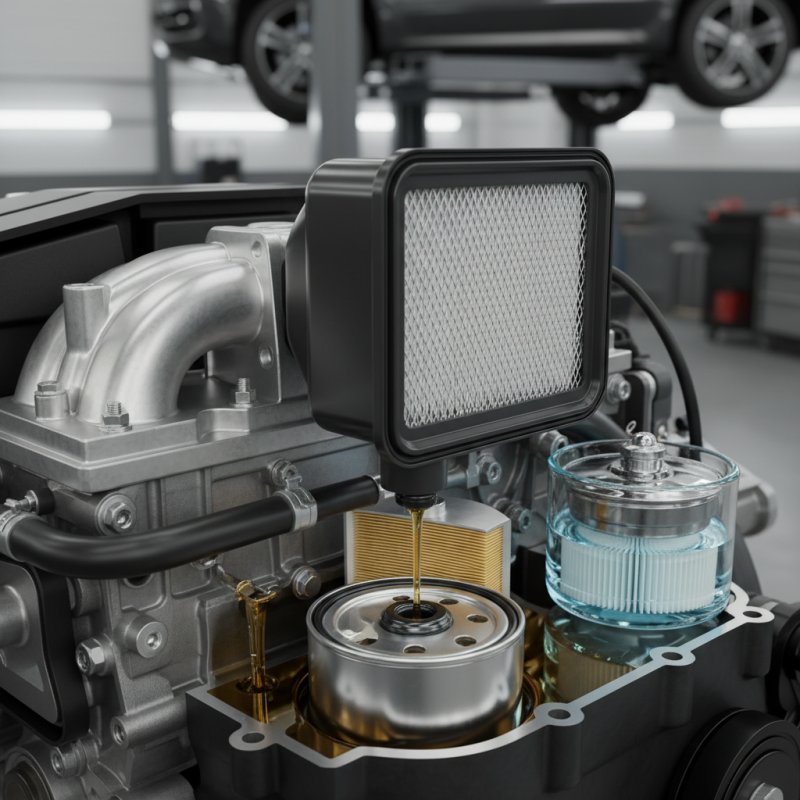
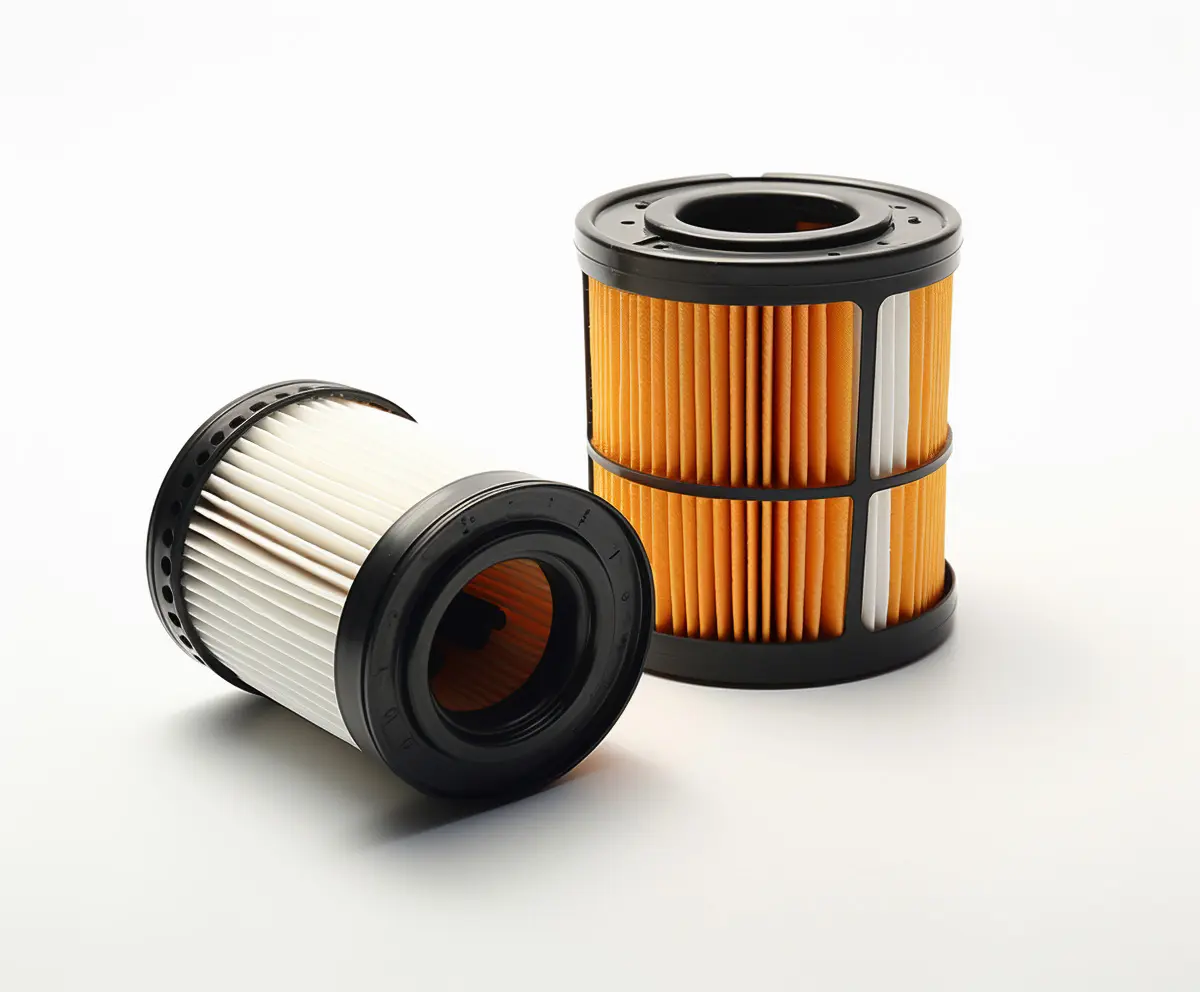
Automotive filters play a crucial role in maintaining vehicle performance. They ensure clean air and fluids circulate within the engine and cabin. The mechanism of these filters is quite fascinating. They utilize various materials to trap contaminants like dust, dirt, and debris. For instance, air filters generally consist of pleated media that increases the surface area for better filtration.
Reports indicate that clogged filters can reduce engine efficiency by up to 10%. Additionally, they can lead to increased fuel consumption. For example, when an air filter gets dirty, the engine struggles to breathe. This puts extra strain on components, potentially causing premature wear. Filters should ideally be inspected during routine maintenance.
The oil filter operates similarly. It removes particles from the engine oil, ensuring smooth lubrication. A study from the Automotive Maintenance Association found that 75% of engine wear occurs during the first five minutes of operation. Thus, having a clean oil filter is essential for longevity. While many people overlook these components, their proper functioning is vital. Regularly changing filters can prevent costly repairs and improve overall vehicle performance.
Automotive Filter Types and Their Effectiveness
This bar chart illustrates the effectiveness percentages of various automotive filters. The air filter shows the highest effectiveness at 85%, followed closely by the oil filter at 90%. Fuel filters and cabin filters exhibit slightly lower effectiveness at 80% and 75% respectively.
Importance of Regular Maintenance for Automotive Filters
Automotive filters play a crucial role in maintaining vehicle efficiency. Regular maintenance for these filters is essential. According to a report from the Automotive Aftermarket Industry Association, nearly 25% of vehicles have neglected filter changes, leading to decreased performance and increased emissions.
Maintaining clean air and oil filters can significantly enhance a vehicle's lifespan. Dirty filters can restrict airflow, causing the engine to work harder. This can lead to a decrease in fuel economy. Research shows that a clean air filter can improve fuel efficiency by up to 10%. However, many drivers overlook this simple maintenance task. A staggering 70% of car owners do not check their filters regularly.
The need for regular filter checks isn't just about performance; it also has safety implications. A clogged fuel filter can lead to engine misfires or stalling, especially in older vehicles. While some owners may feel they can delay maintenance, this can result in costly repairs down the line. Simple actions like checking and replacing filters can prevent serious issues. Regular maintenance is not just a suggestion. It's a necessity for optimal vehicle operation.
Signs of a Failing Automotive Filter and How to Replace It
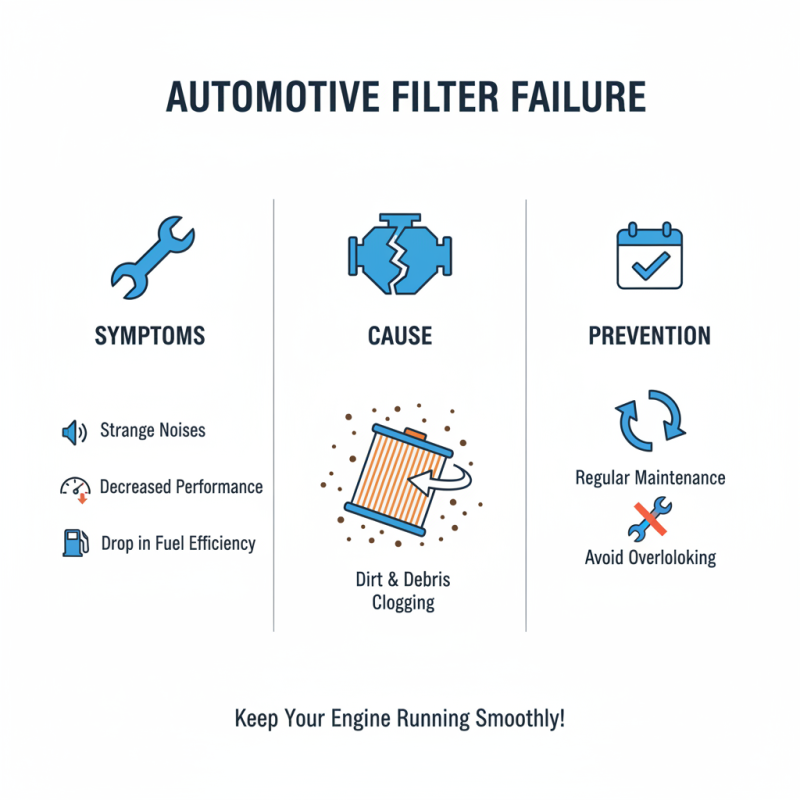
When an automotive filter fails, it can cause significant issues. Signs of this failure include strange noises and decreased performance. You might notice a drop in fuel efficiency. This is due to dirt and debris clogging the filter. Regular maintenance can help avoid these problems, but many people overlook it.
Replacing a failing filter is essential. Look for warning signs like rough engine performance or a check engine light. If the filter is clogged, it restricts airflow or fluid flow. In some cases, you might even see visible dirt build-up. Changing the filter can be a DIY task, but some may find it overwhelming.
Make sure to gather essential tools before starting. You’ll need gloves, a wrench, and possibly a screwdriver. Be mindful of the location of the filter in your vehicle. It's often tucked away in tight spots. A little research can help you identify its position. If unsure, asking for help is a good idea. Don't let a small issue become a bigger problem.

 Products
 FUEL FILTER
 OIL ELEMENT FILTER
 OIL FILTER
 CABIN FILTER
 AIR FILTER