Best Automobile Air Intake Filters for Maximum Performance?
Automobile Air Intake Filters play a crucial role in enhancing engine performance. They work by allowing cleaner air into the engine, which can improve fuel efficiency and power output. Choosing the right filter can make a significant difference.
Many drivers overlook the importance of these filters. Often, they remain unaware of how performance can dwindle over time. Poor air flow can lead to a decrease in horsepower and acceleration. A good filter ensures that your engine breathes well, maintaining optimal performance levels.
When selecting an air intake filter, consider factors like material quality and design. Some filters may offer greater longevity but come at a higher price. It’s essential to balance cost with effectiveness. Keep in mind that not all brands hold the same reputation. Research is vital to finding reliable options that meet your needs.
Understanding the Role of Air Intake Filters in Automobile Performance
Air intake filters play a critical role in automobile performance. They are the first line of defense against dirt and debris. A clean filter ensures that the engine receives optimal airflow. This airflow is essential for combustion. When the filter is clogged, airflow reduces. This can lead to decreased engine efficiency and power loss.
Choosing the right air intake filter is not as straightforward as it seems. Many options exist on the market, and not all are created equal. A high-quality filter can improve acceleration and fuel economy. However, some filters may need frequent replacements. This can lead to unexpected maintenance costs. It’s essential to consider the filter's material and design. Some filters may filter well but restrict airflow. This can negatively impact performance.
Understanding your vehicle's needs is crucial. Personal driving habits can influence the choice of filter. Frequent short trips may clog filters faster. Regular inspections of the air intake system are advisable. This can prevent potential performance issues down the line. Investing time in research can yield better results. Performance gains are achievable, but they require informed decisions.
Types of Air Intake Filters: A Comparison of Materials and Designs
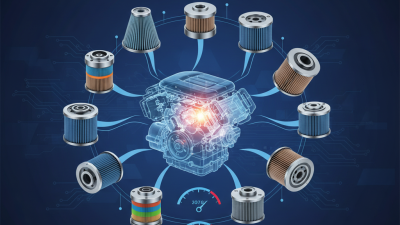
When it comes to enhancing automobile performance, the choice of air intake filter is crucial. Various types of filters exist, each with distinct materials and designs. Cotton gauze filters, often reusable, provide good airflow and filtration. However, they may require regular cleaning and maintenance. According to a study by the Society of Automotive Engineers, these filters can improve airflow by up to 15% when properly maintained.
On the other hand, foam filters are known for their exceptional filtration capabilities. They excel in trapping dirt and debris while allowing engines to breathe efficiently. However, installing a foam filter can sometimes present a challenge, as it often requires precise fitting. Additionally, paper filters, though inexpensive and widely available, can restrict airflow, especially as they become clogged with dirt. Research indicates that clogged paper filters can reduce engine performance by approximately 10%.
Tip: Regularly check your air intake filter and replace it according to manufacturer recommendations to maintain optimal performance. A clean filter can significantly enhance your vehicle’s efficiency.
Understanding these differences can help drivers make informed decisions. Evaluating these options leads to better engine performance. Remember, while performance gains can be enticing, the long-term upkeep of your filter choice varies by type.
How to Select the Right Air Intake Filter for Your Vehicle
When selecting the right air intake filter for your vehicle, it's crucial to consider a few key factors. The size of the filter is one of the most important aspects. Filters that are too small can restrict airflow, leading to decreased engine performance. An adequate filter allows more air into the engine, which can enhance fuel efficiency by up to 5% according to some industry reports.
Material choice also plays a significant role in filter performance. Many filters are made of cotton, foam, or synthetic materials. Each has its own filtration capability and airflow characteristics. Cotton filters often provide better airflow but require regular cleaning and oiling. In contrast, synthetic filters may offer longer service intervals but can restrict airflow more than cotton.
One common mistake is neglecting regular maintenance. Many vehicle owners forget to check their air intake filters, leading to clogged filters. A report by the Society of Automotive Engineers highlights that a dirty filter can reduce engine performance by as much as 10%. This degradation emphasizes the need for timely inspections and replacements to ensure your vehicle runs at its best.
Installation and Maintenance Tips for Optimal Filter Performance
Installing and maintaining your automobile air intake filter is crucial for optimal performance. A clean filter improves airflow, enhancing engine efficiency. Familiarize yourself with the specific type of filter your vehicle requires. Each filter has different characteristics, affecting installation and maintenance needs.
Regularly inspect the filter for dirt and debris. A clogged filter restricts airflow, leading to decreased performance. Replace the filter as needed, typically every 12,000 to 15,000 miles. This helps maintain optimal engine function.
Tips for installation: ensure your hands are clean to avoid contaminating the filter. Secure it tightly to avoid any leaks. Check for any air leaks around the installation area. They can negatively impact performance. Addressing these issues early improves longevity and efficiency.
Best Automobile Air Intake Filters for Maximum Performance
This chart displays the air flow efficiency and filtration efficiency of various types of automobile air intake filters. A higher airflow efficiency and filtration efficiency contribute significantly to the overall performance of a vehicle.
Top Brands and Models of Air Intake Filters for Enhanced Power
When it comes to enhancing vehicle performance, air intake filters play a crucial role. They are essential for optimizing engine airflow, which directly impacts power output. According to industry reports, a high-performance air intake filter can improve engine efficiency by up to 15%. This improvement is achieved by allowing a greater volume of clean air to enter the engine, improving combustion.
Several leading brands offer a range of air intake filters that have gained recognition for their quality. Some models are designed with advanced filtration technology, which ensures maximum airflow while trapping harmful particulates. Reports indicate that replacing a standard filter with a performance model often results in noticeable gains in horsepower and throttle response. However, not all filters are created equal; some may not effectively filter out debris, leading to potential long-term engine damage.
Despite the benefits, vehicle owners should exercise caution. Over-reliance on certain aftermarket filters can lead to issues if they are not fit for the specific vehicle model. Additionally, the efficiency of an air intake filter also depends on the maintenance practices of the user. Regular cleaning and timely replacements are essential for achieving optimal performance and durability.
Best Automobile Air Intake Filters for Maximum Performance
| Filter Type |
Material |
Enhanced Power (HP Gain) |
Compatibility |
Maintenance Frequency |
| Cold Air Intake |
Aluminum and Plastic |
10-20 HP |
Most Cars and Trucks |
Every 30,000 miles |
| High-Flow Air Filter |
Cotton Gauze |
5-15 HP |
Most Sedans and SUVs |
Every 50,000 miles |
| Performance Air Filter |
Synthetic Material |
8-12 HP |
Specific Models Only |
Every 30,000 miles |
| Stock Replacement Filter |
Paper Filter |
0-5 HP |
Most Vehicles |
Every 15,000 miles |
| Ram Air Intake |
Plastic and Fiberglass |
15-25 HP |
Performance Cars |
Every 40,000 miles |

 Products
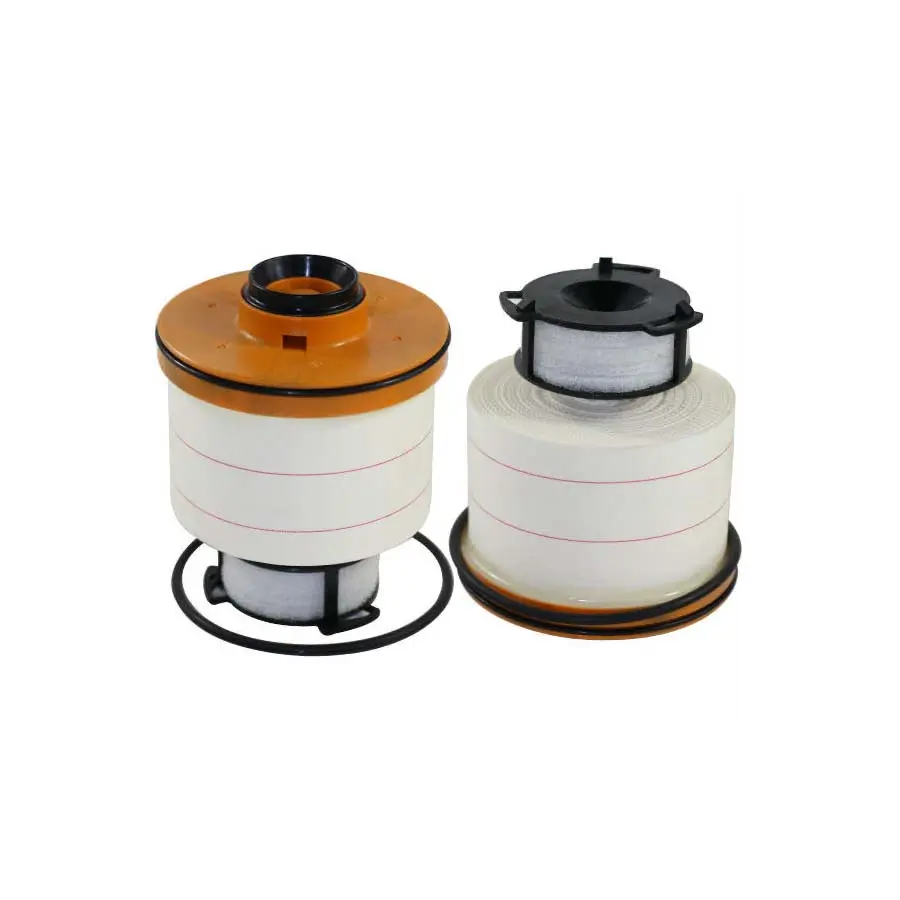 FUEL FILTER
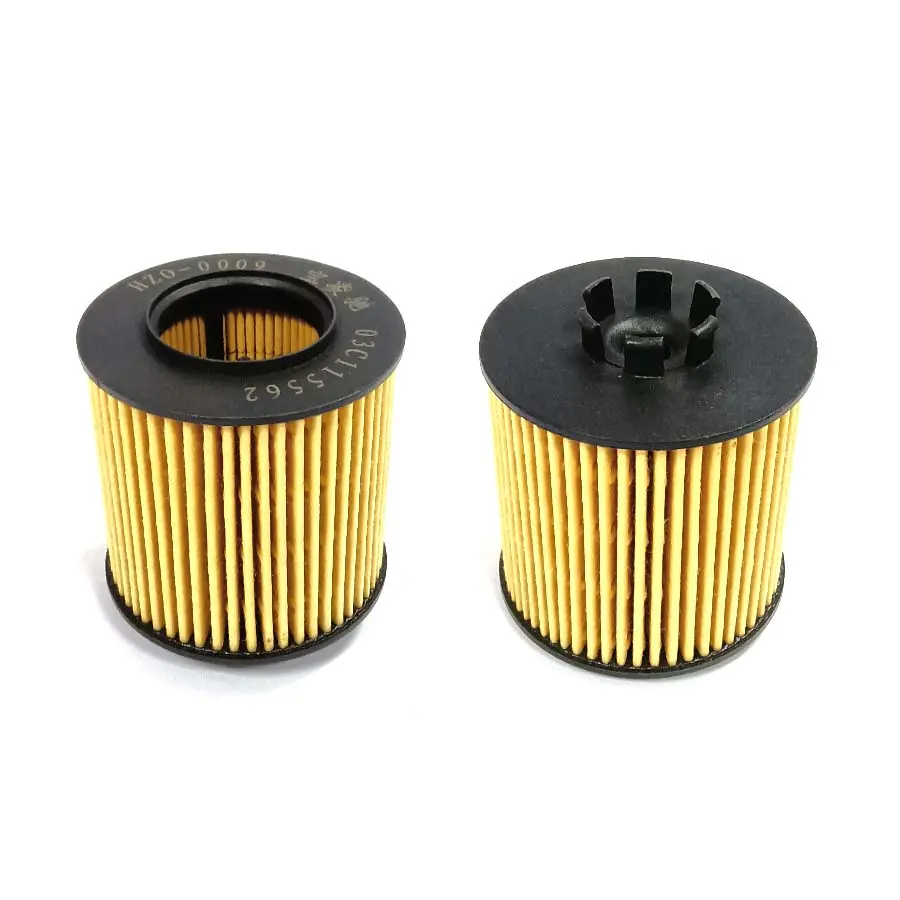 OIL ELEMENT FILTER
 OIL FILTER
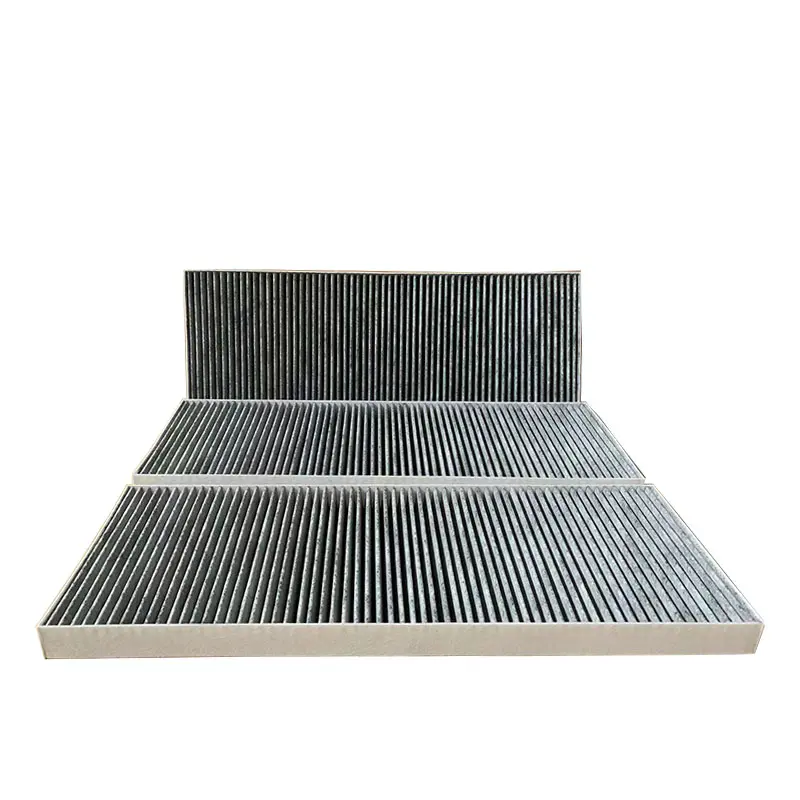 CABIN FILTER
 AIR FILTER