Best Cabin Filter for Your Vehicle Which One Should You Choose?
When it comes to vehicle maintenance, the importance of a high-quality Cabin Filter cannot be overstated. According to a report by the Automotive Research Association, nearly 50% of drivers overlook this essential component, which can directly impact air quality inside their vehicles. Airborne pollutants, allergens, and dust can infiltrate the cabin if the filter is not functioning optimally. "The right Cabin Filter can significantly improve your driving experience," says Michael Lentz, a renowned expert in automotive filtration systems.
Many consumers remain unaware that Cabin Filters need regular replacement. This oversight can lead to a range of issues, from reduced air flow to unpleasant odors. It's crucial to choose the correct filter based on your vehicle's specifications and your personal needs. Options abound, yet distinguishing quality from mediocrity can be a daunting task. This complexity underscores the need for reliable information and expert guidance in selecting the best Cabin Filter. Engaging in the process of research can feel overwhelming, but understanding the options available is worthwhile for maintaining a comfortable and healthy cabin environment.
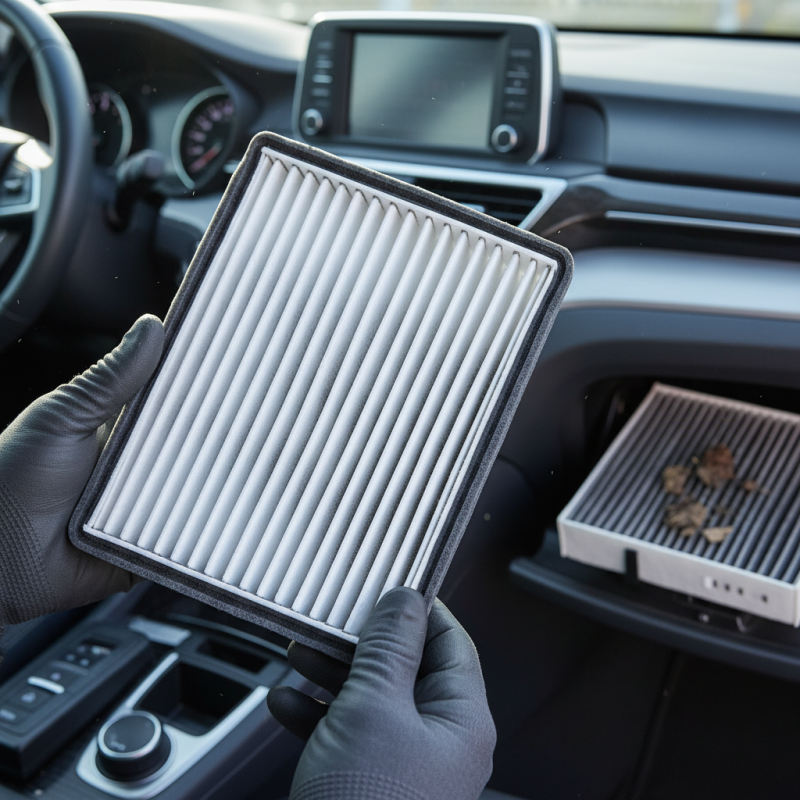
Understanding the Function of Cabin Filters in Vehicles
Cabin filters play a crucial role in maintaining air quality within vehicles. They filter out dust, pollen, and other pollutants, ensuring that the air entering the cabin is clean. According to the U.S. Environmental Protection Agency, the air inside a vehicle can be up to five times more polluted than outside. This statistic emphasizes the importance of a good cabin filter.
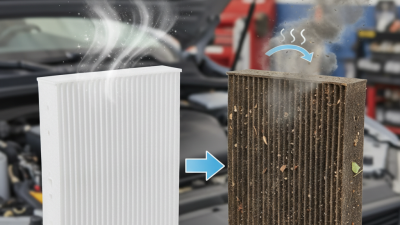
Research indicates that the efficiency of cabin filters decreases over time. A study by Consumer Reports found that a clogged filter can reduce air flow by 30%. This can lead to higher levels of allergens inside the car. Drivers may experience discomfort, especially if they have allergies or respiratory issues. Regular replacement of cabin filters is essential for maintaining optimal air quality.
Understanding the lifespan of cabin filters is vital. Many manufacturers recommend changing them every 12,000 to 15,000 miles. However, driving conditions can affect this. If you often drive on dusty roads, you might need to change the filter more frequently. Monitoring cabin air quality can be an afterthought for many, but it deserves attention for the well-being of drivers and passengers.
Types of Cabin Filters Available on the Market
Cabin filters play a crucial role in vehicle maintenance. They ensure that the air circulating inside your car is free from dust, pollen, and other pollutants. Over the years, various types of cabin filters have emerged, driving innovation in this essential vehicle component.
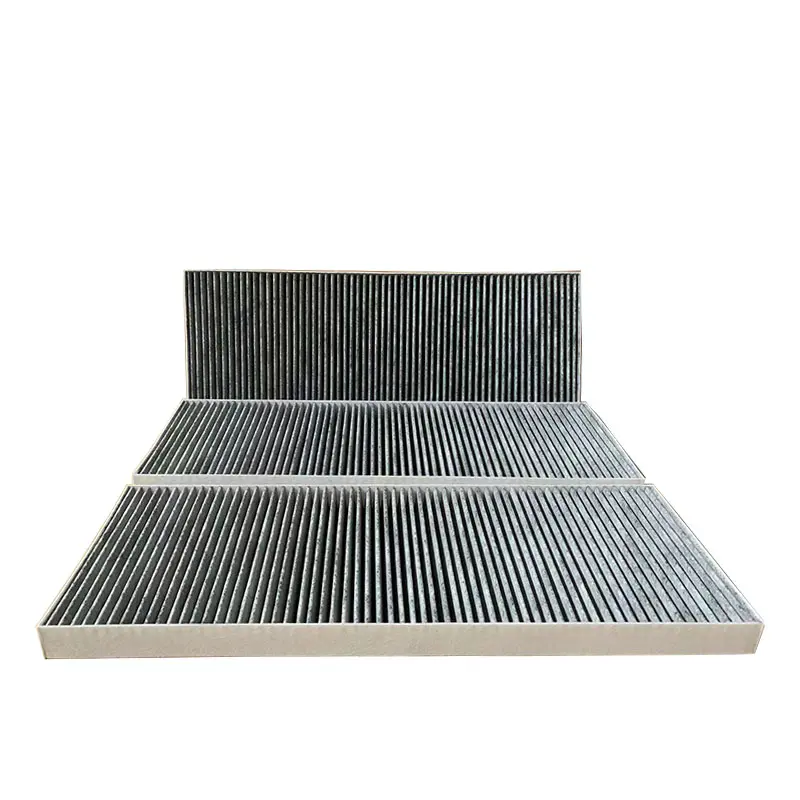
The most common types of cabin filters include particulate filters and activated carbon filters. Particulate filters focus on trapping particles such as dust and mold spores. According to a recent industry report, these filters can capture up to 95% of airborne particulates, which significantly improves the air quality in vehicles. Activated carbon filters, on the other hand, excel at removing odors and harmful gases, providing an additional layer of protection. These filters can absorb volatile organic compounds, making them especially important for those living in urban areas.
While selecting the right cabin filter, it's important to consider replacement frequency. Many manufacturers recommend changing filters every 12,000 to 15,000 miles. However, driving in heavily polluted areas may necessitate more frequent changes. Neglecting to replace filters can lead to decreased efficiency and unpleasant odors inside the vehicle. It's essential to be proactive about air quality, yet many drivers overlook this vital maintenance aspect. A thorough understanding of your vehicle's specific needs will help in making an informed choice.
Factors to Consider When Choosing a Cabin Filter
Choosing the right cabin filter is crucial for maintaining good air quality in your vehicle. Consider the type of filter that fits your needs. Some filters focus on trapping allergens, while others can eliminate odors. Selecting the right one can make a noticeable difference in your driving experience. Check your vehicle's manual for compatibility.
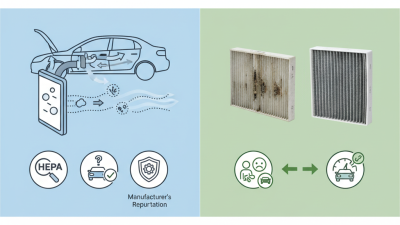
When selecting a cabin filter, pay attention to the material used. High-quality filters often feature multi-layered protection. This can improve the system's efficiency. Look out for HEPA filters, known for their superior filtration capabilities. However, these might not always fit your vehicle's needs, so conducting thorough research is essential.
While cost is an important factor, it should not be the sole consideration. Inexpensive filters may need more frequent replacements. This can lead to long-term expenses. Reflect on how often you drive in polluted areas. Your environment plays a key role in the filter's lifespan. Weighing these factors will help you find a suitable cabin filter for your vehicle.
Cabin Filter Airflow Efficiency Comparison
This chart compares the airflow efficiency of different types of cabin filters. A higher percentage indicates better air filtration performance, which can significantly enhance the air quality inside your vehicle. When choosing a cabin filter, consider factors such as efficiency, lifespan, and compatibility with your vehicle.
Top Recommended Cabin Filters for Different Vehicle Models
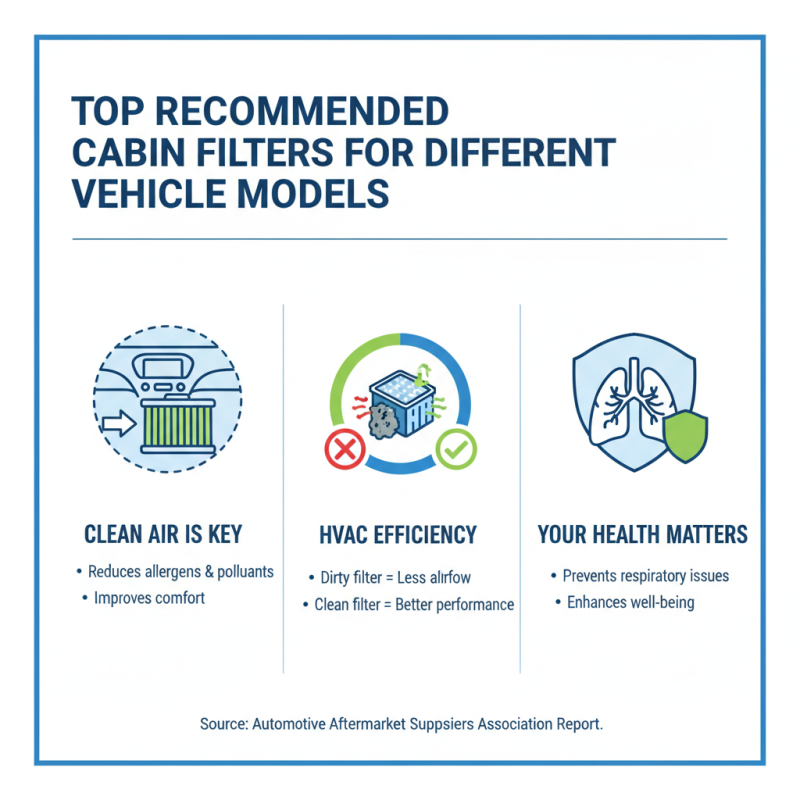
Choosing the right cabin filter is essential for ensuring good air quality inside your vehicle. A report by the Automotive Aftermarket Suppliers Association reveals that dirty cabin filters can reduce the efficiency of your vehicle's HVAC system. This can lead to increased allergens and pollutants in your car, impacting your health and comfort.
Different vehicle models require specific types of cabin filters. For instance, some vehicles benefit from activated carbon filters. These filters trap harmful gases and odors, making your drive more pleasant. Research indicates that about 60% of drivers overlook the importance of replacing cabin filters regularly. This oversight can lead to diminished air quality, causing issues for those with allergies or respiratory problems.
Not every cabin filter is created equal. Some filters are designed to handle larger particles, while others focus on capturing smaller pollutants. Many car owners may not realize how quickly these filters can become saturated. A clogged filter can obstruct airflow and strain your HVAC system, leading to potential repair costs. It's vital to consult your vehicle’s manual and consider the specific filtration needs of your model to ensure optimal performance and health benefits.
How to Install and Maintain Your Cabin Filter for Optimal Performance
Maintaining your cabin filter is crucial for a clean vehicle environment. A clogged filter can lead to reduced air quality inside your car. Dust, pollen, and pollutants accumulate over time, affecting your health and comfort.
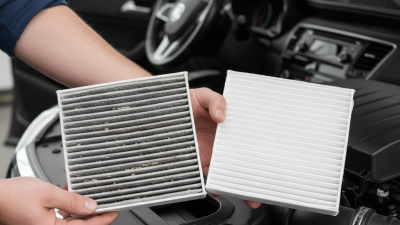
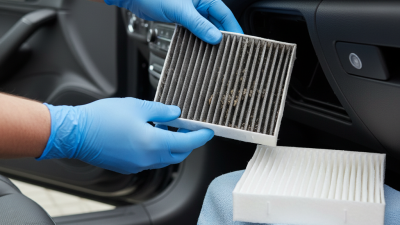
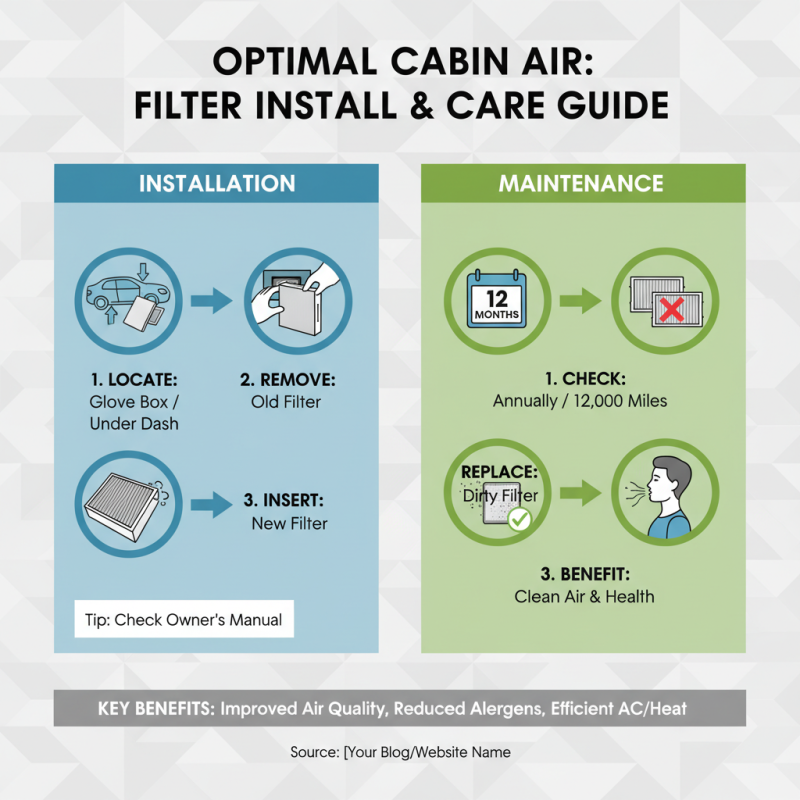
To keep your cabin filter performing at its best, consider a regular check-up. Most experts suggest inspecting the filter every 12,000 to 15,000 miles. Replace it as needed, but don't solely rely on the mileage. Visual checks can reveal dirt buildup, which may need your attention sooner.
Installation is usually straightforward. Follow your vehicle's manual for guidance. A little research online can provide visual aids, enhancing your understanding. It’s essential, though, to take your time. Rushing can lead to improper fitting, reducing effectiveness. Reflect on your process each time you change it. Did you miss anything? What could be improved next time?

 Products
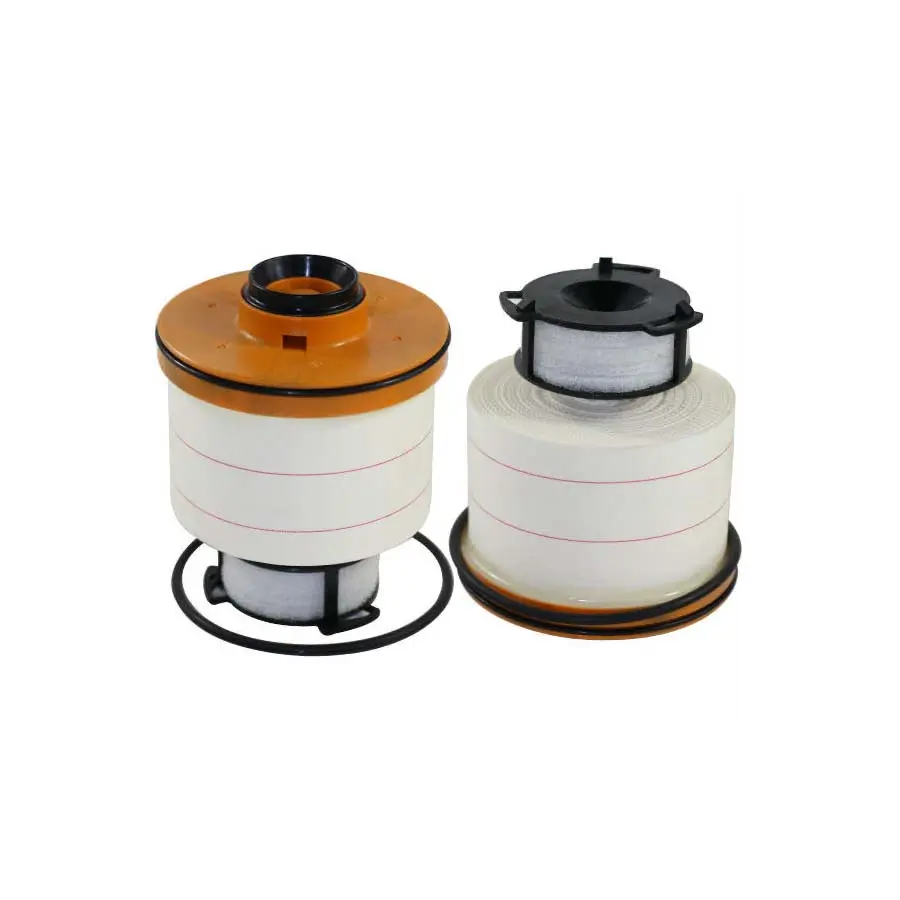 FUEL FILTER
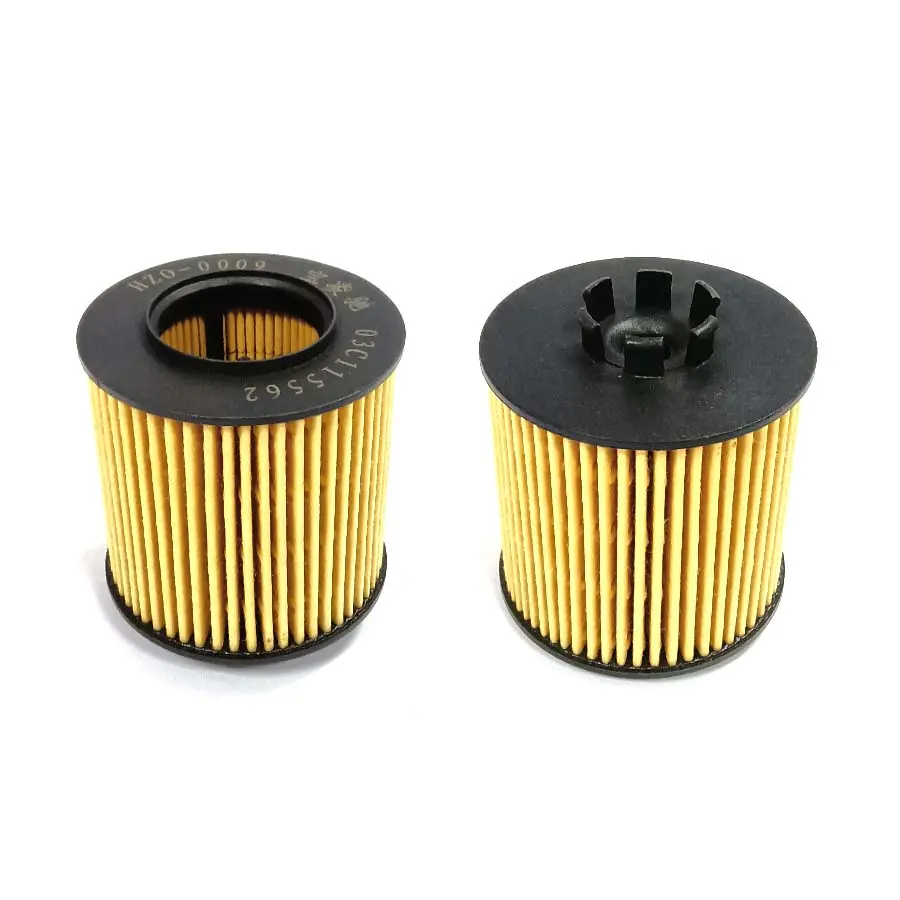 OIL ELEMENT FILTER
 OIL FILTER
 CABIN FILTER
 AIR FILTER