China Best Air Conditioning Filter Options for Optimal Indoor Air Quality?
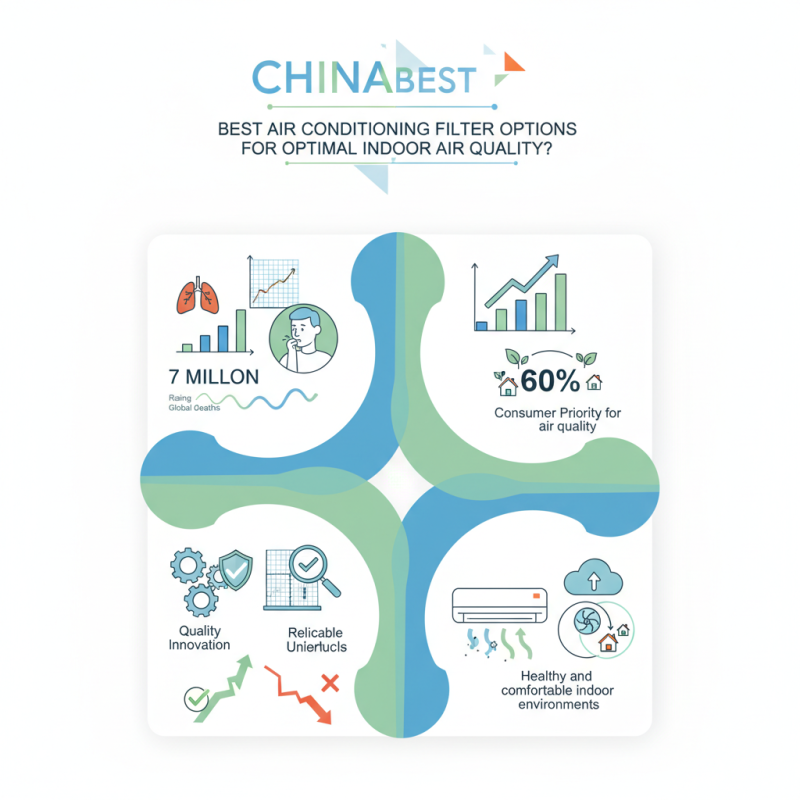
Air quality significantly impacts health and well-being. Effective air conditioning filters play a critical role in maintaining optimal indoor air quality. According to a report by the World Health Organization, air pollution is responsible for approximately 7 million premature deaths worldwide each year. Poor indoor air quality can lead to increased respiratory issues and allergies.
In China, the demand for high-quality air conditioning filters is rising. An analysis by the China Household Electrical Appliances Association indicates that over 60% of consumers prioritize air quality when purchasing air conditioning units. Filters that effectively capture allergens and pollutants are now more sought after. This reflects a growing awareness of health and comfort.
Despite these advancements, challenges remain. Not all products on the market meet essential safety and quality standards. This inconsistency can lead to misleading purchases, highlighting the need for consumers to research and choose reliable air conditioning filters. As the market evolves, continuous innovation and stringent quality controls are essential for ensuring indoor environments are healthy and comfortable.
Air Conditioning Filter Types: Understanding HEPA, MERV, and Electrostatic Filters
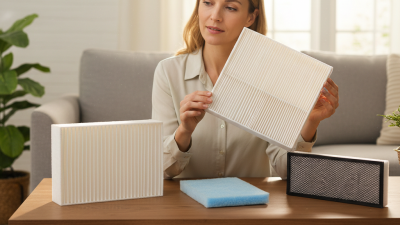
Air conditioning filters play a crucial role in maintaining indoor air quality. Among the most common types are HEPA, MERV, and electrostatic filters. HEPA filters are designed to trap at least 99.97% of particles that are 0.3 microns in size. This makes them highly effective in capturing dust, pollen, and pet dander. According to the U.S. Environmental Protection Agency, poor indoor air quality can cause respiratory issues and other health problems.
MERV, or Minimum Efficiency Reporting Value, ranges from 1 to 20, indicating how well a filter captures particles. Filters rated MERV 11 or higher can effectively remove allergens from the air. However, using high-MERV filters in certain systems may reduce airflow. This can strain the system and increase energy costs. It's essential to check compatibility before upgrading.
Electrostatic filters use static electricity to attract particles. They are reusable and can be washed, making them a more sustainable choice. However, their effectiveness can diminish over time. Studies show that while they are good at reducing larger particles, they may not perform as well on smaller ones compared to HEPA filters. Balancing efficiency, cost, and system compatibility is key for optimal air quality.
Importance of Air Filters for Indoor Air Quality and Health Benefits
Indoor air quality directly influences our health. Air filters play a vital role in maintaining a clean environment. They capture dust, allergens, and pollutants, ensuring we breathe fresh air. A quality air filter can reduce asthma triggers and hay fever symptoms. Breathing clean air promotes better sleep and increases overall well-being.
Selecting the right air filter is not always straightforward. There are many types to consider, including HEPA and activated carbon filters. Not everyone may realize that filters need regular replacement. Neglecting this can lead to worse air quality. A dirty filter can harbor bacteria and mold. This counteracts the benefits of having a filtration system in place.
Occasionally, people tend to overlook the filter size. Using the wrong size can diminish airflow and efficiency. It's crucial to check compatibility with the air conditioning unit. There’s also the expense of high-quality filters versus cheaper options. Taking the time to choose wisely is essential for optimal indoor air quality. Making informed decisions can significantly affect health and comfort in your living spaces.
Key Performance Metrics: Filtration Efficiency and Airflow Resistance
When selecting air conditioning filters, two main metrics stand out: filtration efficiency and airflow resistance. Filtration efficiency measures how well a filter removes particles from the air. For instance, HEPA filters can capture up to 99.97% of particles that are 0.3 microns in size. Such filters are crucial for improving indoor air quality, especially in urban environments where pollutants are a concern.
Airflow resistance is another key metric. High resistance can reduce the effectiveness of air conditioning systems. A filter that is too dense might inhibit airflow, leading to increased energy consumption. Reports suggest that pressure drops across filters can be as significant as 0.5 inches of water column in some installations. This could result in energy costs rising by up to 15%. Regularly monitoring these parameters helps homeowners make informed decisions.
Many filters boast impressive stats, but real-world performance can vary. Some users report that even highly-rated filters can lead to airflow issues in certain systems. It's essential to match filters with your specific HVAC design. Not every filter works for every setup, and what seems optimal in theory may not perform well in practice. Balancing filtration efficiency with airflow resistance requires careful consideration.
China Best Air Conditioning Filter Options for Optimal Indoor Air Quality
Regional Considerations: Selecting Filters Suitable for China's Climate Conditions
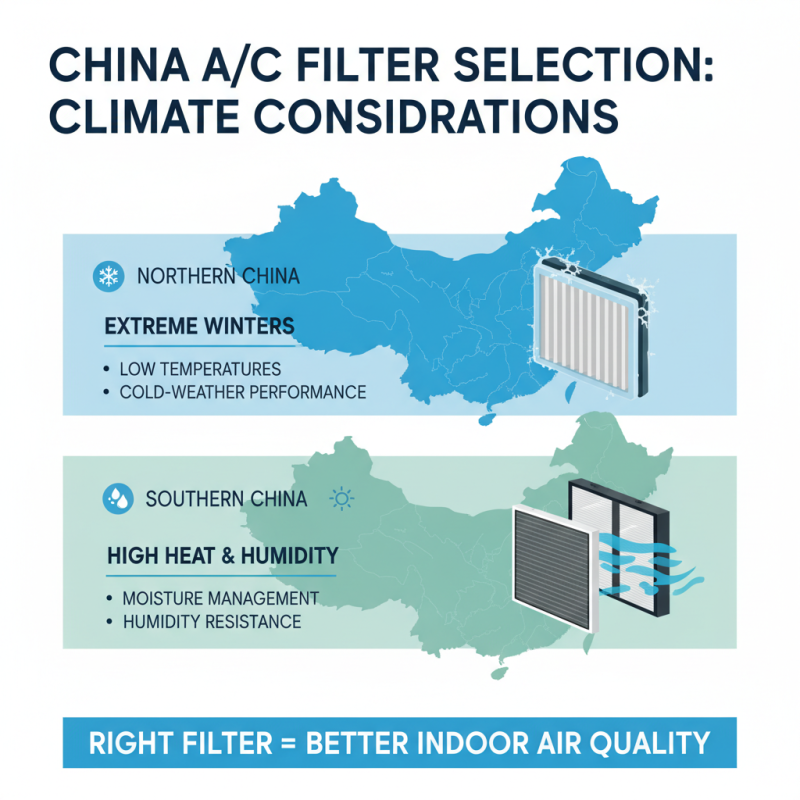
When selecting air conditioning filters in China, regional climate plays a crucial role. Northern China faces extreme winters. Filters must perform well in low temperatures. In contrast, southern regions experience high humidity and heat. Here, filters must manage moisture effectively. The right filter can greatly enhance indoor air quality.
Data from the China Association of Air Conditioning indicates that particulate matter (PM2.5) levels are a significant concern in urban areas. In some cities, these levels exceed 100 µg/m³, which is harmful. Efficient filters should remove at least 85% of PM2.5 particles. This requirement varies by location, emphasizing the need for tailored filter choices.
Moreover, maintenance is often overlooked. A dirty filter can reduce airflow and efficiency. Reports suggest that replacing or cleaning filters can improve performance by up to 30%. In humid areas, mold becomes a risk. Choosing filters with antimicrobial properties might help. Awareness of regional conditions will lead to better choices.
Maintenance Best Practices: Ensuring Longevity and Efficiency of Air Filters
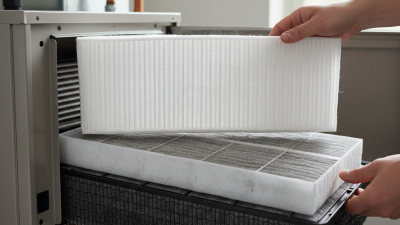
Proper maintenance of air conditioning filters is crucial for optimal indoor air quality. A poorly maintained filter can result in a 15% decrease in system efficiency, according to industry reports. Dust, allergens, and pollutants accumulate over time. These can worsen air quality and increase health risks. Regular cleaning or replacing filters is a simple yet effective step.
Tips: Check filters monthly. If they appear dirty, clean or replace them. For maximum efficiency, invest in high-efficiency particulate air (HEPA) filters. They capture 99.97% of particles, greatly improving air cleanliness.
Regularly maintaining your filters helps them last longer. A well-maintained filter can last up to six months. Remember, neglect can lead to system strain. This can cost you more in energy bills. The indoor air quality significantly impacts health. Regular maintenance can reduce respiratory issues and allergies.
Tips: Keep a schedule for filter checks. Label your calendar to remind you when it's time. Consider seasonal changes. More dust or pollen may require more frequent cleaning. Always prioritize your health and comfort by ensuring your air filters are in top condition.

 Products
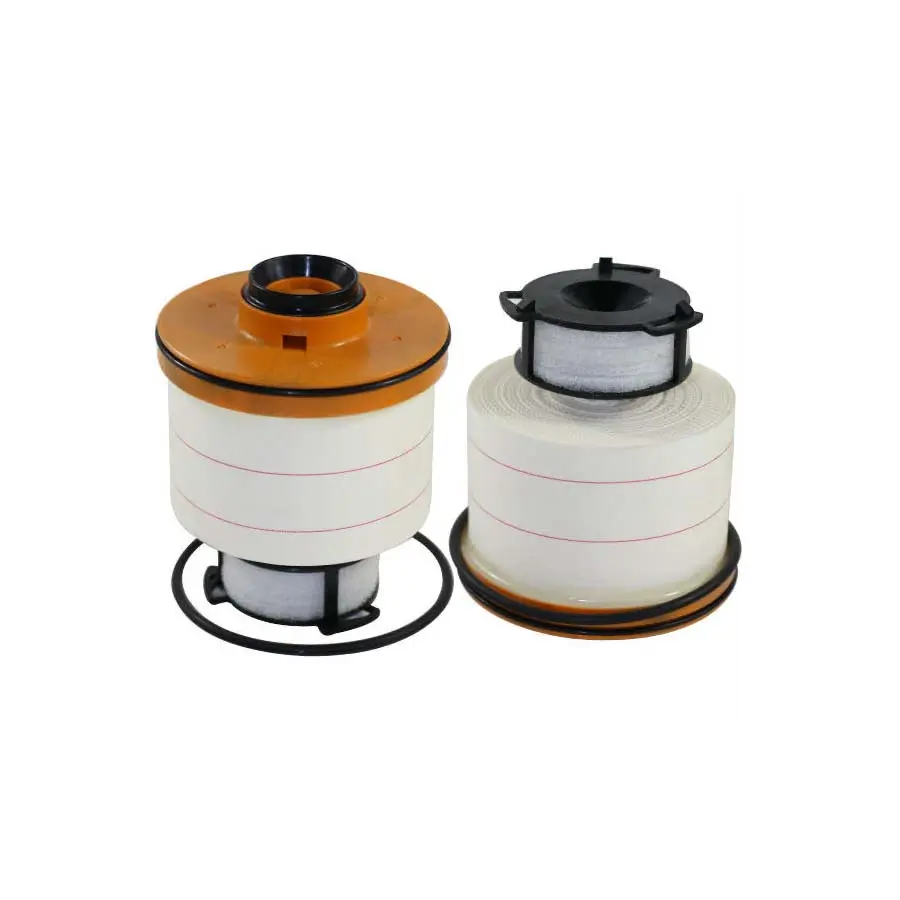 FUEL FILTER
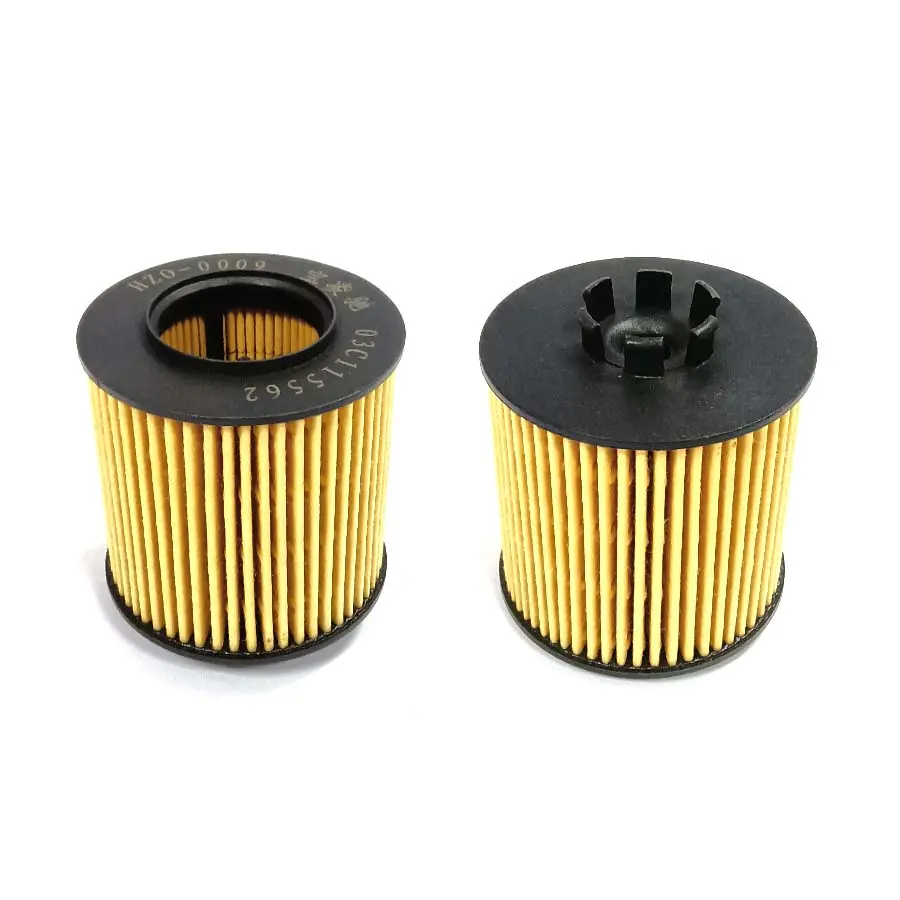 OIL ELEMENT FILTER
 OIL FILTER
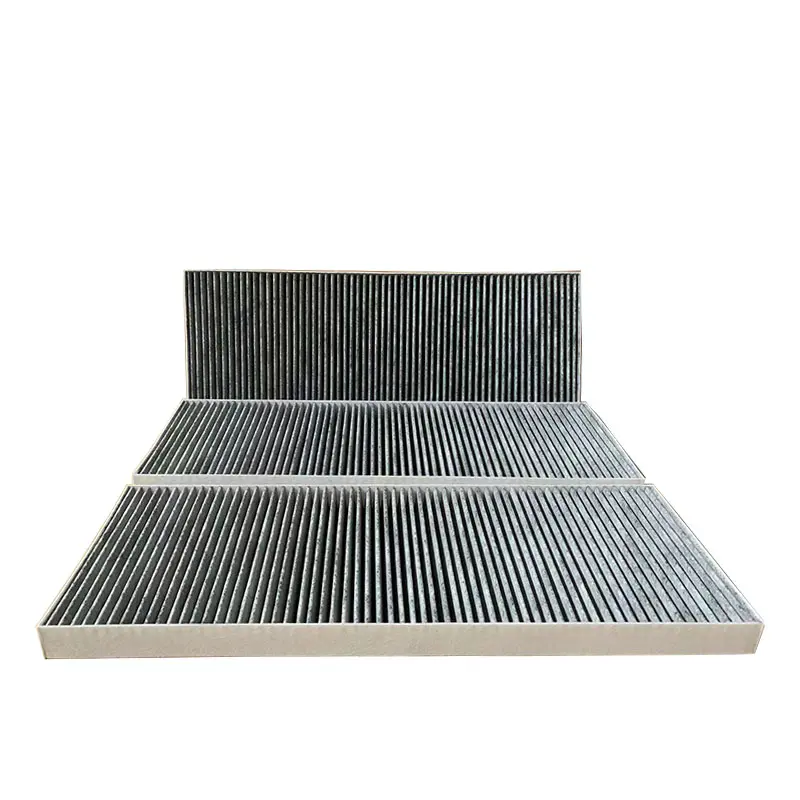 CABIN FILTER
 AIR FILTER