How to Choose the Best Air Filter for Your Needs in 2026?
As we approach 2026, choosing the best air filter for your needs is crucial. The air filter industry is evolving rapidly. According to a report by the Environmental Protection Agency (EPA), indoor air can be up to five times more polluted than outdoor air. Using an effective air filter can significantly improve indoor air quality.
Many consumers struggle with determining what type of air filter is best. There are various options, from HEPA filters to activated carbon filters. Each type has its strengths and limitations. For instance, HEPA filters capture 99.97% of particles that are 0.3 microns or larger. However, they may not effectively reduce odors or specific volatile organic compounds. Understanding these nuances is vital for making an informed decision.
In the market, the demand for high-efficiency air filters is growing. A recent market analysis indicated that the global air filter market is projected to reach $22 billion by 2027. This growth reflects the increasing awareness of air quality impacts on health. In this landscape, selecting the right air filter involves knowledge and careful consideration. It is important to reflect on your specific needs and the environment in which the filter will be used.
Understanding Air Filter Types and Their Functions
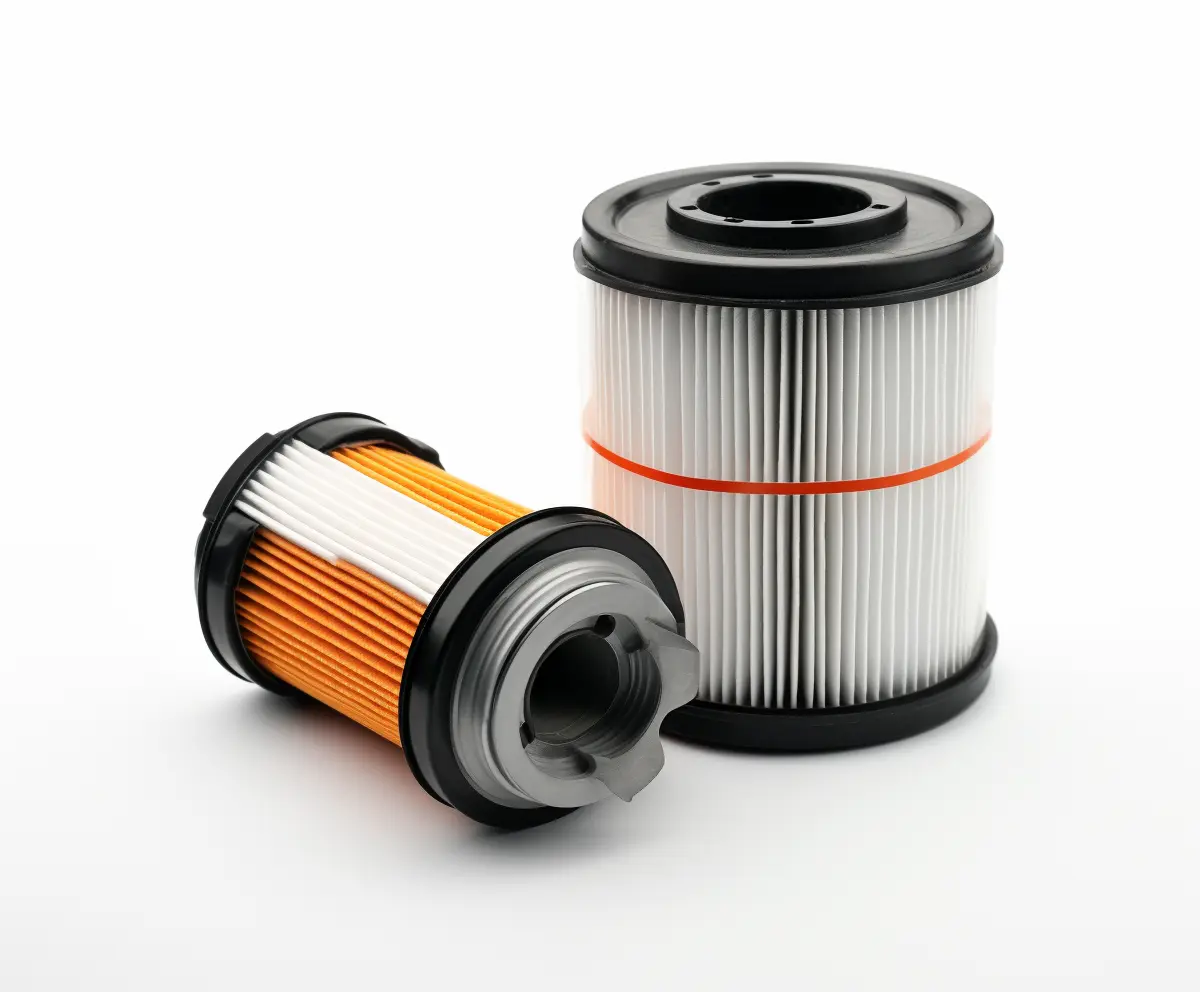
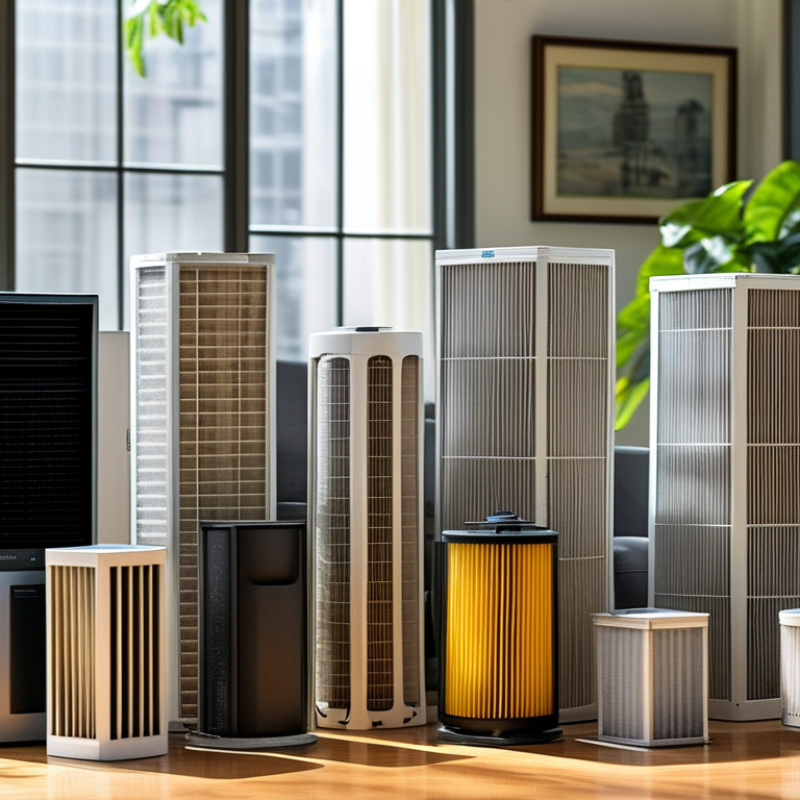
When choosing an air filter, it's essential to understand the different types and their functions. HEPA filters are popular for removing allergens and small particles. They can trap dust, pollen, and pet dander effectively. If your goal is to improve air quality, HEPA filters are a reliable option. However, they may not capture odors or volatile organic compounds (VOCs) found in certain homes.
Activated carbon filters excel at absorbing odors and gases. They work by adsorbing harmful substances into their porous structure. While they effectively tackle smells, they might not filter out smaller particles. This limitation can affect overall air cleanliness. Filtering air effectively requires a thoughtful mix of both types.
Ultraviolet (UV) filters are another important consideration. These filters kill bacteria and viruses, ensuring the air is free from pathogens. Although beneficial in specific situations, they do not address particulate matter. Users sometimes overlook this, leading to incomplete air purification. Choosing the right combination is key to addressing various air quality concerns. Each filter type has its strengths and weaknesses; understanding these can guide better decision-making for your space.
How to Choose the Best Air Filter for Your Needs in 2026?
| Filter Type |
MERV Rating |
Particle Size Captured |
Lifespan |
Ideal Use |
| Fiberglass Filter |
1-4 |
>10 microns |
1-3 months |
Basic filtration |
| Pleated Filter |
5-8 |
3-10 microns |
3-6 months |
Residential use |
| HEPA Filter |
13-16 |
0.3-10 microns |
6-12 months |
Allergy sufferers |
| Activated Carbon Filter |
Not Rated |
Varies |
6-12 months |
Odor control |
| Electrostatic Filter |
8-12 |
0.3-10 microns |
6-12 months |
Energy-efficient homes |
Key Factors to Consider When Choosing an Air Filter
Choosing the right air filter involves several key factors. First, consider the air quality in your home. If you have allergies or asthma, opt for filters that capture small particles. High-efficiency particulate air (HEPA) filters are excellent for trapping allergens like pollen, dust mites, and pet dander.
Next, evaluate the filter's MERV rating. This rating indicates the filter's efficiency in capturing particles. A higher MERV rating means better filtration, but it also requires a stronger airflow. You may need to check your HVAC system’s compatibility. Some filters may restrict airflow, causing inefficiency.
Think about maintenance too. Filters need regular replacement to maintain effectiveness. Sometimes, it's easy to forget this task. Set reminders to check the filter every few months. Some users overlook their air filter's condition and experience poorer air quality as a result. The right choice can profoundly impact your home's air quality; make sure to consider all aspects diligently.
Evaluating MERV Ratings and What They Mean for Air Quality
When evaluating air filters, MERV ratings play a crucial role. MERV, or Minimum Efficiency Reporting Value, indicates how well an air filter captures particles. Ratings range from 1 to 16, with higher numbers signifying better filtration.
According to the American Society of Heating, Refrigerating and Air-Conditioning Engineers (ASHRAE), filters rated between 8 and 13 effectively capture most airborne allergens. This includes pollen, dust mites, and pet dander. A filter rated 14 and above can trap even smaller particles, like smoke and bacteria.
However, higher-rated filters can come with challenges. They may restrict airflow if your HVAC system isn’t designed for them. This restriction can lead to increased energy costs or even system malfunctions. It's crucial to balance air quality needs with system capabilities.
For instance, a study in Environmental Science & Technology found that filters with MERV ratings above 13 improved indoor air quality significantly. But they also prompted maintenance concerns, especially in older systems.
Understanding MERV ratings helps in choosing a filter that meets your specific needs. Make sure to consider your environment, existing HVAC system, and maintenance routines. Poorly fitting high-MERV filters can cause issues over time. Addressing these aspects ensures effective air filtration while maintaining system efficiency.
Assessing Filter Lifespan and Replacement Frequency
When selecting an air filter, understanding its lifespan and the frequency of replacement is crucial. Most filters need replacement every three months. However, this varies based on the type of filter and environmental factors. A HEPA filter might last longer in a dust-free area, while in a high-pollution zone, it may need changing monthly. According to a report by the American Society of Heating, Refrigerating and Air-Conditioning Engineers (ASHRAE), air filters can lose up to 20% of their efficiency within the first 30 days of use.
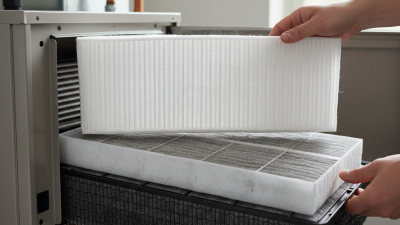
Tip: Regularly checking your filter's status can help you gauge when to replace it. Visually inspect it monthly for dust buildup or discoloration. Many professionals recommend setting reminders for changes to avoid poor air quality.
Don't overlook the filter material, as it impacts longevity. Fiberglass filters are cheaper but need more frequent changes. Pleated filters offer better performance and last longer. Understanding your home’s air quality can guide choices. Utilize air quality monitors to determine the optimal replacement frequency. Regular assessments can save money and improve indoor air quality.
Considering Additional Features and Technologies in Air Filters
When selecting an air filter, extra features can greatly enhance performance. Consider filters with HEPA technology. These can trap tiny particles, improving overall air quality. Some models also utilize UV-C light, which can reduce bacteria and viruses. This adds another layer of protection for your home.
Smart air filters are becoming popular. They can connect to your home network, providing data about air quality. Notifications alert you when it’s time to change the filter. This technology can be invaluable for those with allergies or respiratory issues. However, not everyone finds these features necessary. Some may prefer a straightforward, traditional filter.
Noise levels are another factor to consider. Certain filters operate quietly, while others may be disruptive. Assess your living space to determine which option suits your needs. It's essential to balance features with practicality. Focus on what truly enhances your air quality versus what is simply trendy.
Air Filter Technologies and Features Comparison for 2026

 Products
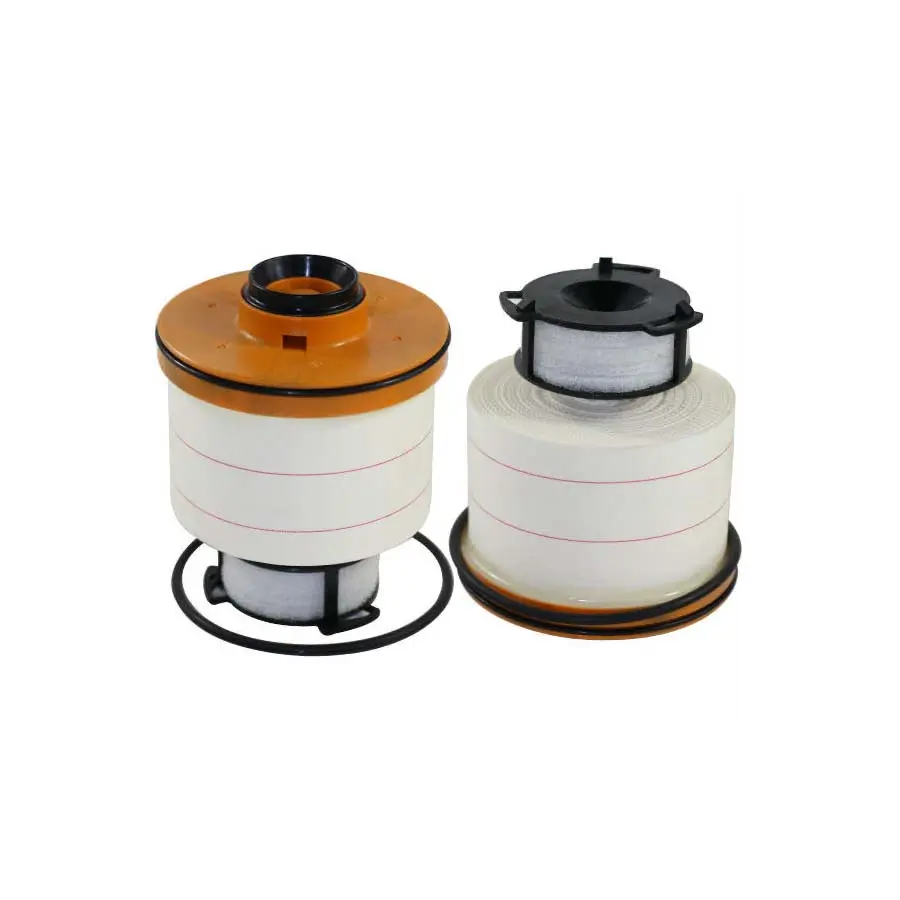 FUEL FILTER
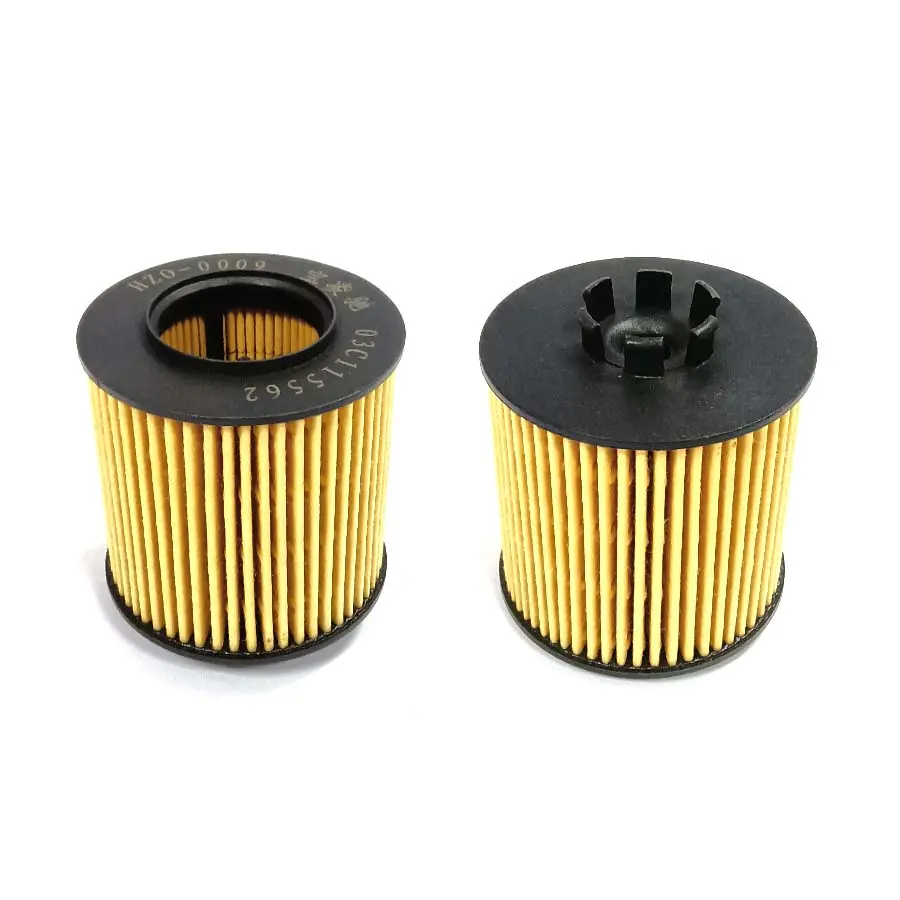 OIL ELEMENT FILTER
 OIL FILTER
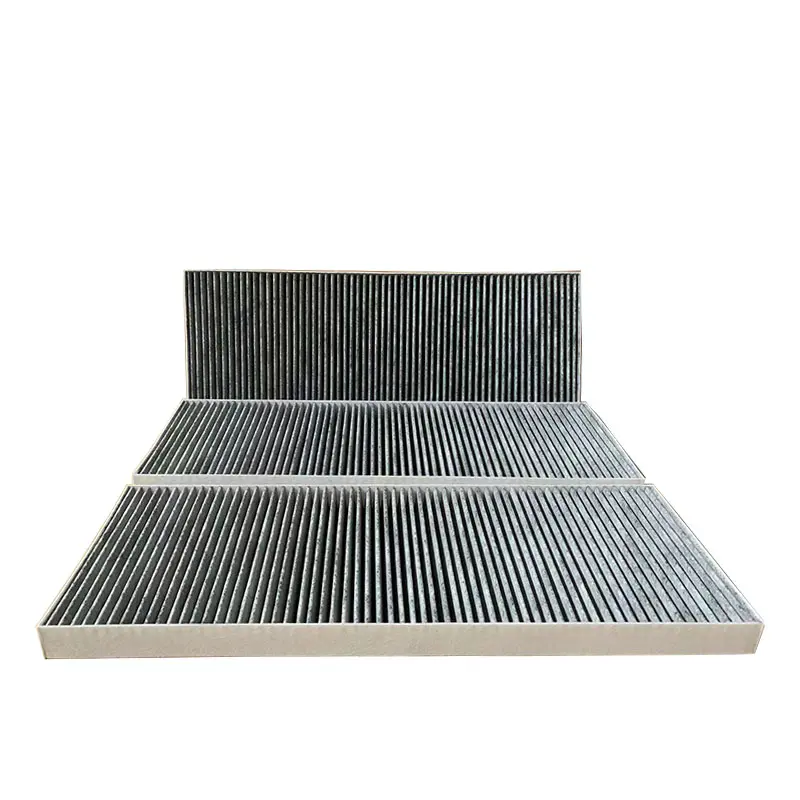 CABIN FILTER
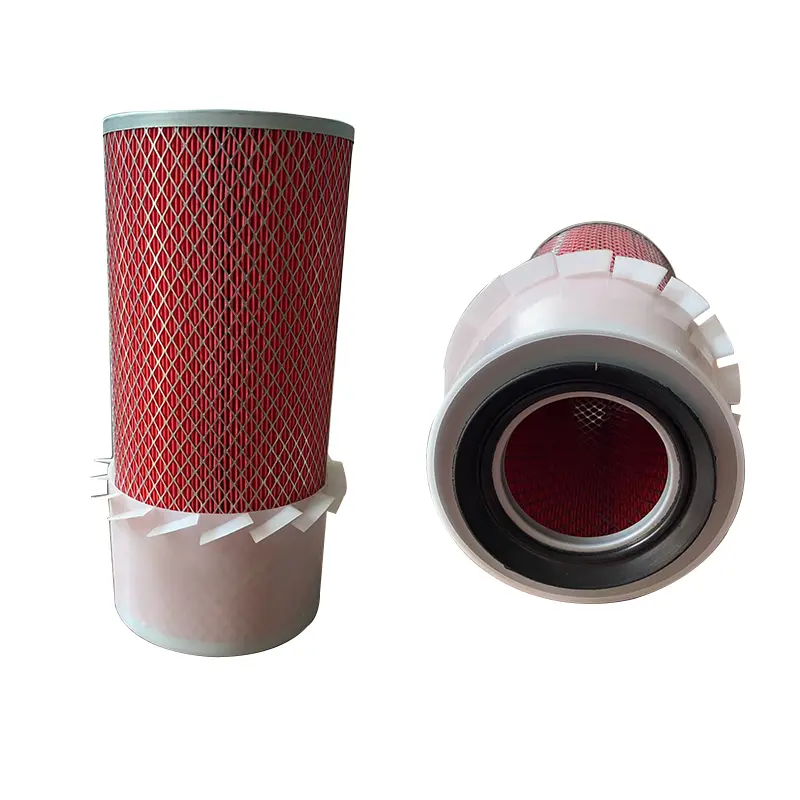 AIR FILTER