How to Choose the Best AC Filter for Your Needs?
Choosing the right AC filter is crucial for maintaining air quality and system efficiency. According to HVAC expert John Smith, “The right AC filter can make all the difference in your home’s comfort.” Selecting an AC filter requires understanding your specific needs, as filters vary significantly in effectiveness and design.
One must consider factors like MERV ratings, filter size, and air circulation requirements. Higher MERV ratings often mean better filtration, but they can also restrict airflow. This can lead to system strain, hence the importance of balance. An appropriate AC filter ensures that allergens and dust are minimized, improving indoor air quality.
Finding the best AC filter is not a straightforward task. It involves assessing your environment and understanding filter types. Many might overlook the necessity of regular filter replacements. A neglected filter can lead to indoor air pollution and higher energy bills. Balancing filtration effectiveness with airflow needs is vital for optimal performance.
Understanding the Importance of AC Filters in Indoor Air Quality
Indoor air quality is significantly influenced by AC filters. They trap dust, allergens, and other pollutants. A good filter can improve respiratory health and increase comfort at home. Understanding your filter’s role helps you make informed choices.
Choosing the right filter is key. Look for filters with a Minimum Efficiency Reporting Value (MERV) rating. Higher ratings mean better filtration. However, higher isn’t always better. Some filters may restrict airflow, putting strain on your AC system.
Tips for selecting filters:
1. Regularly check and change filters. This ensures optimal performance.
2. Consider your specific needs. Those with allergies may need HEPA filters.
3. Listen to your AC unit. Unusual noises can mean filter issues.
Assess your environment. Homes with pets or smokers may require more frequent changes. Monitor air quality regularly. Consider using an indoor air quality monitor. Filters may need adjustments based on seasonal changes. Stay proactive to ensure your indoor air remains clean and healthy.
How to Choose the Best AC Filter for Your Needs? - Understanding the Importance of AC Filters in Indoor Air Quality
| Filter Type |
MERV Rating |
Typical Particle Removal Efficiency |
Lifespan (Months) |
Ideal Use Case |
| Fiberglass |
1-4 |
< 20% |
1 |
Budget-friendly, minimal filtration |
| Pleated |
5-8 |
20-60% |
3-6 |
General home use |
| Electrostatic |
6-8 |
30-75% |
12 |
Reusable, better air quality |
| HEPA |
13-16 |
> 99% |
6-12 |
Allergies, asthma considerations |
| Carbon Filters |
9-12 |
Variable |
3-6 |
Odor elimination |
Key Factors to Consider When Selecting an AC Filter
When selecting an AC filter, it’s crucial to consider several key factors that will enhance its efficiency and effectiveness.
Filter MERV ratings can guide your choice. A higher MERV rating indicates better filtration, removing more allergens.
The average household air has about 5 to 10 allergens per cubic meter, making a quality filter essential.
Airflow and filter size are equally important. A filter that’s too dense can restrict airflow, causing your HVAC system to work harder. This leads to increased energy costs,
potentially raising bills by 5% to 15%. Measure your existing filter size accurately for the best fit.
Tip: Regularly check your filter every month. Change it at least every three months to maintain optimal air quality.
Material type also plays a role. Fiberglass filters are cost-effective but less efficient. Pleated filters capture more particles, offering better indoor air quality. A study showed that pleated filters can capture
40% more dust and allergens.
Tip: Consider a washable option for long-term savings.
Choosing the right filter can involve some trial and error. Not every highly rated filter will suit your specific needs. Understand indoor conditions and allergy sensitivities when making your selection.
Keep experimenting until you find the filter that perfectly balances airflow with filtration efficiency.
Types of AC Filters: Comparing HEPA, Fiberglass, and Electrostatic Options
Choosing the right AC filter is crucial for maintaining air quality in your home.
HEPA filters are known for their exceptional ability to capture tiny particles. They remove dust, pollen, and even smoke particles, ensuring clean air. However, they can be more expensive and may require frequent changes.
Fiberglass filters are budget-friendly. They are effective at trapping larger particles. This option works well for general dust and allergens. But they may not filter out finer particles. Regular checks are necessary to ensure their efficiency, as neglect can lead to poor air quality.
Electrostatic filters use static electricity to trap particles. They are washable and reusable, which can save money over time. Yet, they require consistent maintenance to keep them effective. A dirty electrostatic filter might not perform well, leading to increased allergens in your home.
Tip: Always check the MERV rating when choosing a filter. A higher rating means better filtration but may restrict airflow in older systems.
Tip: If unsure, seek advice from HVAC professionals. They can provide insights based on your specific system and needs.
Consider how often you change filters. Regularly changing them not only improves air quality but also extends the life of your AC unit.
MERV Ratings: What They Mean and How They Affect Filter Performance
When selecting an air conditioning (AC) filter, understanding MERV ratings is crucial. MERV, which stands for Minimum Efficiency Reporting Value, helps you gauge a filter's ability to trap particles. The scale ranges from 1 to 20. A higher MERV rating indicates better filtration. For example, a filter with a MERV rating of 8 can capture pollen and dust mites, while a rating of 15 or higher can trap smaller particles like smoke and bacteria.
Choosing the right MERV rating depends on your specific needs. If you have allergies or respiratory issues, a filter with a higher MERV rating could significantly improve your air quality. However, higher-rated filters can restrict airflow if your system isn’t designed for them. This may result in inefficiency and increased energy bills. Balancing improved air quality with your system's capacity is essential.
Remember that the installation process and regular maintenance are just as important. Even the best filter won't work effectively if it’s clogged. Inspecting your filter monthly and changing it as needed can ensure optimal performance. Ultimately, understanding MERV ratings empowers you to make an informed choice for better indoor air quality.
Understanding MERV Ratings and Their Impact on AC Filter Performance
The bar chart above illustrates the efficiency of different MERV ratings for AC filters. As the MERV rating increases, the efficiency of the filter in trapping particles and improving air quality also increases. Selecting the right filter based on MERV ratings is essential for optimizing performance and ensuring clean air in your living space.
Maintenance Tips for Prolonging the Life of Your AC Filter
When it comes to maintaining your air conditioning system, the AC filter plays a crucial role. A clean filter can improve indoor air quality and increase system efficiency. According to the U.S. Department of Energy, replacing or cleaning filters can improve AC efficiency by 5 to 15 percent. However, many homeowners overlook this essential component.
To prolong the life of your AC filter, regular maintenance is necessary. Dust and allergens accumulate quickly in filters, especially during peak usage months. It’s recommended to check your filter at least every month. If it appears dirty, replace it or clean it as needed. Some reports indicate that 20% of HVAC system failures are due to clogged filters. Maintaining filter cleanliness can help avoid expensive repairs.
Tips for extending filter life: include using a high-quality filter. A higher MERV (Minimum Efficiency Reporting Value) rating means better filtration, but it may restrict airflow. This can impact efficiency. Regularly check the manufacturer’s guidelines for optimal filter types. Changing the filter seasonally can ensure your system performs well year-round. Remember, a neglected filter can lead to increased energy bills and reduced comfort.

 Products
 FUEL FILTER
 OIL ELEMENT FILTER
 OIL FILTER
 CABIN FILTER
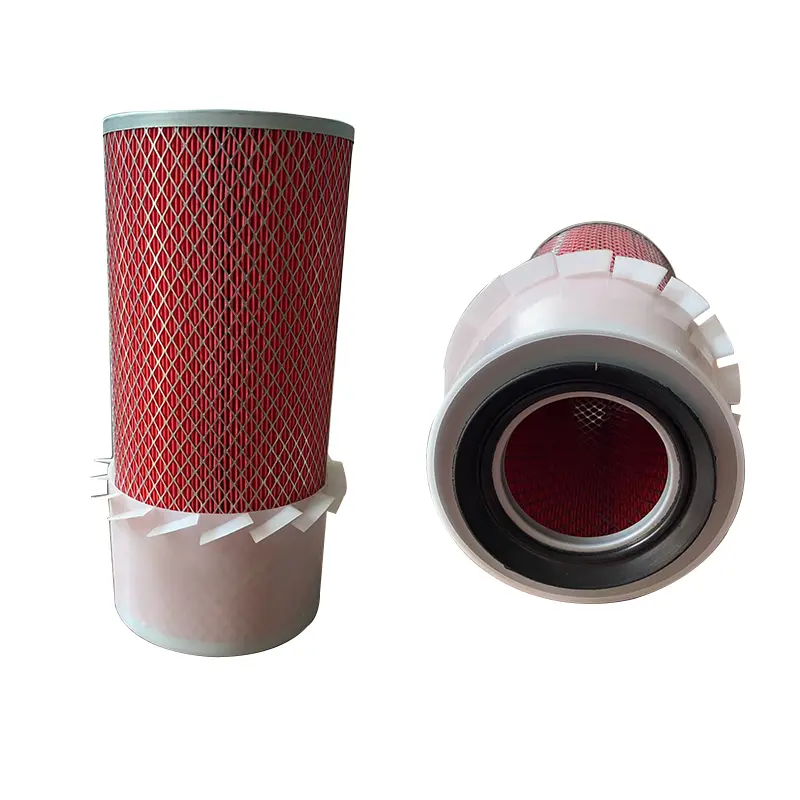 AIR FILTER