How to Choose the Right Air Conditioning Filter for Your Home?
Choosing the right Air Conditioning Filter for your home is crucial for optimal indoor air quality. According to the Environmental Protection Agency, indoor air can be two to five times more polluted than outdoor air. The Air Conditioning Filter plays a vital role in reducing allergens and pollutants.
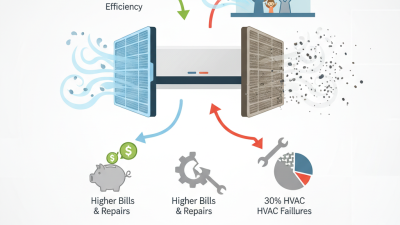
Many homeowners overlook the importance of these filters. Research shows that 50% of homeowners do not replace their filters regularly. This oversight can lead to decreased system efficiency and higher energy costs. Neglecting the Air Conditioning Filter can also exacerbate respiratory issues in sensitive individuals.
Selecting the right filter requires consideration of various factors. MERV ratings, filter types, and specific needs vary greatly. A filter with a higher MERV rating captures more particles but may restrict airflow. Homeowners must weigh efficiency against potential strain on their AC units. Making the right choice is not always straightforward. However, it pays off in long-term health and comfort.
Understanding Air Conditioning Filters and Their Importance
Air conditioning filters play a crucial role in maintaining indoor air quality. They capture dust, allergens, and other pollutants, making the air cleaner and safer to breathe. A good filter helps to reduce respiratory issues. Over time, filters can become clogged, diminishing their effectiveness. Regularly checking and replacing them is essential, yet many homeowners overlook this task.
Choosing the right filter involves understanding your home’s needs. Filters come in different materials, thicknesses, and ratings. A higher MERV rating indicates better filtration but may restrict airflow if not compatible with your system. It’s important to balance filtration efficiency with your unit’s specifications. Consider your family’s sensitivities, too; those with allergies may benefit from specialized filters.
Improperly maintaining filters can lead to unexpected costs. A dirty filter strains the system, causing higher energy bills. It can also lead to costly repairs. Homeowners sometimes buy filters without fully understanding their impact. It’s a common oversight that demands attention. Staying informed about the types of filters available is a proactive step towards better home health.
Air Conditioning Filter Efficiency by Type
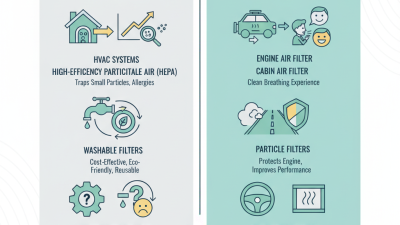
Types of Air Conditioning Filters Available for Home Use
Choosing the right air conditioning filter can greatly affect your indoor air quality. Various types of filters are available for home use, each with unique benefits.
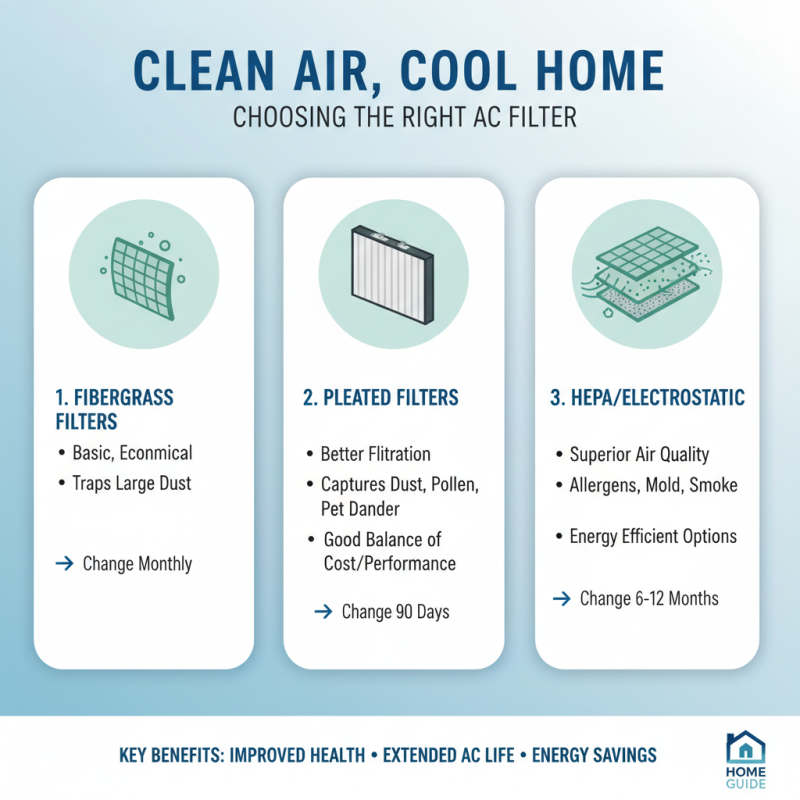
Fiberglass filters are the most common. They are inexpensive and effective at trapping large particles. However, they do little for smaller pollutants. A study by the Environmental Protection Agency indicates that they can allow up to 80% of allergens to pass through. This may not be ideal for allergy sufferers.
Pleated filters offer a better option for many homes. They capture smaller particles and allergens, such as pollen and dust mites. According to a report from the American Lung Association, pleated filters can remove up to 90% of these pollutants. They can be more costly, but their effectiveness may be worth the investment.
HEPA filters are among the best for air quality. These filters can trap up to 99.97% of particles as small as 0.3 microns. Yet, they require proper installation and maintenance to function effectively. Neglecting them can lead to decreased airflow and higher energy bills. Choosing the right filter demands careful consideration of your needs and budget.
Factors to Consider When Choosing an Air Filter
Choosing the right air filter for your home can feel overwhelming. There are several factors to consider. Air filters come in various types and ratings. For instance, MERV ratings indicate a filter's effectiveness. Higher ratings catch smaller particles but may restrict airflow too much.
Tips: Check the size of your current filter. Measure it for accuracy. Always choose a filter that fits your system. A wrong size can lead to inefficient performance.
Another important aspect is filter lifespan. Some filters need replacement every month, while others last up to six months. Think about your maintenance routine. A long-lasting filter may save you time and effort, but it should not compromise air quality.
Tips: Consider your environment. If you live in a dusty area, opt for a higher-rated filter. That way, you ensure your home stays clean and fresh. Don’t forget to review allergies among family members. These needs might require specific filter features, like HEPA filters.
Pay attention to the noise level, too. Some filters make your system work harder, resulting in more noise. It is worth reflecting on how sound affects your daily life. A quieter filter can contribute to a more peaceful home environment.
Evaluating MERV Ratings for Optimal Air Quality
When it comes to air conditioning filters, MERV ratings play a crucial role. The Minimum Efficiency Reporting Value (MERV) measures how effectively a filter captures particles. Ratings range from 1 to 16, indicating their filtration capabilities. A higher MERV rating means better particle capture. However, this does not always mean a better choice for your home.
Filters with a MERV rating of 8 to 11 are common for residential use. They effectively capture dust, pollen, and pet dander. These ratings ensure good air quality without straining your AC system. Filters with higher ratings, up to 16, can trap smaller particles like smoke and bacteria. But be cautious; these may restrict airflow. This could lead to higher energy bills and reduced efficiency.
Choosing the right MERV rating is about balance. Consider your allergies and if you have pets. A filter that’s too fine may need frequent replacements. This can be a hassle, and it’s often overlooked. Evaluate your home’s needs carefully. Sometimes, a medium-rated filter works best, offering efficiency and cost savings. Pay attention to your indoor air quality and make informed choices. Finding that sweet spot can be challenging, but it is worth the effort.
Maintenance Tips for Air Conditioning Filters
Choosing the right air conditioning filter is crucial for your home. However, maintaining that filter is equally important. Regular maintenance ensures that your air conditioning system works efficiently and provides clean air.
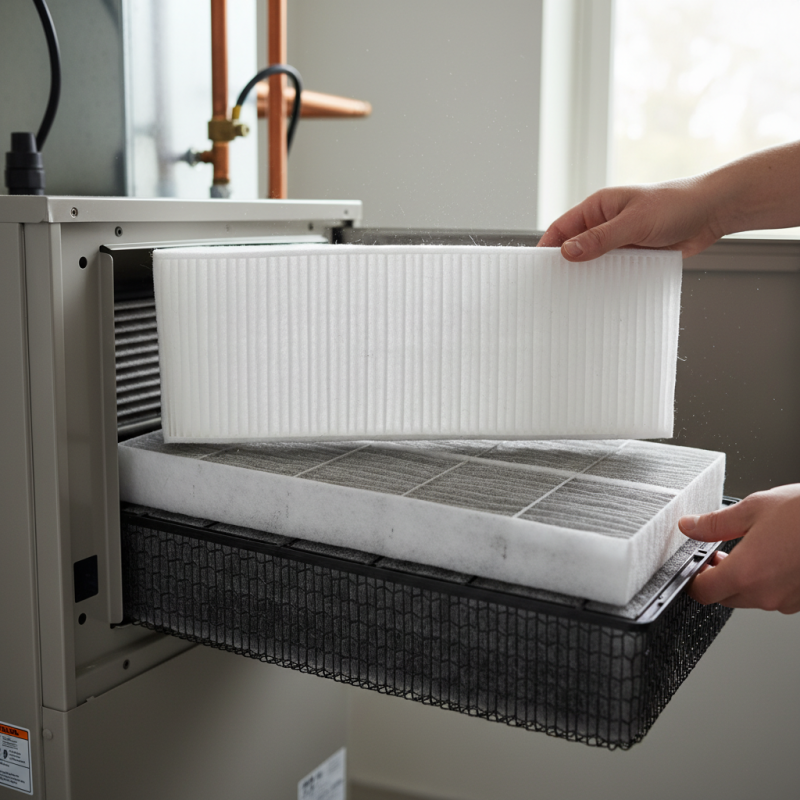
Changing the filter at least every three months can make a difference. Dust, pollen, and pet dander can clog the filter over time. Have you checked your filter lately? A dirty filter can strain your AC unit and increase energy bills. Ensure it’s clean. If you have pets, more frequent changes might be necessary.
Don’t forget to clean the filter, even if it's reusable. Just tap it to remove dust or rinse it with water. Allow it to dry before placing it back. Keep an eye on your filter's condition every month. Regular inspections can prevent problems. A neglected filter doesn’t just harm the AC, but also your indoor air quality.

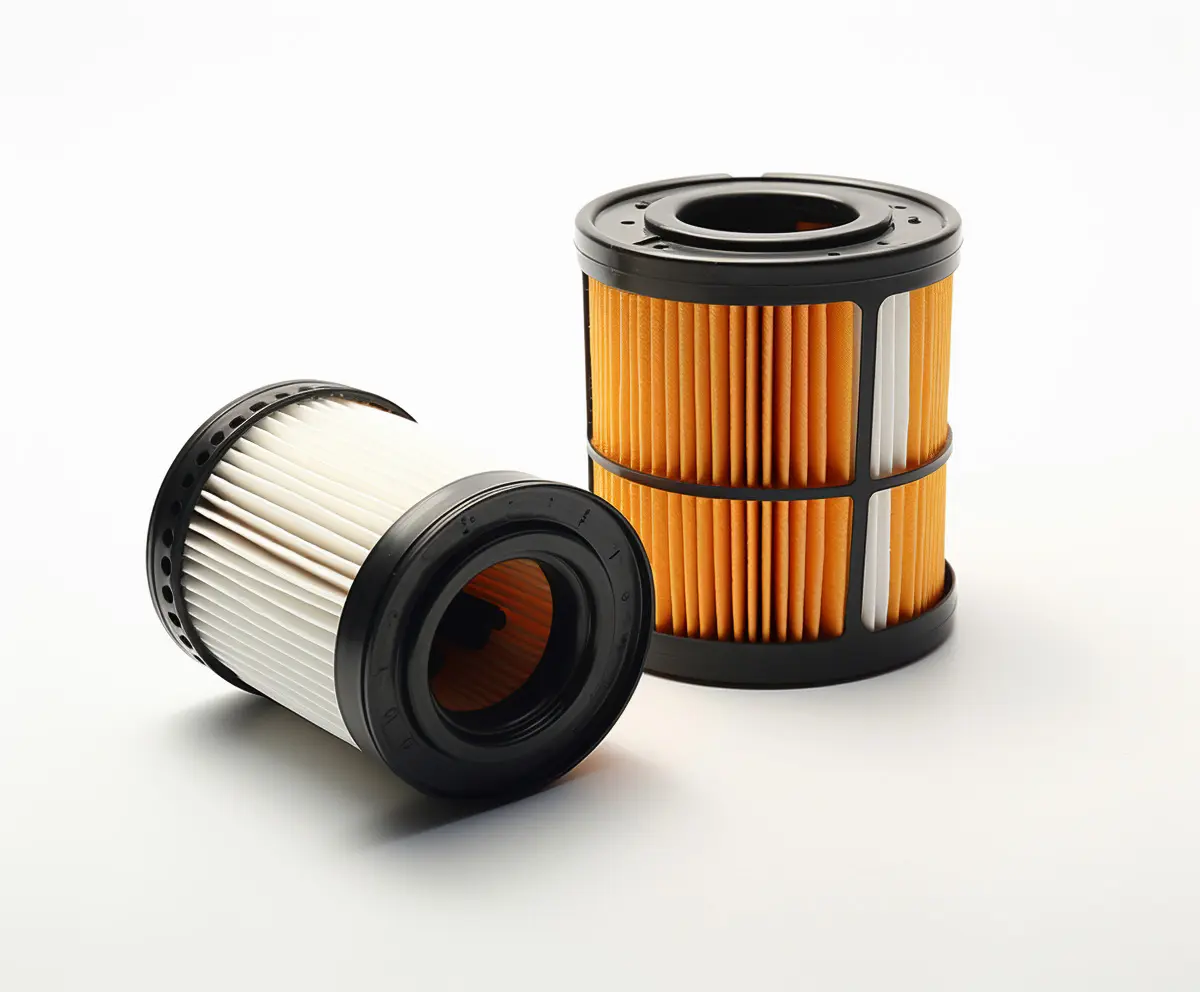 Products
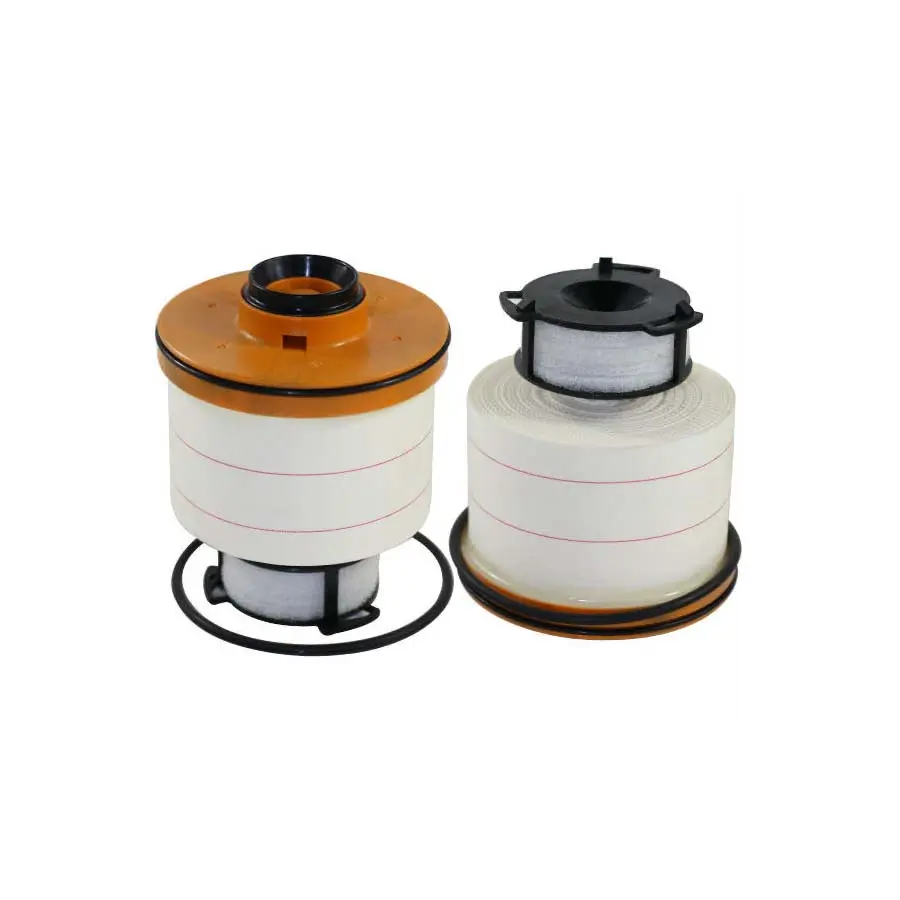 FUEL FILTER
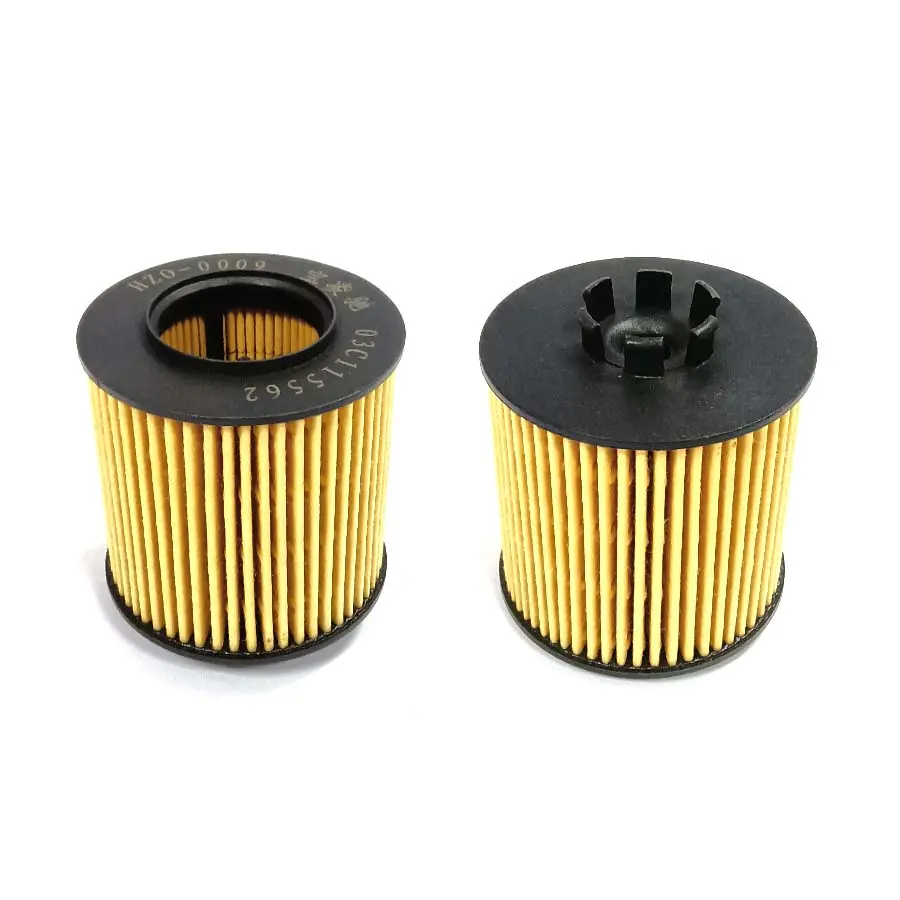 OIL ELEMENT FILTER
 OIL FILTER
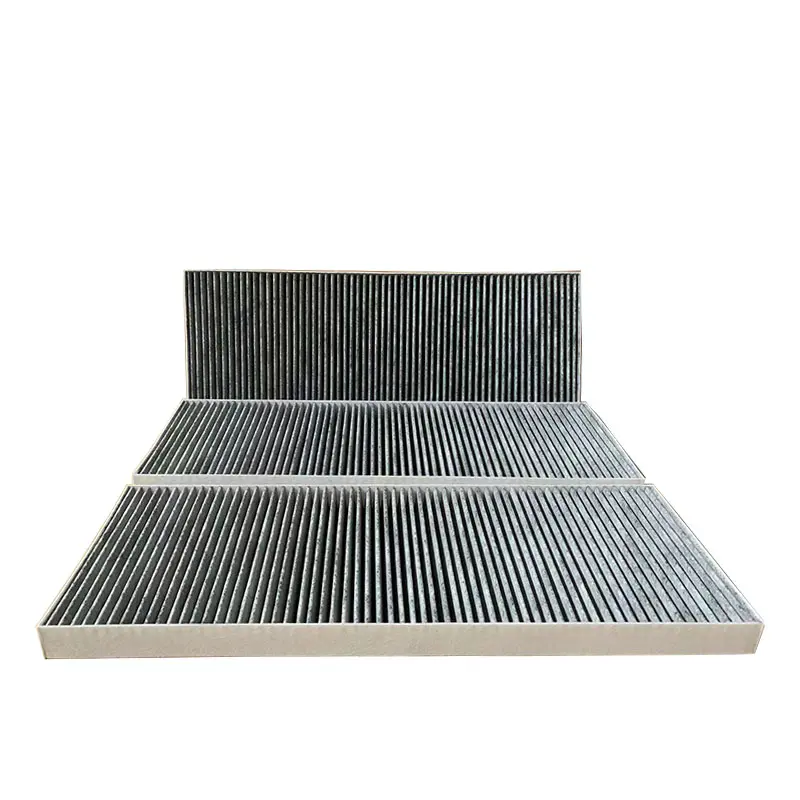 CABIN FILTER
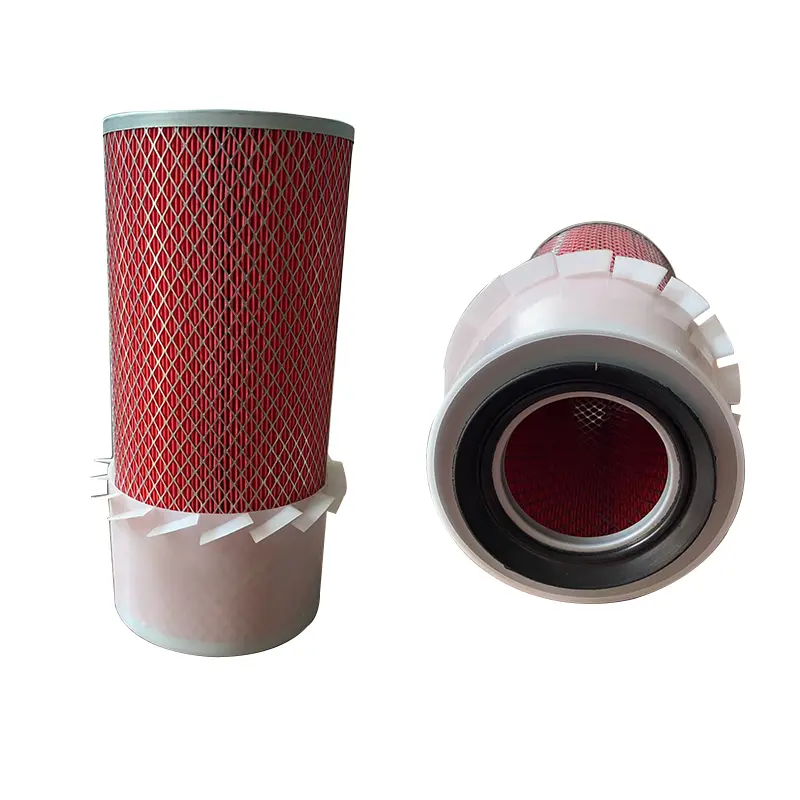 AIR FILTER