How to Choose the Right Automobile Air Intake Filters for Your Vehicle?
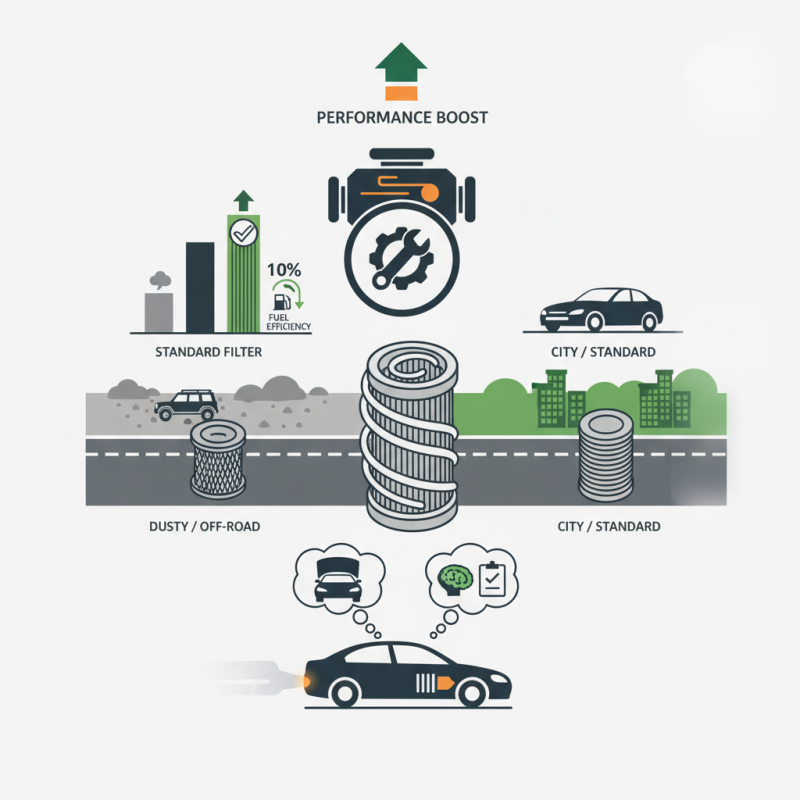
Choosing the right Automobile Air Intake Filters is crucial for vehicle performance. According to a report from the Automotive Filter Manufacturers Association, an efficient air intake filter can improve engine efficiency by up to 10%. This enhancement not only boosts horsepower but also reduces fuel consumption. However, many vehicle owners overlook this important component.
Expert Mark Jennings emphasizes, "A high-quality air intake filter is vital—your engine deserves the best." His words highlight the importance of selecting filters that meet specific vehicle requirements. With various options available, the decision process can be overwhelming.
Consider the type of driving you do. Dusty environments demand a more robust filter, while city drivers might opt for a standard option. Manufacturers often produce filters tailored to these conditions, yet many remain uninformed. Reflecting on the choices, one might wonder if they are truly maximizing their vehicle's capabilities. The nuances of Automobile Air Intake Filters deserve attention, urging owners to make informed decisions for long-term benefits.
Understanding the Function of Air Intake Filters in Vehicles
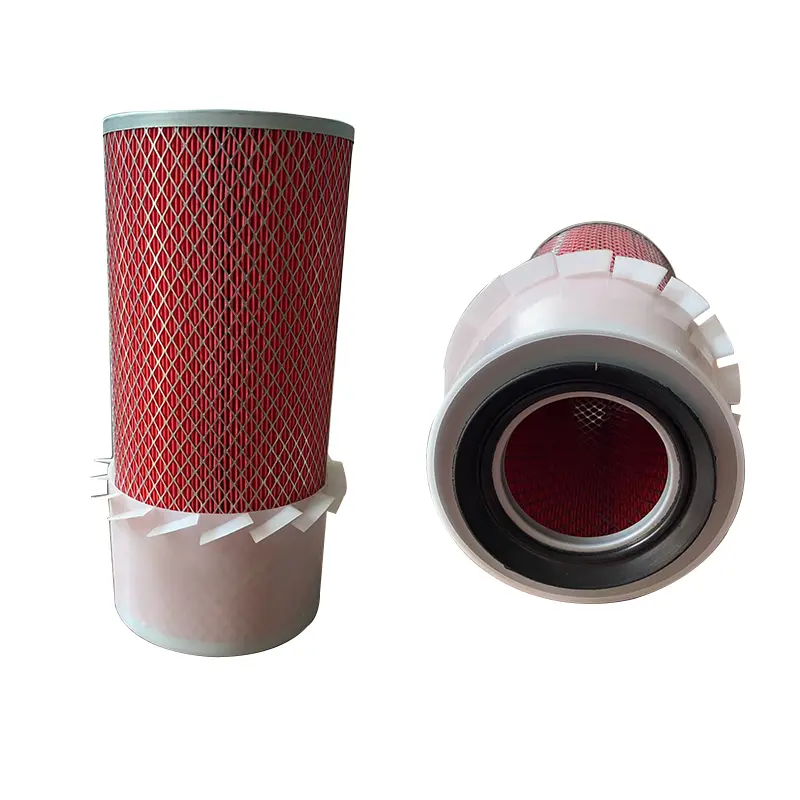
Air intake filters play a critical role in any vehicle's performance. They filter out contaminants from the air before it enters the engine. This process helps maintain the engine's efficiency and prolongs its life. A clean filter allows for better airflow, which can improve fuel efficiency. On the other hand, a dirty filter can cause various issues. It may reduce engine power and increase fuel consumption.
Most air intake filters are made from paper, foam, or cotton. Each material offers distinct benefits. For example, paper filters are affordable and effective, but they may need frequent changes. Foam filters can be cleaned and reused, but may not capture all particles. Cotton filters run longer between changes but require proper oiling.
Choosing the right filter involves considering your driving conditions. If you drive in dusty areas, a more durable filter is necessary. If you mostly drive in clean environments, a basic filter may suffice. Being aware of your vehicle's needs can enhance its performance. However, many drivers overlook their filter's condition. Regular checks could prevent costly repairs down the road. Ignoring this may lead to engine strain or even failure.
Identifying the Types of Air Intake Filters Suitable for Your Vehicle
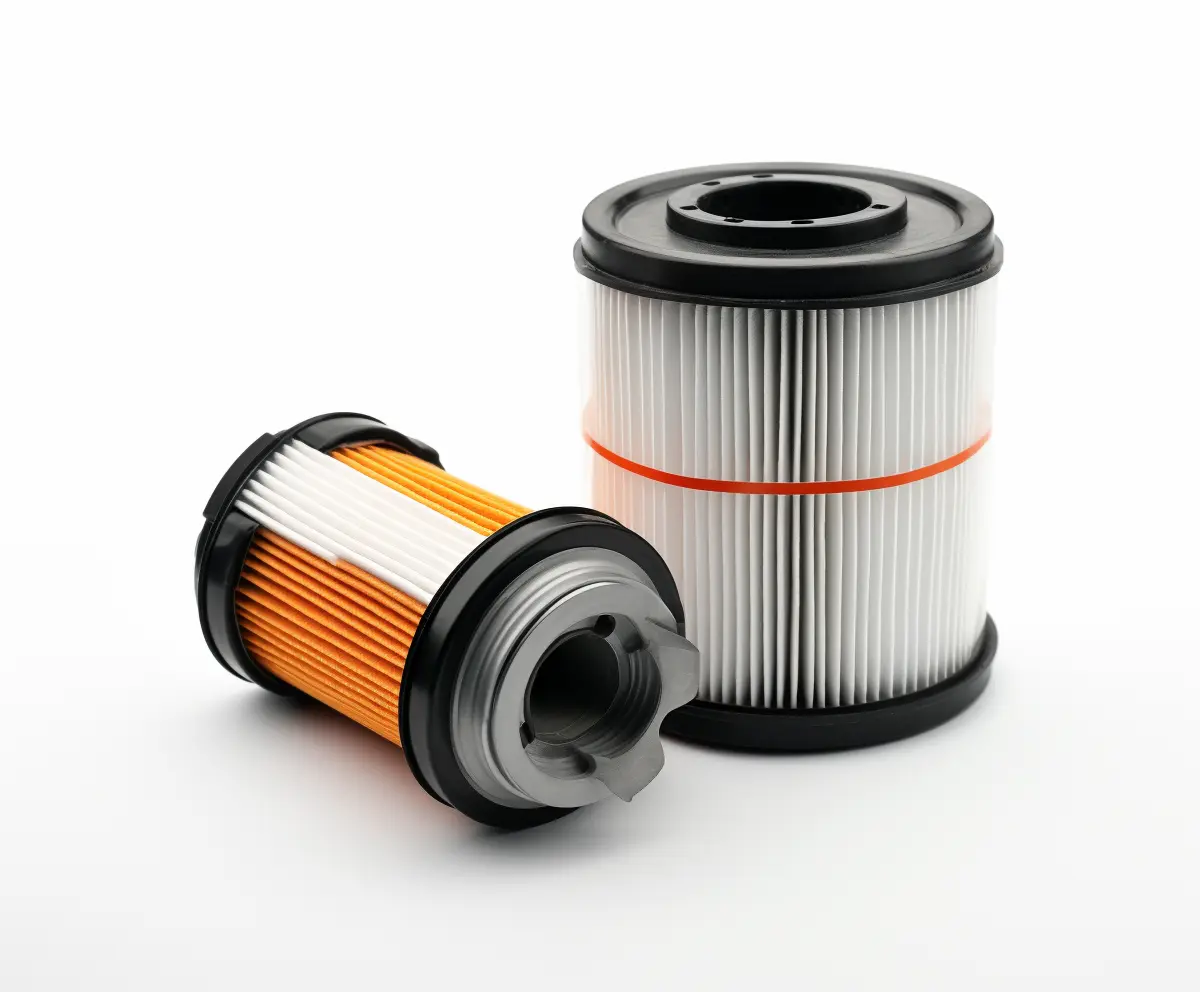
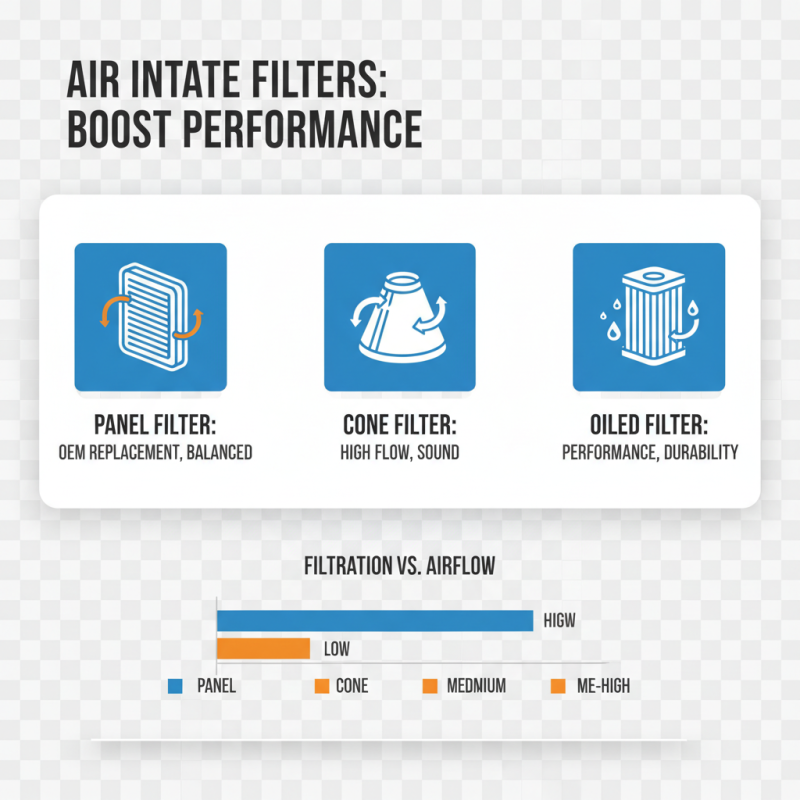
Choosing the right air intake filter for your vehicle can significantly impact performance. Different types of filters cater to various needs. The most common types include panel filters, cone filters, and oiled filters. Each type has its specific application and benefits.
Panel filters fit in the factory airbox and are often easy to replace. They help maintain the manufacturer's air-to-fuel ratio. However, they may not provide the increase in airflow that some enthusiasts seek. Cone filters, on the other hand, allow for better airflow and can enhance engine performance. Keep in mind that improper installation can lead to engine issues.
**Tip:** Always check the filtration efficiency rating. A higher rating means better performance during dirt and debris exposure.
Oiled filters require regular maintenance and cleaning. They offer excellent airflow, but neglecting upkeep can lead to dirt entering the engine. It’s essential to find a balance between filtration and airflow.
**Tip:** Research specific needs based on your environment. If you drive in dusty areas, a filter with higher filtration capacity is necessary.
Selecting the right intake filter isn't one-size-fits-all. Know your vehicle and driving conditions to make a well-informed decision.
Evaluating Filter Material Options: Paper, Foam, and Cotton
Choosing the right air intake filter is crucial for your vehicle's performance. The material of the filter plays a significant role in its effectiveness. Three common options are paper, foam, and cotton. Each has its unique benefits and drawbacks, making them suitable for different driving conditions and vehicle types.
Paper filters are popular for their affordability and ease of replacement. They typically provide good filtration efficiency, capturing a range of particles effectively. Reports suggest that these filters can trap around 95% of dust and debris. However, their ability to handle high airflow can be limited under strenuous conditions. This limitation prompts some drivers to consider alternatives.
Foam filters offer better airflow and are washable, making them a favorite among off-road enthusiasts. According to industry studies, foam can sustain higher air intake while still filtering efficiently. However, they require regular cleaning to maintain performance. On the other hand, cotton filters, known for high filtration capacity, can trap 99% of contaminants. They can be oiled to enhance performance, but over time, this may result in oil residue that can negatively impact mass air flow sensors. Each material choice carries trade-offs, resonating with different needs and driving styles.
How to Choose the Right Automobile Air Intake Filters for Your Vehicle? - Evaluating Filter Material Options: Paper, Foam, and Cotton
| Filter Material |
Airflow Efficiency |
Filtration Efficiency |
Lifespan |
Maintenance |
Cost |
| Paper |
Good |
Moderate |
Typically 15,000 - 30,000 miles |
Disposable, no maintenance |
Low |
| Foam |
Excellent |
Good |
Typically 20,000 - 40,000 miles |
Washable and reusable |
Moderate |
| Cotton |
Good |
High |
Typically 50,000 - 100,000 miles |
Washable, requires oil for maintenance |
Higher |
Assessing Filter Maintenance Requirements and Lifespan
When assessing filter maintenance requirements, consider the specific needs of your vehicle. Some filters require more frequent checks than others. Depending on driving conditions, dust and debris can clog filters faster. Urban environments often necessitate regular inspections. A simple visual check can reveal dirt buildup. It’s crucial to follow guidelines specific to your vehicle type.
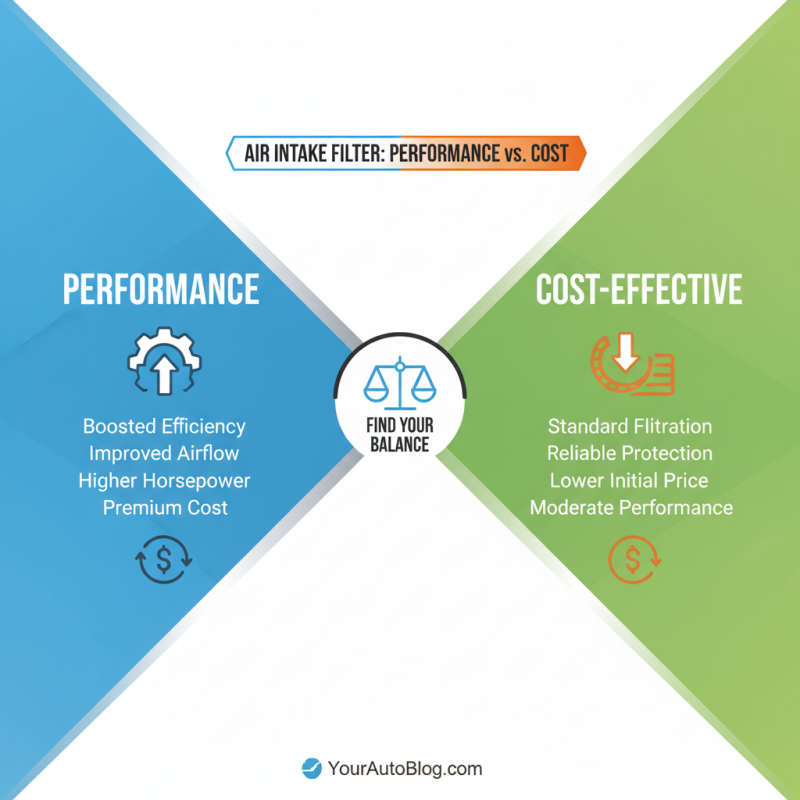
Understanding filter lifespan is key to maintaining vehicle performance. High-quality filters may last longer but often come with a higher price tag. Regular inspections can help gauge their effectiveness. If a filter doesn’t seem to perform well, it’s time for a change. Some users overlook this aspect, leading to poor air intake and diminished power. Finding the right balance between cost and performance requires thoughtful consideration. Choosing a filter based solely on price is tempting, but may not be wise in the long run. Each choice has implications on your vehicle's efficiency.
Automobile Air Intake Filters Maintenance and Lifespan

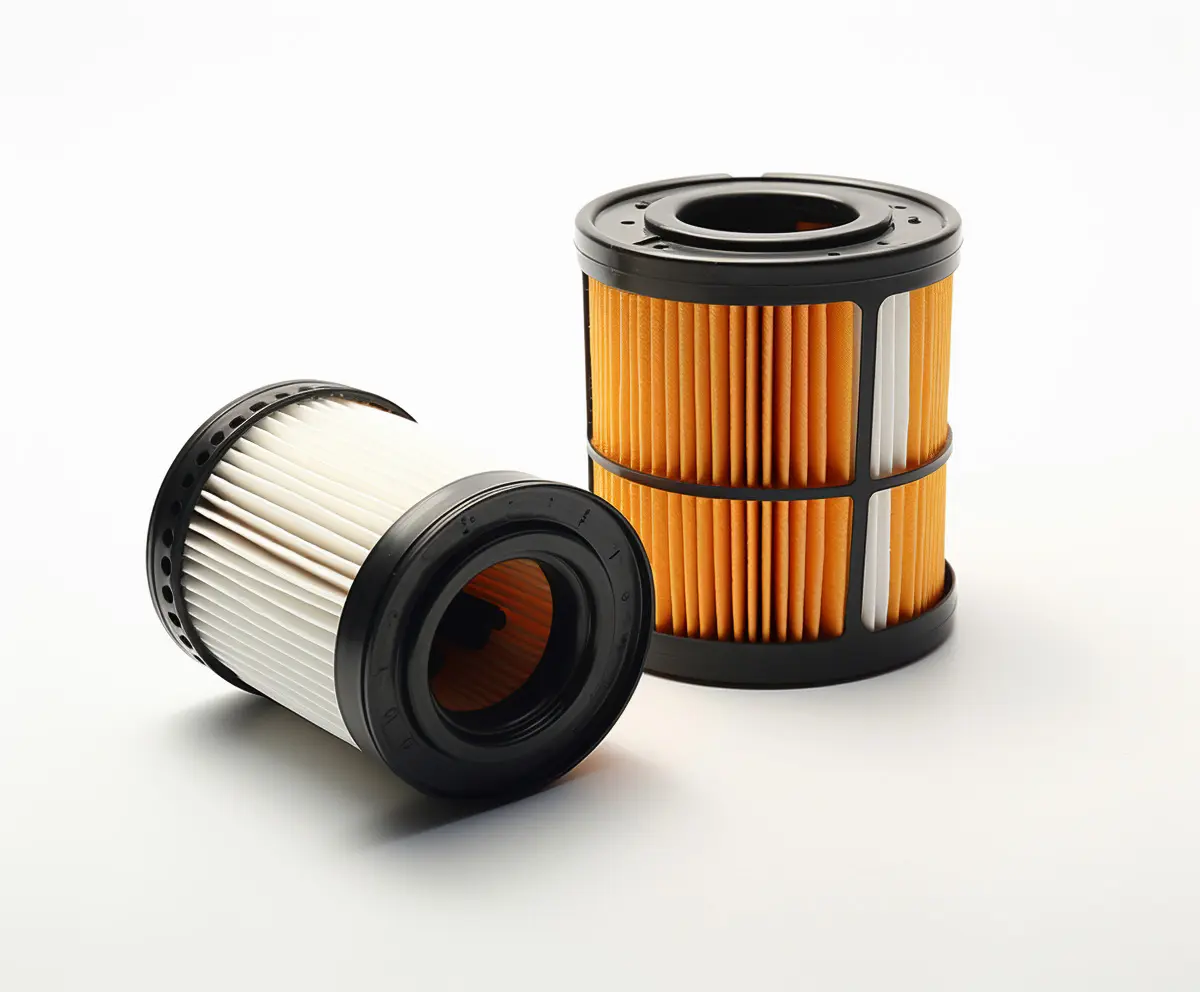 Products
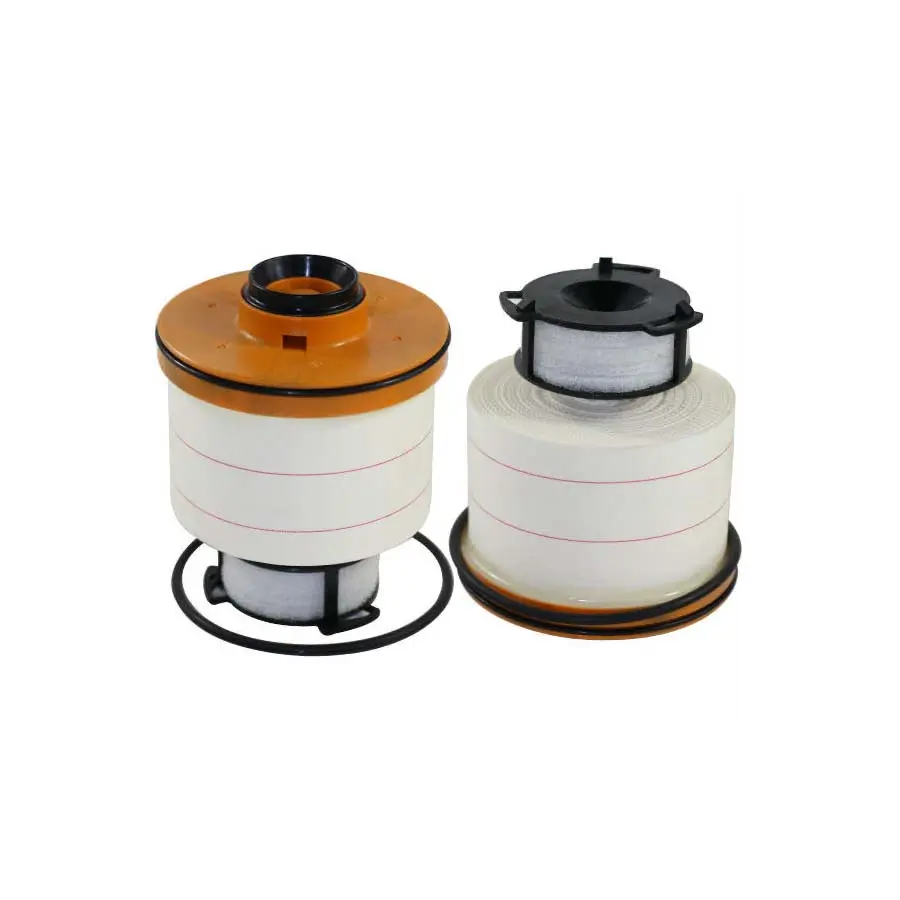 FUEL FILTER
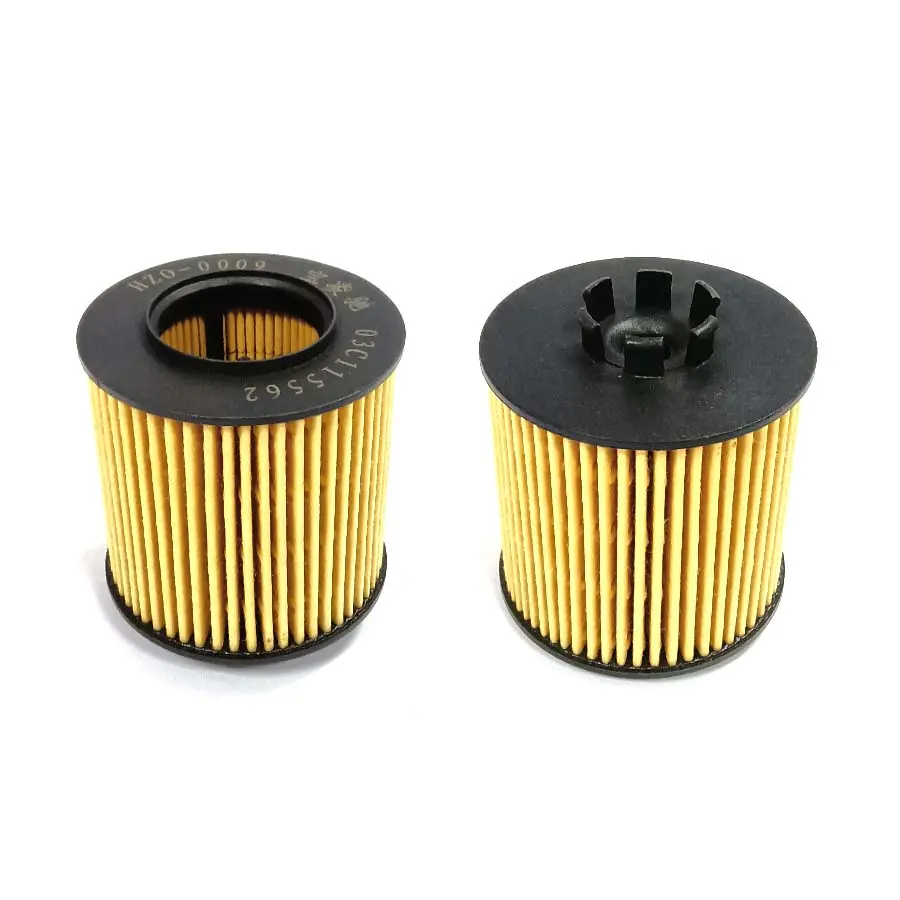 OIL ELEMENT FILTER
 OIL FILTER
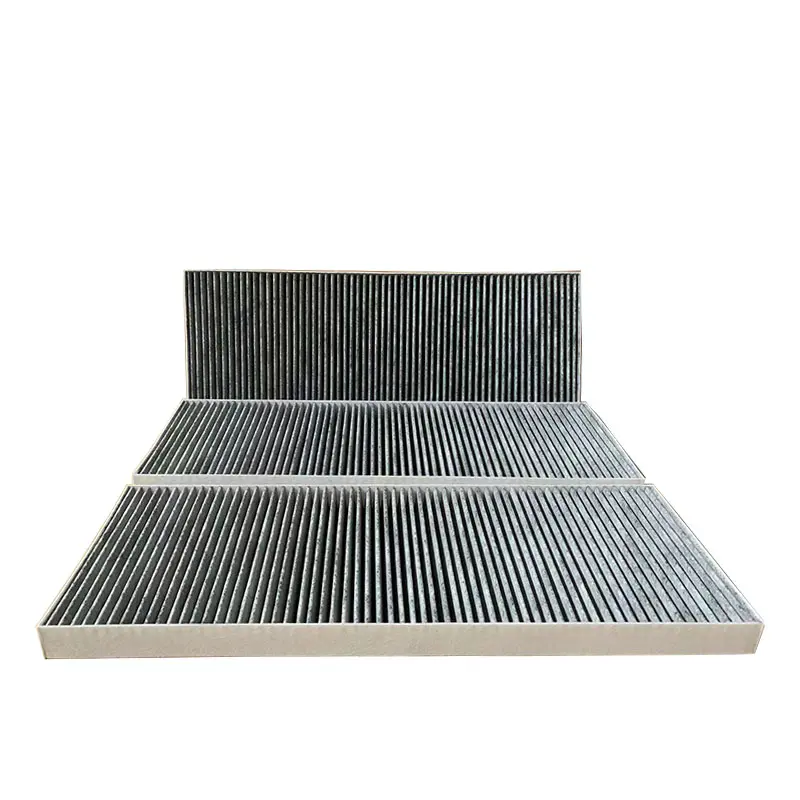 CABIN FILTER
 AIR FILTER