How to Choose the Right Air Conditioning Filter for Your Home?
Selecting the right Air Conditioning Filter for your home can feel daunting. Experts emphasize its importance in maintaining indoor air quality. Charlie Goodman, a seasoned HVAC specialist, once stated, “An efficient Air Conditioning Filter is key to healthier living spaces.”
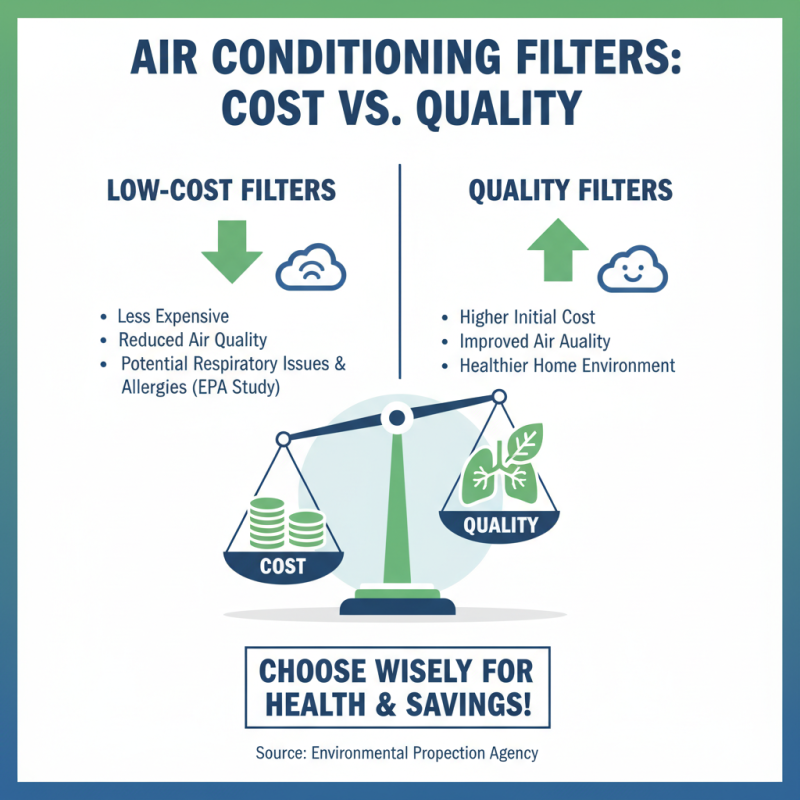
The right filter traps dust, pollen, and other pollutants. It's not just about cooling. A quality filter improves air circulation. Yet, many homeowners overlook this crucial aspect. They often choose based on price rather than effectiveness.
Consider the type of filter best suited for your system. Various kinds exist, each with unique features. For instance, HEPA filters capture very small particles. However, they may restrict airflow in some units. This complexity requires thoughtful consideration, as improper choices could lead to issues down the line.
Understanding the Different Types of Air Conditioning Filters Available
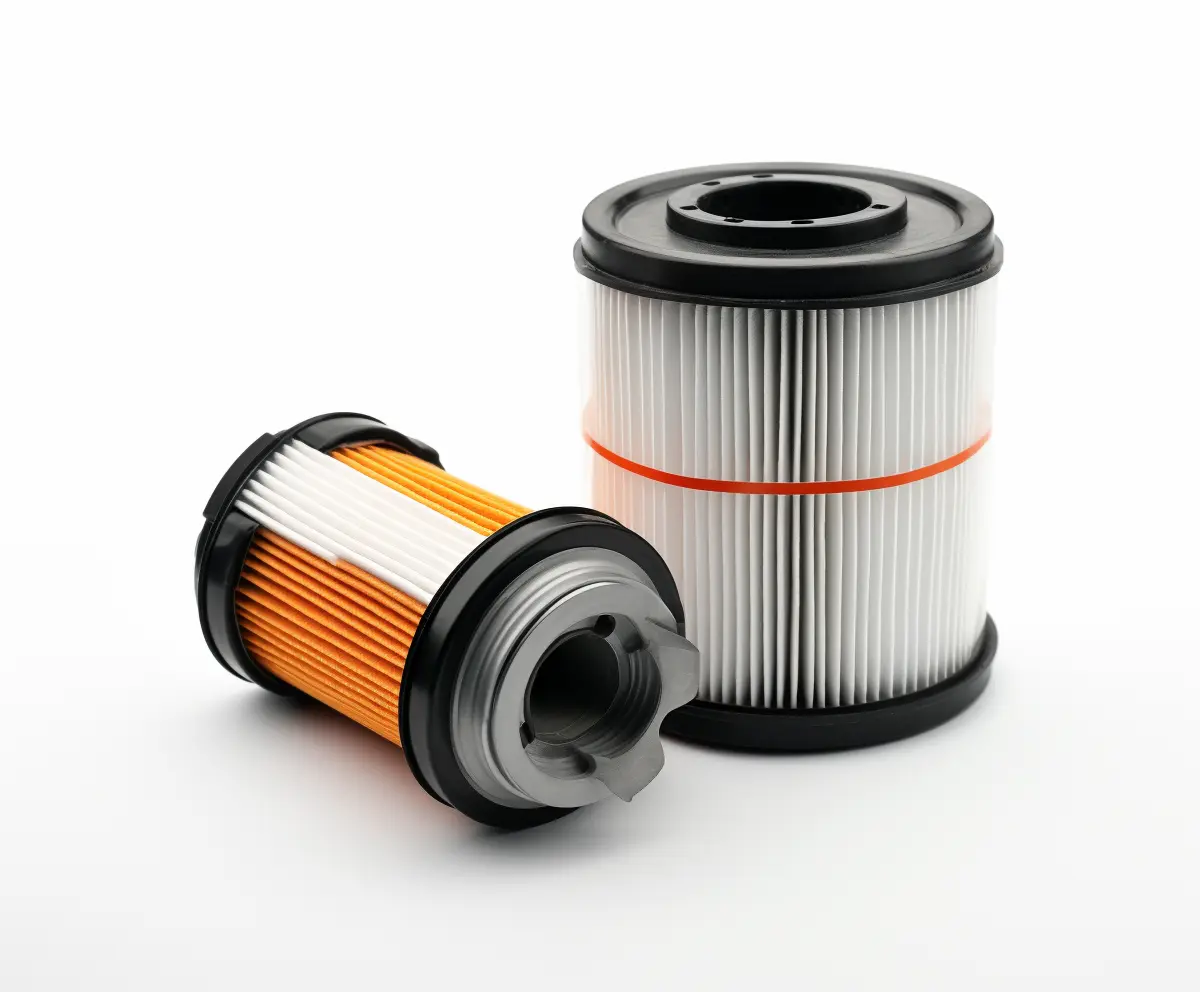
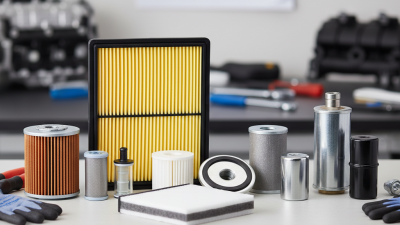
Choosing the right air conditioning filter for your home can be challenging. There are several types available, each serving different needs. Common types include fiberglass filters, pleated filters, HEPA filters, and washable filters. Each has its own advantages and limitations.
Fiberglass filters are affordable and easy to find. However, they are not very effective at trapping small particles. Pleated filters offer better filtration and can capture allergens. They last longer but may cost more. HEPA filters are great for those with allergies but need regular replacement to maintain efficiency. Washable filters are eco-friendly but require consistent cleaning and maintenance.
Tips: Consider your environment. If you have pets or allergies, opt for higher efficiency filters. Check the MERV rating, which indicates filter effectiveness. Regular maintenance is important. Change filters every 1-3 months, depending on usage. However, remember that not all homes need the most expensive filters. Evaluate what works best for your situation. It's okay if you’re unsure at first. Experiment and find the right balance for your comfort.
Evaluating MERV Ratings and Their Impact on Air Quality
When choosing an air conditioning filter, MERV ratings are essential. MERV stands for Minimum Efficiency Reporting Value. This rating indicates how effectively a filter can trap particles. Ratings range from 1 to 20. Higher numbers mean better filtration.
A MERV rating of 1-4 is suitable for basic needs. These filters capture large particles but miss finer debris. A MERV of 5-8 is better for average homes. They can trap allergens and dust, improving overall air quality. Higher ratings, like 9-12, are ideal for those with allergies or respiratory issues. They catch smaller particles, including pet dander and mold spores.
Tips: Always consider your home environment. If you have pets, choose a filter with a higher MERV rating. Remember, high MERV ratings can restrict airflow. This may stress your AC unit. It’s important to balance filtration with system efficiency. Regularly check and replace filters. Dirty filters reduce airflow and degrade performance.
Evaluate your indoor air quality needs. Higher rated filters come at a cost. However, investing in better air quality is worth considering. Make choices that reflect your specific needs and environment.
Identifying the Right Filter Size for Your Air Conditioning System
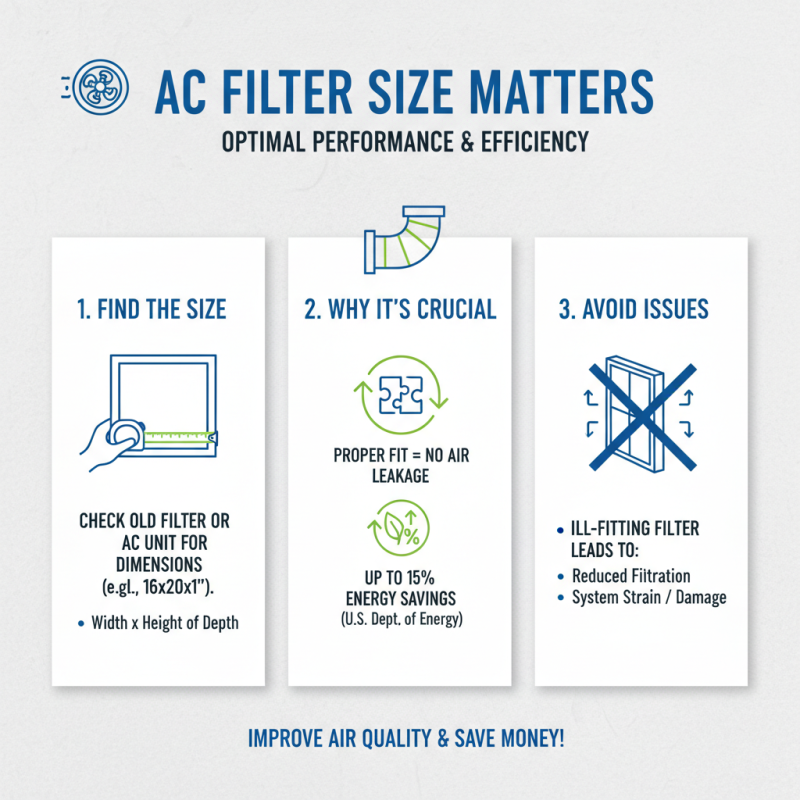
Choosing the right air conditioning filter involves understanding the filter size needed for your system. A well-fitting filter ensures optimal performance. According to the U.S. Department of Energy, using the correct filter size can improve energy efficiency by up to 15%. An ill-fitting filter may lead to air bypass or inefficient filtration.
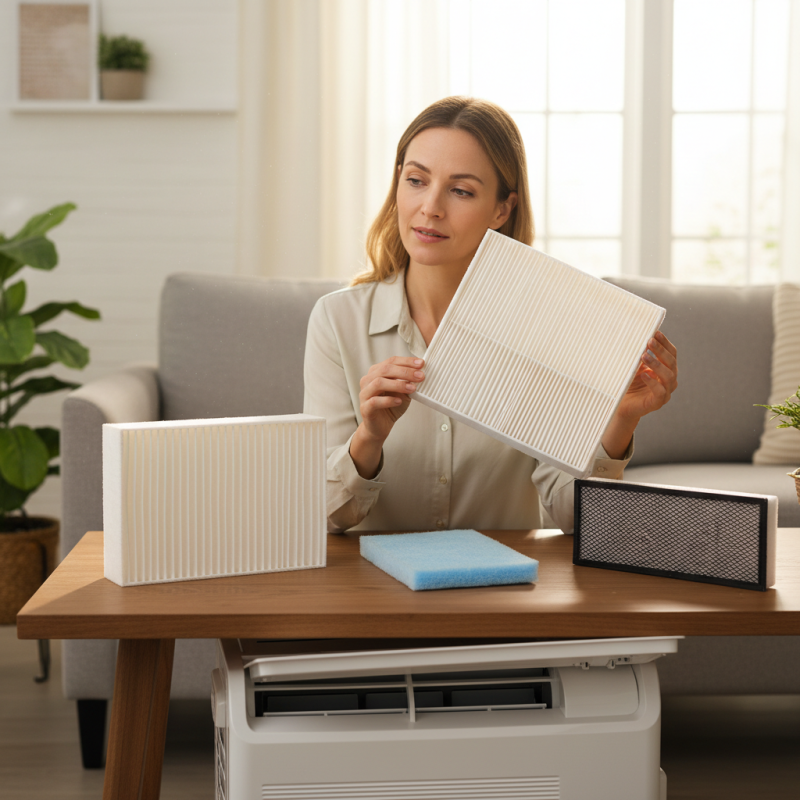
To determine the right filter size, check your existing filter. Measurements should include length, width, and thickness. Most filters are labeled with their dimensions. If your filter is 16 inches by 20 inches and 1 inch thick, stick with those measurements. However, systems vary dramatically. A common mistake is using a filter that doesn’t snugly fit the frame. This can reduce airflow and increase strain on the HVAC system.
Pay attention to the MERV rating, which indicates the filter's effectiveness. Filters range from MERV 1 to MERV 20. A higher MERV rating means finer filtration. However, a high-rated filter may restrict airflow if the system isn't designed for it. Every home is unique. Consider consulting an HVAC professional to avoid issues.
Considering Maintenance and Replacement Frequency for Optimal Performance
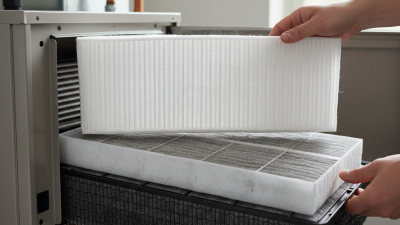
When it comes to air conditioning filters, maintenance is key. Regularly checking and replacing your filter can make a big difference. A dirty filter can restrict airflow and stress the system. This not only impacts efficiency but also causes premature wear. Many people forget this simple task.
Depending on your usage, it’s wise to inspect filters every month. In homes with pets or high dust levels, you might need to replace filters sooner. A clogged filter acts like a barrier. It makes your system work harder, leading to higher energy bills.
Choosing the right filter also influences how often you'll need to change it. Some filters are designed for longer use. They can catch smaller particles effectively. However, they may be more expensive upfront. The goal is to balance cost and performance. Think about your home's unique environment. Maintaining your filter ensures better air quality and system longevity. This task deserves attention.
Air Conditioning Filter Efficiency and Replacement Frequency

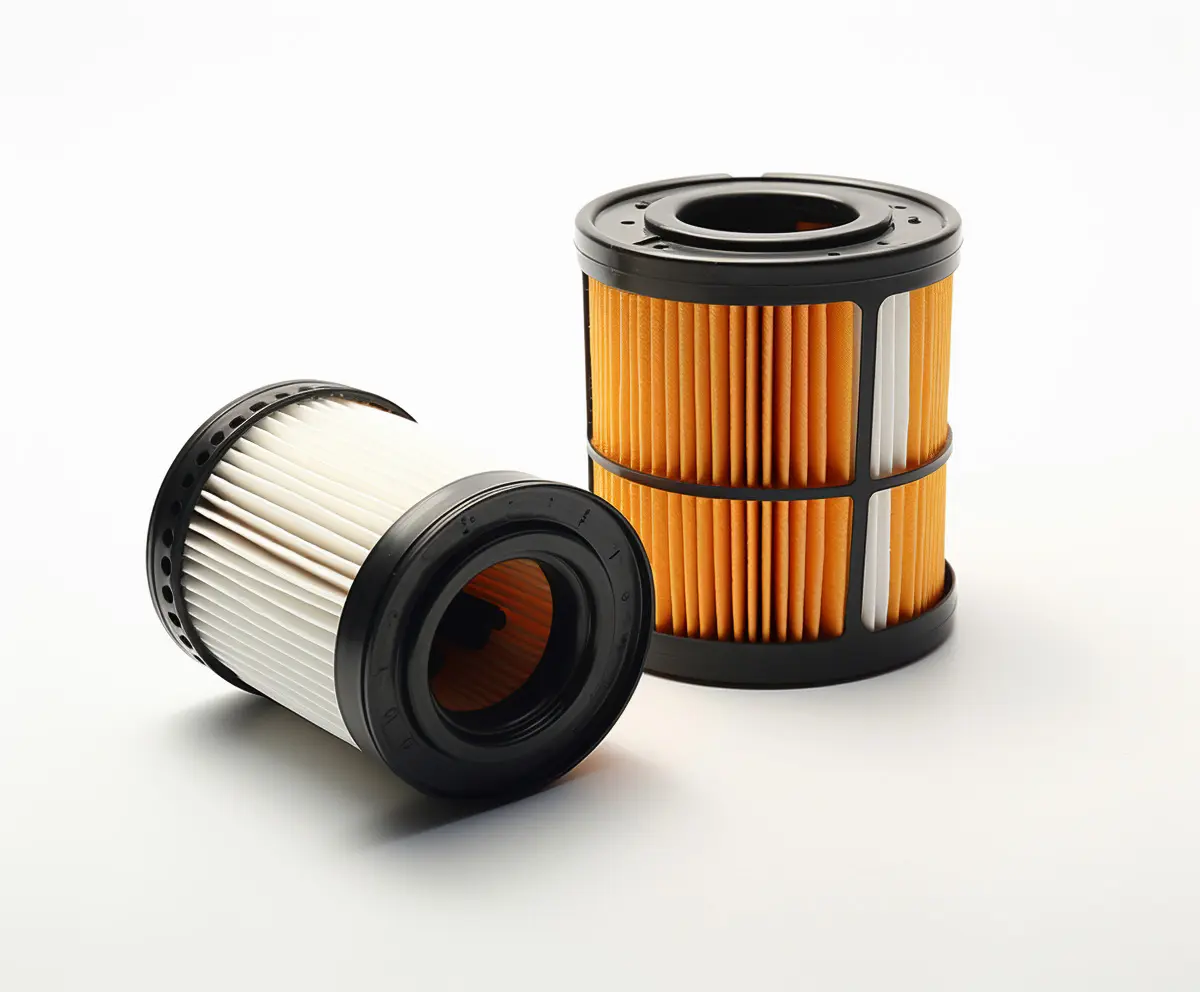 Products
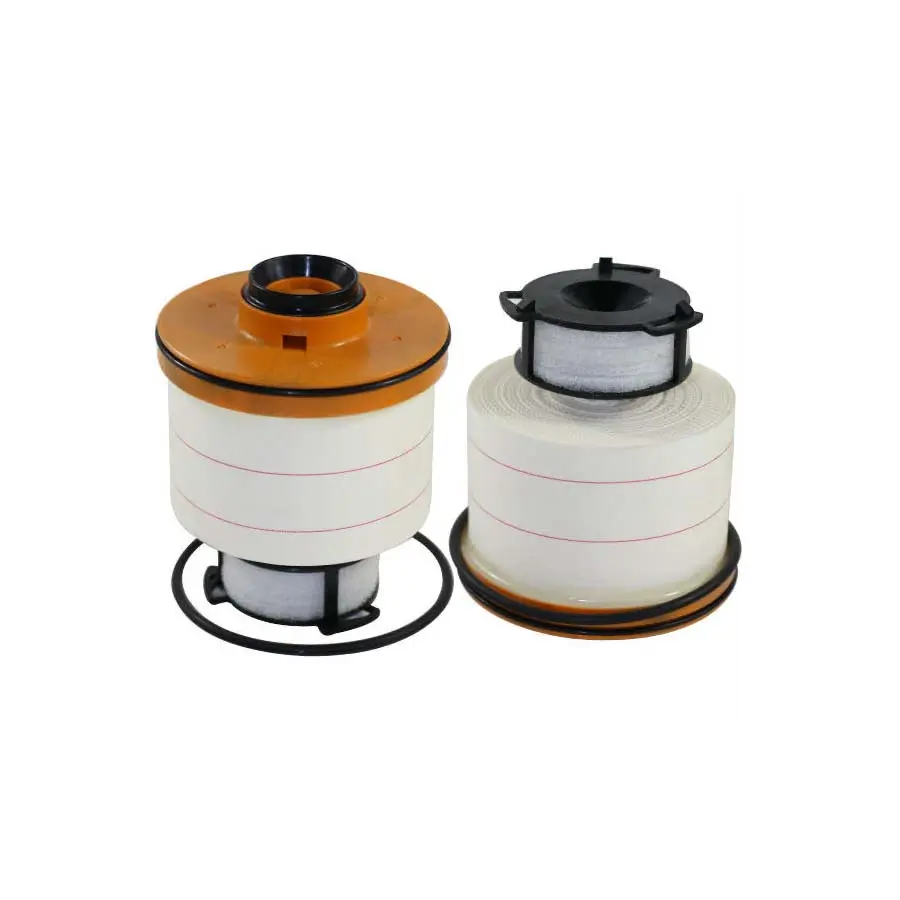 FUEL FILTER
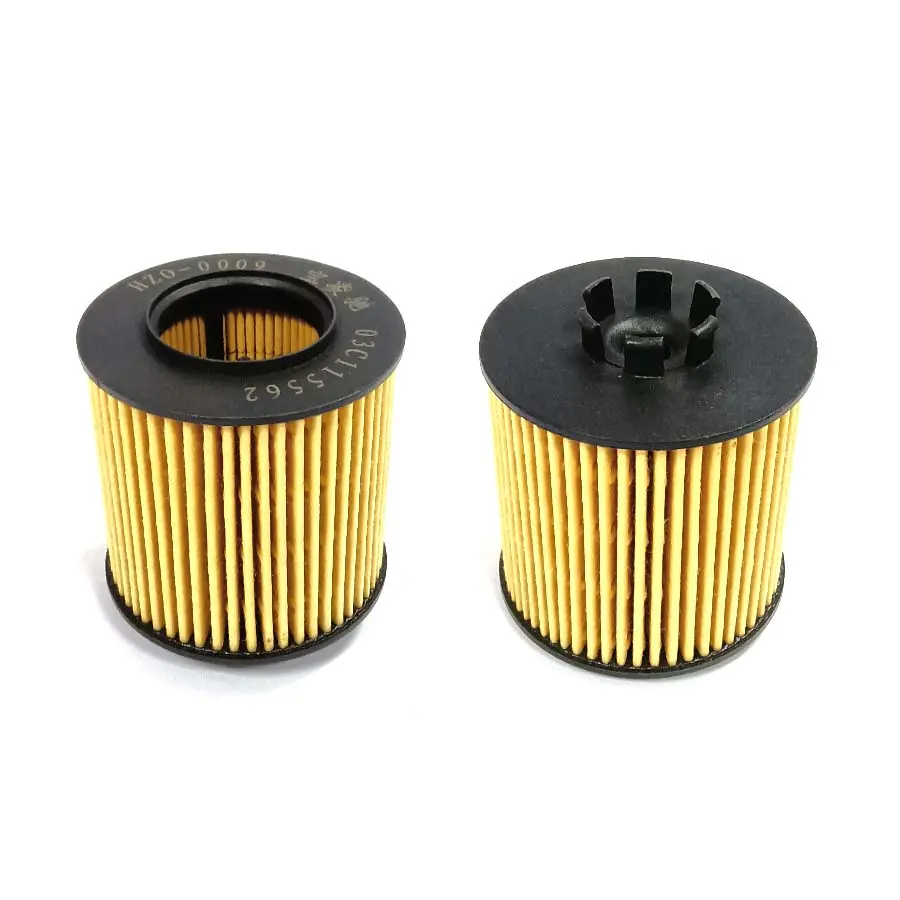 OIL ELEMENT FILTER
 OIL FILTER
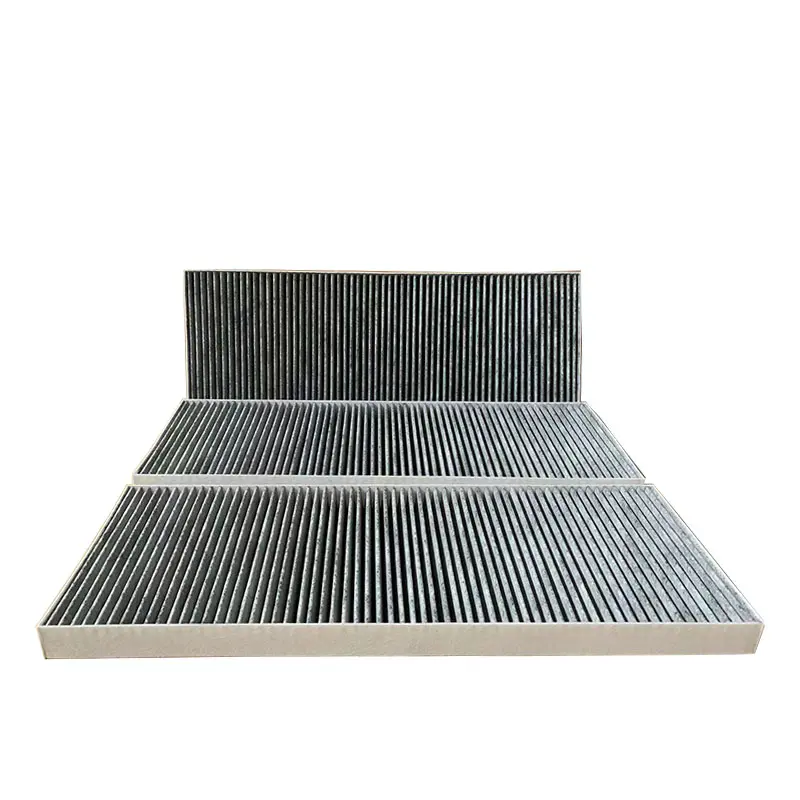 CABIN FILTER
 AIR FILTER