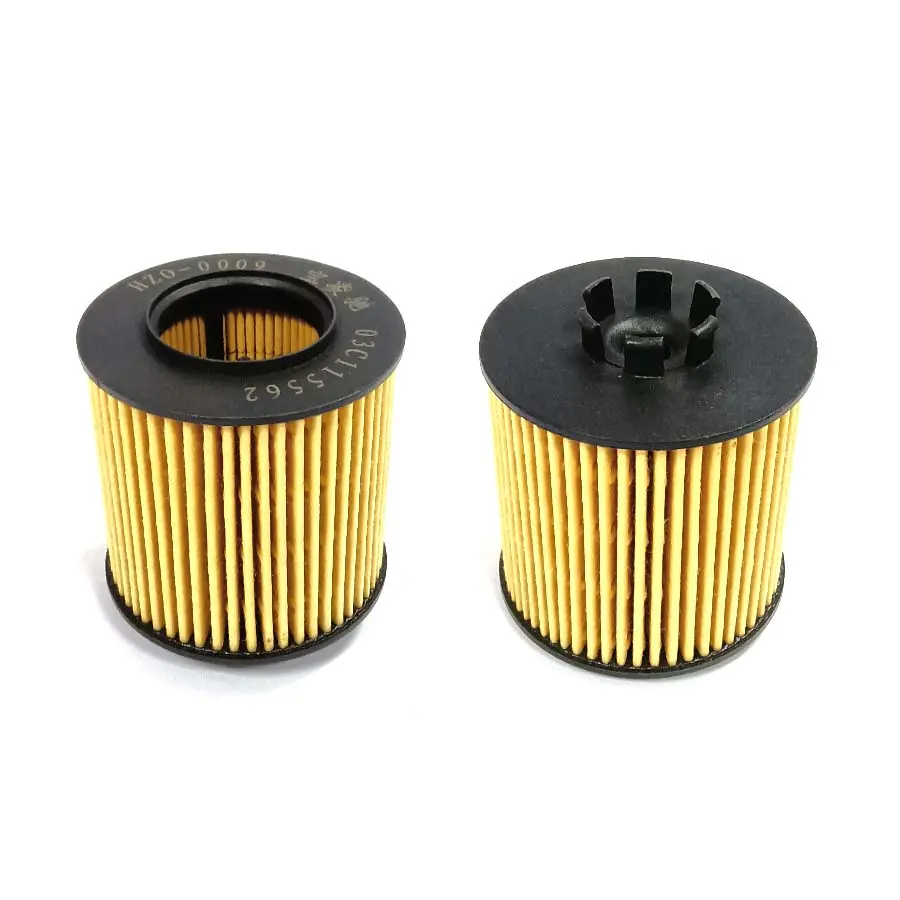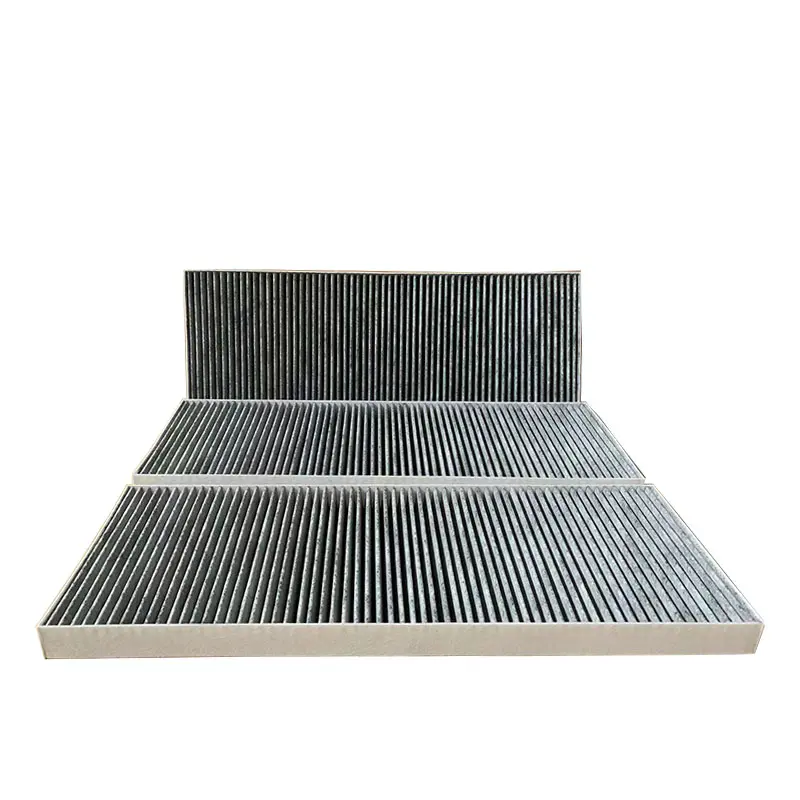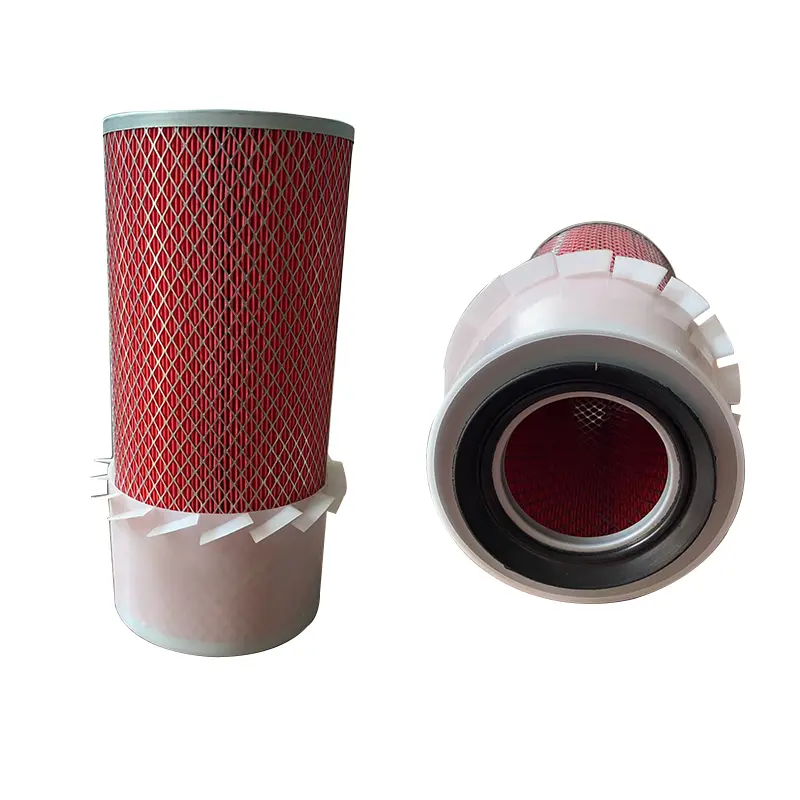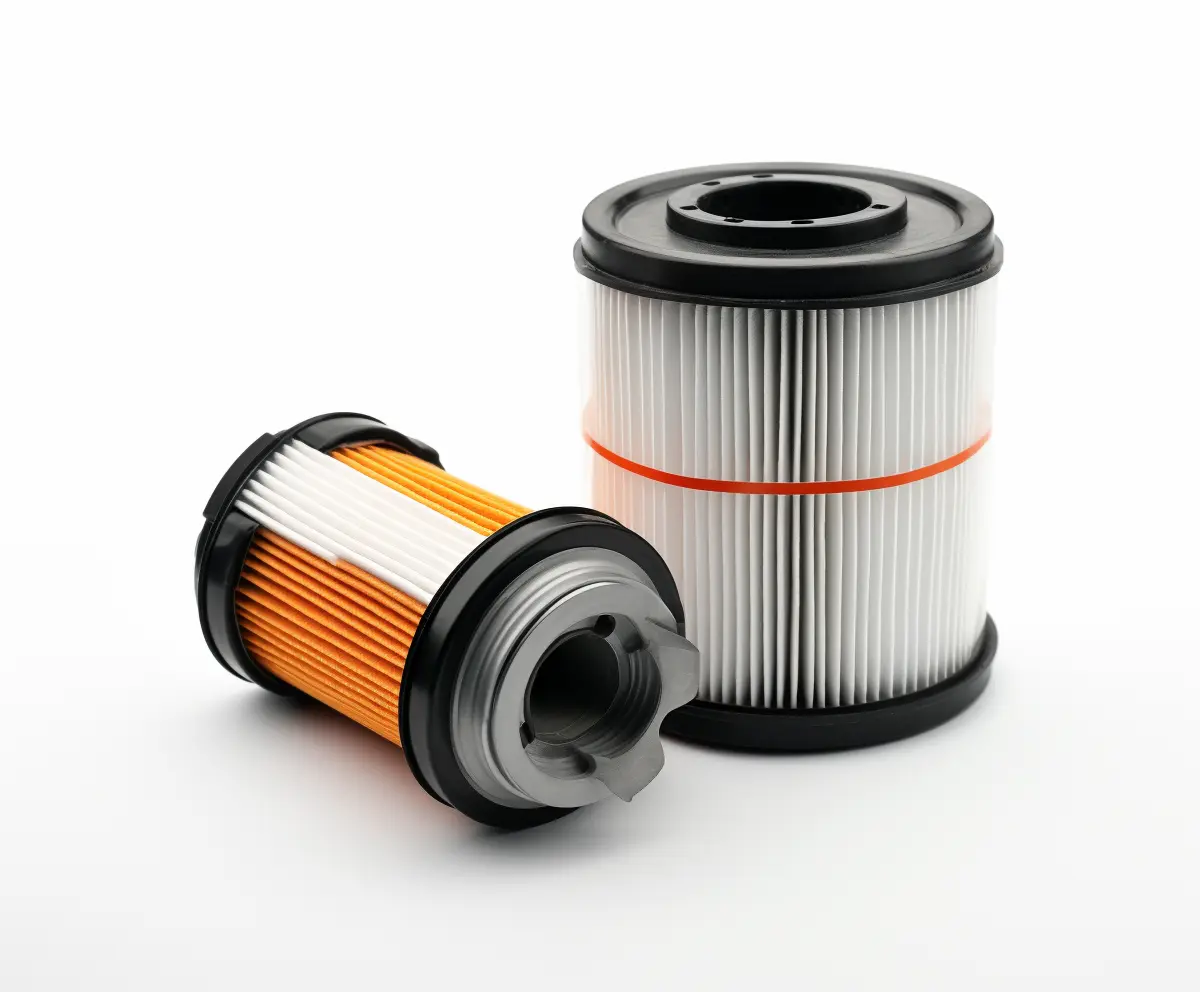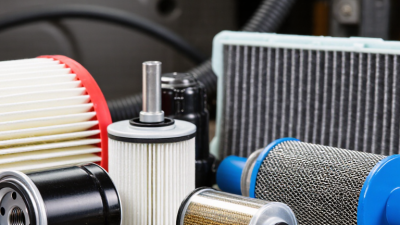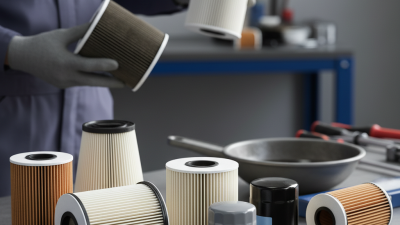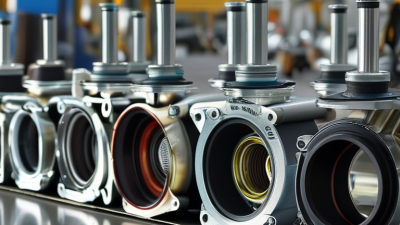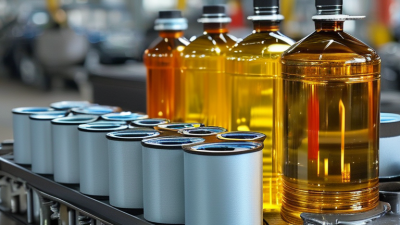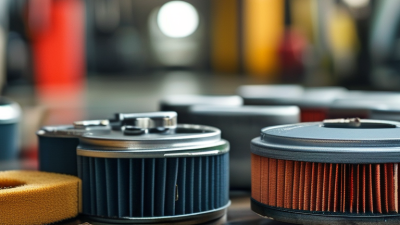
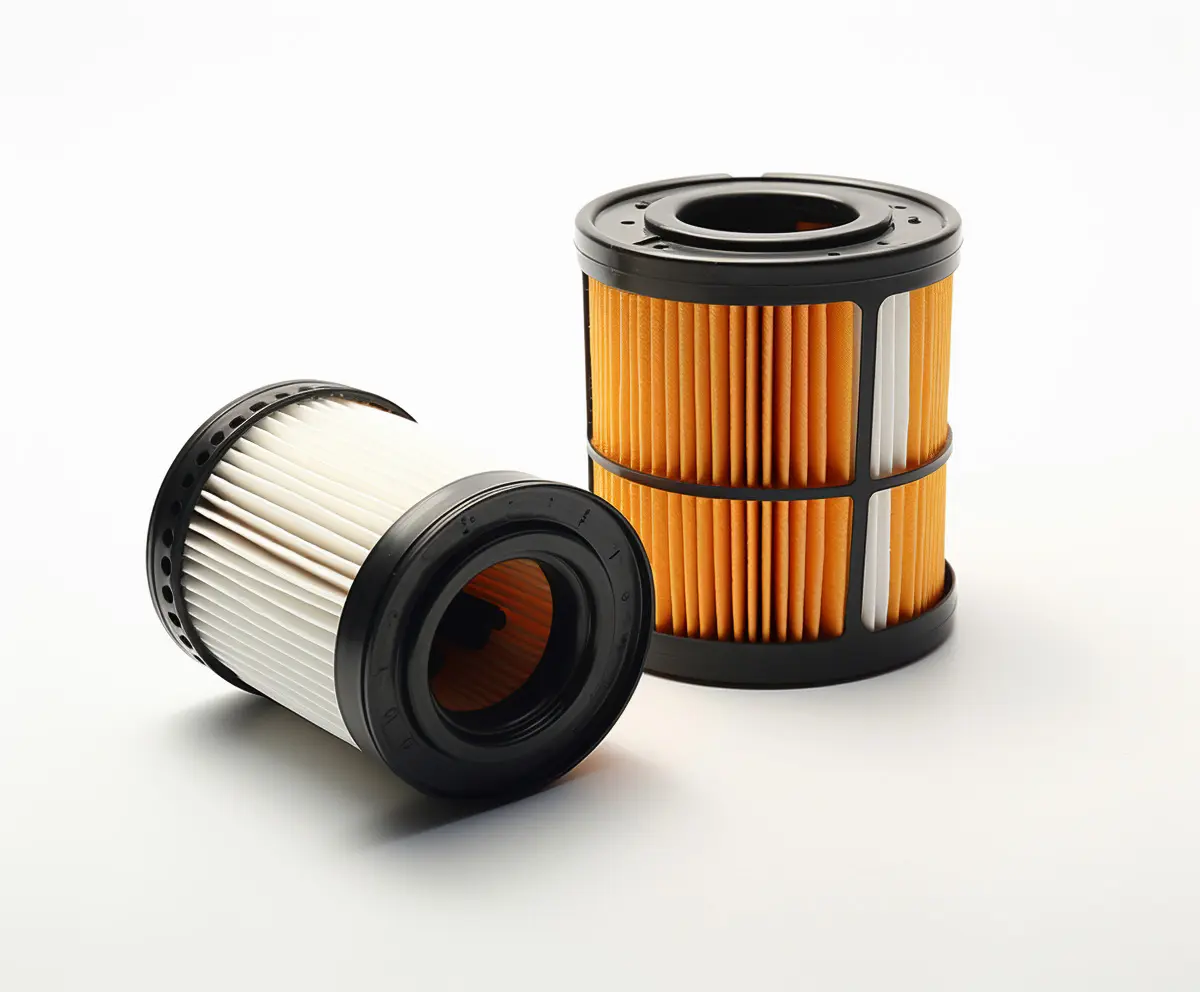
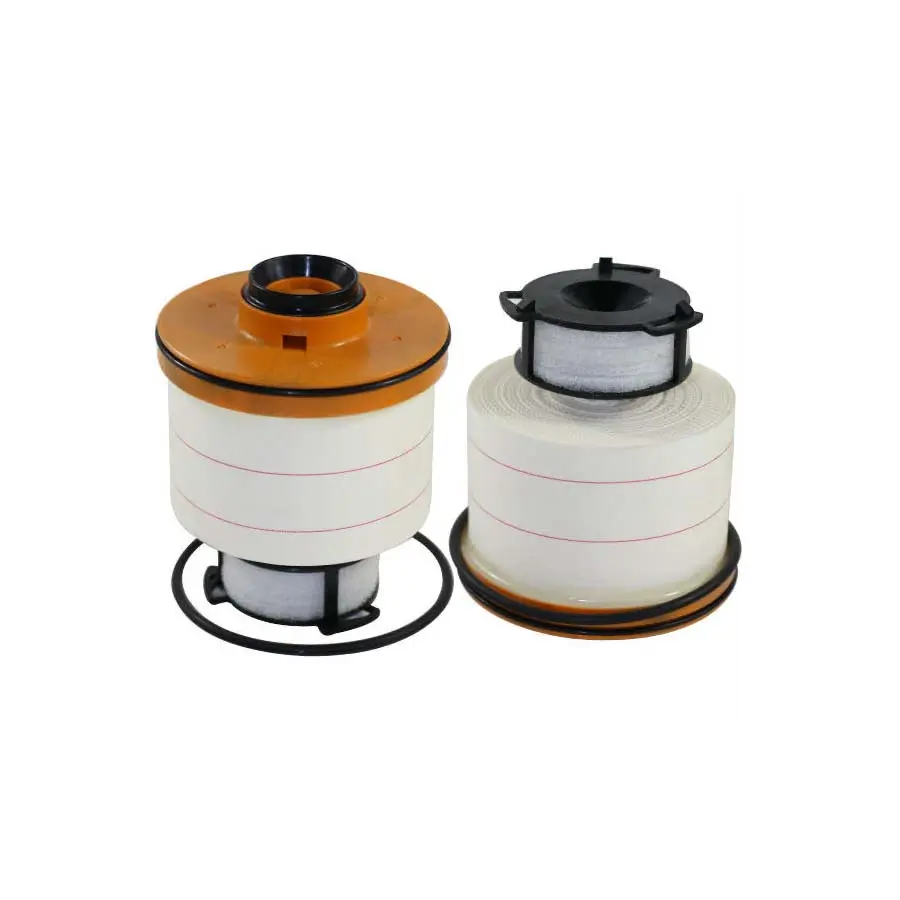
Choosing the right Engine Accessories Filter starts with the engine’s real working conditions, not a glossy product label. Dusty roads, long idle periods, cold starts, and extended service intervals each demand different protection. A filter that fits perfectly may still perform poorly. That uncomfortable detail is often missed.
The 2024 Automotive Filters Market analysis from Grand View Research identifies rising vehicle ownership, stricter emissions requirements, and preventive maintenance as key market drivers. MarketsandMarkets also reports growing demand for high-efficiency filtration across air, oil, and fuel systems. These findings support a practical decision: match filtration performance with the engine’s operating environment and manufacturer specifications. Check micron rating, dirt-holding capacity, pressure-loss data, sealing quality, and compatibility with the fluid.
David B. Purchas, co-author of The Filtration Handbook, states, “Filtration is a separation process.” Simple, but important. An Engine Accessories Filter must remove harmful particles without restricting necessary flow. ISO 16889 testing can help compare hydraulic filter performance, while ISO 4548-12 supports evaluation of full-flow lubricating oil filters. However, test results are not the whole story. Installation quality matters. A pinched seal can defeat an excellent filter.
Look closely.
A reliable choice also considers service history, climate, fuel quality, and genuine replacement intervals. Some buyers focus only on price. That can be a costly shortcut. The honest answer is not always the most expensive filter. It is the filter with credible test evidence, consistent manufacturing, and a verified fit for the engine.
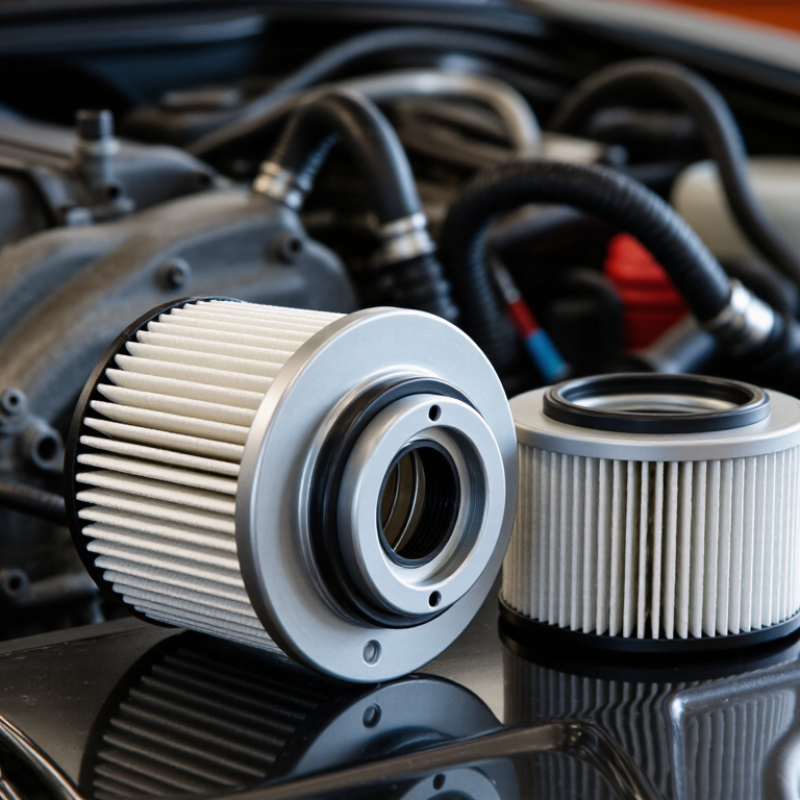
An engine accessory filter protects more than a single component. It controls the dirt, water, and metal particles entering air, fuel, oil, or hydraulic circuits. In field inspections, a blocked air filter often leaves a visible dust line around the housing. That small detail matters. Restricted airflow can increase intake resistance and reduce combustion efficiency.
The U.S. Environmental Protection Agency’s 2023 Nonroad Engine and Vehicle Emission Study identifies operating condition and maintenance as important emission factors. Filter condition belongs in that discussion. The U.S. Department of Energy’s 2024 Vehicle Technologies Market Report also shows that efficiency losses remain closely monitored in heavy-duty applications. A suitable filter should match the engine’s airflow, contaminant load, pressure limit, and service interval. Do not select only by size.
Check the technical sheet and the equipment manual. Compare filtration efficiency, dust-holding capacity, pressure drop, and sealing quality. ISO 5011 testing provides a recognized method for evaluating air-cleaner performance. For fuel and oil filters, particle ratings must match the system’s tolerance, not just the advertised number. Very fine filtration can create excessive restriction. That trade-off is easy to miss. My own practical preference is to inspect used elements, record pressure readings, and question unusual service intervals. One filter choice may look correct on paper, yet fail in dusty, humid, or cold conditions. Data helps, but site evidence should have the final word.
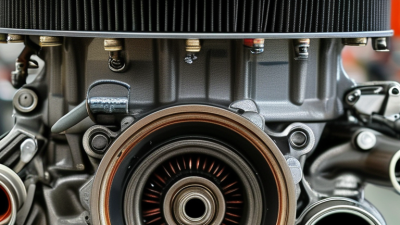
Understanding the Role of Engine Accessory Filters
Note: ISO 16889 beta ratios are primarily used for liquid filter testing, such as lubrication, fuel, and hydraulic filtration. Always confirm the relevant test standard and filter specification for the specific engine system.
How to Choose the Right Engine Accessories Filter?
Identifying the correct filter begins with the engine’s function, not its appearance. An oil filter protects moving parts from metal dust and carbon particles. An air filter keeps abrasive dirt away from the intake system. A fuel filter removes water and fine debris before they reach sensitive components. These filters are not interchangeable, even when their housings look similar. Check the engine manual for the required filter category, flow rate, pressure range, and filtration rating.
Inspect the old filter carefully. Measure its height, diameter, thread size, seal shape, and connection points. A small mismatch can cause leaks or restricted flow. I once saw a filter that fitted perfectly but had the wrong internal bypass setting. The engine ran, yet protection was reduced during cold starts. That detail is easy to miss. Do not rely only on photographs or general equipment descriptions.
Operating conditions also affect the choice. Dusty worksites may require stronger air filtration, while cold climates can demand better oil-flow performance. Engines exposed to moisture may need fuel filtration with water separation. Confirm the engine model and production specification before ordering. Compare the filter’s rated capacity with the engine’s service requirements. Measure twice. Check the seal. If the manual and existing filter disagree, pause and investigate rather than guessing.
| Filter Type | Primary Function | Contaminants Removed | Typical Installation Location | Common Signs of Restriction or Failure | Key Selection Criteria | Replacement Guidance |
|---|---|---|---|---|---|---|
| Engine Air Filter | Protects the engine from airborne particles while allowing sufficient clean air into the intake system. | Dust, dirt, sand, pollen, and other solid airborne particles. | Inside the air-cleaner housing upstream of the throttle body or turbocharger inlet. | Reduced engine performance, higher fuel consumption, intake restriction warning, dark or damaged filter media, or visible dust downstream of the filter. | Correct dimensions, sealing surface, filtration efficiency, airflow capacity, housing design, and compatibility with the engine’s restriction limits. | Replace according to the engine manufacturer’s service schedule or sooner in dusty environments. Do not clean disposable paper elements with compressed air unless specifically permitted. |
| Engine Oil Filter | Removes contaminants from lubricating oil to protect bearings, pistons, camshafts, and other moving parts. | Metal wear particles, carbon deposits, dust, sludge, and degraded oil contaminants. | Mounted on the engine oil circuit, commonly as a spin-on unit or a cartridge inside a filter housing. | Low oil pressure, an illuminated oil warning lamp, increased engine noise, oil leakage, or a damaged filter housing or seal. | Thread or housing fit, gasket dimensions, pressure rating, filtration performance, anti-drainback valve, bypass-valve setting, and oil-flow capacity. | Replace at every oil change interval specified for the engine, or whenever contaminated oil or abnormal operating conditions require service. |
| Fuel Filter | Protects fuel pumps, injectors, and combustion components by delivering clean fuel at the required flow rate. | Rust, dirt, sediment, water, wax crystals, and microbial contamination in some fuel systems. | Located in the fuel supply line, fuel tank module, engine compartment, or between the tank and the injection system. | Hard starting, engine hesitation, loss of power under load, unstable operation, stalling, reduced fuel pressure, or a water-in-fuel warning. | Fuel type, flow rate, filtration rating, pressure capability, water-separation performance, connector style, dimensions, and compatibility with the injection system. | Replace at the vehicle or equipment manufacturer’s interval. Drain accumulated water where a drain is provided, and prime the fuel system correctly after replacement. |
| Diesel Water Separator | Separates free water from diesel fuel before it reaches sensitive high-pressure fuel-system components. | Free water, sediment, rust particles, and larger fuel contaminants. | Usually installed in the low-pressure fuel line before the fuel pump or main fuel filter. | Water-in-fuel warning, corrosion, injector damage, rough running, difficult starting, or engine stoppage caused by restricted fuel flow. | Water-separation efficiency, fuel-flow capacity, bowl or sensor arrangement, drain design, pressure rating, and system connection type. | Drain water at the recommended frequency and replace the element according to the service schedule or whenever contamination is detected. |
| Hydraulic Filter | Protects hydraulic pumps, valves, actuators, and control components in equipment powered by an engine-driven hydraulic system. | Metal particles, dust, seal fragments, sludge, and other solid contaminants in hydraulic fluid. | Commonly installed in the return line, pressure line, suction line, or hydraulic reservoir breather system. | Slow actuator movement, overheating, pump noise, unstable hydraulic operation, high filter differential pressure, or a filter warning indicator. | Fluid compatibility, nominal or absolute filtration rating, flow capacity, pressure rating, dirt-holding capacity, bypass-valve setting, and housing dimensions. | Follow the equipment manufacturer’s differential-pressure or service interval requirements. Replace the filter after major component failure or hydraulic-fluid contamination. |
| Coolant Filter | Filters suspended particles and, on systems designed for it, helps maintain coolant additive balance in certain heavy-duty cooling systems. | Rust particles, scale, casting sand, debris, and suspended corrosion products. | Installed in a coolant bypass circuit on selected heavy-duty engines and industrial cooling systems. | Restricted coolant flow, overheating, visible debris in the coolant, coolant leakage, or poor corrosion protection. | Coolant compatibility, flow direction, pressure rating, filtration level, additive-charge requirements, thread size, and engine-system specification. | Use only when the cooling system is designed for a coolant filter. Replace according to the cooling-system schedule and maintain the correct coolant chemistry. |
| Crankcase Ventilation Filter | Separates oil mist from crankcase gases before the gases are recirculated or released through the ventilation system. | Oil droplets, aerosolized lubricant, and crankcase particulate matter. | Inside or attached to the crankcase ventilation assembly, oil separator, or breather housing. | Increased crankcase pressure, oil leaks, excessive oil consumption, blue smoke, or oil accumulation in the intake system. | Gas-flow capacity, oil-separation efficiency, pressure-drop limit, temperature resistance, seal design, and engine ventilation-system compatibility. | Replace or service according to the engine manufacturer’s schedule. A blocked element should not be operated because excessive crankcase pressure can damage seals. |
Choosing an engine accessory filter starts with its working fluid: air, oil, fuel, or hydraulic fluid. I have seen filters fail because buyers compared micron numbers alone. That is not enough. Cellulose media usually costs less and suits moderate dust loads. Synthetic media often provides higher capacity, steadier airflow, and better moisture resistance. Wire mesh works for coarse particles, but it cannot replace fine filtration.
Filter ratings need careful reading. ISO 16889 uses a multipass test and the beta ratio. A β75 rating means about 98.7% removal at the stated particle size. A β200 rating reaches roughly 99.5%, while β1000 reaches about 99.9%. The number is useful only when the test conditions match your engine. Some product sheets emphasize nominal efficiency, which may sound impressive but offers weaker protection than an absolute or beta-rated result. Check pressure drop and dirt-holding capacity too. Clean filtration with excessive restriction is still a problem.
Compatibility is more practical than it appears. Confirm thread size, seal diameter, bypass-valve setting, flow direction, temperature range, and service interval. ISO 5011 evaluates air-cleaner restriction and dust capacity, while ISO 4548-12 addresses laboratory testing for full-flow oil filters. Those standards improve comparison, but they do not guarantee fitment. A filter can pass a test and still fail in a vibrating, dusty compartment. I would measure the housing twice. Mistakes happen. Check the engine manual, operating environment, and lubricant grade before ordering.
Choosing the right engine accessory filter starts with operating conditions, not a catalog number. Dust from quarry roads loads an intake filter faster than clean highway air. Salt, humidity, and fuel contamination create different risks. The U.S. Department of Energy reports that replacing a severely clogged air filter improved acceleration by 6–11% in older vehicles, while modern fuel-injected engines showed little fuel-economy change. That distinction matters. Protection may be valuable even when savings look disappointing.
Record engine hours, ambient dust, idle time, temperature, and pressure-drop readings. A delivery truck in city traffic has different needs from a generator beside a grain silo. ISO 16889 test data and SAE filtration practices help compare efficiency, capacity, and particle performance. Laboratory results are not perfect field predictions. Small details matter. Check sealing surfaces, housing damage, and water entry during every inspection. A high-efficiency element fails if its gasket distorts during installation.
Maintenance should follow condition evidence and failure consequences. The U.S. Department of Energy’s vehicle maintenance guidance supports regular inspection of filters, fluids, and belts rather than waiting for failure. Set an inspection trigger, then adjust it after real operating data. I once trusted a calendar interval too much. The filter looked acceptable, yet dust had bypassed a damaged seal. That was avoidable. Use differential-pressure gauges where practical, keep spare filters sealed, and document every replacement. Shorter intervals cost more, but unplanned downtime can cost far more.
Choosing an engine accessories filter starts with the equipment, not the product label. Check the engine manual for flow rate, filtration rating, pressure limits, and service temperature. A filter that looks suitable may restrict flow or fail under vibration. Ask whether the housing matches the connection size and seal material. Small mismatches create large problems.
In field maintenance, I inspect the old filter before selecting a replacement. Metallic dust can suggest wear. Dark fluid may indicate heat or contamination. These clues matter more than a familiar part number. Select a filter with traceable technical data, clear test information, and consistent manufacturing records. “High efficiency” means little without a stated test method. I admit that visual inspection alone is not enough.
Before installation, compare dimensions, thread direction, gasket shape, and bypass-valve settings. Confirm the filter’s flow arrow matches the actual system flow. Clean the mounting surface with a lint-free cloth. Do not reuse a hardened seal. Lubricate the new gasket only when service instructions allow it. Use a calibrated torque wrench when a torque value is specified. Overtightening can distort the housing or crush the gasket. After fitting, prime the system when required, start the engine briefly, and inspect for leaks. Record pressure, operating hours, and installation date. A second check after warm-up is worthwhile. Minor seepage may appear only then.