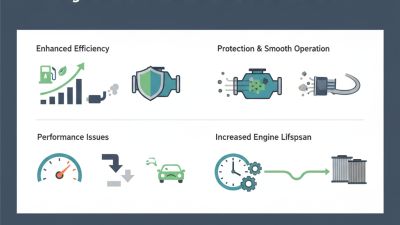
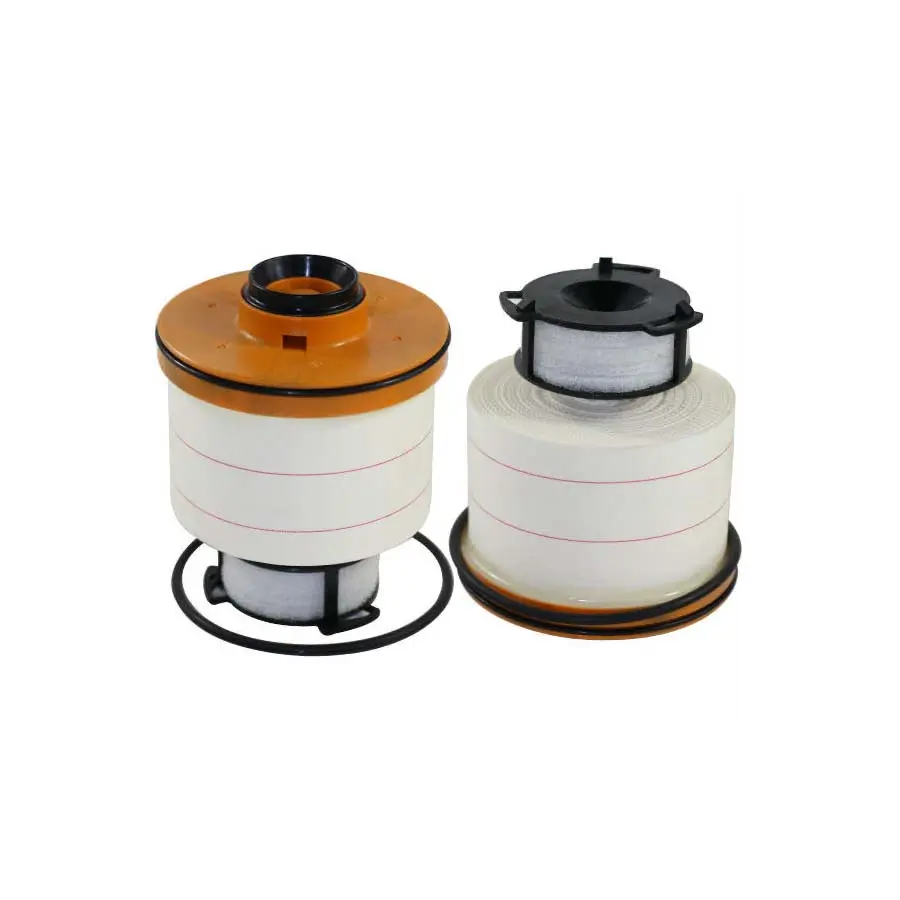
Choosing the right vehicle filter is crucial for vehicle performance and longevity. According to industry reports, filters can impact engine efficiency by up to 15%. Selecting inappropriate filters leads to increased emissions and reduced fuel economy. An estimated 20% of vehicle maintenance costs stem from incorrect or inadequate filtering.
Vehicle filters play a pivotal role in safeguarding engine components from debris. A high-quality air filter can enhance airflow and optimize combustion. Conversely, a dirty filter can hinder performance and even cause engine damage. The importance of matching filters to specific makes and models cannot be overstated.
However, not all consumers understand the intricacies of filter selection. Misconceptions abound, leading to poor choices that compromise vehicle integrity. Evaluating filter quality and compatibility requires expertise. Consumers should consult reliable sources and consider professional recommendations to make informed decisions.
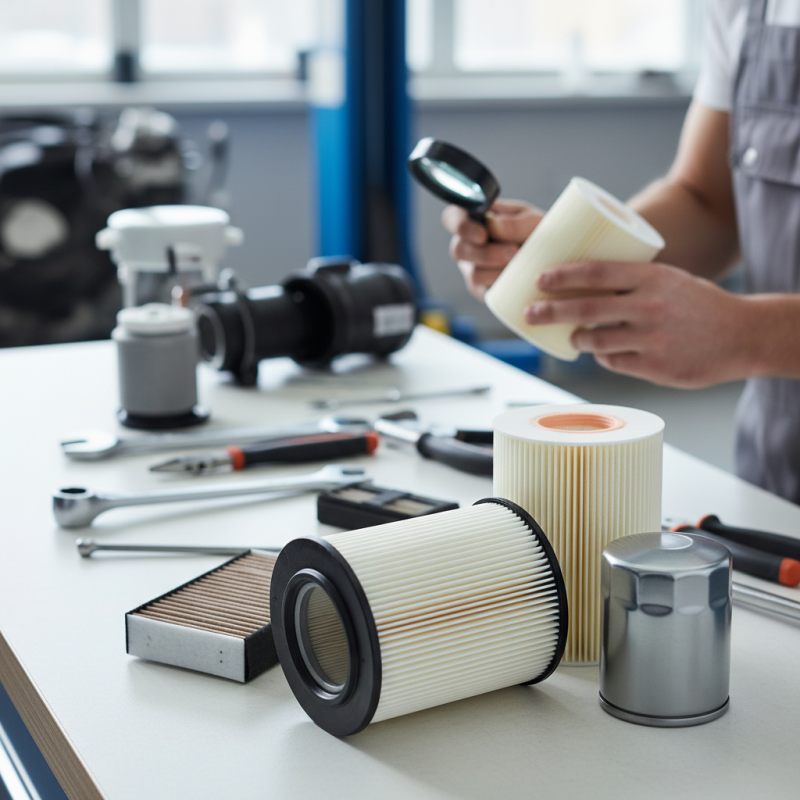
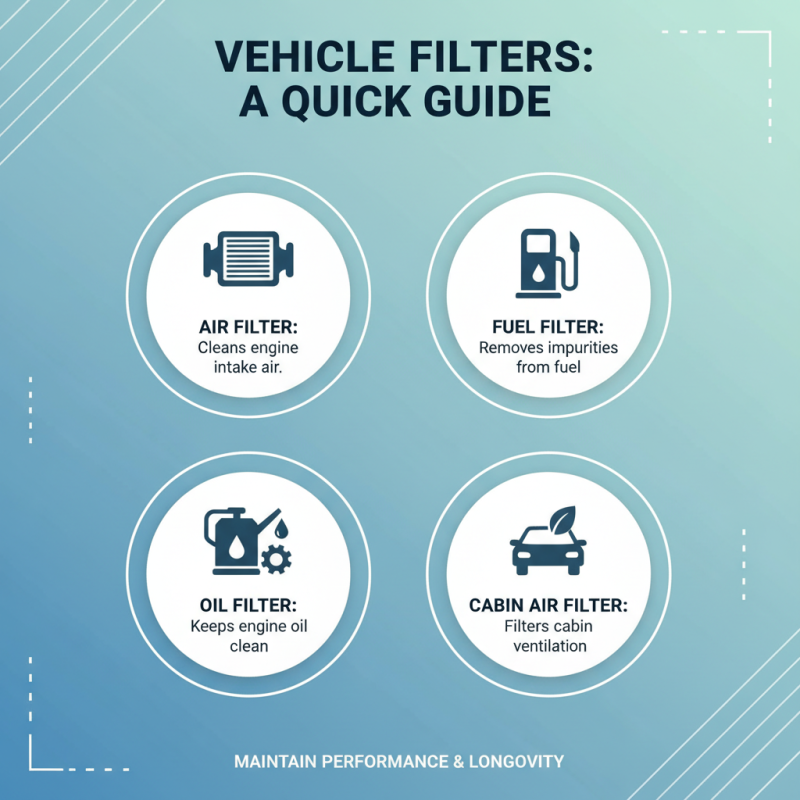
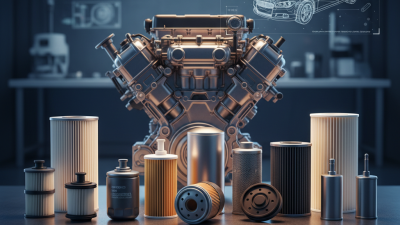
When selecting the right vehicle filter, it's essential to understand the different types available. Filters play a critical role in maintaining your vehicle's performance and longevity. There are air filters, fuel filters, oil filters, and cabin air filters among the most common types. Each serves a unique purpose and affects various aspects of your vehicle.
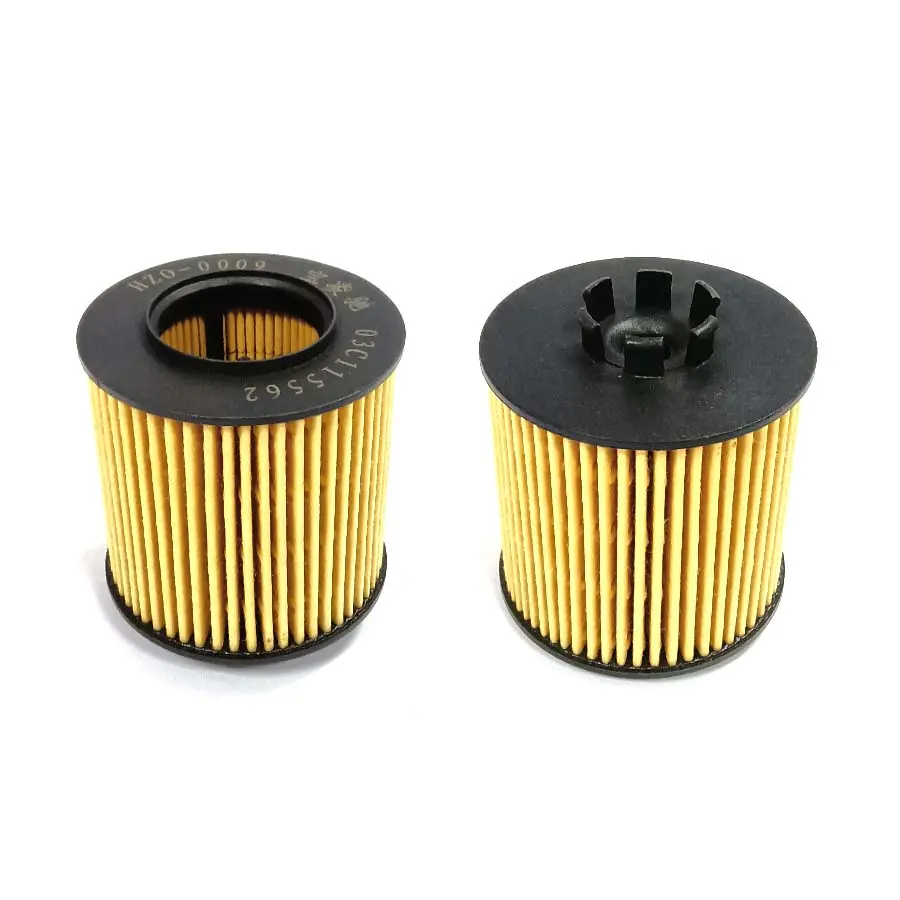
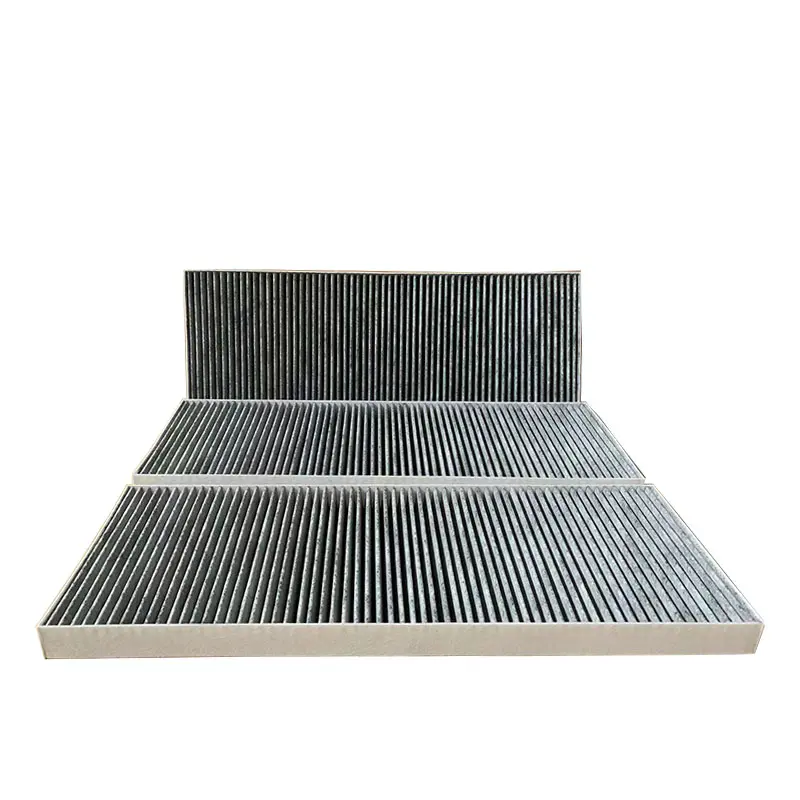
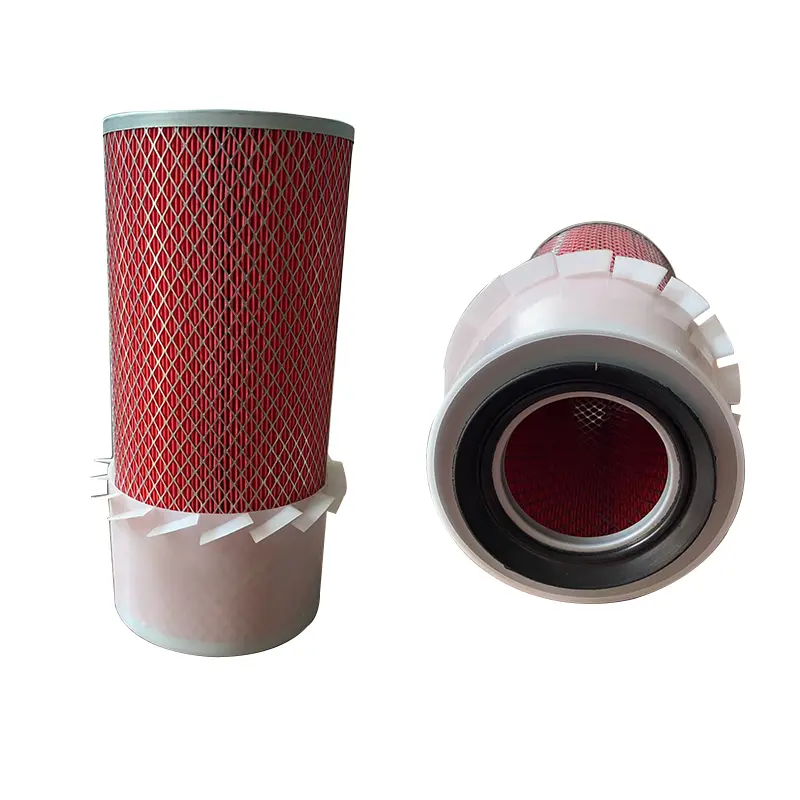
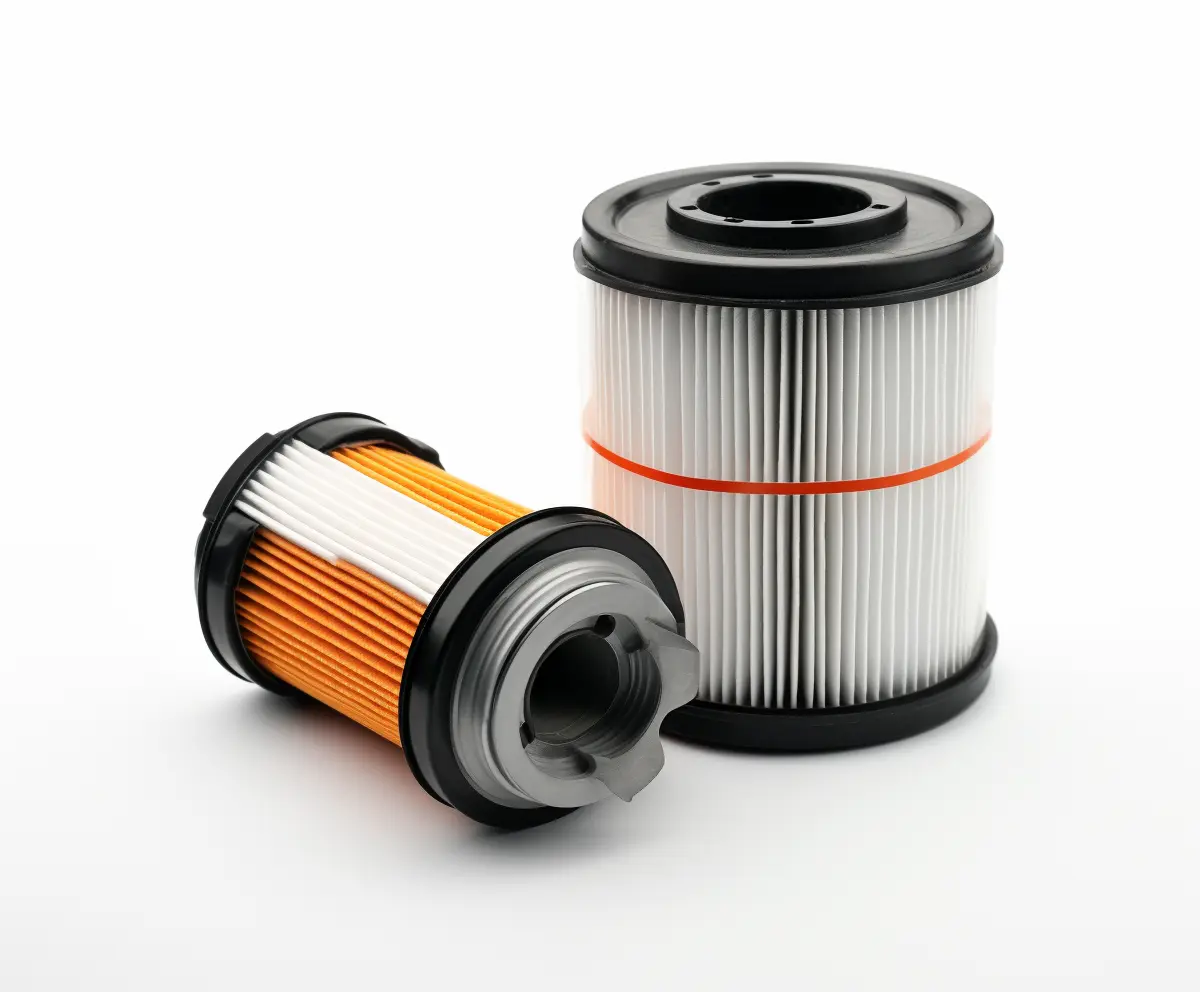
Air filters trap dirt and debris before they reach the engine. A clean air filter improves fuel efficiency and engine performance. Fuel filters protect the fuel system from contaminants. If ignored, they can lead to reduced power and acceleration. Oil filters remove contaminants from engine oil, ensuring a smooth operation. Last but not least, cabin air filters keep the air inside your vehicle fresh and free from allergens.
Tips: Always consult your vehicle's manual. It provides specific recommendations for filter replacements. Regular inspections are crucial. Neglected filters can lead to costly repairs. Take time to understand your driving conditions, as these can influence the filter types you need. If you find your vehicle is less responsive, investigate filter conditions. It's often an overlooked aspect that can significantly impact performance.
Choosing the right vehicle filter is essential for maintaining your car's performance. Various filters, such as oil, air, and fuel filters, serve distinct purposes. Each type has different specifications and qualities. It’s important to assess your vehicle’s specific needs. This includes understanding its make, model, and driving conditions.
When selecting a filter, consider your driving habits. Frequent stop-and-go traffic may require more frequent filter changes. Dusty environments can also affect air filters, leading to reduced efficiency. Examine the manufacturer’s recommendations. They usually provide details about the right filter for optimal performance. Researching materials and construction is also vital. Look for filters that offer durability and filtration efficiency.
Remember, not all filters are created equal. Some may seem appealing due to price but could compromise on quality. Poor choices can lead to engine damage or reduced fuel efficiency. Reflect on the long-term effects of your selection. Investing in a reliable filter can save costs in the long run.
| Filter Type | Purpose | Key Features | Recommended Change Interval | Considerations |
|---|---|---|---|---|
| Oil Filter | Removes contaminants from engine oil | High dirt holding capacity, full flow design | 5,000 - 7,500 miles | Compatibility with engine type, quality of materials |
| Air Filter | Prevents dirt and debris from entering the engine | High filtration efficiency, durable construction | 15,000 - 30,000 miles | Environmental factors, driving conditions |
| Fuel Filter | Filters impurities from fuel | High particle retention, pressure resistance | 15,000 - 30,000 miles | Fuel quality, vehicle compatibility |
| Cabin Air Filter | Filters air entering the passenger compartment | Activated charcoal, high filtration capability | 12,000 - 15,000 miles | Allergy concerns, pollution levels |
| Transmission Filter | Removes contaminants from transmission fluid | Durable material, effective filtration | 30,000 - 50,000 miles | Transmission type, fluid quality |
Assessing your vehicle's filter requirements is crucial for optimal performance. Filters play a vital role in protecting your engine and ensuring efficiency. According to the Automotive Aftermarket Industry Association (AAIA), regular filter maintenance can enhance fuel efficiency by up to 10%. This ensures not only better performance but also lower emissions.
Understanding your vehicle type is essential. Different vehicles have distinct needs. Air filters capture dirt and debris. Oil filters keep engine oil clean. Fuel filters prevent contaminants from entering the fuel system. Research shows that replacing filters regularly can extend engine life by up to 50%. You might want to consult your vehicle’s owner manual for specific intervals and types.
Consider driving conditions in your area. Frequent stop-and-go traffic can lead to more pollution exposure. A dusty environment can clog filters faster. A report from the International Council on Clean Transportation highlights that urban vehicles often face higher filter degradation. If you're unsure, seeking advice from a qualified technician can be beneficial. They can help tailor filter choices to your driving habits and maintenance routines. Regular assessment of your filter needs is vital for long-term vehicle health.
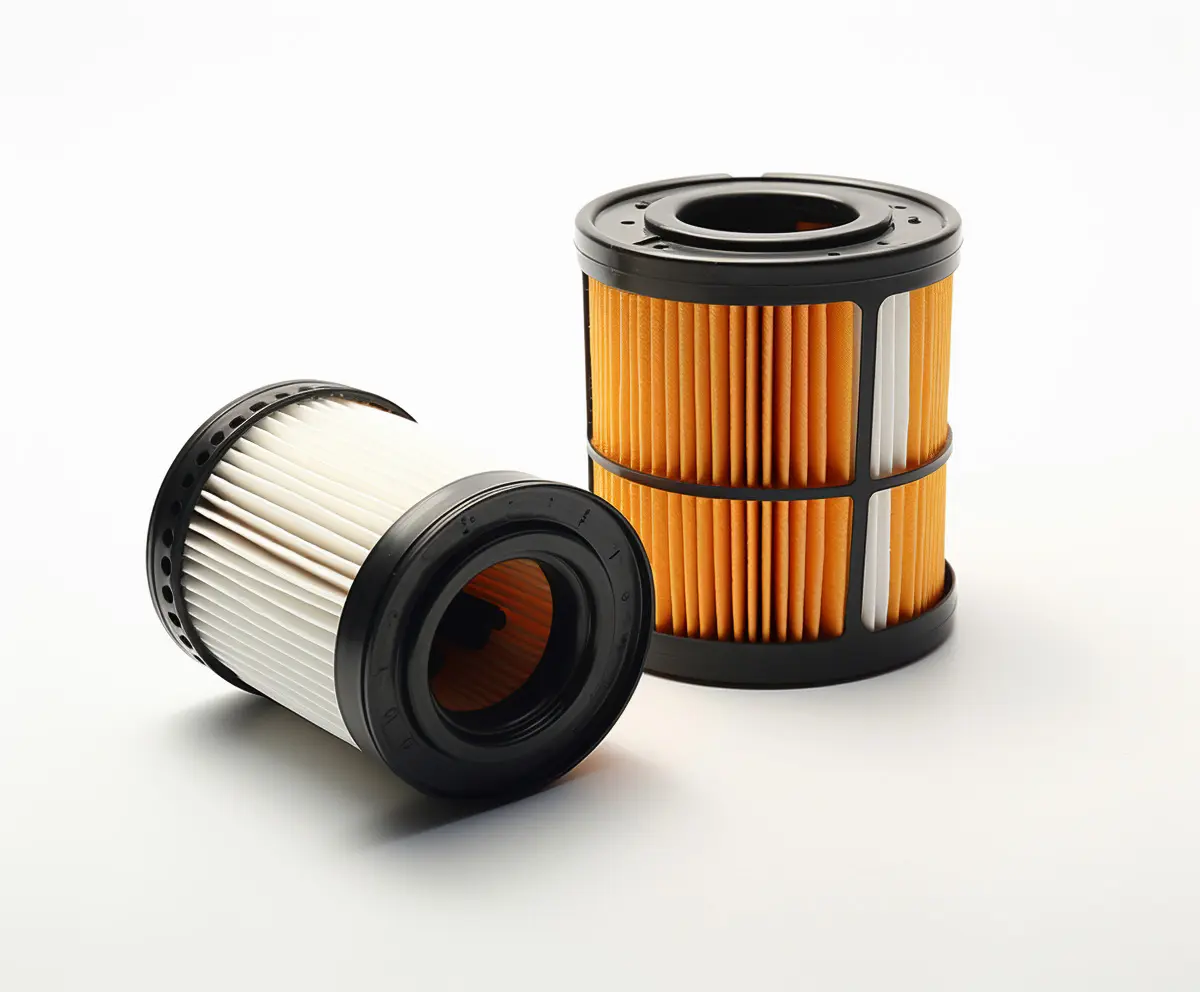
When selecting a vehicle filter, evaluating quality and brand reputation is crucial. A reliable filter protects your engine and enhances its performance. Look for filters made from durable materials that can withstand harsh conditions. This helps ensure optimal filtration and longevity. Filters designed with advanced technology typically offer better performance, improving your vehicle’s efficiency and longevity.
Researching a brand’s reputation is essential. Established brands have a track record, which reflects their commitment to quality. Customer reviews can provide insights into filter effectiveness and durability. Pay attention to feedback regarding installation ease and filtration performance. Not all brands are created equal, and even reputable brands may have variations in quality. It’s wise to compare options and read multiple reviews.
While many know that a quality filter is important, some overlook potential issues. Filters can underperform if not correctly matched to your vehicle’s specifications. Regularly changing filters is vital, but it can be easy to forget. A neglected filter can lead to engine problems, lower fuel efficiency, and increased emissions. Thoughtful consideration is necessary when choosing. Not all choices are straightforward, and ongoing research can reveal better options.
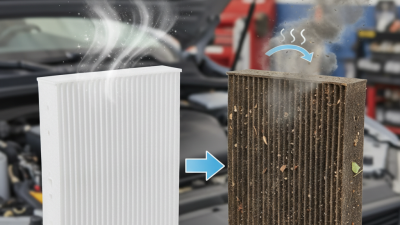
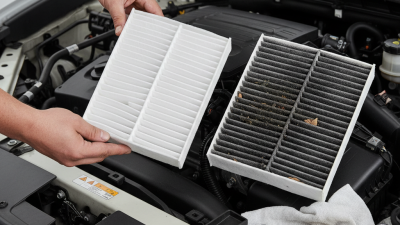
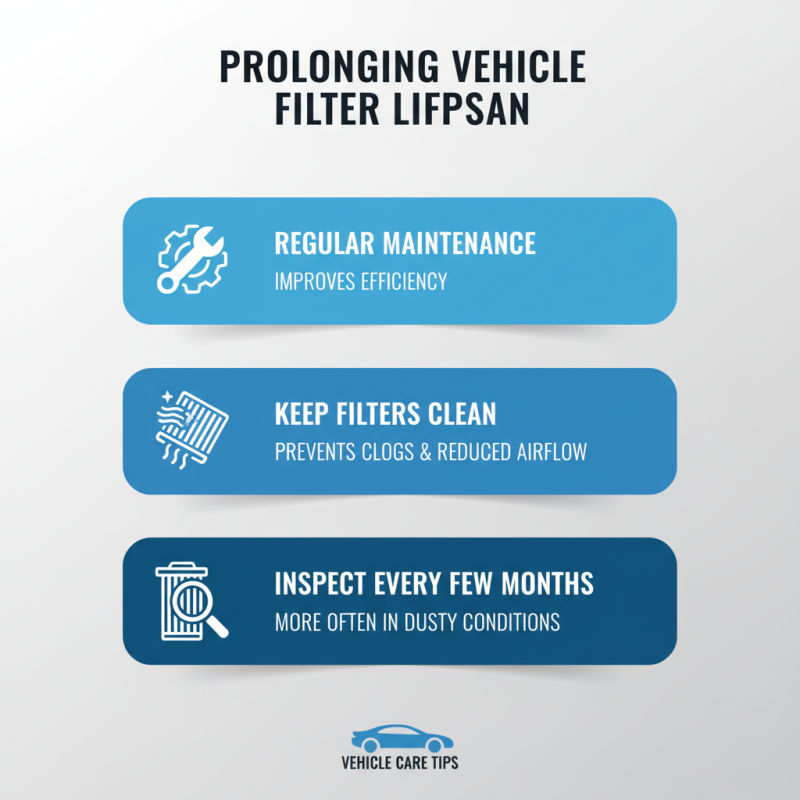
Vehicle filters play a crucial role in maintaining optimal performance. Regular maintenance can extend their lifespan and improve vehicle efficiency. Keeping filters clean is vital. Dirt and debris can clog filters, leading to reduced airflow and efficiency. Inspect your filters every few months, especially if driving in dusty conditions.
Changing filters on time is equally important. Delaying a replacement can cause strain on the engine. Consider replacing air and oil filters together. This keeps systems running smoothly. Proper installation matters too. Ensure filters are fitted correctly to prevent leaks or misalignment.
Using high-quality, compatible filters is essential. Low-quality options may not provide adequate protection. Research and consult trusted sources to find the right fit for your vehicle. Misunderstanding filter needs can lead to poor choices. Regular check-ups and attention will help ensure reliability in the long run.