Why Engine Accessories Filters Are Essential for Optimal Vehicle Performance
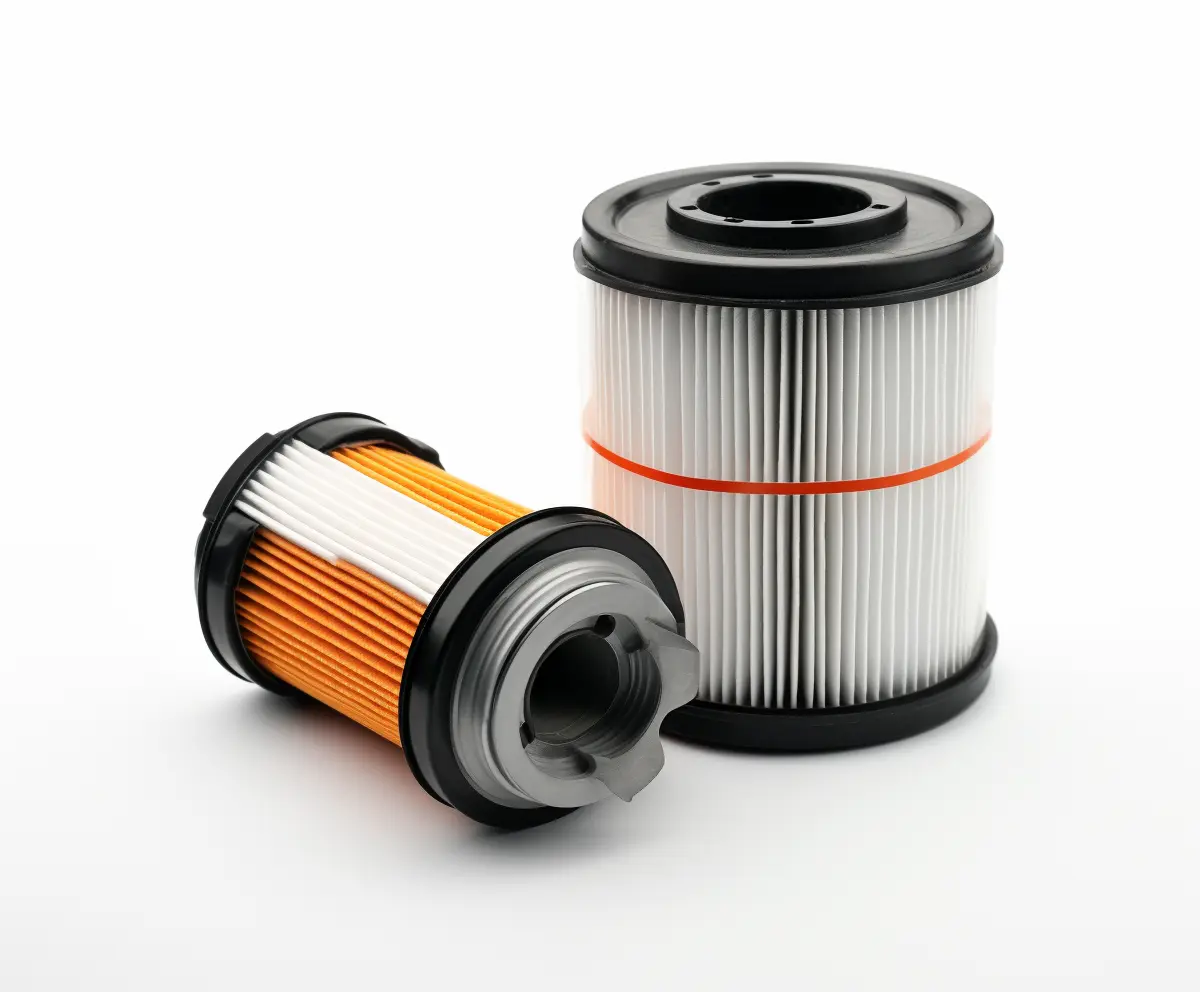
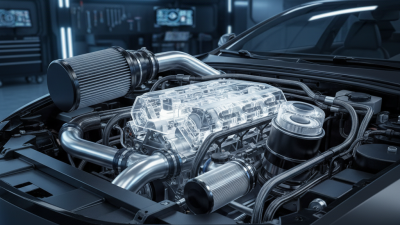
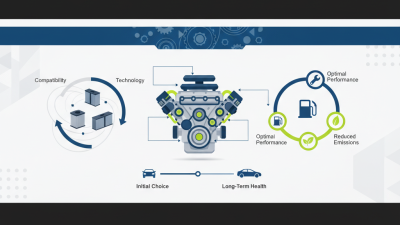
The importance of maintaining optimal vehicle performance cannot be overstated, and one of the key components that contribute to this is the Engine Accessories Filter. These filters play a crucial role in ensuring that the various engine systems operate efficiently by preventing contaminants from entering crucial components. By effectively filtering out dirt, debris, and impurities, Engine Accessories Filters help to maintain the integrity of fuel, air, and oil systems, which are essential for the engine's overall functionality.
In awareness of the intricate mechanics of modern vehicles, understanding the significance of these filters is paramount. Neglecting to monitor or replace Engine Accessories Filters can lead to a range of performance issues, including reduced fuel efficiency, increased emissions, and even potential engine damage. Regular maintenance of these filters not only ensures the longevity of the engine but also contributes to better driving experiences.
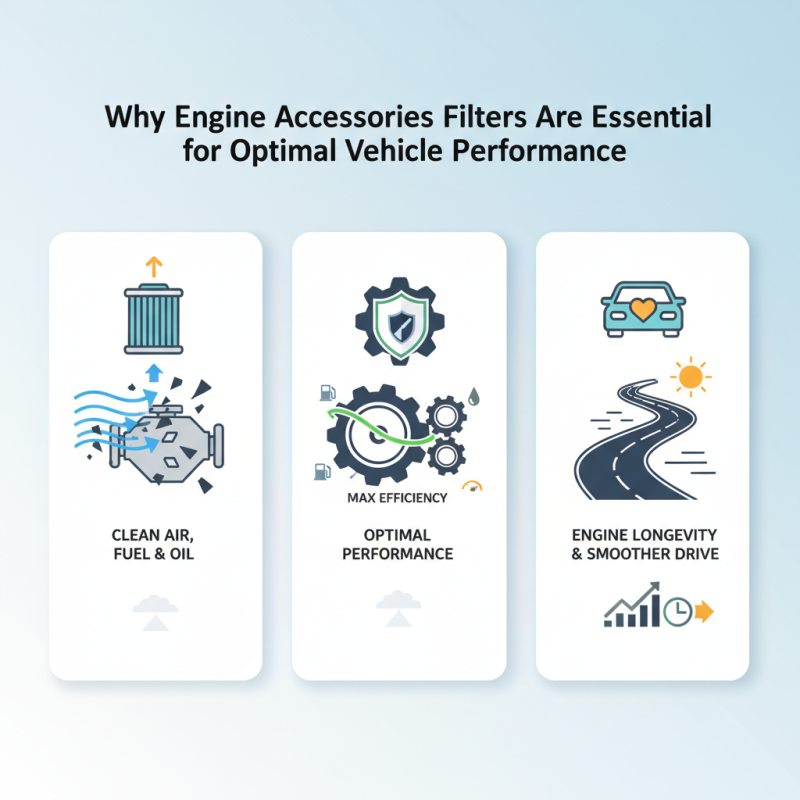
Furthermore, the implementation of high-quality Engine Accessories Filters enhances the vehicle's performance capabilities, providing drivers with a smoother and more responsive ride. By recognizing the vital role of these filters, vehicle owners can make informed decisions to protect their investments and ensure that their vehicles remain in peak condition for years to come.
Importance of Engine Accessories Filters in Vehicle Performance
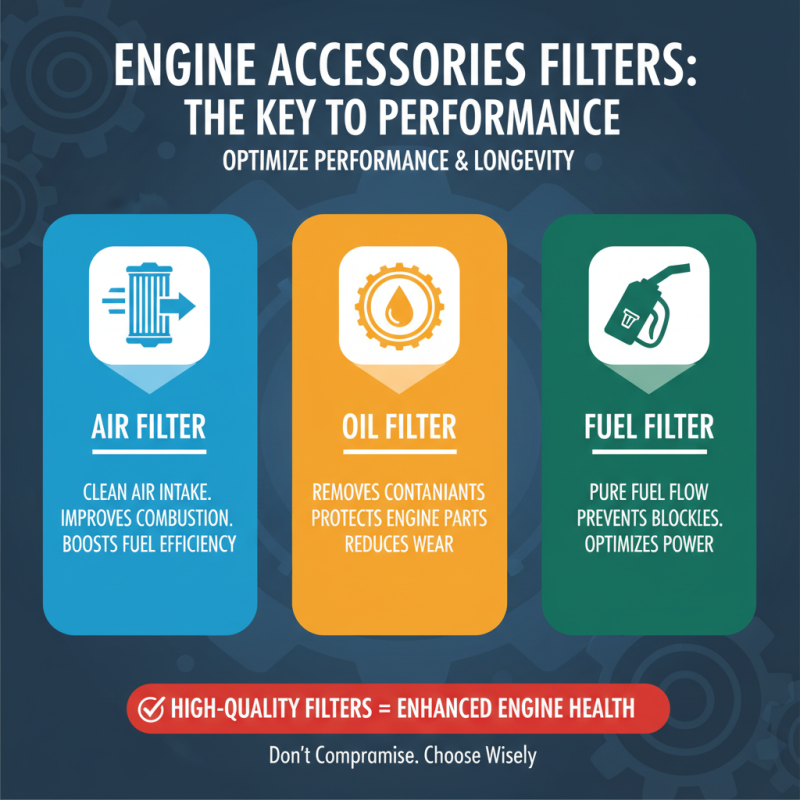
Engine accessories filters play a crucial role in maintaining optimal vehicle performance by ensuring that the engine operates under clean and efficient conditions. These filters, which include oil, air, and fuel filters, serve to remove contaminants that can lead to wear and tear on engine components. For instance, air filters prevent dust and debris from entering the combustion chamber, which can cause misfires and reduce engine efficiency. Likewise, oil filters trap impurities in the oil, ensuring that the engine remains lubricated and functions smoothly, ultimately extending its lifespan.
The importance of regularly inspecting and replacing these filters cannot be overstated. Clogged or damaged filters can lead to insufficient airflow, contaminated fuel, and ineffective lubrication, resulting in decreased performance and potentially costly repairs. By maintaining clean filters, vehicle owners can enhance fuel efficiency, improve throttle response, and ensure that the engine runs at peak performance. Moreover, regular maintenance of engine accessories filters contributes to overall vehicle reliability and safety, making them essential for anyone looking to keep their vehicle in top shape.
Importance of Engine Accessories Filters in Vehicle Performance
The performance of a vehicle heavily depends on several engine accessories filters. The bar chart above illustrates the impact of four essential filters—Oil Filter, Air Filter, Fuel Filter, and Cabin Filter—on overall vehicle performance. Each filter plays a crucial role in maintaining engine efficiency and ensuring a smooth driving experience.
Types of Engine Accessories Filters and Their Functions
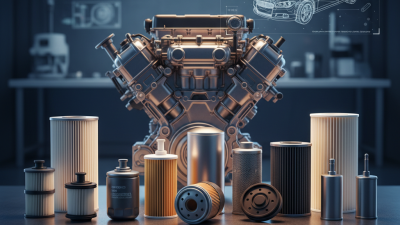
Engine accessories filters play a crucial role in maintaining the optimal performance of vehicles by ensuring that various engine components operate efficiently. There are several types of filters that serve distinct functions, including air filters, oil filters, fuel filters, and cabin air filters. According to a report from the Filter Manufacturer's Council, the proper maintenance and timely replacement of these filters can enhance engine performance by up to 10%, leading to improved fuel efficiency and reduced emissions.
Air filters, for instance, are essential for preventing dirt and debris from entering the engine, which can cause wear and tear on engine parts. The U.S. Department of Energy states that a clean air filter can improve acceleration by up to 6-11% in newer vehicles. Similarly, oil filters are vital for keeping the engine oil clean, ensuring proper lubrication and reducing the risk of engine damage. A study by the American Petroleum Institute highlights that regular oil and filter changes can extend engine life significantly, often by several thousand miles. Fuel filters also play a key role in maintaining engine health by keeping contaminants from affecting fuel injectors, thus ensuring optimal combustion and performance.
Cabin air filters, while primarily concerned with passenger comfort, also contribute to overall vehicle health by ensuring that the air entering the engine and passenger compartment is free of pollutants. Regular changes can not only improve air quality inside the vehicle but also prevent buildup that can affect engine performance. As such, neglecting any of these filters can lead to reduced efficiency and higher maintenance costs in the long run.
Why Engine Accessories Filters Are Essential for Optimal Vehicle Performance
| Filter Type |
Function |
Importance for Performance |
Recommended Change Interval |
| Oil Filter |
Removes contaminants from engine oil |
Essential for engine longevity and performance |
Every 5,000 to 7,500 miles |
| Air Filter |
Filters out dirt, debris, and contaminants from air entering the engine |
Improves fuel efficiency and engine power |
Every 15,000 to 30,000 miles |
| Fuel Filter |
Cleanses fuel before it reaches the engine |
Prevents fuel contamination and engine knocking |
Every 20,000 to 40,000 miles |
| Cabin Air Filter |
Filters air entering the vehicle cabin |
Enhances air quality for passengers |
Every 15,000 to 30,000 miles |
| Transmission Filter |
Cleans transmission fluid to prevent contamination |
Critical for smooth transmission operation |
Every 30,000 to 50,000 miles |
Impact of Filter Quality on Engine Efficiency and Longevity
Engine accessories filters, including oil, air, and fuel filters, play a pivotal role in maintaining vehicle performance by ensuring that contaminants do not compromise engine efficiency. The quality of these filters directly impacts how well the engine performs and how long it lasts. High-quality filters can significantly improve airflow, allowing for better combustion and optimizing fuel efficiency. Conversely, inferior filters may lead to increased engine wear and lower performance due to the accumulation of dirt and debris.
To maximize engine longevity, it is vital to regularly inspect and replace filters in accordance with manufacturer recommendations. Poor filter maintenance can result in real financial burdens due to costly repairs.
Tips for maintaining optimal filter quality include:
1. Always choose filters made from high-grade materials that meet or exceed industry standards.
2. Schedule regular maintenance checks to ensure that filters are clean and functioning properly.
3. Pay attention to warning signs such as decreased fuel efficiency or engine noise, which may indicate a filter issue that needs immediate attention.
By focusing on the quality and maintenance of engine filters, drivers can significantly enhance their vehicle’s performance and extend its lifespan, ensuring a smoother and more efficient driving experience.
Industry Statistics on Filter Maintenance and Vehicle Performance
Engine accessories filters, including air, fuel, and oil filters, play a critical role in maintaining vehicle performance and efficiency. According to the American Automobile Association (AAA), neglecting filter maintenance can lead to a significant decrease in engine performance, with poor fuel economy reported in up to 30% of vehicles due to dirty filters. This statistic underscores the importance of regular filter inspections and replacements, as clean filters ensure optimal airflow, fuel delivery, and lubrication, which are vital for engine health.
The Car Care Council highlights another striking statistic: approximately 75% of vehicles on the road have a fluid that needs to be replaced, including oil and filter replacements. When filters are left unchecked, the total cost of repairs can escalate, often resulting in owners spending hundreds of dollars due to preventable engine damage. Regular maintenance of engine filters not only extends the life of the vehicle but also enhances overall performance, contributing to safer and more efficient driving experiences. Ensuring that filters are clean and in working order is essential for maximizing vehicle longevity and reliability.
Innovations in Filter Technology for Enhanced Engine Operations
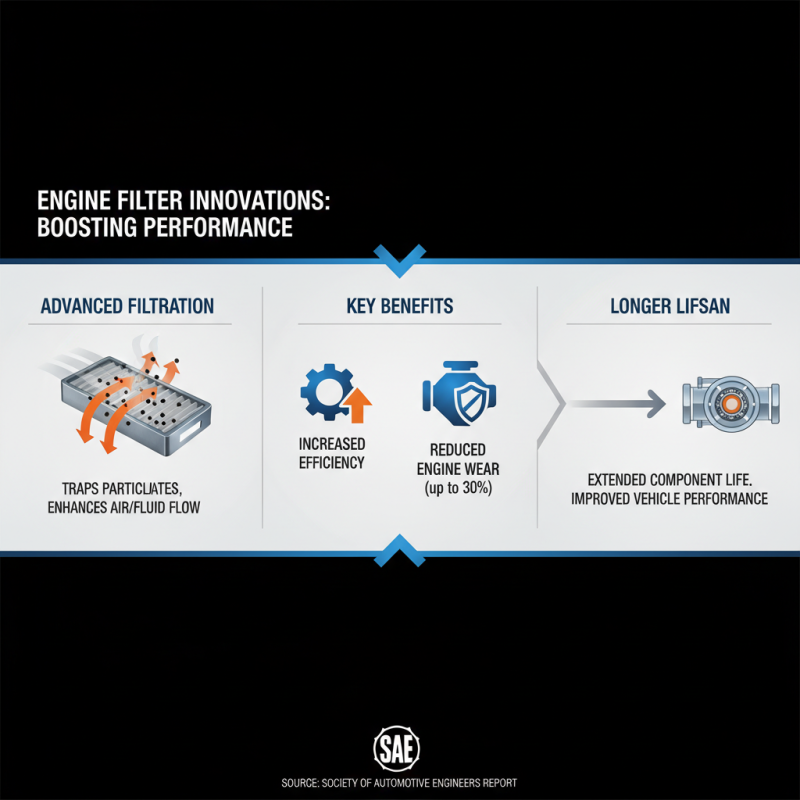
Innovations in filter technology have revolutionized the way engine accessories operate, playing a critical role in enhancing overall vehicle performance. Recent advancements have focused on developing filters that not only trap particulates but also improve the flow of air and fluids through the engine. According to a report by the Society of Automotive Engineers (SAE), improved filtration techniques can lead to a reduction in engine wear by up to 30%, significantly extending the lifespan of critical engine components.
One notable innovation is the use of synthetic materials in filter construction, which offer superior filtration efficiency compared to traditional paper filters. These synthetic filters can capture smaller particles, averaging 10 microns, that could otherwise clog fuel injectors and damage engine components. A study by the American Filtration Society indicates that vehicles using advanced synthetic filters exhibit a 5% increase in fuel efficiency and a marked reduction in emissions, contributing to a cleaner environment and lower operational costs for vehicle owners.
Furthermore, advancements such as smart filtration systems, which utilize real-time monitoring sensors, are now being integrated into modern vehicles. These systems provide alerts for filter replacement and maintenance, thus preventing engine malfunctions and improving reliability. This proactive approach not only saves on repair costs but also optimizes engine performance, confirming the essential role of enhanced filter technology in today’s automotive landscape.

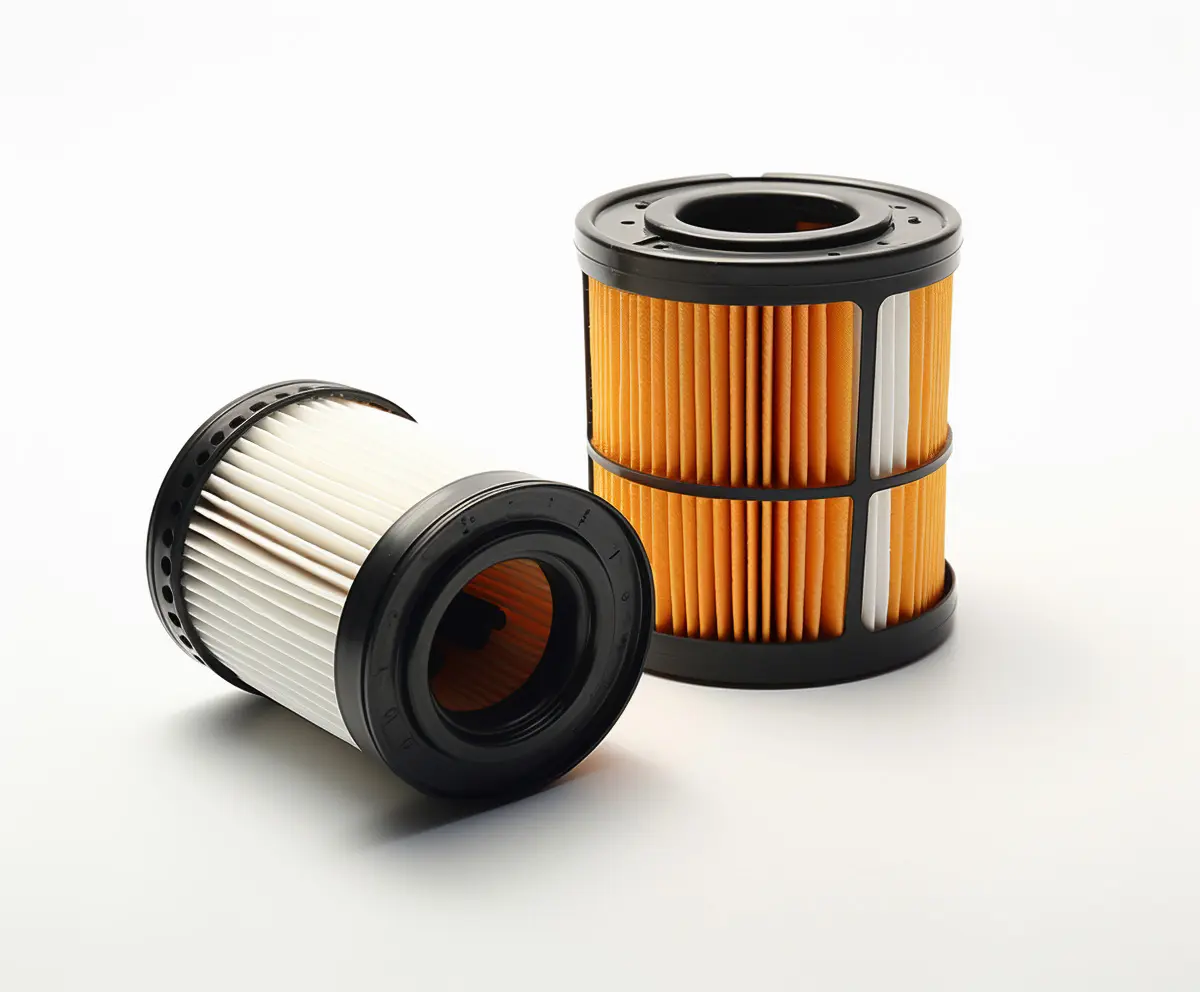 Products
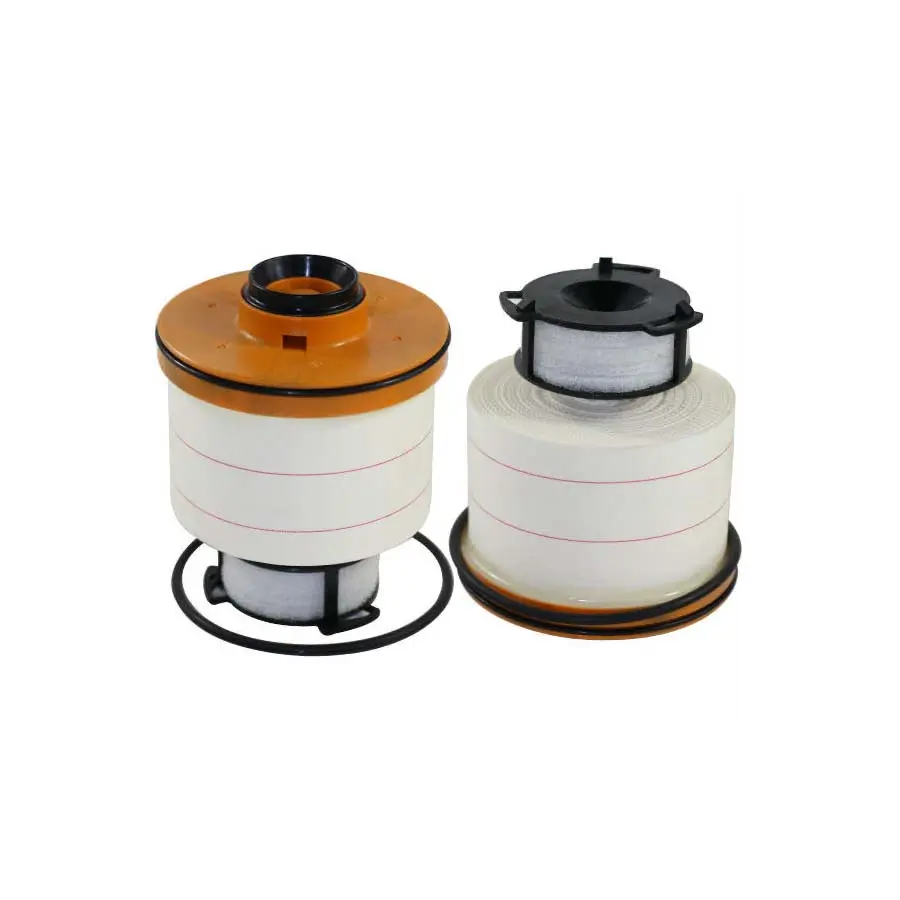 FUEL FILTER
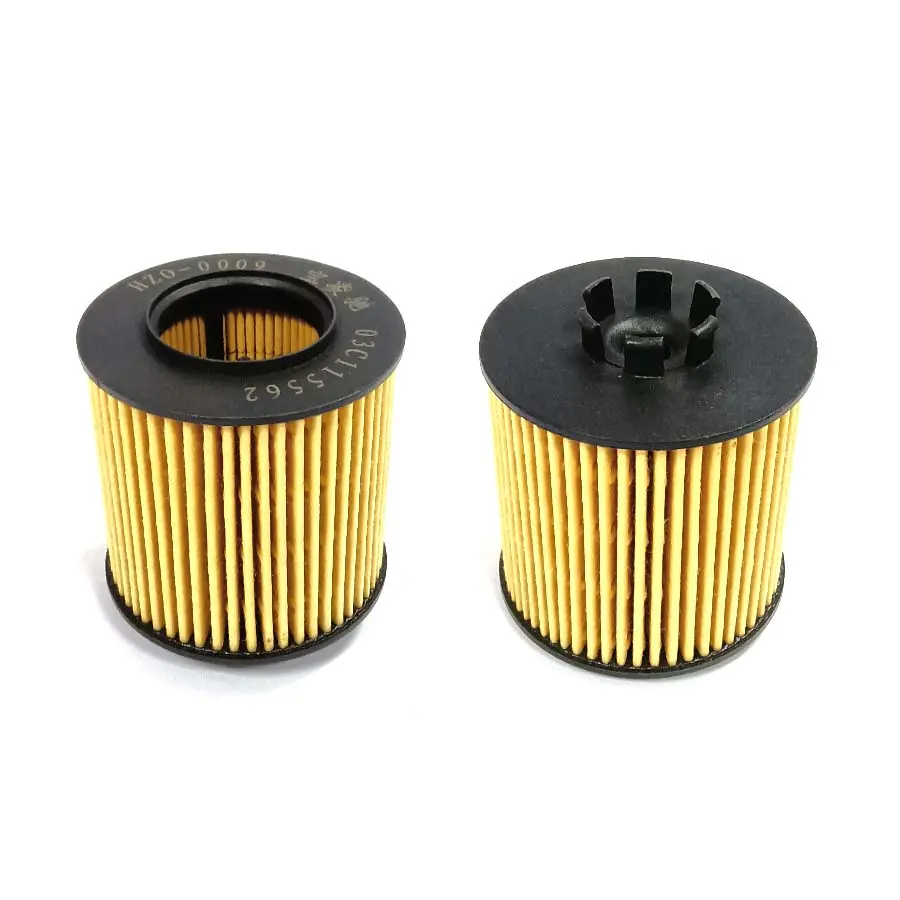 OIL ELEMENT FILTER
 OIL FILTER
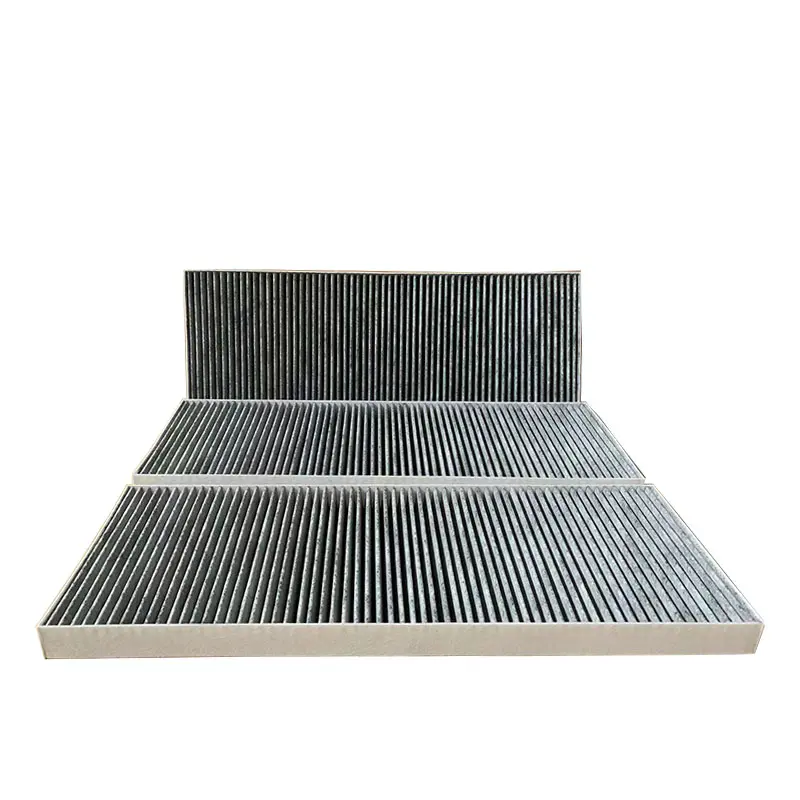 CABIN FILTER
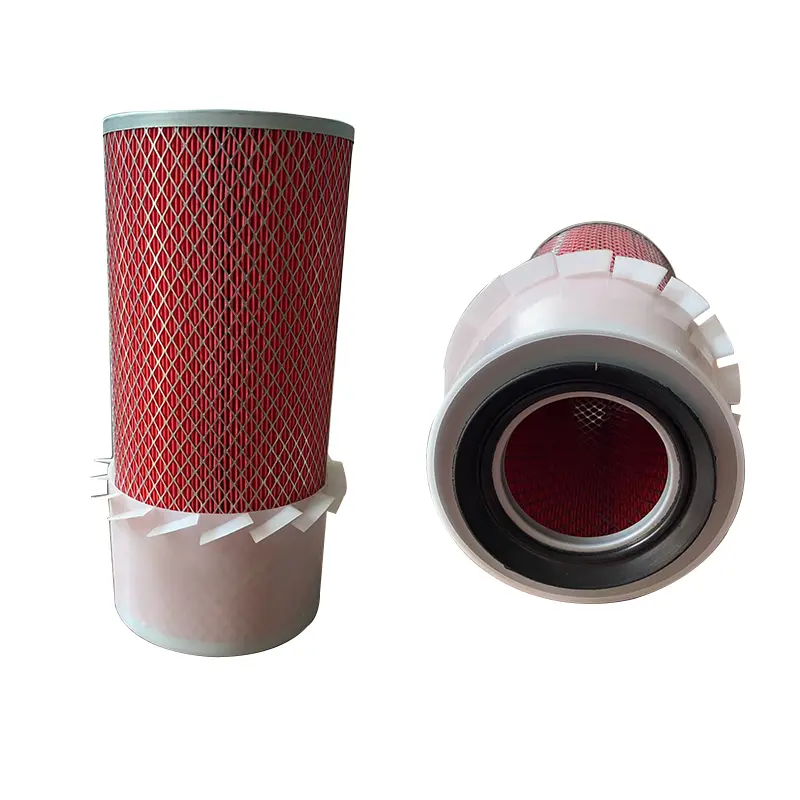 AIR FILTER