10 Essential Tips for Maintaining Your Cabin Air Filter
Maintaining your cabin air filter is crucial for a healthy driving experience. This often-overlooked component directly affects the air quality inside your vehicle. A clean cabin air filter ensures that you breathe in fresh air, free from dust, pollen, and exhaust fumes.
Over time, dirt and debris accumulate in the filter, reducing its efficiency. Neglecting to replace it can lead to musty odors. It may also cause your vehicle's heating and cooling systems to work harder, ultimately draining fuel efficiency. Many drivers forget this simple task, resulting in unnecessary vehicle strain.
Regularly checking the cabin air filter can help avoid these issues. This task can seem tedious, but it’s essential. Keeping your cabin air filter clean means cleaner air for you and your passengers. Remember, a small effort can lead to a more enjoyable ride.
Understanding the Importance of a Cabin Air Filter for Vehicle Health
A cabin air filter plays a critical role in your vehicle’s health. It cleans the air entering the passenger compartment, trapping dust, pollen, and other harmful particles. This helps maintain a comfortable and safe environment while driving. When the filter is dirty or clogged, it affects air quality. You may notice strange odors or reduced airflow. It’s a clear sign that your cabin air filter needs attention.
Regular maintenance of the cabin air filter is essential. Depending on driving conditions, it should be checked every 15,000 to 30,000 miles. If you drive in heavy traffic or areas with high pollution, inspect it more often. Clean air allows for better concentration and comfort. Neglecting the filter can lead to respiratory issues or allergies within the vehicle. A simple, yet sometimes overlooked task, checking this filter could save you from bigger problems down the road.
Common Signs Indicating It's Time to Replace Your Cabin Air Filter
Knowing when to replace your cabin air filter is crucial for a healthy driving experience. One common sign is a decrease in airflow. If you notice that your car’s ventilation isn’t as strong as it used to be, it might be time for a change. Dust and debris can build up, blocking airflow. You might also experience unusual odors coming from the vents. This can indicate mold or mildew lurking in the filter, which isn’t just unpleasant but unhealthy too.
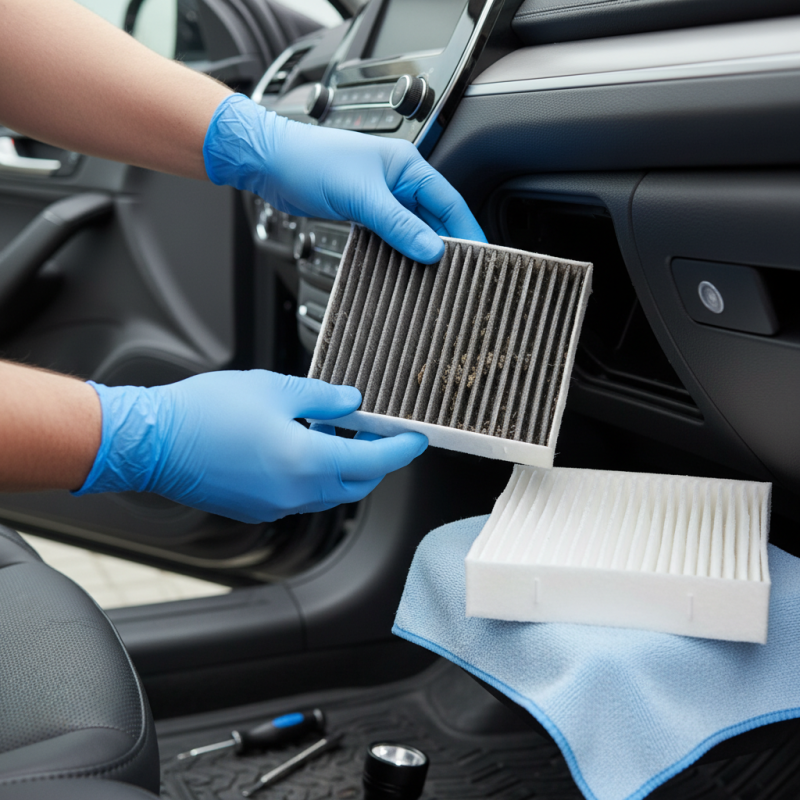
Another indicator is a visible layer of dirt on the filter itself. An inspection can reveal dark or clogged areas. Occasionally, check if the air smells stale or musty. This signals that the filter is struggling to clean the air you breathe. Remember, regular maintenance is key. A delayed replacement can lead to more serious issues down the line. Don't overlook these signs; your comfort and health depend on clean air.
10 Essential Tips for Maintaining Your Cabin Air Filter - Common Signs Indicating It's Time to Replace Your Cabin Air Filter
| Tip # |
Tip Description |
Common Sign for Replacement |
| 1 |
Check the filter every 12,000 miles. |
Reduced airflow from HVAC. |
| 2 |
Inspect for dirt and debris regularly. |
Visible dirt on filter. |
| 3 |
Replace filter at least once a year. |
Musty smell in cabin. |
| 4 |
Use high-efficiency filters. |
Allergens and dust in cabin. |
| 5 |
Follow manufacturer guidelines. |
Unusual noises while operating HVAC. |
| 6 |
Keep the cabin clean to reduce filter load. |
Increased fogging on windows. |
| 7 |
Inspect the filter during oil changes. |
Frequent need to clear windshield. |
| 8 |
Be mindful of filtering efficiency. |
Poor air quality inside the vehicle. |
| 9 |
Know the location of the filter. |
Unusual odors during airflow. |
| 10 |
Consult a professional if unsure. |
Difficulty in controlling cabin temperature. |
Step-by-Step Guide to Accessing Your Cabin Air Filter
Accessing your cabin air filter is essential for clean air inside your vehicle. Studies show that a clogged cabin air filter can reduce airflow by up to 50%. This can lead to poor ventilation, which affects the driver’s and passengers’ comfort. To maintain good air quality, you need to know how to access the filter correctly.
Start by checking your vehicle’s manual. It provides specific instructions on locating the cabin air filter. Generally, it’s found behind the glove compartment. You may need to remove screws or clips to access it. Be careful; rushing through the steps can lead to damages or incorrect installation. Some filters are fragile, and mishandling them can lead to ineffective performance.
When you finally have the filter in hand, inspect its condition. If it looks dirty or clogged, it's time for a replacement. According to industry reports, a clean cabin air filter can enhance air quality and reduce allergens. This is crucial for those with allergies. Remember, maintaining your cabin air filter isn’t just about convenience; it directly impacts your health and comfort while driving. Ignoring maintenance might cost you more in the long run.
Cabin Air Filter Maintenance: Impact of Filter Condition
Best Practices for Cleaning and Maintaining Your Cabin Air Filter
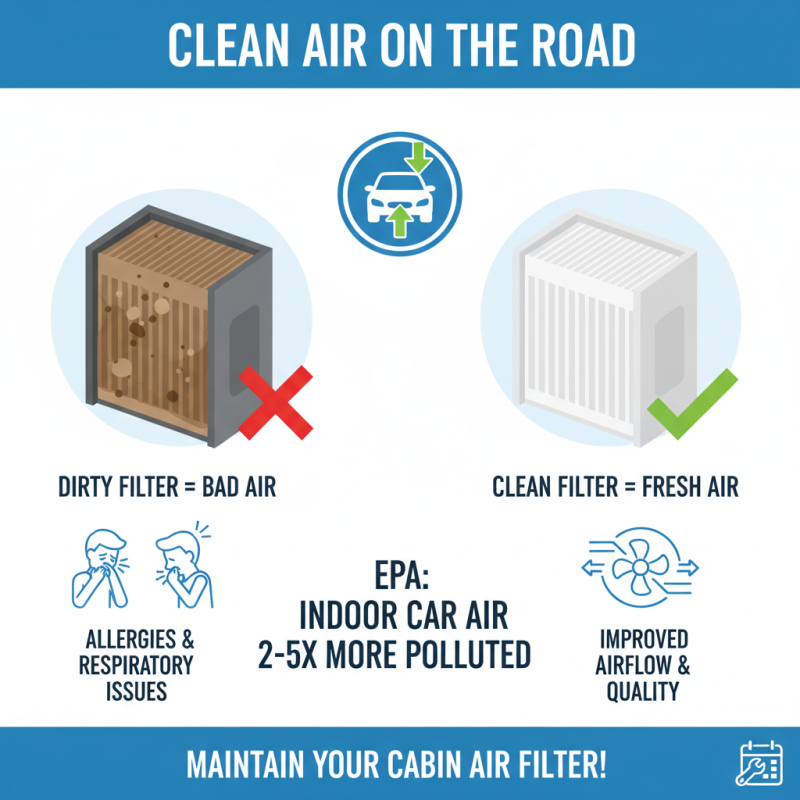
Maintaining your cabin air filter is crucial for clean air inside your vehicle. A dirty filter can hinder airflow and reduce air quality. The EPA states that indoor air can be two to five times more polluted than outdoor air. If your cabin air filter is clogged, it may cause allergies or respiratory issues.
Cleaning routines are vital. Manufacturers typically recommend checking the filter every 12,000 miles. However, factors like pollen count and traffic can affect this frequency. Consider inspecting the filter more often in high-pollen seasons. A study showed that 90% of drivers ignore their filters, resulting in compromised air quality.
Cleaning the filter involves a simple yet effective method. Start by removing the filter. Use a vacuum with a brush attachment to remove dust and debris. Wash the filter with mild soap and water, ensuring it’s completely dry before reinstallation. Many overlook this step. Neglecting a damp filter can cause mold growth. Regular checks and cleanings can lead to a healthier environment. Prioritizing this maintenance means fewer health risks for you and your passengers.
Choosing the Right Replacement Cabin Air Filter for Your Vehicle
Choosing the right replacement cabin air filter for your vehicle is crucial. The cabin air filter helps keep the air inside your vehicle clean. According to a 2022 study, nearly 70% of drivers reported poor air quality inside their cars. This is concerning, especially for those with allergies or respiratory issues.
When selecting a filter, consider its efficiency rating. Higher ratings typically indicate better filtration of dust, pollen, and pollutants. A filter with a MERV (Minimum Efficiency Reporting Value) rating of 11 or higher can capture up to 95% of airborne particles. Look for filters made from high-quality materials. They last longer and provide better airflow.
Tip: Always check your vehicle's manual for specific recommendations on filter types. Many drivers neglect this step. Remember, not all filters fit every vehicle. Verify compatibility to avoid poor performance.
Another important aspect is replacement frequency. Most experts recommend changing the cabin filter every 12,000 to 15,000 miles. However, driving in dusty or polluted areas may necessitate more frequent changes. Regular replacement is vital for optimal air quality. A neglected cabin air filter can lead to musty odors and reduced airflow. Consider your environment; it influences your filter's lifespan significantly.

 Products
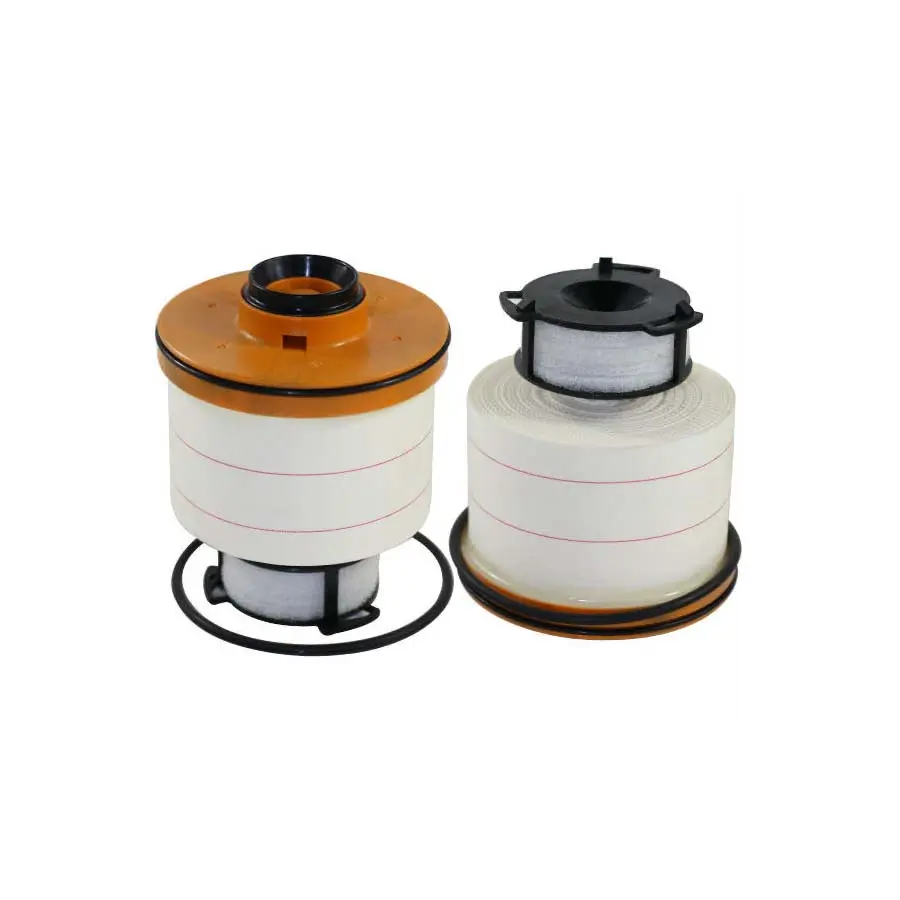 FUEL FILTER
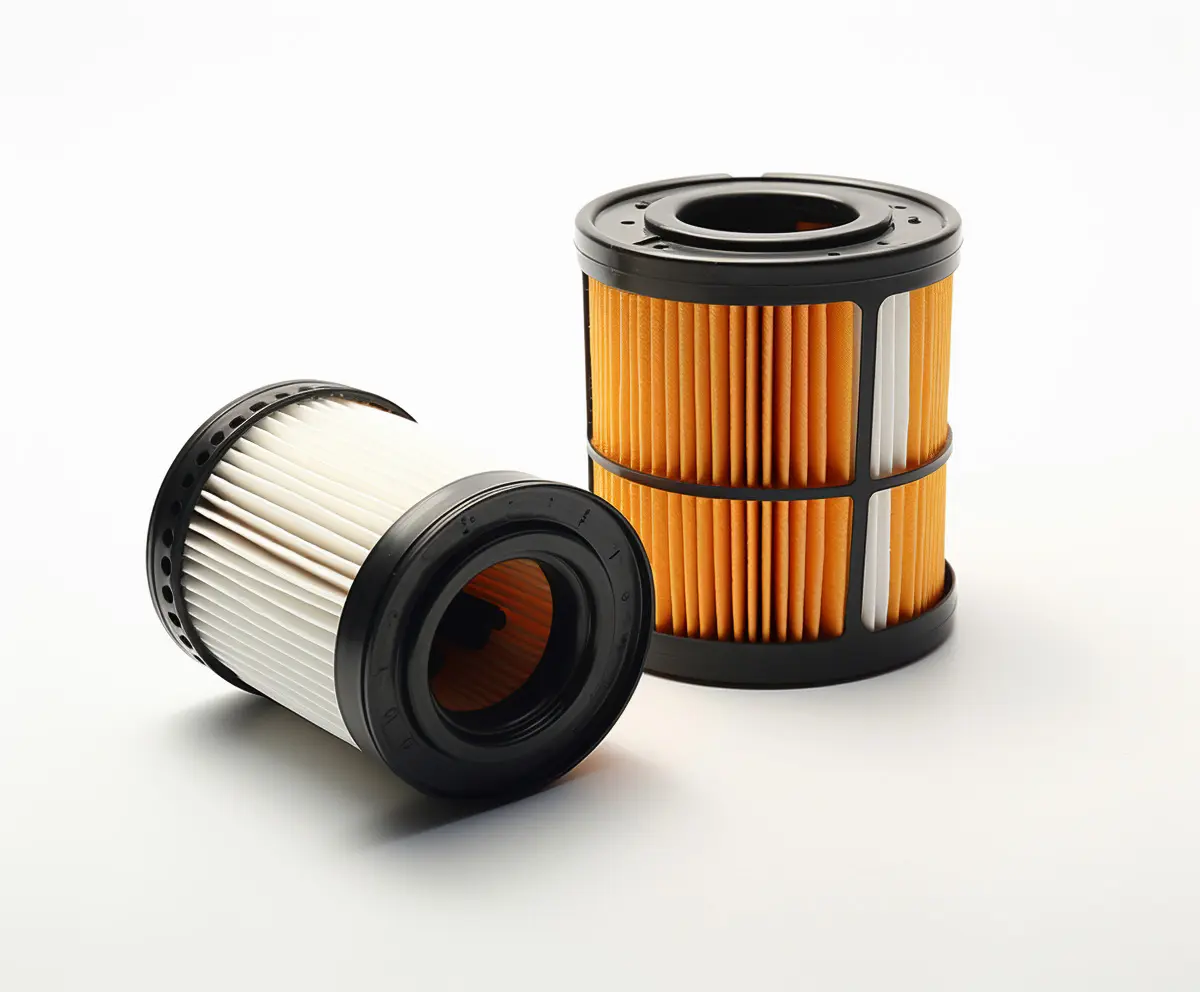
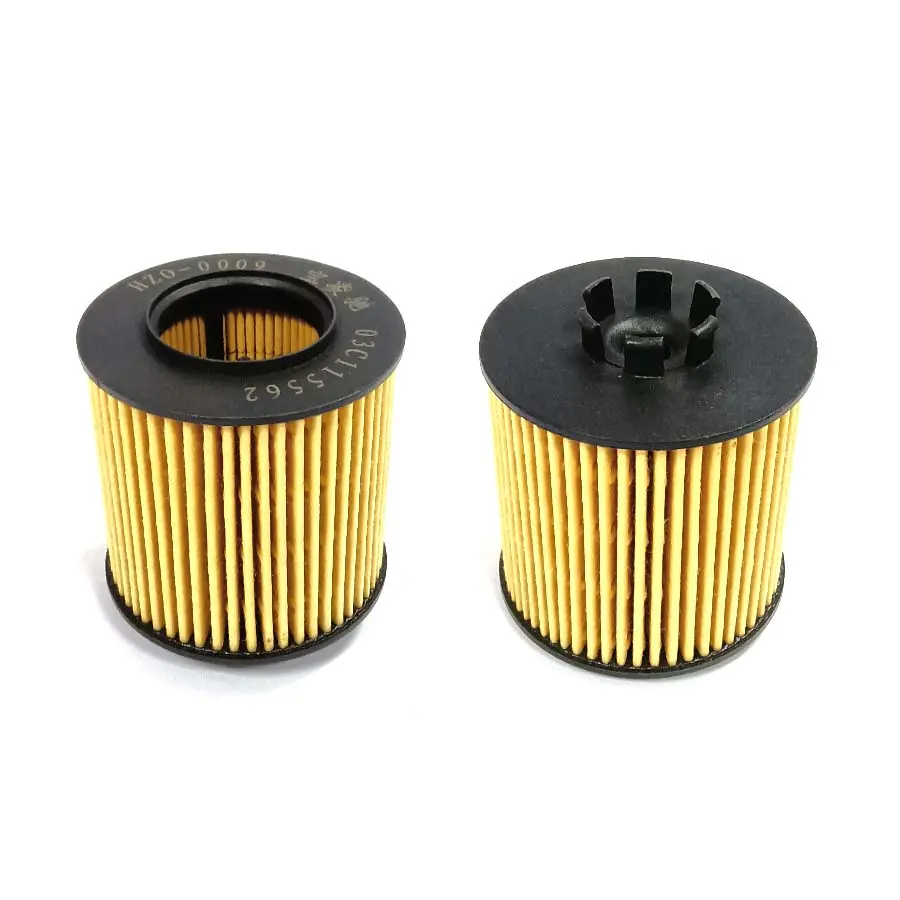 OIL ELEMENT FILTER
 OIL FILTER
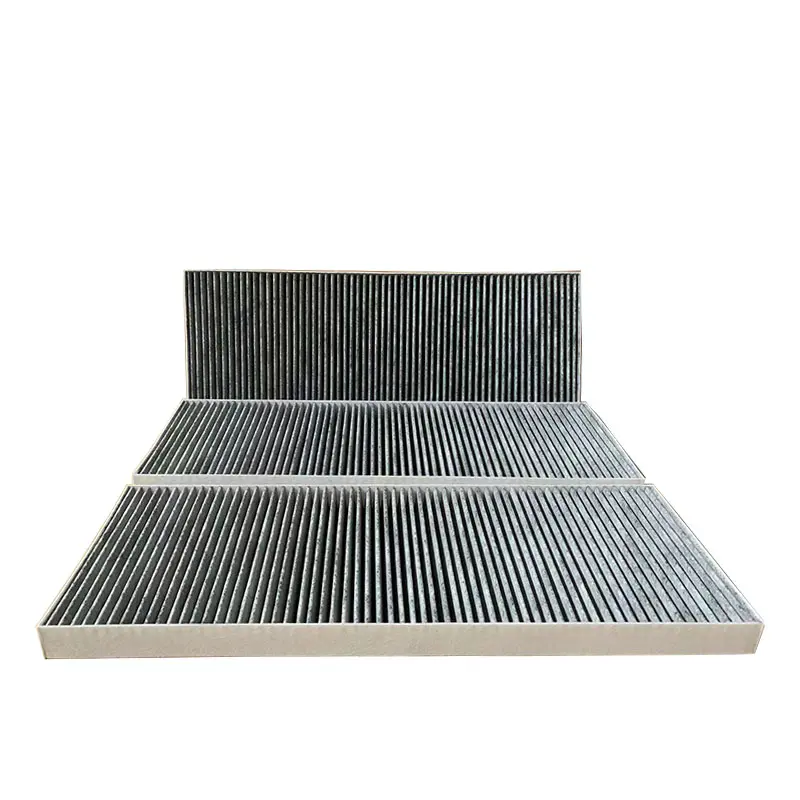 CABIN FILTER
 AIR FILTER