Why is Cabin Air Filter Important for Your Vehicle Health?
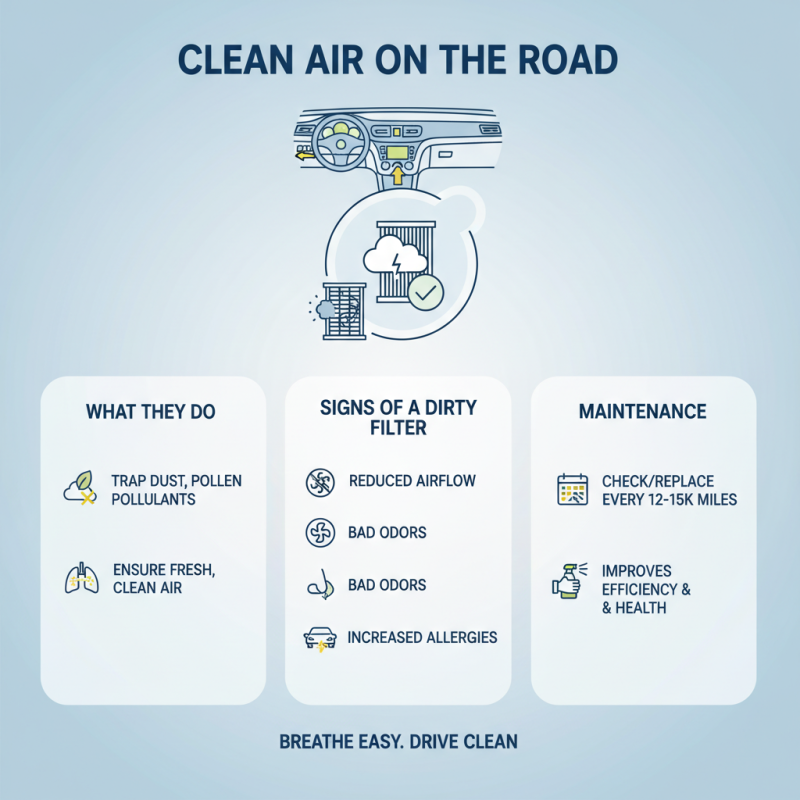
A Cabin Air Filter plays a crucial role in maintaining the health of your vehicle. According to automotive expert Dr. Emily Taylor, "A clean Cabin Air Filter is essential for quality air inside your car." This statement underscores the importance of this often-overlooked component.
Inside any vehicle, the Cabin Air Filter prevents dust, pollen, and other contaminants from entering. Without it, your car's interior can become a breeding ground for allergens and pollutants. Many drivers neglect this filter, thinking it’s not important. However, a dirty filter can lead to worse air quality, which may affect your health.
Regularly checking and replacing the Cabin Air Filter is a simple yet effective way to ensure clean air. Ignoring it can lead to issues, such as reduced airflow and unpleasant smells. Taking care of this filter can reflect broader vehicle maintenance habits. It's time to reevaluate how we view this small but vital part of our cars.
Importance of Cabin Air Filter for Vehicle Longevity
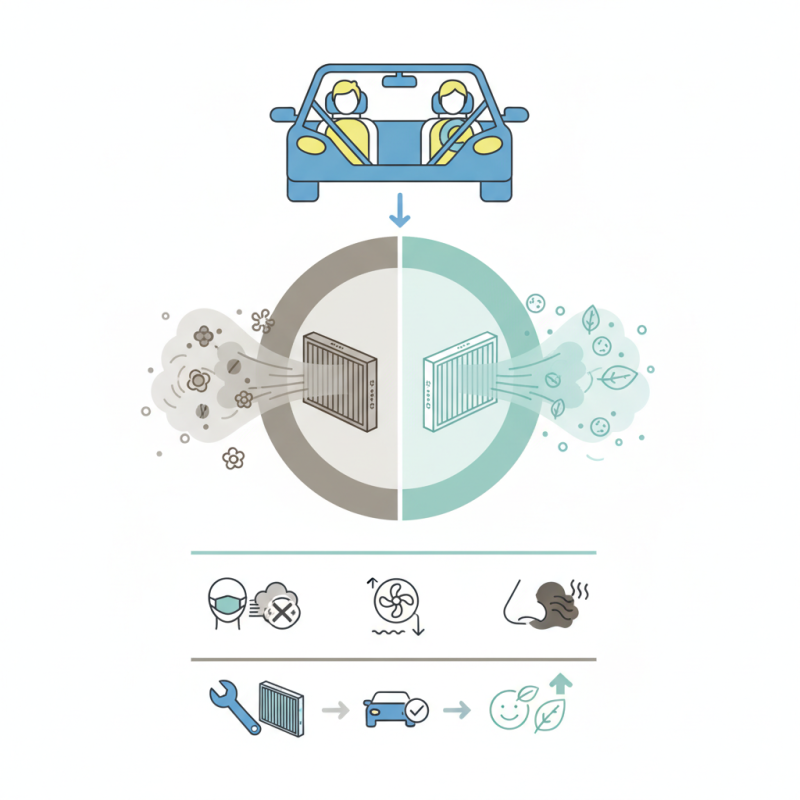
A cabin air filter plays a crucial role in a vehicle's health. It cleans the air that enters the cabin, improving air quality for passengers. When this filter is clean, you breathe easier, and your vehicle’s climate control system works efficiently. Clogged filters can reduce airflow. This can lead to a less comfortable driving experience.
For vehicle longevity, a functioning cabin air filter is essential. It helps prevent the buildup of dust, pollen, and other allergens. These contaminants can cause wear and tear on the HVAC system. Ignoring this filter can lead to potentially costly repairs down the road. Drivers may not realize the impact until issues arise.
Many drivers overlook this simple maintenance task. It feels minor, yet it has significant consequences. Regular replacement can enhance overall vehicle performance. It’s easy to forget the filter while doing more visible inspections. A small effort can lead to big benefits in comfort and longevity. Regular checks can save time and money in the long run.
Importance of Cabin Air Filter for Vehicle Longevity
The cabin air filter plays a crucial role in maintaining the air quality inside your vehicle. This bar chart illustrates the air quality index for fresh air, filtered air, and unfiltered air. As shown, using a cabin air filter significantly enhances the air quality, contributing to the comfort and health of passengers.
How Cabin Air Filter Enhances Air Quality Inside the Vehicle
A cabin air filter plays a critical role in maintaining the air quality inside your vehicle. This filter traps dust, pollen, and exhaust fumes that can enter the cabin. Without it, the air you breathe while driving can be filled with harmful particles. Imagine driving on a busy road with the windows up, inhaling all the pollutants from outside. That's where the filter works tirelessly to provide clean air.
It’s easy to overlook the state of your cabin air filter. Sometimes, its presence is forgotten until the air feels stale. Bad odors and reduced airflow can be telltale signs of a clogged filter. Ignoring these signs may lead to more significant issues. Consider the children or pets in the backseat, breathing in unfiltered air. The filter helps create a healthier environment, especially for sensitive individuals.
Regular maintenance of the cabin air filter is essential. It’s more than a mere task; it’s an investment in your health. Changing it at specified intervals can keep your drives comfortable. Yet, many people delay this simple upkeep. A little attention can make a significant difference. Clean air translates to a better driving experience for everyone in the vehicle.
Effects of Clogged Cabin Air Filters on Vehicle Performance
A clogged cabin air filter can significantly impact your vehicle's performance. Dust, pollen, and debris accumulate over time. This buildup restricts airflow into the cabin, making the air feel stagnant. You might notice increased odors or a musty smell while driving. Poor air quality inside the vehicle can lead to discomfort, especially during long drives.
When the filter is clogged, the HVAC system works harder to push air through. This increased strain can lead to higher fuel consumption. Your engine uses more energy to maintain cabin comfort, reducing overall efficiency. Ignoring a dirty filter can also risk damage to other HVAC components, potentially leading to costly repairs.
Drivers may overlook the importance of regular maintenance. It’s easy to forget about the filter when everything seems fine. However, proactive checks can save time and money down the road. Consider how a simple filter change could improve your driving experience. Enjoying fresh, clean air should not be a luxury but a standard. Keep your vehicle's system healthy, and you’ll benefit in more ways than one.
Signs Indicating the Need for Cabin Air Filter Replacement
Cabin air filters play a crucial role in maintaining the air quality inside your vehicle. They trap dust, pollen, and other pollutants, ensuring that you breathe clean air while driving. Over time, these filters can become clogged or dirty, which affects their efficiency.
There are several signs that indicate it may be time for a replacement. If you notice an unusual smell when the air conditioning is on, it’s a red flag. Reduced airflow from the vents often means the filter is blocked. Frequent sneezing or allergies while driving can be a direct result of poor air quality inside the cabin.
Another sign is visible dirt on the filter itself. A thorough inspection can reveal its state. Ignoring these signs can lead to bigger issues. A neglected cabin air filter can strain the air conditioning system and impact your overall driving comfort. Regular checks can save you from further complications. Keeping the cabin air clean is worth the effort.
Maintenance Tips for Keeping Your Cabin Air Filter Effective
The cabin air filter plays a crucial role in maintaining the air quality inside your vehicle. Over time, this filter collects dust, pollen, and other airborne particles. When it gets clogged, it can lead to unpleasant odors and reduced airflow. You may notice your air conditioning is less effective or your eyes feel itchy. Regularly checking and maintaining this filter can greatly enhance your driving experience.
To keep your cabin air filter effective, start by consulting your vehicle manual for the recommended replacement interval. In many cases, changing the filter every 12,000 to 15,000 miles is a good practice. Remove the filter and visually inspect it. If it looks dirty or damaged, it's time for a replacement. Cleaning the area around the filter can also help prevent debris from entering.
Consider seasonal changes, too. In fall, leaves clog filters more easily. Always monitor your filter, especially during allergy seasons. Just remember, it’s easy to overlook this small component, but neglecting it can lead to bigger issues down the road. Reflect on what you can do to ensure cleaner air in your car.

 Products
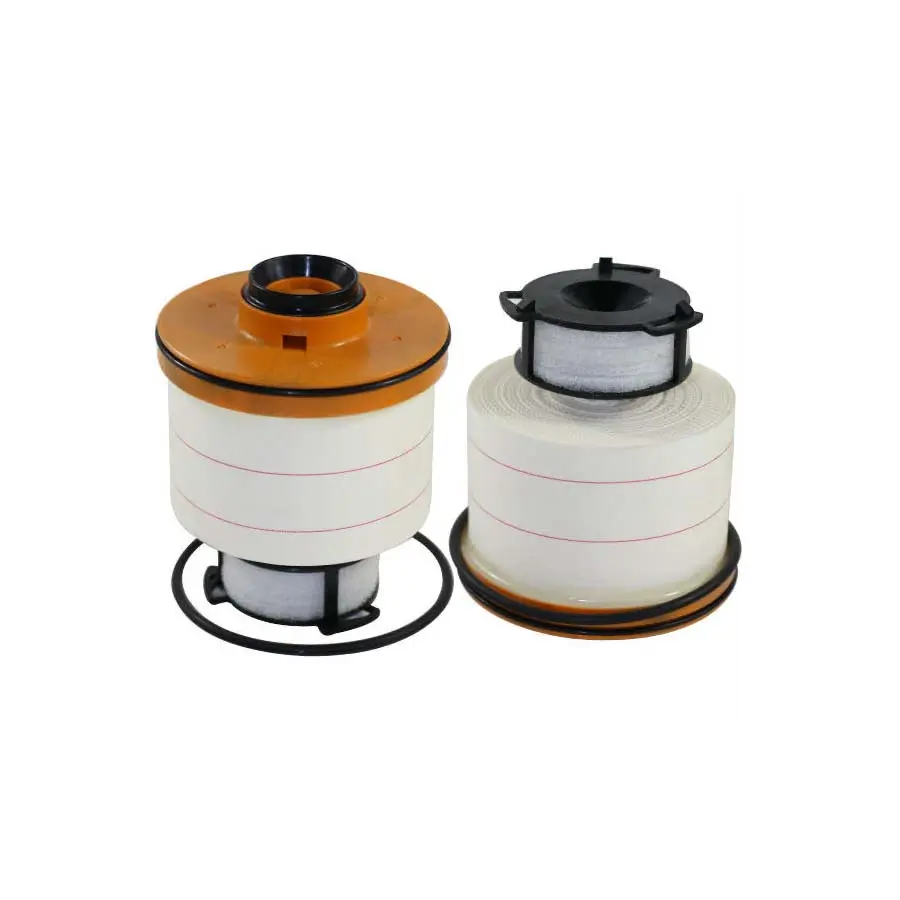 FUEL FILTER
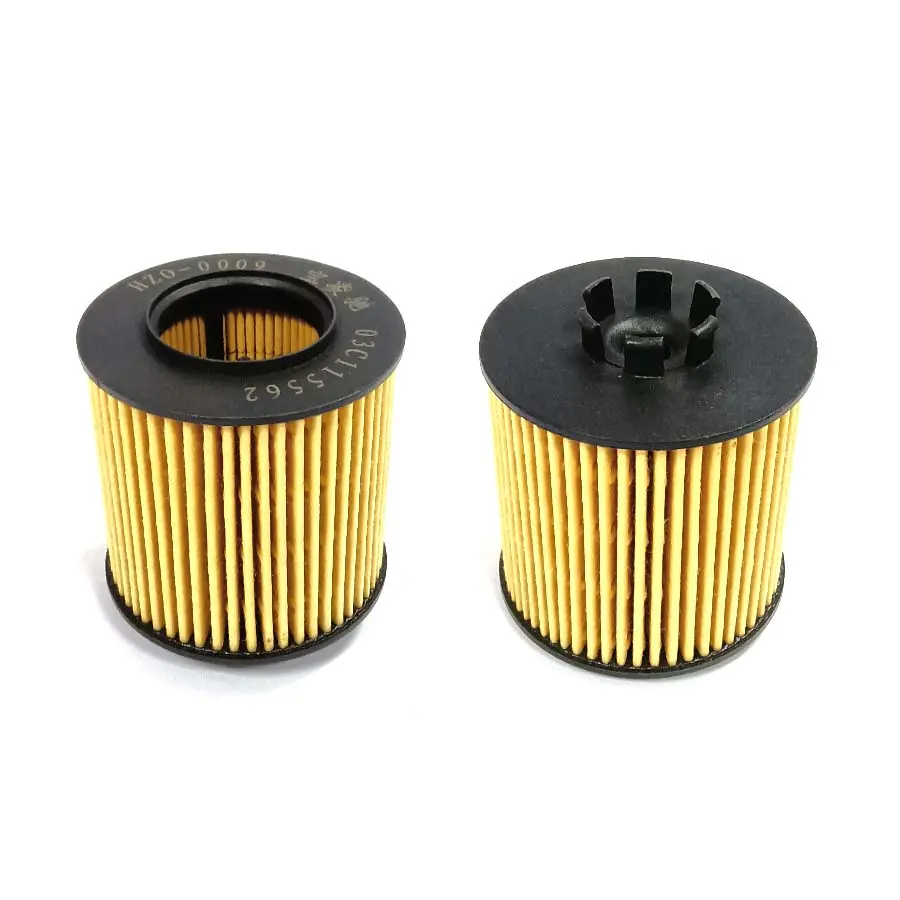 OIL ELEMENT FILTER
 OIL FILTER
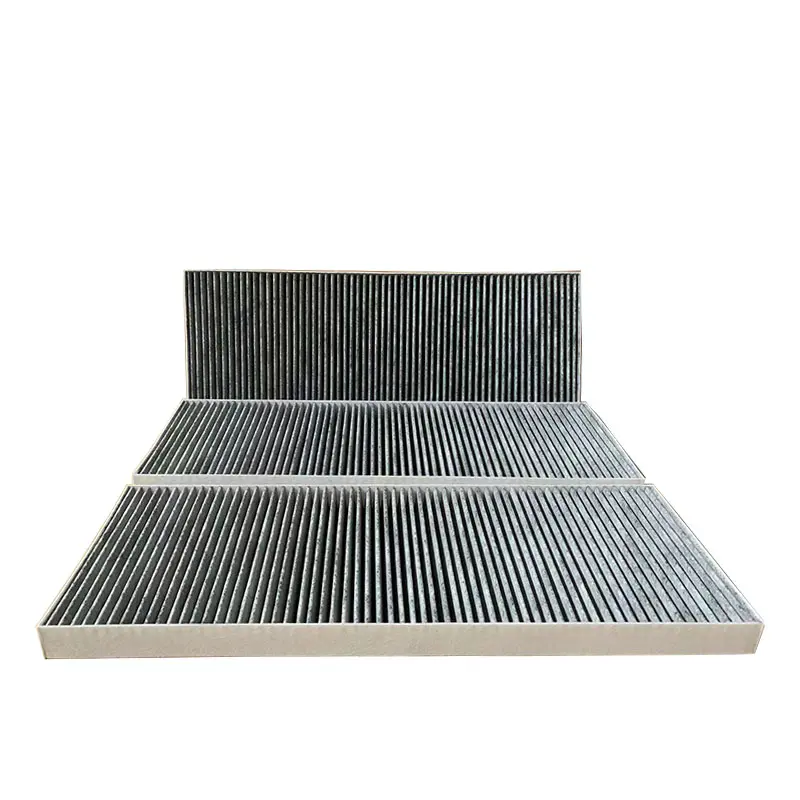 CABIN FILTER
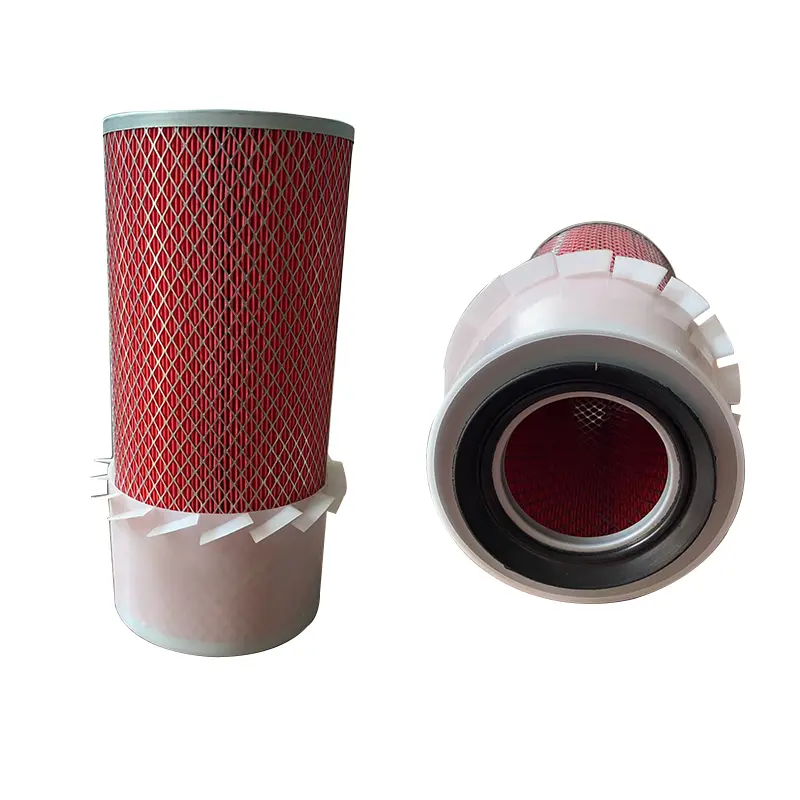 AIR FILTER