What is a Spare Parts Engine Filter and How Does It Work?
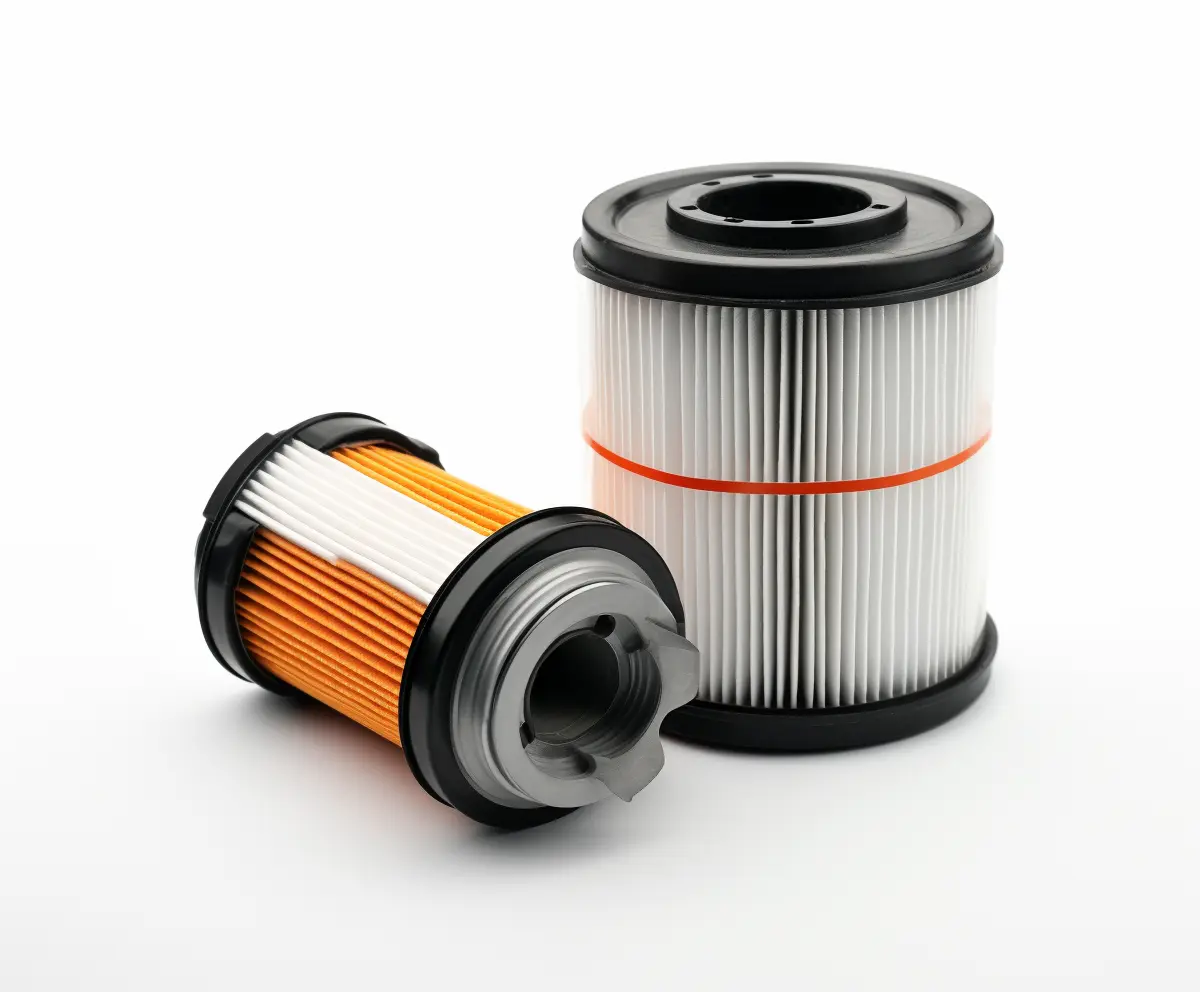
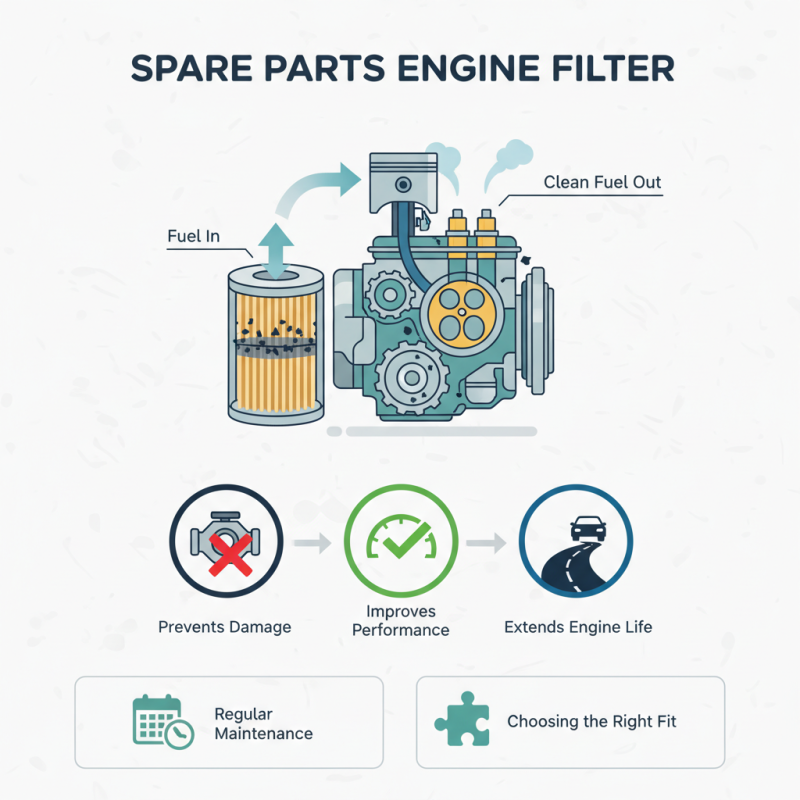
Understanding a Spare Parts Engine Filter is crucial for vehicle maintenance. This vital component ensures that the engine operates efficiently. It filters out dirt and contaminants from the fuel, preventing damage and improving performance. By providing clean fuel, the Spare Parts Engine Filter extends the life of the engine.
Many vehicle owners overlook this part. They may not realize that a dirty filter can lead to costly repairs. Short-term savings can lead to long-term expenses. It's essential to know how often to replace the filter. Regular maintenance can prevent engine wear and tear.
In addition, not all filters are created equal. Some may fit perfectly, while others may not. Choosing the right Spare Parts Engine Filter is vital for optimal performance. Making an informed decision can make a significant difference. This guide will help clarify its importance and functionality.
What Are Spare Parts Engine Filters?
Spare parts engine filters play a crucial role in vehicle maintenance. These filters are designed to remove contaminants from the air and oil circulating in the engine. They protect vital components, ensuring smooth operation. Without a functioning filter, dirt and debris can cause serious damage to the engine. This often results in costly repairs.
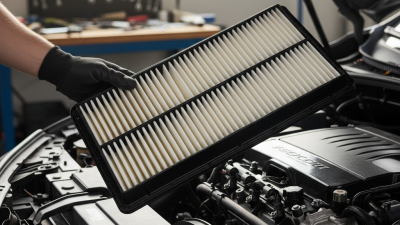
Understanding the different types of spare parts engine filters is essential. Air filters, for instance, prevent harmful particles from entering the combustion chamber. Oil filters remove impurities from engine oil, which helps in lubrication. Regularly replacing these filters can enhance engine performance and longevity. However, many overlook this aspect of maintenance.
The process of choosing the right filter can be daunting. With numerous options, it's vital to consider specifications and compatibility. Some filters may not fit perfectly, leading to decreased efficiency. Researching and consulting experts is advisable. Reliable sources can provide insights into the best practices for replacing these components. Be cautious; not all filters are equal in quality.
What is a Spare Parts Engine Filter and How Does It Work?
| Filter Type |
Function |
Material |
Lifespan |
Replacement Frequency |
| Oil Filter |
Removes impurities from engine oil |
Cellulose, Synthetic Fibers |
5,000 to 10,000 miles |
Every oil change |
| Air Filter |
Cleans air entering the engine |
Paper, Foam |
15,000 to 30,000 miles |
Every 1 to 2 years |
| Fuel Filter |
Cleans fuel before it reaches the engine |
Metal, Plastic, Filter Paper |
30,000 to 50,000 miles |
Every 2 to 3 years |
| Cabin Air Filter |
Filters air entering the passenger compartment |
Activated Charcoal, HEPA |
15,000 to 30,000 miles |
Every 1 to 2 years |
Types of Spare Parts Engine Filters Available
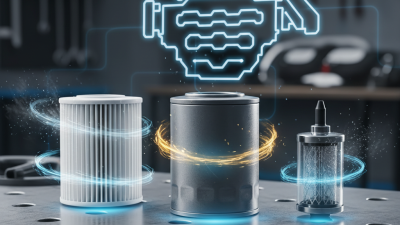
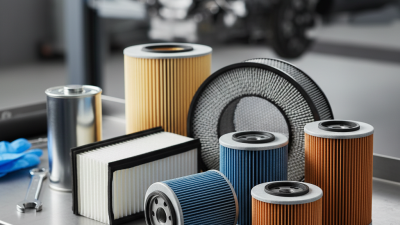
Engine filters are crucial components in the automotive industry. They ensure that your engine runs smoothly by preventing contaminants from entering the system. When we talk about spare parts engine filters, we typically refer to three main types: oil filters, air filters, and fuel filters.
Oil filters clean the engine oil, trapping dirt and debris. They help maintain optimal engine performance. Air filters, on the other hand, prevent dirt and pollutants from entering the engine's combustion chamber. A dirty air filter can decrease engine efficiency. Fuel filters remove impurities from the fuel before it reaches the engine. A clogged filter can lead to engine stalling.
Choosing the right spare parts engine filter is vital. It's essential to consider various factors. You must ensure compatibility with your vehicle. Not all filters are created equal. Some may suit high-performance engines better than others. Inadequate filtering can lead to significant engine issues. Regular replacement of these filters is also key to maintaining the vehicle's health.
The Functionality of Engine Filters in Vehicles
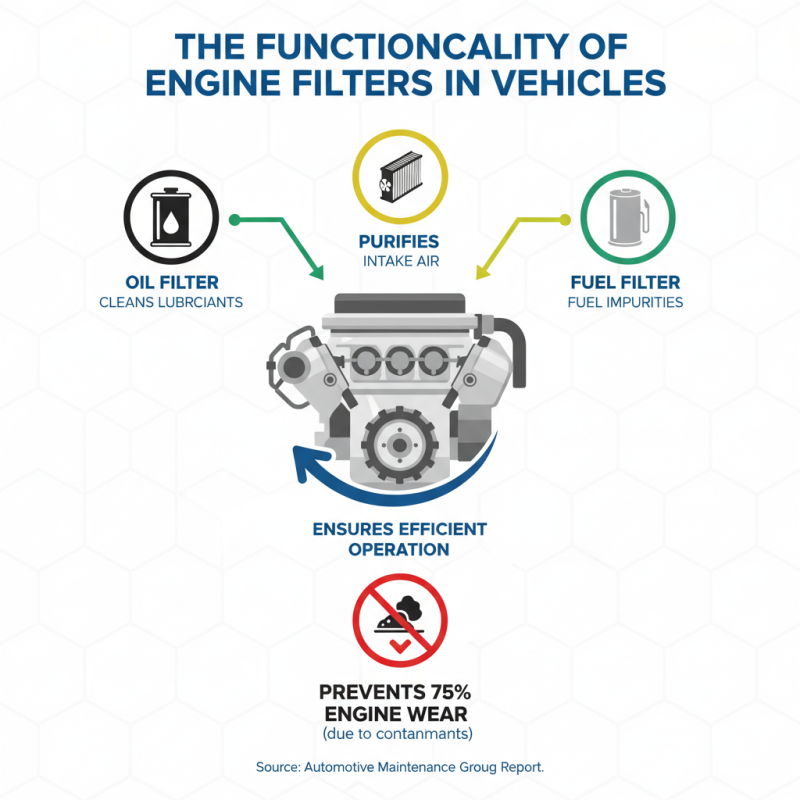
Engine filters play a crucial role in maintaining vehicle performance. These components work to filter out impurities from oil, air, and fuel. By doing so, they help ensure that the engine operates efficiently. According to a report by the Automotive Maintenance Group, around 75% of engine wear occurs due to contaminants. This highlights the importance of using effective engine filters.
There are various types of engine filters, each serving a unique function. Oil filters remove debris from engine oil, which is vital for lubrication. Air filters prevent dust and particles from entering the combustion chamber. Fuel filters ensure that only clean fuel reaches the engine, boosting performance and reducing emissions. When these filters become clogged, performance can suffer significantly. Not changing them can lead to reduced fuel economy and potential engine damage.
Tips: Regularly check and replace your engine filters. This simple maintenance task can save money in the long run. Additionally, consider consulting professionals for a filter check during routine service. Filter replacement intervals depend on vehicle type and use. Regular upkeep can extend the life of your engine. Remember, neglecting these components might lead to more serious issues down the line.
How to Choose the Right Spare Parts Engine Filter
Choosing the right spare parts engine filter can significantly impact your vehicle's performance and longevity. Filters are crucial for trapping contaminants and ensuring proper engine function. According to industry reports, about 80% of engine wear is caused by particulate contamination. Selecting an appropriate filter reduces this risk.
When choosing a filter, consider vehicle compatibility. Not all filters fit every model. It's essential to check specifications. Many technicians recommend examining filter ratings to gauge efficiency. High-efficiency filters often capture smaller particles. This ensures cleaner oil circulates through the engine. However, higher efficiency may sometimes lead to increased engine stress. Balance is key.
You should also review the filter's construction. Quality materials increase filtration efficiency. Research indicates that filters made from synthetic media perform better than traditional ones. They often last longer and can handle more dirt. However, cost may vary. Evaluating long-term savings versus initial investment can be a challenge. Always weigh the pros and cons before making a decision.
Performance Comparison of Different Engine Filters
This chart illustrates the airflow performance of different types of engine filters. The standard filter shows a baseline airflow, while high efficiency and performance filters provide significantly improved airflow, making them suitable for higher performance engines.
Maintenance Tips for Engine Filters and Their Replacement
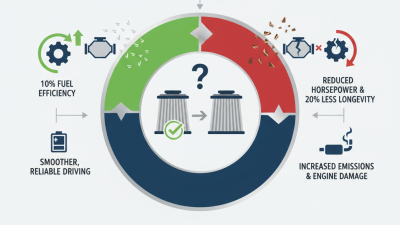
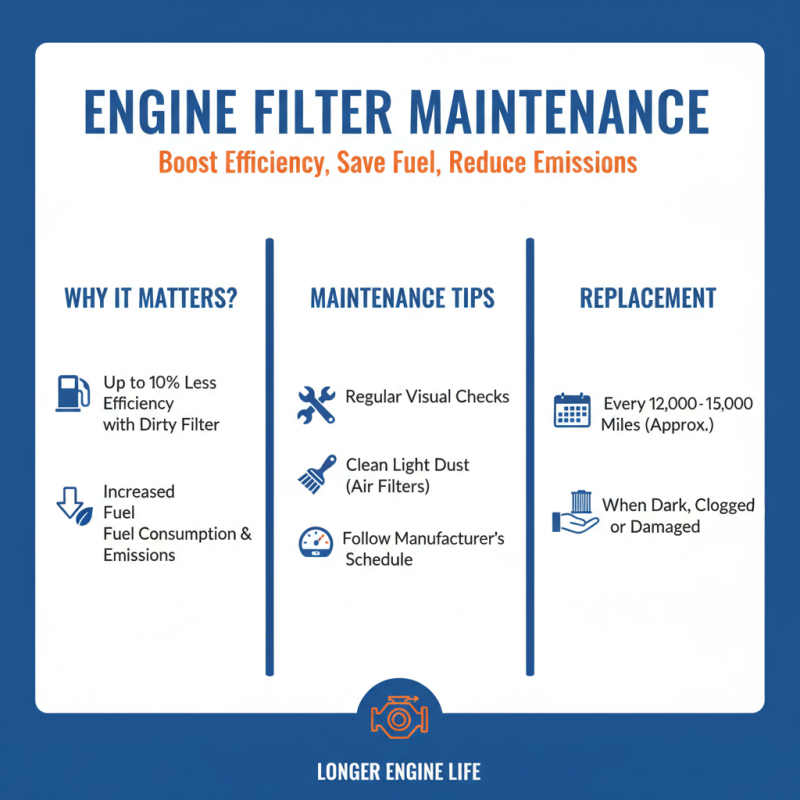
Engine filters play a crucial role in maintaining engine performance. Regular maintenance of these filters ensures their longevity and efficiency. According to industry reports, a dirty engine filter can reduce engine efficiency by up to 10%. This can lead to increased fuel consumption and higher emissions. Thus, understanding how to properly maintain and replace these filters is vital for any vehicle owner.
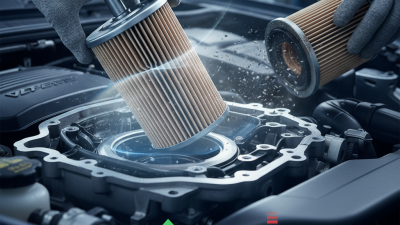
Replacing engine filters is not just about performance. It also impacts your vehicle's lifespan. Experts recommend checking filters every 15,000 to 30,000 miles, depending on driving conditions. Regular inspection allows you to catch build-up before it affects engine health. Remember, even the best filters can fail if not checked. Some filters may require change sooner due to high dust or debris exposure.
Proper cleaning methods can prolong filter life. Some filters are washable, but others should not be exposed to water. Follow the manufacturer’s guidelines closely. A visual inspection for damage is recommended during routine service. Ignoring this can lead to bigger issues later. Ensure you document filter replacements to track maintenance history effectively. Keeping records not only helps with current performance but also enhances resale value.

 Products
 FUEL FILTER
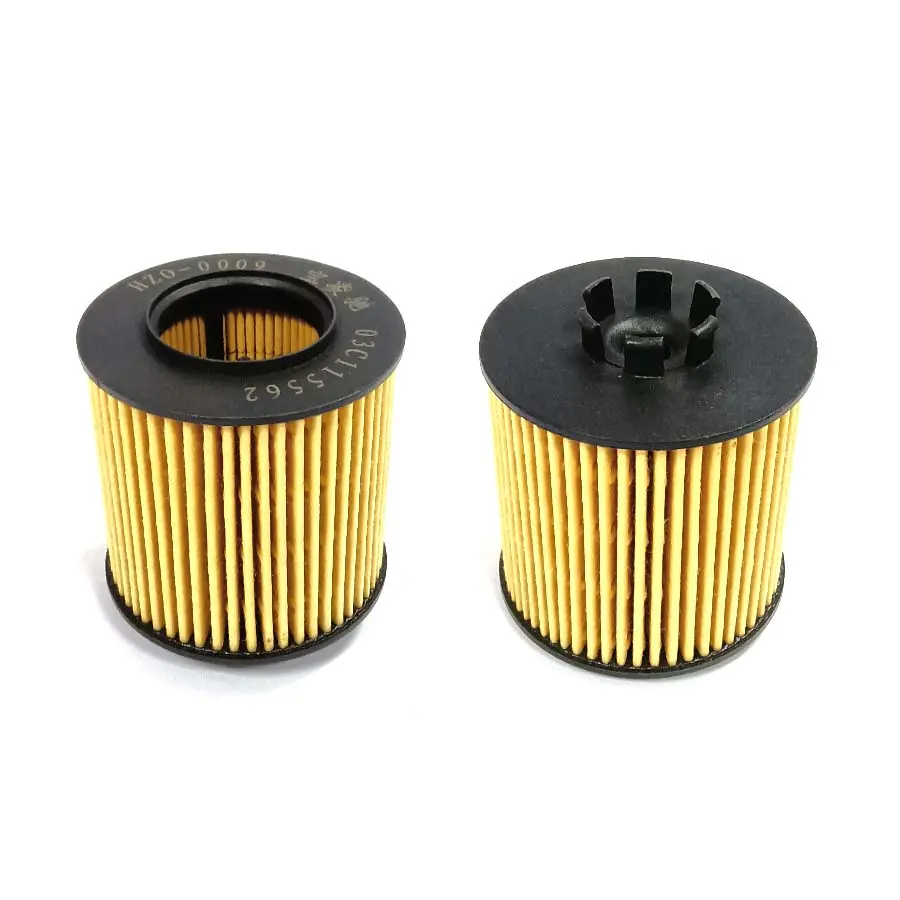 OIL ELEMENT FILTER
 OIL FILTER
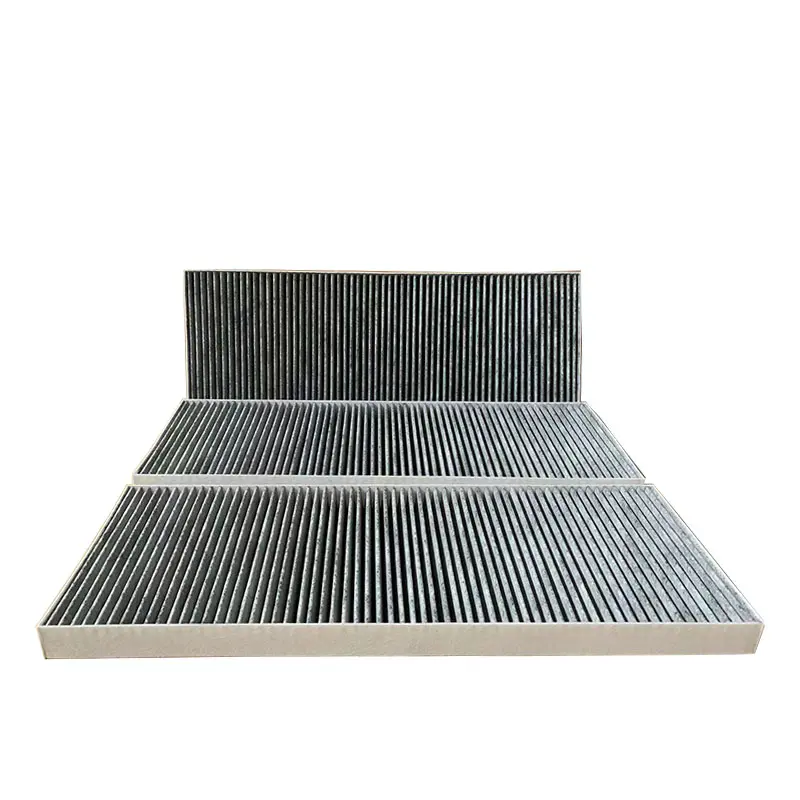 CABIN FILTER
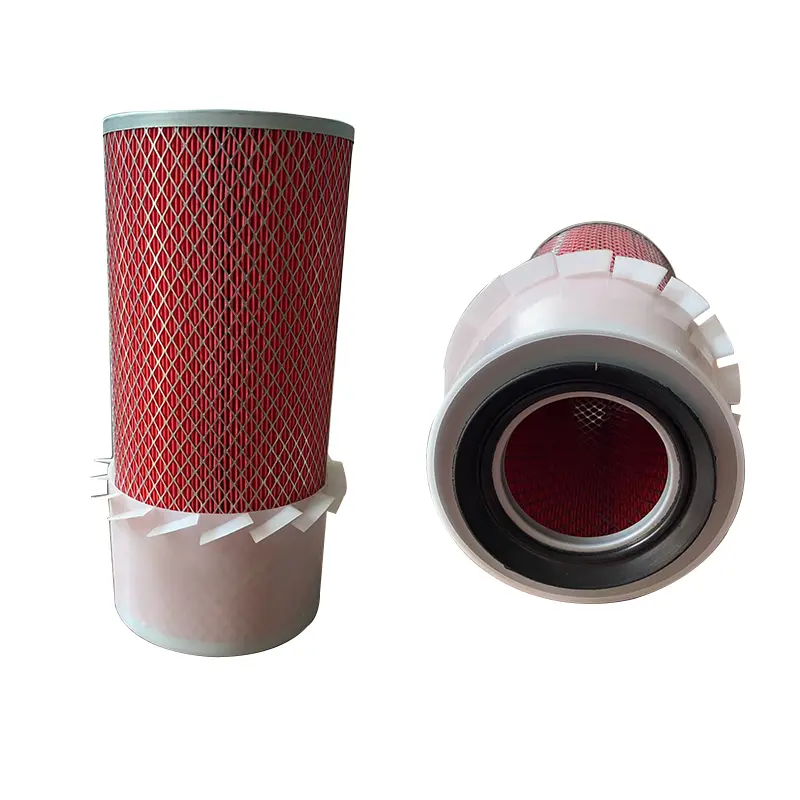 AIR FILTER