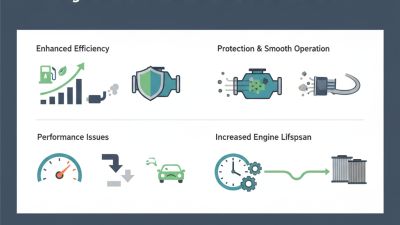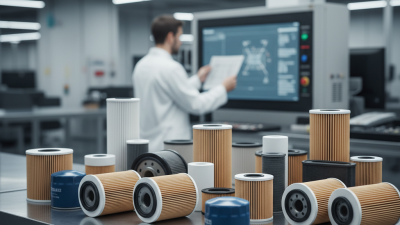
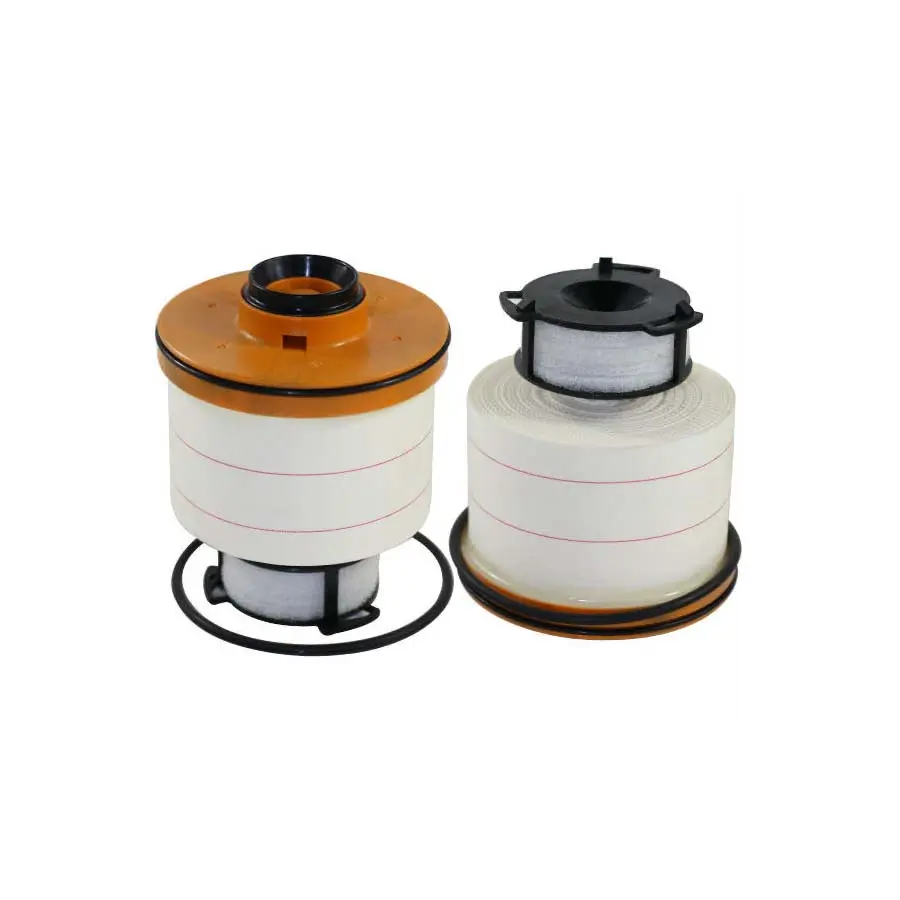
A Spare Parts Filter is a practical control for separating useful replacement parts from unreliable, obsolete, or unsuitable stock. It can support maintenance teams, warehouse managers, distributors, and equipment owners. The filter may examine part numbers, equipment compatibility, supplier history, condition, lead time, price, and failure risk. Its purpose is simple: identify the right part before a delay becomes expensive.
W. Edwards Deming, a respected quality expert, said, “Without data you’re just another person with an opinion.” This principle fits Spare Parts Filter decisions closely. A reliable filter uses accurate inventory records, maintenance history, technical specifications, and supplier performance data. It can remove duplicate listings and flag parts with unclear origins. It may also rank alternatives when the original component is unavailable. Small details matter. A wrong thread size can stop an entire repair.
The process usually begins with a parts database. Rules then check each item against defined requirements. A scoring system may classify parts as approved, conditional, or rejected. Human review remains important, especially for safety-critical equipment. Automation helps, but it does not understand every unusual field failure.
No filter is perfect. Data can be incomplete. Old part numbers can remain active. A clean dashboard can still mislead. Teams should review exceptions and update rules after every significant repair. That reflective step often reveals weak assumptions. When applied carefully, a Spare Parts Filter improves availability, reduces purchasing waste, and supports more dependable maintenance decisions.
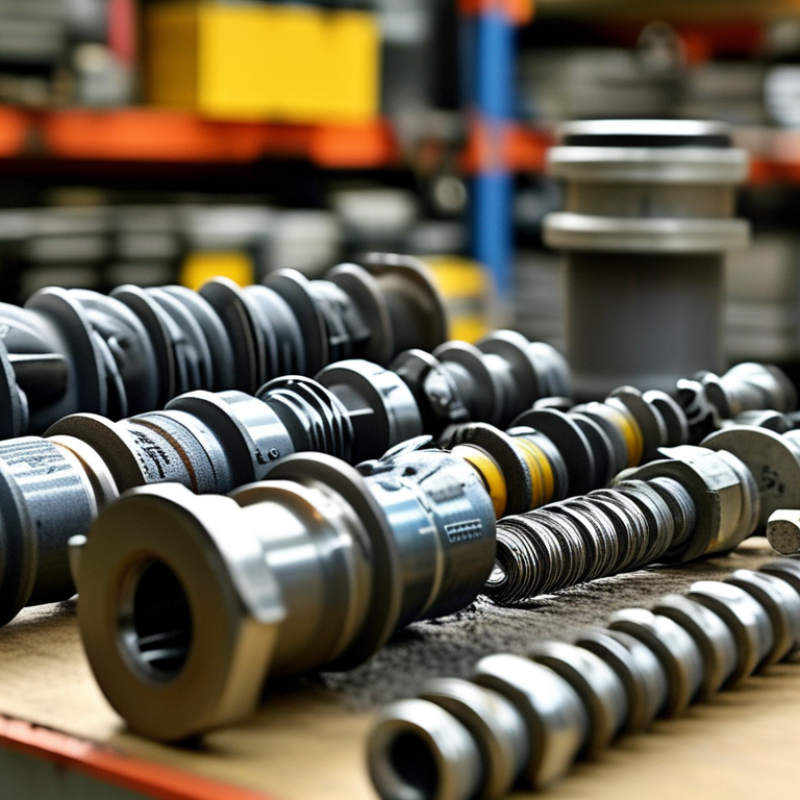
A spare parts filter is a search tool that helps users locate the correct replacement component. It narrows a large parts catalog by equipment type, model, part number, size, material, or application. Its purpose is simple: reduce selection errors and save maintenance time.
Instead of scanning hundreds of similar items, a user enters known details. The filter then compares those details with stored product information. Relevant results remain, while unsuitable options disappear. A reliable filter should show compatibility notes, dimensions, operating limits, and stock status. These details matter when a small mismatch can delay a repair or damage connected equipment. In practice, technicians often begin with a model number, then confirm measurements before ordering. That step is easy to skip. It should not be.
Tips: Record the original part number and equipment model. Check thread type, voltage, dimensions, and material. Use more than one filter when possible. If the result looks uncertain, compare the technical drawing or ask a qualified technician. Filters depend on accurate catalog data, so they are helpful but not infallible. A missing update or incorrect measurement can produce a convincing but unsuitable match. Keep old parts, labels, and maintenance records available. They often reveal details that a website search cannot.
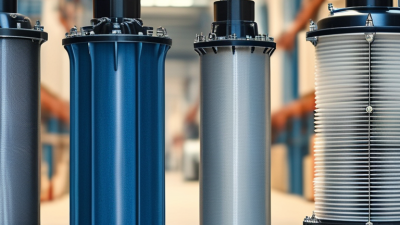
A spare parts filter is a replaceable component that removes contaminants from air, fuel, oil, hydraulic fluid, or water before they can damage connected equipment. The chart shows common filtration ranges used in hydraulic systems; lower micron values indicate finer filtration.
How it works: Fluid passes through the filter media while particles larger than the media opening are trapped. Suction strainers generally protect pumps from large debris, return-line filters capture contamination before fluid returns to the reservoir, and pressure-line filters provide finer protection for sensitive components.
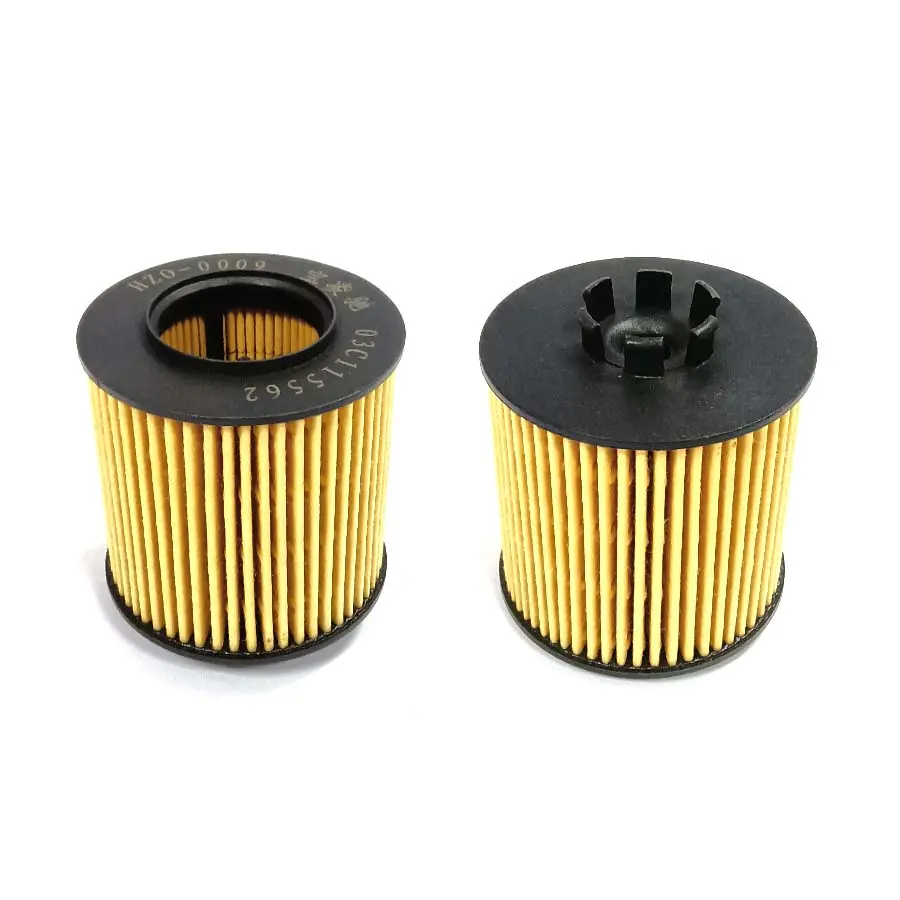
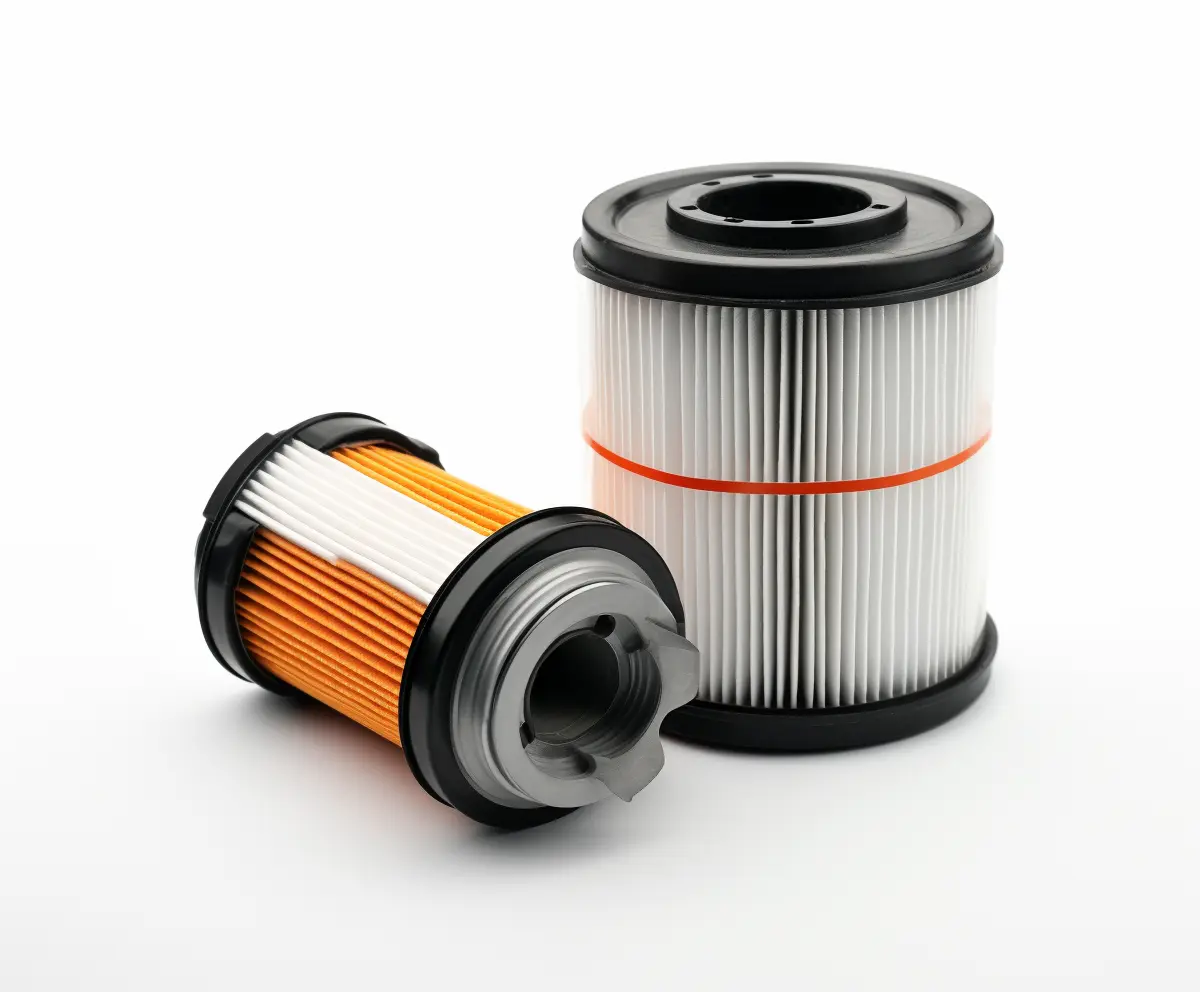
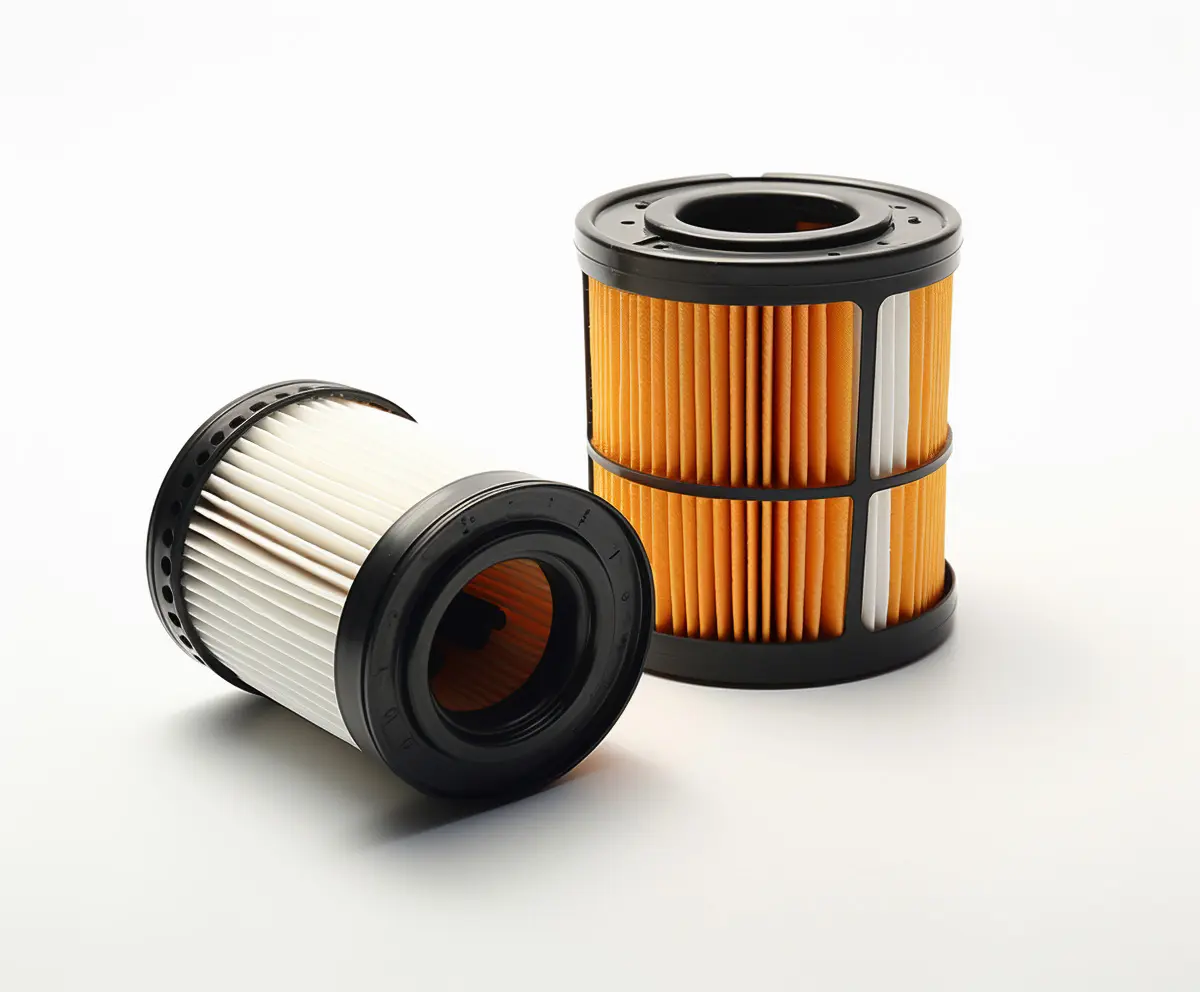
A spare parts filter is a replacement filtration unit used in air, fuel, hydraulic, or process systems. It removes dust, metal particles, moisture, and other contaminants before they damage sensitive components. Its main parts usually include a housing, filter media, support core, end caps, seals, and sometimes a pressure indicator.
The filter media performs the central task. Larger particles may collect on the outer surface, while smaller contaminants become trapped inside the media layers. Clean fluid then passes through the support core and exits the outlet. It is not magic. The pressure difference across the filter gradually increases as the media becomes loaded.
A reliable replacement must match the original dimensions, flow direction, temperature range, pressure rating, and filtration grade. A slightly incorrect seal can allow unfiltered fluid to bypass the media. Small details matter. During maintenance, technicians often inspect the removed filter, check for unusual metal dust, and record pressure readings. A dark filter is not always defective; it may show normal contaminant capture. However, a torn element, crushed core, hardened seal, or sudden pressure increase requires closer investigation.
In practical service work, replacing a filter too early can waste materials, while delaying replacement may increase wear. This balance is not always perfect. Actual operating conditions, contamination levels, and maintenance records should guide the replacement interval.
A spare parts filter is a replacement element for a system that needs clean air, fuel, oil, water, or process fluid. Its job is simple but important: trap unwanted particles before they damage sensitive components. Common contaminants include dust, metal shavings, rust, fibers, and moisture droplets.
The filter media contains many small passages. Fluid moves through these passages, while particles are stopped by the fibers or folded layers. Larger particles collect near the surface. Smaller particles may become trapped deeper inside the media. Pleated designs increase the filtering area without making the filter excessively large. A tight seal is equally important. Contaminated fluid can bypass the media through a damaged gasket or poorly fitted housing.
As the filter captures more debris, resistance increases. Technicians can observe this through a pressure gauge, an indicator, or a noticeable reduction in flow. Replacement should follow the equipment maker’s specifications, not appearance alone. A filter may look clean while holding fine contaminants. It may also become overloaded earlier than expected in dusty or wet conditions.
No filter is perfect. Even experienced maintenance teams can select the wrong pore rating or ignore moisture exposure. I have found that checking the old filter, sealing surface, and pressure readings together gives better evidence. Clean installation matters too. A new filter handled with dirty gloves can introduce contamination before operation begins.
What Is a Spare Parts Filter and How Does It Work?
Types of Spare Parts Filters and Their Applications
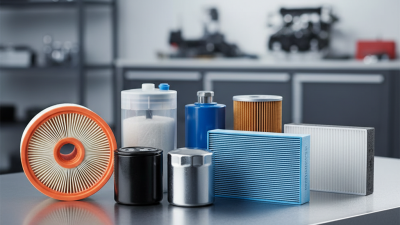
A spare parts filter is a replaceable component that removes dust, particles, water, or metal debris from moving systems. It protects engines, pumps, compressors, and hydraulic equipment from premature wear. Common types include air filters, oil filters, fuel filters, hydraulic filters, and water separators. Each filter uses a different material and structure for a specific operating condition.
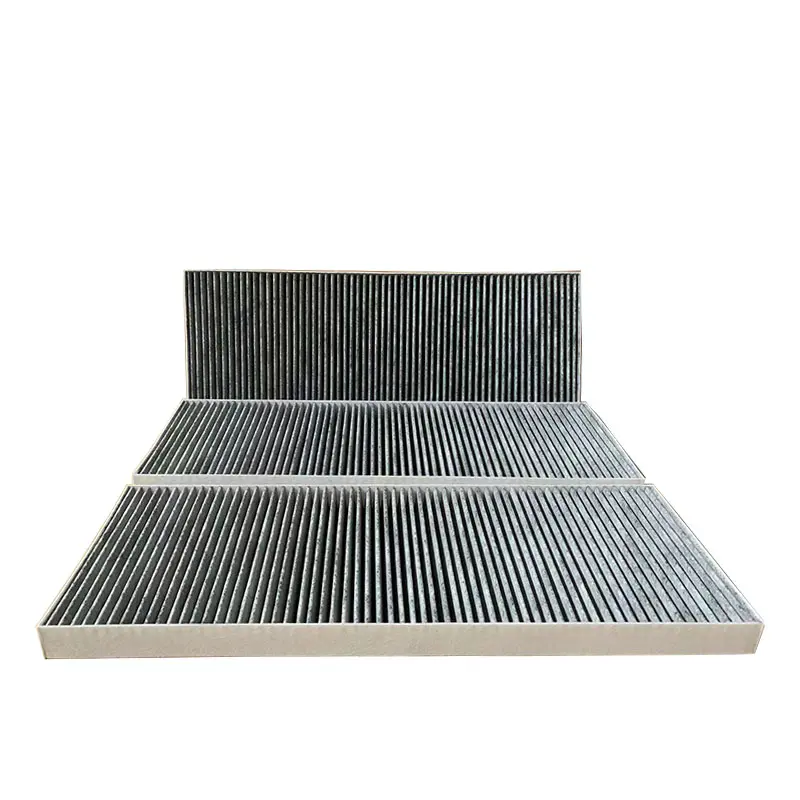
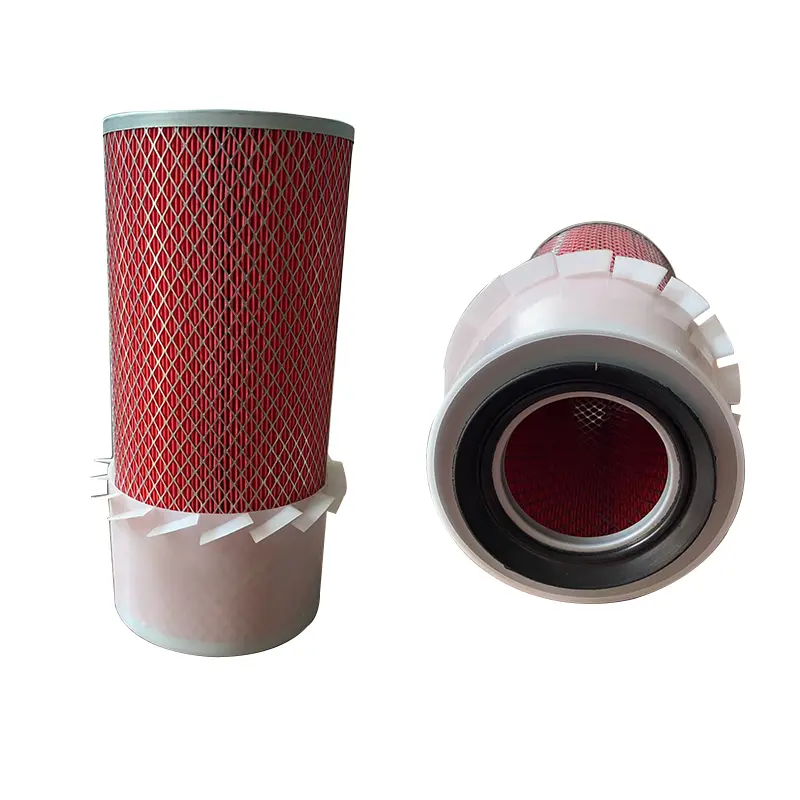
Air filters suit engines, ventilation units, and compressors exposed to dust. Oil filters capture carbon and metal particles inside lubrication systems. Fuel filters protect injectors by separating dirt and moisture from fuel. Hydraulic filters are finer and support stable pressure in construction and industrial machinery. Water separators work well where condensation threatens fuel or compressed air systems. A filter may look clean yet remain restricted inside. That detail is easy to miss.
Tips: Check the equipment manual, flow direction, filtration rating, and sealing surface before installation. Match the filter to pressure, temperature, and fluid compatibility. Replace damaged seals immediately. Record operating hours and replacement dates for reliable maintenance decisions. Do not judge service life by appearance alone. In practical maintenance, rushed selection causes repeated failures. I have found that a slightly higher-quality filter can reduce cleaning time, but performance still depends on correct installation. Specification checks should remain the final safeguard.
| Filter Type | Installation Location | Typical Filter Media | Typical Filtration Range | How It Works | Common Applications | Main Replacement Indicators |
|---|---|---|---|---|---|---|
| Suction Strainer | At the pump inlet or inside the reservoir | Stainless-steel wire mesh or perforated metal | Approximately 60–250 micrometres | Captures large particles before they enter the pump while maintaining low flow resistance. | Hydraulic power units, mobile equipment, industrial pumps and lubrication systems | Restricted suction flow, pump noise, cavitation symptoms or visible mesh damage |
| Return-Line Filter | In the hydraulic return line before fluid reaches the reservoir | Cellulose, synthetic glass-fibre or composite pleated media | Typically 3–25 micrometres, depending on system design | Removes particles generated inside actuators, valves and other downstream components before recirculation. | Hydraulic presses, injection-moulding machines, construction equipment and material-handling systems | Clogging indicator activation, rising differential pressure or scheduled service interval |
| Pressure-Line Filter | Downstream of the pump and before sensitive components | High-strength synthetic glass-fibre or stainless-steel mesh | Commonly 1–10 micrometres | Filters pressurized fluid and protects precision valves, servo valves and actuators from fine contamination. | Servo-hydraulic systems, machine tools, aerospace ground equipment and precision automation | Differential-pressure alarm, slower actuator response or reduced system performance |
| Offline or Kidney-Loop Filter | Separate filtration circuit connected to the reservoir | Deep-pleated cellulose, synthetic fibre or high-efficiency glass-fibre media | Often 1–10 micrometres for particulate control | Continuously circulates and cleans a portion of the fluid without interrupting the main machine circuit. | Large hydraulic reservoirs, turbines, gearboxes and high-value continuous-process equipment | Rising differential pressure, oil cleanliness results or abnormal fluid condition |
| Air Breather Filter | On the reservoir, tank or gearbox vent | Synthetic fibre, paper, desiccant or combined particulate-and-moisture media | Typically 3–10 micrometres for particulate filtration | Filters incoming air as fluid level or temperature changes; desiccant versions also absorb atmospheric moisture. | Hydraulic tanks, industrial gearboxes, oil reservoirs and outdoor machinery | Blocked airflow, saturated desiccant, colour change or excessive moisture in the reservoir |
| Spin-On Oil Filter | Engine, compressor or lubrication-system oil circuit | Pleated cellulose, synthetic or blended filter media | Commonly 10–40 micrometres, depending on the application | A sealed, replaceable canister directs oil through pleated media that traps wear particles and contaminants. | Diesel engines, compressors, generators, agricultural machinery and industrial lubrication units | Scheduled operating hours, oil-change interval, bypass-valve symptoms or leakage |
| Fuel Filter and Water Separator | Fuel supply line before the injection system or engine | Coalescing media, treated cellulose or synthetic pleated media | Often approximately 2–10 micrometres for fine fuel filtration | Separates free water by coalescence and removes solid particles that could damage injectors or pumps. | Diesel engines, marine equipment, standby generators and fuel-transfer systems | Water-in-fuel indication, difficult starting, loss of power or excessive pressure drop |
| Process Cartridge Filter | Inside a cartridge housing in a liquid or gas process line | Polypropylene, polyester, nylon, PTFE or pleated membrane media | Approximately 0.1–100 micrometres, selected by process requirements | Fluid passes through a replaceable cartridge that retains particles by surface filtration, depth filtration or both. | Water treatment, chemicals, food processing, compressed air and laboratory utilities | Differential-pressure limit, reduced flow, contamination breakthrough or validated batch interval |
| Coalescing Air Filter | Compressed-air preparation system upstream of equipment | Borosilicate glass-fibre or synthetic coalescing media | Common grades include 0.01–1 micrometre for oil-aerosol and fine-particle removal | Fine droplets merge into larger liquid droplets, which drain from the housing while particles remain in the media. | Pneumatic tools, instrumentation air, spray finishing and automated production lines | Pressure drop, moisture carryover, oil aerosol downstream or automatic-drain malfunction |
A spare parts filter removes dust, metal particles, moisture, or process residue from air, fuel, oil, or water systems. Its filter media traps contaminants while allowing the working fluid to pass. Choosing the correct replacement requires more than matching its shape. Check the equipment manual, connection size, flow rate, pressure rating, temperature range, and filtration level. A finer filter is not always better. It may restrict flow and increase energy use.
Tips: Record the filter code, dimensions, installation date, and operating pressure. Keep one sealed spare in a dry, clean cabinet. Small details prevent rushed substitutions.
Before installation, isolate the system and release stored pressure. Wear suitable gloves and eye protection. Remove the old filter without dropping debris into the housing. Clean the sealing surface, then inspect the gasket, threads, and housing for cracks. Install the filter in the marked flow direction. Tighten connections evenly, but do not force them. A damaged seal can cause a slow leak that appears hours later. Restart gradually and check for leakage, abnormal noise, and pressure changes.
Maintenance should follow operating conditions, not only a calendar. Heavy dust, high humidity, and frequent cycling can shorten service life. Monitor pressure differences when possible. Replace the filter when restriction rises, damage appears, or the recommended interval is reached. Do not wash disposable media unless the manufacturer permits it. It seems economical, but hidden contamination may remain. Keep service records. They reveal patterns, although early assumptions can still be wrong.