Inquiry
Form loading...

Top 10 Auto Engine Filters You Should Consider for Better Vehicle Performance

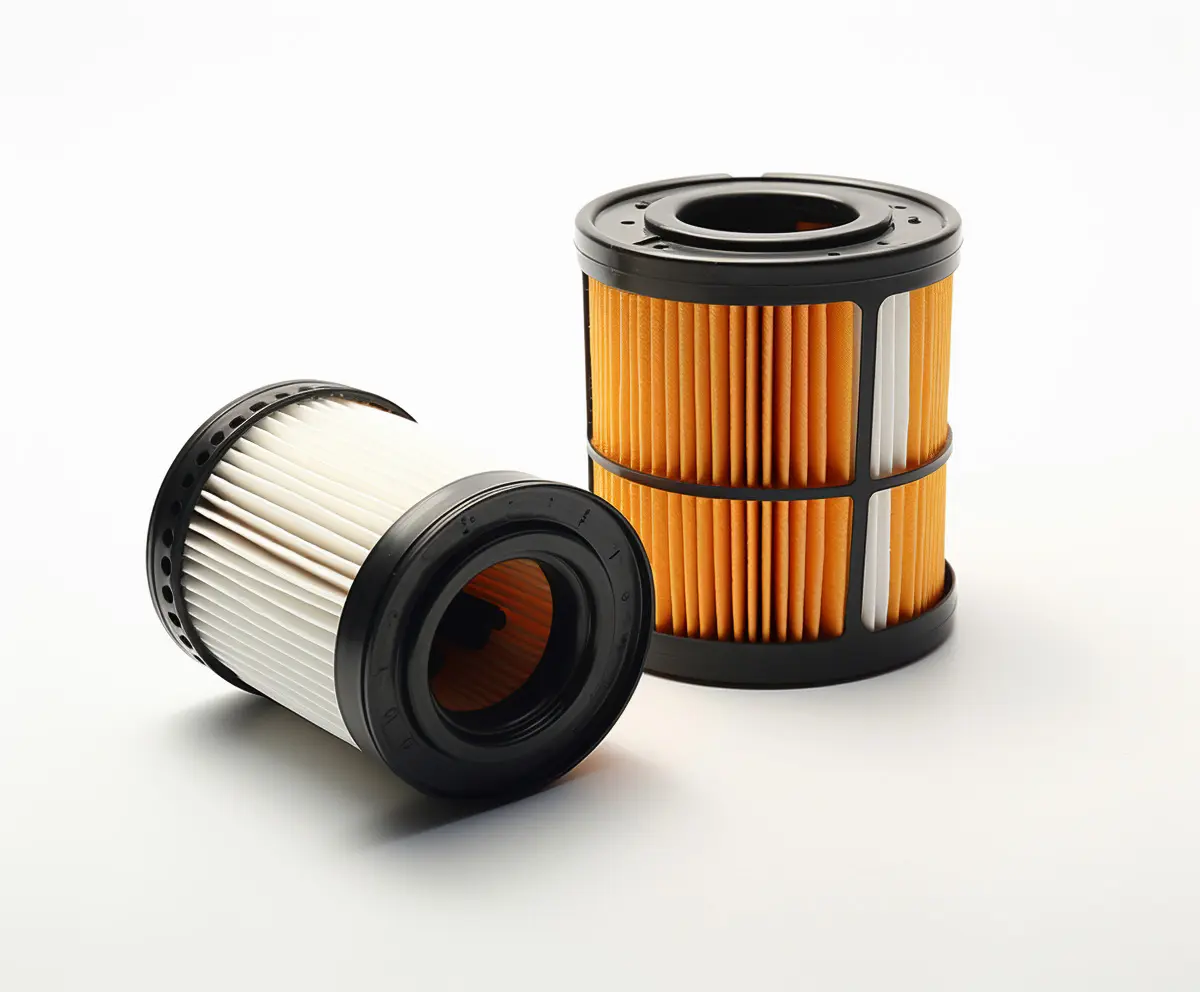
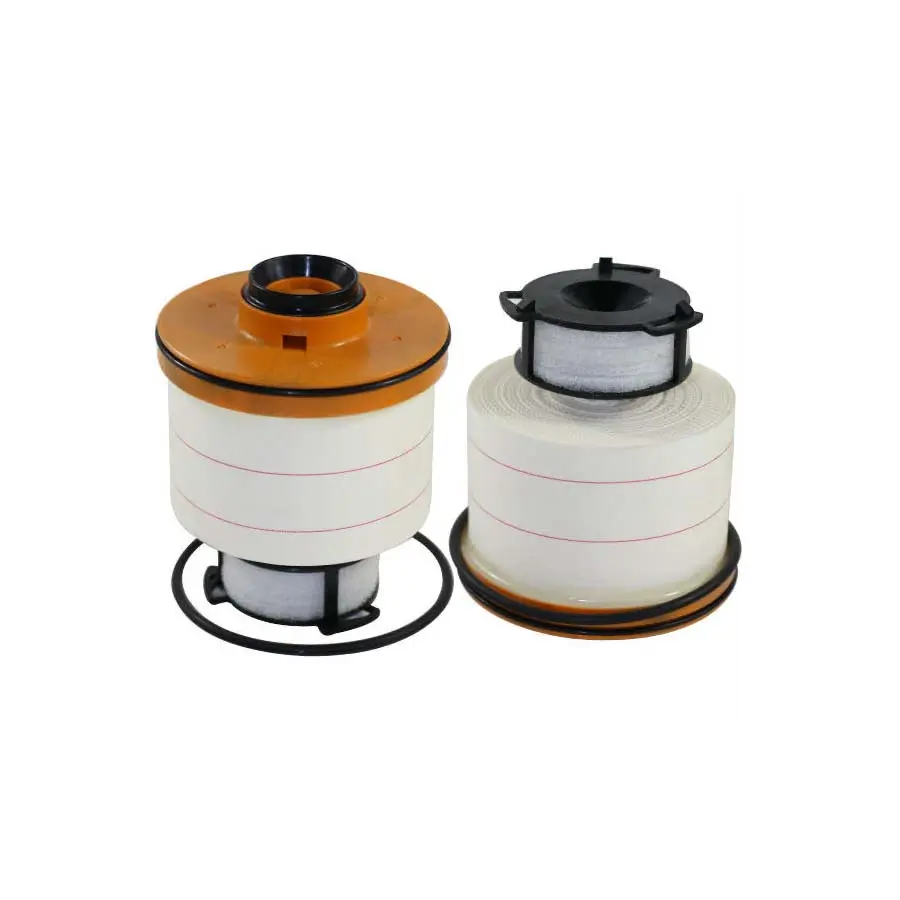
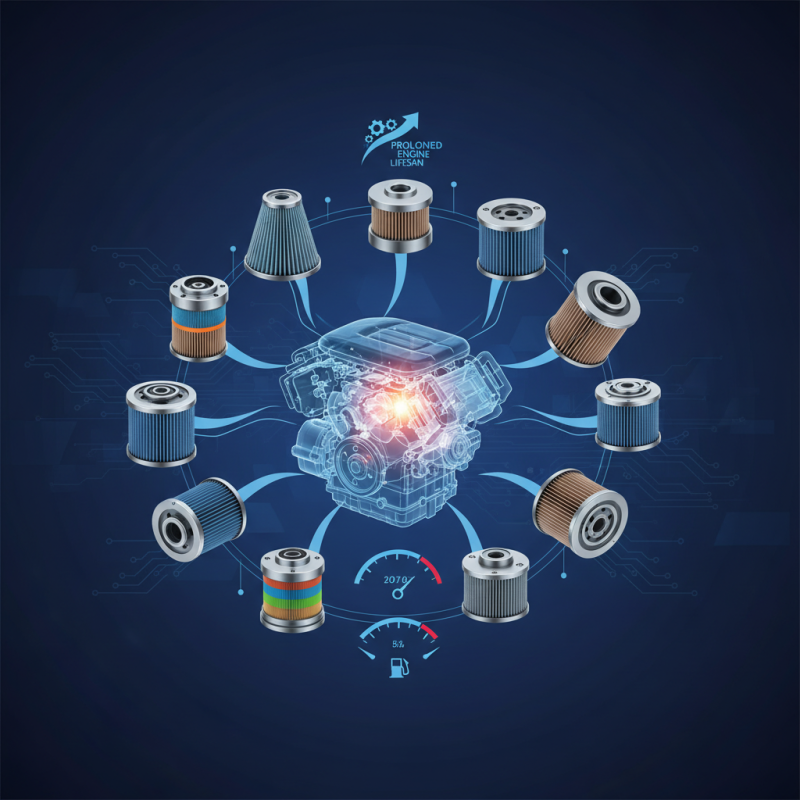
When it comes to enhancing vehicle performance, one of the often-overlooked components is the Auto Engine Filter. This crucial element plays a vital role in ensuring that your engine operates smoothly and efficiently. The engine filter is responsible for trapping dirt, debris, and other contaminants that can compromise engine health. By investing in a high-quality Auto Engine Filter, vehicle owners can not only improve fuel efficiency but also prolong the lifespan of their engines.

Understanding the different types of Auto Engine Filters available on the market can be overwhelming. With advancements in automotive technology, filters have evolved to provide better filtration and increased durability. In this guide, we will explore the top 10 Auto Engine Filters that you should consider to boost your vehicle's performance. From practical tips on selection to insights on installation and maintenance, this overview aims to equip you with the knowledge needed to make informed choices for your vehicle's engine care. Ultimately, the right filter can make a significant difference in how your car performs, making it essential to prioritize this key component in your vehicle maintenance routine.
Top 10 Auto Engine Filters You Should Consider for Better Vehicle Performance

Importance of Engine Filters for Optimal Vehicle Performance

Engine filters play a crucial role in maintaining optimal vehicle performance and ensuring the longevity of your engine. These filters, which include oil, air, and fuel filters, work collectively to protect engine components from harmful contaminants. The oil filter, for instance, removes dirt and debris from the engine oil, ensuring proper lubrication and reducing wear over time. This is essential because clean oil helps maintain an efficient combustion process and prevents overheating, which can lead to severe engine damage.

Air filters, on the other hand, are vital for regulating the airflow into the engine. A clean air filter allows for a proper air-fuel mixture, which improves fuel efficiency and power output. When the air filter becomes clogged, it can hinder engine performance, leading to decreased acceleration and increased fuel consumption. Fuel filters serve a similar purpose by removing impurities from the fuel before it enters the engine, preventing clogging and ensuring a smooth operation. Neglecting these essential filters can lead to reduced performance and costly repairs, making regular maintenance indispensable for any vehicle owner looking to enhance their driving experience.
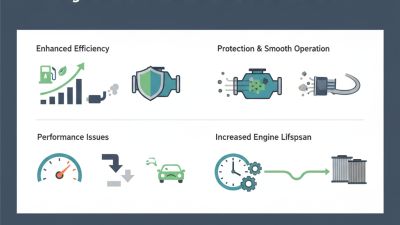
Types of Auto Engine Filters and Their Functions

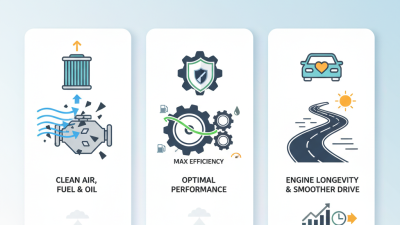
Auto engine filters play a crucial role in maintaining vehicle performance by ensuring that various systems operate efficiently. The primary types of engine filters include air filters, oil filters, and fuel filters, each serving a specific purpose that contributes to the overall health of the engine.

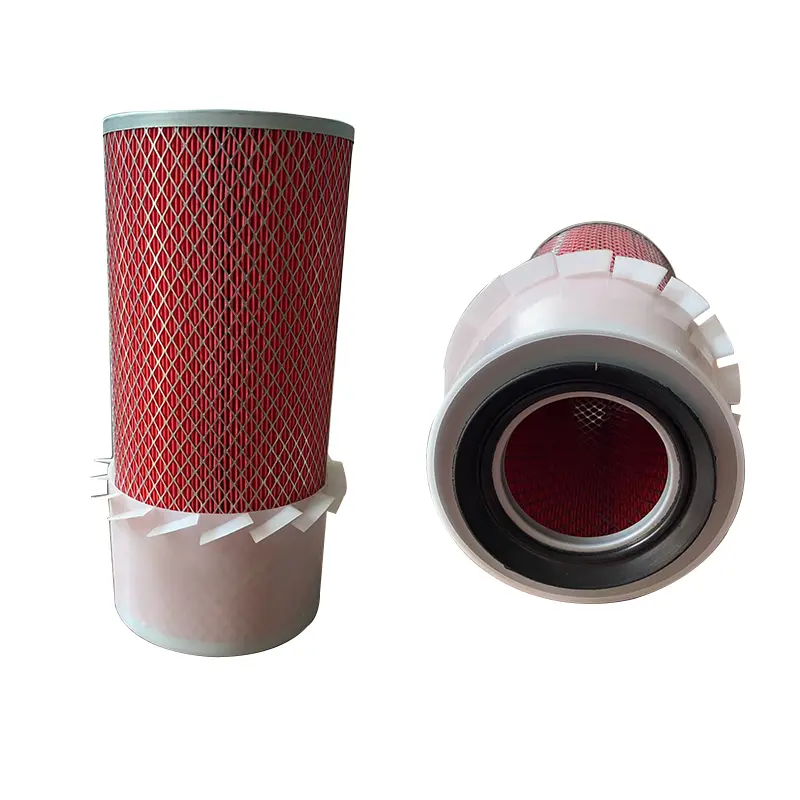
Air filters are responsible for preventing dirt and debris from entering the engine's intake system. A clean air filter allows for optimal airflow, which is essential for efficient combustion and power generation. Conversely, a clogged air filter can restrict airflow, leading to increased fuel consumption and a reduction in engine efficiency.

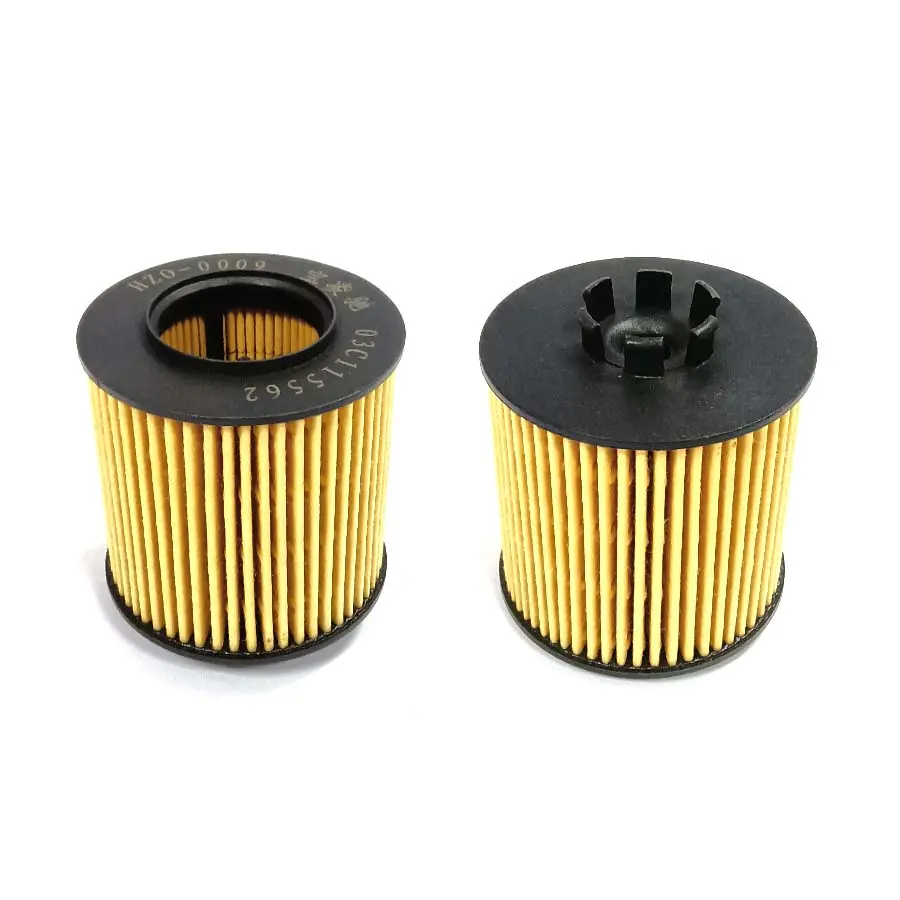
Oil filters, on the other hand, help maintain the quality of engine oil by removing impurities and contaminants that accumulate over time. This filtration process is vital for ensuring proper lubrication and reducing engine wear. Lastly, fuel filters serve to keep the fuel supply clean by removing any particulate matter before it reaches the engine. A clean fuel filter ensures that the engine receives a steady supply of uncontaminated fuel, which is essential for efficient operation and performance. Each of these filters plays a pivotal role in extending the lifespan of an engine and improving its performance, making regular maintenance of these components essential for any vehicle owner.

Top 10 Auto Engine Filters You Should Consider for Better Vehicle Performance - Types of Auto Engine Filters and Their Functions

Filter Type Function Recommended Replacement Interval Benefits
Oil Filter Removes contaminants from engine oil Every 3,000 - 7,500 miles Improves engine longevity and performance
Air Filter Filters air entering the engine Every 15,000 - 30,000 miles Enhances fuel efficiency and engine performance
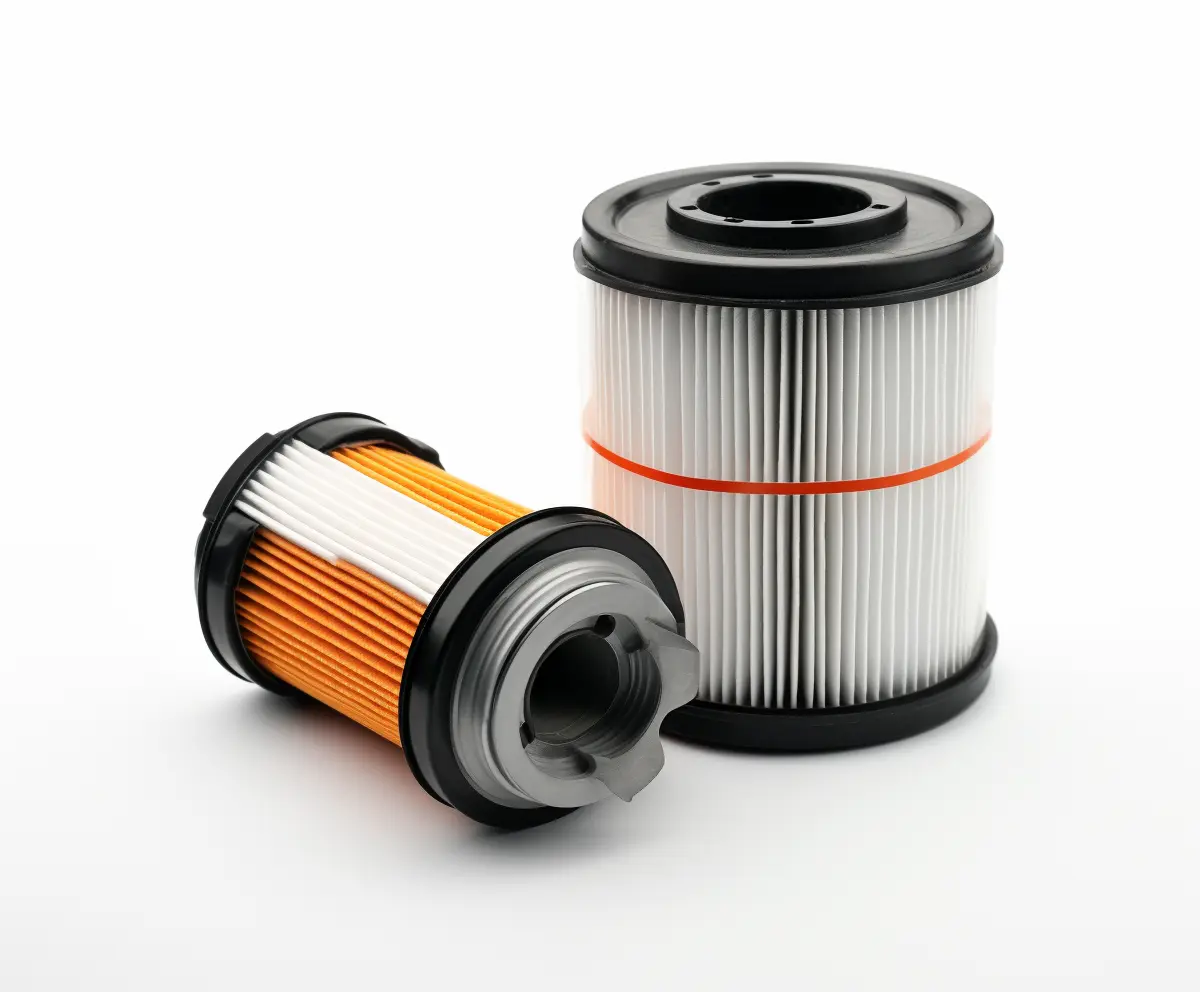
Fuel Filter Keeps impurities out of the fuel system Every 20,000 - 50,000 miles Maintains engine health and performance
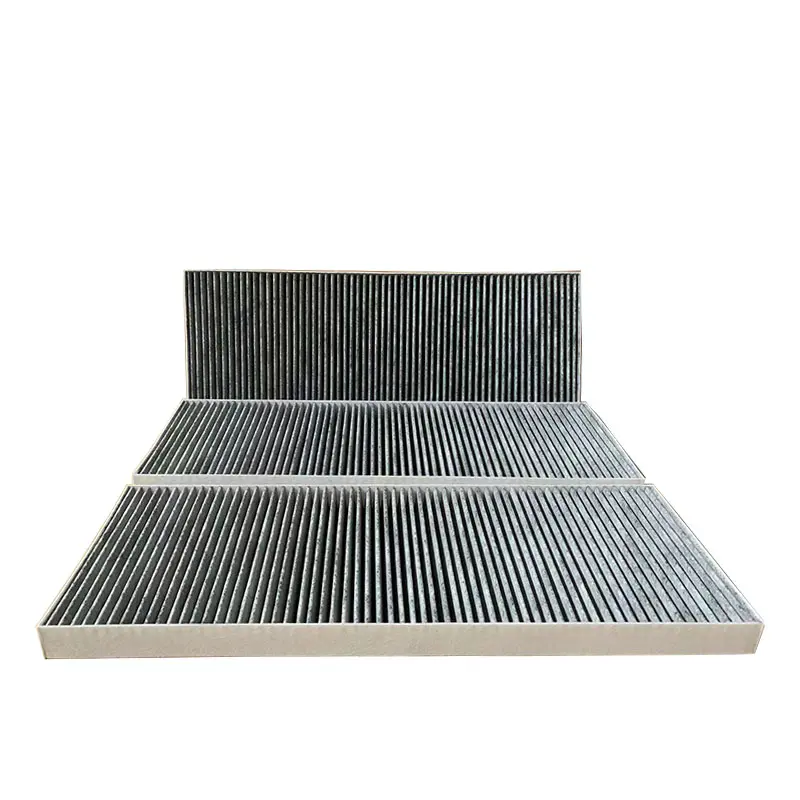
Cabin Air Filter Cleans air entering the vehicle cabin Every 15,000 - 30,000 miles Improves air quality inside the vehicle
PCV Valve Filter Regulates crankcase gases Every 30,000 - 60,000 miles Reduces emissions and improves fuel economy
Transmission Filter Cleans transmission fluid Every 30,000 - 60,000 miles Enhances transmission performance and longevity
Differential Filter Filters fluid in the differential Every 30,000 - 50,000 miles Improves drivetrain efficiency and lifespan
Breather Filter Filters air entering the crankcase Every 30,000 - 60,000 miles Prevents contamination and enhances engine air quality
Hydraulic Filter Cleans fluid in hydraulic systems Every 30,000 - 50,000 miles Ensures smooth operation of hydraulic components
Suction Filter Prevents contaminants from entering the pumps Every 30,000 - 50,000 miles Protects pumps and enhances system efficiency

Key Features to Look for When Choosing Engine Filters

When choosing engine filters, several key features are crucial for improving your vehicle's performance and extending its lifespan. First and foremost is the filtration efficiency. According to a study by the Society of Automotive Engineers, a filter's capacity to capture contaminants significantly affects engine life and performance. Filters with a higher level of filtration efficiency can trap smaller particles, preventing them from circulating through the engine and causing wear and tear.

Another important feature to consider is the filter's durability and build quality. A robust filter made from high-quality materials not only withstands harsh operating conditions but also ensures a longer service life. Research shows that filters constructed from synthetic materials outperform standard paper filters by up to 50% in terms of lifespan and performance.

Additionally, ease of installation and maintenance should not be overlooked. Filters designed for straightforward replacement can save time and effort, enhancing the overall vehicle upkeep experience, as noted in various consumer automotive studies.

Top 10 Recommended Auto Engine Filters for Performance Enhancement

Top 10 Auto Engine Filters You Should Consider for Better Vehicle Performance

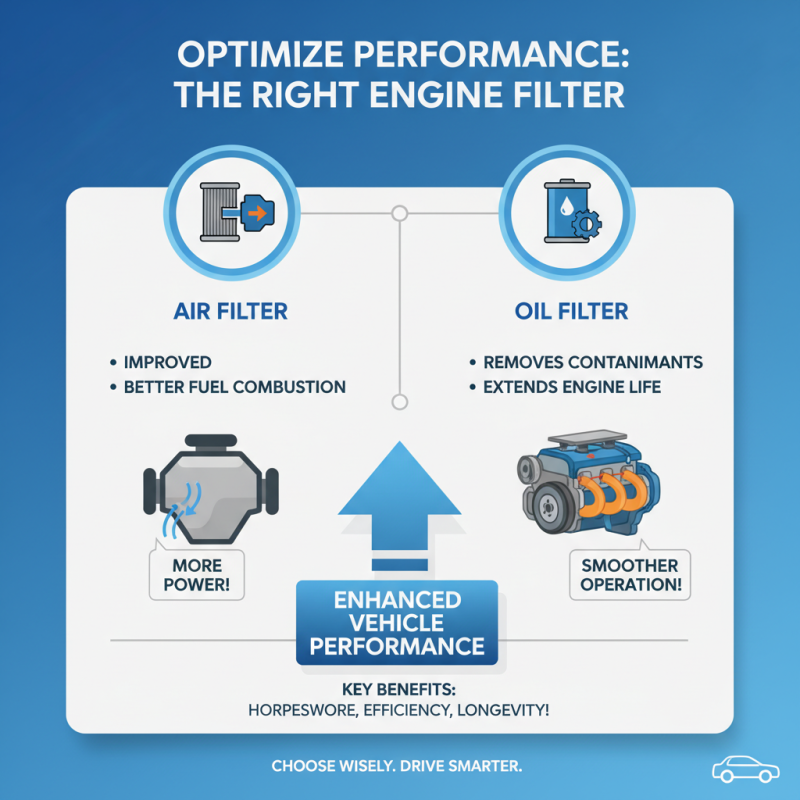
When it comes to enhancing vehicle performance, choosing the right auto engine filter is crucial. Engine filters play a vital role in ensuring that contaminants do not enter the combustion chamber, thus maintaining optimal engine efficiency. A well-functioning air filter helps to improve airflow into the engine, resulting in better fuel combustion and overall performance. Similarly, oil filters remove dirt and debris from the engine oil, prolonging engine life and allowing smooth operation even under high-stress conditions.

In addition to air and oil filters, fuel filters are essential for maintaining the cleanliness of fuel lines. These filters trap impurities that can clog injectors and lead to poor engine performance. It’s important to regularly check and replace these filters, as a clogged or ineffective filter can significantly hinder how well your vehicle runs. When selecting engine filters, consider options that offer better filtration efficiency, durability, and filtration surface area, as they contribute to improved engine response and longevity. Investing in high-performance filters could result in a noticeable difference in your vehicle's acceleration and overall driving experience.

Maintenance Tips for Longevity of Engine Filters and Vehicle Efficiency

Maintaining your vehicle's engine filters is crucial for optimal performance and longevity. Regularly checking and replacing these filters can significantly enhance engine efficiency and overall vehicle reliability. According to the Automotive Component Manufacturers Association, clean engine filters can increase fuel efficiency by up to 10%, translating to substantial cost savings over time. In addition, using quality filters helps to reduce engine wear and tear, potentially extending the life of your vehicle by thousands of miles.

To ensure the effectiveness of engine filters, follow a consistent maintenance schedule. It is advisable to inspect the air filter every 12,000 to 15,000 miles, while oil filters should be replaced with every oil change, typically every 5,000 to 7,500 miles, depending on your vehicle’s specifications. Furthermore, it is beneficial to keep an eye on driving conditions; vehicles used in dusty environments may require more frequent filter changes.

By adhering to these maintenance guidelines, you can help prevent contaminants from entering the engine, thereby maintaining high performance and reducing the likelihood of costly repairs.