Top Auto Oil Filters for 2026 Which One is Best for You
In 2026, selecting the right Auto Oil Filter is crucial for your vehicle's performance and engine health. John Anderson, an automotive expert with over 20 years of experience, emphasizes, “A quality oil filter can make a significant difference in engine longevity.” This highlights the importance of choosing the right filter for your needs.
With various options available, every car owner must understand their choices. A suitable Auto Oil Filter can enhance oil circulation, ensuring that your engine runs smoothly. However, not all filters are created equal. Some may claim efficiency but fall short in performance.
Before making a decision, consider the specific filtration needs of your vehicle. Do you prioritize price, brand reputation, or filter technology? Every filter has its strengths and weaknesses. Weigh these factors carefully to ensure optimal performance and engine protection.
Top Features to Consider When Choosing Auto Oil Filters
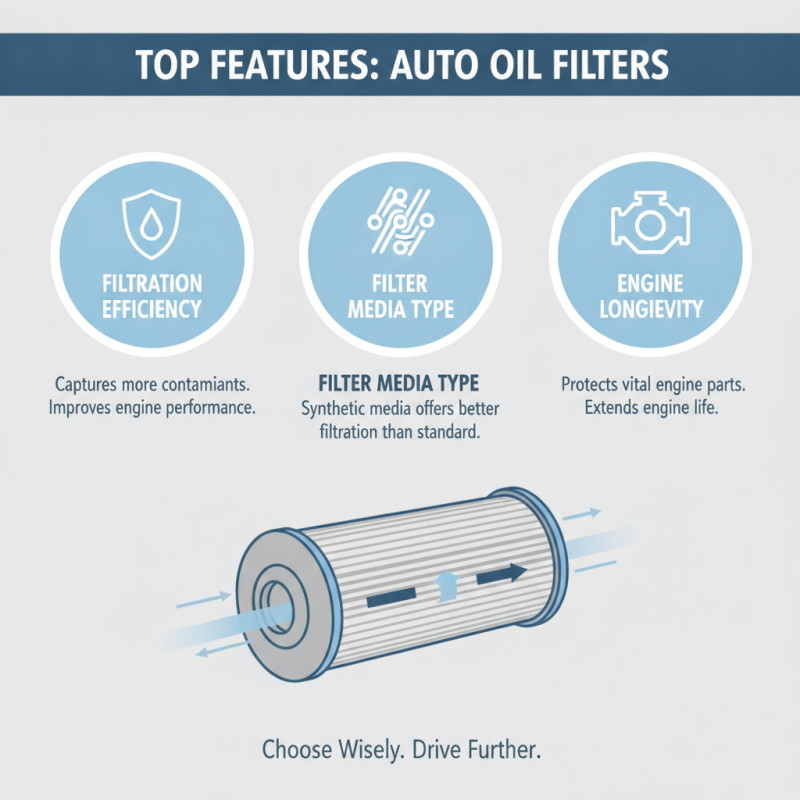
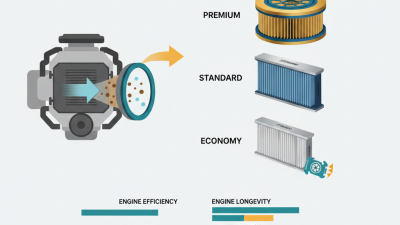
Choosing the right auto oil filter is crucial for vehicle maintenance. Consider filtration efficiency. A high-quality filter captures more contaminants. This improves engine performance and longevity. Look for filters with synthetic media; they often provide better filtration than standard options.
Next, check the filter's compatibility with your vehicle. Not all filters fit every engine. Reviews from other users can guide this choice. Additionally, consider the filter's capacity. Some filters hold more oil, which can be beneficial for extended oil change intervals.
Don't overlook the ease of installation. A filter that’s hard to change can deter you from regular maintenance. You want something user-friendly, even if you’re not a mechanic. Reflect on these aspects to find a filter that meets your needs and keeps your engine healthy.
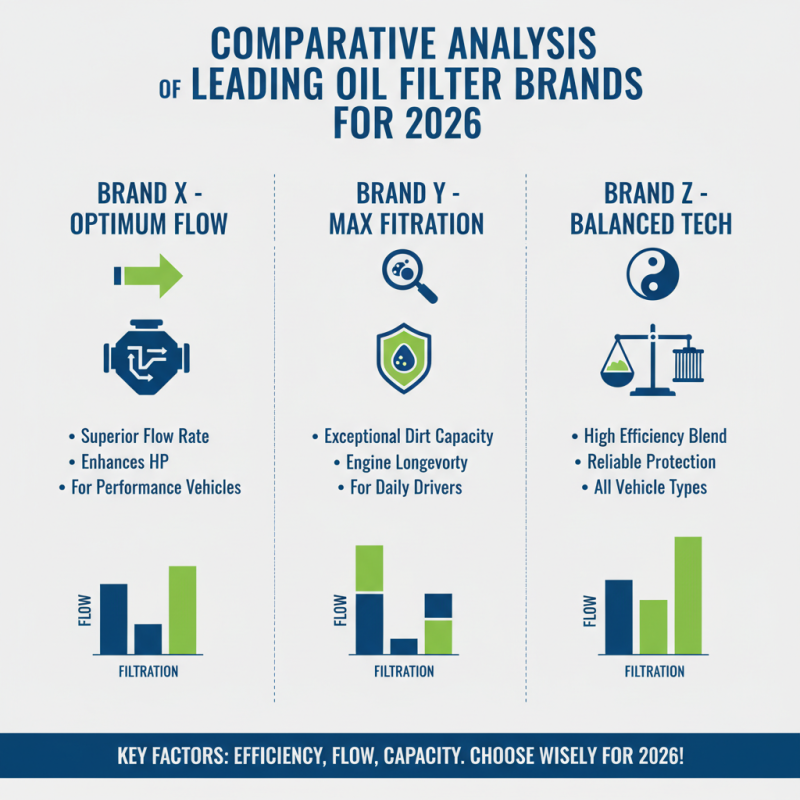
Comparative Analysis of Leading Oil Filter Brands for 2026
When choosing the right oil filter for your vehicle in 2026, it's important to evaluate options critically. Leading brands offer various features, but not all filters are created equal. Some filters excel in dirt-holding capacity, while others focus on superior flow rates. An oil filter's efficiency affects engine performance and longevity directly.
Consider the materials used in each filter. High-quality filters often employ synthetic media, providing better filtration. In contrast, lower-cost options might utilize standard paper elements, which may not capture particles effectively. Importantly, filtration alone is not enough. The design must also prevent leaks and endure the demands of high temperatures and pressure.
A comparative analysis reveals that some filters are tailored for specific driving conditions. Heavy-duty models target truck owners or off-road enthusiasts. Meanwhile, regular commuters might prefer standard filters designed for everyday use. It's essential to reflect on your driving habits and vehicle requirements to ensure optimal performance. Ultimately, the best choice may not always be the most popular or expensive. Understanding your vehicle’s needs will lead to more informed decisions.
Understanding Oil Filter Types: Which One Fits Your Vehicle?
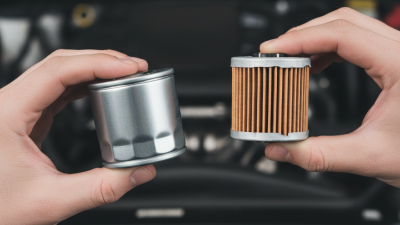
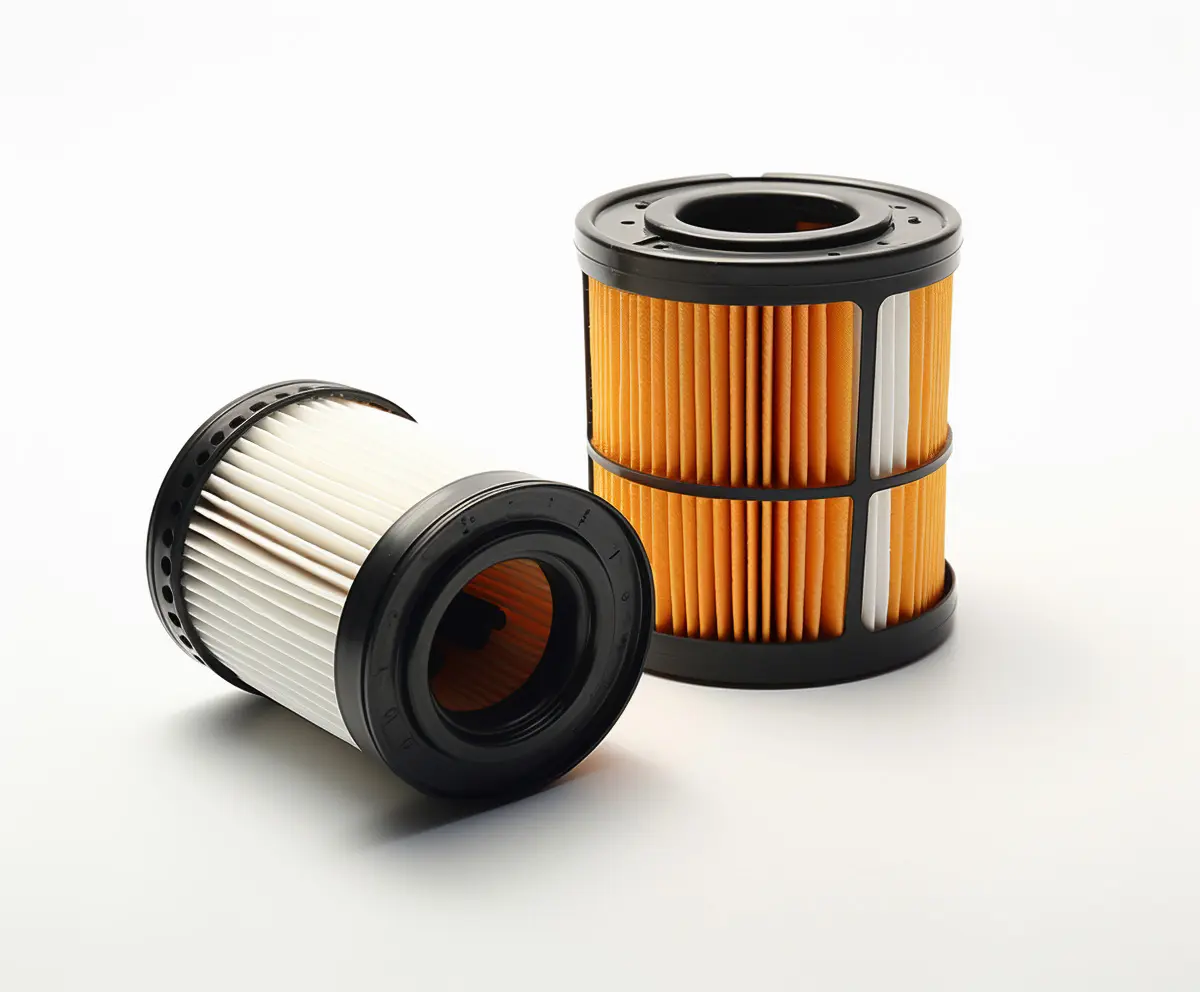
When selecting an oil filter, understanding the types available is crucial. There are several different kinds, each designed for specific vehicle needs. Most commonly, you'll encounter spin-on filters, cartridge filters, and magnetic filters. Spin-on filters are popular for their easy installation and removal. They fit a range of vehicles and are generally effective at removing contaminants. On the other hand, cartridge filters can be more environmentally friendly due to fewer materials used in production.
Each type has its strengths and weaknesses. For instance, while spin-on filters might be convenient, they may not capture all the particles as effectively as some cartridge options. Magnetic filters can effectively trap metal debris, but they may not suit all vehicle models. It’s essential to check your vehicle’s specifications before deciding.
Don’t underestimate the importance of regular filter changes. A clogged filter can lead to engine wear. Neglecting this can result in costly repairs. Finding the right oil filter requires research and understanding, but it is worth the effort for your vehicle's longevity. Be sure to weigh the pros and cons of each type based on your driving habits and vehicle maintenance needs.
Maintenance Tips for Extending the Life of Your Oil Filter
Maintaining your oil filter is crucial for the longevity of your engine. Regular checks can significantly enhance its performance. A clean oil filter keeps your engine free from debris and contaminants, ensuring smooth operation. Dirty filters can lead to engine wear. It’s wise to inspect the filter during routine oil changes.
Changing your oil filter at the recommended intervals is essential. Many neglect this simple task, assuming it will last. But worn-out filters can strain your engine. Depending on your driving style, some filters may need replacing sooner. Be proactive; keep an eye on your oil pressure gauge and listen for unusual noises.
Store your spare filters properly, away from moisture and extreme temperatures. Some drivers might forget that environmental factors affect filter efficiency. Lastly, maintain a log of your filter changes. Tracking this can reveal patterns and help you make informed maintenance decisions. An attentive approach yields better results and extends the life of your vehicle.
Top Auto Oil Filters for 2026 Which One is Best for You
| Filter Type |
Oil Filter Size |
Recommended Change Interval (Miles) |
Efficiency Rating |
Price Range |
| Standard |
LFP-234 |
3,000 - 5,000 |
Basic |
$5 - $15 |
| Premium |
LFP-456 |
5,000 - 7,500 |
High |
$15 - $30 |
| High Efficiency |
LFP-789 |
7,500 - 10,000 |
Very High |
$30 - $50 |
| Synthetic Blend |
LFP-101 |
5,000 - 7,500 |
Medium |
$10 - $25 |
Environmental Impact of Oil Filters: What You Need to Know
When considering the environmental impact of oil filters, several factors come into play. Oil filters play a crucial role in extending engine life. However, improper disposal can lead to severe environmental damage. According to the American Petroleum Institute, over 90 million oil filters are sold each year in the United States alone. This translates to a significant amount of waste if not handled properly.
Most oil filters are made from steel and synthetic materials. Steel can be recycled, reducing the carbon footprint associated with new production. However, only about 15% of used filters were recycled in recent years. Many filters end up in landfills, where they can leach harmful substances into the soil and water.
Education is vital in addressing this issue. Mechanics and consumers often overlook recycling options. For example, it costs around $0.50 to recycle an oil filter compared to $4.00 to dispose of it in a landfill. This stark contrast highlights the need for better awareness and proper practices. Implementing simple changes in recycling habits can lead to a more sustainable future for the automotive industry.

 Products
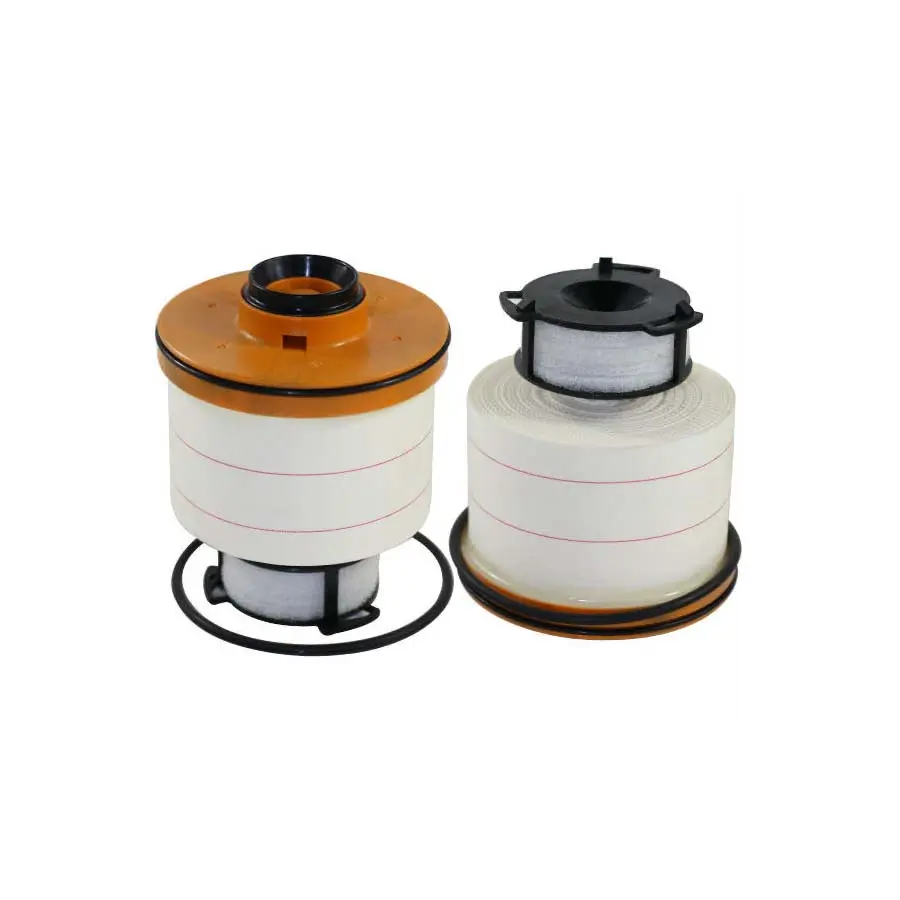 FUEL FILTER
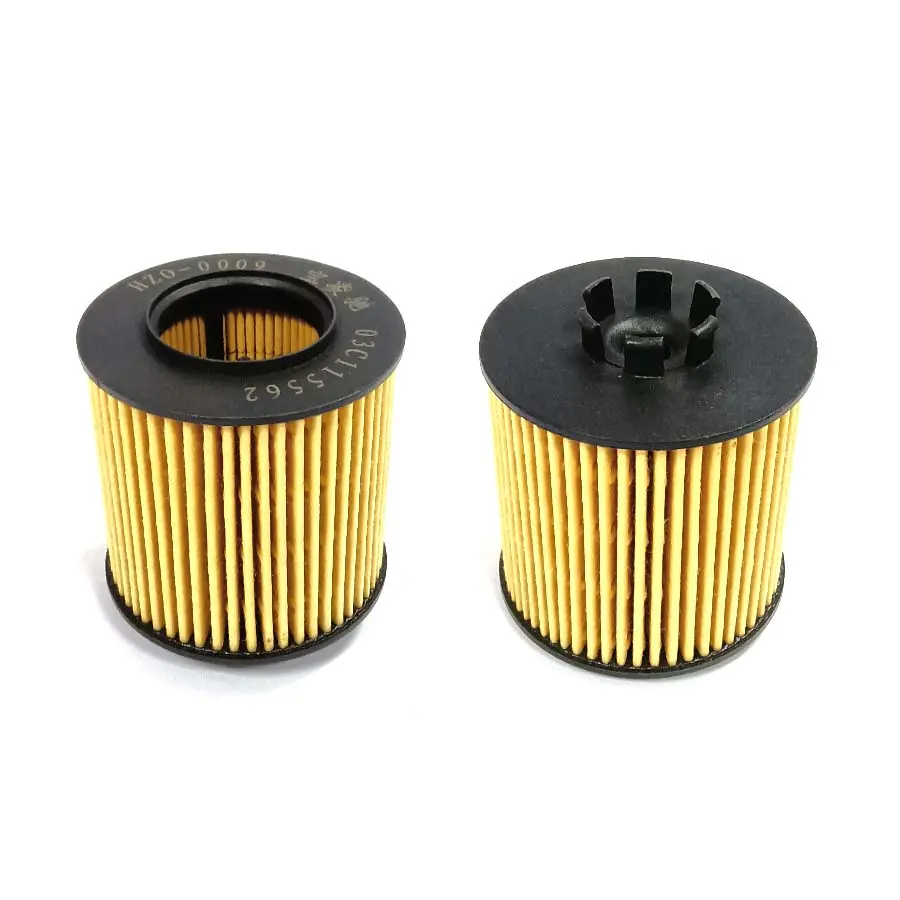 OIL ELEMENT FILTER
 OIL FILTER
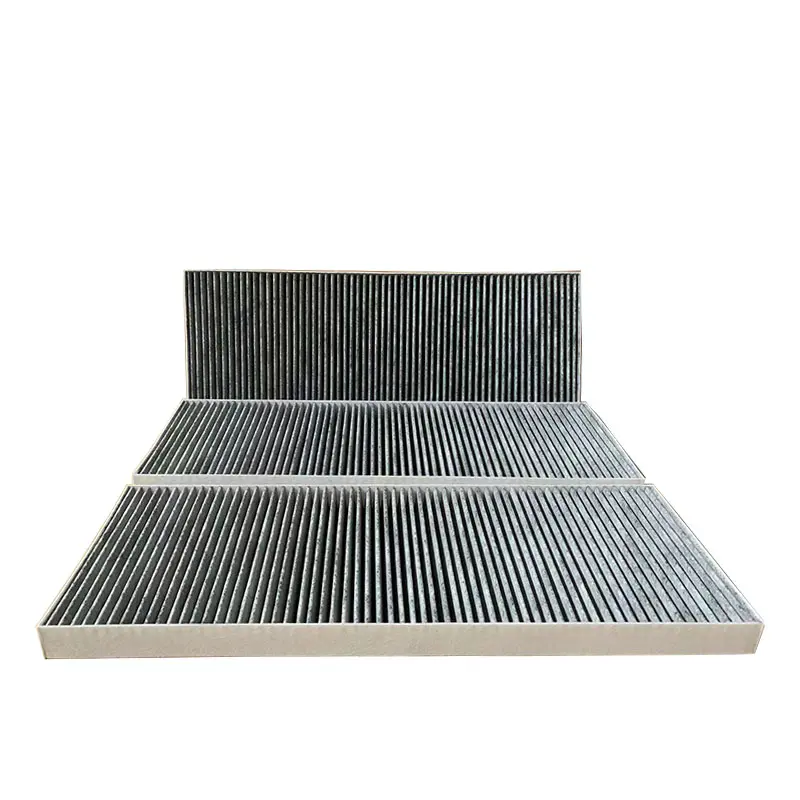 CABIN FILTER
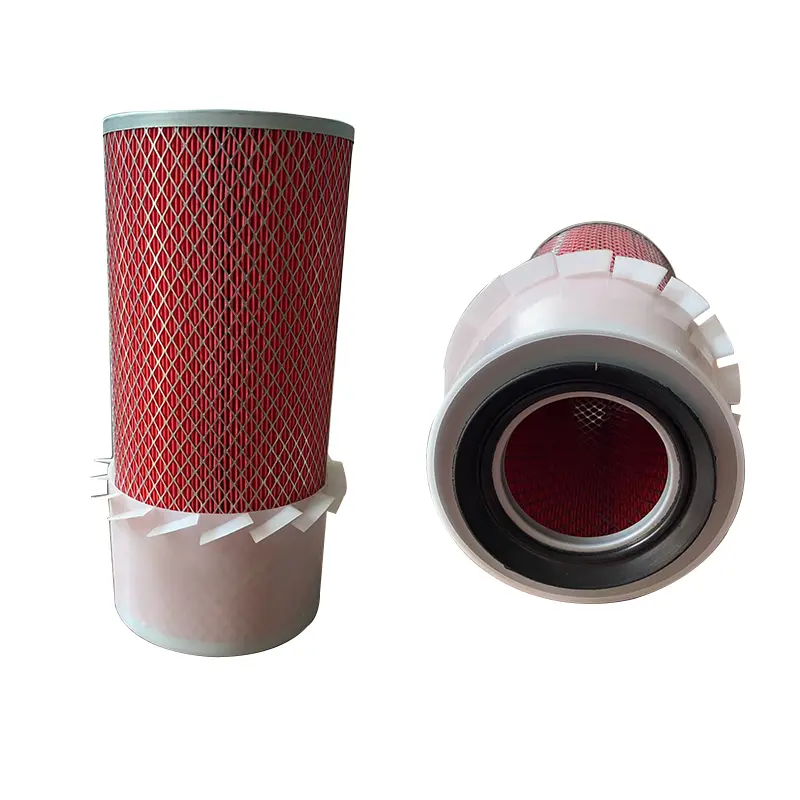 AIR FILTER