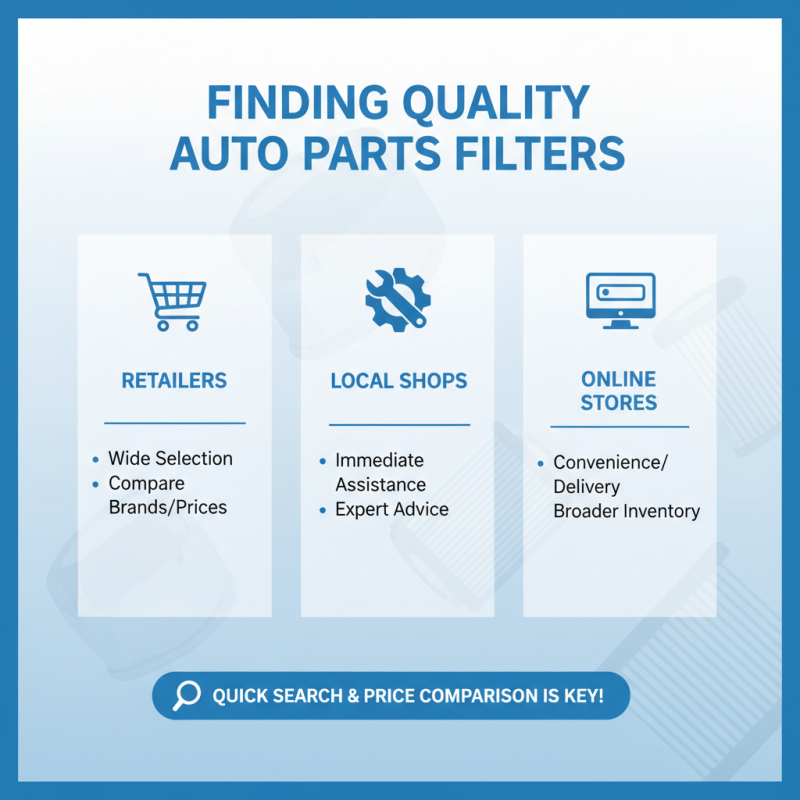
Top Auto Parts Filter Options for Your Vehicle Needs?
Choosing the right auto parts filter for your vehicle can feel overwhelming. Many options are available, each with unique features. These filters play a crucial role in maintaining your vehicle's performance and longevity.
Auto parts filters are essential for your engine's health. They remove contaminants and ensure clean oil, air, and fuel flow. Without a proper filter, your engine may suffer from decreased efficiency. This can lead to costly repairs down the road.
Navigating through numerous brands and models can be tricky. Some filters may seem cheap but compromise quality. It’s important to reflect on what your vehicle truly needs. Investing in the right auto parts filter will benefit your car in the long run. Your choice can make all the difference.
Understanding the Importance of Auto Parts Filters for Vehicle Performance
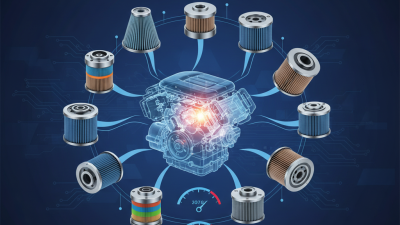
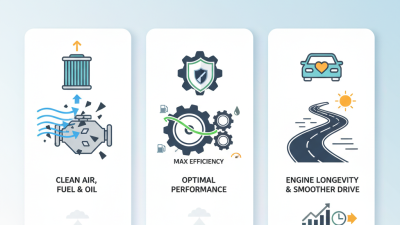
Auto parts filters play a crucial role in maintaining vehicle performance. They ensure that contaminants are removed from essential fluids, allowing the vehicle to operate smoothly. These filters trap dirt, debris, and pollutants, preventing them from entering sensitive engine components. Without proper filtration, vehicles may experience decreased efficiency and costly repairs.
Tip: Regularly inspect and replace your filters to avoid performance issues. A clogged air filter can reduce fuel efficiency. Similarly, a dirty oil filter can harm engine longevity.
Understanding the types of filters helps in making informed decisions. Air filters, oil filters, and fuel filters each serve unique purposes. One might think all filters are similar. However, using inappropriate filters can lead to inefficiencies. Monitor your vehicle’s performance to identify when a filter change is needed.
Tip: Check your vehicle’s manual for specific replacement intervals. Consider using high-quality filters that fit your needs. Investing in reliable options can lead to better performance and savings in the long run.
Top Auto Parts Filter Options for Your Vehicle Needs
| Filter Type |
Purpose |
Replacement Interval |
Average Cost ($) |
| Oil Filter |
Removes contaminants from engine oil |
5,000 - 10,000 miles |
15 - 30 |
| Air Filter |
Filters air entering the engine |
15,000 - 30,000 miles |
10 - 25 |
| Cabin Air Filter |
Cleans air entering the vehicle cabin |
15,000 - 30,000 miles |
15 - 35 |
| Fuel Filter |
Removes impurities from fuel |
20,000 - 40,000 miles |
20 - 40 |
| Transmission Filter |
Cleans transmission fluid |
30,000 - 60,000 miles |
30 - 60 |
Types of Auto Parts Filters: Air, Oil, Fuel, and Cabin Filters Explained
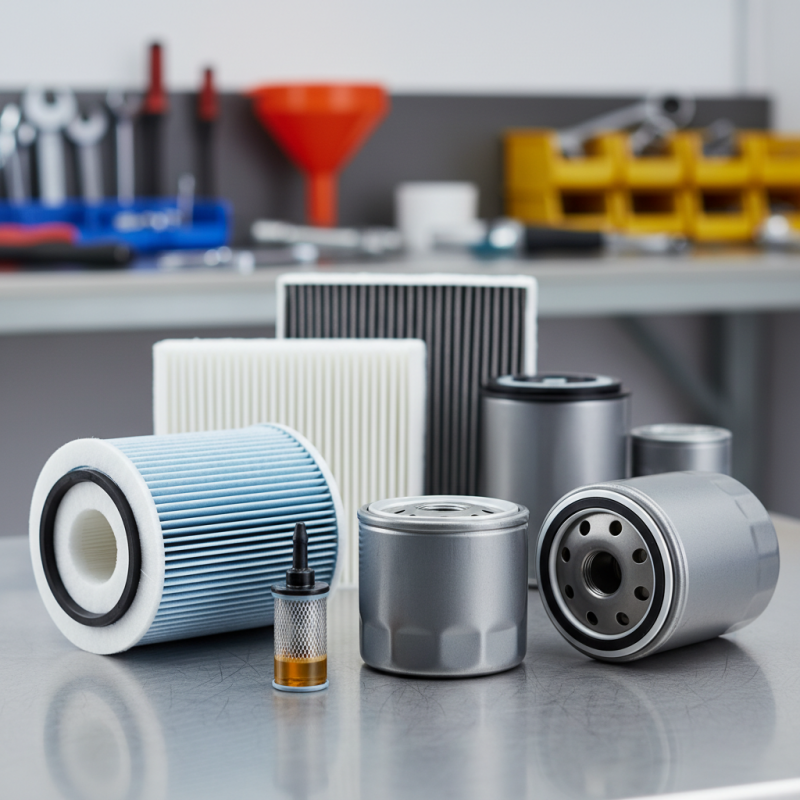
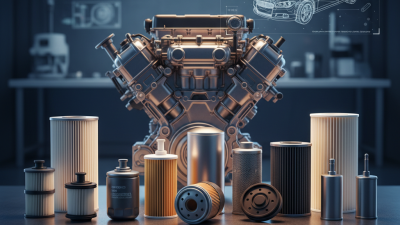
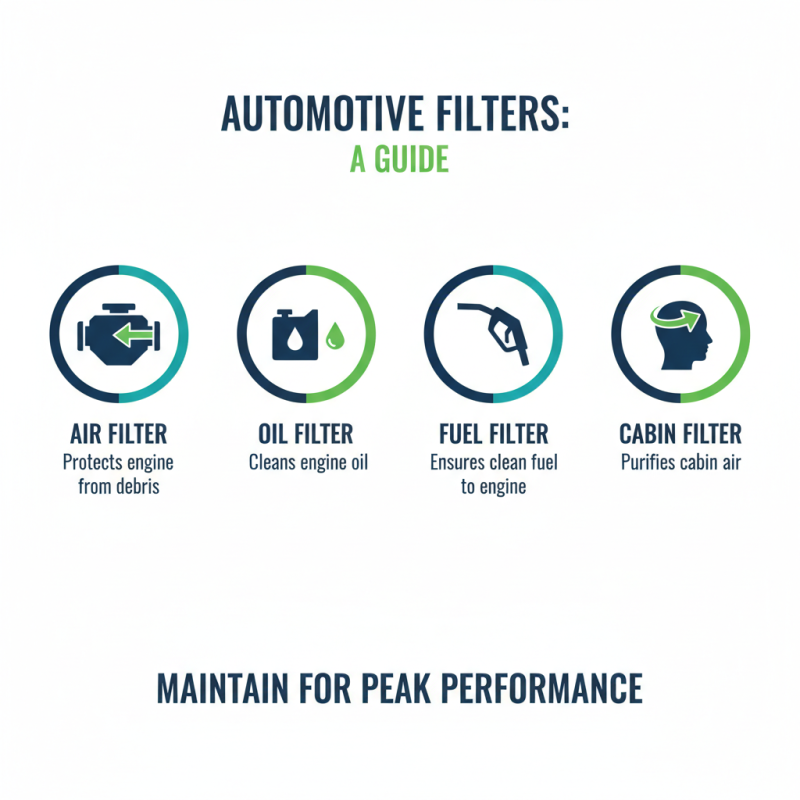
When maintaining your vehicle, understanding different types of auto parts filters is crucial. A car can utilize four primary filters: air, oil, fuel, and cabin filters. Each serves a distinct purpose, ensuring the vehicle runs smoothly and efficiently.
Air filters prevent dirt and debris from entering the engine. Over time, they can become clogged, reducing airflow and engine performance. According to industry reports, a dirty air filter can decrease acceleration by up to 11%. Regular inspections help maintain optimal engine function.
Oil filters play a vital role in keeping the engine oil clean. They remove contaminants generated from engine wear and combustion. Research indicates that a malfunctioning oil filter can lead to engine damage over time. Additionally, fuel filters prevent impurities in the fuel from reaching the engine, which can be detrimental to performance.
Cabin filters, while often overlooked, ensure the air inside your car remains clean. These filters capture allergens and pollutants. In urban driving conditions, air quality can significantly impact passenger comfort and health. Regular changes to cabin filters can improve the air quality inside your vehicle.
Reflecting on the importance of these components can lead to better vehicle performance. Neglecting filter maintenance might seem trivial, but it can cause larger issues. Staying informed about your vehicle's needs can prevent unnecessary expenses and prolong its lifespan.
Criteria for Selecting the Right Auto Parts Filter for Your Vehicle
When choosing the right auto parts filter, several criteria come into play. Think about the type of vehicle you drive. Different vehicles have unique requirements. For example, a high-performance car requires filters that can handle more pressure. Consider the engine size, as well. Larger engines often need higher capacity filters.
Quality matters too. Not all filters are created equal. Some may offer better filtration, while others might be less efficient. Read reviews or seek recommendations. However, be cautious. Not everything online is reliable. Sometimes, consumers have mixed experiences.
Compatibility is another vital factor. Ensure the filter fits your vehicle's specifications. Checking the owner's manual is a practical step. Sometimes, filters may seem similar but aren’t interchangeable. Lastly, keep your budget in mind. You might find cheaper options that do not last long. This can lead to more expenses down the road. Balancing cost and quality is crucial.
Maintenance Tips for Extending the Lifespan of Your Auto Parts Filters
Maintaining your vehicle's auto parts filters is essential for performance. Pollutants can quickly clog filters, reducing efficiency. According to a report from the Automotive Maintenance Association, a dirty air filter can lead to a 10% decrease in engine efficiency. Regular inspection and timely replacements can combat this issue.
Changing filters every 15,000 to 30,000 miles is a good guideline. Yet, many drivers overlook this. Neglecting filter maintenance may cause unnecessary wear on the engine. A study from the National Automotive Research Institute found that 60% of vehicles on the road use filters beyond their effective lifespan. This can lead to poorer fuel economy and increased emissions.
Cleaning air filters can extend their life. Some reusable filters allow for cleaning and reinstallation. However, improper cleaning methods can damage them. Regularly checking your cabin air filter is also essential. It ensures clean air inside the vehicle, promoting a healthier environment. Skipping these simple maintenance steps often leads to costly repairs down the road.
Top Auto Parts Filter Options for Your Vehicle Needs
This chart displays the performance efficiency of different types of auto parts filters used in vehicles. It highlights the effectiveness of various filters in maintaining optimal engine and air quality.

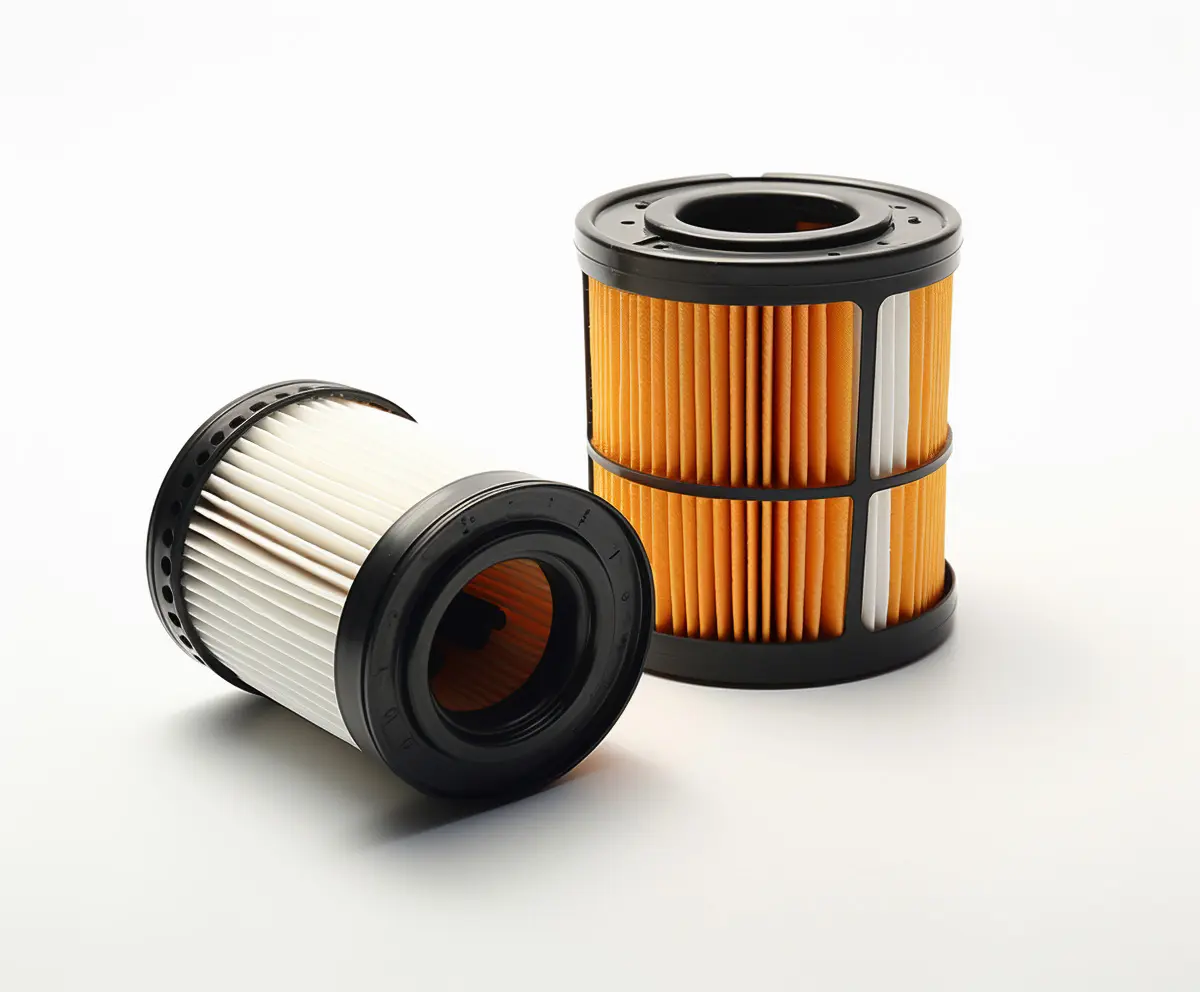 Products
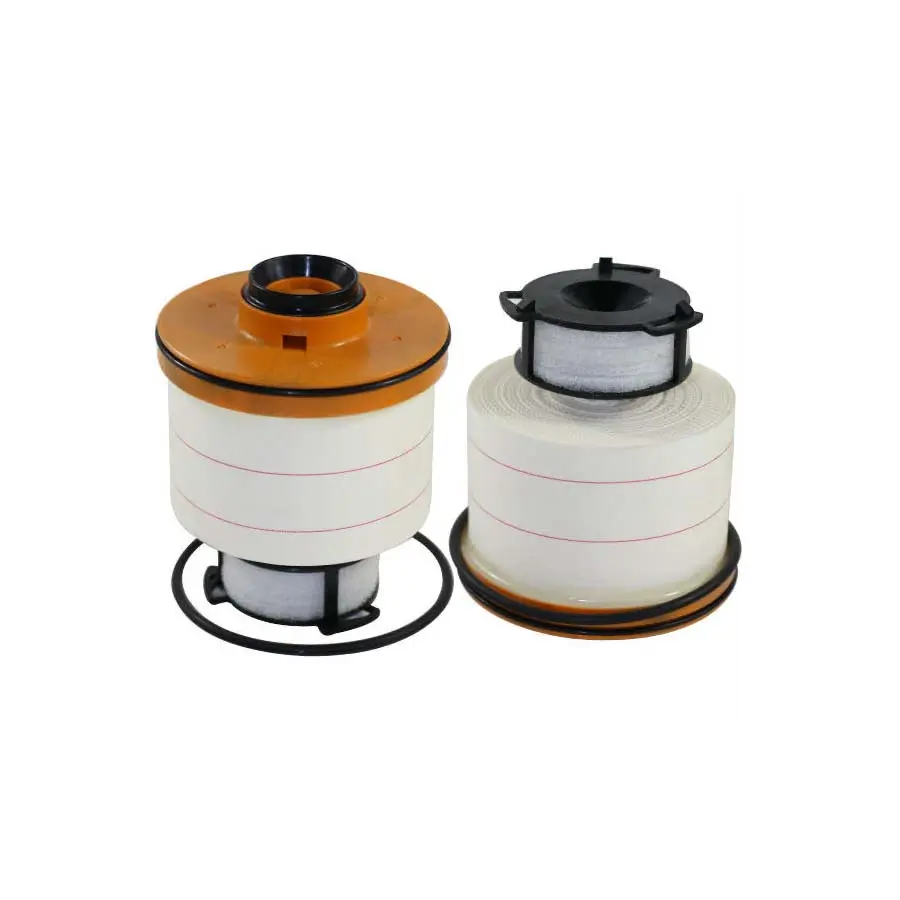 FUEL FILTER
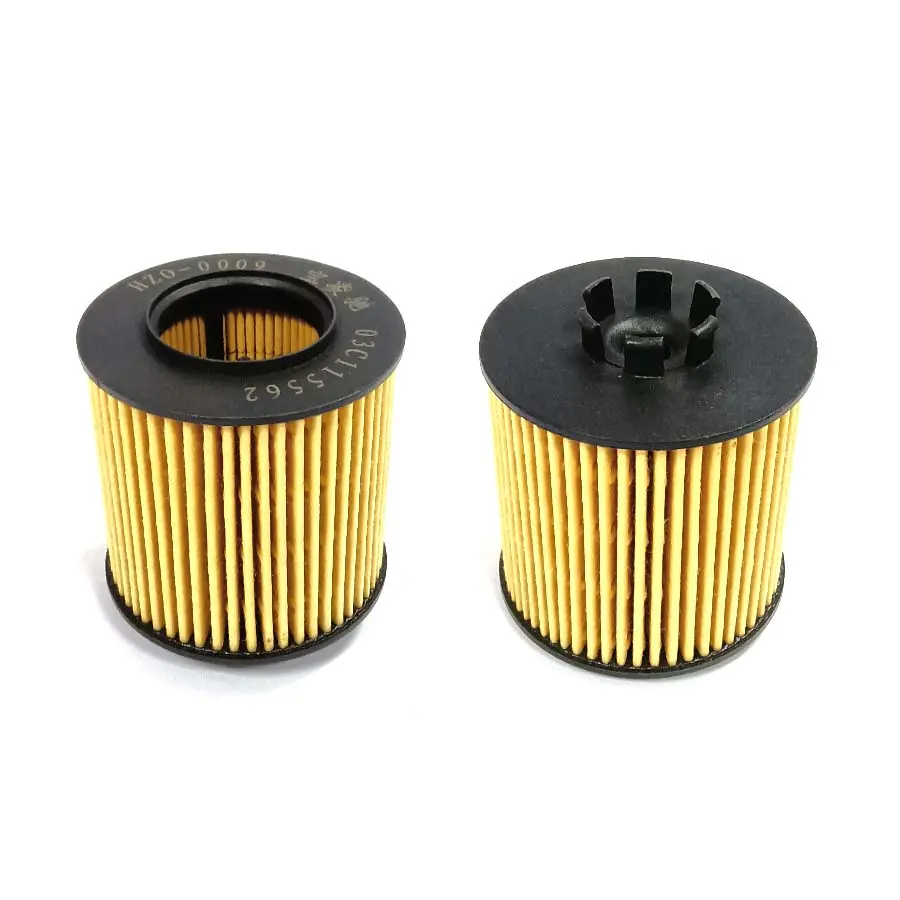 OIL ELEMENT FILTER
 OIL FILTER
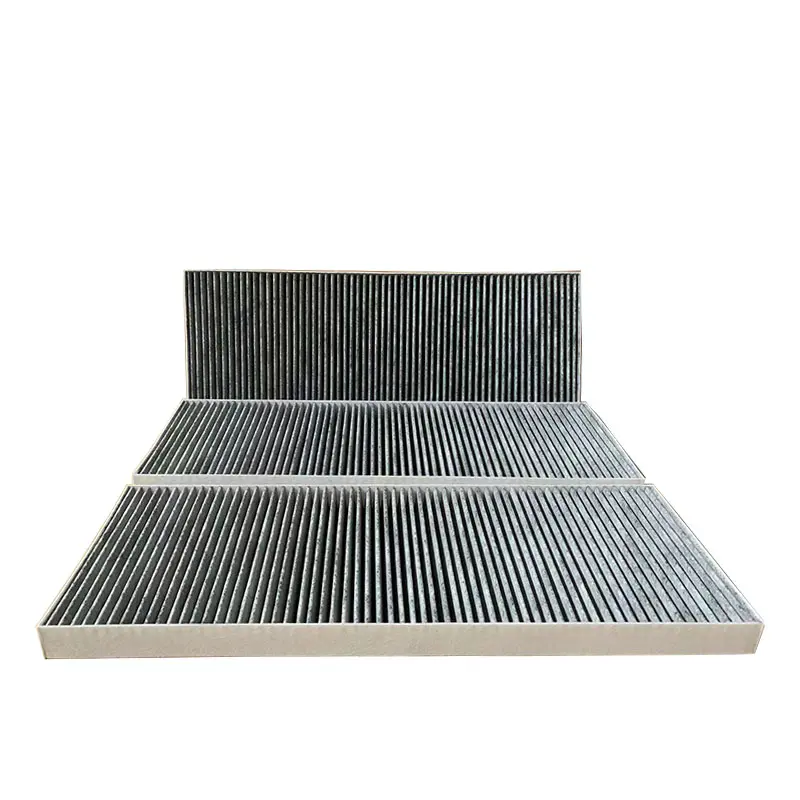 CABIN FILTER
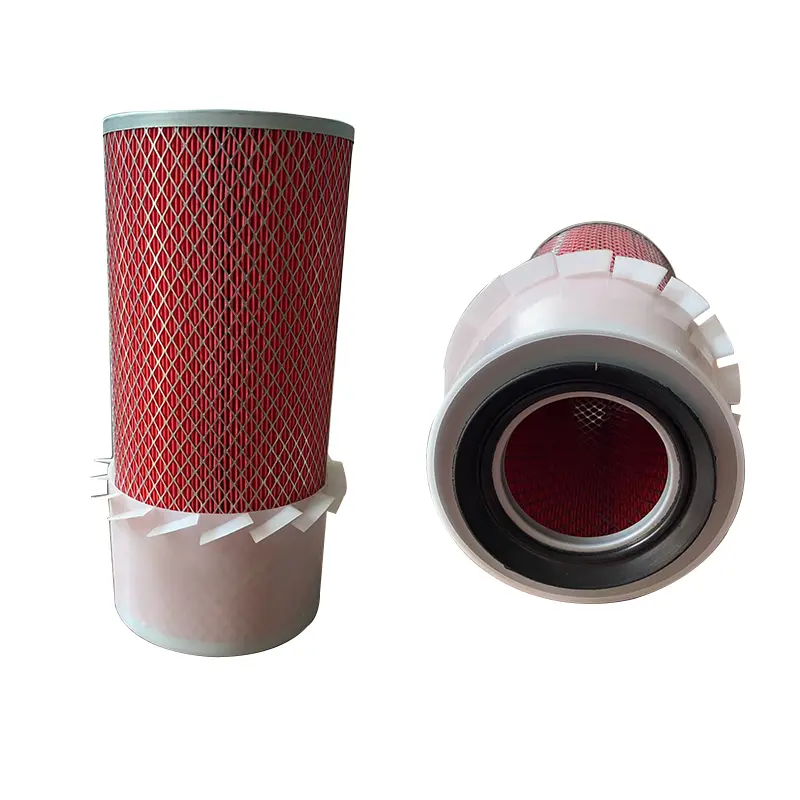 AIR FILTER