Top 10 Auto Parts Filter Types You Need to Know?
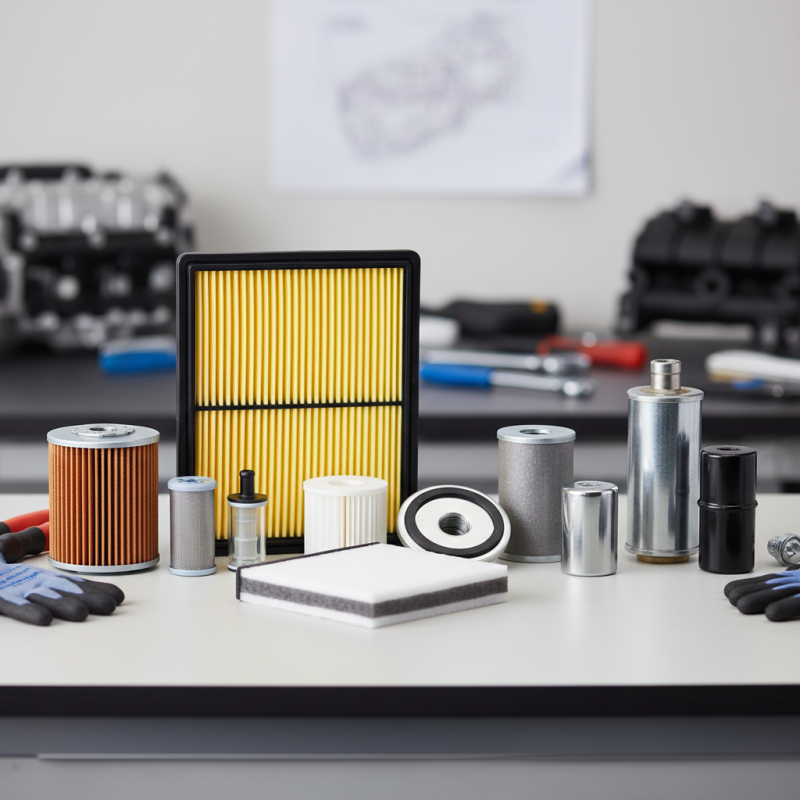
In the automotive industry, understanding different types of auto parts filter is essential. Filters play a critical role in maintaining vehicle performance. They ensure that essential systems operate smoothly by trapping contaminants. According to a recent industry report, over 50% of engine failures can be traced back to inadequate filtration. This highlights the importance of selecting the correct auto parts filter for your vehicle.
Various filter types serve specific functions. Oil filters, air filters, fuel filters, and cabin filters work cohesively, providing necessary protection. For instance, air filters prevent dust and debris from entering the engine, enhancing efficiency. However, many vehicle owners neglect regular maintenance, leading to suboptimal filter performance. This oversight can result in reduced fuel efficiency and increased emissions.
Industry data shows that approximately 30% of vehicle owners replace filters less frequently than recommended. This neglect not only affects the vehicle's longevity but also compromises safety. Understanding these filters allows consumers to make informed decisions. It’s crucial to choose high-quality auto parts filter to ensure reliability and durability. Ignoring this aspect can lead to costly repairs and compromised driving experiences.
Overview of Auto Parts Filters and Their Importance
Auto parts filters play a crucial role in vehicle maintenance. They keep the engine and other systems clean. By filtering out impurities, they enhance performance. According to studies, neglected filters can lead to a 10-15% drop in fuel efficiency. This inefficiency can increase overall operating costs.
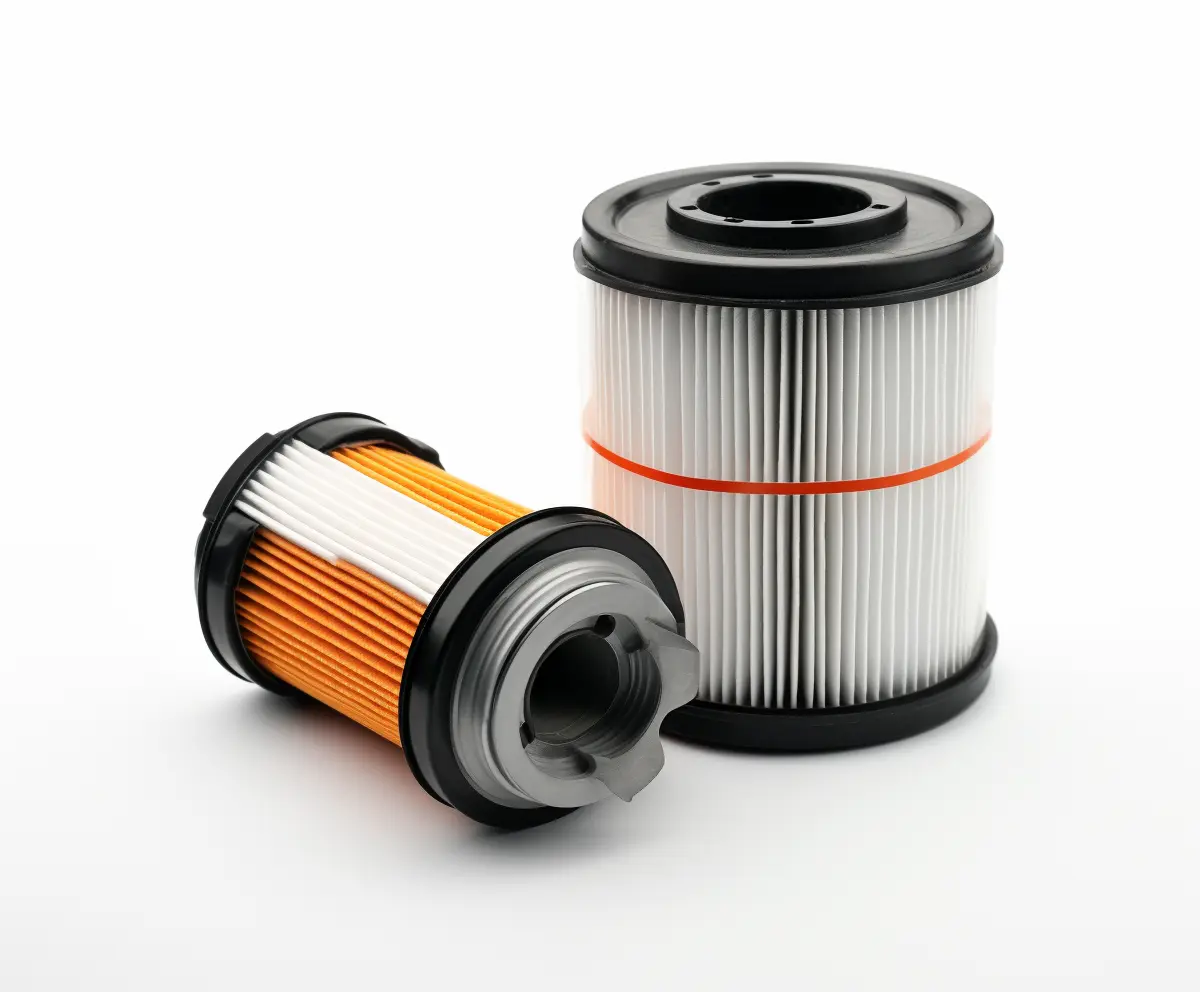
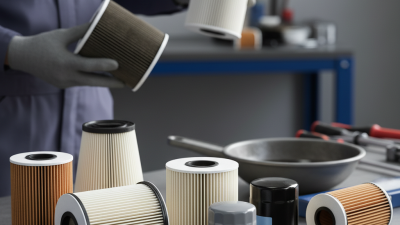
Different types of filters are designed for specific needs. Oil filters remove contaminants from engine oil. Air filters prevent dust and debris from entering the engine. Fuel filters ensure only clean fuel reaches the engine. The failure of even one filter can compromise the entire system.
For instance, a clogged air filter can decrease engine power. It might also increase emissions. Many drivers overlook the signs until it’s too late. Regular inspection is vital. Industry reports suggest that replacing filters can extend vehicle lifespan by up to 30%. Filter maintenance should not be underestimated.
Types of Air Filters and Their Role in Engine Performance
Air filters play a critical role in engine performance. They trap dirt, dust, and debris before they enter the engine. A clean air filter allows for better airflow. This leads to increased fuel efficiency. However, many car owners overlook the importance of regular maintenance. A clogged filter can restrict airflow, diminishing engine power.
There are several types of air filters available. Panel filters are common in most vehicles. They are flat and easy to replace. Conical filters offer a different design for increased performance. They can provide better airflow but may require more frequent cleaning. Foam filters are another option. They are washable but can deteriorate over time.
Choosing the right air filter can be tricky. Not all filters suit every vehicle. Some may enhance performance at the expense of durability. It is essential to consider driving conditions and frequency. Regular inspections can help maintain optimal engine function. Ignoring the air filter may result in decreased engine life. Reflecting on your filter choices can lead to better long-term results.
Top 10 Auto Parts Filter Types You Need to Know
Understanding Oil Filters and Their Maintenance Significance
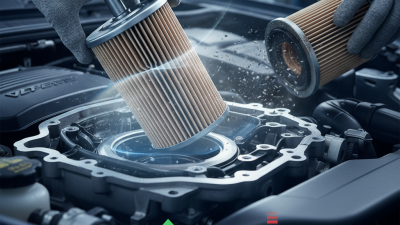
Oil filters play a crucial role in vehicle maintenance. They remove contaminants from engine oil, ensuring optimal performance. A clean oil filter helps the engine run smoothly. It prevents wear and tear. Studies show that nearly 25% of engine wear is due to dirty oil. Regularly changing the oil filter can extend engine life.
Maintenance of oil filters is essential. An oil filter should be replaced every 3,000 to 5,000 miles. Ignoring this can lead to problems. A clogged filter can restrict oil flow. This can cause engine overheating. It may also reduce fuel efficiency by up to 10%. Many car owners overlook this aspect, thinking it's less important. However, neglecting oil filter changes can lead to costly repairs.
Some signs indicate an oil filter needs replacement. Look for oil pressure warning lights. Unusual noises from the engine can also signal issues. Paying attention to these details can help prevent catastrophic engine failure. Many drivers underestimate the importance of regular filter checks. Being proactive in maintenance is key to vehicle longevity.
Fuel Filters: Ensuring Clean Fuel Delivery to Your Engine
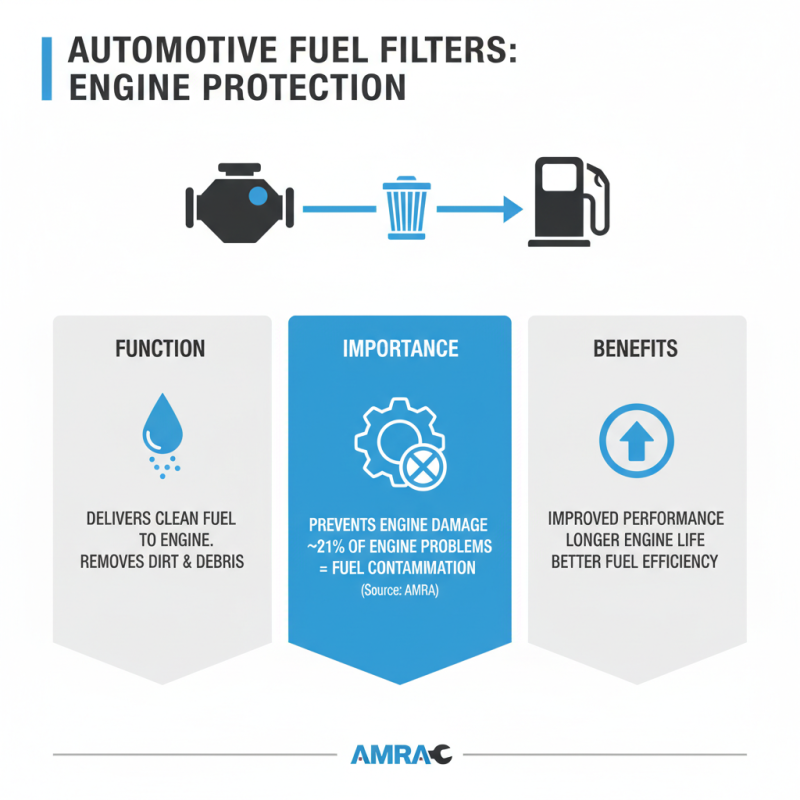
Fuel filters play a critical role in the automotive industry. They ensure clean fuel delivery to your engine, preventing dirt and debris from causing damage. According to the Automotive Maintenance and Repair Association, approximately 21% of engine problems are attributed to fuel contamination.
When fuel moves through the system, it can carry particles. These particles can clog injectors or damage components. Research indicates that filters can handle 10-15 microns of particles effectively. Neglecting your fuel filter can lead to decreased performance. A dirty filter may reduce fuel flow by up to 20%. This reduction can cause power loss and increased emissions.
Regular maintenance is essential. Many experts recommend changing fuel filters every 30,000 to 50,000 miles, depending on vehicle type. However, some drivers overlook this step. A common misconception is that filters last the life of the vehicle. Sadly, this oversight can lead to costly engine repairs or replacements. Taking the time to check your fuel filter could prevent extensive issues down the road.
Cabin Air Filters: Enhancing Indoor Air Quality in Vehicles
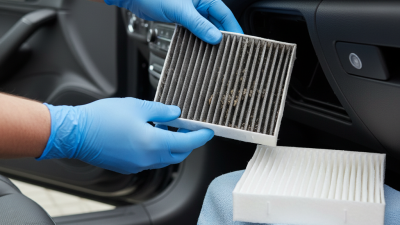
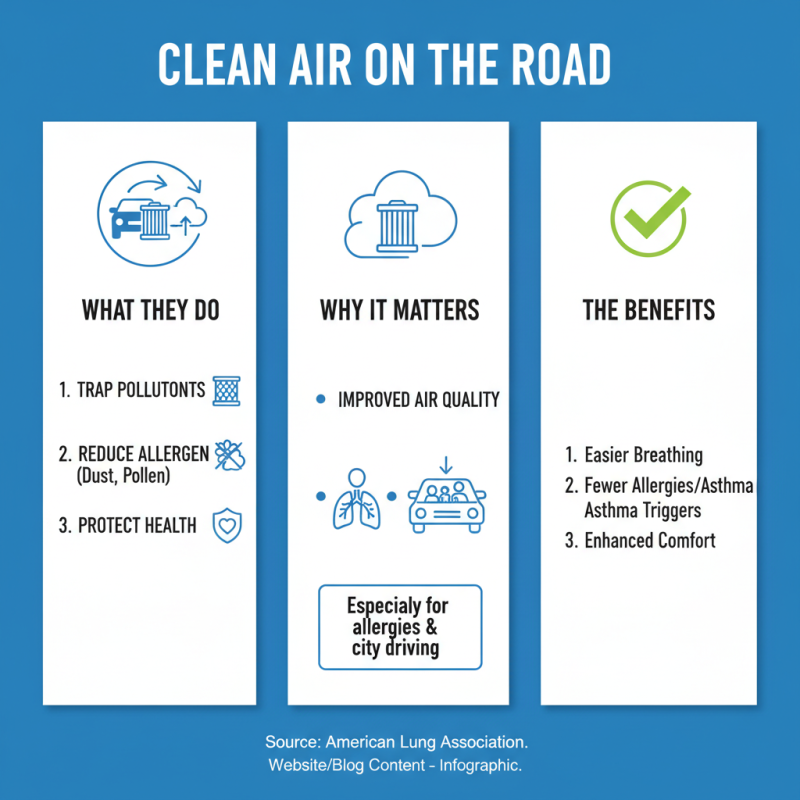
Cabin air filters play a crucial role in improving the air quality inside vehicles. According to the American Lung Association, poor indoor air quality can lead to various health issues. Cabin air filters trap dust, pollen, and other pollutants. They help create a healthier environment for drivers and passengers alike. This is especially important during allergy seasons or in urban areas with high pollution levels.
Tip: Regularly replace your cabin air filter. Doing so ensures it works effectively. A clogged filter can reduce airflow and raise the levels of harmful particles inside the car. Studies indicate that up to 50% of pollutants can persist in enclosed vehicle spaces. This can impact your comfort and health.
Ignoring cabin air filters might seem inconsequential, but it can have significant consequences. Some drivers overlook this simple maintenance task. In doing so, they risk exposing themselves to harmful allergens and airborne contaminants. Filters should be checked at least once a year. Frequent inspections can provide an opportunity to address emerging air quality issues.

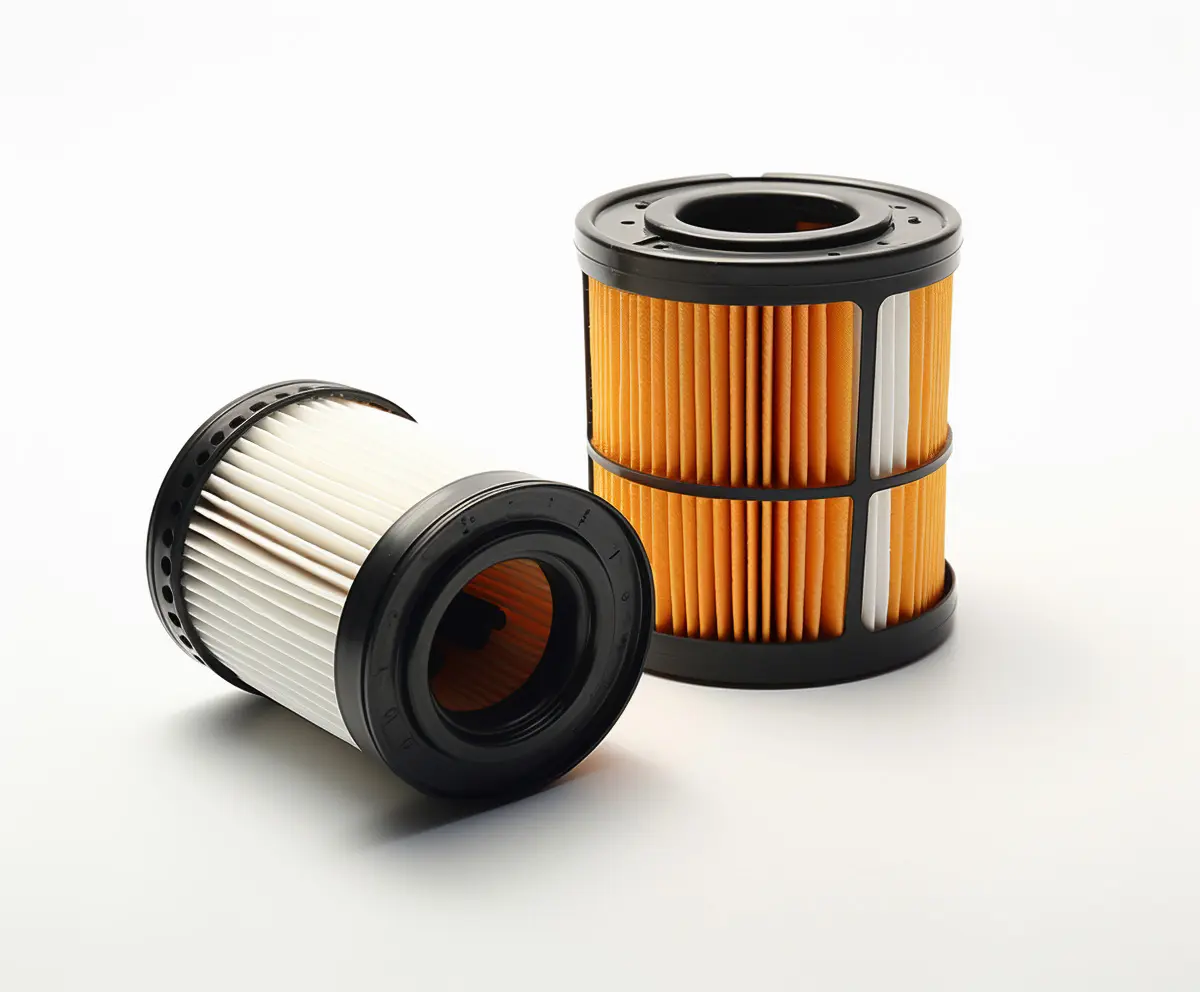 Products
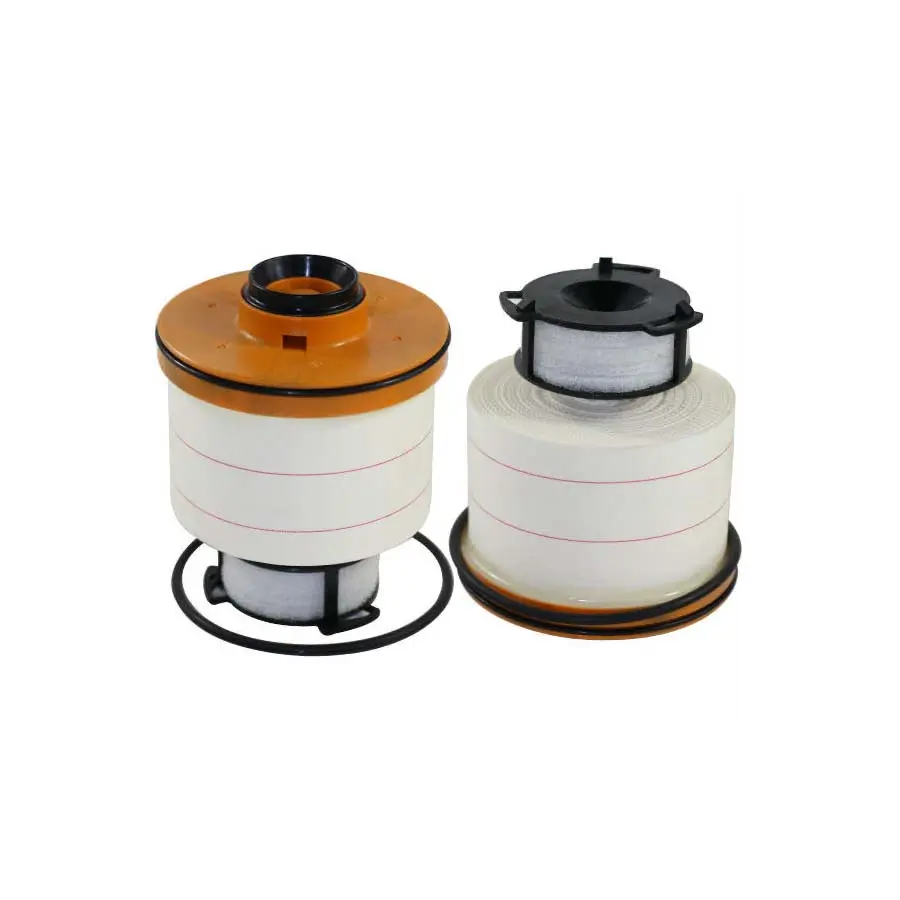 FUEL FILTER
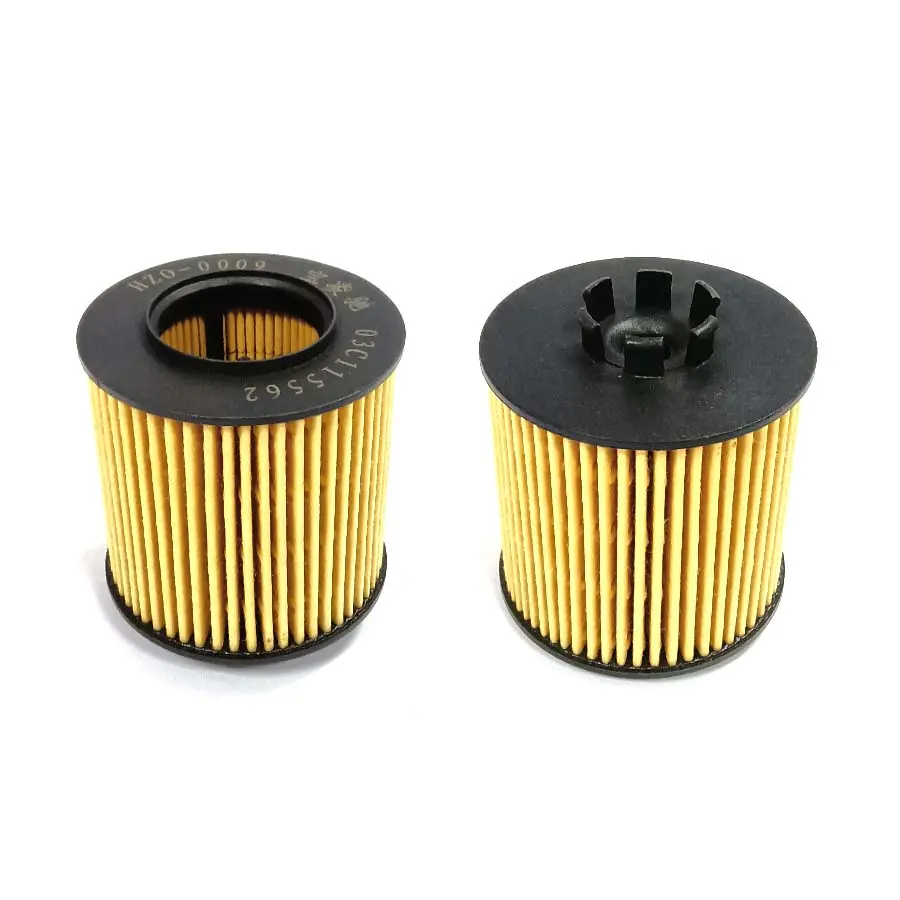 OIL ELEMENT FILTER
 OIL FILTER
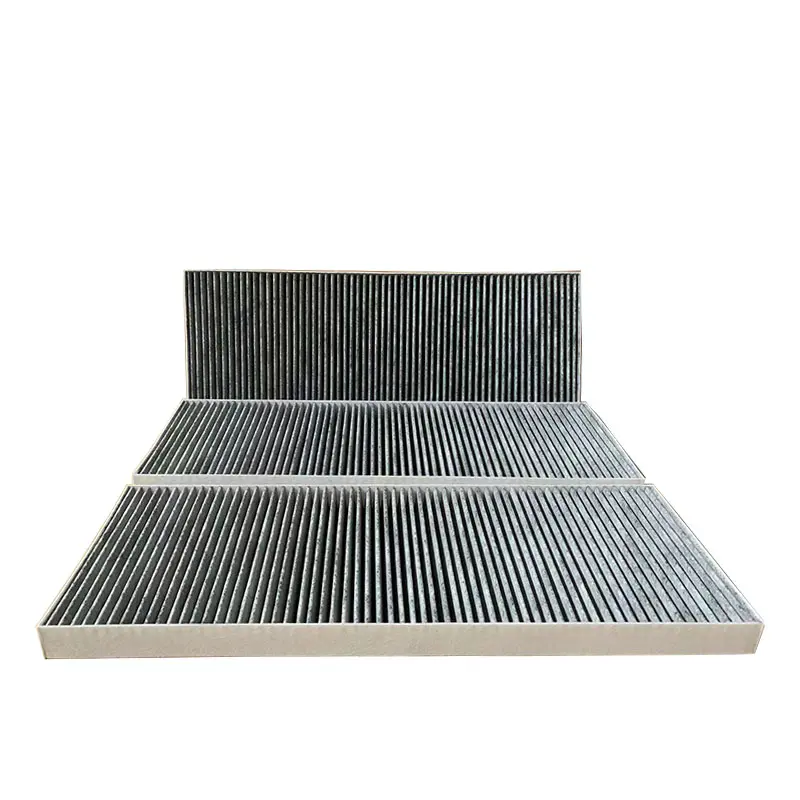 CABIN FILTER
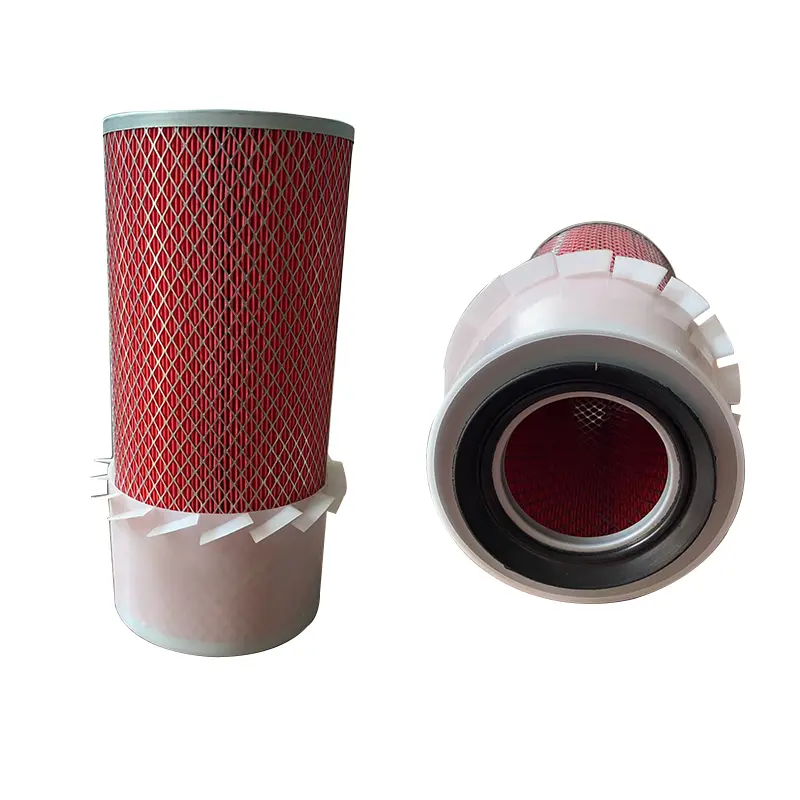 AIR FILTER