Inquiry
Form loading...

Top 10 Automotive Filters: What You Need to Know for Optimal Performance

In the world of automotive maintenance, the significance of proper filtration cannot be overstated. As an expert in the automotive filter industry, Dr. Emily Carter emphasizes, “The right automotive filter is crucial for optimal engine performance and longevity.” Filters play a vital role in safeguarding vehicles against contaminants that could lead to operational inefficiencies. From oil and air filters to fuel and cabin filters, each component serves a specific purpose that contributes to the overall health of a vehicle.

Understanding the various types of automotive filters and their functions is essential for both vehicle owners and industry professionals. When filters are neglected, or the wrong type is used, it can have detrimental effects on engine performance, fuel efficiency, and even passenger comfort. Therefore, staying informed about the top automotive filters available in the market is key to ensuring that vehicles run smoothly and efficiently. This article will delve into the top 10 automotive filters you need to know, providing insights on their importance and how they contribute to optimal vehicle performance.

Top 10 Automotive Filters: What You Need to Know for Optimal Performance

Understanding the Role of Automotive Filters in Vehicle Performance

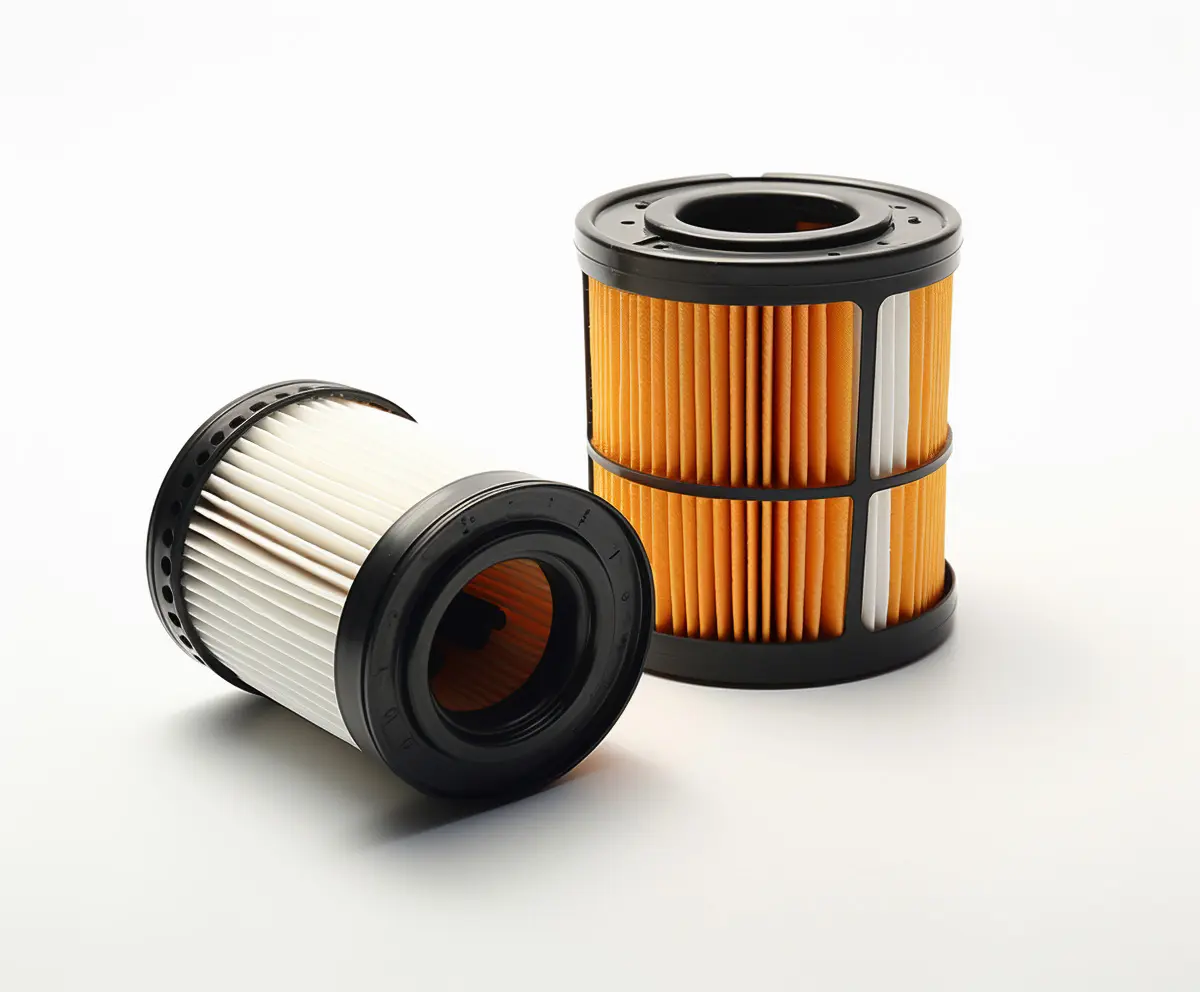
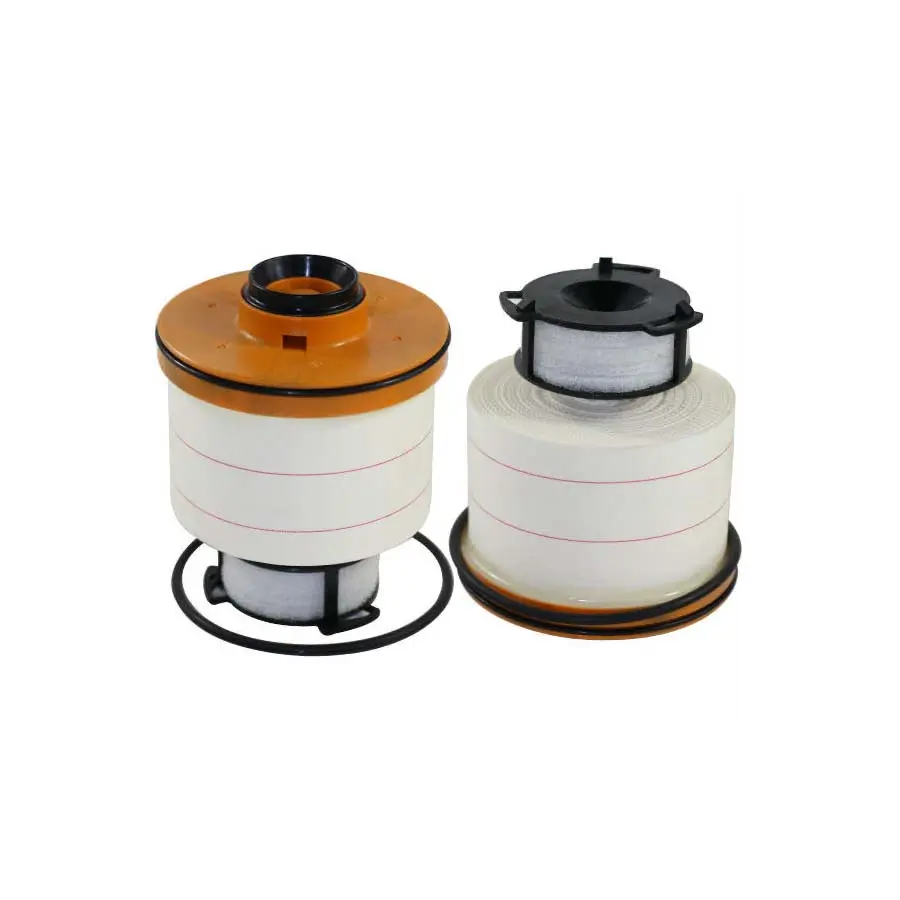
Automotive filters play a crucial role in maintaining the overall performance and longevity of a vehicle. They are designed to trap contaminants and impurities from various fluids and air that circulate through the engine, ensuring a cleaner and more efficient operation. There are several types of filters, including engine oil filters, air filters, fuel filters, and cabin air filters, each serving specific functions that contribute to optimal vehicle performance. For instance, clean oil filters help in preventing engine wear by removing dirt and debris, whereas efficient air filters ensure that the engine gets the maximum airflow needed for combustion.

In addition to enhancing performance, the role of automotive filters extends to improving fuel efficiency and reducing emissions. A clogged air filter can restrict airflow, forcing the engine to work harder and consume more fuel. Similarly, a compromised fuel filter can hinder the flow of gasoline or diesel, leading to poor engine performance and a significant drop in fuel economy. Regularly maintaining and replacing filters as part of routine vehicle care can help drivers achieve a smoother ride while also supporting environmental sustainability by minimizing pollutants emitted into the atmosphere. Understanding the importance of these filters is essential for any vehicle owner aiming to prolong the life of their automobile and achieve peak performance.

Types of Automotive Filters: An Overview of Essential Varieties

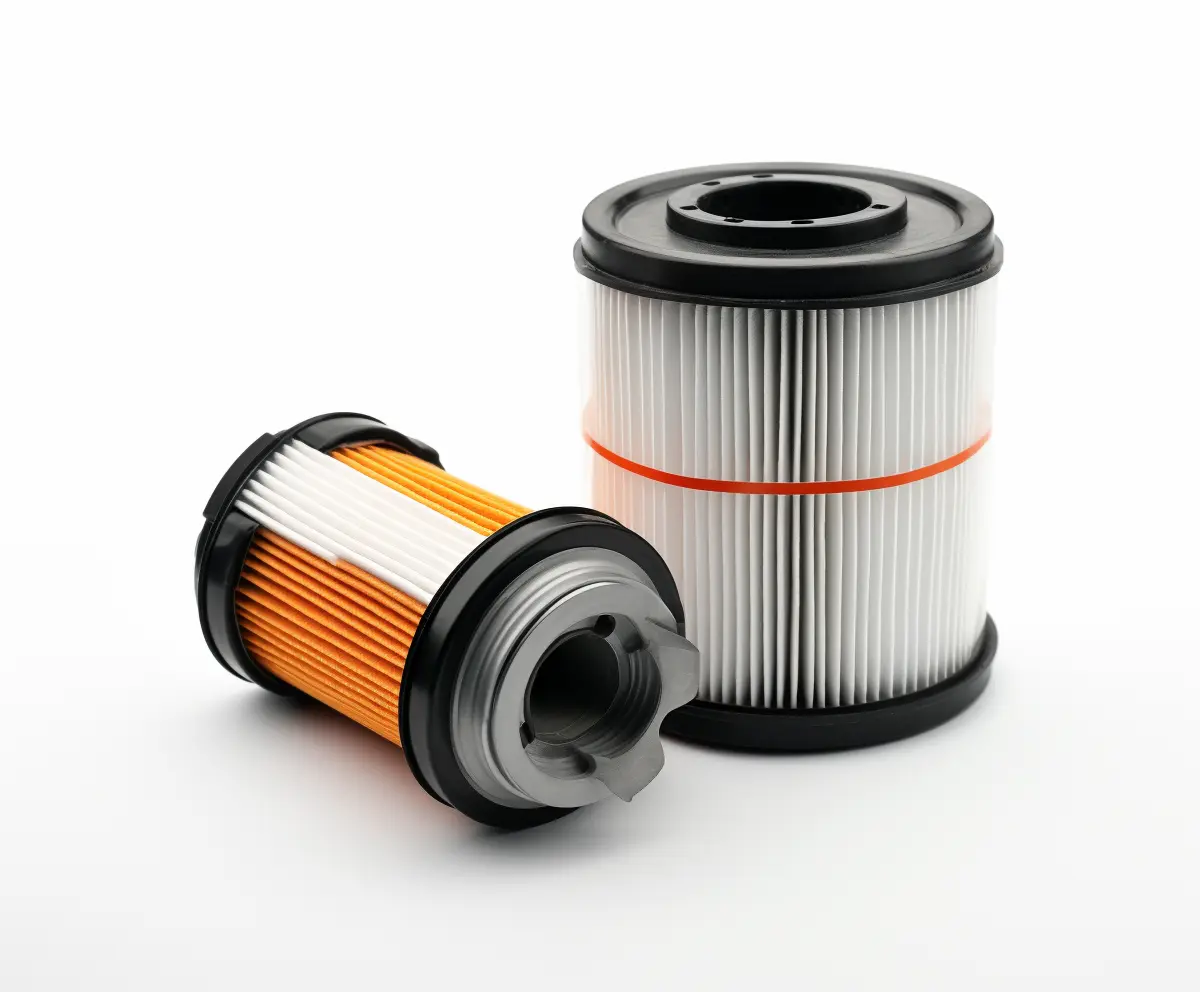
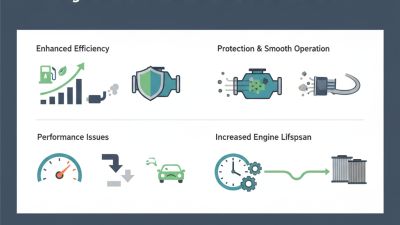
Automotive filters play a crucial role in maintaining your vehicle's performance and efficiency. There are several essential types of filters, each designed to protect specific components of your car. The most common types include oil filters, air filters, fuel filters, and cabin filters. Each of these filters helps ensure that the essential fluids and air circulating through the vehicle remain clean and free from contaminants.

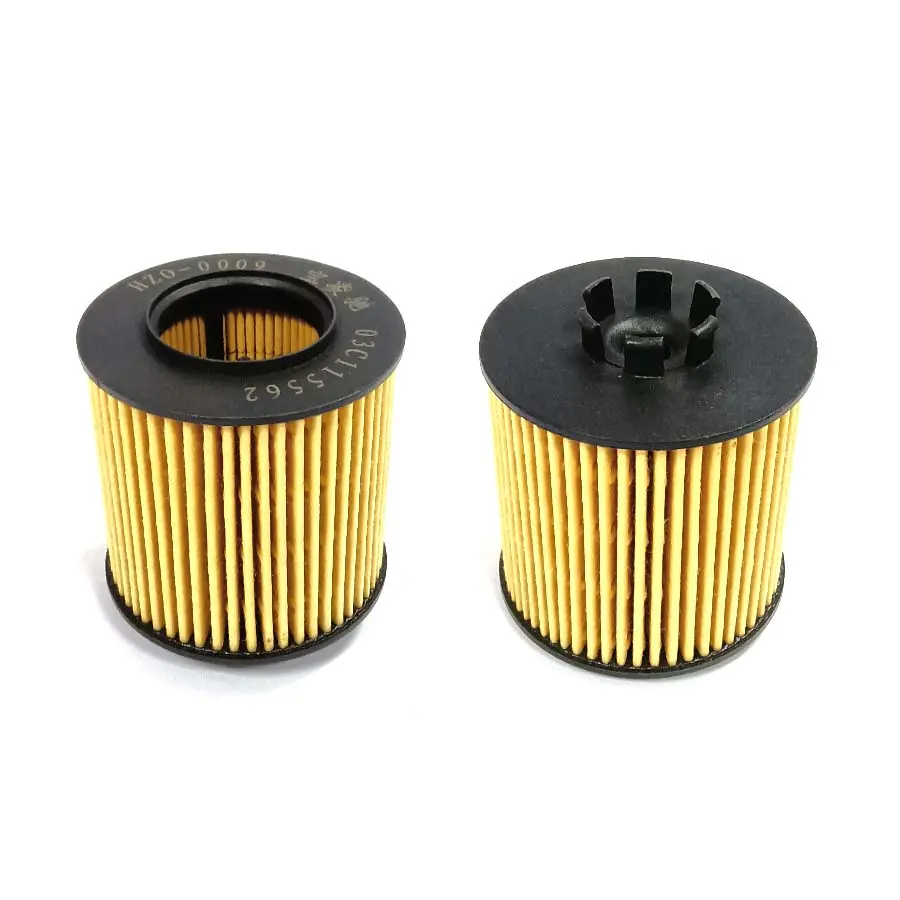
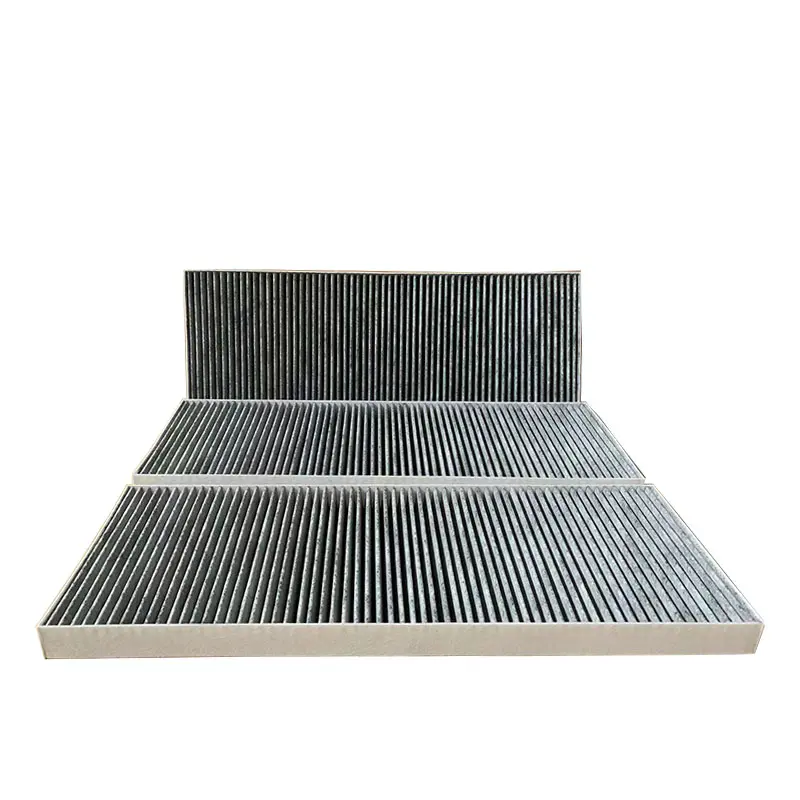
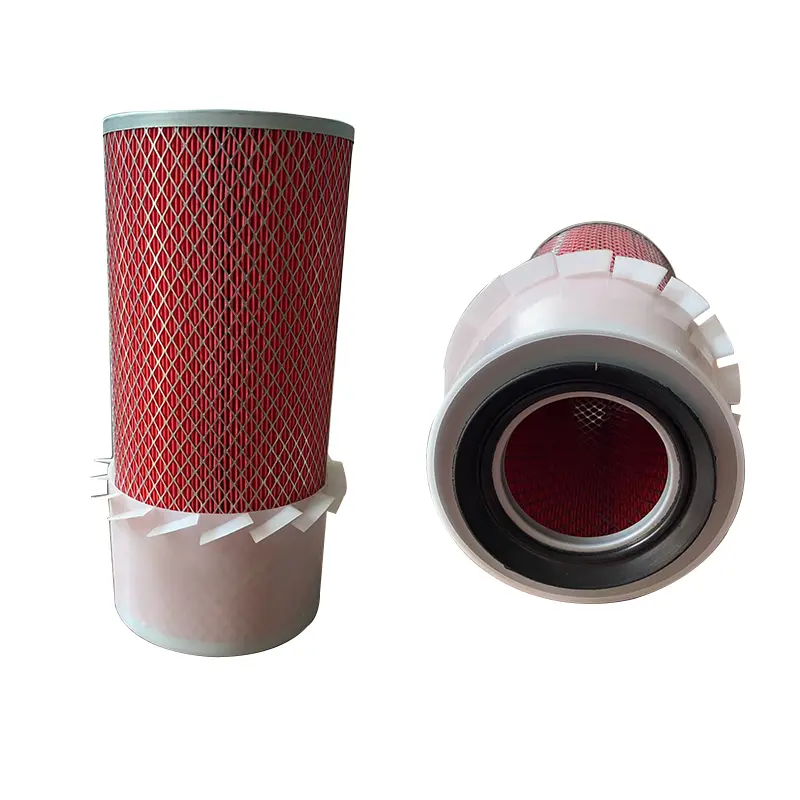
Oil filters are vital for removing debris and dirt from engine oil, extending the life of your engine. Air filters prevent dirt and pollutants from entering the engine for combustion, enhancing fuel efficiency and overall performance. Fuel filters keep the fuel system clean by trapping impurities that could otherwise hinder performance. Lastly, cabin filters improve air quality inside your vehicle by filtering out allergens and dust.

Tips: Regularly check and replace your automotive filters according to your vehicle's maintenance schedule. A clean air filter can improve fuel economy, while a new fuel filter can lead to smoother engine performance. Don't forget to inspect your cabin air filter, especially if you notice a decrease in air quality inside the vehicle.

Key Factors in Selecting the Right Filters for Your Vehicle

When selecting automotive filters, several key factors come into play to ensure optimal performance of your vehicle. First and foremost, the type of filter required should be determined based on your vehicle's specifications and the conditions in which it operates. For instance, engine air filters, oil filters, fuel filters, and cabin air filters all serve unique purposes and must be chosen accordingly to maintain the vehicle's efficiency and longevity.

Another critical factor is the filter's material and construction. High-quality filters are often made from advanced materials that enhance filtration efficiency while allowing for proper airflow and fluid flow. Look for filters that offer a balance between filtration effectiveness and durability, as these attributes are crucial for trapping contaminants without compromising performance. Additionally, consider the replacement intervals recommended by the manufacturer; sticking to these guidelines helps prevent issues that result from clogged or ineffective filters, thus contributing to overall vehicle health.

Top 10 Automotive Filters: What You Need to Know for Optimal Performance

Filter Type Purpose Recommended Replacement Interval Key Factors for Selection Impact on Vehicle Performance
Air Filter Cleans the air entering the engine Every 15,000 - 30,000 miles Filtration efficiency, compatibility Improves fuel efficiency and engine life
Oil Filter Filters contaminants from engine oil Every oil change (usually 5,000 - 10,000 miles) Bypass valve presence, filter material Ensures efficient oil circulation and engine protection
Fuel Filter Removes impurities from fuel Every 20,000 - 40,000 miles Flow rate, micron rating Improves engine performance and fuel efficiency
Cabin Air Filter Cleans air entering the vehicle's interior Every 12,000 - 15,000 miles Particle removal efficiency, fit Enhances air quality within the vehicle
PCV Valve Filter Filters blow-by gases Every 30,000 miles or as needed Material, resistance to pressure Maintains engine pressure and reduces emissions
Transmission Filter Filters fluid in the transmission Every 30,000 - 60,000 miles Filtration media, fluid compatibility Ensures smooth shifting and prolongs transmission life
Differential Filter Filters fluid in the differential Every 30,000 - 50,000 miles Size, fluid compatibility Protects differential gears and enhances performance
Hydraulic Filter Cleans hydraulic fluid Every 50,000 miles or as needed Flow rate, filtration efficiency Ensures proper functioning of hydraulic systems
Separation Filter Removes water and particulates from fuel Every 20,000 - 30,000 miles Water separation efficiency, capacity Prevents corrosion and fuel system issues

Maintenance Tips for Extending the Lifespan of Automotive Filters

Top 10 Automotive Filters: What You Need to Know for Optimal Performance

Automotive filters play a crucial role in maintaining vehicle performance and longevity. Regular maintenance of these filters is essential to ensure that your vehicle operates efficiently and can save you significant costs in repairs over time. According to industry reports, a clean air filter can improve engine efficiency by up to 10%, while a properly maintained oil filter can enhance engine life and reduce wear by preventing harmful particles from circulating.

Here are some tips to extend the lifespan of your automotive filters: First, follow the manufacturer’s recommendations for filter replacement intervals. For instance, air filters should typically be replaced every 12,000 to 15,000 miles, but this can vary based on driving conditions. Second, regularly inspect filters, especially in extreme driving conditions or high-pollution areas. Keeping an eye on filter cleanliness can help identify when a replacement is necessary, preventing performance drops and ensuring the engine breathes easily.

Additionally, ensure that your vehicle undergoes routine oil changes, as this directly affects the oil filter’s effectiveness. Reports indicate that neglecting oil changes can lead to a reduction in filter lifespan and potentially result in costly engine damages due to unfiltered contaminants. By following these maintenance tips, vehicle owners can maximize the performance of their automotive filters and promote a healthier engine overall.

Signs That Indicate It's Time to Replace Your Automotive Filters

Automotive filters play a crucial role in maintaining the efficiency and performance of your vehicle. Over time, however, these filters can become clogged or degraded, leading to diminished engine performance and fuel efficiency. Recognizing the signs that indicate it's time to replace your automotive filters is essential for optimal performance, safety, and longevity of your vehicle. According to industry reports, regular filter maintenance can improve fuel economy by as much as 10%, significantly reducing overall operating costs.

One clear sign that it’s time to replace your filters is a decrease in engine performance, such as sluggish acceleration or rough idling. Additionally, a dirty air filter can cause excessive fuel consumption, as the engine struggles to draw in enough air. If you notice reduced airflow from your HVAC system, it could indicate that the cabin air filter is clogged, affecting the air quality inside your vehicle. Experts recommend inspecting your filters every 12,000 to 15,000 miles or during routine oil changes for optimal performance.

Tips: Regularly check your vehicle’s filters and replace them as needed. It may also be beneficial to consult your vehicle’s owner manual for specific maintenance recommendations. In areas with higher dirt and dust levels, consider more frequent replacement of air and cabin filters to maintain efficiency and comfort. Implementing these measures can help prevent costly repairs associated with neglected filter maintenance.

Top 10 Automotive Filters: Performance Indicators