Top 10 Engine Accessories Filter Tips You Need to Know?
When it comes to maintaining your vehicle's performance, understanding the importance of Engine Accessories Filter is crucial. According to industry expert John Mitchell, "The right filter can significantly extend engine life." Selecting the right accessories can make a noticeable difference.
Consider the environments in which vehicles operate. Dust, debris, and pollutants in the air can quickly clog filters. This might lead to reduced efficiency and engine wear. Regular maintenance becomes paramount when using Engine Accessories Filter. Many overlook the significance of this component.
The nuances of filter selection can be daunting. Some believe all filters are the same. This misconception can result in costly mistakes. Choosing a subpar filter may save money initially, but the long-term effects can be detrimental. Making informed choices is essential for any vehicle owner.
Understanding Engine Accessories and Their Importance
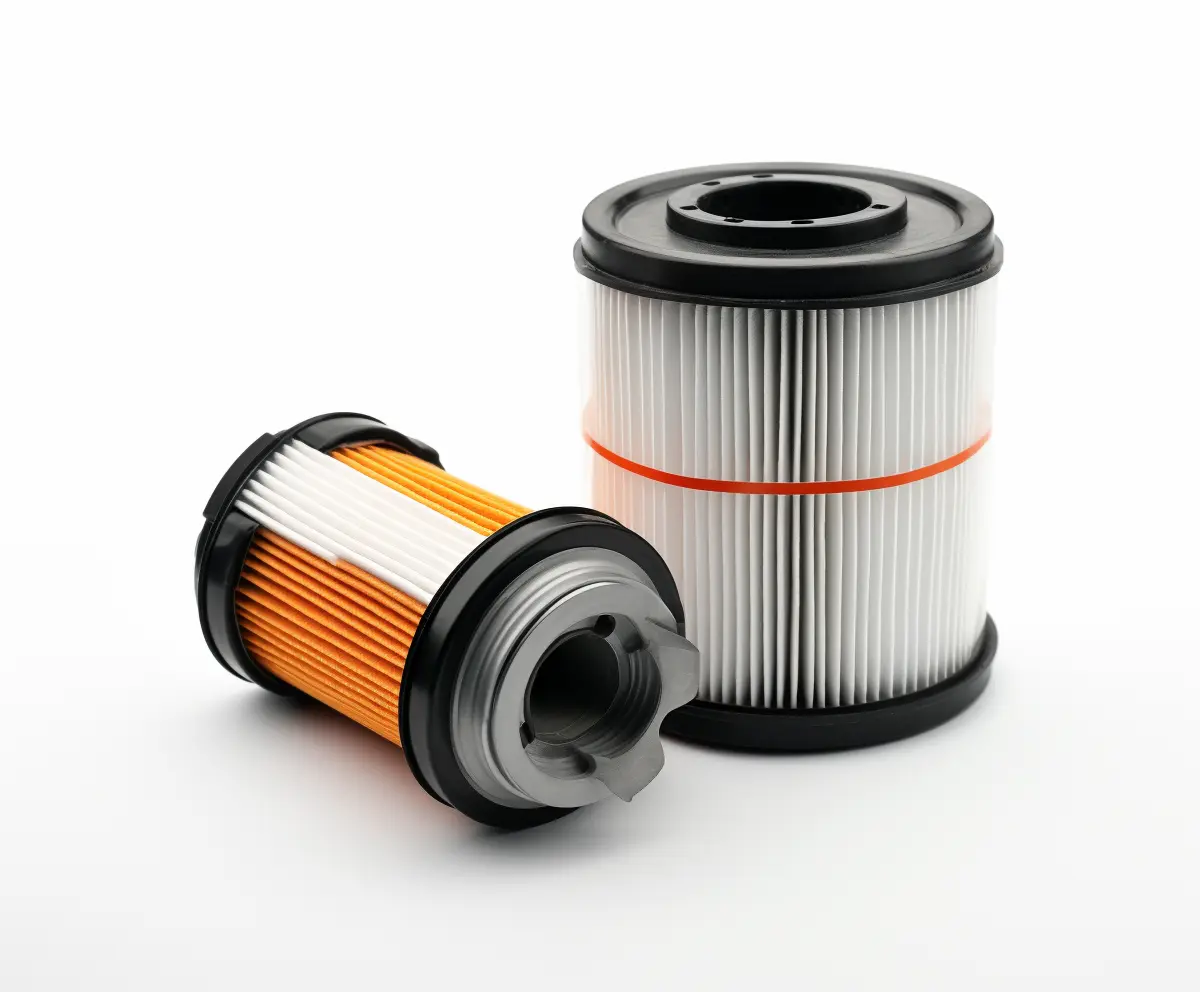
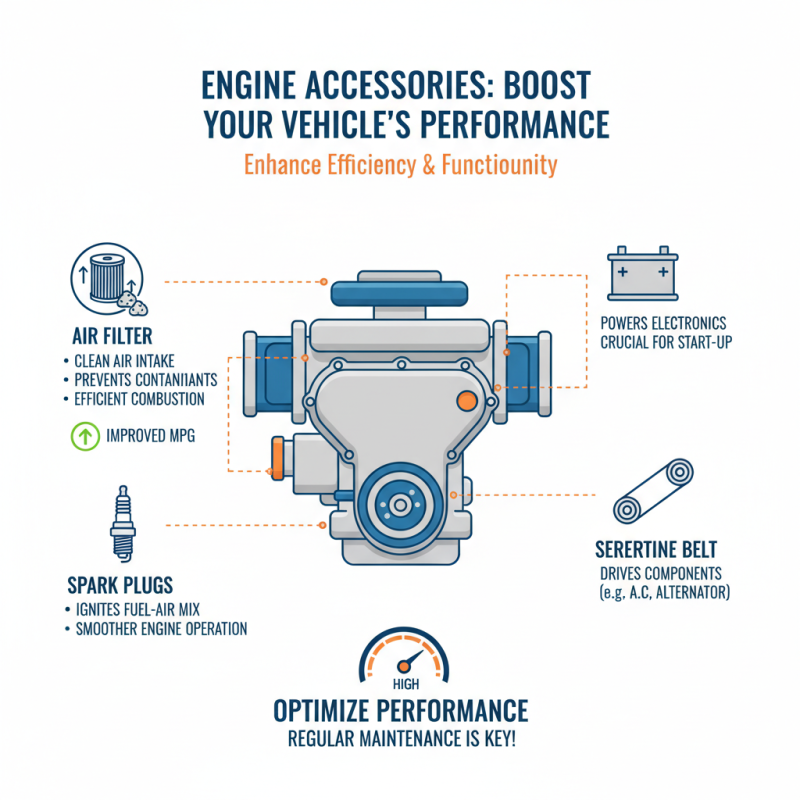
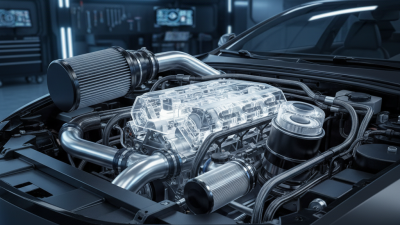
Engine accessories play a crucial role in how your vehicle performs. They enhance functionality and improve efficiency. Each accessory contributes to operating conditions, making it vital to understand them. For instance, air filters keep contaminants out of the engine. A clean filter improves air intake, leading to a more efficient combustion. Neglecting this can result in a sluggish engine.
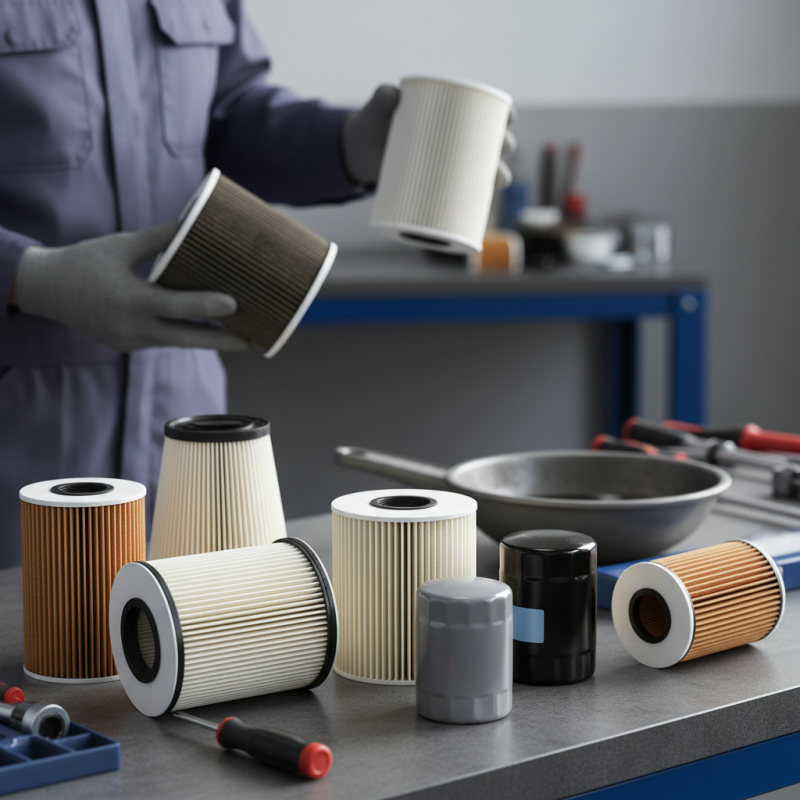
Oil filters are equally important. They trap dirt and debris, keeping the engine clean. A clogged filter can damage engine components. Regularly changing oil filters can extend engine life. Other accessories, like fuel filters, also impact performance. They ensure clean fuel reaches the engine. Dirty fuel can lead to costly repairs. Many car owners overlook these parts.
When it comes to accessories, knowledge is essential. Not all parts are created equal. Some may not perform well under specific conditions. Choosing the right accessory requires research. It’s easy to get overwhelmed by options. However, prioritizing quality can save time and money. Consider how each piece contributes to your overall vehicle health.
Common Types of Engine Filters and Their Functions
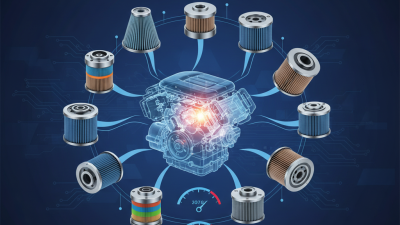
Engine filters play a crucial role in maintaining vehicle performance. They prevent contaminants from entering vital components. Common types include air filters, oil filters, and fuel filters. The Society of Automotive Engineers reports that clean air filters can improve engine efficiency by up to 10%. This improvement contributes significantly to overall fuel economy.
Air filters block dirt and debris from the intake system. When clogged, they reduce airflow, leading to decreased horsepower. Oil filters remove impurities from engine oil. According to industry data, a dirty oil filter can result in about 50% less efficiency in filtration. This can lead to engine wear. Fuel filters safeguard the injectors by filtering out dirt present in fuel.
It’s important to check and replace these filters regularly. Many drivers overlook this, potentially costing them performance and longevity. A simple inspection can often prevent larger issues. Regular maintenance is critical, yet many ignore these basic checks. Recognizing their importance may save time and money in the long run.
Key Features to Look for When Choosing Engine Filters
When selecting engine filters, it's vital to focus on several key features. High filtration efficiency is crucial. A quality filter captures 99% of harmful particles. This statistic, reported by the Automotive Filter Manufacturers Association, highlights the importance of an efficient filtration system. It prevents contaminants from entering the engine, protecting performance and longevity.
Another important aspect is the filter's compatibility with your engine type. Various engines have unique requirements. A mismatch can lead to decreased performance or damage. Additionally, consider the filter's construction quality. Materials like synthetic fibers often provide better protection than conventional options.
Monitoring filter maintenance is equally essential. Regular replacement is important for optimal engine function. Indicators suggest that up to 30% of vehicle owners neglect this task. This oversight can lead to increased wear on engine components. Therefore, being informed about the filter's lifespan and replacement intervals is necessary. Ignoring these factors can result in costly repairs down the line. Proper attention to these key features ensures smoother operation and improved engine efficiency.
Top 10 Engine Accessories Filter Tips You Need to Know
This chart displays the key features to look for when choosing engine filters, comparing their importance based on user preferences.
Maintenance Tips for Prolonging the Life of Engine Filters
When it comes to engine filters, maintenance is key for longevity. Proper care can save you money in the long run. Regular inspection is crucial. Look for debris or signs of wear. A clogged filter can affect engine performance. This applies to oil, fuel, and air filters alike.
Replace filters at recommended intervals or even sooner if necessary. A dirty filter reduces efficiency. Clean your air filter regularly for optimal airflow. It’s easy, quick, and often overlooked. Don’t just check—act! Neglecting these tasks can lead to bigger issues down the line.
Pay attention to your driving habits, too. Frequent stop-and-go driving can clog filters faster. If you notice decreased performance, it’s time to check those filters. Awareness is vital for engine health. Keeping filters in good condition is a small effort for great returns.
Signs It's Time to Replace Your Engine Accessories and Filters
Engine accessories and filters are vital for optimal performance. Recognizing when to replace them can save money and enhance efficiency. According to a report by the Automotive Maintenance Association, 25% of vehicles have overdue filter change intervals.
Signs of wear and tear often include changes in fuel efficiency and unusual noises from the engine. If your engine struggles to start or runs roughly, it may be time to inspect filters. A dirty air filter can reduce airflow by up to 10%. This can lead to decreased horsepower and acceleration issues.
Monitoring oil quality is just as crucial. A noticeable drop in oil pressure can indicate a failing oil filter. Additionally, if your engine emits smoke or strange smells, do not ignore these signs. Data shows that replacing filters at recommended intervals improves engine longevity by nearly 30%. Keeping track of these indicators can lead to better vehicle upkeep and cost savings over time.

 Products
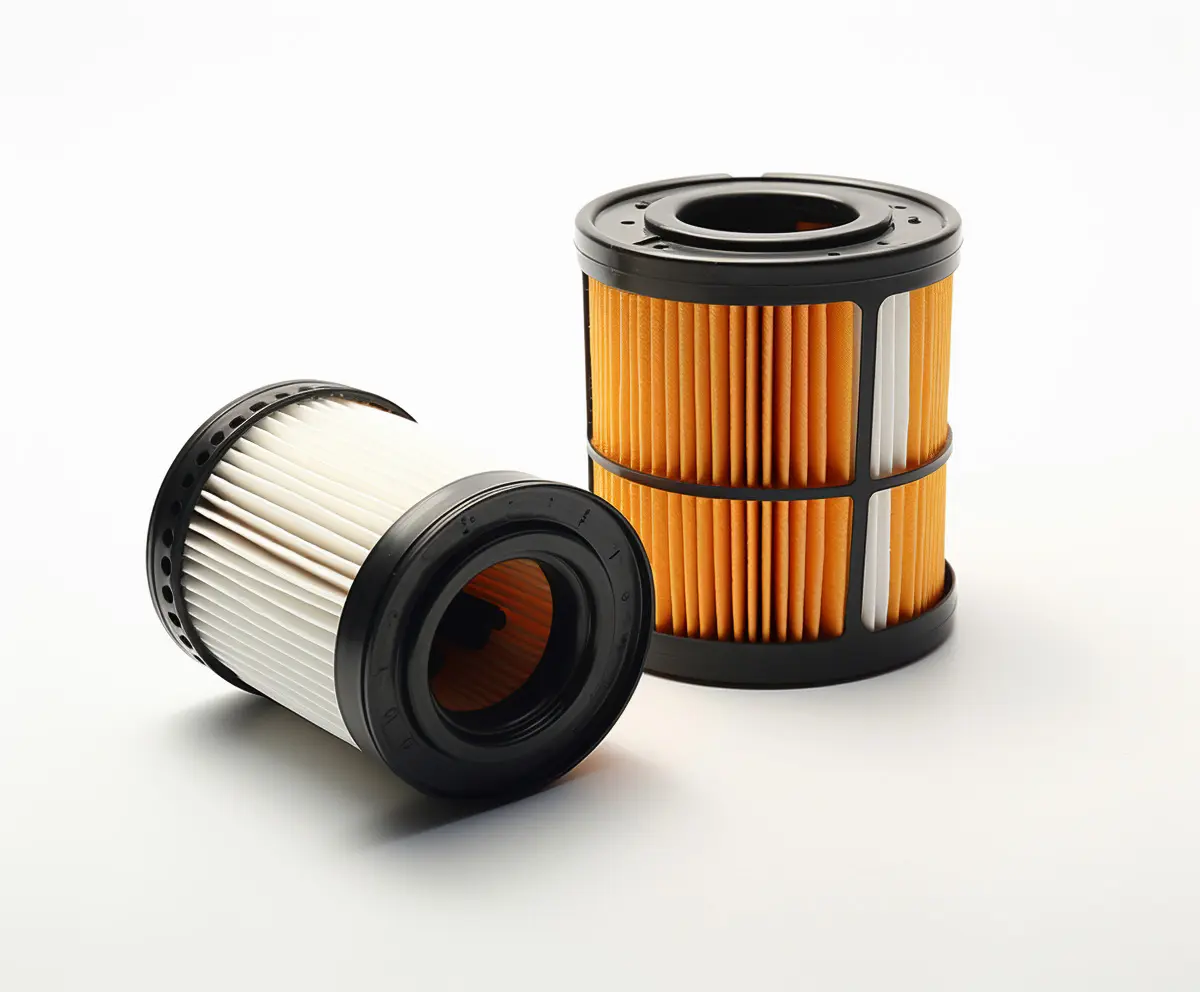
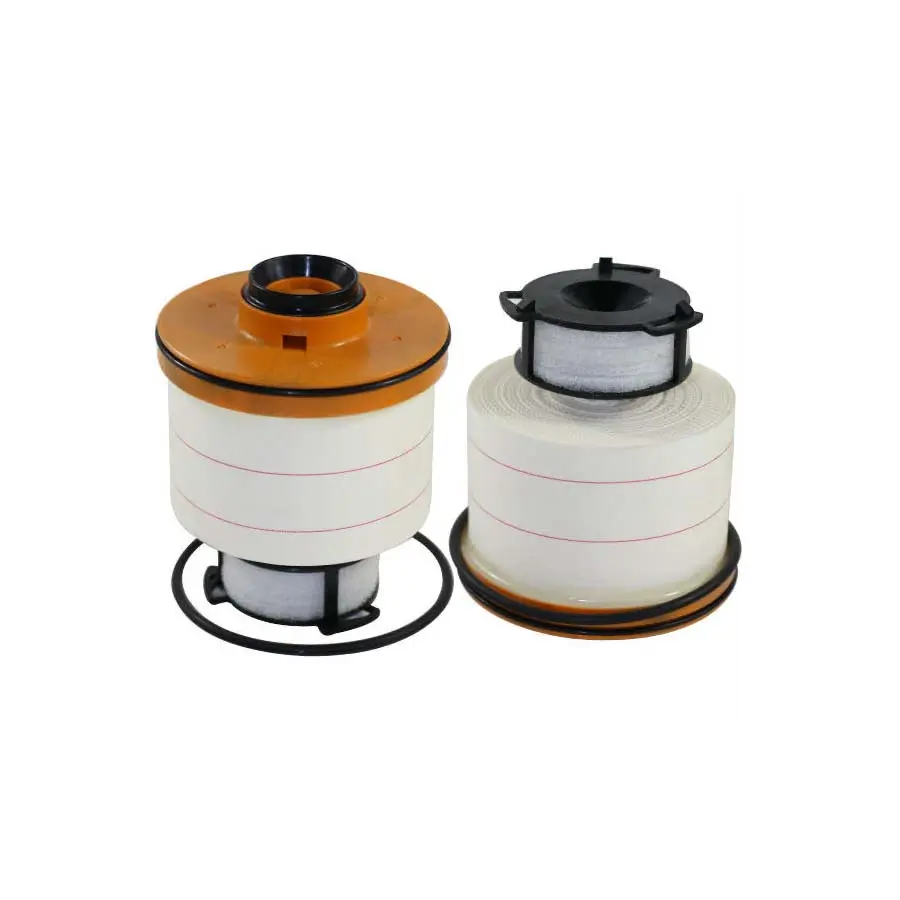 FUEL FILTER
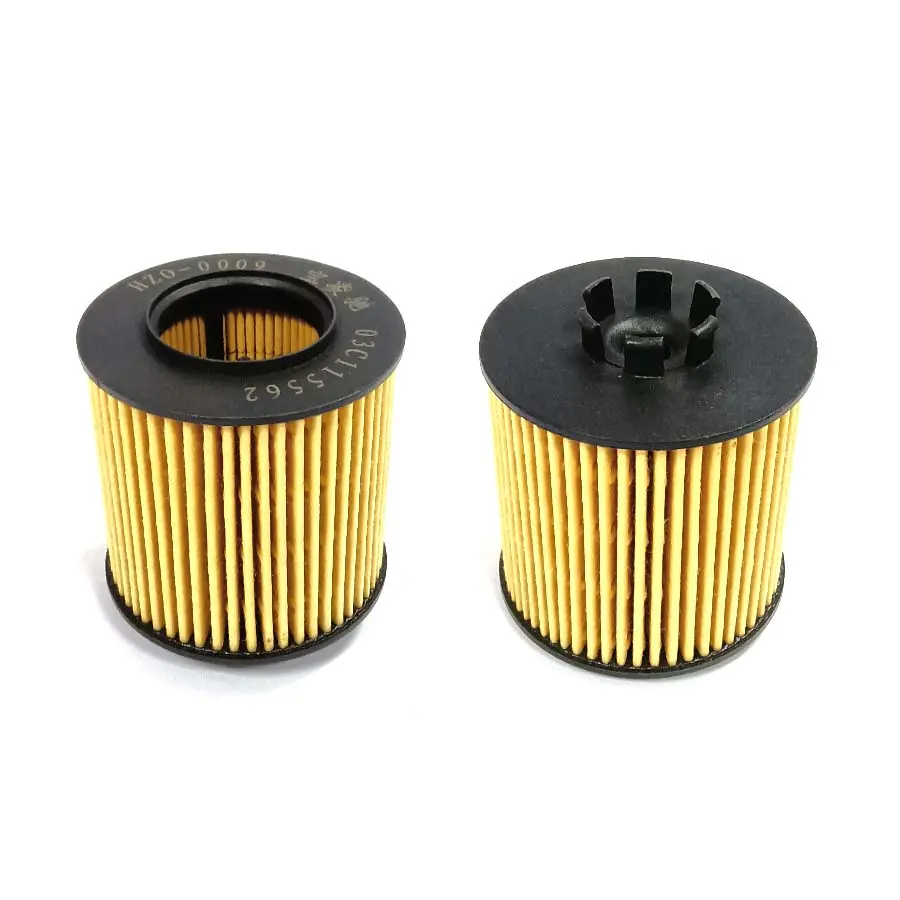 OIL ELEMENT FILTER
 OIL FILTER
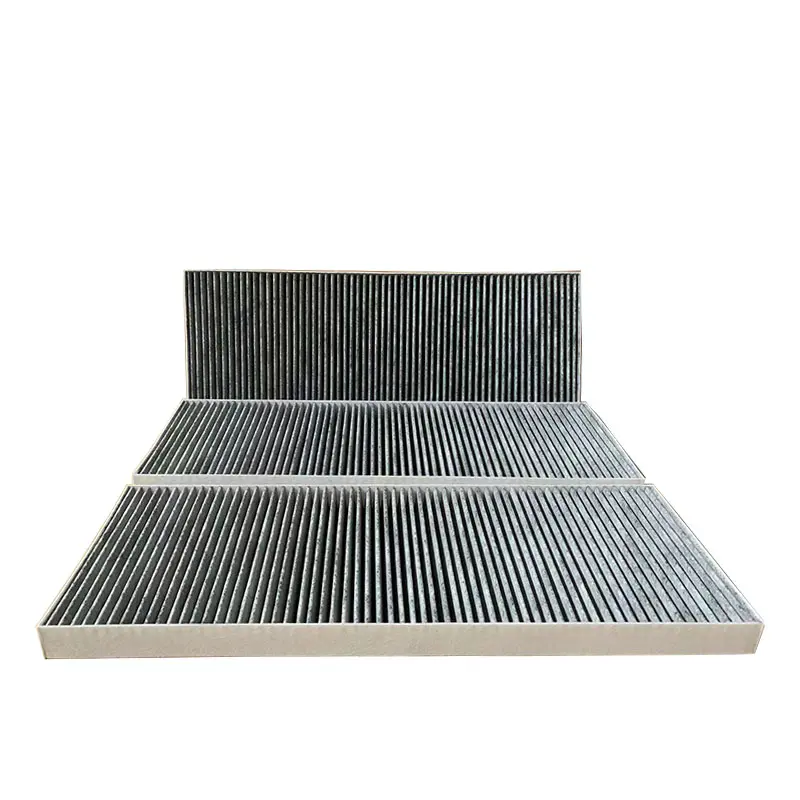 CABIN FILTER
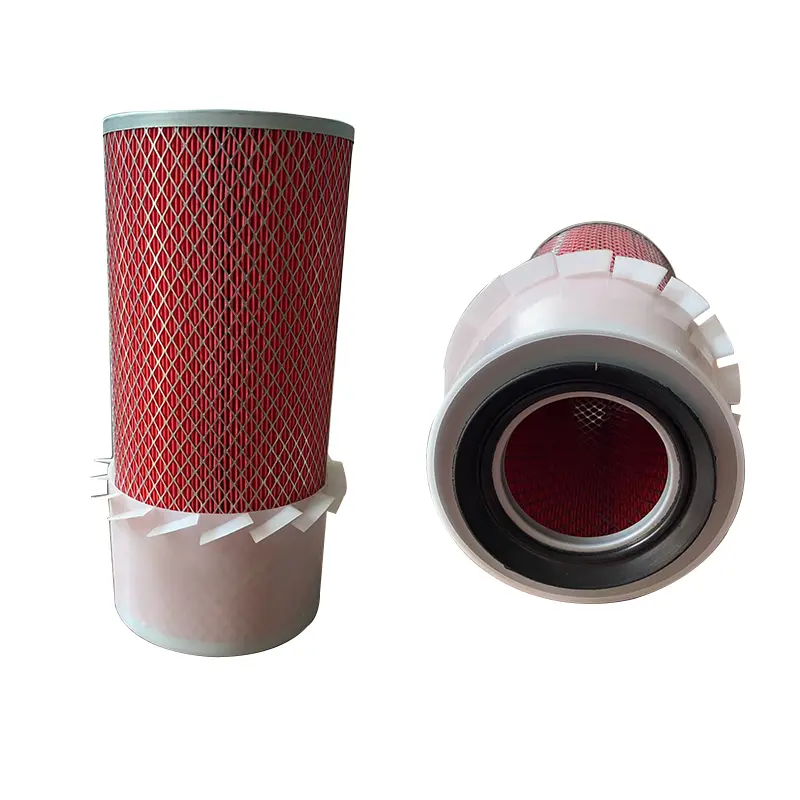 AIR FILTER