Top 10 Fuel Filters in China for Optimal Performance and Reliability?
In the rapidly evolving automotive industry, the role of the fuel filter cannot be overstated. Fuel filters are essential for maintaining engine performance and longevity. According to a report by ResearchAndMarkets, the global fuel filter market was valued at $3.77 billion in 2021 and is projected to reach $5.54 billion by 2029. This growth emphasizes the increasing demand for reliable fuel filtration systems.
In China, the market for fuel filters is witnessing significant transformations. With the rise in vehicle production and stricter emissions regulations, the importance of high-quality fuel filters has escalated. Interestingly, around 30% of engine failures are attributed to ineffective fuel filtration. Thus, selecting the right fuel filter plays a crucial role in vehicle reliability.
However, even with advancements, challenges remain. Many consumers are unaware of the differences among various fuel filters on the market. This can lead to suboptimal choices that hinder vehicle efficiency. Awareness of what constitutes an optimal fuel filter is vital for vehicle owners aiming for superior performance. In this article, we will explore the top 10 fuel filters available in China, focusing on performance and reliability.
Overview of Fuel Filters and Their Importance in Automotive Systems
Fuel filters play a crucial role in automotive systems, acting as the first line of defense against contaminants. They prevent dirt, debris, and impurities in the fuel from damaging sensitive engine components. This protection is essential for optimal engine performance and longevity. A clean fuel system helps improve combustion efficiency. Consequently, it leads to better fuel economy and reduced emissions.
Maintaining reliable fuel filters is key for vehicle owners. Filters should be replaced regularly to avoid clogs that can disrupt fuel flow. Inadequate filtration can lead to engine misfires or stalling, affecting overall performance. Drivers may overlook this aspect, thinking fuel quality alone will suffice. However, underestimating the importance of fuel filters can result in costly repairs down the line.
Choosing a high-quality fuel filter is not always straightforward. There are many options on the market, and not all are created equal. It's important to consider the filter's efficiency rating and the specific needs of your vehicle. Some filters may not perform well under certain conditions, highlighting the need for further research. Taking time to assess available choices can help in achieving better performance and reliability.
Top 10 Fuel Filters in China for Optimal Performance and Reliability
| Rank |
Type |
Filtration Efficiency (%) |
Flow Rate (L/min) |
Service Life (Miles) |
Price (CNY) |
| 1 |
Inline Filter |
99 |
30 |
15,000 |
200 |
| 2 |
Cartridge Filter |
98 |
25 |
12,000 |
180 |
| 3 |
Strainer |
95 |
35 |
20,000 |
150 |
| 4 |
Spin-On Filter |
97 |
28 |
18,000 |
220 |
| 5 |
Magnetic Filter |
93 |
22 |
25,000 |
250 |
| 6 |
Pre-Filter |
96 |
40 |
16,000 |
170 |
| 7 |
Fuel Water Separator |
99.5 |
30 |
20,000 |
300 |
| 8 |
High-Performance Filter |
97 |
33 |
22,000 |
275 |
| 9 |
Electromagnetic Filter |
94 |
27 |
24,000 |
230 |
| 10 |
Multi-Layer Filter |
98 |
32 |
15,000 |
190 |
Criteria for Selecting the Best Fuel Filters for Performance and Reliability
Selecting the best fuel filters requires careful consideration of several criteria. Performance and reliability are paramount. A good fuel filter ensures optimal engine function and longevity. Look for filters that provide efficient particulate removal. The right choice can prevent engine wear and enhance combustion efficiency. Not all fuel filters are created equal.
Material quality is another vital factor. Filters made from durable materials resist damage and wear over time. Consider filters with a multi-layer design. This construction enhances filtration while maintaining adequate fuel flow. A poorly designed filter can lead to clogs and reduced engine performance.
Tips: Regular maintenance is essential. Changing fuel filters at recommended intervals prevents buildup. Check for manufacturer specifications to ensure compatibility with your engine. Investing time in research pays off. Each choice impacts your vehicle’s reliability and performance. Fuel filters are crucial in maintaining peak engine function.
Top 10 Fuel Filters in China: Features and Specifications
When selecting fuel filters in China, it's essential to examine features and specifications closely. High-quality fuel filters improve engine performance. They trap dirt, contaminants, and particles. This process increases fuel efficiency and extends engine lifespan.
Typically, filters come in various designs, like cartridge or inline types. Material composition matters too. Many use synthetic fibers, while some use paper. Synthetic filters often provide better filtration. Paper filters might struggle with heavier contaminants. Each type has its pros and cons.
Consider flow rates as well. A filter with a higher flow rate offers better performance for high-demand engines. However, this can compromise filtration quality. A balance is crucial. Look for certifications that indicate reliability. They ensure the filter meets specific industry standards. Consumers should prioritize these aspects to make informed decisions.
Top 10 Fuel Filters in China for Optimal Performance and Reliability
This chart illustrates the filtration efficiency of the top 10 fuel filters available in China. Each filter demonstrates varying levels of efficiency, showcasing their reliability for optimal performance.
Comparison of Fuel Filter Brands Available in the Chinese Market
The fuel filter market in China is diverse. The performance and reliability of these filters can significantly affect engine efficiency. Research indicates that high-quality filters can enhance fuel economy by up to 10%. This statistic suggests the importance of selecting the right brand.
Multiple comparison studies reveal key differences among fuel filter brands. Some manufacturers emphasize advanced filtration technology, while others focus on cost-effectiveness. In terms of filtration efficiency, top-tier filters often boast rates over 99%, effectively removing contaminants. However, not all affordable options provide adequate protection. The risk of engine wear increases with subpar filters.
Consumer reports indicate that many drivers are unaware of a filter's lifespan. On average, filters should be replaced every 10,000 to 15,000 kilometers. However, some users delay this maintenance. This negligence can lead to decreased vehicle performance. Choosing a reliable brand is essential. Understanding the trade-offs in performance and pricing is crucial for consumers.
Maintenance Tips for Prolonging Fuel Filter Lifespan and Performance
Regular maintenance of fuel filters enhances vehicle performance. A clean filter ensures better fuel flow and engine efficiency. It’s essential to know how to prolong their lifespan.
One effective tip is to replace fuel filters regularly. Changing them every 15,000 to 30,000 miles can prevent clogs. Drivers often overlook this and face performance issues. Observe signs of reduced power or stalling, as these often indicate a dirty filter.
Another useful practice is to keep the fuel tank at least half full. This minimizes condensation and keeps dirt at bay. Additionally, using high-quality fuel reduces impurities. Many people ignore these aspects, yet they play a vital role in maintaining fuel filters. Remember, a small investment in care can lead to significant improvements in your vehicle's performance.

 Products
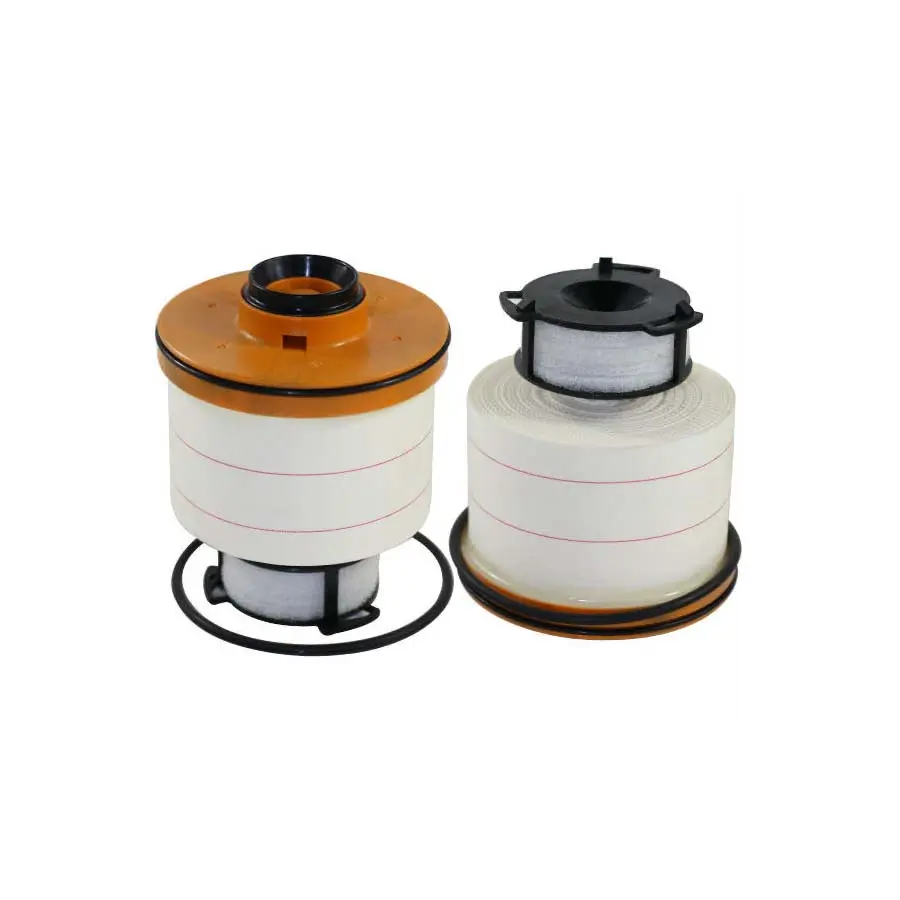 FUEL FILTER
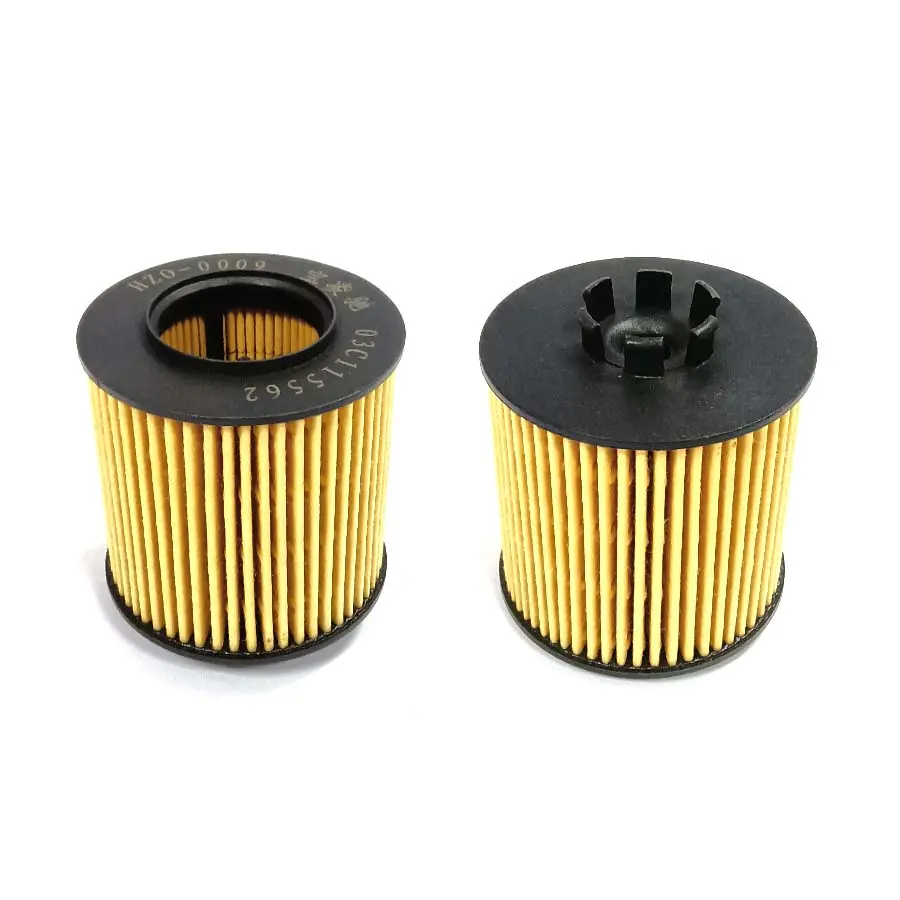 OIL ELEMENT FILTER
 OIL FILTER
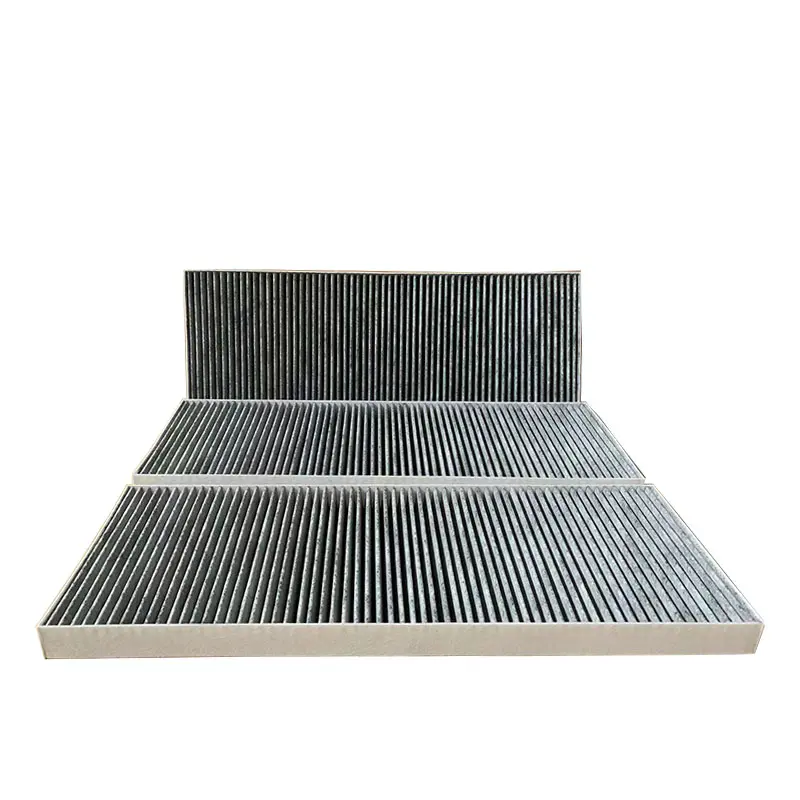 CABIN FILTER
 AIR FILTER