Top 5 Tips for Choosing the Right Truck Filter?
Choosing the right truck filter can significantly affect your vehicle's performance. As industry expert John Peterson, a veteran in truck maintenance, states, "A quality filter can extend the lifespan of your truck." This statement highlights the importance of selecting the right filter for optimal results.
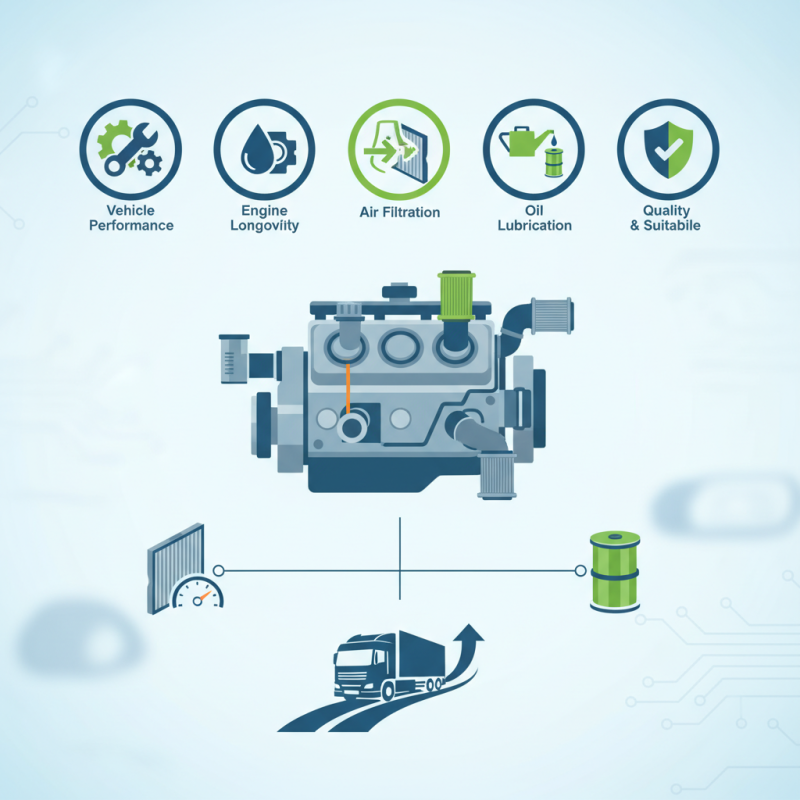
Truck filters come in various types, each serving specific functions. Understanding these filters is crucial. For instance, air filters help maintain engine efficiency, while oil filters ensure clean lubrication. Many truck owners overlook the impact these elements have on overall reliability. This oversight can lead to costly repairs down the road.
When considering a truck filter, pay attention to the brand and specifications. Not all filters are created equal, and subpar options can fail under pressure. It's essential to assess what your truck truly needs. By prioritizing quality and suitability, you can enhance your truck's performance and longevity in the long run.
Understanding Different Types of Truck Filters Available in the Market
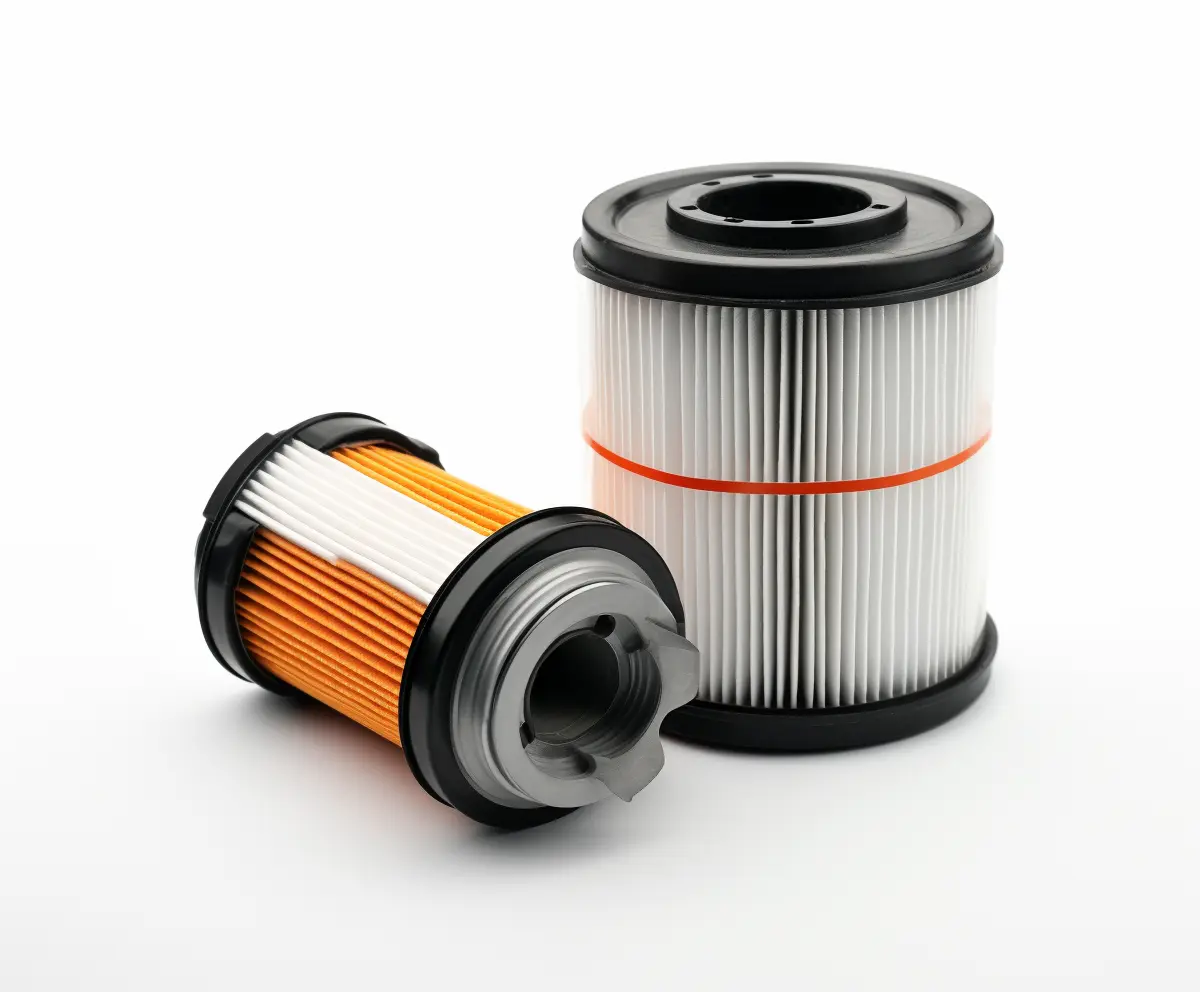
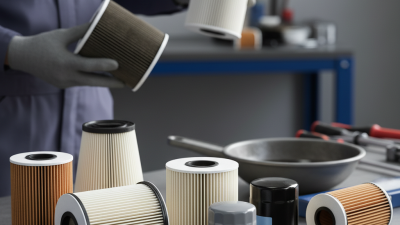
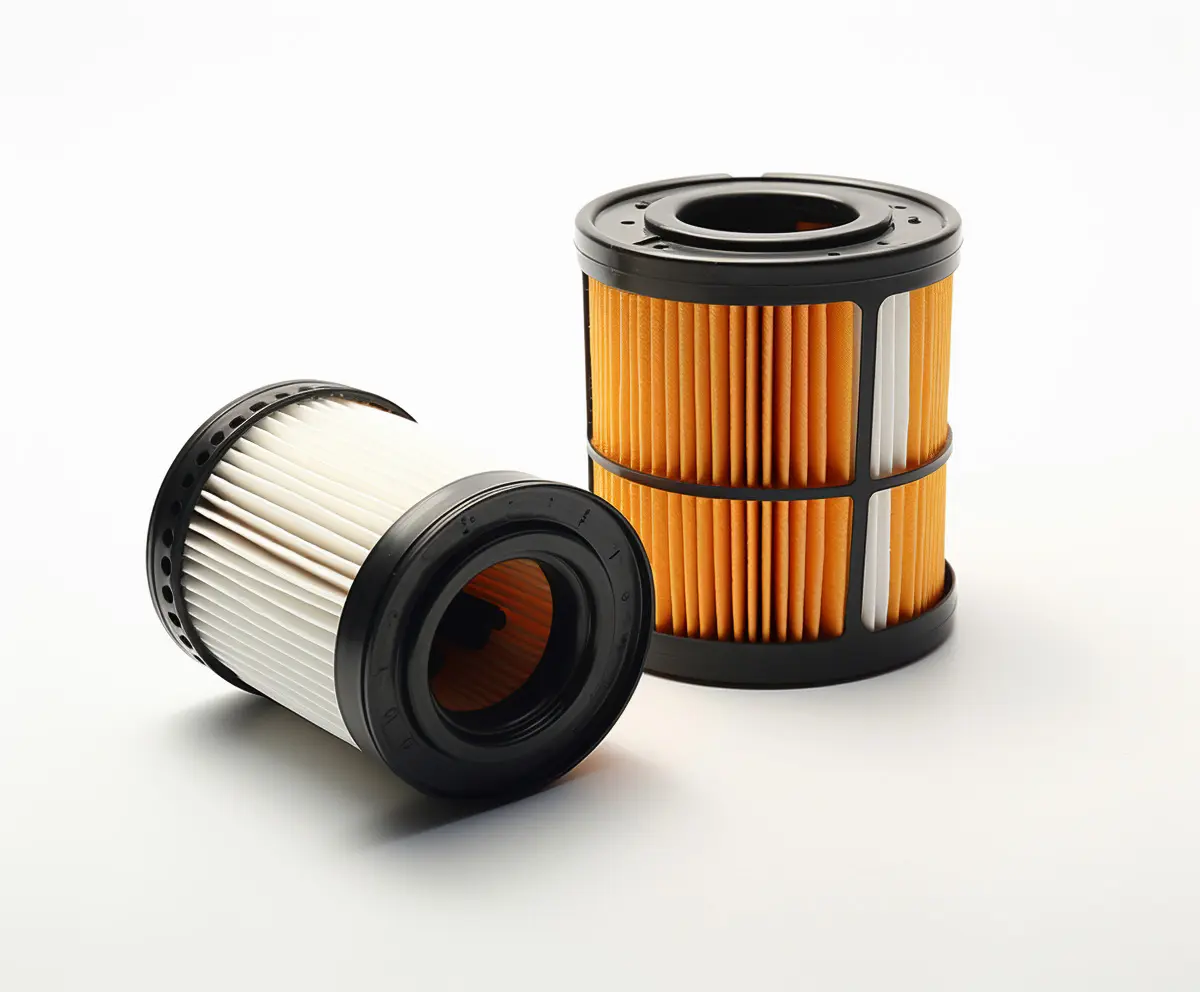
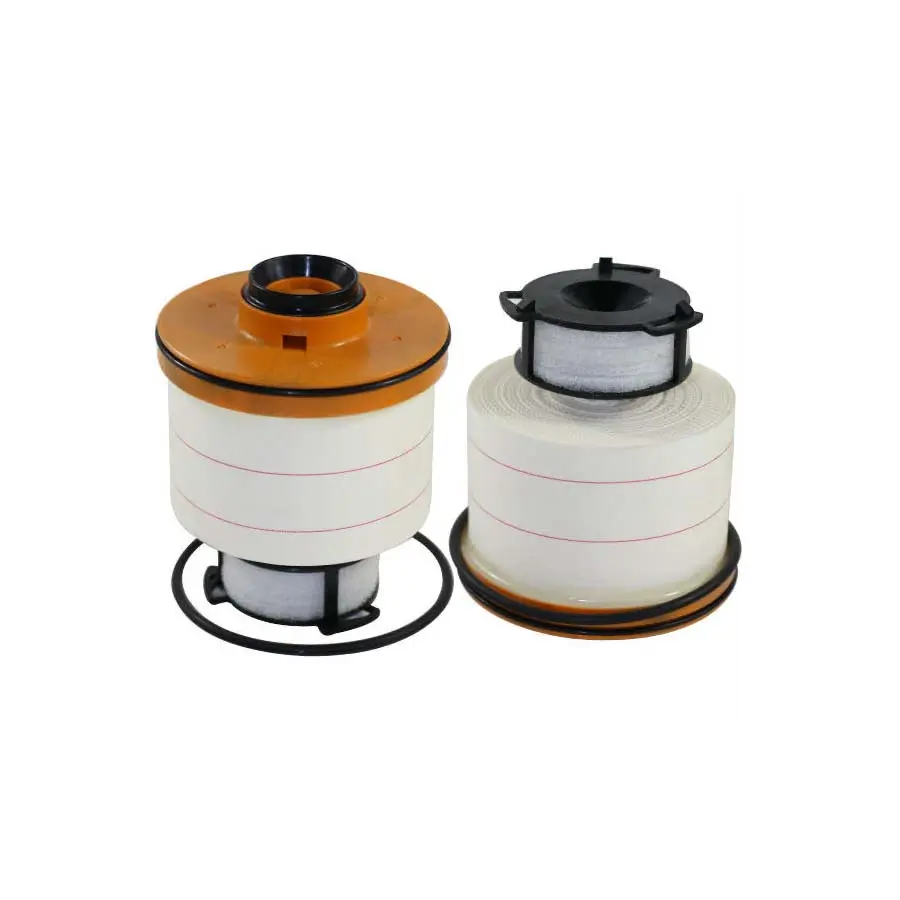
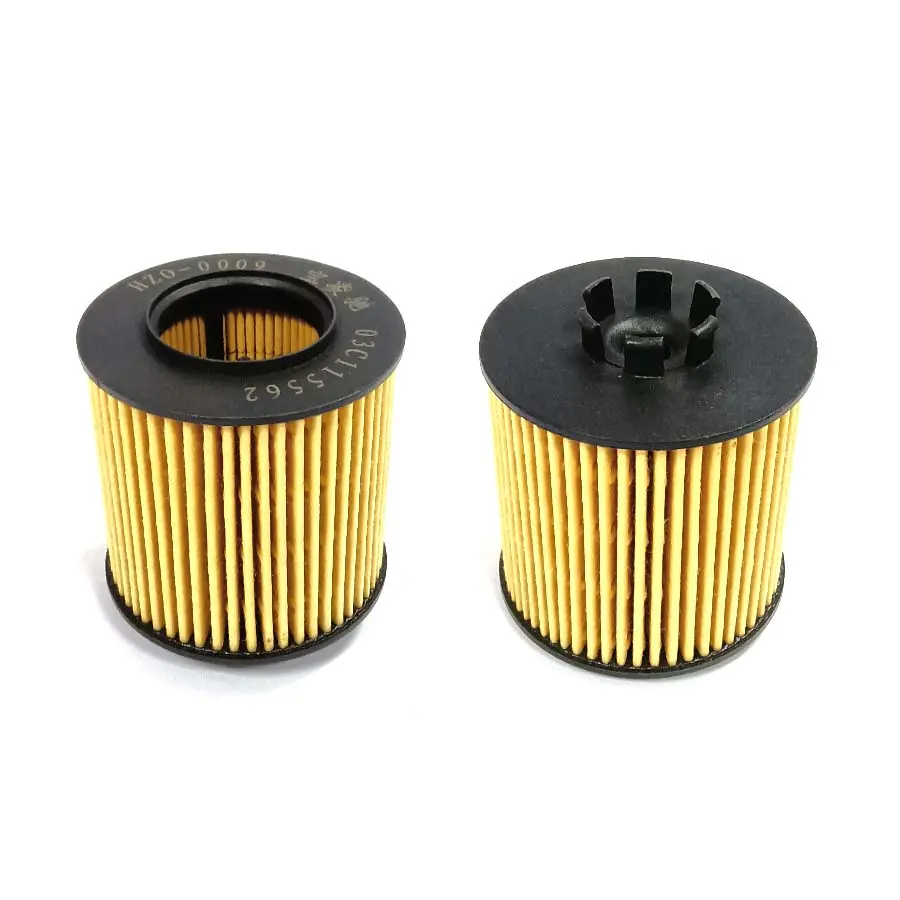
When selecting a truck filter, it’s essential to understand the various types available on the market. Truck filters primarily include air filters, oil filters, and fuel filters. Each type serves a unique purpose in maintaining your truck's performance. Air filters prevent dirt and grime from entering the engine, while oil filters clean the engine oil, ensuring proper lubrication. Fuel filters play a crucial role in removing contaminants from fuel, protecting the engine's fuel system.
One important tip is to check compatibility. Make sure the filter you choose fits your truck model perfectly. An incompatible filter might not function correctly. Next, consider the filtration efficiency. A high-quality filter captures more contaminants, extending your engine's lifespan. Look for filters that offer a good balance between price and filtering capabilities.
It’s also wise to consult with experts or experienced truck owners. Their insights can guide you towards reliable choices. Online reviews can highlight filters that have performed well over time. Lastly, think about maintenance frequency. Some filters require more frequent changes, impacting overall costs. These considerations can greatly affect your truck's efficiency and durability.
Top 5 Tips for Choosing the Right Truck Filter
| Filter Type |
Key Features |
Recommended For |
Lifespan |
| Air Filter |
Removes dirt and particles from incoming air |
Diesel and gasoline engines |
15,000 - 30,000 miles |
| Oil Filter |
Filters contaminants from engine oil |
All types of engines |
3,000 - 5,000 miles |
| Fuel Filter |
Cleans fuel of impurities and water |
Gasoline and diesel engines |
10,000 - 20,000 miles |
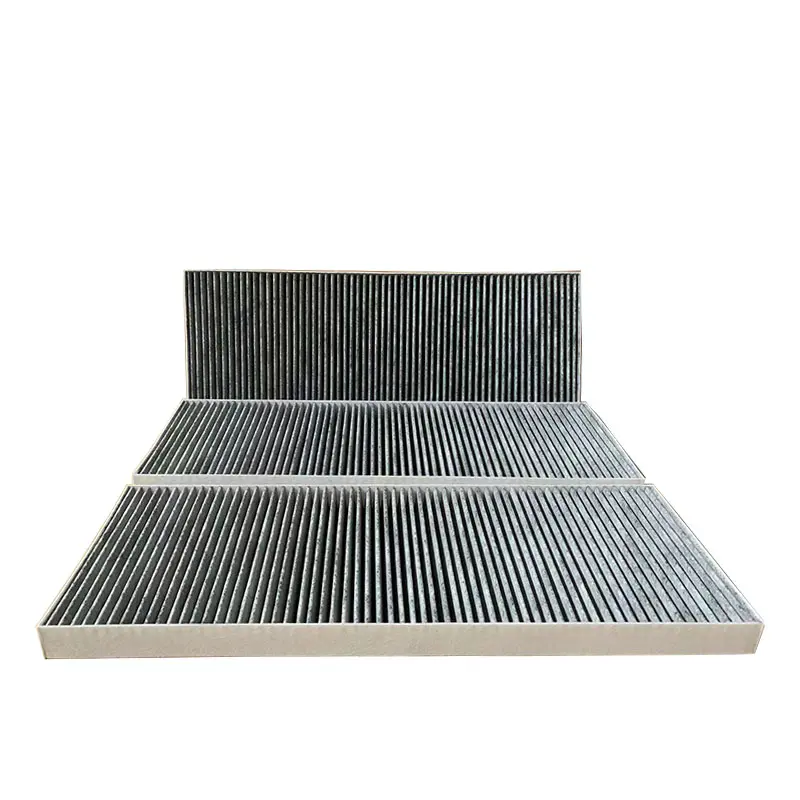
| Cabin Air Filter |
Filters outside air entering the cabin |
Passenger comfort and air quality |
15,000 - 25,000 miles |
| Transmission Filter |
Removes debris from transmission fluid |
Automatic transmissions |
30,000 - 50,000 miles |
Key Factors to Consider When Selecting Truck Filters
Choosing the right truck filter is crucial for vehicle performance and longevity. Key factors include filter type, compatibility, and maintenance recommendations. Understanding these elements can enhance engine efficiency and reduce repair costs.
Trucks operate under varying conditions. Filters must withstand dirt, soot, and moisture. According to industry data, improper filter selection can lead to a 10-20% reduction in engine performance. This emphasizes the importance of selecting the right filter that matches your specific needs.
When evaluating filters, consider the type—air, oil, fuel, or cabin. Each filter serves a different purpose. Additionally, check compatibility with your truck model. Many filters come with specifications that can guide your selection.
Tip: Regularly inspect filters every 5,000 miles. This practice extends their life and optimizes engine health. Remember, neglecting filter changes can lead to increased emissions and reduced fuel efficiency.
It’s also essential to stay updated on filter technology. Filters have improved significantly, but not all upgrades deserve attention. Research what advancements truly benefit your vehicle's performance without getting swept up in the marketing hype.
Assessing Filter Quality and Performance Metrics
When assessing filter quality, consider the filtration efficiency. The percentage of particles filtered out indicates a filter's effectiveness. Industry reports suggest that high-quality filters can remove over 99% of dirt and contaminants. This efficiency plays a vital role in prolonging the truck's engine life.
Another critical metric is the filter's flow rate. A balance between optimal airflow and filtration is essential. Filters with excessive flow can let in more contaminants, while restrictive ones can reduce engine performance. According to recent studies, filters with a proper flow rate can enhance fuel efficiency by up to 5%.
It’s crucial to evaluate the filter's durability. Some filters may seem effective but have a shorter lifespan. Report findings indicate that premium filters can last up to 30,000 miles before needing a replacement. Regularly checking your filter's condition is also important. Neglect can lead to performance issues over time. Understanding these metrics helps in making informed choices, even when options may appear similar.
Budget Considerations and Cost-Effectiveness of Filters
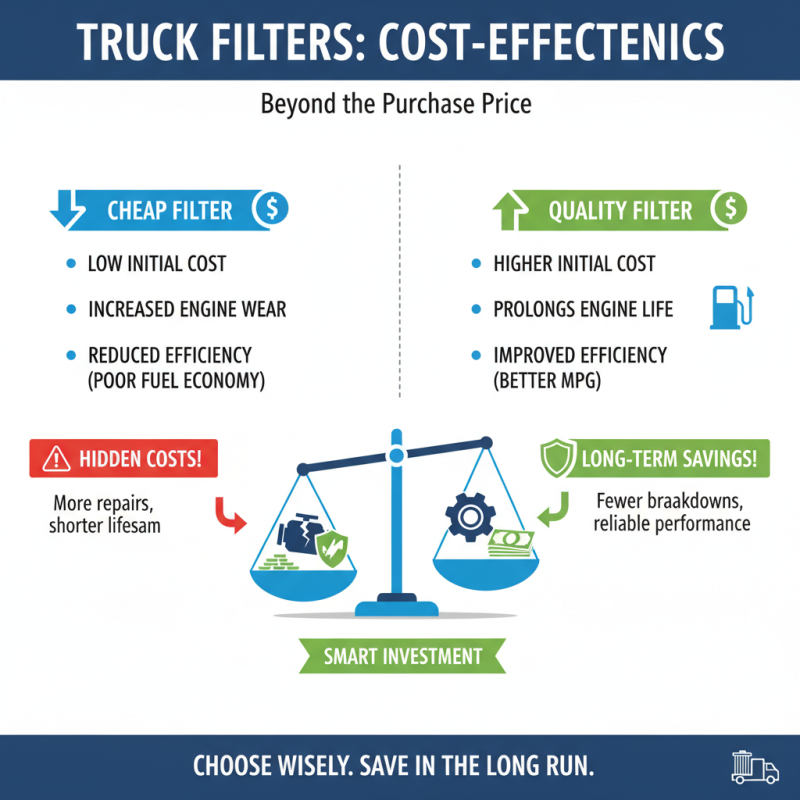
When selecting truck filters, budget considerations play a crucial role. Many drivers make the mistake of opting for the cheapest filter without considering the long-term costs. A low-priced filter may save money upfront, but could lead to increased engine wear and reduced efficiency over time. In this sense, it becomes essential to recognize the potential hidden costs associated with poor-quality options.
Understanding cost-effectiveness is key. It’s important to evaluate how often a filter needs to be replaced. Some filters may cost more initially but offer better filtration and durability. This results in fewer replacements and repairs in the long run. Research shows that investing in a reliable filter can improve engine performance, increasing fuel efficiency and extending vehicle lifespan.
It’s also vital to consider the specific requirements of your truck. Not every vehicle needs the same filter. Sometimes, a higher initial investment in a filter designed for your truck’s specific needs can save significant money down the road. Evaluate the manufacturer's recommendations, and reflect on your typical driving conditions. While it may seem simpler to choose an economical option, a well-researched decision will ultimately provide more value.

 Products
 FUEL FILTER
 OIL ELEMENT FILTER
 OIL FILTER
 CABIN FILTER
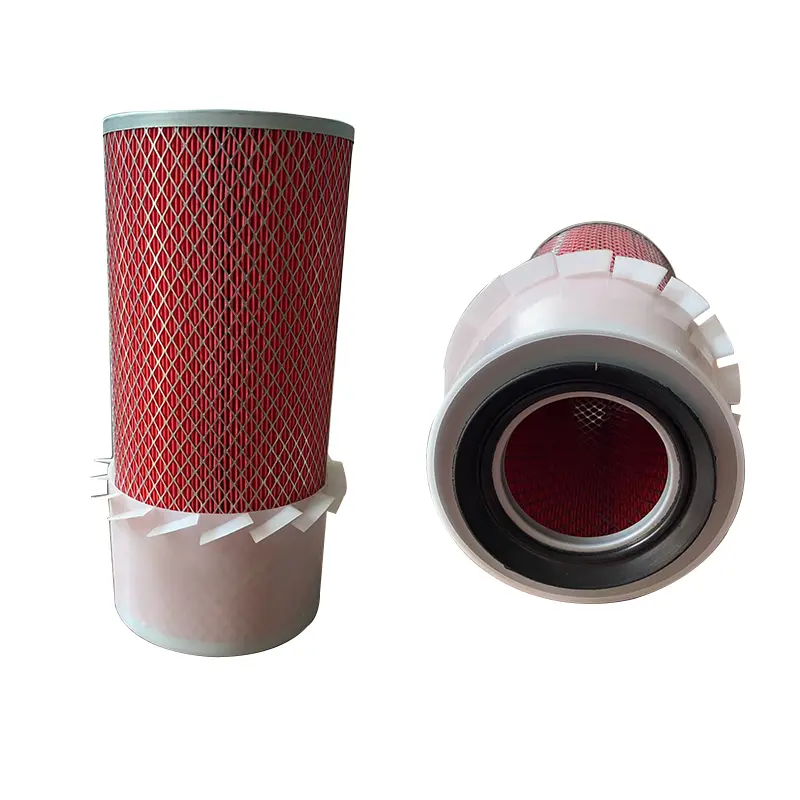 AIR FILTER