Inquiry
Form loading...

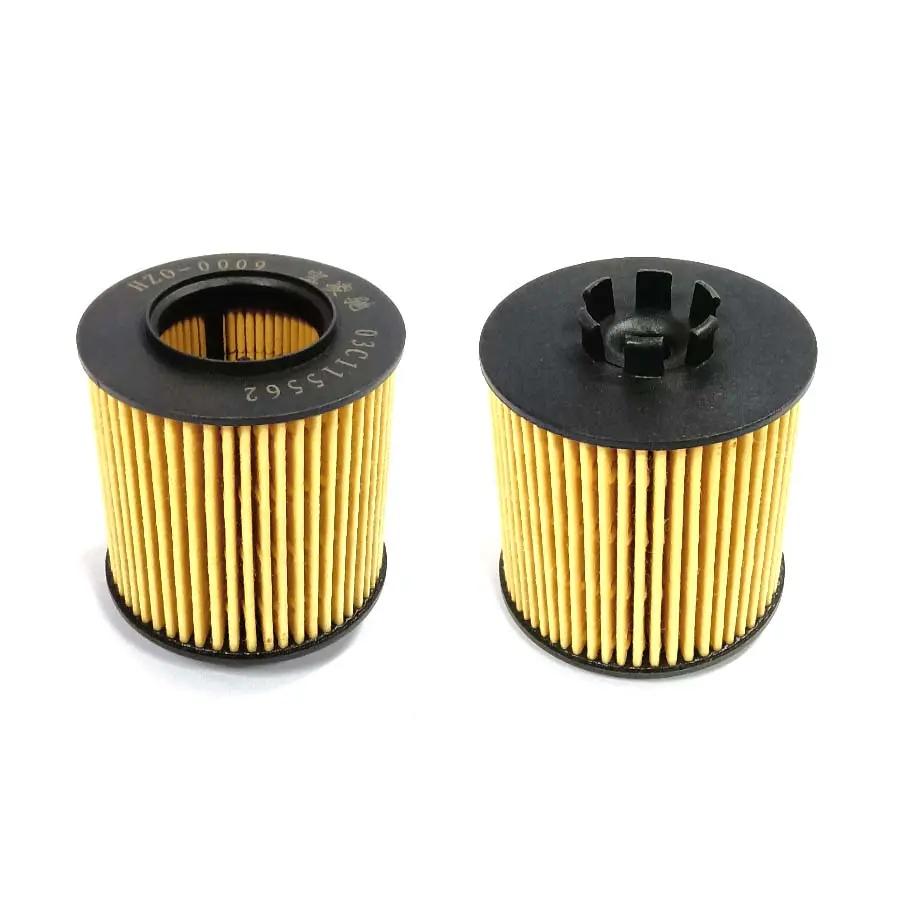
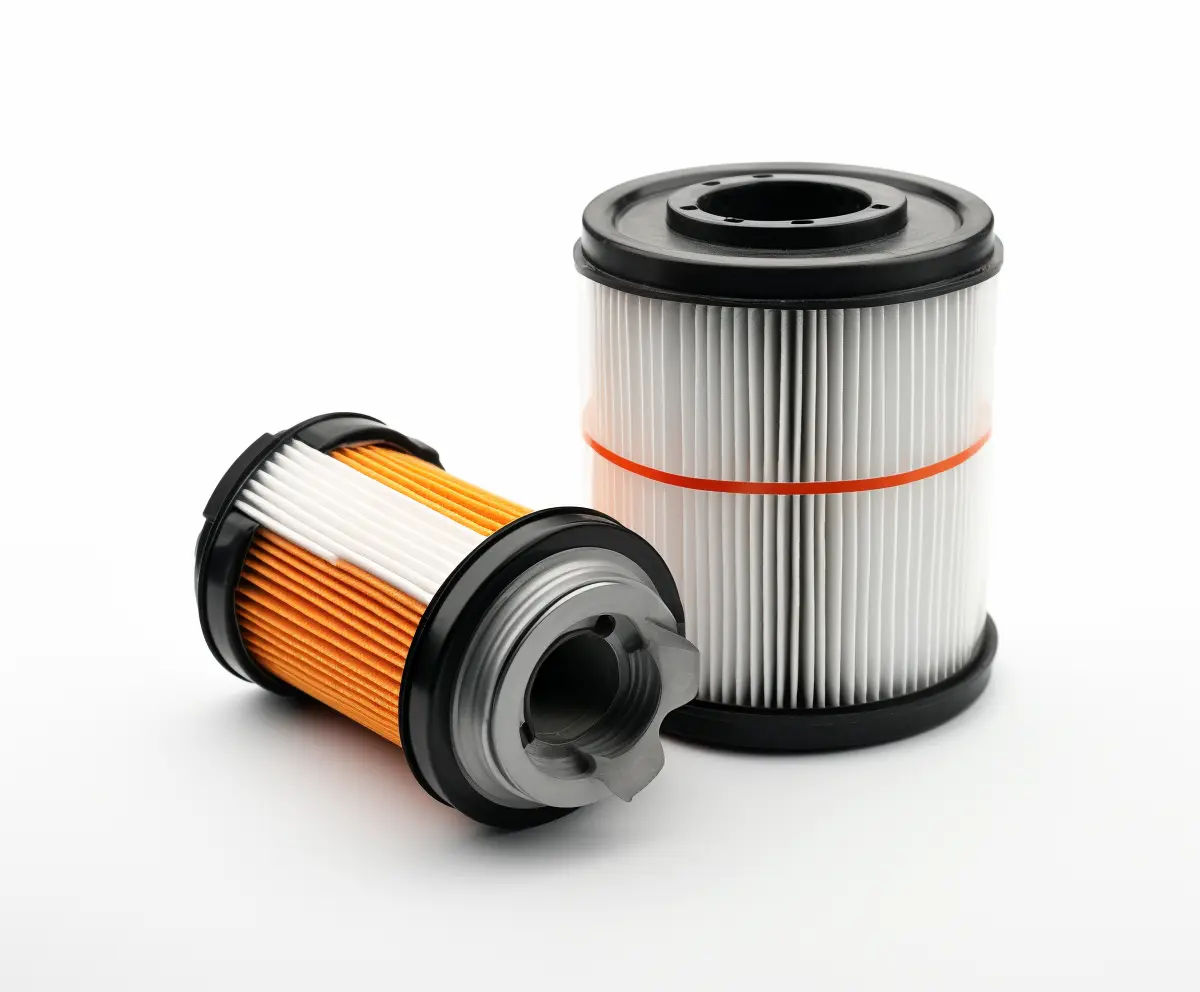
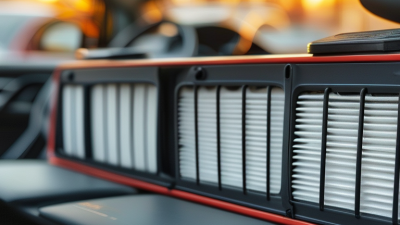
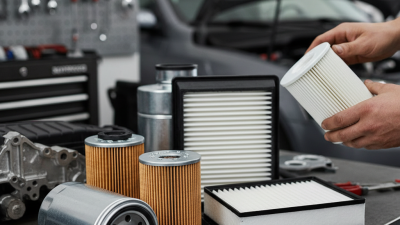
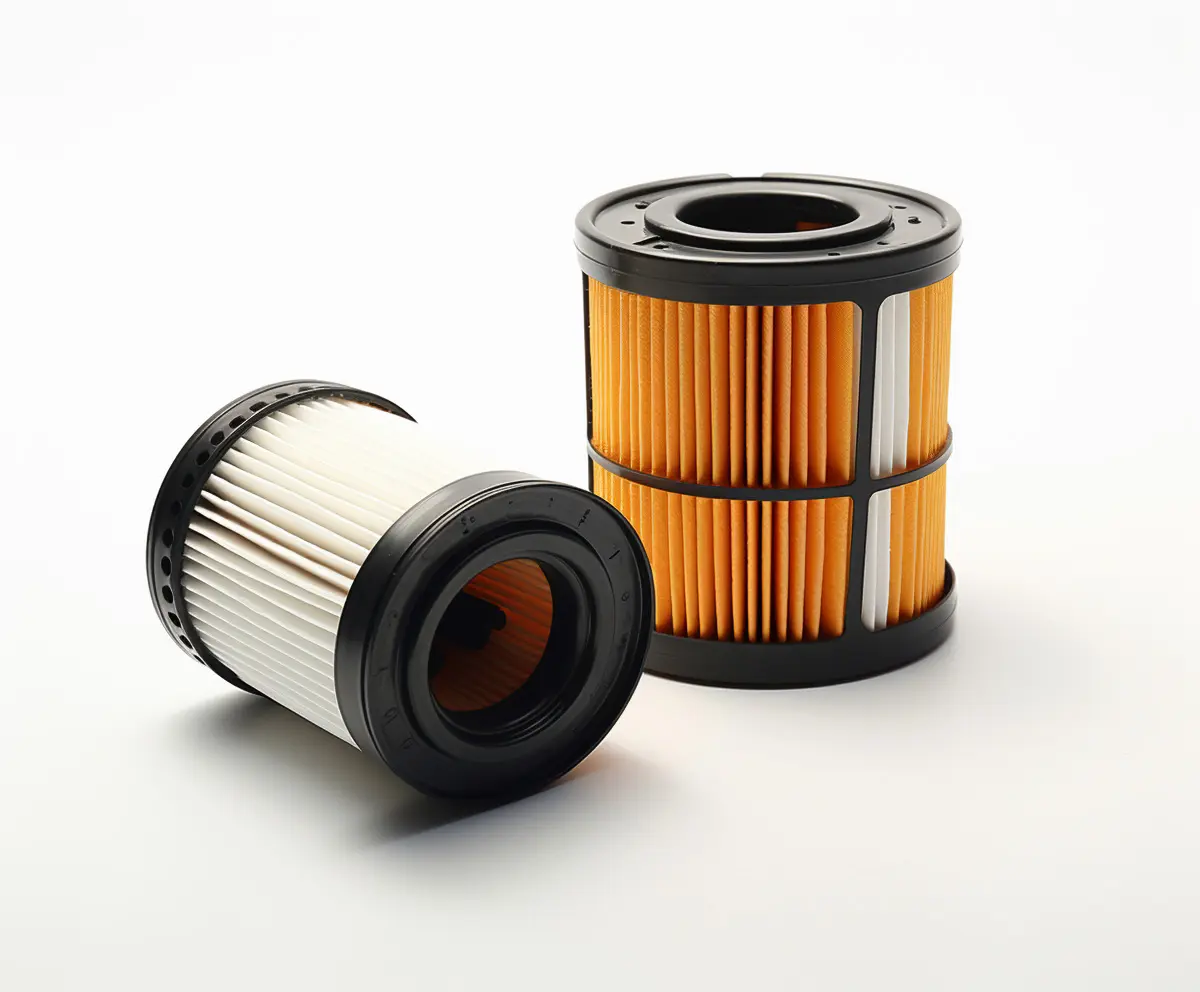
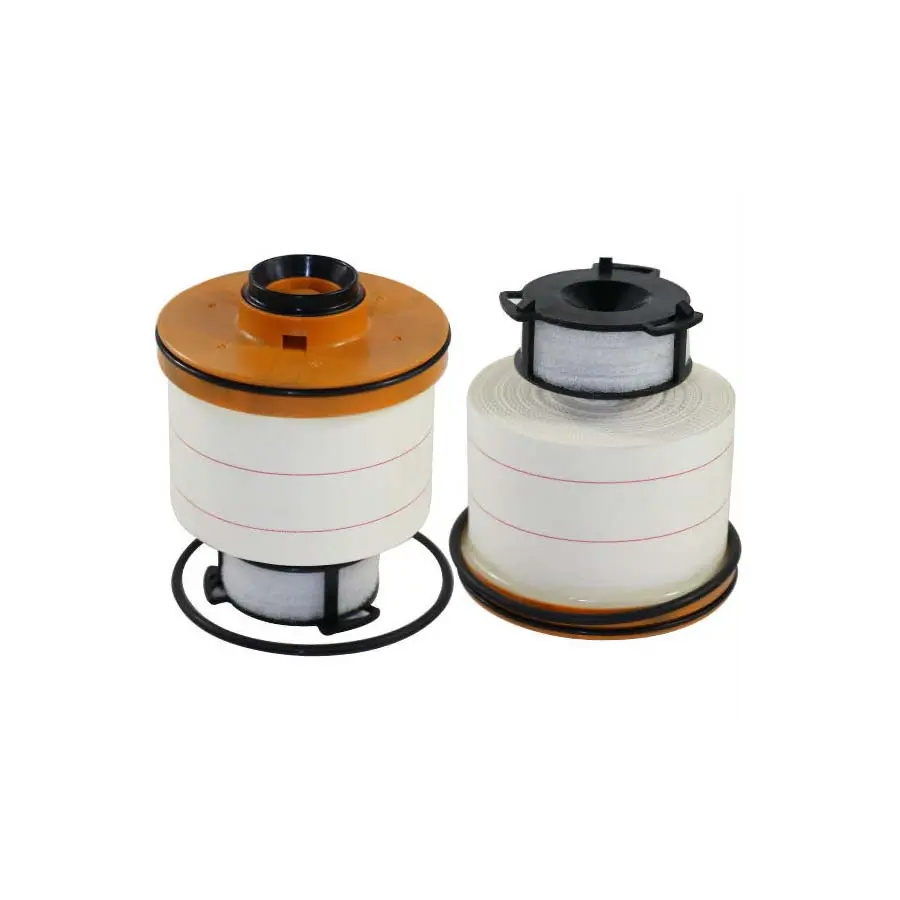
What Is an Auto Engine Parts Cabin Air Filter?

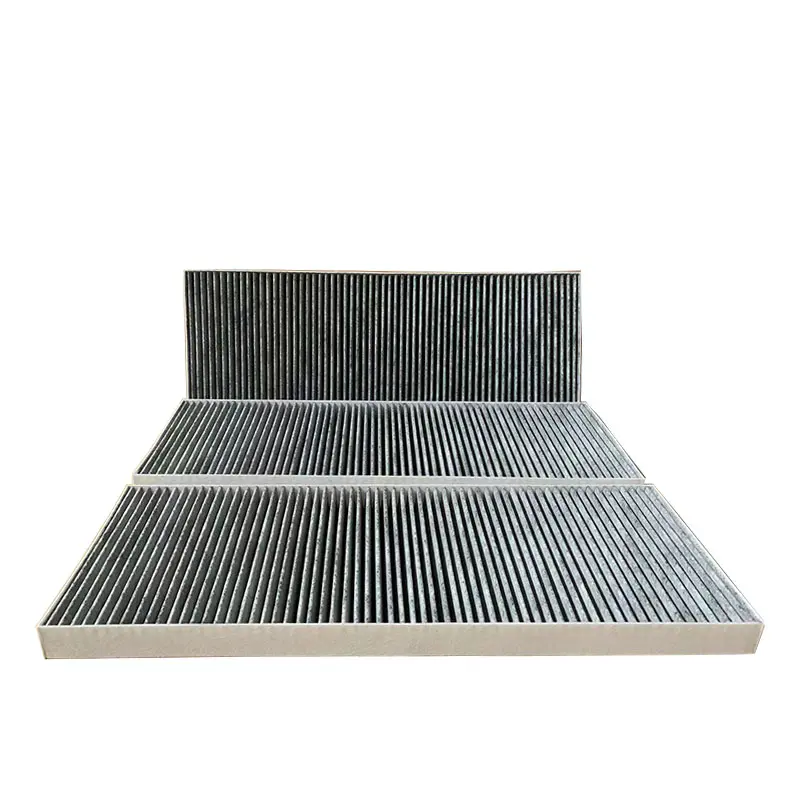
An Auto Engine Parts Cabin Air Filter is a replaceable component in a vehicle’s ventilation system. Despite its name, it usually does not clean air entering the engine. Instead, it filters air flowing into the passenger compartment through the heating, ventilation, and air conditioning system. This distinction matters when selecting the correct replacement.

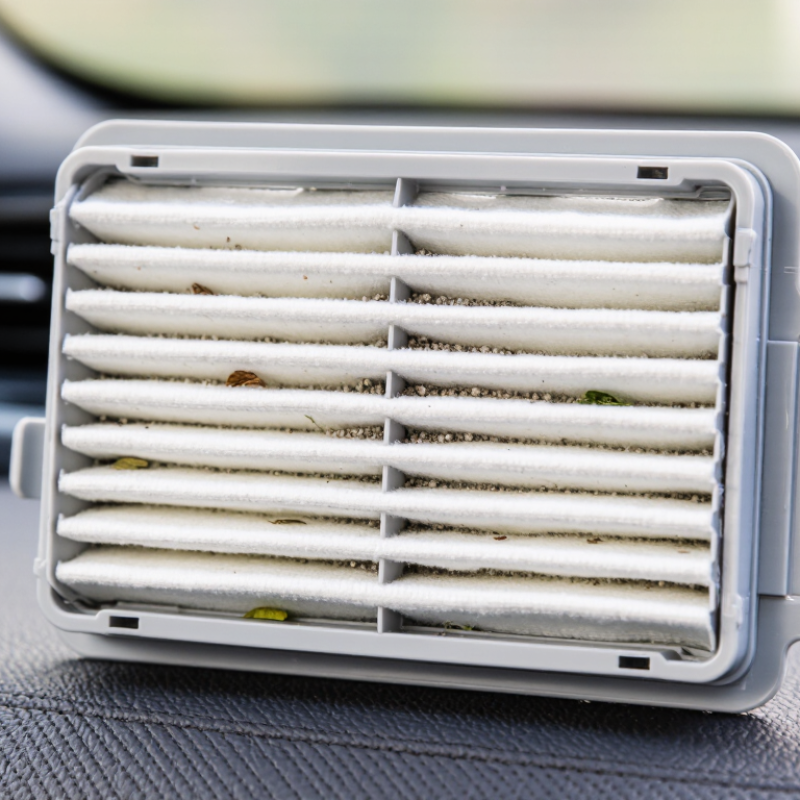
The filter can trap dust, pollen, road debris, and some airborne particles before they reach the dashboard vents. In daily driving, its pleated material may collect leaves, fine grit, and visible gray dust. A clogged filter can reduce airflow, create unpleasant odors, or make the blower motor work harder. It is easy to overlook. However, cabin air quality affects comfort, visibility, and the overall driving experience.

Reliable replacement depends on vehicle specifications, not appearance alone. Check the owner’s manual, filter housing, or a trusted parts catalog for the correct dimensions and installation direction. Some vehicles use activated carbon filters, while others use standard particulate media. They are not always interchangeable. Service intervals vary with mileage, traffic, climate, and road conditions. Drivers in dusty cities may need earlier replacement.

One detail deserves honest attention: a cabin filter cannot remove every pollutant. It may reduce particles, but it cannot guarantee completely clean cabin air. Regular replacement remains practical. A careful inspection also helps reveal moisture, mold growth, or damaged seals. When these problems appear, replacing the filter alone may not solve the cause. Professional diagnosis is wiser, especially when odors return quickly or airflow remains weak.
What Is an Auto Engine Parts Cabin Air Filter?

What Is a Cabin Air Filter, and How Does It Differ From an Engine Air Filter?

What Is an Auto Engine Parts Cabin Air Filter?

A cabin air filter cleans the air entering a vehicle’s passenger area. It can reduce dust, pollen, soot, and some unpleasant odors. Most filters sit behind the glove box or beneath the dashboard. During routine inspections, technicians often find leaves packed around the filter housing. A restricted filter may weaken airflow from the vents. The windows may also fog more easily. That smell is a warning.

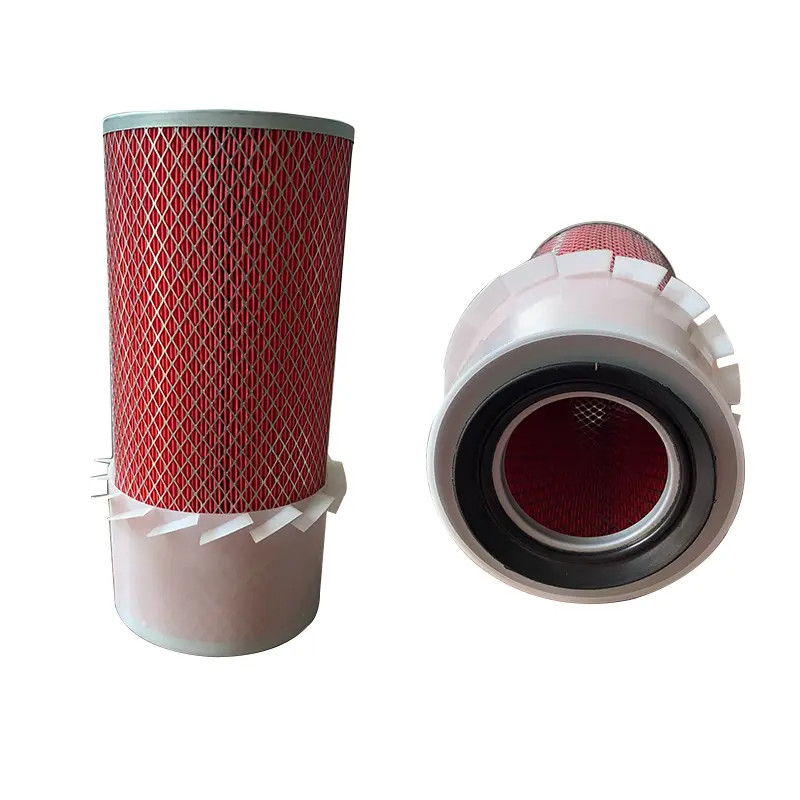
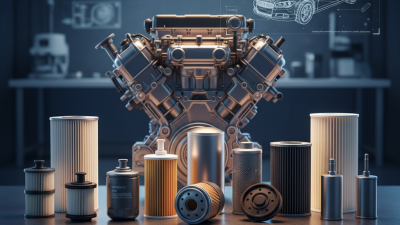
An engine air filter serves a different purpose. It cleans air before that air reaches the engine’s intake system. The engine needs a steady supply of clean air for efficient combustion. Dirt entering the intake can increase wear on sensitive components. The cabin filter protects occupants, while the engine filter protects engine performance. They are separate parts with separate housings. They should not be confused.

I once assumed a weak fan meant a failing blower motor. That assumption was too simple. A clogged cabin filter caused the problem. A dirty engine filter may cause poor acceleration or reduced fuel efficiency, but symptoms vary. Replacement timing depends on driving conditions, filter design, and the vehicle’s service guidance. Vehicles used on dusty roads may need earlier inspection. Check both filters during regular maintenance. Look for crushed pleats, heavy dust, moisture, or insect debris. Replacing the wrong filter will not solve the problem.
How Cabin Filters Capture PM2.5, Pollen, Dust, and Particles Above 10 Microns

What Is an Auto Engine Parts Cabin Air Filter?

A cabin air filter sits behind the glove box or beneath the dashboard. Despite the name, it protects passengers rather than the engine. As outside air enters through the ventilation system, the filter traps airborne contaminants before they reach the cabin.

Its fibrous layers catch larger dust and particles above 10 microns first. Pollen, lint, and road debris become lodged between the fibers. Finer filter media can also reduce PM2.5, which includes particles measuring 2.5 microns or less. These particles may come from traffic exhaust, tire wear, smoke, and construction dust. The filter does not “destroy” them. It holds them mechanically. Some versions use an activated carbon layer to reduce odors and certain gases, but performance varies.

Airflow matters. A heavily loaded filter can restrict ventilation, create weak fan output, or cause window fogging. A filter that fits poorly may allow dust to bypass its edges. That detail is easy to miss. During servicing, technicians should check the airflow arrow and inspect the housing for leaves or dampness. Replacement intervals depend on driving conditions, not only mileage. Frequent city driving, dusty roads, pollen seasons, and wildfire smoke can shorten service life. A cabin filter cannot remove every pollutant, and laboratory results may not match real-world use. Still, a clean, correctly fitted filter provides a practical barrier for everyday cabin air.

Cabin air filters are designed to trap airborne contaminants as air passes through the filter media. PM2.5 refers to particles no larger than 2.5 microns, while PM10 includes particles no larger than 10 microns. Pollen and coarse dust are generally larger and are commonly targeted by the filter's mechanical capture layers. Actual removal performance depends on filter media, airflow, installation, and filter condition.

What Filter Media and ISO 11155-1 Tests Reveal About Airflow and Efficiency

What Is an Auto Engine Parts Cabin Air Filter?

An auto cabin air filter cleans air entering the passenger compartment, not the engine. It sits inside the ventilation path, often behind the glovebox. Its filter media may use cellulose, synthetic fibers, or layered activated carbon. Each material changes airflow, particle capture, and odor control.

ISO 11155-1 testing examines airflow resistance and filtration efficiency under controlled conditions. A laboratory measures pressure drop as air passes through the filter. Lower pressure drop usually supports stronger blower performance. However, efficiency can fall when dust loads the media. That detail matters. A filter that performs well when new may restrict airflow after weeks of urban driving.

Industry testing reports commonly evaluate particles across defined size ranges, including fine particulate matter. The World Health Organization’s 2021 air-quality guideline sets annual PM2.5 exposure at 5 micrograms per cubic meter. Cabin filtration therefore deserves practical attention, especially near traffic. Yet ISO 11155-1 results cannot fully represent every vehicle, climate, or driving habit. Real cabins experience humidity, pollen, road dust, and repeated door opening.

From hands-on inspection, a heavily loaded filter often looks gray and feels surprisingly dense. That visual clue is useful, but incomplete. Media structure, pleat depth, sealing quality, and installation direction also influence results. One overlooked gap can weaken the measured efficiency. Certified data helps, but readers should question test conditions, airflow volume, particle type, and loading time before comparing products.

When Should a Cabin Air Filter Be Replaced: Typical 15,000–30,000-Mile Intervals

A cabin air filter is an HVAC component, not the engine’s intake filter. It cleans air entering through the dashboard vents. Its filter media catches dust, pollen, soot, and some airborne particles. When loaded, airflow weakens, windows may fog, and vents can smell stale. This detail is often missed.

Most service guidance recommends replacement every 15,000–30,000 miles, or 24,000–48,000 kilometers. The Car Care Council’s Car Care Guide places cabin-filter service within this mileage range. Automotive service training materials also recommend inspection during routine maintenance. That interval is useful, but not perfect. Unpaved roads, wildfire smoke, heavy traffic, and frequent HVAC use can fill pleats sooner. Drivers in dusty areas should inspect the filter near 10,000–15,000 miles.

Research summarized by the U.S. Environmental Protection Agency shows that outdoor traffic pollution can affect in-vehicle air quality. Results vary with ventilation, traffic, and filter condition. The filter cannot solve every air-quality problem. Check it annually, or earlier if the blower sounds strained. Gray pleats, leaf fragments, or damp spots provide clear evidence. A 30,000-mile interval may be too long for a city car. That deserves reconsideration.

What Is an Auto Engine Parts Cabin Air Filter? - When Should a Cabin Air Filter Be Replaced: Typical 15,000–30,000-Mile Intervals

Data Dimension Typical Information Why It Matters Recommended Action
Part Definition A cabin air filter is a replaceable filter located in the vehicle's heating, ventilation, and air-conditioning air path. It cleans air before it enters the passenger compartment. It helps reduce airborne dust, pollen, soot, and other particulate matter inside the vehicle. Check the vehicle maintenance schedule and inspect the filter when service is due.
Common Filter Materials Most filters use pleated synthetic or cellulose-based media. Some versions also contain activated carbon to help reduce certain odors and gaseous pollutants. Pleated media increases filtering surface area, while carbon layers provide additional odor-adsorption capability. Use the filter type specified for the vehicle and climate conditions.
Typical Replacement Interval Approximately 15,000–30,000 miles, or about once every 1–2 years. Filter life depends on airflow demand, road conditions, climate, and the vehicle manufacturer's maintenance guidance. Replace it at the recommended interval, or sooner if inspection shows heavy contamination.
Severe-Duty Driving Interval Often around 7,500–15,000 miles in dusty, polluted, smoky, or high-pollen environments. Fine particles can load the filter media faster and restrict airflow before the normal interval is reached. Inspect the filter more frequently when driving on unpaved roads or in areas with seasonal air pollution.
Primary Function Captures airborne particles before they pass through the vehicle's ventilation system and enter the cabin. A clean filter supports cleaner interior air and helps protect the ventilation system from accumulated debris. Keep the filter housing properly sealed and replace damaged or deformed filters.
Reduced Airflow Weak air from the vents, slower window defogging, or reduced heating and cooling airflow can indicate a restricted filter. A clogged filter increases resistance in the ventilation system and may reduce blower efficiency. Inspect the cabin filter before diagnosing more complex HVAC problems.
Unpleasant Odors Musty, dusty, or stale smells may occur when the filter is saturated with particles or exposed to moisture. Organic debris and moisture can contribute to odor formation in the filter and nearby HVAC components. Replace the filter and check for moisture or debris in the filter compartment.
Visible Contamination Dark discoloration, leaves, insects, dust buildup, or a visibly collapsed filter pleat indicate that inspection is necessary. Visible debris can reduce the filter's usable surface area and restrict airflow. Replace the filter if it is heavily soiled, wet, damaged, or misshapen.
Seasonal Considerations Spring pollen, summer dust, autumn leaves, and winter moisture can increase cabin-filter loading. Seasonal exposure may shorten the practical service life compared with normal mileage-based expectations. Consider an inspection before and after periods of heavy seasonal debris.
Health and Comfort Benefit A properly maintained filter can reduce the amount of airborne particulate matter entering the passenger compartment. Lower particle levels may improve passenger comfort, especially for people sensitive to dust or pollen. Choose a correctly fitted filter and replace it regularly; no cabin filter removes every pollutant.
Maintenance Timing The filter is commonly checked during routine vehicle service, but access location and service requirements vary by vehicle. Some filters are behind the glove compartment, while others are located in the engine-bay or dashboard area. Follow the vehicle service instructions to avoid damaging clips, covers, or the filter housing.
Replacement Decision Replace based on the earlier of the mileage/time interval, visible contamination, restricted airflow, or persistent odor. Time and mileage alone may not reflect actual filter condition in demanding operating environments. Record the replacement date and mileage to support consistent future maintenance.
Maintenance Note: The 15,000–30,000-mile range is a general guideline. Always give priority to the vehicle manufacturer's service schedule, inspection results, and local driving conditions.

How Filter Condition Affects HVAC Performance, Cabin Air Quality, and Defogging

An auto cabin air filter is not an engine filter. It sits inside the HVAC air path and cleans air before it reaches the passenger compartment. Its condition directly affects airflow, comfort, and visibility. A clogged filter increases resistance, so the blower works harder. Less air reaches the vents, and the windshield may clear more slowly during rain or cold mornings. The problem is easy to underestimate.

Cabin air quality also depends on filter design, sealing, and driving conditions. The World Health Organization’s 2021 Global Air Quality Guidelines set a recommended annual PM2.5 level of 5 μg/m³. A damaged or saturated filter cannot reliably reduce roadside dust, smoke, or pollen. For reference, ASHRAE Standard 52.2 shows that higher filtration efficiency usually creates greater pressure resistance. Automotive filters are not directly rated like building filters, but the trade-off remains real. More filtration is not always better when airflow collapses.

Tips: Inspect the filter every 12 months, or sooner after dusty driving. Look for gray pleats, leaves, damp spots, and crushed media. Check airflow with the fan on high. Weak output, musty smells, or repeated fogging deserve attention. SAE J1669 provides an automotive cabin-filter test method, yet real-world performance varies. A replacement may help, but it will not fix a blocked evaporator, leaking seal, or excessive cabin moisture. That distinction is often missed.