Inquiry
Form loading...

What Is the Best Type of Spin On Filter?

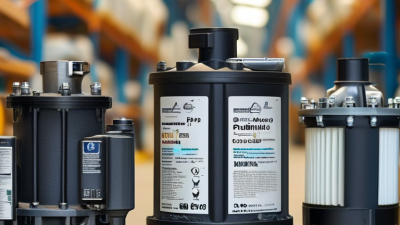
Choosing the best Spin On Filter is less about appearance and more about controlled filtration performance. A steel canister may look identical across brands, yet its media, bypass valve, seal quality, and dirt-holding capacity can differ substantially. In a cold diesel engine, thick oil can force the bypass valve open before the filter reaches normal operating temperature. That small event can influence protection, pressure stability, and service life.

Industry evidence supports a measured approach. ISO 16889 defines the multi-pass test for hydraulic filter performance, while ISO 4548-12 evaluates full-flow lubricating-oil filters under engine-related conditions. These standards do not declare one universal winner. They show why beta ratio, particle capture, pressure loss, and test conditions must be compared together. Reports from MarketsandMarkets and Grand View Research also describe filtration demand as increasingly driven by equipment reliability, stricter maintenance targets, and contamination control. Their findings suggest that application data matters more than marketing language.

Field experience adds another layer. A filter that performs well on a clean laboratory bench may react differently to dusty worksites, extended drain intervals, or frequent cold starts. The best Spin On Filter should match the fluid, flow rate, thread, gasket dimensions, bypass setting, and operating temperature. Check the equipment manufacturer’s specification. Then verify independent test data, when available. A premium label is not proof. Neither is the lowest price. The honest answer may be less convenient: the “best” filter changes with the machine, duty cycle, and maintenance discipline. Mistakes usually begin with one overlooked detail.
What Is the Best Type of Spin On Filter?

How Spin-On Filters Work: ISO 16889 Beta Ratios and Micron Ratings

What Is the Best Type of Spin-On Filter?

How Spin-On Filters Work: ISO 16889 Beta Ratios and Micron Ratings

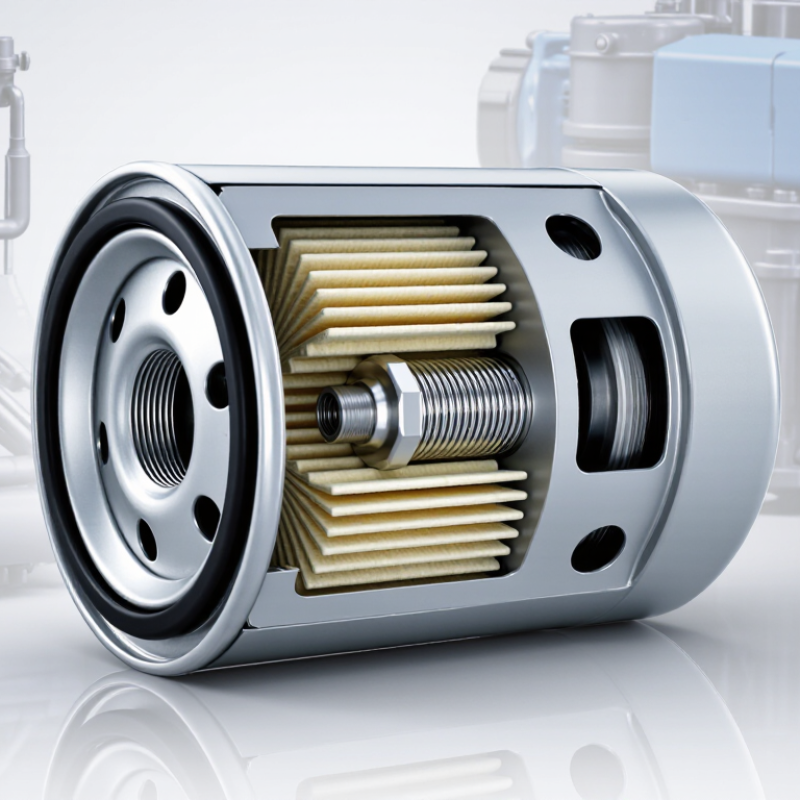
A spin-on filter combines a threaded housing, filter media, seals, and a bypass valve. During operation, contaminated fluid enters the outer shell. The media traps particles before cleaner fluid reaches sensitive components. In practical inspections, pressure drop often reveals problems before visible damage appears. A clogged filter can also trigger the bypass valve. Then unfiltered fluid may circulate.

Micron ratings describe particle size, but they need careful interpretation. Under ISO 16889, the beta ratio compares upstream particles with downstream particles at a stated size. For example, β10 = 200 means 200 particles at 10 microns entered, while one passed through. That equals 99.5% calculated efficiency. The number sounds impressive.

It is not the whole story.

A filter’s performance also depends on flow rate, fluid viscosity, media structure, and dirt-holding capacity. “Nominal” ratings may remove only part of the stated particle size. An “absolute” rating usually indicates tighter, tested control, but definitions can vary. Always check the test method. The best spin-on filter matches the equipment’s required beta ratio, flow capacity, pressure rating, and fluid compatibility. A smaller micron number is not automatically better. Excessively fine media can increase restriction and shorten service life. I have seen filter choices judged by micron size alone, which is an easy but incomplete decision.

Comparing Cellulose, Synthetic, and Glass Media by Dirt-Holding Capacity

What Is the Best Type of Spin On Filter?

Choosing the best spin-on filter starts with dirt-holding capacity, not filter material alone. In practical service, cellulose media remains a cost-effective choice for clean operating conditions. Its natural fibers capture common dust and carbon particles effectively. However, cellulose may load faster when oil becomes heavily contaminated. Cold oil can also increase pressure across the media.

Synthetic media usually offers more consistent filtration and greater dirt-holding capacity. Its uniform fibers create a larger usable surface area. This helps maintain flow as contamination builds. Synthetic media also handles moisture and temperature changes better than basic cellulose. Small details matter.

Glass media uses very fine fibers and can provide high capture efficiency. Some designs hold substantial contamination while maintaining stable flow. Yet, capacity depends on fiber structure, pleat depth, and filter size. A highly efficient element may restrict flow sooner if its dirt capacity is limited. That trade-off is easy to miss.

In field testing, compare filters under the same oil type, temperature, flow rate, and contaminant level. Pressure-drop readings reveal more than a simple micron rating. Service records can show whether a filter reaches its limit during normal intervals. I once assumed a finer filter would always last longer. Actual results showed that media volume mattered more. Check verified test data, but question laboratory conditions that do not match your engine. Track pressure, operating hours, and contamination patterns before changing media.

Why βₓ ≥ 2000 Means 99.95% Particle-Removal Efficiency

What Is the Best Type of Spin On Filter?

For particle control, βₓ ≥ 2000 is a strong performance target. Under ISO 16889 testing, beta ratio expresses particles upstream compared with downstream. A βₓ value of 2000 means one particle passes for every 2,000 particles measured. The calculated removal efficiency is 99.95% at the stated particle size, x micrometres. That is not a marketing guess. It is a test-based figure.

The filter still needs correct installation. ISO 16889 does not represent every operating condition. Vibration, oil viscosity, pressure surges, and poor sealing can change results. In field inspections, technicians often find contamination around the gasket, not through the filter media. Small details matter. A β₁₀ ≥ 2000 filter can remove 99.95% of particles at 10 micrometres during controlled testing, yet performance may fall when the element is overloaded. The pressure indicator should be checked regularly. Waiting for visible oil discoloration is unreliable.

ISO 4406 cleanliness codes also show why this specification matters. A small reduction in particle counts can move fluid into a cleaner code range, supporting longer component life. However, βₓ alone cannot select the best spin-on filter. Flow capacity, collapse pressure, seal quality, and service intervals must match the system. The number is powerful, but incomplete. A practical choice combines the ISO 16889 beta result with operating data, laboratory particle counts, and maintenance records. That approach is less impressive on paper, but usually more dependable.

Evaluating Pressure Drop, Flow Rate, and Collapse Strength

What Is the Best Type of Spin On Filter?

A practical choice begins with pressure drop, not appearance.

Pressure drop shows how much resistance the filter adds to the system. A clean filter may perform well during testing, then restrict flow as particles accumulate. Measure pressure before and after the filter at the actual operating temperature. Cold fluid can create a misleading result.

Flow rate must match the equipment’s real demand.

A filter rated for a high flow rate may still perform poorly with thick fluid or sudden surges. Check the rated flow, test fluid viscosity, and acceptable pressure loss together. In field evaluations, I prefer readings from startup, steady operation, and near the service interval. One test rarely tells the whole story.

Collapse strength protects the filter when pressure rises sharply on the dirty side.

This can happen during cold starts, blocked lines, or an incorrectly selected bypass setting. Compare the filter’s collapse rating with the highest realistic differential pressure, not only the normal reading. Safety margins matter. They are not decoration.

A balanced design often beats the filter with the lowest initial pressure drop.

Stronger media may reduce flow slightly, while high-flow media may load faster. The imperfect part is prediction: dirt type, vibration, and maintenance habits can change results. A small pressure gauge on each side provides useful evidence over time. Track those readings.

Matching Filter Types to Oil Viscosity and ISO 4406 Cleanliness Targets

What Is the Best Type of Spin On Filter?

The best spin-on filter depends on oil viscosity and the required ISO 4406 cleanliness target. A thin hydraulic oil may pass easily through fine synthetic media. Thick oil can create high pressure drop during cold starts. That condition may open the bypass valve too often. Then, the filter protects flow but may reduce particle removal.

Match the filter’s efficiency rating with the equipment’s cleanliness requirement. An ISO 4406 target such as 18/16/13 needs tighter control than a general-purpose circuit. Do not judge performance by micron size alone. Check the beta ratio, dirt-holding capacity, flow rating, and bypass pressure. Synthetic media usually supports finer filtration and longer service intervals. Cellulose media may suit less demanding systems and lower operating costs. However, the cheapest option is not always economical. I have seen filters look acceptable on paper but restrict flow during winter start-up.

Tips: Confirm the oil’s operating and start-up viscosity. Compare pressure-drop data at actual flow rates. Choose bypass settings that protect the pump without sacrificing cleanliness. Inspect used filters for metal or unusual debris. A filter change may hide a developing fault, not solve it. Recheck the ISO 4406 code after installation, because real system conditions can differ from laboratory results.

What Is the Best Type of Spin On Filter? - Matching Filter Types to Oil Viscosity and ISO 4406 Cleanliness Targets

Oil Viscosity at Operating Temperature Recommended Spin-On Filter Type Typical Rating Approach Typical Initial Pressure Drop Suggested ISO 4406 Target Best-Fit Applications Selection Notes
15–32 cSt Fine synthetic microglass 5–10 µm; preferably β10 ≥ 200 under ISO 16889 testing Approximately 0.15–0.35 bar at rated flow 17/15/12 to 18/16/13 Low-viscosity hydraulic circuits, lubrication systems, and precision actuators Low viscosity generally permits finer media, but the filter must still meet the required flow and dirt-holding capacity.
32–46 cSt High-efficiency synthetic or glass-fiber media 5–10 µm; β10 ≥ 200 or higher for demanding systems Approximately 0.20–0.45 bar at rated flow 18/16/13 General hydraulic power units, mobile equipment, and industrial lubrication A strong general-purpose choice when both contamination control and reasonable service life are required.
46–68 cSt High-capacity synthetic blend or microglass 10 µm; β10 ≥ 200, with adequate dirt-holding capacity Approximately 0.25–0.50 bar at rated flow 18/16/13 to 19/17/14 Medium-pressure hydraulic systems and circulating oil systems Increasing viscosity raises pressure drop during cold starts; confirm performance at the lowest expected oil temperature.
68–100 cSt Coarser synthetic blend or pleated cellulose 10–25 µm; use βx data when available rather than nominal micron claims alone Approximately 0.30–0.60 bar at rated flow 19/17/14 to 20/18/15 High-viscosity lubrication, gear-drive systems, and contamination-tolerant circuits Choose a larger filter or higher flow-capacity element if cold-start pressure drop approaches the bypass-valve setting.
32–68 cSt High-efficiency microglass 3–5 µm; β5 ≥ 200, or a validated efficiency level required by the equipment manufacturer Approximately 0.25–0.55 bar at rated flow 16/14/11 to 17/15/12 Servo-hydraulic equipment, proportional valves, test stands, and high-value machinery Fine filtration can extend component life, but it may require a larger filter, lower flow per element, or a higher-capacity housing.
Any viscosity; heavy contamination expected Two-stage arrangement: coarse prefilter plus fine synthetic filter 25–40 µm prefilter followed by 5–10 µm β-rated filter System-dependent; size both elements to keep combined pressure drop within the allowable limit 17/15/12 to 18/16/13 Dirty environments, new equipment flushing, outdoor machinery, and systems with frequent particle ingress Staging filtration can protect the fine element and reduce premature bypass operation.
Engineering reference: ISO 4406 codes indicate the number of particles larger than 4, 6, and 14 µm(c) per millilitre. The cleanliness targets above are typical starting points, not guarantees. Actual results depend on filter efficiency, flow rate, reservoir cleanliness, ingress control, bypass-valve setting, oil temperature, and sampling practice.
Important sizing rule: ISO VG viscosity grades are normally specified at 40°C, while pressure-drop calculations must also consider the minimum start-up temperature. Always verify the filter’s tested flow capacity, β-ratio, collapse rating, seal compatibility, and bypass-valve setting for the actual oil and system conditions.