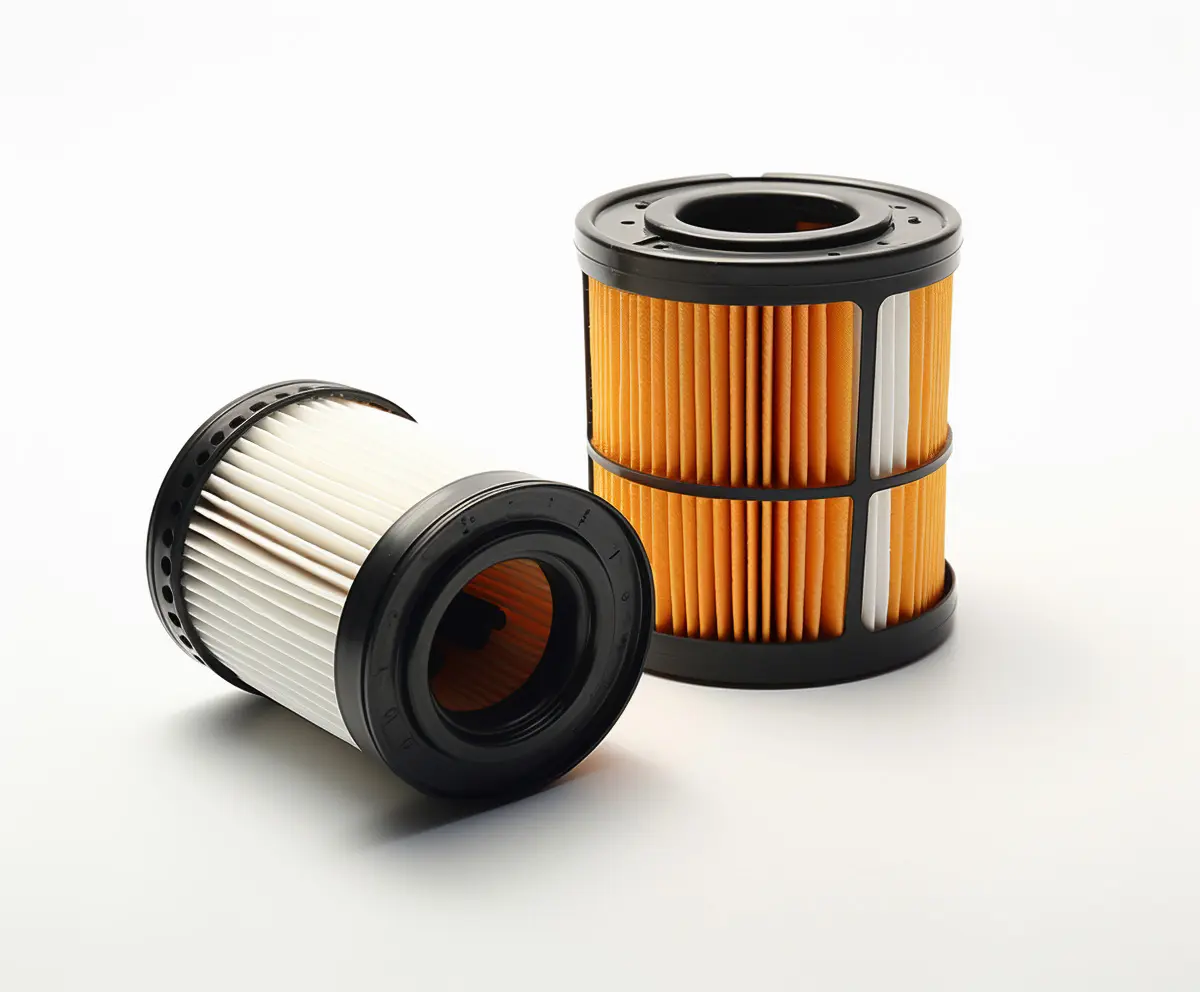
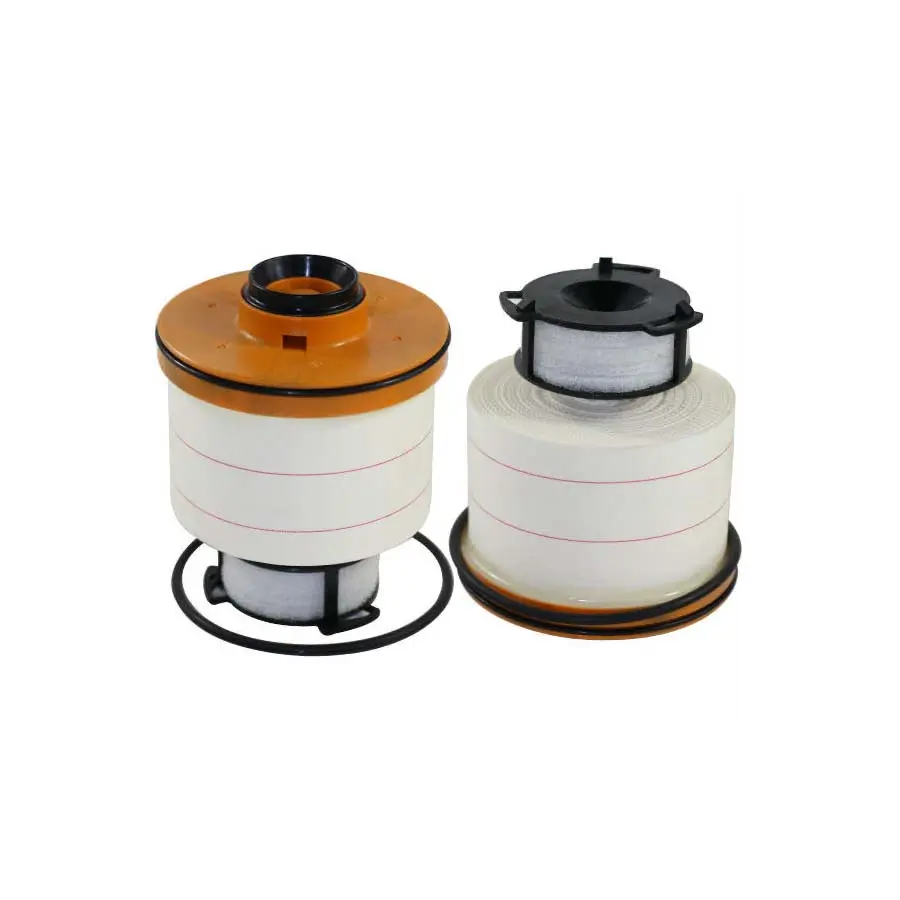
Automotive Filter selection is becoming a purchasing decision about efficiency, emissions, durability, and passenger comfort. Global buyers now compare engine air filters, oil filters, fuel filters, transmission filters, and cabin air filters under different operating conditions. Dusty roads, freezing starts, humid ports, and dense city traffic can quickly expose a weak specification. Small details matter. A damaged seal can be more dangerous than a low headline price.
Mordor Intelligence estimates that the global automotive filters market will continue expanding through 2030, supported by vehicle production, replacement demand, and stricter air-quality expectations. MarketsandMarkets also identifies rising cabin-air awareness and advanced filtration materials as important growth factors. These projections are useful, but not perfectly aligned. Market definitions differ, and electric vehicles complicate older assumptions about oil and fuel filters. The data needs careful interpretation.
Tod Carpenter, former President and CEO of Donaldson Company, has described filtration as helping customers “protect their equipment and the environment.” That principle remains practical for buyers. A commercial truck crossing a mining route needs different protection from a family car in a coastal city. Buyers should examine micron efficiency, pressure drop, service intervals, sealing quality, and compliance with relevant testing methods such as ISO 5011 and ISO 16890. Price still matters. It should not lead the decision. The cheapest filter may become expensive through fuel loss, premature wear, or frequent replacement. This 2026 guide compares the leading Automotive Filter types, their applications, and the purchasing risks global buyers should question before approving a supplier.
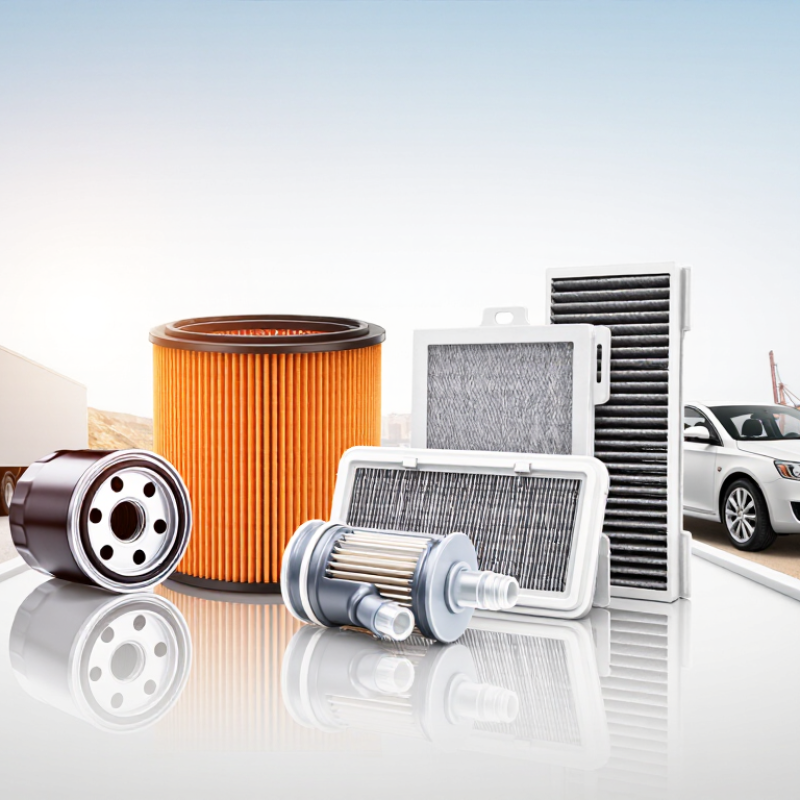
2026 Top Automotive Filter Types for Global Buyers
Automotive Filter Basics: Functions, Materials, and System Locations
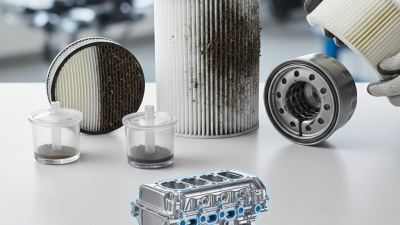
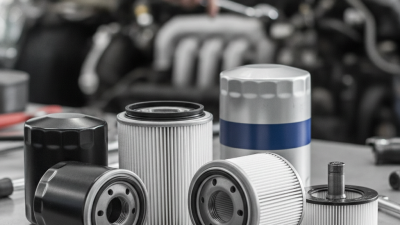
Automotive filters protect several systems from dust, moisture, metal particles, and combustion residue. The engine air filter sits inside the intake path. It cleans incoming air before combustion. Oil filters remove fine debris from circulating lubricant. Fuel filters protect injectors and pumps from rust, water, and sediment. Cabin filters usually sit inside the heating, ventilation, and air-conditioning housing. They improve interior air quality by reducing dust and pollen.
Filter materials affect performance and service life. Cellulose media can offer practical filtration at a controlled cost. Synthetic fibers often provide better moisture resistance and stable airflow. Activated carbon layers help reduce certain odors and gases in cabin applications. Housing materials may include molded plastic, coated metal, or durable composite structures. Seals matter greatly. A small gap can allow unfiltered air to bypass the media. Location also changes design needs. A filter near a hot engine requires stronger temperature resistance, while a dusty-road application needs higher contaminant capacity.
Tips: Check dimensions, gasket quality, airflow resistance, and tested filtration data before buying. Compare service conditions, not only prices. A filter that fits may still perform poorly. This is an easy mistake. Inspect replacement intervals in real driving conditions, especially with heavy dust, humidity, or frequent short trips. Suppliers should provide traceable specifications and clear installation guidance. I would also recheck assumptions after field use, because laboratory results cannot represent every road, climate, or maintenance habit.
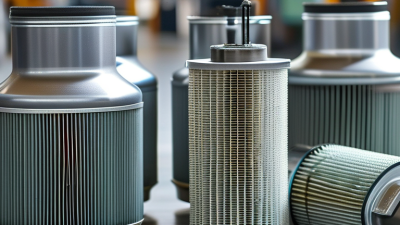
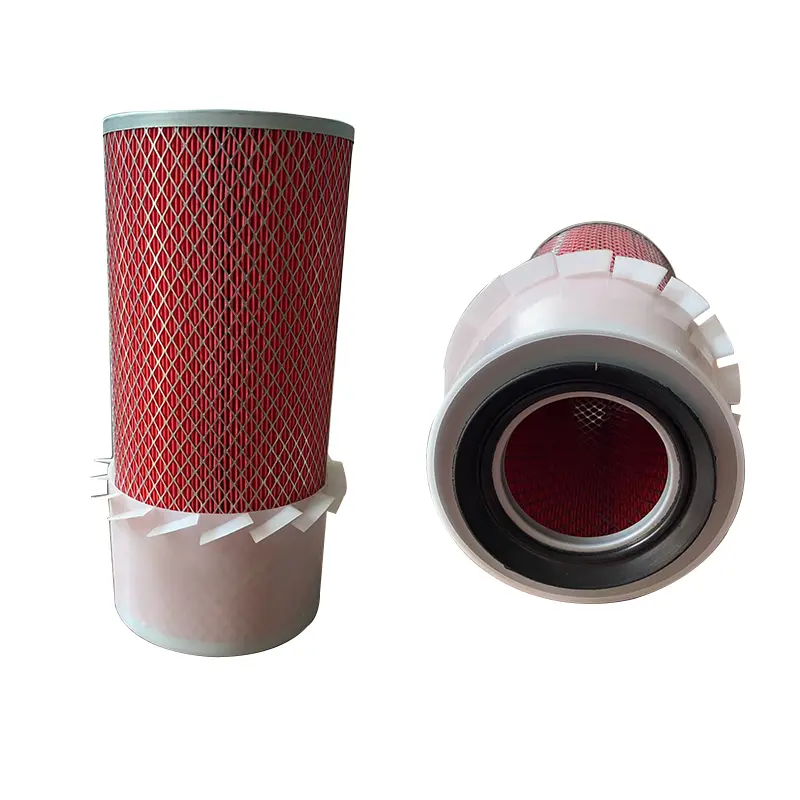
Engine air filters protect the combustion system from dust, sand, and airborne fibers. Common designs include pleated cellulose, synthetic media, foam, and washable cotton-based elements. Pleated filters provide more surface area in a compact housing. Foam designs can suit dusty, low-speed environments, but their oiling requirements need careful control.
Performance depends on filtration efficiency, airflow resistance, dust-holding capacity, and sealing quality. ISO 5011 testing measures these factors under controlled conditions. The U.S. Department of Energy reports that replacing a clogged filter may improve acceleration, but usually does not improve fuel economy in modern fuel-injected vehicles. That finding challenges a common sales claim. MarketsandMarkets projected the global automotive filters market to grow from about USD 19 billion in 2023 to more than USD 26 billion by 2029. Buyers should still verify regional dust conditions, engine design, service intervals, and test methods before comparing prices.
Tips: Check the filter’s ISO 5011 results, not only its efficiency percentage. Inspect the gasket for even compression. A high-efficiency element can reduce airflow if its pleat spacing is poor. Do not select by size alone. Measure the housing, sealing edge, and intake direction. For construction, agricultural, or desert use, prioritize dust capacity and pre-cleaner compatibility. For urban driving, balanced efficiency and restriction may be more practical. No filter performs well with a damaged airbox. That detail is easy to miss.
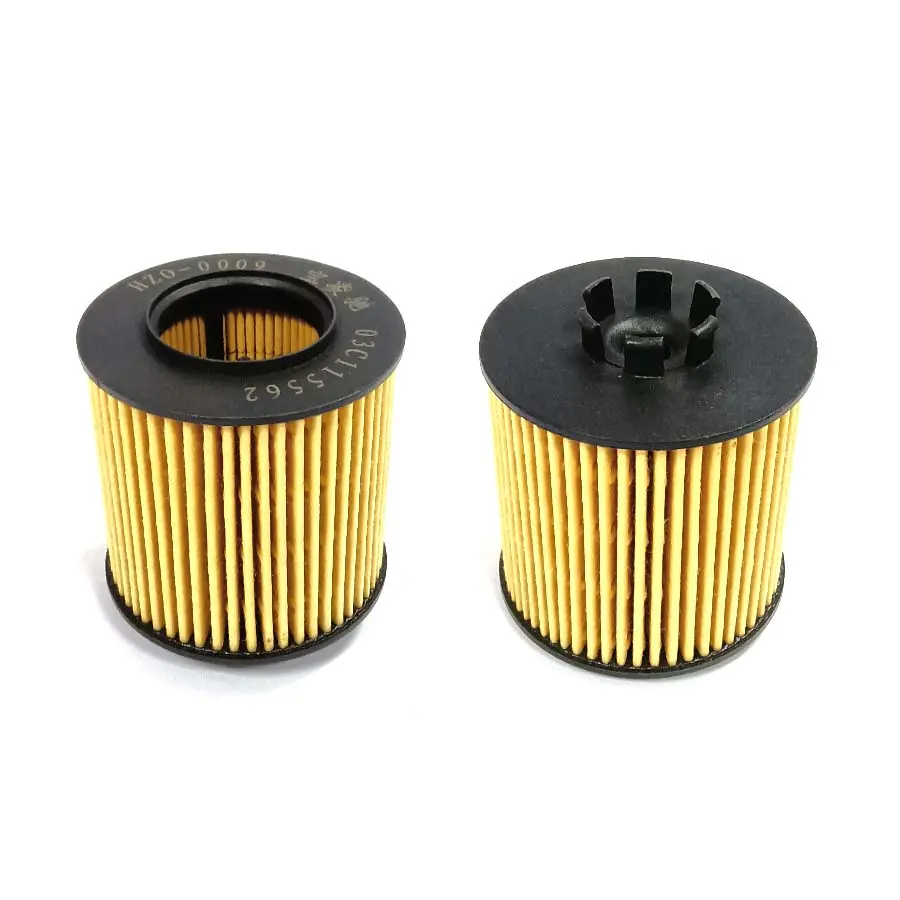
Oil and fuel filters protect engines from different threats. An oil filter captures soot, metal dust, and carbon particles while maintaining steady lubrication flow. Its bypass valve matters during cold starts, when thick oil moves slowly. A poor fit can cause leaks around the gasket. Fuel filters remove rust, sediment, and sometimes water from the fuel supply. Diesel systems usually need stronger water separation than gasoline systems.
Compatibility goes beyond matching the vehicle model. Check the engine code, filter dimensions, thread size, gasket shape, fuel type, and operating pressure. A filter with a smaller micron rating is not automatically better. It may restrict flow and increase pump strain. Service intervals also change with dusty roads, towing, short trips, or poor fuel quality. Follow the vehicle manual, but inspect the old filter when possible. Dark oil is normal; metal flakes or heavy sludge deserve professional attention.
Tips: Confirm the old and new part numbers before installation. Wet the oil-filter gasket with clean oil. Drain diesel water separators carefully. Never reuse a crushed seal. I once treated the service interval as a fixed rule, and that was too simple. Real driving conditions can shorten filter life. Keep installation records, note mileage, and watch for hard starting, low oil pressure, or unusual engine noise. These small details often reveal protection problems before serious damage occurs.
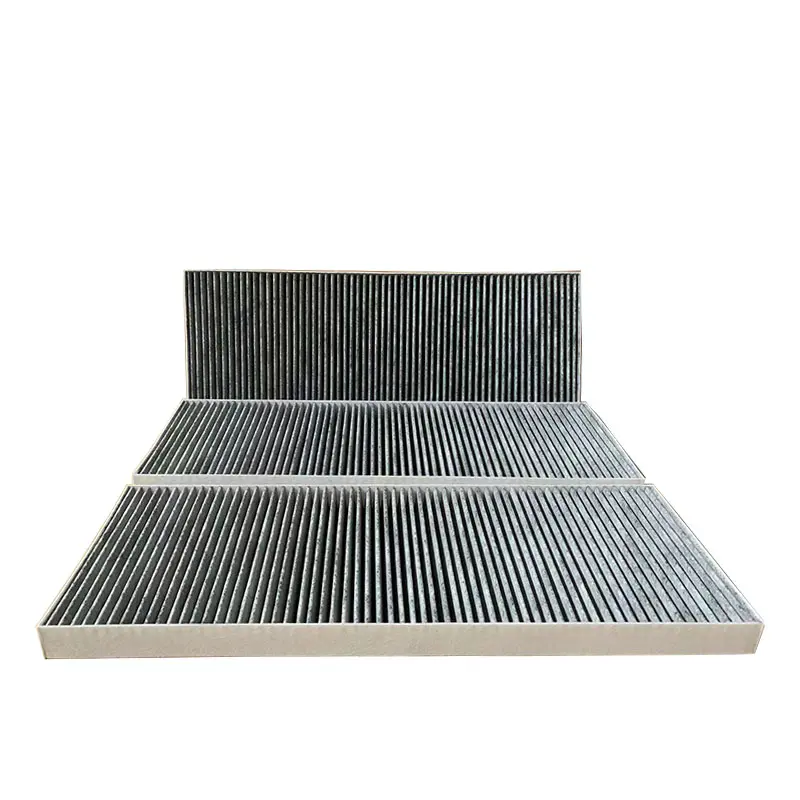
Cabin air filters do more than block visible dust. They shape the air quality passengers breathe inside a vehicle. Common media include pleated synthetic fibers, nonwoven fabric, activated carbon, and electrostatic layers. Fine-particle media can capture pollen and road dust, while carbon helps reduce selected odors and gases. Performance depends on fiber density, airflow resistance, humidity, and maintenance. A dense filter is not automatically better. It may restrict ventilation and increase fan load.
In workshop inspections, correct fit matters as much as filtration media. The filter should match the vehicle’s dimensions, airflow arrow, sealing edge, and housing design. A small gap can let dirty air bypass the media. A filter may fit tightly but still perform poorly if its frame bends during installation. Buyers should check the exact vehicle year, cabin configuration, and regional specification. Some catalogs remain confusing. Rechecking measurements is worthwhile.
Tips: Ask for independent test results, pressure-drop data, and particle-efficiency details. Replace the filter sooner in dusty cities, during pollen seasons, or after construction travel. Inspect the old filter for dark pleats, damp spots, or a musty smell. These signs reveal different problems. Do not judge quality by color alone. That shortcut often fails.
Air-quality reference levels relevant to cabin-filter selection, based on the WHO 2021 Air Quality Guidelines.
How to read the chart: Lower guideline values indicate stricter air-quality targets. The values are ambient-air reference levels and are not certified cabin-filter test results.
Filtration media: Pleated synthetic or cellulose media is commonly used for particle capture. Activated-carbon composite media can additionally reduce selected odors and gaseous pollutants. Higher-efficiency media may increase airflow resistance, so pressure drop should be checked.
Vehicle fit: Global buyers should verify filter dimensions, sealing surface, airflow direction, frame design, installation access, and compatibility with the exact vehicle configuration before selecting a replacement cabin air filter.
Global buyers compare automotive filters by application, test evidence, and supply consistency. Engine air filters need stable dust-holding capacity and low restriction. Oil filters require reliable particle capture, pressure resistance, and seal performance. Cabin filters add airflow, odor control, and passenger comfort concerns. Fuel filters demand chemical compatibility and dependable water separation. The cheapest option is rarely the simplest choice.
Standards make supplier claims easier to examine. Buyers may review ISO 5011 data for intake air filters and ISO 4548 results for oil filters. Cabin filter evaluations can reference ISO 11155 testing, where applicable. Regional vehicle regulations also affect materials, labeling, and recycling requirements. Ask for current test reports, production dates, batch traceability, and clear sampling methods. Numbers without test conditions can mislead.
Supplier evaluation should include factory audits, process controls, and response time for technical questions. I have seen comparisons focus heavily on unit price while ignoring packaging damage and inconsistent pleat depth. That was a costly oversight. A supplier with documented quality systems may reduce disruption, even with a higher quotation. Still, certificates alone prove little. Buyers should inspect samples, verify dimensions, check gasket recovery, and test fitment before approving volume orders. Performance can change between pilot batches and mass production. Keep retention samples. Review them when field complaints appear.
Comparative reference for passenger vehicles, commercial vehicles, off-road equipment, and replacement-filter procurement. Actual specifications and replacement intervals depend on vehicle design, engine technology, operating conditions, and the applicable technical documentation.
| Filter Type | Primary Application | Main Contaminants Removed | Common Filter Media | Typical Performance Considerations | Common Reference Standards or Test Methods | Typical Replacement Pattern | Global Buyer Priority | Supplier Evaluation Points |
|---|---|---|---|---|---|---|---|---|
| Engine Air Filter | Intake-air cleaning for gasoline, diesel, hybrid, and commercial-vehicle engines. | Dust, sand, soot, pollen, and other airborne particles before they reach the engine. | Resin-treated cellulose, synthetic nonwoven fiber, or multi-layer composite media. | Particle filtration efficiency, dust-holding capacity, pressure drop, sealing quality, and resistance to moisture. | ISO 5011 for air-cleaner performance; vehicle or engine-maker specifications may also apply. | Often replaced at scheduled service intervals or earlier in dusty environments; inspection may be more frequent than replacement. | ★★★★★ | Verified dimensions, gasket integrity, stable pleat geometry, burst resistance, and validated test data. |
| Engine Oil Filter | Lubricating-oil circuits in internal-combustion engines and some hybrid powertrains. | Wear metals, soot, carbon particles, dust, and oil-degradation residues. | Cellulose, synthetic, or cellulose-synthetic blend; spin-on and cartridge constructions are common. | Filtration efficiency, contaminant capacity, pressure-relief-valve behavior, anti-drainback performance, and structural strength. | ISO 4548 series, including multipass performance testing for full-flow oil filters. | Usually changed together with engine oil; interval is defined by the vehicle maintenance schedule and oil condition. | ★★★★★ | Correct bypass-valve setting, reliable seals, cleanable production records, and compatibility with specified oil viscosity and temperature. |
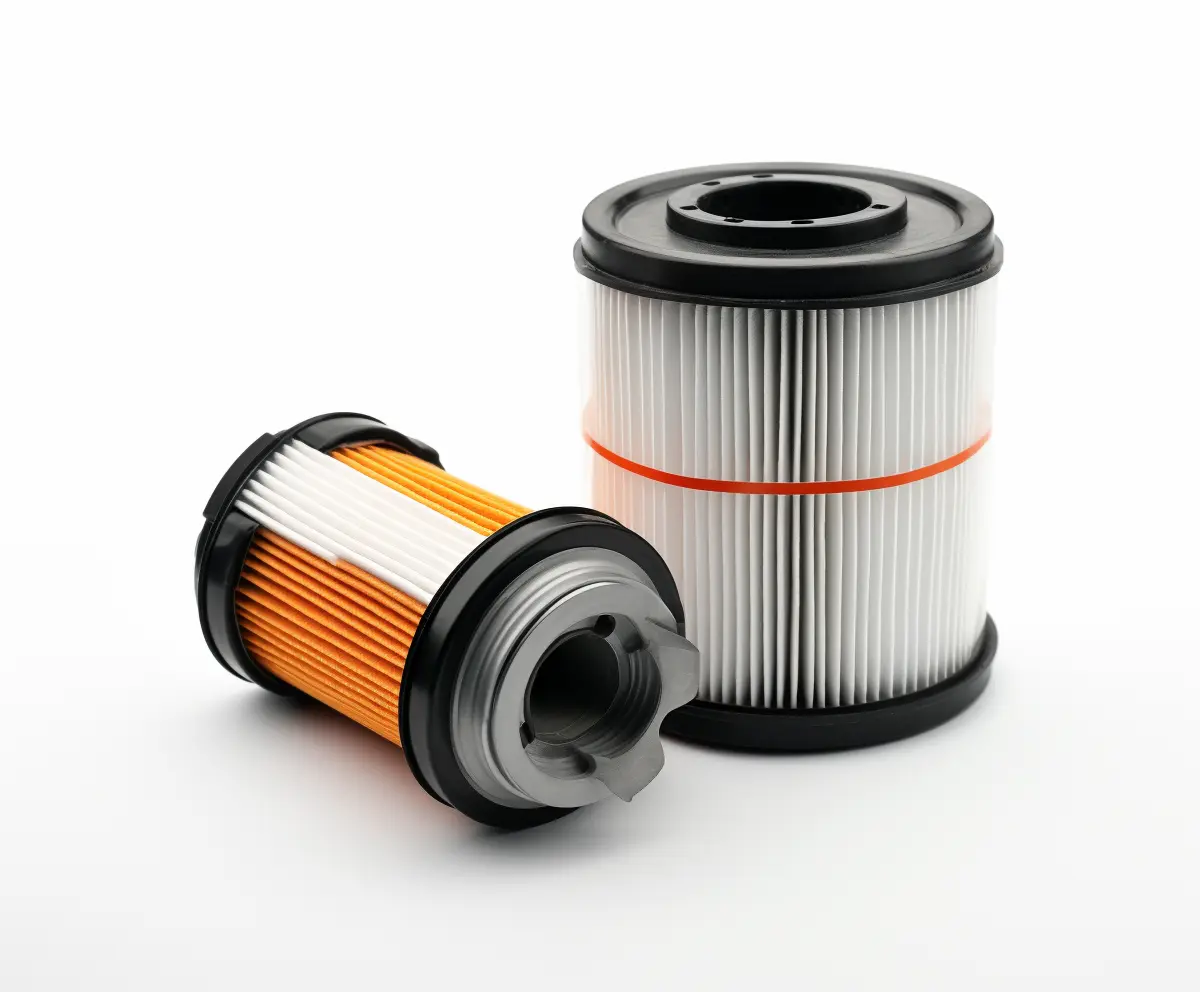
| Fuel Filter | Fuel systems for gasoline, diesel, and selected alternative-fuel vehicles. | Rust, sediment, dust, tank debris, and—in diesel systems—free or emulsified water. | Cellulose, synthetic microglass, melt-blown polymer, or staged media with water-separation layers. | Particle efficiency, water separation, flow capacity, pressure drop, fuel compatibility, and cold-flow performance. | ISO 19438 for diesel-fuel filter performance; additional vehicle and fuel-system requirements may apply. | Scheduled replacement varies widely; diesel systems may require water draining or sensor monitoring. | ★★★★★ | Fuel-material compatibility, leak resistance, correct flow direction, water-separation data, and validated performance at low temperature. |
| Cabin Air Particulate Filter | Heating, ventilation, and air-conditioning systems in passenger and commercial vehicles. | Dust, pollen, road particles, soot, and fine particulate matter entering the passenger compartment. | Electrostatically charged synthetic nonwoven media, cellulose blends, or multi-layer particulate media. | Particle capture, air-flow resistance, usable service life, sealing around the frame, and resistance to humidity. | ISO 11155-1 is commonly referenced for automotive cabin-air filter testing. | Commonly replaced annually or according to mileage and climate; heavily polluted areas may require shorter intervals. | ★★★★☆ | Documented particle-efficiency results, low odor, dimensional accuracy, moisture resistance, and consistent airflow. |
| Cabin Air Gas and Odor Filter | Cabin ventilation systems requiring additional protection from gaseous pollutants and odors. | Selected hydrocarbons, nitrogen oxides, ozone, and odors, depending on the adsorbent formulation. | Activated carbon, impregnated carbon, zeolite, or layered particulate-and-gas media. | Adsorbent mass, gas-removal capacity, humidity sensitivity, pressure drop, and service-life stability. | ISO 11155-2 is commonly referenced for gas-phase cabin-filter testing; test gas and conditions should be verified. | Usually replaced with or shortly after the particulate cabin filter; capacity depends strongly on traffic and pollution exposure. | ★★★★☆ | Transparent gas-test conditions, carbon loading, odor-control claims, pressure-drop data, and protection against media shedding. |
| Automatic Transmission Filter | Automatic, dual-clutch, and selected continuously variable transmission lubrication systems. | Clutch-material debris, wear particles, metallic fines, and assembly contaminants in transmission fluid. | Cellulose, synthetic, composite, or molded media integrated into a pan, housing, or suction-filter design. | Cleanliness level, flow capacity, seal stability, pressure drop, temperature resistance, and compatibility with the specified fluid. | Vehicle or transmission-specific requirements are primary; ISO 16889 may be used for relevant multipass hydraulic-style testing where applicable. | Often serviced with transmission-fluid maintenance; interval depends on transmission design and operating severity. | ★★★★☆ | Exact fit, fluid compatibility, dimensional stability at temperature, gasket quality, and documented cleanliness control. |
| Hydraulic and Power-Steering Filter | Hydraulic steering systems, electronically assisted hydraulic units, and off-road vehicle hydraulic circuits. | Metal particles, seal debris, dust, and other contaminants that can damage pumps and valves. | Cellulose, glass fiber, synthetic fiber, wire mesh, or hybrid media. | Beta ratio or particle efficiency, dirt-holding capacity, collapse strength, pressure drop, and fluid compatibility. | ISO 16889 for multipass filter performance; ISO 2941 and related methods may be relevant for filter-element integrity. | Replaced according to system maintenance schedules, contamination indicators, or fluid-condition monitoring. | ★★★☆☆ | Cleanliness certification, collapse-pressure data, correct bypass settings, seal compatibility, and traceable batch testing. |
| Diesel Water Separator | Heavy-duty diesel engines, agricultural machinery, construction equipment, and vehicles operating with water-contamination risk. | Free water, emulsified water, sediment, rust, and larger fuel contaminants. | Hydrophobic coalescing media, cellulose, synthetic layers, and sediment-bowl assemblies. | Water-separation efficiency, particle removal, drainability, cold-weather performance, and resistance to fuel additives. | ISO 16332 is commonly used for diesel-fuel water-separation performance evaluation. | Service interval depends on fuel quality and storage conditions; water may need to be drained before element replacement. | ★★★★☆ | Reliable water-sensor interface, transparent bowl compatibility, drain-valve quality, and test data under realistic fuel conditions. |
| Battery and E-Axle Cooling Filter | Selected electric-vehicle battery thermal-management, e-axle, and electronics cooling circuits. | Manufacturing debris, wear particles, corrosion products, and coolant-system contaminants. | Fine synthetic or cellulose-synthetic media, stainless-steel mesh, or compact molded elements. | Low pressure drop, coolant compatibility, thermal stability, electrical-system cleanliness, and long service life. | Application-specific vehicle and coolant-system specifications are primary; hydraulic-filter methods may support performance validation where appropriate. | Often designed for long-life service, but replacement may be required during coolant maintenance or contamination events. | ★★★☆☆ | Compatibility with glycol-based or approved coolant, low extractables, dimensional stability, and validated performance under thermal cycling. |