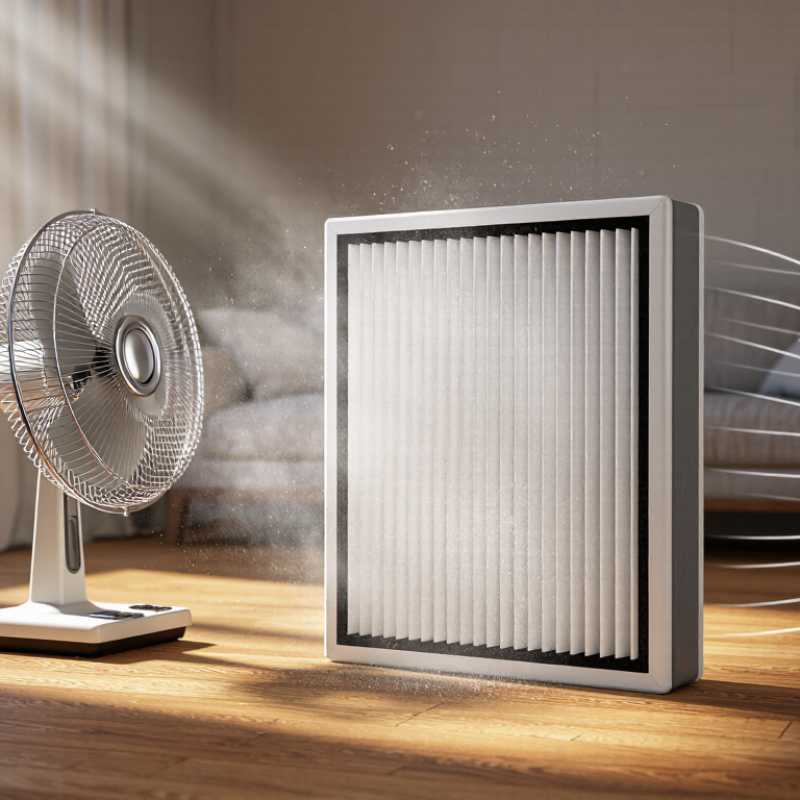
An Air Filter is a device that captures particles as air passes through a filtering material. Depending on its design, it may trap dust, pollen, fibers, or some finer airborne particles. Picture a sunlit room: dust motes drift near a window, while a fan quietly draws air through a pleated filter. The air leaving the filter may contain fewer captured particles. Simple in principle. Less simple in practice.
Indoor-air researcher Richard Corsi has emphasized that filtration works best alongside ventilation and source control. Paraphrased, his message is: filtration helps, but it cannot solve every indoor-air problem. That distinction matters. A filter’s performance depends on its material, fit, airflow, and condition. A clogged filter can restrict airflow, while a poorly sealed one may let air bypass the filtering surface. Even a highly efficient filter cannot remove contaminants it was not designed to capture.
This guide explains what an Air Filter is, how particles are collected, and why filter ratings and replacement schedules matter. It also considers common settings, from home HVAC systems to portable room cleaners. Numbers on a package can be useful, but they do not tell the whole story. Room size, fan speed, installation, and everyday use all affect results. One detail is easy to overlook: a filter can look clean and still need attention. Understanding these limits helps readers choose and maintain filtration more thoughtfully, without expecting one component to guarantee clean air.
An air filter is a porous barrier that removes some particles from passing air. In a home, it may sit inside a heating or cooling system, or inside a portable air cleaner. As air moves through, fibers catch particles through interception, impact, and diffusion. Dust, pollen, and some smoke particles can be captured; gases require different media, such as activated carbon. Filters do not make every indoor pollutant disappear.
The filter’s performance depends on its rating, fit, and airflow. ASHRAE Standard 52.2 rates filters using particle-size tests;
That number can mislead. It is not a promise of the same result in every room, especially if air leaks around a poorly fitted filter. The U.S. EPA’s Guide to Air Cleaners in the Home says HEPA filters can theoretically remove at least 99.97% of 0.3-micrometer particles. Real performance still depends on the device and how it is used.
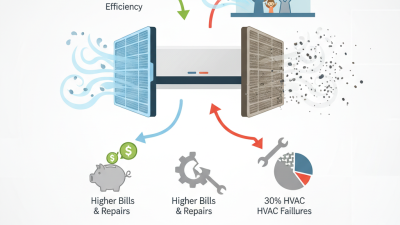
A clogged filter can also restrict airflow, so check it regularly and follow the system’s guidance. Small detail, big difference.
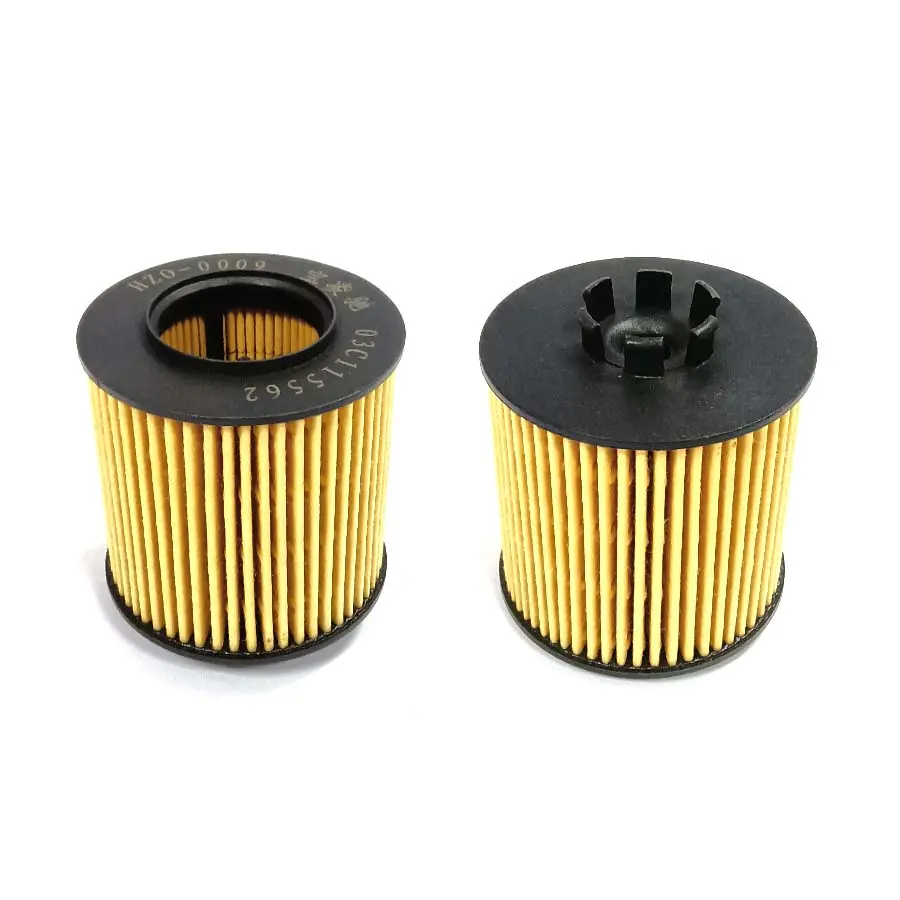
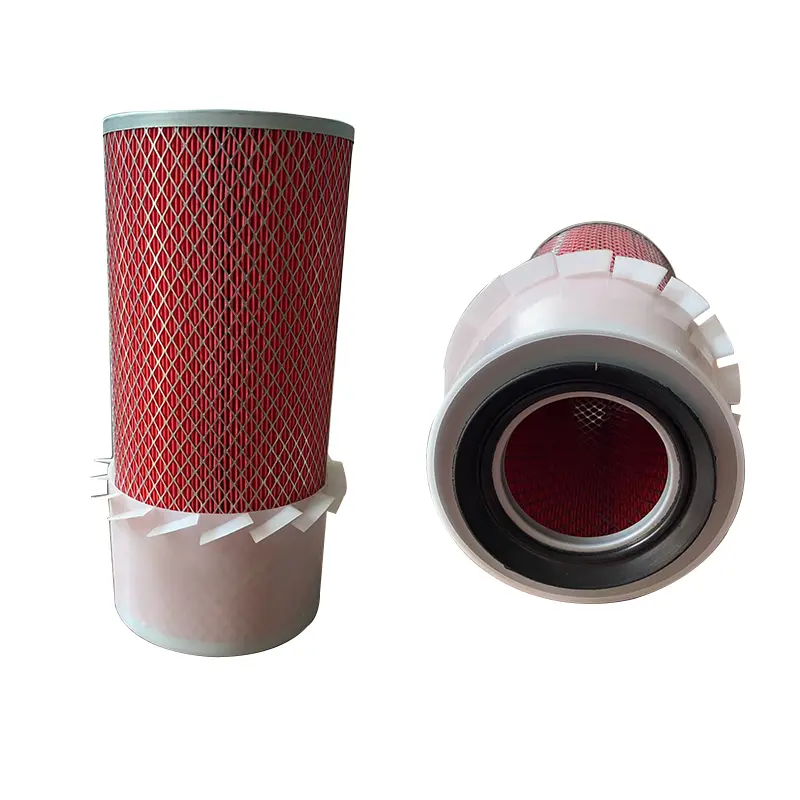
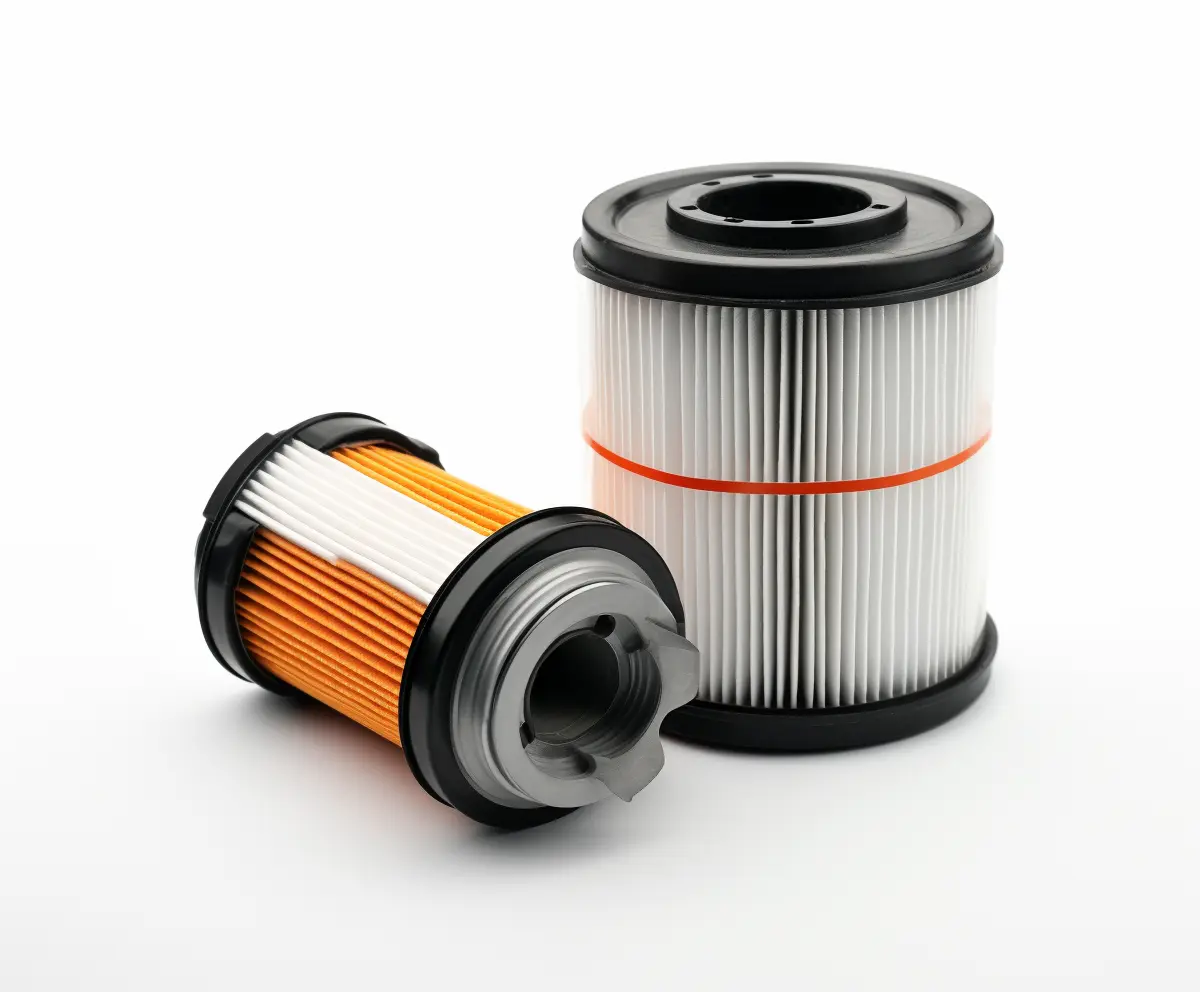
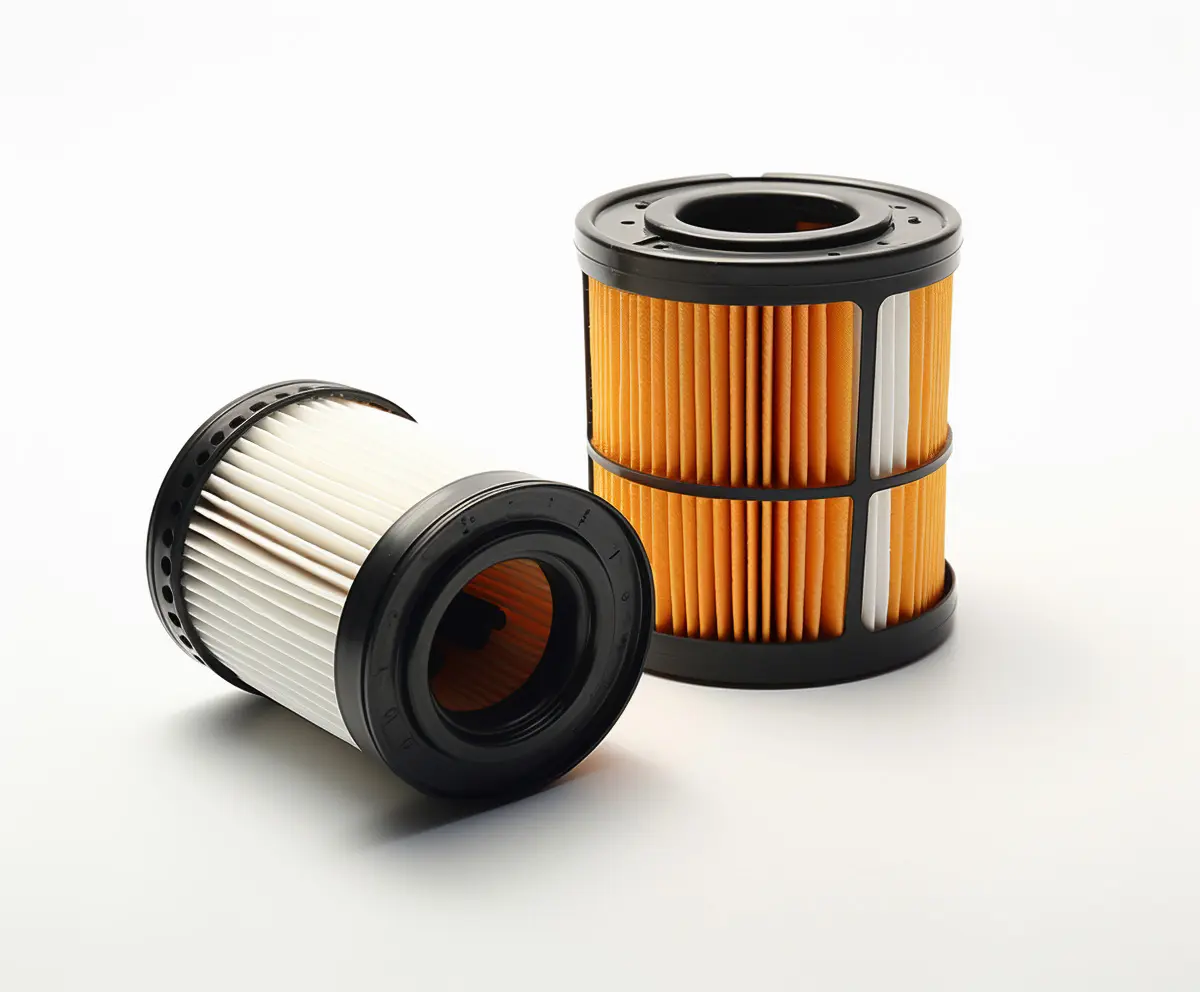
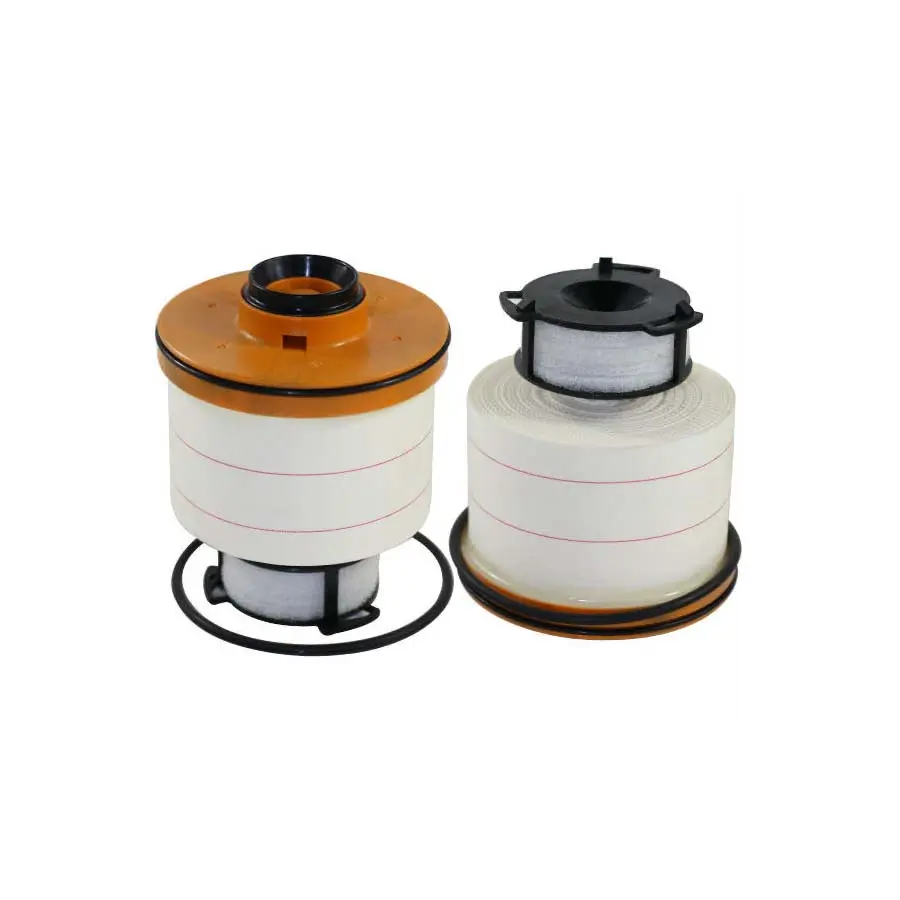
An air filter has a few parts, but each one matters. The filter media is the material that traps airborne particles. It may be made from fibers arranged in layers or folded into pleats. Those folds increase the area available for catching dust, pollen, and other debris. Air moves through the media while particles collect on its fibers. The filter does not make air perfectly clean; it reduces particles as air passes through.
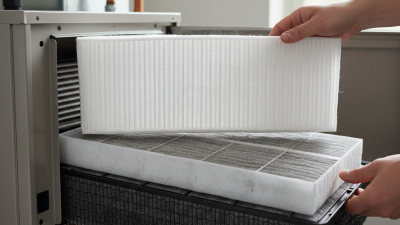
A frame holds the media in shape and helps the filter fit its slot. Some filters also have a support mesh that keeps the pleats from collapsing under airflow. A gasket or sealing edge may help close gaps around the frame. Fit matters. If air slips around the filter, some particles can bypass the media. It is easy to focus on the filter material and overlook the frame, though both affect performance.
Tips: Check the airflow direction marked on the filter before installing it. Make sure the frame sits evenly, without curled corners or visible gaps. Follow the equipment maker’s replacement guidance, since service life varies with use and dust levels. A quick visual check can help, but appearance alone is not a reliable measure of how well the media is filtering.
Air enters the filter through its dirty side, carried by a fan or the movement of air in a room. The filter’s frame holds a porous layer in place, while tiny openings let air pass through. Dust, pollen, and other particles meet the fibers along the way. Some stick on contact; others change direction and become trapped. Very small particles may move unpredictably and collide with fibers. The details vary by filter design.
The airflow does not stop at the surface. It travels through the media, following many narrow paths between fibers. A tighter, denser layer can capture more particles, but it may also make airflow harder. The fan must work against that resistance. A dirty filter adds more resistance, sometimes reducing airflow enough to affect heating or cooling. Not every change is obvious.
A loose fit can let air slip around the edges instead of passing through the filter. That bypass matters: even effective media cannot catch particles it never meets. Check that the filter sits evenly, with no visible gaps, and follow the equipment maker’s replacement guidance. I used to think a darker filter always meant it was overdue. That’s not reliable. Dust color depends on what is in the air, and a quick visual check cannot measure airflow or capture performance.
Air filters remove airborne material by guiding air through a layer of fibers, mesh, or another porous medium. Particles do not all behave alike. Larger dust and lint may collide with fibers and stick, while smaller particles can follow airflow closely before touching a fiber. Some filters also use an electric charge to attract particles. The process is gradual, not a wall that catches everything at once.
A filter’s performance depends on its structure and the size of the particles. In a fibrous filter, tightly arranged strands create many chances for particles to be intercepted or trapped. Very tiny particles move irregularly through the air, which can increase the chance of contact with a fiber. That matters. A filter designed for particles does not necessarily remove odors or gases; those may require a material such as activated carbon, which holds certain compounds on its surface.
As dust collects, the filter can become harder for air to pass through. Airflow may drop, and a poor fit can let unfiltered air slip around the edges. A clean-looking filter is not always working well, either. Replacement timing depends on the filter, the air conditions, and the equipment. It is tempting to judge by appearance alone, but that is an imperfect test. Check the manufacturer’s guidance and the system’s airflow instead.
| Filter Type or Method | How It Works | What It Can Capture or Remove | Key Considerations |
|---|---|---|---|
| Fibrous mechanical filter | Air passes through a web of fibers. Particles are captured when they follow a streamline into a fiber, collide with a fiber, or move across airflow paths and contact one. | Particles such as dust, pollen, and some fine particles, depending on the filter’s design and efficiency. | Efficiency varies by construction, airflow, and particle size. As dust accumulates, resistance to airflow can increase. |
| High-efficiency particulate air (HEPA) filter | A dense fiber medium captures particles through a combination of interception, impaction, and diffusion. | Particles across a broad size range, including fine particles. | Under the U.S. HEPA definition, a qualifying filter removes at least 99.97% of particles at 0.3 micrometers under specified test conditions. The performance of a complete device also depends on airflow and leakage around the filter. |
| Electrostatic filter or precipitator | Particles are electrically charged and then attracted to oppositely charged surfaces or collection plates. | Particles that the device can charge and collect, including some airborne dust and smoke particles. | Performance depends on device design and maintenance. Some systems can produce ozone; check product specifications and applicable safety guidance. |
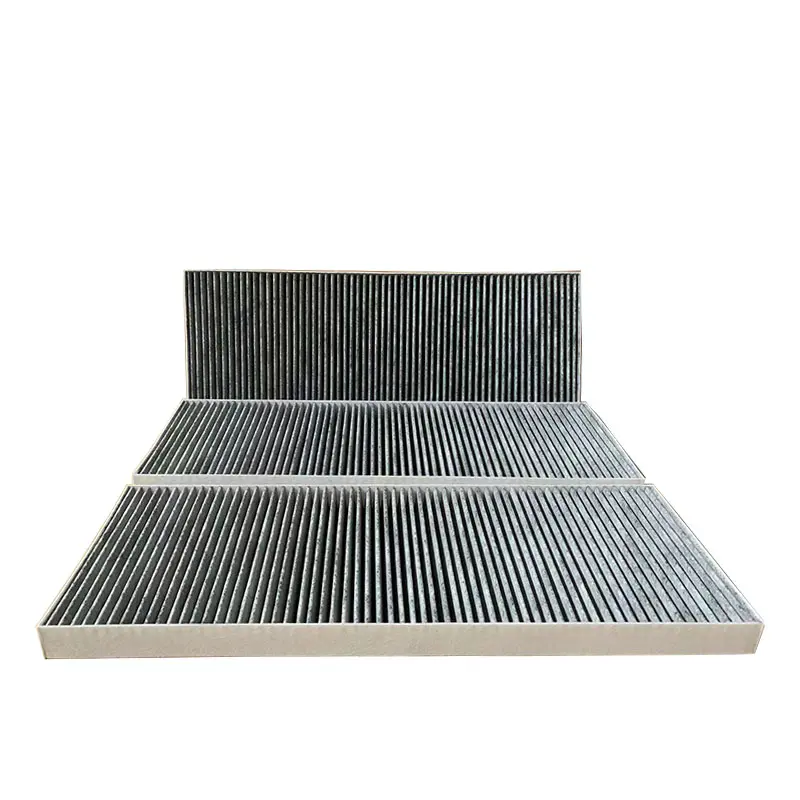
| Activated carbon filter | Porous carbon adsorbs some gases and vapors onto its surface. | Some odors and gaseous pollutants; it is not primarily a particle filter. | Effectiveness depends on the carbon quantity, target chemical, airflow, and how much the carbon has already adsorbed. It is often paired with a particle-filtering layer. |
| Washable or reusable particle filter | A reusable mesh or other medium captures particles as air passes through it. | Typically larger particles such as lint and some dust, depending on its design. | Washability does not indicate high efficiency. Follow cleaning instructions and allow the filter to dry fully before reuse. |
| Ultraviolet germicidal irradiation (UV-C) | UV-C light inactivates certain microorganisms when they receive a sufficient dose. | It may inactivate susceptible microorganisms in air or on surfaces; it does not physically trap particles. | UV-C is an air-treatment method, not a particle filter. Effectiveness depends on exposure, device design, and airflow. |
Air filters remove particles by capturing them in or on a filtering medium; other air-treatment technologies may target gases or microorganisms instead. Actual results depend on the device, installation, airflow, and maintenance.
An air filter traps particles as air moves through a home’s heating or cooling system. The right type depends on the equipment, the particles of concern, and how often the filter can be changed. A filter that is too restrictive may reduce airflow, so check the system manual before choosing a higher-rated model.
Fiberglass panel filters are inexpensive and mainly protect equipment from larger dust and lint. Pleated filters offer more surface area and can capture finer particles; their MERV rating indicates particle-removal performance under ASHRAE Standard 52.2 testing. The U.S. Environmental Protection Agency advises using MERV 13, or the highest rating the system can accommodate. Fit matters. A gap around the frame can let unfiltered air bypass the filter.
High-efficiency particulate air filters are common in portable room cleaners and specialized systems, but many central HVAC units cannot handle their resistance without modification. Activated-carbon filters help reduce some odors and gases, though they do not replace particle filtration. The U.S. Department of Energy reports that replacing a dirty filter with a clean one can reduce an air conditioner’s energy use by 5% to 15%. That figure is a useful reminder, not a guaranteed saving: household results vary with equipment, dust, and maintenance habits. I’ve found that a simple calendar reminder often helps, though checking the filter itself is still wiser.