Indoor air is rarely as clean as it looks. The U.S. Environmental Protection Agency reports that indoor pollutant levels can be two to five times higher than outdoor levels. In some buildings, concentrations may exceed outdoor levels by more than 100 times. Dust, pollen, smoke, and fine particles can collect around a return grille before anyone notices.
This guide examines the 10 Best Air Conditioning Filters for Home and Business settings. It considers filtration efficiency, MERV ratings, pressure drop, material quality, replacement intervals, and real operating costs. ASHRAE guidance commonly supports MERV 13 filters when HVAC systems can handle the added resistance. However, a higher rating is not automatically better. Poor airflow can reduce comfort, increase energy use, and strain older equipment.
R. William Bahnfleth, an ASHRAE Fellow and filtration specialist, describes filtration as “one layer of a layered risk-reduction strategy.” That point matters. A filter cannot repair outdoor pollution, moisture damage, or neglected ductwork. It can, however, capture particles before they circulate through bedrooms, classrooms, offices, and retail spaces. The U.S. Department of Energy also emphasizes regular filter replacement for maintaining HVAC performance.
Small details matter. A loose filter may let air bypass its media. A crowded office may need a different schedule than a quiet home. These recommendations are useful, but not perfect. Building age, fan capacity, occupant sensitivity, and local air quality can change the best choice. The comparisons ahead aim to make that decision clearer, more practical, and easier to verify.
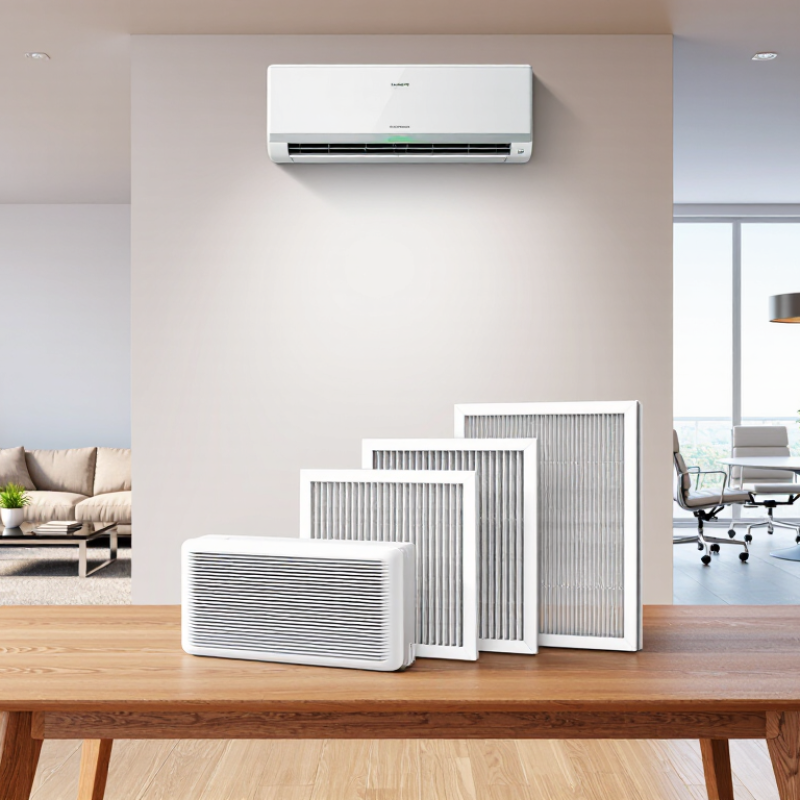
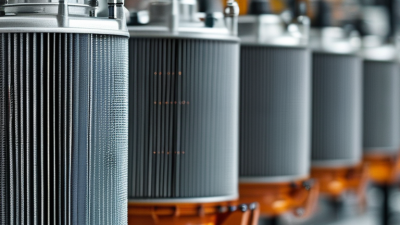
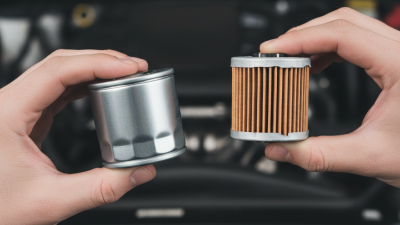
An air conditioning filter is the quiet gatekeeper inside a home or business HVAC system. It sits near the return-air opening and screens dust before air reaches the blower and cooling coil. Filter fibers trap particles through interception, impact, and sometimes electrostatic attraction. Air needs room. A filter packed with gray dust can restrict airflow, increase fan effort, and reduce cooling performance. During inspections, I often find filters installed backward or forced into a poorly fitted slot.
Homes usually face dust, pet hair, fabric fibers, and cooking particles. Businesses may also handle heavier foot traffic, paper dust, or fine material from equipment. A filter’s efficiency rating helps compare particle capture, but a higher rating is not automatically better. The HVAC system must support that resistance. Otherwise, rooms may feel warm while the equipment works harder. That matters.
A practical choice balances filtration, airflow, size, and replacement cost. Measure the existing filter carefully; a printed size can differ slightly from its actual dimensions. Check the filter monthly in dusty conditions, then replace it when the pleats look loaded or airflow weakens. Some commercial systems require pressure checks by trained technicians. I once assumed a clean-looking filter was effective, but air was bypassing it through a loose frame. That mistake changed my inspection routine. Sealing gaps and confirming airflow can matter as much as the filter media itself.
10 Best Air Conditioning Filters for Home and Business
Key Factors for Choosing an Effective HVAC Filter
An effective HVAC filter must match the system, not just the room. Check the filter size, airflow direction, and cabinet depth before buying. A filter that fits loosely can let dust pass around its edges. A filter that is too dense may restrict airflow and strain the blower motor.
MERV ratings help compare particle capture, but higher is not always better. Many residential systems work well with a moderate rating, while commercial spaces may require stronger filtration. Always review the equipment manual or ask a qualified HVAC technician. In field inspections, technicians often find filters installed backward. The arrow should point toward the air handler or furnace.
Look closely at the filter after several weeks. A gray surface, bent pleats, or rising indoor dust can signal replacement time. Some offices also use pressure gauges to measure airflow resistance instead of relying on a calendar reminder. That is more precise. Still, I would not trust appearance alone. A filter can look clean while collecting fine particles. Homes with pets, renovation dust, or allergy concerns may need more frequent changes. Businesses should also consider occupancy, ventilation rates, maintenance access, and local building requirements. No filter choice is perfect. A practical selection balances clean air, safe airflow, operating cost, and realistic maintenance habits.
| No. | Filter Type | Typical Efficiency Rating | Approx. Particle Capture Focus | Initial Pressure Drop | Best Application | Typical Replacement or Cleaning Interval | Key Advantages | Important Consideration |
|---|---|---|---|---|---|---|---|---|
| 1 | Basic Fiberglass Panel Filter | MERV 2–4 | Large dust, lint, and debris | Approximately 0.10–0.20 in. w.g. | Older residential systems and light-duty commercial equipment with limited fan capacity | Every 30–90 days | Low cost, low airflow resistance, and broad compatibility | Provides limited protection against fine particles, allergens, and smoke |
| 2 | Standard Pleated Synthetic Filter | MERV 6–8 | Household dust, pollen, mold spores, and some pet dander | Approximately 0.20–0.35 in. w.g. | Most homes and small offices using standard central air-conditioning systems | Every 60–90 days | Good balance of filtration, price, availability, and airflow | Replacement frequency may need to increase in dusty or high-occupancy spaces |
| 3 | High-Capacity Pleated Filter | MERV 8–10 | Fine dust, pollen, pet dander, and larger respiratory droplets | Approximately 0.25–0.45 in. w.g. | Homes with pets, schools, retail areas, and moderate-traffic offices | Every 60–90 days | More media surface area can extend service life and improve dust holding | Confirm that the HVAC blower can handle the added resistance |
| 4 | Enhanced Pleated Allergy Filter | MERV 11 | Fine dust, pollen, smoke particles, mold spores, and many bacteria-sized particles | Approximately 0.30–0.55 in. w.g. | Residences and offices where allergy and indoor-air-quality control are priorities | Every 60–90 days | Stronger fine-particle filtration than basic pleated filters | May reduce airflow if installed in an underpowered or poorly maintained system |
| 5 | High-Efficiency Pleated Filter | MERV 13 | Fine particles, smoke, smog, aerosols, pollen, and many microorganisms | Approximately 0.35–0.70 in. w.g. | Homes, offices, clinics, and commercial spaces seeking stronger particle control | Every 60–90 days, or sooner when visibly loaded | Strong practical filtration for many indoor-air-quality applications | System compatibility, filter thickness, and measured airflow should be checked before installation |
| 6 | Deep-Pleat Extended-Surface Filter | MERV 11–13 | Fine dust, pollen, smoke particles, and other airborne contaminants | Approximately 0.20–0.50 in. w.g. when correctly sized | Commercial buildings and larger homes with 4–12 inch filter cabinets | Every 3–12 months, depending on loading and operating hours | Greater media area can provide higher dust capacity with moderate resistance | Requires a compatible deep filter cabinet and accurate replacement dimensions |
| 7 | Electrostatic Synthetic Filter | MERV 8–11 | Dust, pollen, pet dander, and selected fine particles | Approximately 0.20–0.50 in. w.g. | Residential and light-commercial systems requiring disposable enhanced filtration | Every 60–90 days | Electrostatically charged media can improve capture of smaller particles | Performance can decline as the media loads; use the stated tested rating rather than appearance alone |
| 8 | Carbon-Impregnated Pleated Filter | MERV 8–13 | Particles plus limited reduction of some household odors and gaseous contaminants | Approximately 0.25–0.65 in. w.g. | Homes, offices, and retail spaces affected by mild odors or nearby traffic pollution | Every 30–90 days | Combines particle filtration with a small amount of odor adsorption media | Thin carbon layers have limited capacity and do not replace dedicated gas-phase filtration |
| 9 | Reusable Washable Filter | Often MERV 4–8 | Large dust, lint, pollen, and some larger airborne particles | Approximately 0.20–0.45 in. w.g. | Users who prefer a reusable option and can perform regular cleaning | Clean every 30–90 days; replace when damaged or permanently loaded | Reusable frame and media can reduce recurring disposable-filter waste | Must be completely dry before installation; filtration and airflow vary considerably by design |
| 10 | HEPA-Grade or HEPA Bypass Filter System | Typically above MERV 16 | Very fine particles, including many particles around 0.3 micrometers | Often 0.80–2.00+ in. w.g. | Specialized healthcare, laboratory, cleanroom, or dedicated air-cleaning applications | Approximately 6–24 months, based on pressure-drop readings and loading | Very high particle removal when installed in a properly engineered system | Usually unsuitable for standard residential HVAC systems without fan, cabinet, and airflow modifications |
Selection note: MERV ratings describe particle filtration performance under standardized testing, while pressure drop varies with filter size, thickness, airflow rate, and dust loading. Always verify the HVAC system’s approved filter rating, dimensions, airflow requirements, and manufacturer specifications before upgrading to a higher-efficiency filter.
Ten Top Air Conditioning Filters for Different Needs
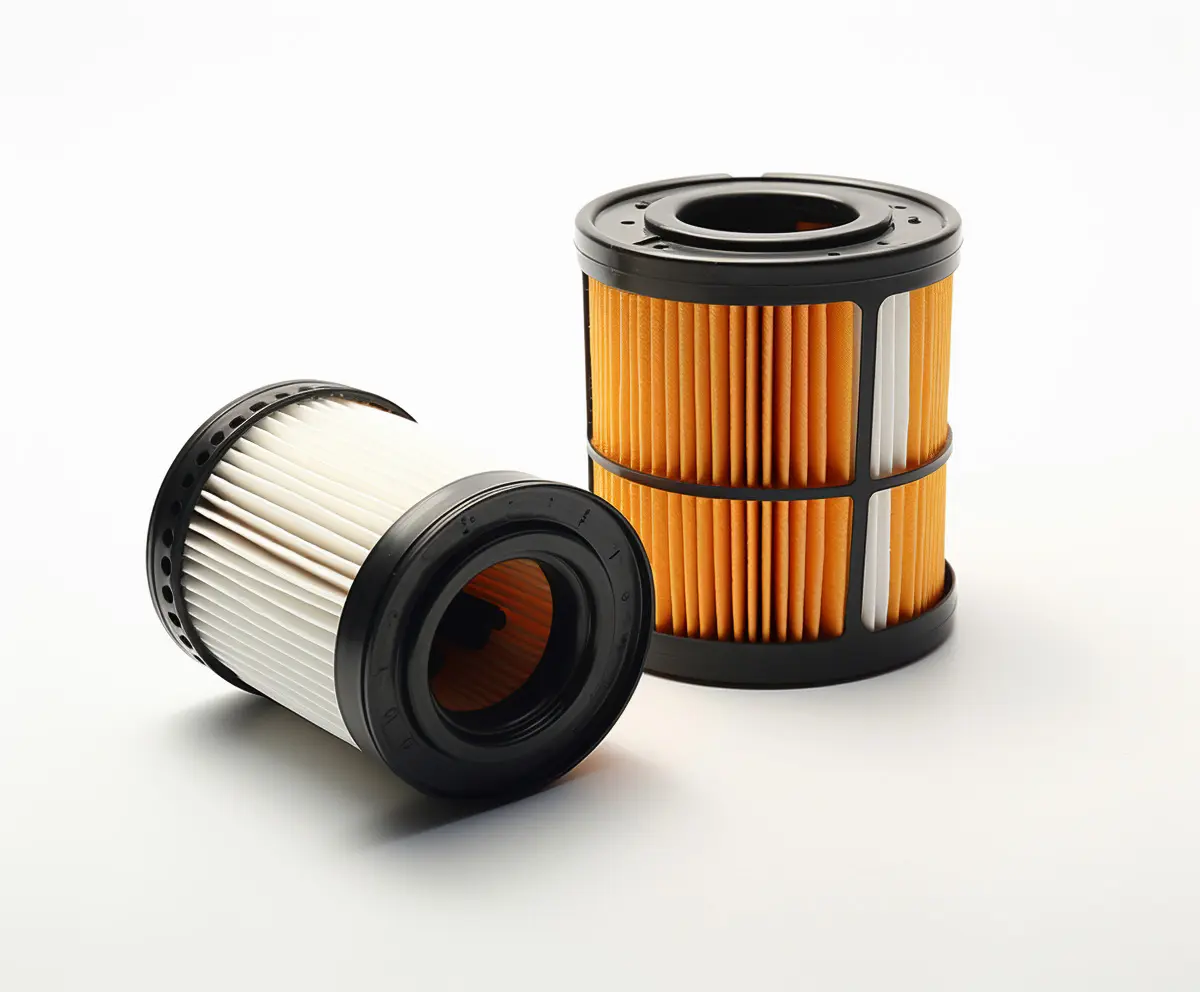
Choosing an air conditioning filter depends on airflow, indoor pollutants, pets, and maintenance habits. Basic fiberglass filters suit tight budgets and lightly dusty rooms, but they capture fewer fine particles. Pleated filters offer a practical upgrade for most homes. Look for a suitable MERV rating, not simply the highest number. High-efficiency filters can improve particle control, yet they may restrict airflow in older systems.
Allergen-focused filters help households managing pollen, dust, or pet dander. True HEPA filters provide stronger fine-particle capture, but many residential units need professional compatibility checks. Activated carbon filters target cooking smells and smoke-like odors. Electrostatic filters use charged media to attract particles, while washable filters reduce disposable waste. They require careful cleaning and complete drying. Damp media can create trouble.
Small apartments may benefit from low-resistance filters that protect airflow in compact equipment. Large homes with several occupants often need higher-capacity pleated filters. Offices and shops may prefer commercial-grade filters designed for longer operating hours. Antimicrobial-treated filters can support cleaner media surfaces, though they are not a replacement for ventilation or system cleaning. I once changed a filter too late and noticed weaker airflow immediately. That mistake was useful. Check the filter monthly, especially during dusty seasons, and follow the equipment manual before changing size or efficiency.
Choosing among ten air-conditioning filters requires more than reading efficiency labels. MERV ratings measure particle removal under controlled tests, not total indoor-air cleanliness. ASHRAE Standard 52.2 rates a MERV 13 filter at least 85% removal for 1–3 micron particles. The U.S. Environmental Protection Agency’s Guide to Air Cleaners in the Home recommends MERV 13, or the highest compatible rating, for many residential systems. That advice matters in offices, clinics, and busy homes. Higher efficiency can also increase airflow resistance. Measure the pressure drop.
Lifespan depends on dust, pets, construction work, humidity, and operating hours. A lightly used pleated filter may last three months, while a dusty commercial space may require monthly replacement. Maintenance logs should record installation dates and visual loading. Hold the filter toward a bright window. Dark pleats signal attention, but appearance alone can mislead. ASHRAE’s guidance supports checking system airflow and pressure, not relying only on calendar intervals. Washable filters reduce replacement waste, yet they need thorough drying and careful cleaning. A damp filter is a poor trade. HEPA units can deliver higher capture, but many standard air handlers cannot tolerate their resistance without redesign. One uncomfortable lesson remains: the “best” filter may perform worse when neglected, oversized, or installed backward.
Comparison of representative particle-capture efficiency, typical service life, and maintenance frequency for common residential and light-commercial filter types.
Efficiency values are representative results under standardized test conditions and may vary with airflow, dust loading, and filter quality. Actual replacement intervals depend on operating hours, indoor air quality, pets, construction dust, and the equipment manufacturer's recommendations.
A good air conditioning filter protects equipment and improves indoor air quality. Before buying one, check the exact size printed on the old filter. Do not force a filter into a narrow slot. A poor fit allows dusty air to bypass the filter. Homes may need different filtration than offices, workshops, or medical spaces. Follow the equipment manual and choose a rating the system can handle. Stronger filtration is not always better.
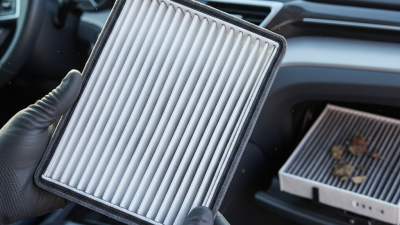
Turn off the air conditioner at the thermostat before opening the access panel. For added safety, switch off the nearby electrical disconnect when the panel exposes wiring. Wear light gloves, especially when removing a gray, dusty filter. Slide the old filter out slowly. Keep its dust surface facing upward during removal. Then check the airflow arrow on the new filter. It should point toward the blower or indoor unit. Push the filter in evenly, without bending its frame. I once installed a filter backward during a rushed maintenance visit. It still looked correct, but airflow weakened noticeably.
Tips: Mark the installation date on the filter frame. Inspect it monthly during heavy-use seasons. Replace it when visibly loaded, damaged, or damp. Never wash a disposable filter. Clean reusable filters only as directed, and let them dry completely. A forgotten filter is easy to overlook. Set a calendar reminder for busy buildings and homes with pets.