What is the Best Engine Filter for Your Vehicle?
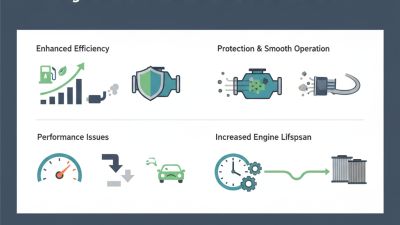
When selecting the best engine filter for your vehicle, understanding its crucial role is essential. An engine filter serves as a barrier against harmful contaminants, protecting your engine's efficiency and longevity. According to a report from the Automotive Aftermarket Products Expo, almost 80% of engine problems are linked to inadequate filtration. This emphasizes how vital the right engine filter is for vehicle performance.
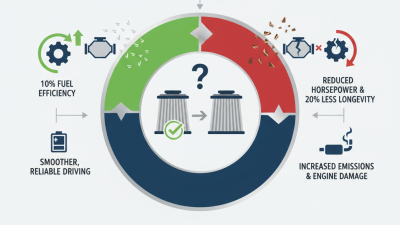
Choosing the proper engine filter involves considering several factors. It's important to note that not all filters are created equal. High-quality filters can remove particles as small as 5 microns, improving air flow and fuel efficiency. Industry standards indicate that a good engine filter can enhance engine life by up to 30%. Yet, many vehicle owners neglect regular replacements, leading to potential engine damage.
Reflecting on typical consumer habits reveals a fundamental flaw. Many drivers prioritize other maintenance over filter replacements. This oversight can lead to decreased vehicle efficiency and higher repair costs. By making informed choices about engine filters, drivers can significantly improve their overall vehicle performance and longevity.
Understanding the Role of Engine Filters in Vehicle Performance
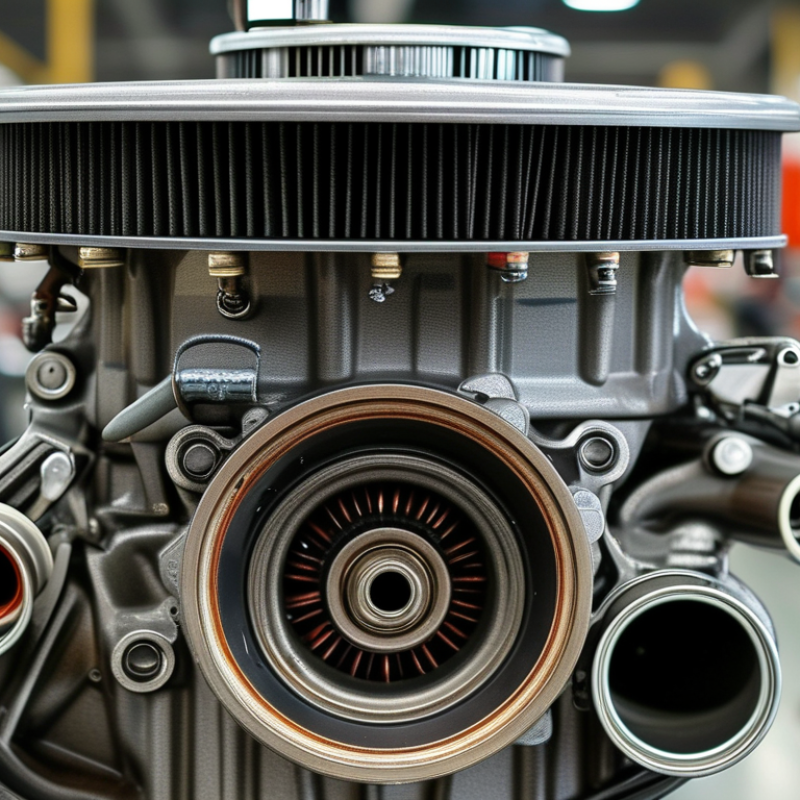
Engine filters play a crucial role in maintaining your vehicle's performance. They help to trap dirt, debris, and contaminants that can damage the engine. A clean engine runs more efficiently. When filters are clogged, they can restrict airflow and reduce fuel efficiency. Drivers may notice increased fuel consumption or reduced power. Regularly checking and replacing these filters is essential, yet many overlook this simple task.
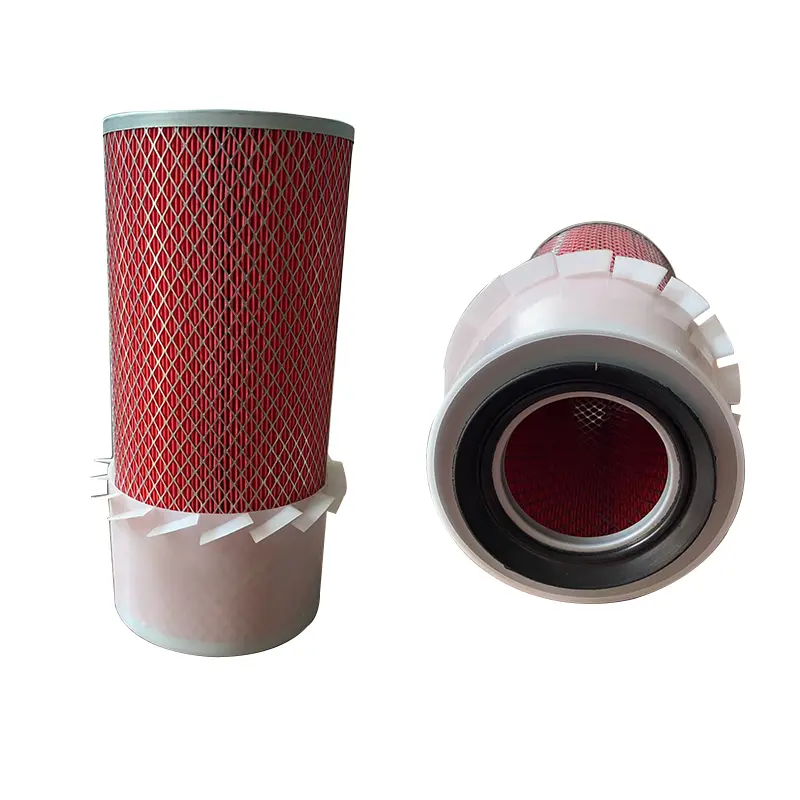
The air filter and oil filter are particularly important. The air filter ensures that clean air enters the engine for combustion. In contrast, the oil filter removes impurities from the engine oil. Both filters contribute to longer engine life and smoother operation. A well-maintained filter system can enhance engine performance, but neglecting them can lead to costly repairs.
Considering the right type of engine filter for your vehicle is essential. Not every filter suits all engines. It's vital to consult your vehicle's manual or seek expert advice. Understanding your vehicle's needs can save time and money down the road. Ignoring filters may seem harmless, but the engine will inevitably show signs of neglect.
Types of Engine Filters: Oil, Air, Fuel, and Cabin Filters Explained
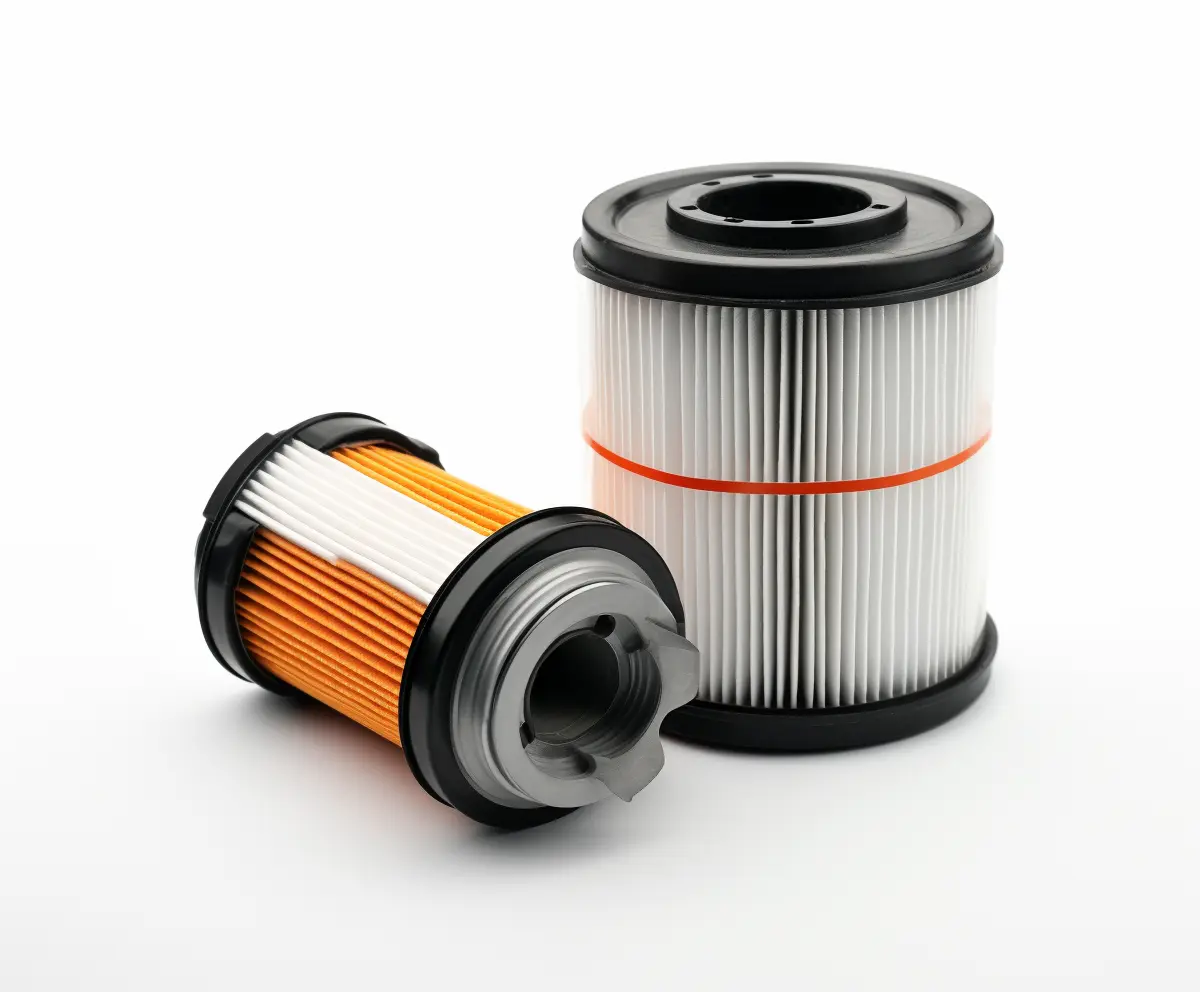
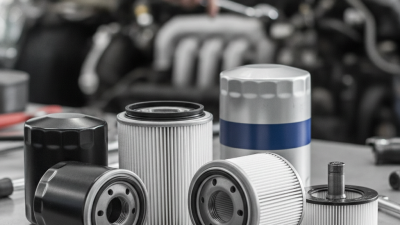
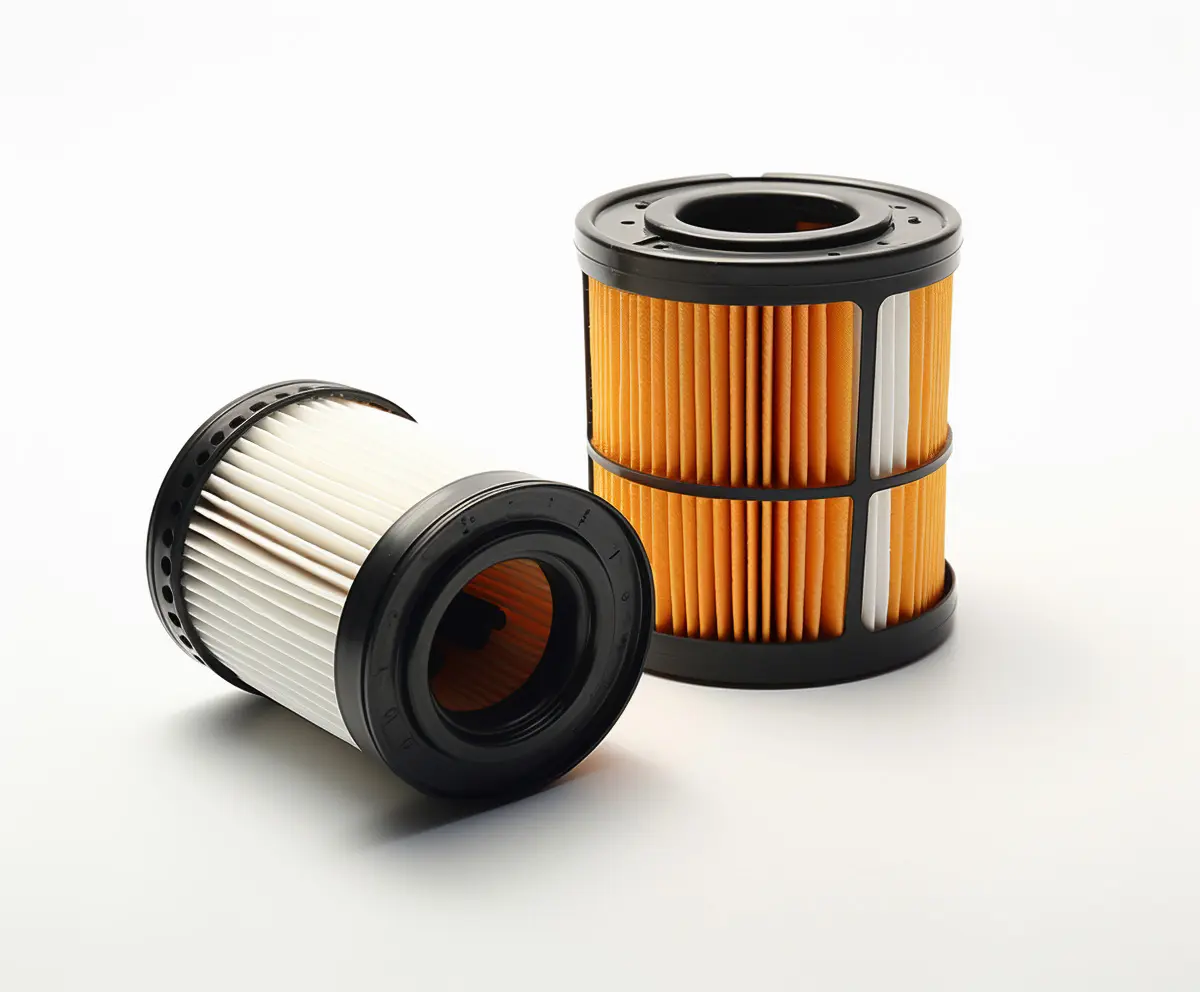
Engine filters play a crucial role in maintaining vehicle performance. There are four main types: oil, air, fuel, and cabin filters. Each type serves a specific function, contributing to the overall health of your engine and the quality of air inside your vehicle.
Oil filters remove contaminants from the engine oil. This ensures that the oil lubricates properly, extending engine life. Air filters keep dirt and debris from entering the engine, maintaining optimal airflow. A clogged air filter can lead to reduced efficiency.
Fuel filters prevent dirt from entering the fuel system, ensuring smooth engine operation. Lastly, cabin filters clean the air that enters the vehicle's interior, improving comfort for passengers.
Choosing the right filter requires understanding your specific needs. Some filters are easier to access than others. Regularly inspecting and replacing filters can prevent costly repairs down the line. Noticing a drop in performance? This could be a sign that one or more filters need attention. Remember, maintaining these filters is as crucial as changing your oil. It's a small effort with a significant impact on your driving experience.
Factors to Consider When Choosing the Best Engine Filter for Your Vehicle
Choosing the right engine filter for your vehicle can make a significant difference in its performance. One key factor to consider is the type of filter needed. Engine filters come in various designs, including oil, air, and fuel filters. Each type serves a unique purpose in maintaining engine efficiency and longevity. Understanding these differences is essential for making an informed choice.
Another crucial consideration is the quality of the materials used in the filter. High-quality filters often feature better filtration media. This can help trap more contaminants, resulting in cleaner air or oil entering your engine. It's also important to check for certifications. Certified filters usually meet specific industry standards, ensuring reliability and effectiveness.
Additionally, think about the frequency of replacement. Some filters require more regular changes than others. This can impact both your maintenance schedule and budget. Trying to save money by using cheaper filters might lead to issues down the line. Regularly reviewing your vehicle's manual for recommended filter specifications can prevent costly mistakes.
Top Brands and Models of Engine Filters Available in the Market
Choosing the right engine filter is crucial for vehicle performance. There are various types available, including oil filters, air filters, and fuel filters. Each type plays a unique role in keeping the engine clean and efficient. Many drivers overlook the impact of a quality filter. A subpar filter may lead to poor performance and increased emissions.
When selecting an engine filter, consider well-reviewed brands known for reliability. Look for models recommended by professionals or those with proven longevity. Compatibility with your specific vehicle model is essential. Seeking filters that meet or exceed OEM specifications can enhance engine durability.
Pay attention to customer feedback and expert insights. Understanding the material and design can aid in making an informed choice. Engine filters made from high-grade materials often provide better filtration. Sometimes, individuals settle for cheaper options, only to regret it later. Balancing cost and quality is necessary for optimal engine health.
What is the Best Engine Filter for Your Vehicle? - Top Brands and Models of Engine Filters Available in the Market
| Filter Type |
Material |
Lifespan (Miles) |
Price Range ($) |
Compatibility |
| Oil Filter |
Synthetic Fiber |
5,000 - 10,000 |
10 - 30 |
Most SUVs and Cars |
| Air Filter |
Paper/Cotton |
15,000 - 30,000 |
15 - 35 |
Gasoline Engines |
| Fuel Filter |
Metal/Plastic |
30,000 - 60,000 |
5 - 25 |
Diesel and Gasoline Engines |
| Cabin Air Filter |
Activated Carbon |
12,000 - 24,000 |
15 - 40 |
Most Vehicles |
Maintenance Tips for Optimizing the Longevity of Engine Filters
Maintaining your engine filter is crucial for a smooth running vehicle. Regular checks and timely replacements can extend the lifespan of your engine. Ensuring that the filter is clean helps the engine breathe better, promoting efficiency.
One effective strategy is to inspect the filter every 6,000 miles. Dust and debris accumulate over time, which can restrict airflow. Keeping it clean enhances your engine performance. A neglected filter can lead to increased fuel consumption and potential engine damage.
Consider replacing the filter at recommended intervals, usually every 15,000 to 30,000 miles. Look for signs of wear, such as discoloration or a strong smell of fuel near the intake. If you're unsure about the condition, consult a trusted mechanic for advice. Simple actions can lead to better performance and durability. Regular maintenance fosters a reliable and efficient vehicle.

 Products
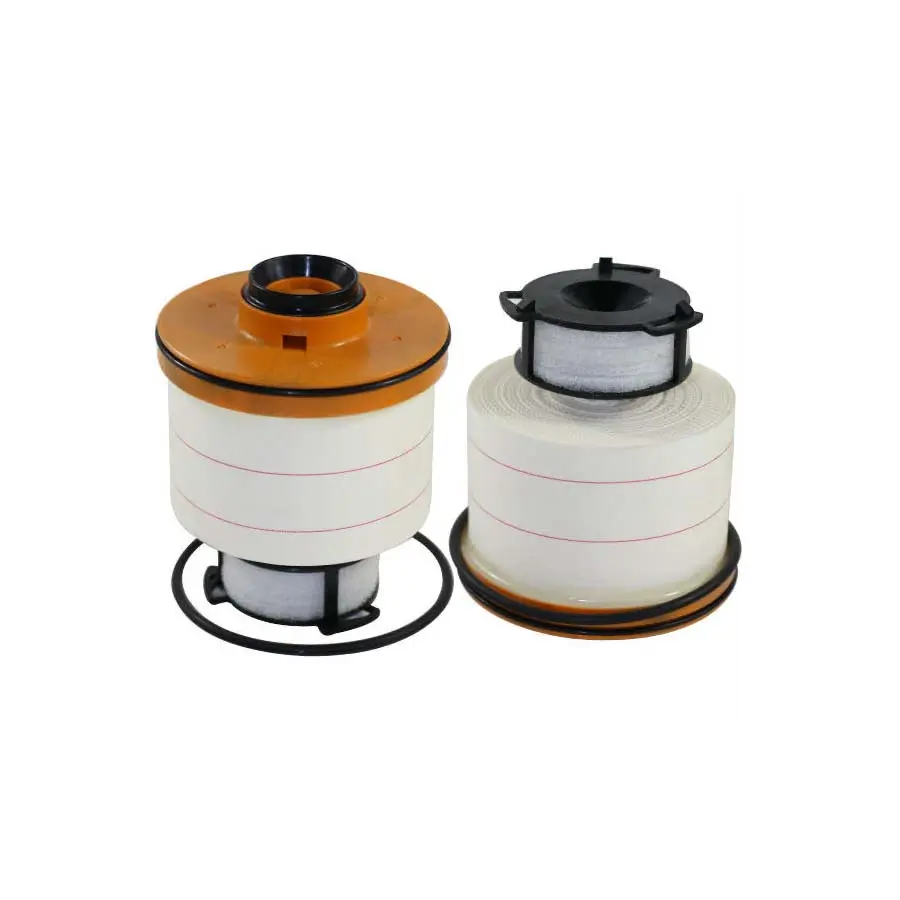 FUEL FILTER
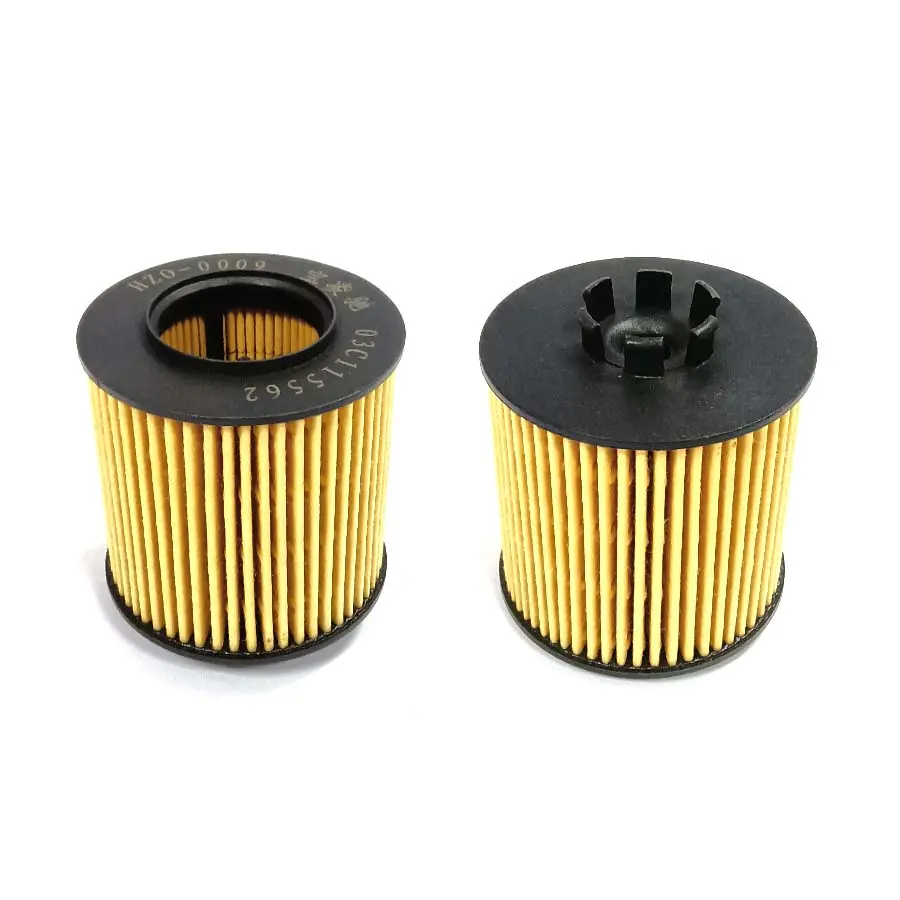 OIL ELEMENT FILTER
 OIL FILTER
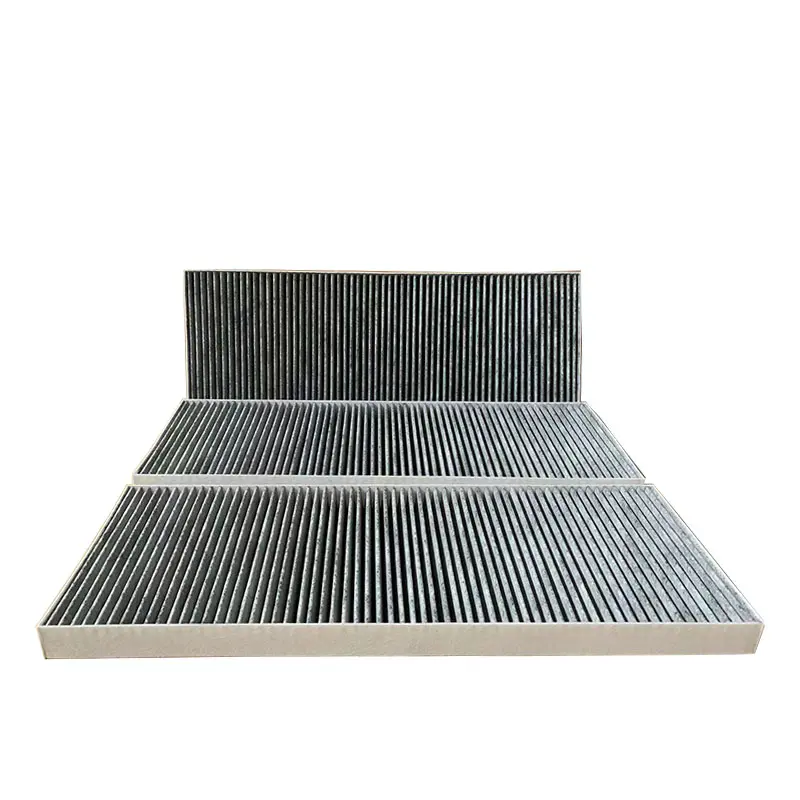 CABIN FILTER
 AIR FILTER