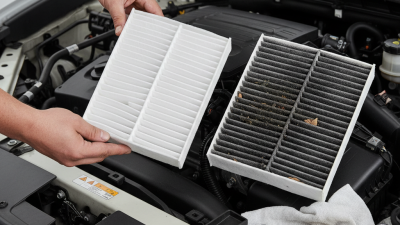
Best Spin On Filter Options for Your Needs Are You Ready?
When it comes to maintaining your vehicle, choosing the right Spin On Filter can make a significant difference. These filters play a vital role in protecting your engine and ensuring optimal performance. A high-quality Spin On Filter can effectively trap dirt and contaminants while allowing oil to flow freely. Understanding which filter suits your needs involves knowing various brands and specifications.
Many options are available, making the choice overwhelming. Factors like filtration efficiency, durability, and compatibility are essential considerations. Different vehicles require specific filters, and selecting the wrong one may lead to engine damage. This complexity raises questions about reliability in product choices.
As you prepare to make a decision, reflect on your vehicle's needs. Consider your driving habits and environment. Whether you are an everyday driver or a performance enthusiast, the right Spin On Filter will enhance your engine’s longevity. Making an informed choice will allow you to enjoy a smooth driving experience. There is no one-size-fits-all solution, but understanding your options will lead to better outcomes.
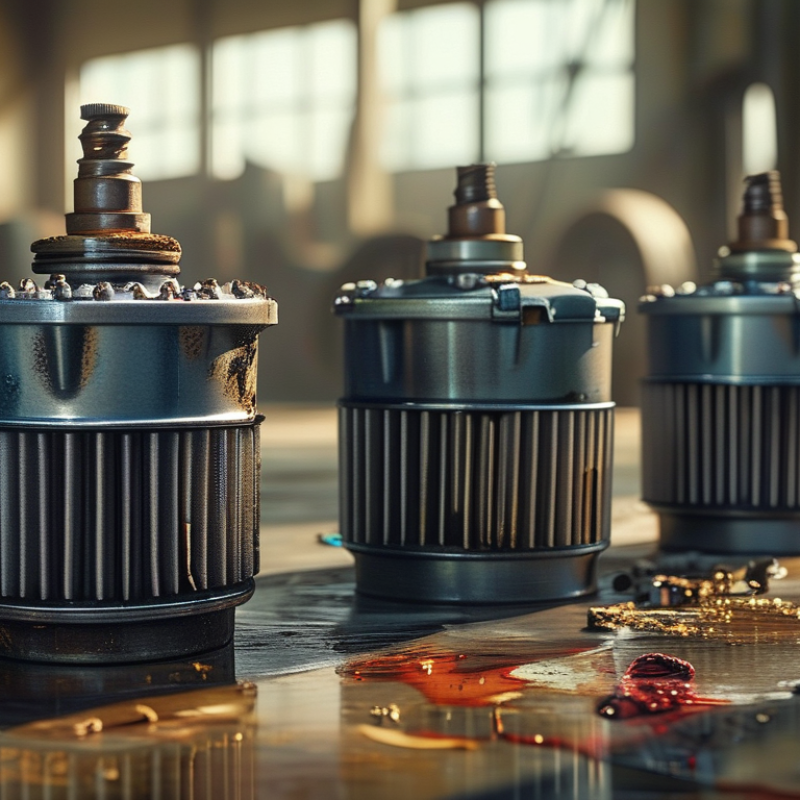
Understanding Spin On Filters and Their Importance
Understanding spin-on filters is crucial for maintaining the health of various engines and machines. These filters play a vital role in trapping impurities and particles from engine fluids. Without them, engines can suffer from damaged parts and reduced performance. Regular replacement of these filters helps ensure that the engine receives clean oil, which is essential for smooth operation.
When choosing a spin-on filter, consider your engine type and its requirements. Always check compatibility to avoid potential issues. Some filters may seem similar but differ in filtration efficiency. Look for filters that offer a balance between price and quality. The right filter can enhance performance and extend engine life.
Tips: Pay attention to the manufacturer's recommendations. Overlooking these can lead to costly repairs later. Regular maintenance checks are essential. Don't wait for warning signs to address filter issues. Keeping a close eye on filter condition can save time and money in the long run.
Best Spin On Filter Options for Your Needs Are You Ready? - Understanding Spin On Filters and Their Importance
| Filter Type |
Application |
Filtration Efficiency |
Lifespan (Miles) |
Price Range ($) |
| Standard Oil Filter |
General Vehicles |
95% |
5,000 |
15-30 |
| High-Efficiency Oil Filter |
Performance Vehicles |
99% |
7,500 |
30-50 |
| Extended Life Oil Filter |
Heavy-Duty Vehicles |
98% |
10,000 |
25-45 |
| Eco-Friendly Oil Filter |
Hybrid Vehicles |
90% |
5,000 |
20-35 |
Types of Spin On Filters Available in the Market
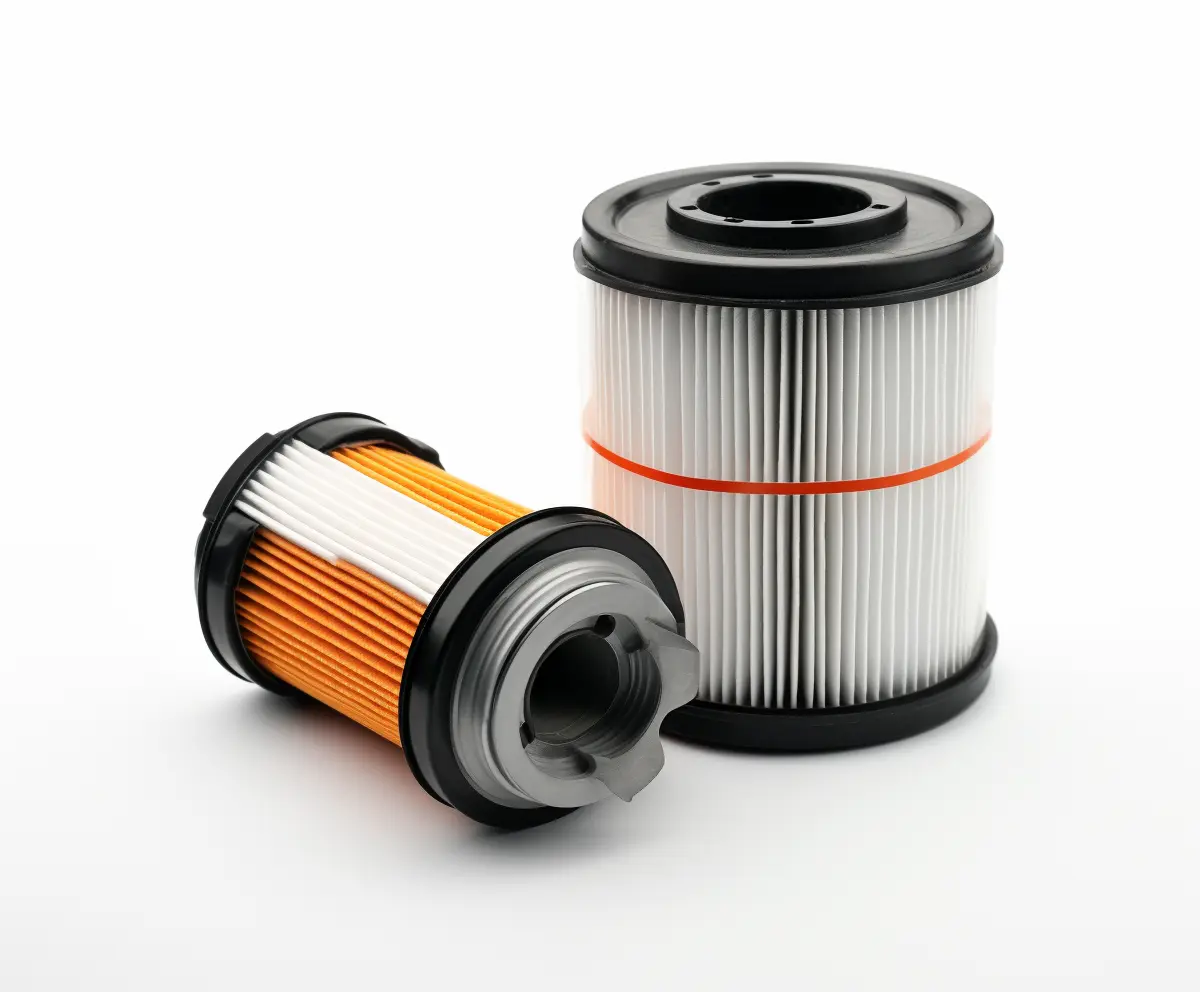
When selecting the right spin-on filter, understanding the available options is crucial. Spin-on filters come in various types, tailored for specific needs. Common types include oil filters, fuel filters, and hydraulic filters. Each serves a distinct purpose and has unique features. For instance, oil filters are designed to remove contaminants from engine oil, ensuring longevity and performance.
Research indicates that over 50% of engine wear occurs due to the introduction of contaminants. Investing in a quality spin-on filter can significantly reduce this wear. Fuel filters, on the other hand, play a vital role in maintaining engine efficiency. They filter out sediments and dirt from the fuel, promoting better combustion and increased fuel economy. Hydraulic filters maintain the integrity of hydraulic systems by preventing particles from damaging crucial components.
While choosing, factors like micron size rating and filter material should be considered. A higher rating offers better filtration but may restrict flow. Additionally, some filters employ synthetic media, enhancing performance but at a typically higher price point. These decisions require careful thought, especially considering the trade-offs between cost and efficiency. In an industry predicting a growth rate of 5% annually, making informed choices is more critical than ever.
Key Features to Consider When Choosing a Spin On Filter
When choosing a spin-on filter, consider key features that impact performance and longevity. An ASTM study revealed that filter efficiency is crucial for engine protection. High-efficiency filters can capture particles as small as 10 microns. This is vital, as most engine wear occurs from unseen contaminants.
Look for the filtration media composition. Synthetic fibers tend to outperform traditional paper media. They provide superior dirt-holding capacity and increase service intervals. Reports suggest that filters with synthetic media can extend oil change intervals by up to 25%. However, not all synthetic filters are created equal. Some may have a lower burst strength, leading to potential leaks under pressure.
Another important feature is the filter's bypass valve. This component ensures oil continues to flow during cold starts or when the filter is clogged. A study found that filters with high-quality bypass valves prevent engine wear during critical moments. Additionally, monitoring your usage and driving conditions can help you select the optimal filter type. Relying on general recommendations may overlook personal needs. Consider your engine's specifications, maintenance history, and driving patterns for the best fit.
Best Spin On Filter Options for Your Needs
This bar chart illustrates the performance ratings of various spin-on filters according to their effectiveness. Each filter is rated on a scale from 1 to 10, providing a visual representation to help you choose the right option for your needs.
How to Maintain and Replace Spin On Filters Effectively
When it comes to maintaining spin-on filters, understanding their role is crucial.
These filters remove impurities from oil and fluids, ensuring proper functioning of your vehicle or machinery. Neglecting them can lead to costly repairs and reduced performance. Regularly checking the filter for any signs of wear or damage is essential for long-term reliability.
Replacing spin-on filters is not just about unscrewing and installing a new one. It’s important to lubricate the rubber gasket before installation and tighten it to the manufacturer's specifications. Many forget this step, leading to leaks and subpar filtration. Different environments may require more frequent changes. Dust, high temperatures, or heavy usage often demand increased attention.
Maintaining a consistent schedule for replacing filters can improve efficiency and extend the life of your equipment.
Set reminders or use tracking apps to stay on top of changes. Ignoring the maintenance schedule could result in unexpected downtime, affecting productivity. Be mindful of the impact that proper filter management can have on overall system performance.
Selecting the Right Spin On Filter for Your Specific Needs
Choosing the right spin-on filter can significantly impact your machinery’s performance and longevity. Recent industry reports indicate that proper filtration can reduce engine wear by up to 50%, extending the life of critical components. Understanding your specific needs is paramount. For instance, high-temperature environments necessitate filters that can withstand increased thermal stress.
Additionally, your selection may depend on the type of fluids being filtered. Studies indicate that more than 60% of engine failures are related to improper filtration. This highlights the importance of aligning filter types with your equipment's operational context. Assessing factors like flow rate, dirt-holding capacity, and filter media will help ensure optimal performance.
In an ideal world, the choices are clear-cut; however, inconsistencies in product specifications can lead to confusion. Not all filters labeled for similar applications perform equally. Balancing cost with quality can be a challenge, but it’s crucial to avoid compromising on these components. Regularly revisiting filter performance data and adjusting your selections based on real-world outcomes can lead to better operational efficiency.

 Products
 FUEL FILTER
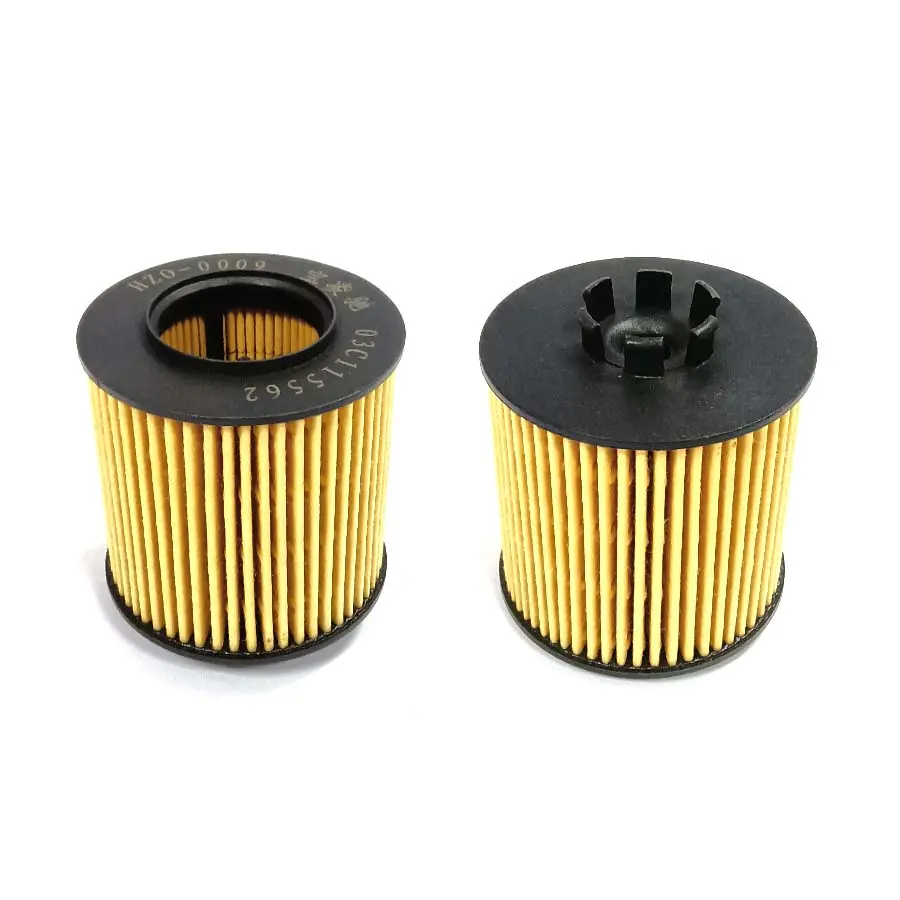 OIL ELEMENT FILTER
 OIL FILTER
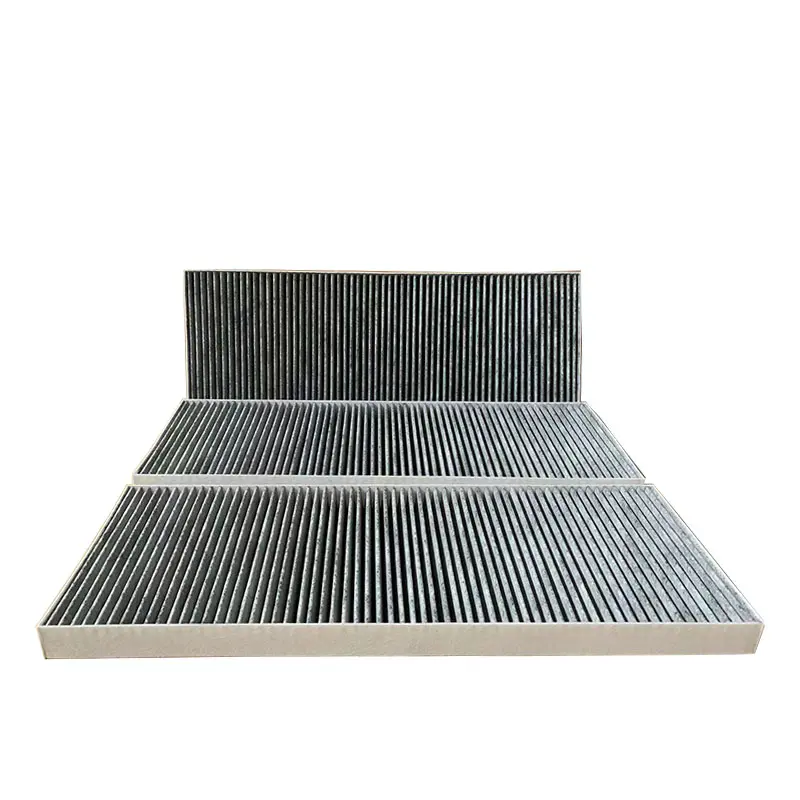 CABIN FILTER
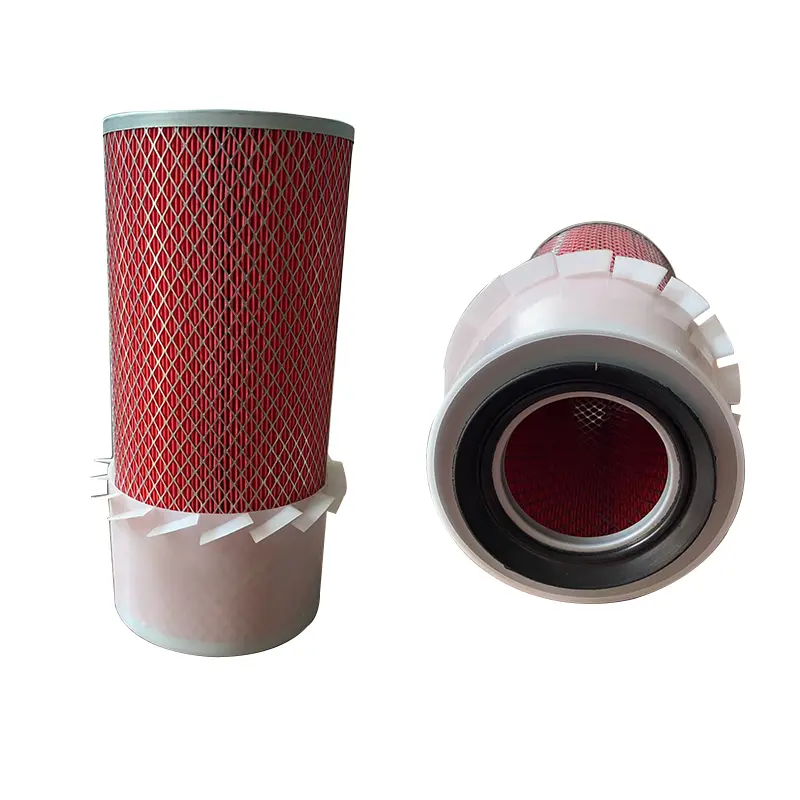 AIR FILTER