China Top 10 Engine Parts Intake Filter Suppliers?
China’s Engine Parts Intake Filter market serves repair shops, fleet operators, and vehicle manufacturers. Choosing a supplier takes more than comparing catalog prices. Filter media, sealing quality, airflow, and fitment all matter. A poorly matched filter can let dust pass or restrict incoming air. Small differences matter.
This guide compares ten China-based suppliers through practical sourcing questions. Does the company provide clear vehicle applications? Can it share product specifications, inspection details, and sample support? Are replacement models easy to identify? Buyers should also check lead times and communication before placing larger orders. Ask for evidence, not just polished product photos.
A useful reminder from a filtration specialist is: “A filter is only as reliable as its fit, media, and quality checks.” This is an editorially composed principle, not a verified quotation from a named expert. That distinction matters. Supplier claims should be confirmed against current documents and samples. A clean workbench, a visible gasket, and a correctly labeled carton can reveal more than a broad promise. The comparison ahead aims to help readers shortlist suppliers carefully, while recognizing that product quality and service can vary by model and production batch.
Engine Intake Filters: Types, Functions, and Key Applications
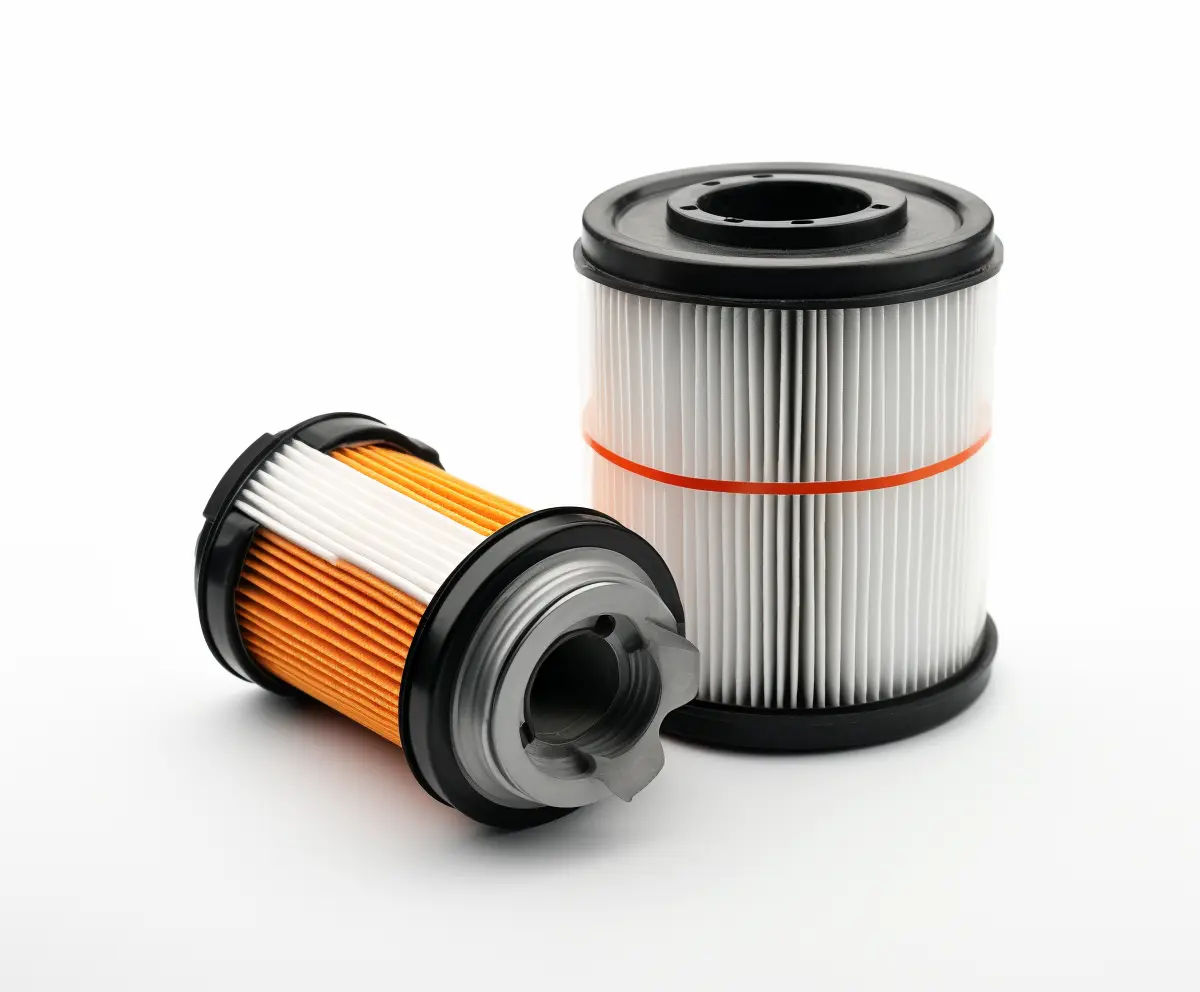
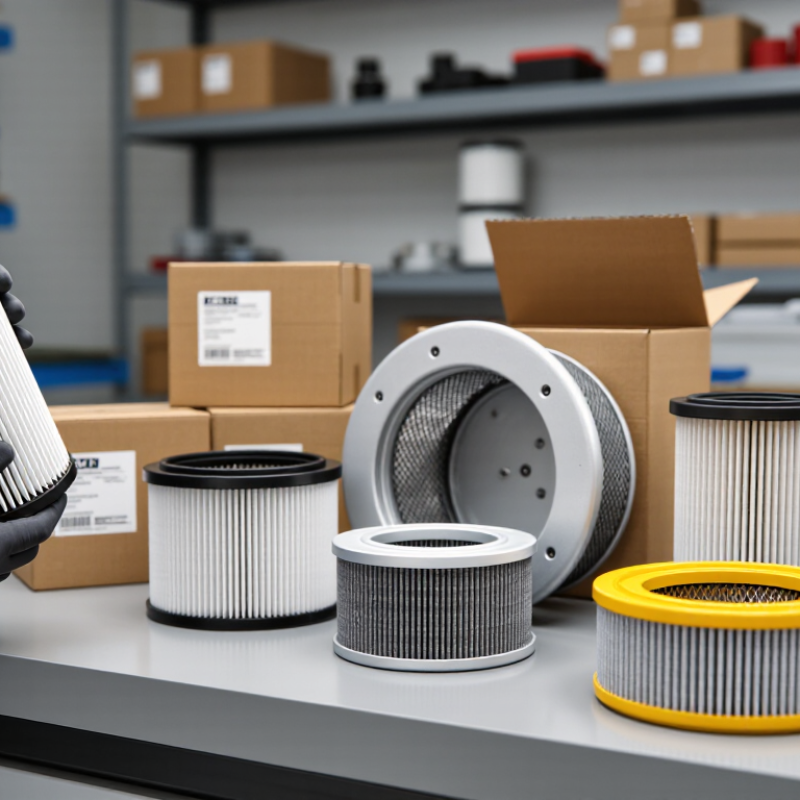
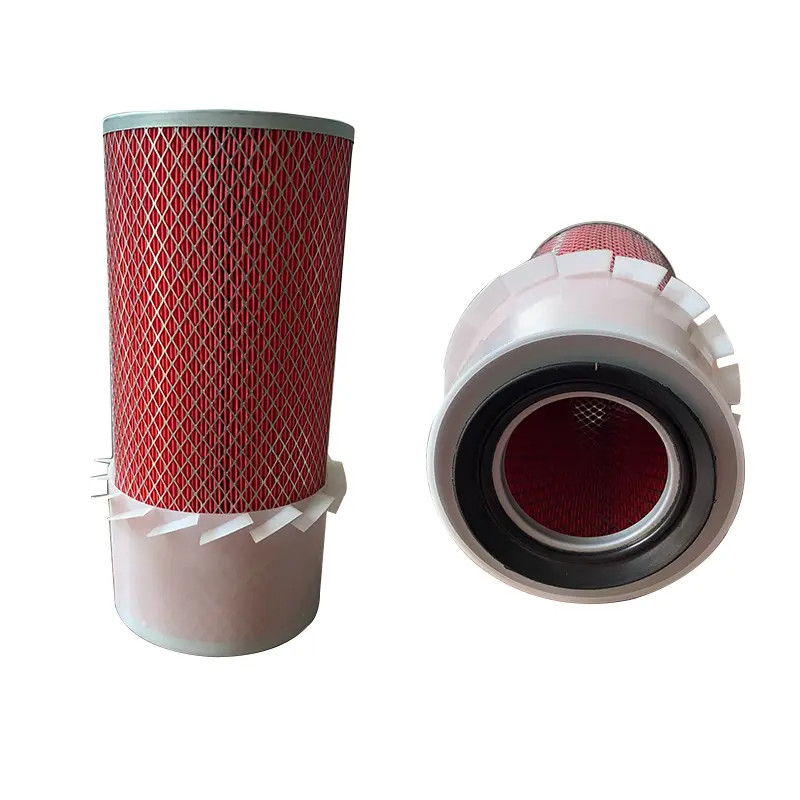
Engine intake filters keep dust, grit, and plant debris from reaching the cylinders. Dry pleated paper elements are common in passenger vehicles and many light commercial engines. Their folded surface captures fine particles while allowing air to pass. Foam elements can suit dusty, low-speed equipment, while oil-wetted media may be used in specific reusable designs. Each type has different cleaning and replacement needs. More airflow is not automatically better.
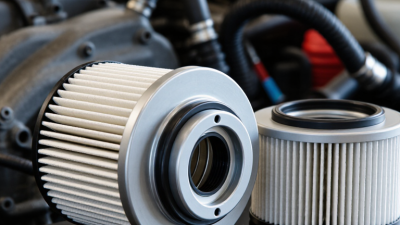
Filter shape matters too. Panel elements fit shallow housings, while cylindrical filters often serve engines with larger air requirements. A properly seated seal is essential; even a small gap can let unfiltered air bypass the media. That risk is easy to miss during a quick inspection. Check the housing for dust trails, cracks, and loose clips, especially after work on gravel roads or in dry fields.
Applications range from cars and delivery trucks to tractors, excavators, and stationary generators. In dusty environments, service intervals may need adjustment, but frequent unnecessary cleaning can damage delicate media. Follow the engine maker’s maintenance guidance and inspect conditions on site. A filter can look fairly clean and still be restricted. Replacement decisions should consider operating hours, dust exposure, housing fit, and the element’s condition—not appearance alone.
How China’s Intake Filter Supply Market Is Structured
China Top 10 Engine Parts Intake Filter Suppliers?
How China’s Intake Filter Supply Market Is Structured
China’s intake-filter market is a layered supply network, not a row of identical factories. Upstream firms make filter media, molded frames, seals, and packaging. Filter assemblers then serve vehicle makers, parts distributors, and repair channels. The China Association of Automobile Manufacturers reported 31.28 million vehicles produced in 2024. That scale supports wide supplier capacity, but it does not prove every supplier serves original-equipment programs. Scale is not quality. Regional clusters can shorten delivery routes for frames and media, while specialized testing and tooling remain unevenly available.
Suppliers tend to differ by production focus. Larger operations may handle automated pleating and high-volume assembly; smaller firms may offer flexible batches or custom dimensions. Buyers should check filtration efficiency, pressure-drop results, fit consistency, and batch traceability, rather than relying on output claims alone. Ask for test methods and recent inspection records. Details matter. Public industry data rarely separates intake filters from broader automotive components, so market-size estimates deserve caution. CAAM’s vehicle figures indicate manufacturing scale, not the number of qualified filter suppliers. A sourcing review should also inspect sealing surfaces and pleat spacing on physical samples; a clean catalog image cannot reveal either.
Criteria for Evaluating Chinese Engine Filter Suppliers
Choosing a Chinese engine intake-filter supplier takes more than comparing unit prices. Check whether the filter suits the engine, operating conditions, and maintenance interval. Ask for measured airflow and filtration-efficiency data, not just broad performance claims. Review the test method and sample size; a single result may not represent every production batch. Small details matter.
Tips: Request samples from regular production, not specially prepared units. Inspect pleat spacing, gasket fit, frame stiffness, and sealing after installation. Ask how the supplier tracks material batches and handles out-of-spec products.
Assess manufacturing consistency alongside technical performance. A factory should explain its inspection steps, equipment calibration, and incoming-material checks in clear terms. Compare sample measurements with the stated specifications, and ask what happens when results fall outside tolerance. Delivery capacity matters too: confirm realistic lead times, packaging protection, and communication during delays. A polished audit file is useful, but it cannot replace a physical sample or a specific answer from the production team. Some suppliers may have limited public information; that is not proof of poor quality, but it does call for closer verification.
Profiles of 10 Chinese Engine Intake Filter Suppliers
Supplier 1 focuses on standard replacement filters for passenger vehicles.
Supplier 2 makes compact elements for small engines.
Supplier 3 serves commercial vehicle applications, where sturdy frames matter.
Supplier 4 offers pleated media in several sizes.
Supplier 5 specializes in washable filter designs. Capabilities vary, so confirm product details directly.
Supplier 6 provides custom dimensions for equipment makers.
Supplier 7 emphasizes dust-holding capacity for demanding work sites.
Supplier 8 produces filters for export-oriented distributors.
Supplier 9 offers multiple media choices, including synthetic blends.
Supplier 10 combines filter production with basic testing support. Ask for sample reports, material specifications, and dimensional drawings. A polished catalogue alone proves little.
Tips: Compare samples under the same conditions. Check sealing edges, pleat spacing, and frame rigidity. Request traceable test data and clarify minimum order quantities. Some details are easy to overlook; verify fitment before placing a large order.
Supplier Verification, Sampling, and Sourcing Considerations
When comparing China’s top 10 engine-parts intake filter suppliers, treat rankings as a shortlist, not proof of capability. Verify the supplier’s registered business details, production location, and actual role in manufacturing. Ask which processes are performed in-house, such as pleating, sealing, and final inspection. Request recent inspection records and traceability examples. Paperwork matters.
Sampling should use your own drawings and operating requirements. Check dimensions, gasket compression, pleat consistency, and media condition under bright, even light. For performance, request test data for filtration efficiency and pressure drop, including the method and test conditions. Compare samples against the same specification; otherwise, results can mislead. A neat sample is not enough. Fit it to the intended housing and inspect for gaps or deformation.
Before placing a larger order, confirm minimum quantities, production lead times, packaging, and how specification changes are approved. Agree on inspection criteria in writing, including acceptable defects and batch identification. A video call or factory visit can clarify equipment and workflow, but it cannot replace consistent batch checks. A polished tour may still leave unanswered questions. Ask how rejected parts are contained and corrected, then review the response carefully. Some suppliers may be slow to provide complete records; factor that into the decision, not just the quoted price.
China Intake Filter Supplier Evaluation: Suggested Sourcing Priorities
A practical weighting framework for comparing suppliers of engine air-intake filters. These percentages are suggested evaluation weights, not verified ratings of any supplier.
How to use it: Verify quality-system documentation, review material and product specifications, and check traceability and export documents. Request samples for fit, sealing, airflow, and workmanship checks before placing a production order. Adjust the weights to match your application and risk requirements.

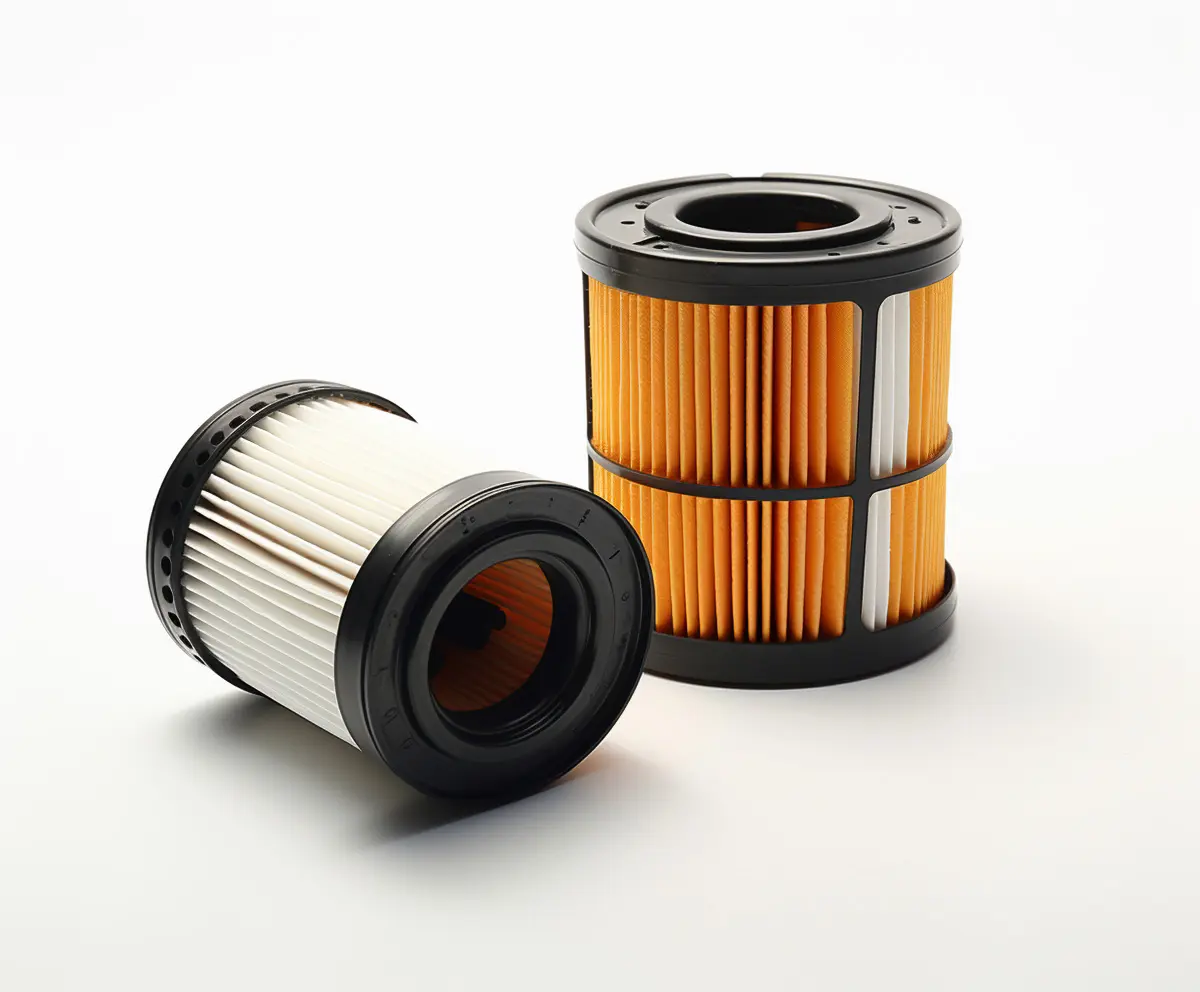 Products
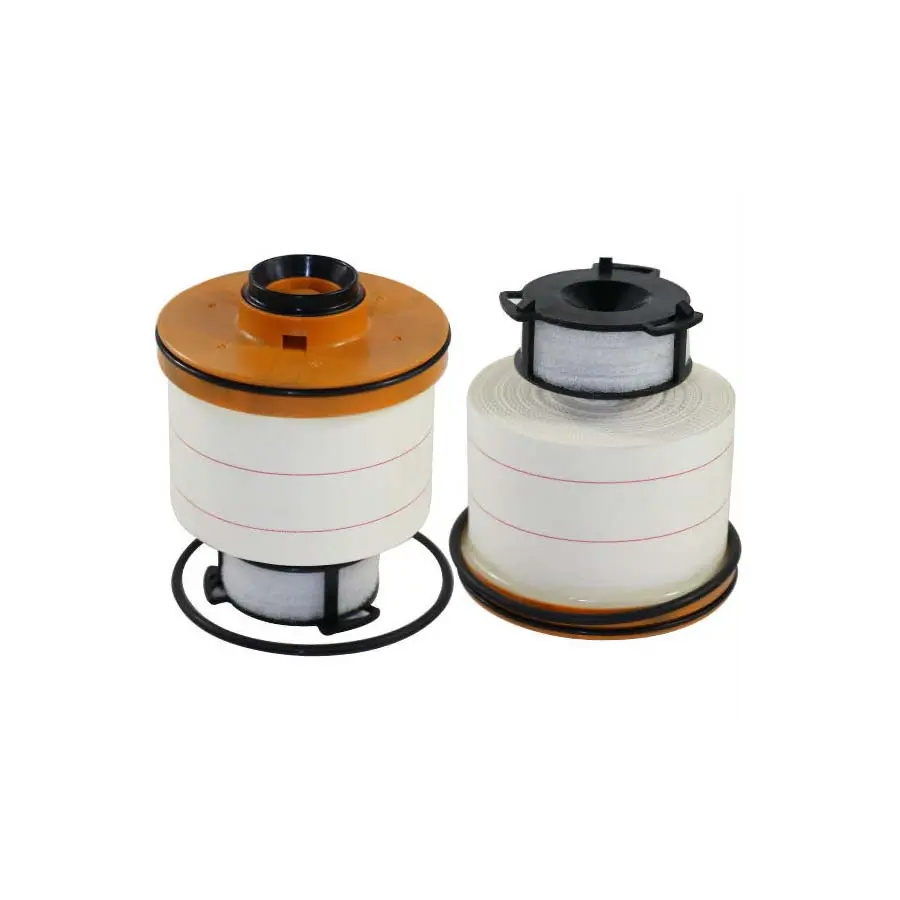 FUEL FILTER
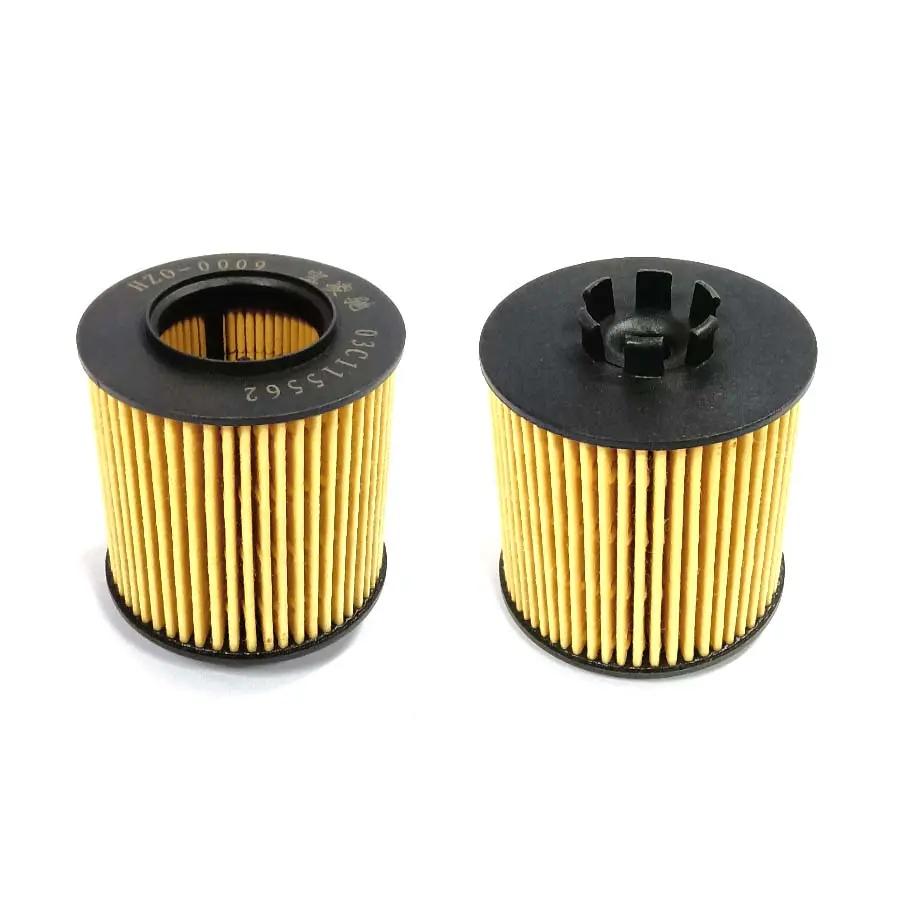 OIL ELEMENT FILTER
 OIL FILTER
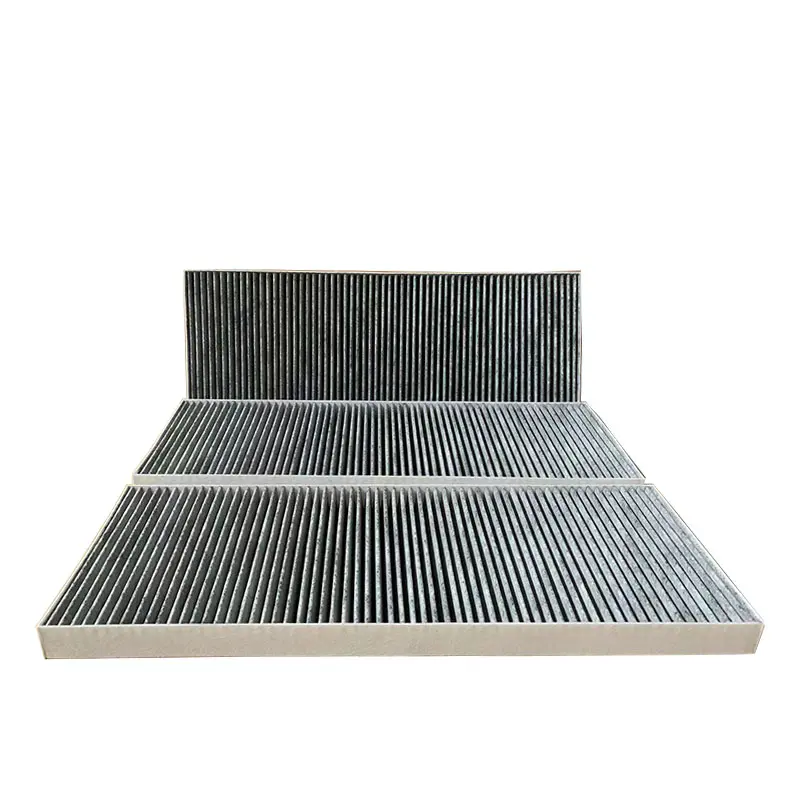 CABIN FILTER
 AIR FILTER