How to Choose the Right Fuel Filter for Your Vehicle?
Choosing the right fuel filter for your vehicle is essential. A fuel filter plays a crucial role in protecting your engine from dirt and contaminants. It ensures clean fuel flows to your engine, which is vital for optimal performance.
When selecting a fuel filter, consider your vehicle's make and model. Not all filters suit every vehicle. Factors such as filter size and type are key. Using the wrong filter can lead to engine issues or reduced efficiency. It's frustrating to deal with poor performance just because of a small part.
Research and consult experts to gain reliable insights on fuel filters. Many car owners overlook this component, but its importance can't be underestimated. Regular maintenance includes checking your fuel filter. A neglected filter can lead to costly repairs. Be proactive to avoid future regrets about your vehicle’s health.
Understanding the Importance of a Fuel Filter in Your Vehicle
A fuel filter plays a critical role in maintaining your vehicle's performance. It prevents dirt and contaminants from entering the fuel system. This protection ensures that your engine receives clean fuel, which can enhance its efficiency and longevity. A clogged filter, however, can lead to engine disruptions. Your vehicle may experience poor acceleration or stalling, indicating it’s time for a replacement.
Choosing the right fuel filter requires understanding your vehicle’s specifications. Filters vary in size and capacity, so a mismatch can lead to performance issues. Pay attention to your car’s manual for guidance. Sometimes, even minor differences can affect fuel delivery. Regular checks are crucial. Neglecting this component can result in costly repairs. Regular maintenance leads to better fuel efficiency. It saves you money and helps the environment too. Taking the time to ensure your fuel filter is in good condition is essential for any vehicle owner.
Types of Fuel Filters and Their Compatibility with Different Engines
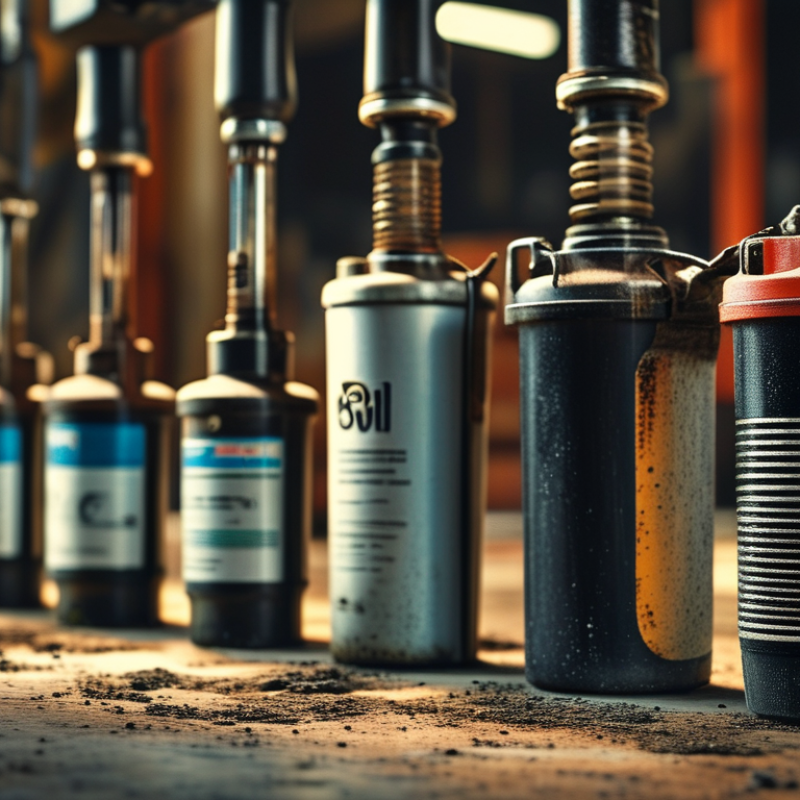
Fuel filters play a crucial role in vehicle performance. Different types exist, each designed for specific engine types. For instance, in-line filters are common in many gasoline engines. These filters are easy to replace and can effectively catch dirt and debris. However, their compatibility may vary based on the engine's size and design.
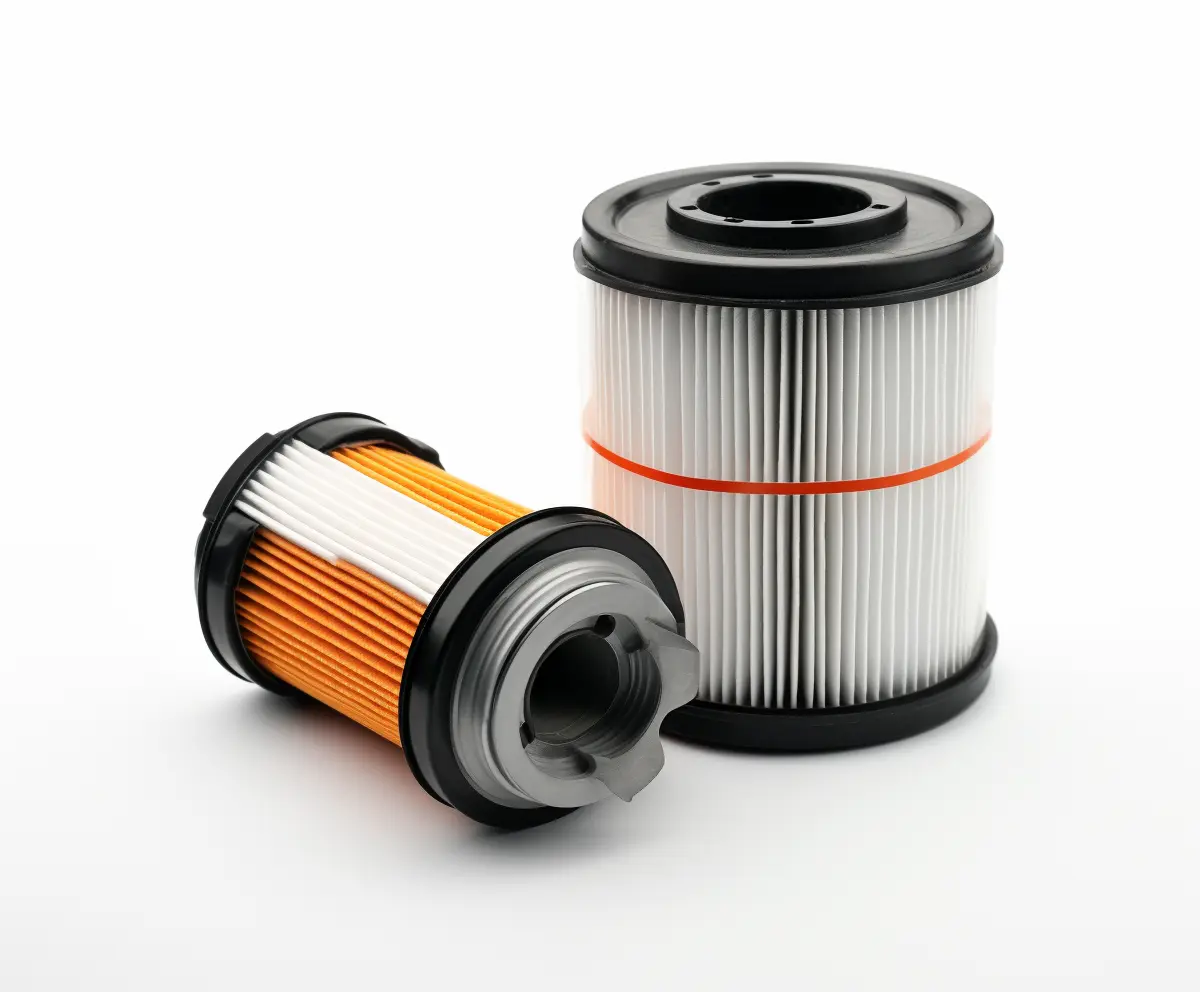
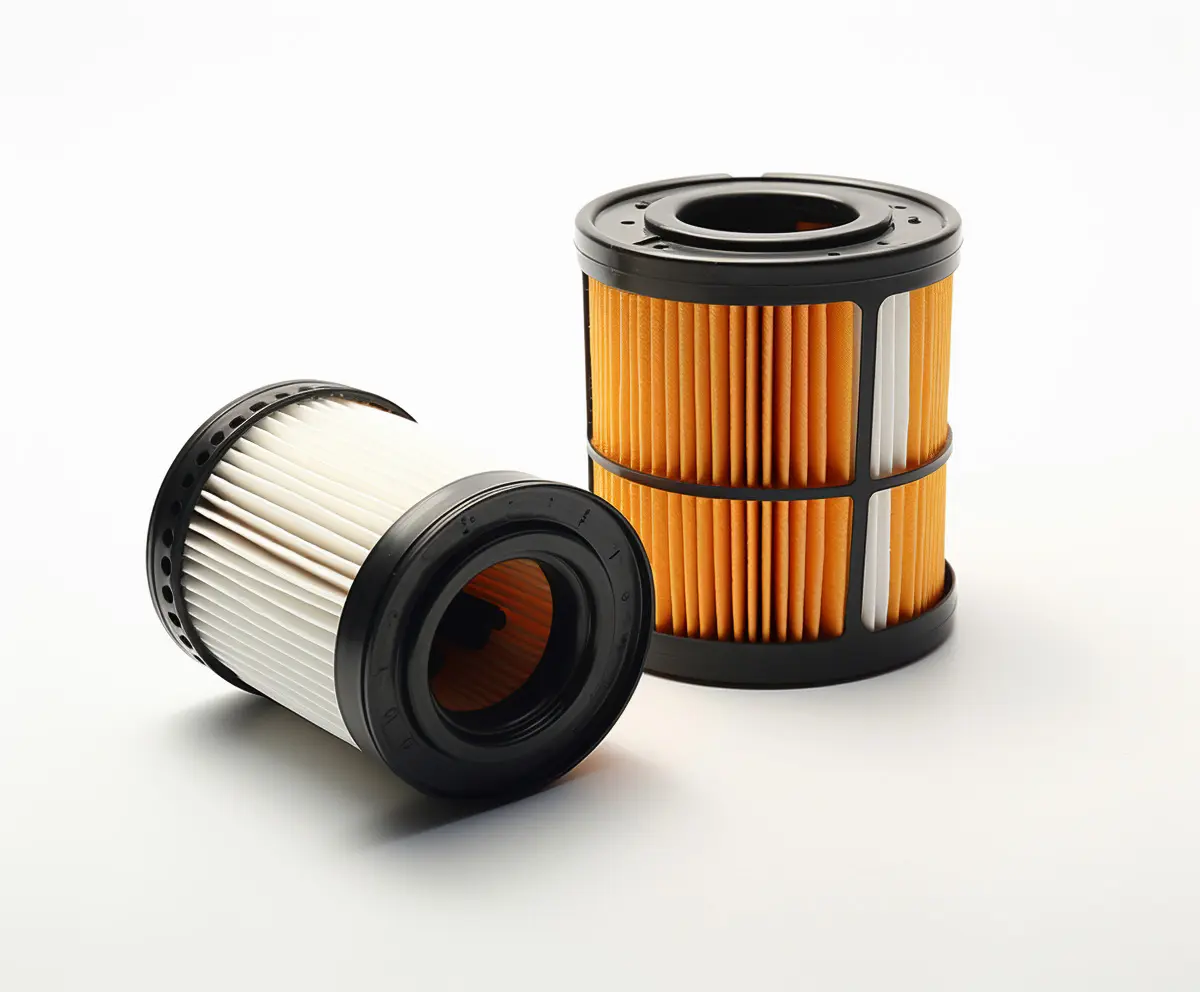
Another option is the cartridge filter. These are often found in diesel engines. They typically offer superior filtration and longer service life. Yet, they may not fit all vehicles, so it’s important to consult your vehicle’s manual. Engine compatibility is essential. Using the wrong filter can lead to reduced performance.
Finally, high-performance filters are available for modified engines. They can support increased fuel flow and higher pressure. Just remember, this type isn’t suitable for all vehicles. Research is key to finding the right fit. A mismatch could undermine your engine’s efficiency. Always consider the specifics of your vehicle’s engine when choosing a fuel filter.
How to Choose the Right Fuel Filter for Your Vehicle?
| Fuel Filter Type |
Compatibility |
Best for |
Maintenance Frequency |
| Inline Fuel Filter |
Most gasoline engines |
Standard sedans and SUVs |
Every 30,000 miles |
| Canister Fuel Filter |
Diesel engines |
Trucks and heavy-duty vehicles |
Every 15,000 miles |
| Strainer Fuel Filter |
Fuel tanks |
Older vehicles and maintenance |
Every 50,000 miles |
| Sediment Fuel Filter |
Airborne particles and sediments |
Off-road vehicles |
Every 20,000 miles |
Key Factors to Consider When Choosing a Fuel Filter
When selecting a fuel filter for your vehicle, understanding key factors is critical. Compatibility is vital. Make sure the filter fits your vehicle’s make and model. Check your vehicle's manual for specifications. Exact fit ensures optimal performance. It prevents clogs and maintains fuel flow efficiently.
Another crucial aspect is filtration efficiency. This refers to the filter’s ability to trap contaminants. A high-quality filter will catch dirt, debris, and water. It prolongs engine life and enhances performance. Look for filters with high dirt-holding capacity. You can even inquire about testing standards to gauge reliability.
Lastly, consider the filter's construction quality. Materials matter. Well-built filters resist corrosion and rupture. They perform well under pressure. Evaluate user reviews for insights into longevity and performance. Reflecting on these choices can lead to better results. A misleading assumption can cost more in the long run. Take your time to choose wisely.
How to Properly Install a Fuel Filter in Your Vehicle
Installing a fuel filter is crucial for your vehicle's performance. Start by ensuring that you have the right tools and replacement filter. Always refer to your vehicle’s manual. Safety is paramount; work in a well-ventilated area and use gloves.
Before you begin, relieve fuel pressure to prevent spills. Locate the old fuel filter. This can vary by vehicle; it could be near the fuel tank or engine. Use the appropriate tool to disconnect the lines gently. Be prepared for some fuel spillage.
Tips: Always check for signs of wear on the fuel lines. Replace them if they appear cracked or damaged. After the new filter is in place, reconnect the lines securely. Then, turn the ignition on without starting the engine. This will help build pressure. Finally, inspect for leaks before taking your vehicle for a drive.
Sometimes, the installation might not go as planned. You may find the filter doesn’t fit properly or the lines are hard to connect. Reflect on your approach and consult resources if needed. Proper installation not only enhances performance but also prolongs the life of your engine.
Signs That Indicate You Need to Replace Your Fuel Filter
When maintaining your vehicle, paying attention to the fuel filter is crucial. Certain signs indicate it may be time for a replacement. One common symptom is difficulty starting the engine. If your vehicle struggles to start, the fuel filter might be clogged. You may also notice reduced engine performance. Hesitations during acceleration or rough idling can signal a problem.
Another clear sign is a decrease in fuel efficiency. If you find yourself filling up more often, the filter could be at fault. Additionally, look for black smoke from the exhaust. This excess fuel often results from an obstructed filter. Strange sounds from the fuel pump may indicate that it is working harder, which could be related to a dirty filter.
Lastly, check for dashboard warning lights. If the check engine light comes on, investigate further. Ignoring these symptoms might lead to more significant issues down the road. Regular inspections can save you from unexpected repairs and costly replacements. Stay vigilant and proactive about your fuel filter to ensure your vehicle runs smoothly.
Fuel Filter Replacement Indicators

 Products
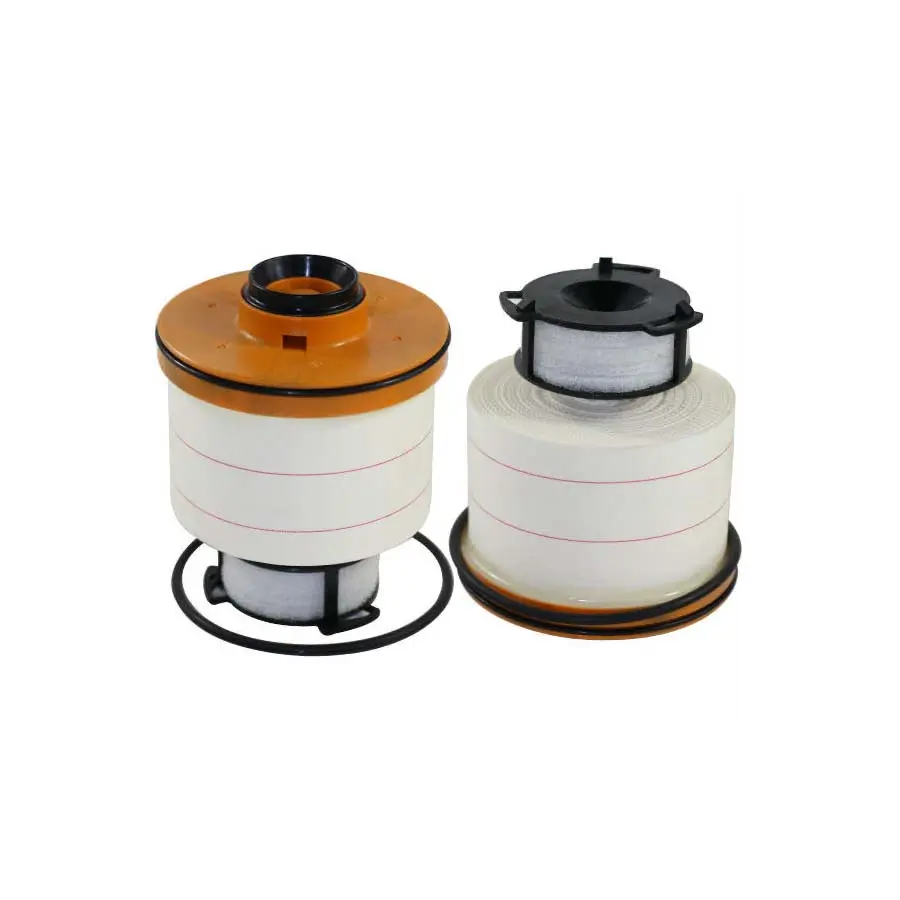 FUEL FILTER
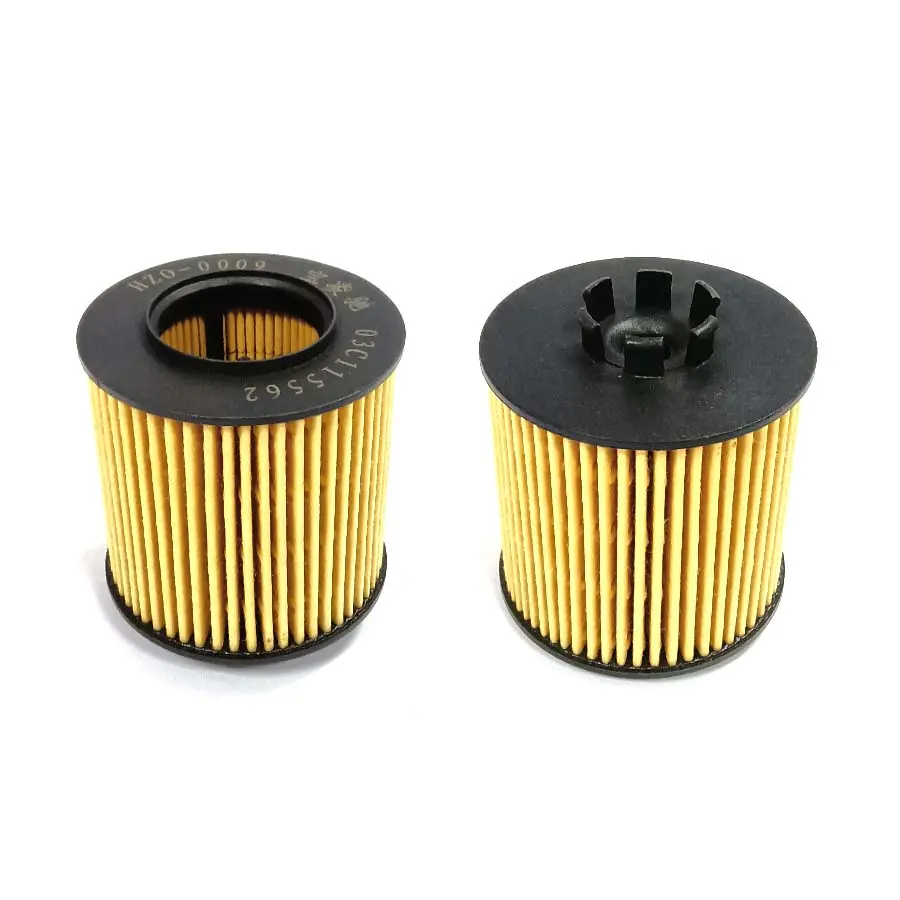 OIL ELEMENT FILTER
 OIL FILTER
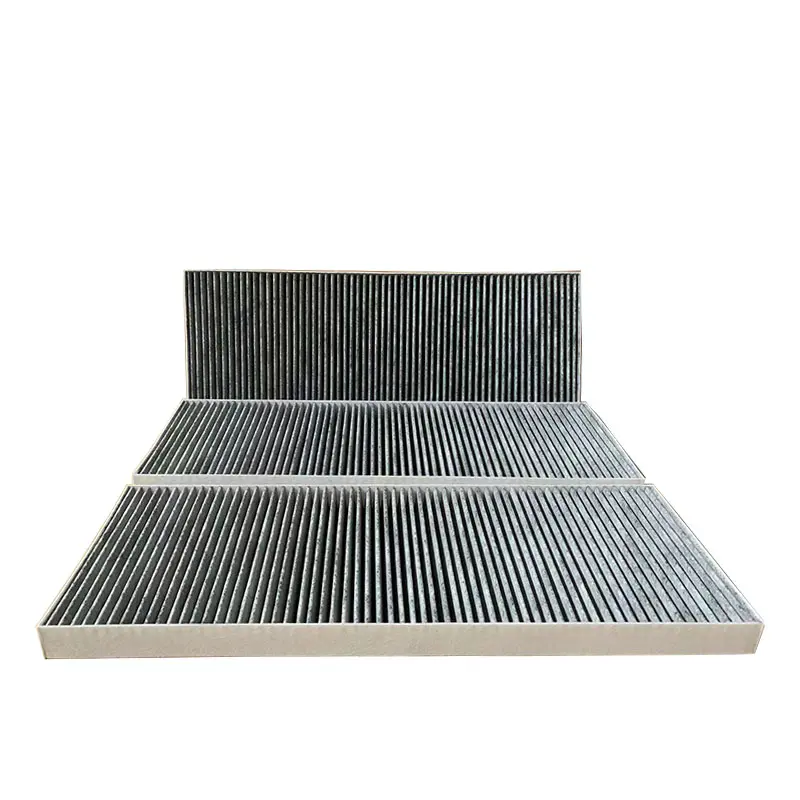 CABIN FILTER
 AIR FILTER