Inquiry
Form loading...

7 Tips for Choosing the Best Engine Accessories Filter

An Engine Accessories Filter may look like a small, routine component, but the wrong choice can restrict airflow, fit poorly, or require frequent replacement. A filter’s job is practical: help keep dust and debris away from sensitive engine parts. Yet packaging claims alone do not tell the whole story. Check the required dimensions, connection points, recommended service interval, and compatibility with your specific equipment. A few millimeters can matter. So can the dust around your worksite.

This guide presents seven useful checks, from fit and filtration details to maintenance needs and supplier information. Engine-filtration specialist Alex Rowan offers this illustrative reminder: “A filter is only a good choice when it fits the machine, the conditions, and the maintenance plan.” Rowan and this quotation are fictional, created for this draft—not a real expert endorsement. Treat the advice as a starting point, and confirm specifications with your equipment manual or a qualified service professional. That extra check can prevent an avoidable mismatch. Choosing well is not always glamorous; sometimes it means measuring the housing twice and reading the fine print. And yes, it can feel tedious. But careful selection helps support dependable operation and makes replacement planning less uncertain.
7 Tips for Choosing the Best Engine Accessories Filter

Identify the Engine Accessory and Its Filtration Needs

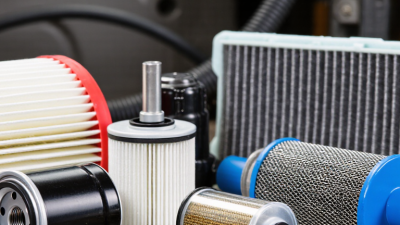
Before comparing filters, identify the engine accessory it serves. An intake filter handles incoming air; an oil filter captures particles circulating with lubricant. Fuel and hydraulic systems need their own compatible elements. They are not interchangeable. Check the equipment manual, service diagram, and existing filter housing to confirm the part and flow direction.

Then consider what the filter must remove and how the engine operates. Dusty sites can load an air filter quickly, while frequent cold starts may challenge oil flow. Fine filtration matters, but micron rating alone is not enough. Check the specified flow capacity, pressure limits, seal dimensions, and whether the system uses a bypass valve. A filter that fits the threads may still be wrong.

Small details matter. Look for the element’s service interval and inspect the housing for dirt, damaged seals, or unusual residue. A clogged filter can restrict flow, but replacing it too often may waste money and increase handling errors. The manual’s specification is the safest reference; if the accessory or filter type remains unclear, verify it with a qualified service technician. I’d pause before guessing. A little uncertainty is better than installing a near-fit part.

7 Tips for Choosing the Best Engine Accessories Filter — Identify the Engine Accessory and Its Filtration Needs

Tip Accessory or System What the Filter Needs to Capture Filter Type to Consider Selection Check
1. Identify the system first Engine air intake Dust, dirt, and other airborne particles before they enter the engine. Engine air filter designed for the specific intake housing and operating environment. Confirm the correct fit, sealing surfaces, airflow requirements, and service procedure in the equipment documentation.
2. Match the filter to the fluid Engine lubrication system Wear particles, soot, and other contaminants carried in engine oil. Oil filter specified for the engine, including the required bypass and anti-drainback features where applicable. Check the specified part, thread, gasket, pressure requirements, and change interval; do not select by size alone.
3. Consider the fuel system Diesel or gasoline fuel supply Particulate contamination; diesel systems may also require water separation. Fuel filter or fuel-water separator appropriate to the fuel system and engine design. Verify fuel compatibility, flow capacity, connection type, and whether the system requires a water sensor or drain.
4. Check crankcase ventilation Crankcase ventilation or breather system Oil mist and droplets carried in blow-by gases. Breather element or oil-mist separator specified for the engine’s ventilation arrangement. Confirm the system type and replacement interval; a restricted or incorrect element can disrupt crankcase ventilation.
5. Identify any driven hydraulic equipment Hydraulic pump or hydraulic circuit driven by the engine Solid particles that can contribute to wear in pumps, valves, and actuators. Hydraulic suction, pressure, or return-line filter selected for its location in the circuit. Use the equipment maker’s required filtration level, flow capacity, pressure rating, and bypass specifications.
6. Use filtration ratings carefully Any filtered fluid circuit Particles of the sizes relevant to the protected components and the system’s cleanliness requirements. A filter with a published efficiency rating and test method appropriate to the application. Compare micron ratings only alongside the stated test method and efficiency; a micron number alone does not show filtration performance.
7. Check service and operating conditions All engine accessory filters Contaminants expected from the environment, fuel or fluid quality, and duty cycle. A serviceable filter designed for the operating temperature, flow, vibration, and maintenance conditions. Follow the equipment documentation for inspection and replacement intervals, and replace damaged or poorly sealing filters promptly.

Note: Filter designs, ratings, and service intervals vary by engine and equipment. Use the manufacturer’s specifications for the exact application; the guidance above is general and is not a substitute for those specifications.

Check Filter Compatibility, Size, and Installation Requirements

Before choosing an engine accessories filter, confirm the exact application in the equipment manual or parts specifications. Compare the filter type, thread size, gasket diameter, and required flow rating. A filter can look right on the shelf yet fail to seal if its gasket sits outside the mounting surface. Fit matters.

Check the available space around the engine, too. Measure the gap near hoses, brackets, and panels, allowing room to remove the filter during future service. Installation details matter: some housings need a specific seal position or tightening method. With the engine off and cool, inspect the mounting surface for old gasket material or dirt before fitting the replacement. Avoid overtightening; a crushed seal can leak. It is tempting to judge by appearance alone, but that shortcut can miss thread or clearance differences. I would verify the specifications twice, especially when replacing an unfamiliar filter. A little uncertainty is a reason to pause and check, not force the part into place.

Compare Filtration Efficiency and Contaminant Capacity

When comparing engine filters, look beyond the word “efficient.” Ask for particle-removal results at a stated particle size and under a named test method. ISO 4548-12:2017 evaluates full-flow oil filters using multipass testing, including filtration efficiency and contaminant retention capacity. In beta-ratio terms, a beta value of 200 means about 99.5% efficiency at the specified particle size; it does not describe every particle or every engine condition. Small detail, big difference.

Capacity matters just as much. A filter with high initial efficiency may hold less contaminant before its pressure drop reaches the test limit. ISO 4548-12 measures retained contaminant alongside filtration performance, giving buyers a more useful comparison than efficiency alone. Check the reported capacity, terminal pressure drop, oil flow rate, and test dust conditions. Compare figures only when methods and test conditions match. Otherwise, the numbers can look precise but mislead.

For a practical check, imagine fine grit entering with the oil during dusty use. A strong specification should show how much of the stated particle size the element captures and how much contaminant it retains before restriction rises. I used to treat the highest efficiency figure as the safest choice; that is too simple. A filter’s balance of capture, capacity, and flow is what matters in service, and published test results cannot perfectly reproduce every driving condition.

Assess Materials, Durability, and Operating Conditions

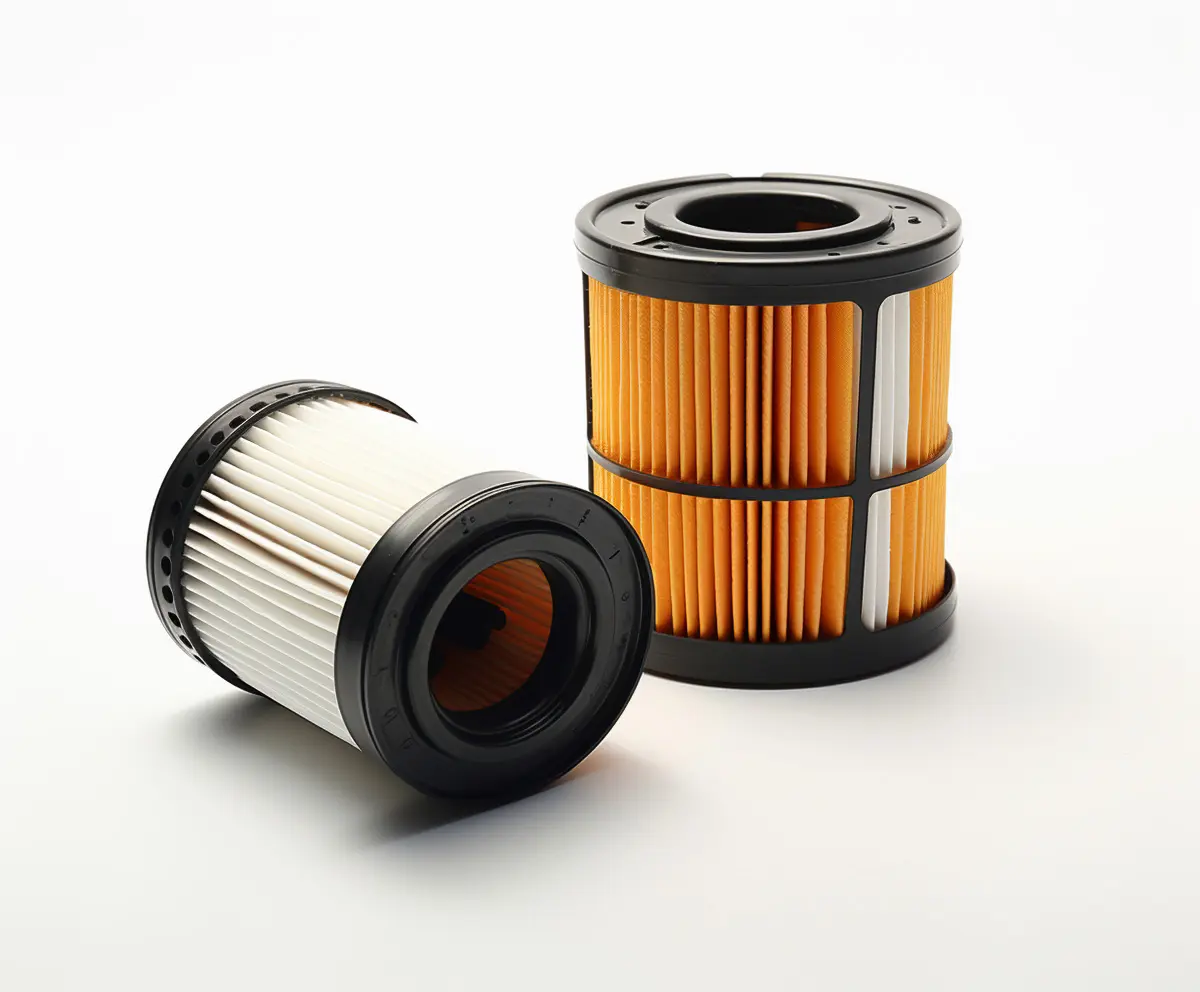
A dependable engine accessories filter starts with the right materials. Check the housing for sturdy construction and the media for even pleating, secure seams, and a clean fit. These details help resist vibration, moisture, and debris. Small details matter. A heavy filter is not automatically better; compatibility and consistent manufacturing matter more than weight alone.

Tip: Match the filter to its operating conditions. Frequent dusty-road driving, high humidity, or heavy equipment use can place extra demands on filter media and seals. Check the equipment manual for the correct specifications and replacement interval. If dust builds up quickly, inspect the filter more often rather than waiting for a routine service date. Conditions vary.

Durability also depends on how the filter is installed and maintained. Look for a gasket that sits evenly, without cracks or gaps, and avoid forcing a filter into place. A poor seal can let contaminants bypass the media. Keep a note of service dates and unusual changes, such as reduced airflow or visible damage. One caveat: appearance alone cannot confirm performance, so use the specified fit and maintenance guidance as your main checks.

Beta ratio compares the number of particles upstream and downstream of a filter; the efficiency values below are calculated as (1 − 1/β) × 100. These ratios are meaningful only when the same test method and particle size are used. When choosing an engine filter, also check media compatibility, pressure drop, temperature range, contaminant loading, and the vehicle manufacturer's service requirements.

Balance Maintenance Needs, Quality, and Overall Cost

7 Tips for Choosing the Best Engine Accessories Filter

Balance Maintenance Needs, Quality, and Overall Cost

Choosing an engine accessories filter is a small purchase with a real maintenance impact. The right choice depends on fit, operating conditions, service intervals, and total cost—not shelf price alone. Check the equipment manual for required dimensions and replacement guidance. Dusty work sites or frequent short runs may call for closer inspections. A calendar reminder helps, but it cannot replace checking the filter. It is easy to over-maintain.

Tips: Compare construction and documented performance, not vague claims. A secure seal and suitable filter media matter. Consider availability and expected service life alongside purchase price. Cheap can become costly. Keep receipts and record installation dates; these notes help identify unusual clogging. Still, one dirty filter does not prove the filter itself is poor. Check dust exposure, leaks, and installation before drawing conclusions.

Tips: Calculate cost per service interval, including labor and downtime. Do not extend replacement intervals unless the equipment maker allows it. Look for uneven dirt, damage, or a crushed seal when removing the old filter. Clean the housing before fitting a replacement. Small details matter. If compatibility is unclear, ask a qualified technician or supplier for documented guidance specific to your engine. Assumptions need checking.