Why Is It Important to Change Your Vehicle Filter Regularly?
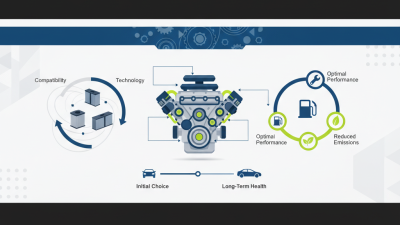
Maintaining your vehicle's performance requires regular attention to its filters. As noted by expert automotive engineer John Dawson, “A clean vehicle filter can significantly enhance engine efficiency.” This statement underscores the vital role that vehicle filters play in optimizing your car's overall functioning.
Vehicle filters, including air, oil, and fuel filters, are essential components that ensure longevity and reliability. Over time, these filters can become clogged with dirt and debris. Failing to replace them regularly can lead to decreased performance. Engine power may diminish, and fuel efficiency can take a hit.
The impact of neglecting vehicle filters is often underestimated. Many drivers don’t realize that a simple filter change can prevent costly repairs down the road. It’s not just about the immediate effects; ensuring that your vehicle filters are in good shape is about safeguarding the vehicle’s future performance. Regular maintenance is key.
Importance of Regular Vehicle Filter Changes for Engine Longevity
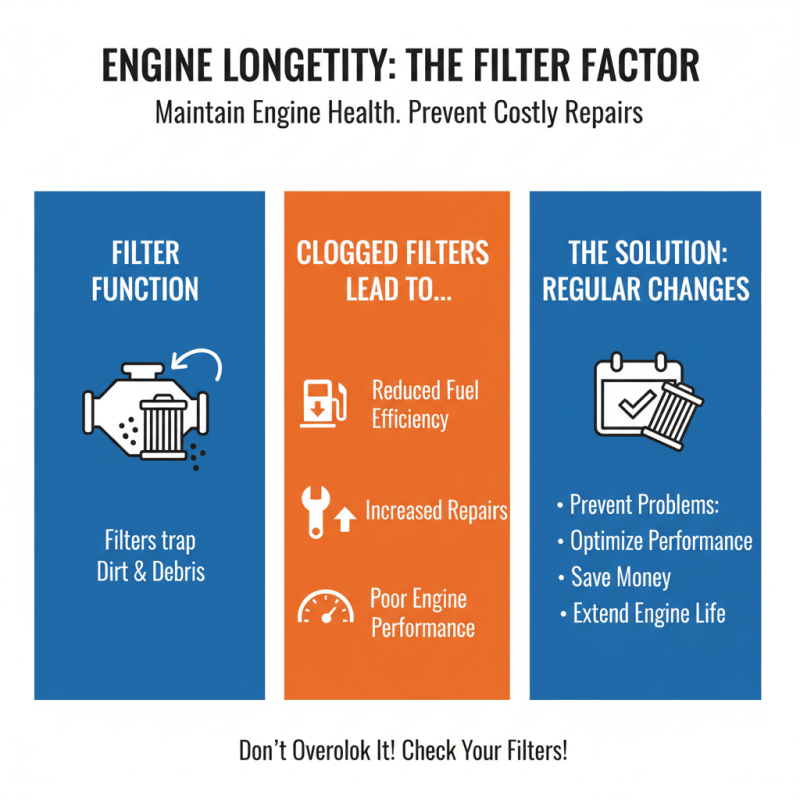
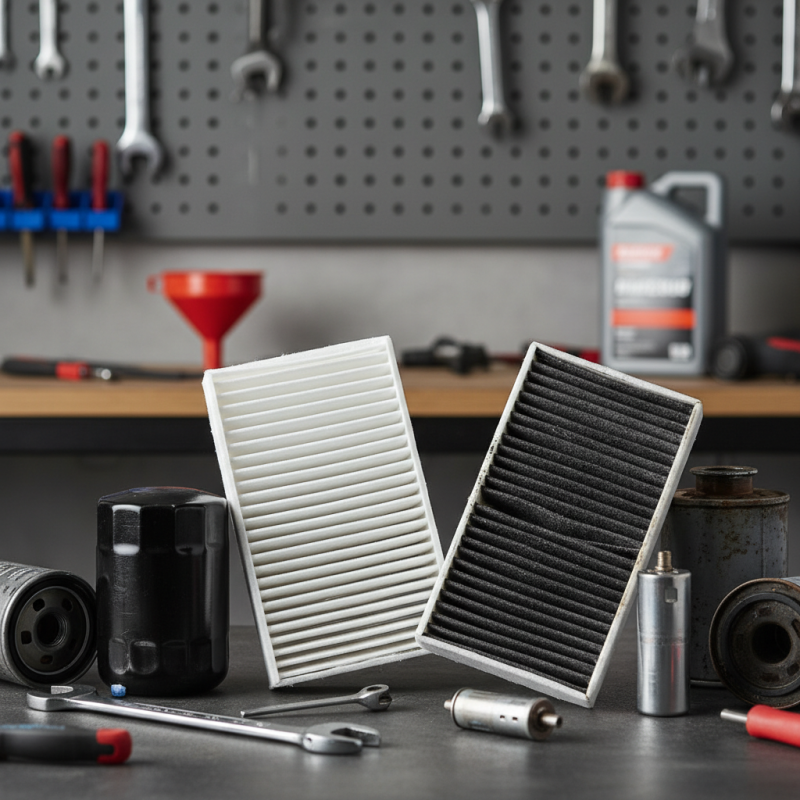
Regular vehicle filter changes are essential for maintaining engine health. Filters trap dirt and debris, preventing them from circulating in the engine. When filters clog, engine performance declines. This can lead to increased fuel consumption and more frequent repairs. Drivers may overlook the importance of clean filters until they notice problems.
Over time, neglecting filter changes can cause oil and air contamination. Contaminated oil can lead to wear on engine components. Air filter issues can affect combustion efficiency. The result? A shorter engine lifespan and costly repairs. Drivers should be proactive about checking their filters regularly. Awareness can save money in the long run.
Many owners may forget to follow the recommended maintenance schedule. This oversight can lead to regrets later on. Some vehicles come with alerts, but not all do. Relying solely on these can create gaps in maintenance. Regularly checking filters should be part of vehicle care routines to ensure optimal performance.
Impact of Clogged Filters on Fuel Efficiency and Performance
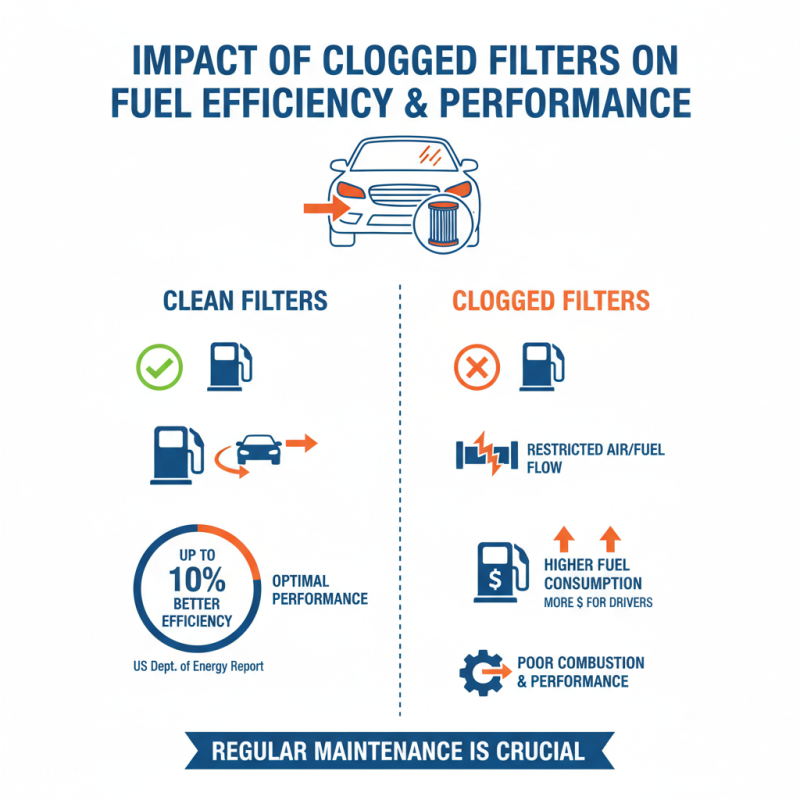
Regular maintenance of vehicle filters is often overlooked, yet it's essential for optimal performance. Clogged air and fuel filters can significantly hinder your vehicle’s efficiency. A report by the U.S. Department of Energy indicates that a clean air filter can improve fuel efficiency by up to 10%. When filters are blocked, air and fuel flow become restricted, leading to poor combustion. This situation can result in higher fuel consumption, costing drivers more in the long run.
Moreover, clogged filters can affect engine performance. Limited airflow results in a decrease in horsepower, as the engine cannot breathe appropriately. According to a study by the Automotive Maintenance and Repair Association, vehicles with dirty or worn filters can suffer a power reduction between 5% to 20%. This power loss not only affects acceleration but can also lead to increased wear on the engine over time. Regularly changing filters ensures a smoother, more efficient ride, reducing the risk of costly repairs down the line.
Signs Indicating a Vehicle Filter Needs Replacement
Regularly changing your vehicle's filter is essential for maintaining optimal engine performance. Several signs indicate that your vehicle filter may need replacement. One clear indicator is reduced fuel efficiency. Reports show that a clogged air filter can decrease fuel economy by up to 10%. This means you may be spending more on gas than necessary.
Another warning sign is a decrease in engine performance. If your engine seems to struggle during acceleration, it could be due to a blocked filter. A restricted air supply hampers proper combustion, leading to sluggish performance. According to automotive experts, a clean air filter can enhance horsepower by up to 11% in some vehicles.
Dirt and debris buildup can also lead to noticeable changes in vehicle handling. Unusual sounds or vibrations may arise when filters are clogged. Ignoring these symptoms can lead to more severe engine issues down the line. Regular inspection of your filters is critical. Neglecting them can lead to costly repairs. Therefore, staying vigilant about these signs is vital for your vehicle's health.
Recommended Maintenance Schedule for Different Vehicle Filters
Regular maintenance of vehicle filters is crucial for optimal performance. Different filters serve specific functions. Air filters, for example, trap dirt and debris, allowing the engine to breathe clean air. According to industry studies, changing the air filter regularly can enhance engine efficiency by up to 10%. A dirty filter restricts airflow, leading to poor fuel economy.
Oil filters are another critical component. They remove contaminants from engine oil, ensuring proper lubrication. Research indicates that changing the oil filter every time you change the oil can extend engine life. Many mechanics suggest a change every 5,000 to 7,500 miles. Fuel filters also require attention. Contaminants in fuel can lead to engine damage. It's often recommended to change the fuel filter every 20,000 to 30,000 miles.
Many vehicle owners overlook these maintenance schedules. This oversight can lead to costly repairs. Filters are relatively inexpensive components, yet they play a vital role in vehicle longevity. Ignoring filter changes can compromise vehicle safety and performance. A proactive approach to filter maintenance fosters a healthier engine and better driving experience. More research is needed to emphasize this aspect of vehicle care.
Why Is It Important to Change Your Vehicle Filter Regularly? - Recommended Maintenance Schedule for Different Vehicle Filters
| Filter Type |
Recommended Change Interval |
Importance of Regular Changes |
| Engine Oil Filter |
Every 5,000 to 7,500 miles |
Helps improve engine performance and longevity. |
| Air Filter |
Every 15,000 to 30,000 miles |
Ensures optimal air flow to the engine, improving efficiency. |
| Cabin Air Filter |
Every 15,000 to 25,000 miles |
Improves air quality inside the vehicle, enhancing passenger comfort. |
| Fuel Filter |
Every 20,000 to 40,000 miles |
Protects the fuel system and engine from contaminants. |
| Transmission Filter |
Every 30,000 to 60,000 miles |
Ensures proper transmission function and extends its life. |
Consequences of Neglecting Filter Changes on Vehicle Safety
Neglecting filter changes can lead to serious vehicle safety issues. Filters, including air and oil filters, play a crucial role in maintaining your vehicle's performance. Dirty or clogged filters can restrict airflow and reduce engine efficiency. This can ultimately strain the engine, leading to costly repairs and potential breakdowns.
Moreover, a neglected cabin air filter can compromise your comfort and safety. It affects the quality of air inside the car. Pollutants and allergens can easily enter through a dirty filter, causing breathing issues, especially for those with allergies. This situation not only impacts the driver but also passengers.
Regular filter changes can prevent these problems and improve vehicle reliability. They help maintain optimal engine performance and ensure a cleaner cabin environment. Ignoring this maintenance task can result in a less safe driving experience. It also challenges the driver's assurance in the vehicle's condition. Adopting a proactive approach to filter maintenance can ultimately enhance safety and prolong vehicle life.
Impact of Neglecting Vehicle Filter Changes on Safety

 Products
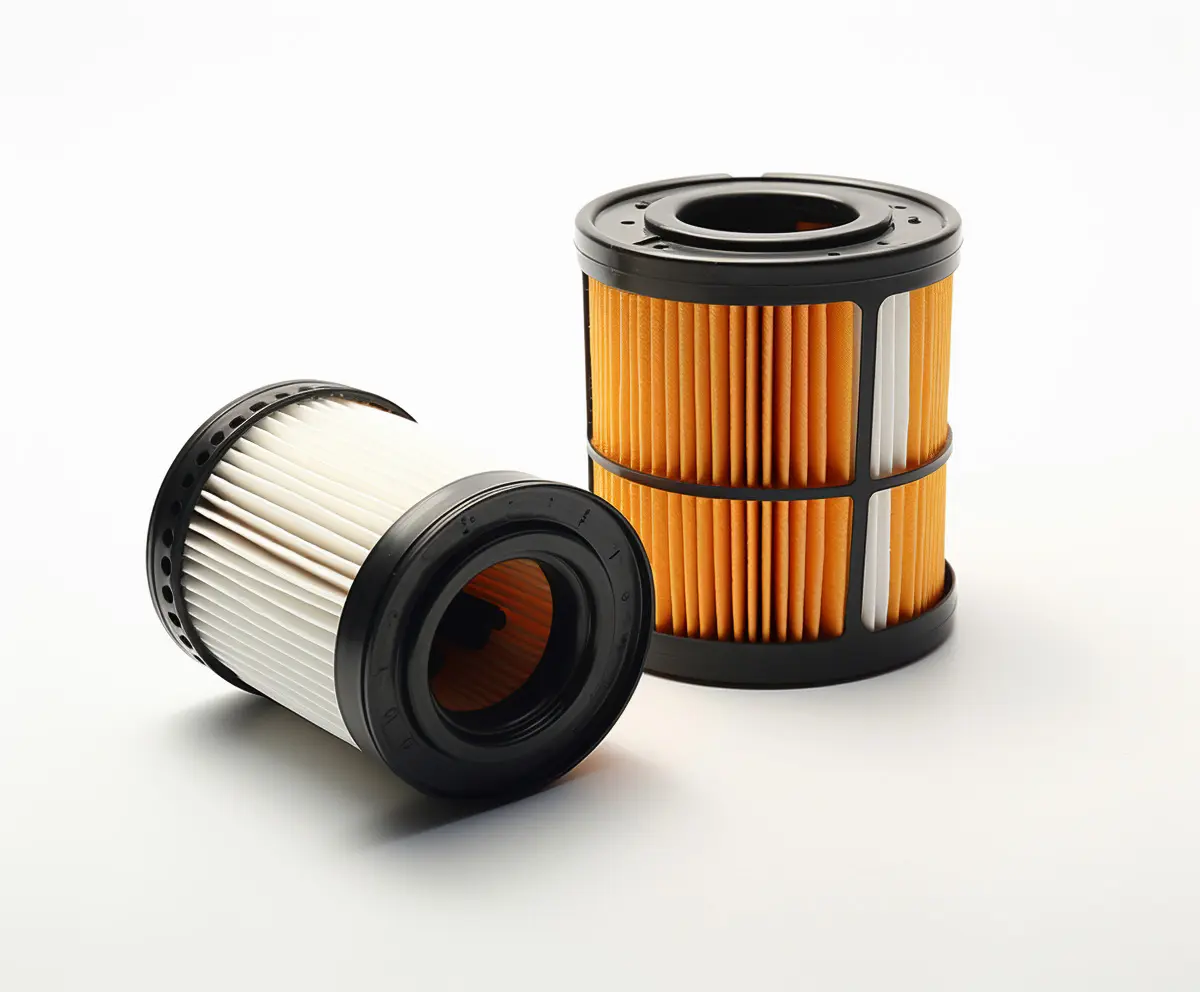
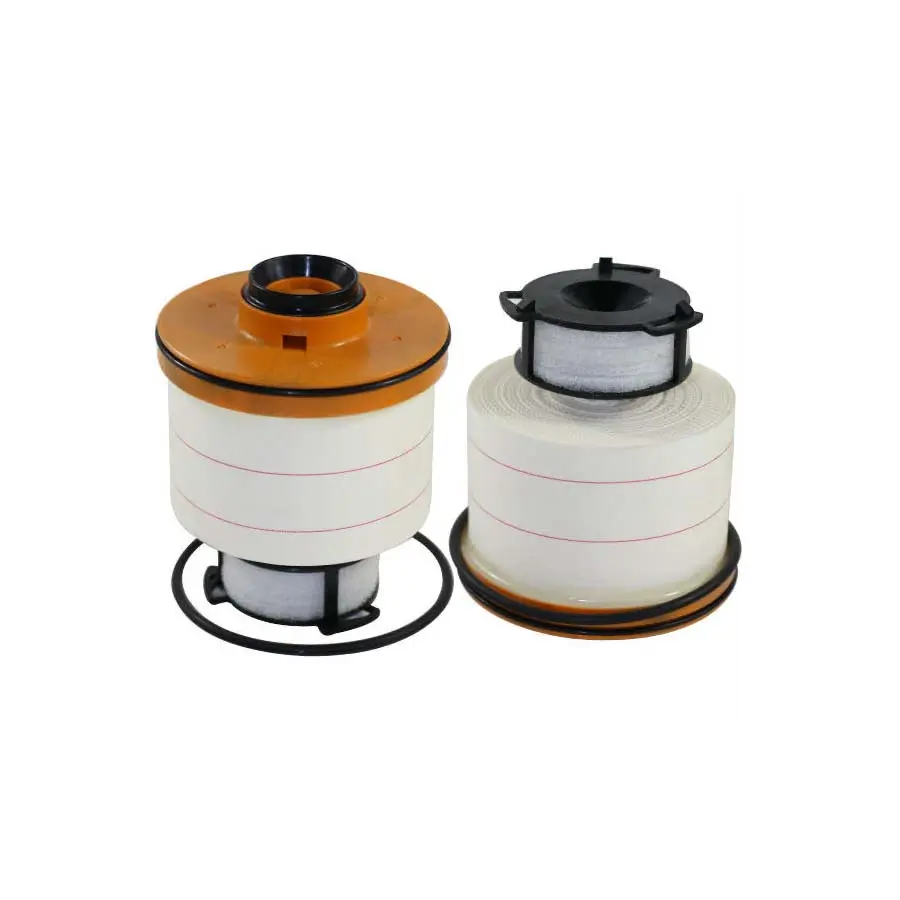 FUEL FILTER
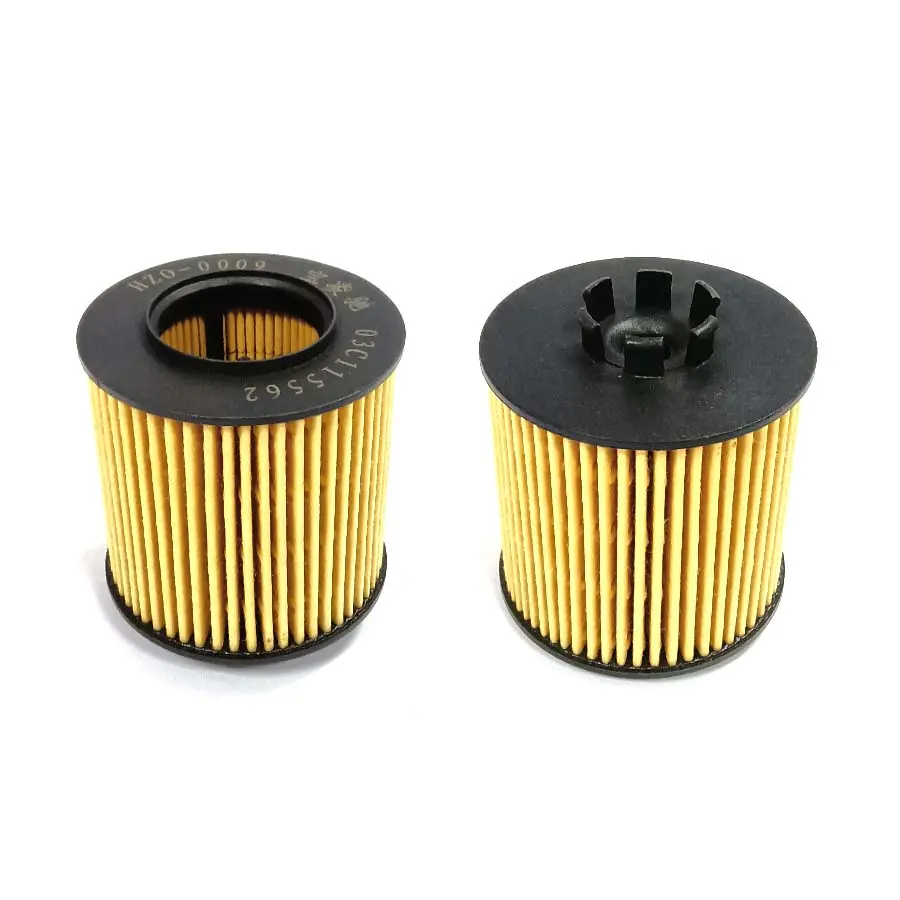 OIL ELEMENT FILTER
 OIL FILTER
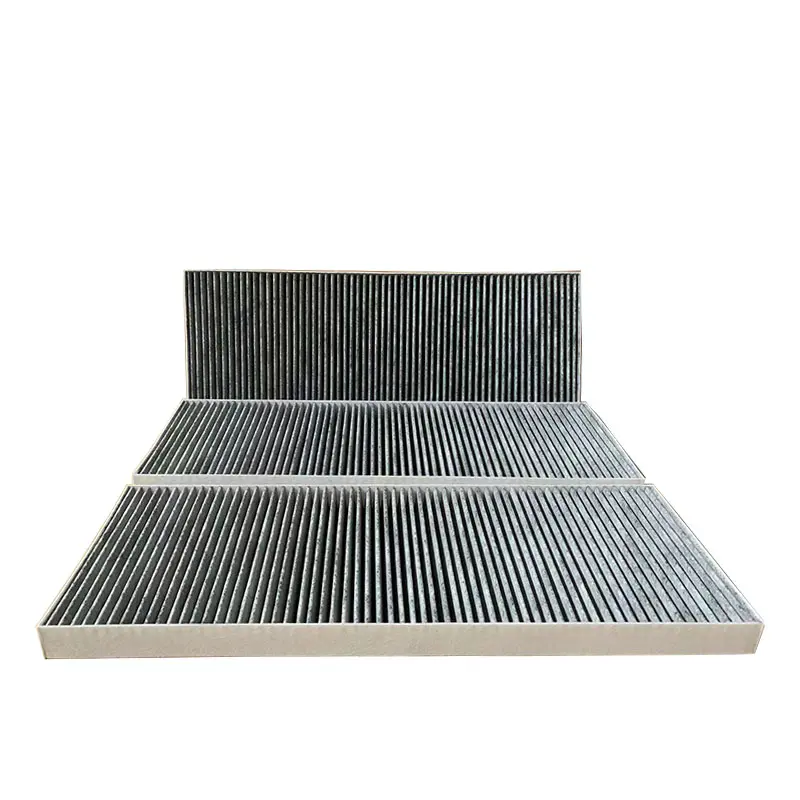 CABIN FILTER
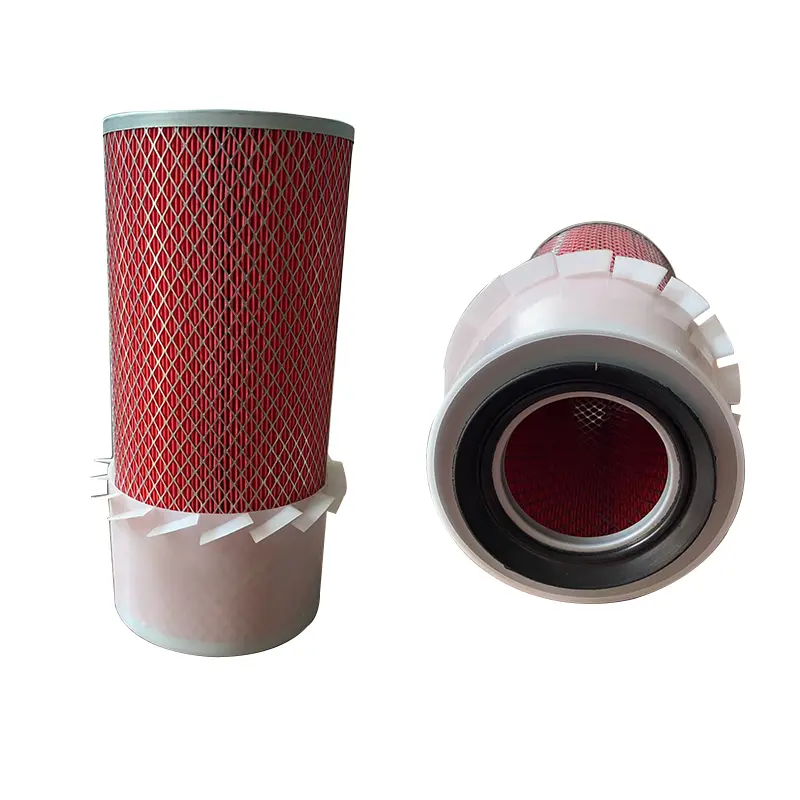 AIR FILTER