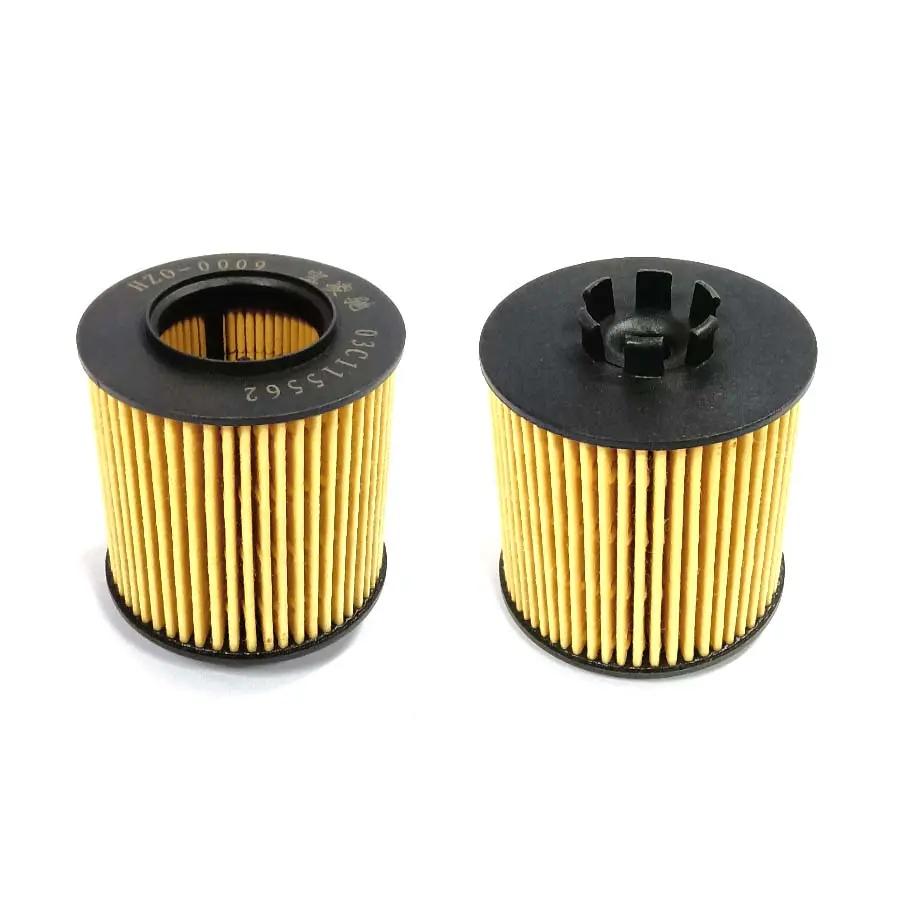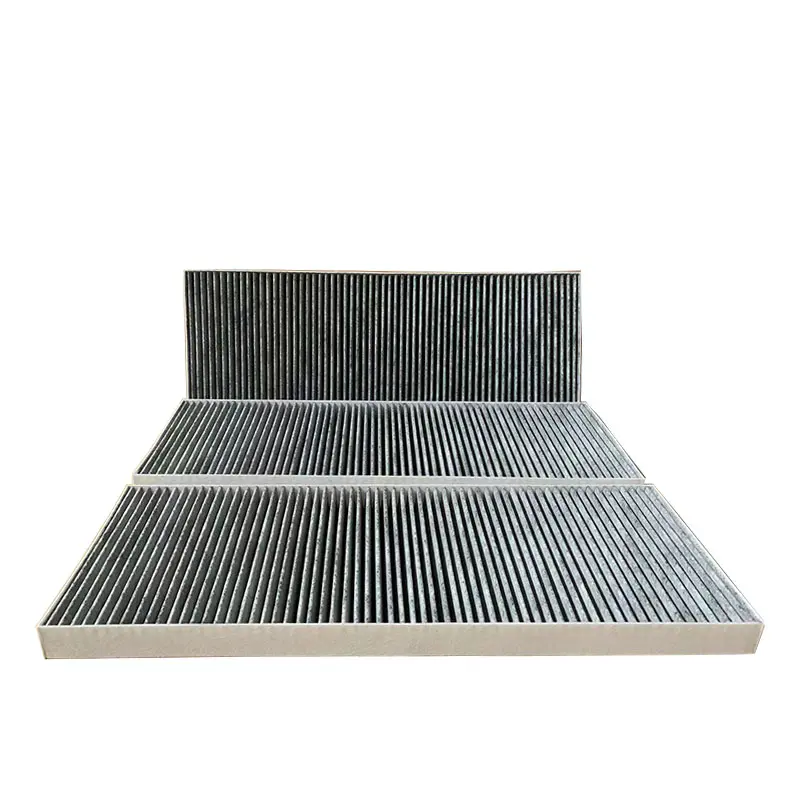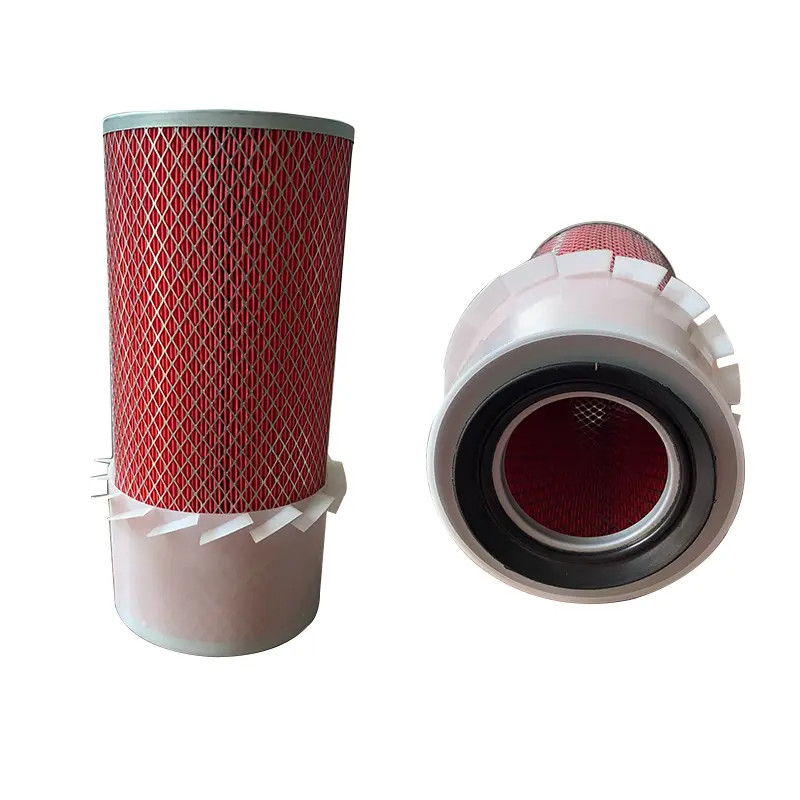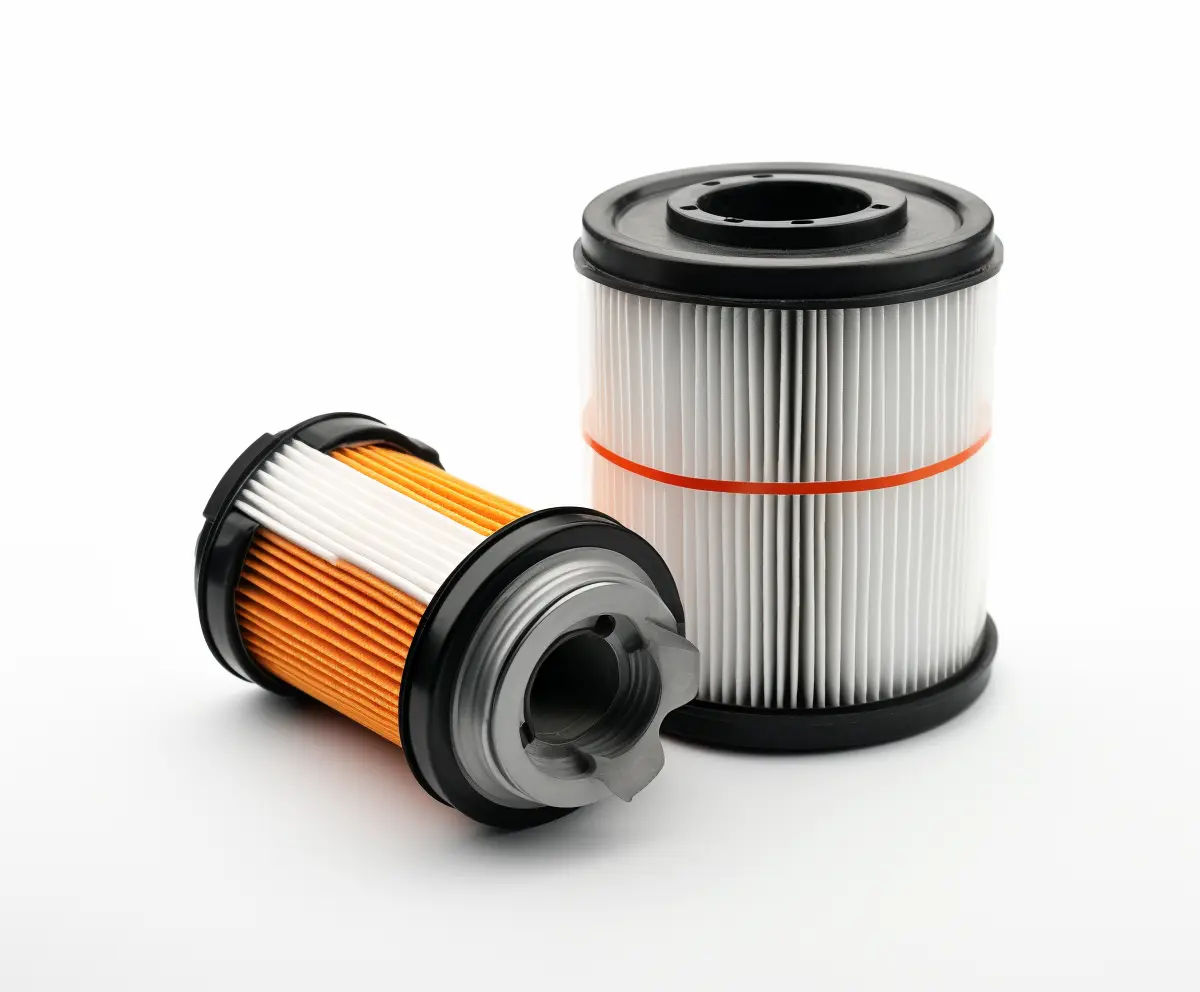
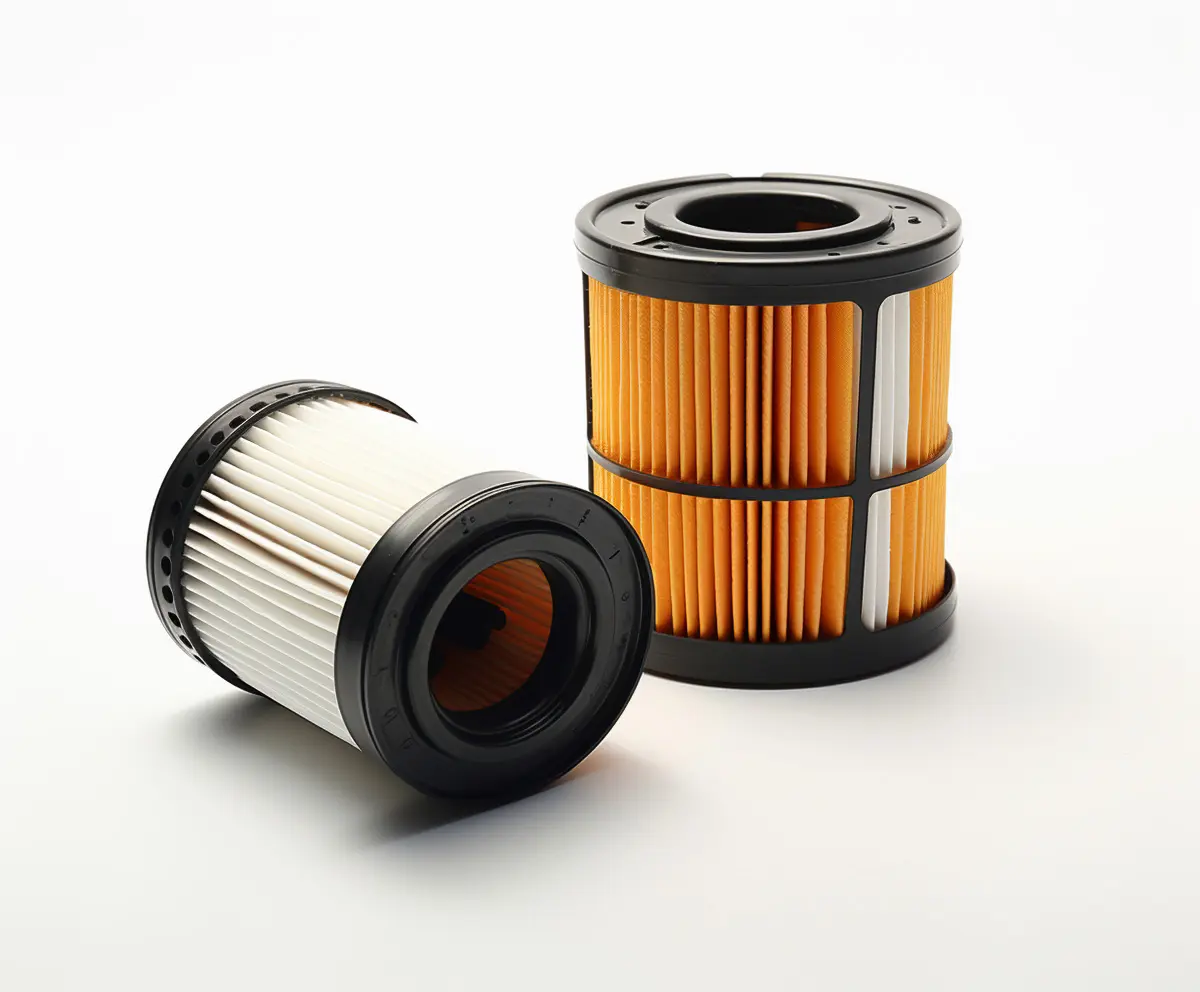
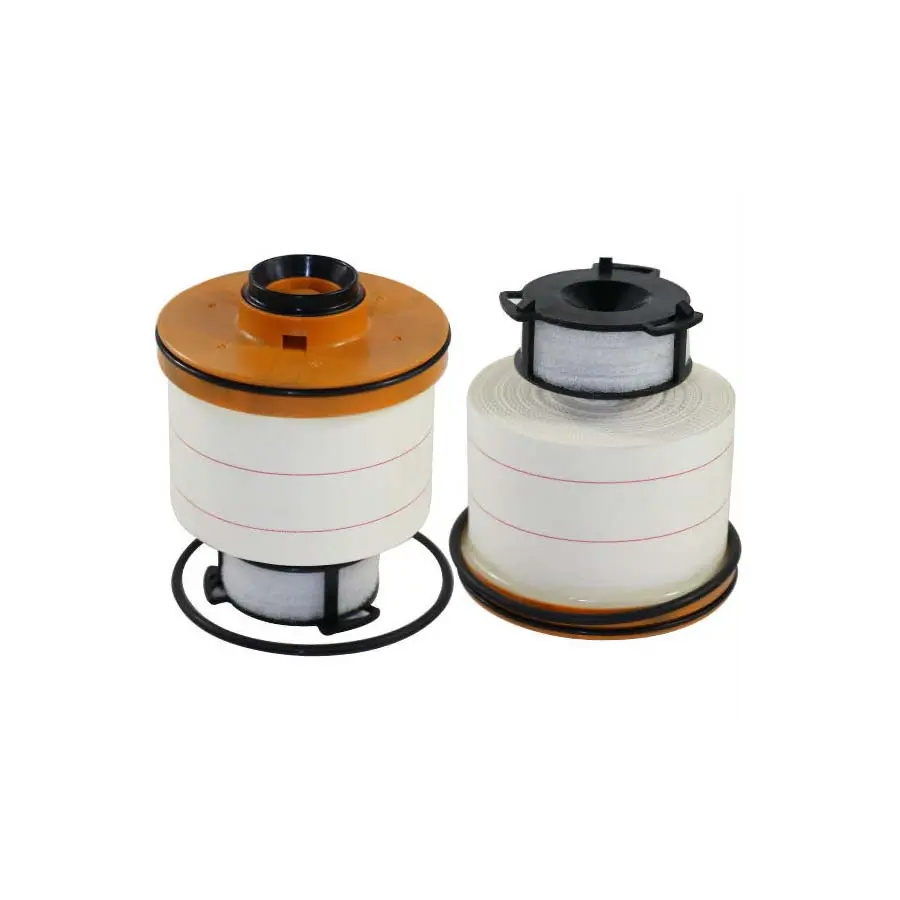
Choosing the best Car Engine Filter suppliers in China takes more than comparing prices or browsing product catalogs. The market includes manufacturers with different production scales, material choices, and quality-control practices. A filter may look simple, but its pleated media, end caps, and sealing gasket all affect performance. Small details matter.
For buyers, useful questions concern fitment data, filtration test methods, batch traceability, sample availability, and how the supplier handles defects. Ask for documents that support specific claims, and check that samples match the drawings and vehicle applications you plan to serve. Clear answers are encouraging; vague promises are not evidence. A polished website can help you start a conversation, but it cannot confirm factory capability.
This guide considers suppliers through practical signals: product range, manufacturing experience, inspection processes, communication, and support after shipment. It also recognizes a limitation. Public information may be incomplete, and supplier performance can change over time. No single ranking will suit every importer, distributor, or automotive brand. A small buyer may value flexible minimum orders, while a high-volume program may need stable capacity and consistent documentation. The best choice is the supplier whose verified capabilities fit your requirements—not simply the one with the lowest quote. Before committing, compare samples, confirm specifications in writing, and assess how promptly the supplier answers technical questions. Those steps take time. They can prevent costly surprises later.

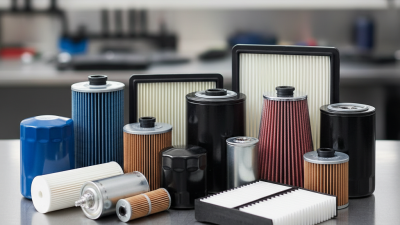
China’s engine-filter suppliers serve both vehicle assembly and a large replacement market. CAAM’s 2024 industry report recorded 31.282 million vehicles produced and 31.436 million sold. These figures show market scale, not filter quality. Air filters must capture dust while keeping intake resistance manageable. Oil filters need stable media, sound seals, and reliable bypass-valve operation during cold starts. Fuel filters require suitable particle capture; diesel applications may also need water separation. Small details matter. Ask suppliers for batch inspection records and test results, not just catalog specifications. ISO 5011 covers engine-intake air-cleaner performance testing.
For oil filters, ISO 4548 provides test methods for full-flow lubricating-oil filters. ISO 19438 addresses efficiency and capacity testing for diesel fuel filters. These standards make comparisons more consistent, but test conditions must match the intended application. Check pleat consistency, end-cap bonding, gasket dimensions, and packaging against approved samples. Request material traceability and repeat tests across production batches. A single sample can flatter a factory. That is easy to overlook. Chinese suppliers may offer broad customization, but rapid tooling changes can complicate quality control. Ask who approves revisions, how defects are contained, and whether reports use consistent test methods. Even strong documentation has limits; confirm fit and performance under real service conditions.
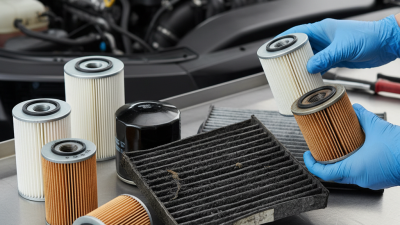
When evaluating engine-filter suppliers, compare product-specific test reports, filtration performance, and quality controls. These three filter categories serve distinct roles in an engine.
Each bar represents one example international test reference cited for that category—not supplier numbers, market share, or a complete count of applicable standards. References: ISO 5011 (air cleaners), ISO 4548-12 (lubricating oil filters), and ISO 19438 (diesel fuel filters).
China produced 30.16 million vehicles in 2023, up 11.6% year on year, according to the China Association of Automobile Manufacturers (CAAM). That figure shows the scale of the manufacturing base behind demand for filtration components. But it is not a direct measure of engine-filter demand: production includes battery-electric vehicles, which do not use conventional engine oil filters. The International Energy Agency’s Global EV Outlook 2024 reports nearly 8.1 million electric car sales in China that year. The mix matters.
For buyers comparing suppliers, headline capacity is only part of the picture. Ask for documented filtration-efficiency and pressure-drop test results, plus batch traceability and material specifications. Check that sample dimensions match the intended engine: a seal that looks close can still leak under heat and vibration. Ask how suppliers handle changes in media, adhesives, or tooling. Small details.
CAAM’s output data is useful market context, not proof that every supplier can deliver consistent quality. Nor does high vehicle production automatically predict replacement demand; service intervals, vehicle age, and powertrain type all shape it. A practical assessment should compare test records with production samples and clarify how defects are handled. Paperwork helps, but it cannot replace inspection.
Choosing an engine air-filter supplier in China requires more than comparing prices and delivery times. Ask how each filter performs under ISO 5011 testing. This standard evaluates air-cleaner performance in controlled conditions, including airflow, filtration efficiency, and dust-holding capacity. Small details matter.
During a dust-loading test, measured test dust enters the filter while airflow and pressure restriction are monitored. Efficiency indicates how much dust the filter captures rather than allowing downstream. Dust-holding capacity records the amount retained before restriction reaches the specified endpoint. That endpoint depends on the test setup, so figures should be compared only when conditions match. Request the test report, including airflow, dust type, and terminal restriction.
A high efficiency figure alone does not guarantee dependable service. Check that the filter seals correctly in its housing; even a small gap can let dust bypass the media. Ask whether production samples are tested, not only development units. A lab result is useful, but it is not the whole story. Vehicle vibration, humidity, and maintenance intervals can change real-world performance, and test data cannot fully reproduce every route or climate. A careful supplier should explain both the result and its limits.
When comparing car-engine filter suppliers in China, ask for complete ISO 4548-12:2017 multi-pass test reports, not a single efficiency claim. The standard evaluates full-flow lubricating oil filters by counting particles upstream and downstream during contaminant loading. It also records contaminant retention capacity and pressure-drop behavior. Real test conditions matter.
The beta ratio turns particle counts into a measurable result. Under the standard’s method, beta x(c) equals upstream particles of size x(c) divided by downstream particles. A beta ratio of 10 corresponds to 90% efficiency; 75 corresponds to about 98.7%. These are calculated examples, not universal pass marks. Numbers need context. Check the stated particle size, flow rate, oil temperature, and terminal pressure drop before comparing suppliers.
A useful report shows results across the loading cycle, including when pressure drop rises and how much test dust the element retains. Look for calibration details, repeat tests, and the exact filter configuration. A neat final percentage can hide early bypass or rapid clogging. Lab data cannot fully predict service life in every engine, either. That limitation deserves honest discussion. ISO 4548-12 provides a consistent comparison method, but buyers should also verify production consistency and request traceable test records.
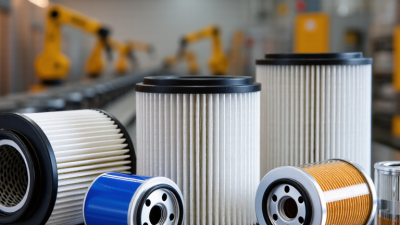
Choosing a car engine filter supplier in China requires more than reviewing a catalogue. Ask how its quality system controls incoming filter media, adhesive, and metal components. Request inspection records for pressure drop, seal integrity, and dimensional consistency. Useful evidence includes dated test reports, calibration records, and documented procedures for handling defective batches. Paperwork matters, but it should match the factory floor.
Production capacity should be checked against the order you actually plan to place. Ask about monthly output, current machine utilization, lead times, and backup equipment. During a factory visit, observe pleating lines, assembly stations, and packaging areas. Are work instructions visible? Are samples traceable to a production lot? Small details reveal habits. A high stated capacity is less useful if seasonal demand causes delays or rushed inspections.
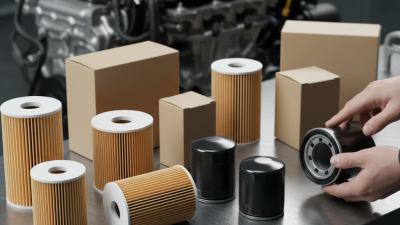
Export records offer another practical measure. Request examples of destination markets, shipment frequency, and experience preparing product documents and export packaging. Verify references where possible, and compare promised lead times with past shipment records. For sample approval, inspect fit, gasket compression, and media condition after handling—not just appearance. One caveat: a polished audit can miss everyday variation. Independent checks and a clearly written specification help reduce that risk.
| Comparison Dimension | Evidence to Request | How to Compare Suppliers | Factual Note |
|---|---|---|---|
| Quality management system | Current ISO 9001 or IATF 16949 certificate, including the certificate scope, site address, issuing body, and expiry date. | Confirm that the certified site and scope cover the production process and product category being quoted. Verify certificate validity with the issuer or relevant certification database. | ISO 9001 is a general quality management system standard. IATF 16949 is an automotive-sector quality management system standard; a certificate alone does not prove that every product meets a specific performance requirement. |
| Product testing and validation | Test reports identifying the filter model, test method, test date, sample details, and acceptance criteria. | Compare like-for-like test results against the buyer’s specification. Check that the report applies to the quoted product and is issued by a qualified laboratory or documented in-house facility. | Performance requirements vary by filter type and application. A test result should not be treated as universal evidence for other models or vehicle applications. |
| Production capacity | Monthly output by product family, number of production lines, shift pattern, bottleneck process, and recent delivery performance. | Request dated production records and compare stated capacity with actual order size, lead time, and peak-season commitments. Validate key figures through a site audit where appropriate. | Installed equipment or a stated factory capacity does not, by itself, establish available capacity for a new order. |
| Process control and traceability | Documented inspection plans, incoming-material controls, batch or lot identification, nonconformance records, and corrective-action procedures. | Check whether the supplier can trace finished goods back to production and material records, and whether sample records can be provided for a recent batch. | Traceability practices and record-retention periods are supplier-specific and should be confirmed in writing. |
| Export experience | Redacted shipping documents, destination-market references, export packaging details, and records of comparable product shipments. | Compare evidence for the same product type and destination market. Confirm shipment dates and quantities where possible, while respecting customer confidentiality. | Export records may be incomplete or unavailable from public sources, and a supplier’s export history cannot be reliably assessed without supplier-specific evidence. |
| Order fulfillment | Recent on-time delivery data, production lead times, minimum order quantities, and written capacity commitments. | Use the same reporting period and definitions for every supplier; distinguish confirmed historical performance from future estimates. | Lead times and minimum order quantities depend on product design, order volume, material availability, and production scheduling. |
| Overall supplier assessment | Certificates, product-specific test reports, production evidence, traceability records, and export documentation. | Score each supplier against the buyer’s requirements using the same evidence checklist. Do not rank suppliers where equivalent, verifiable data is unavailable. | No company-specific names, rankings, capacities, certifications, or export figures are stated here because those claims require identifiable suppliers and verifiable records. |