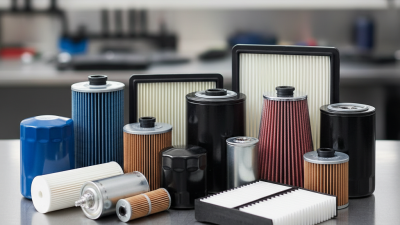
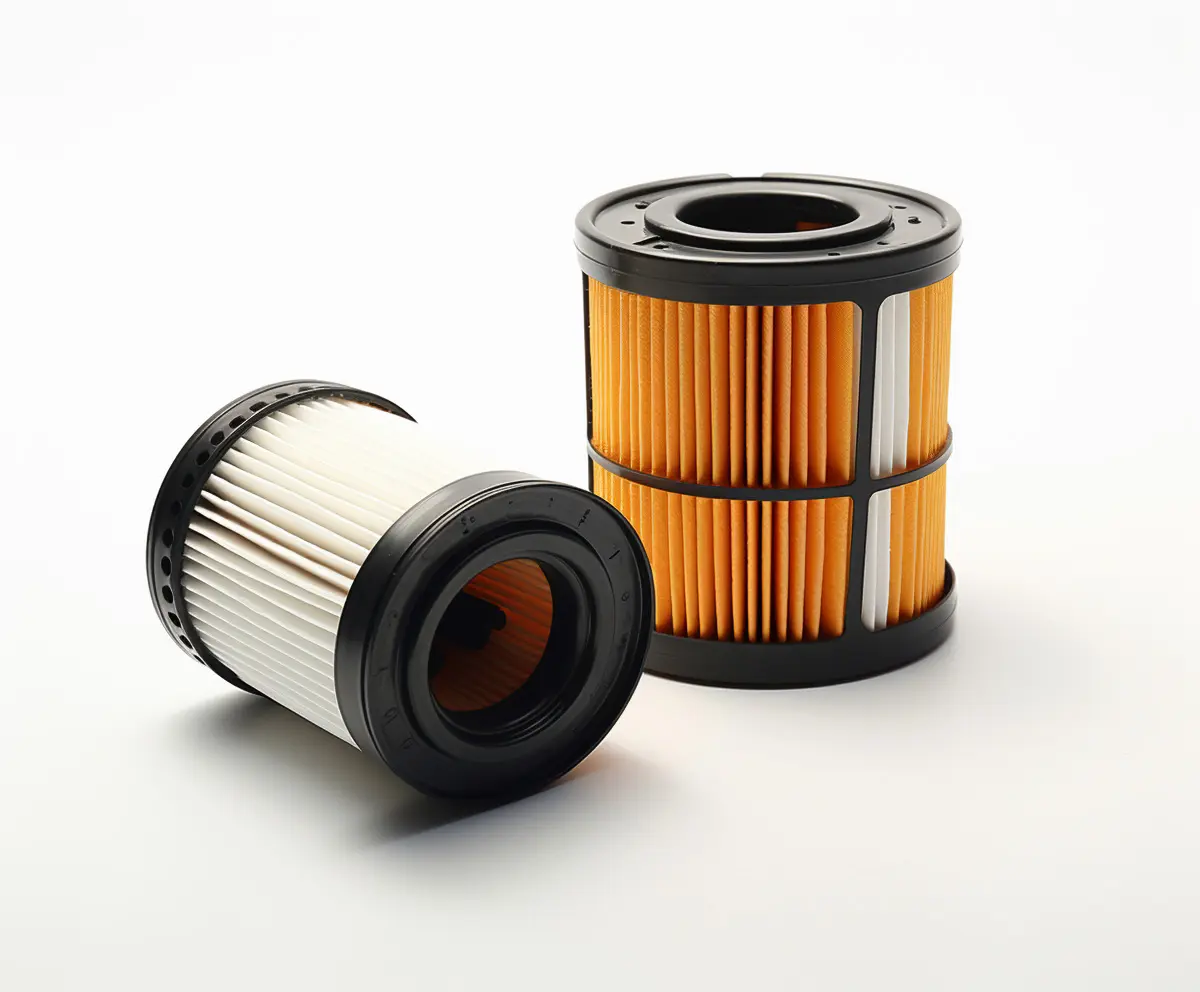
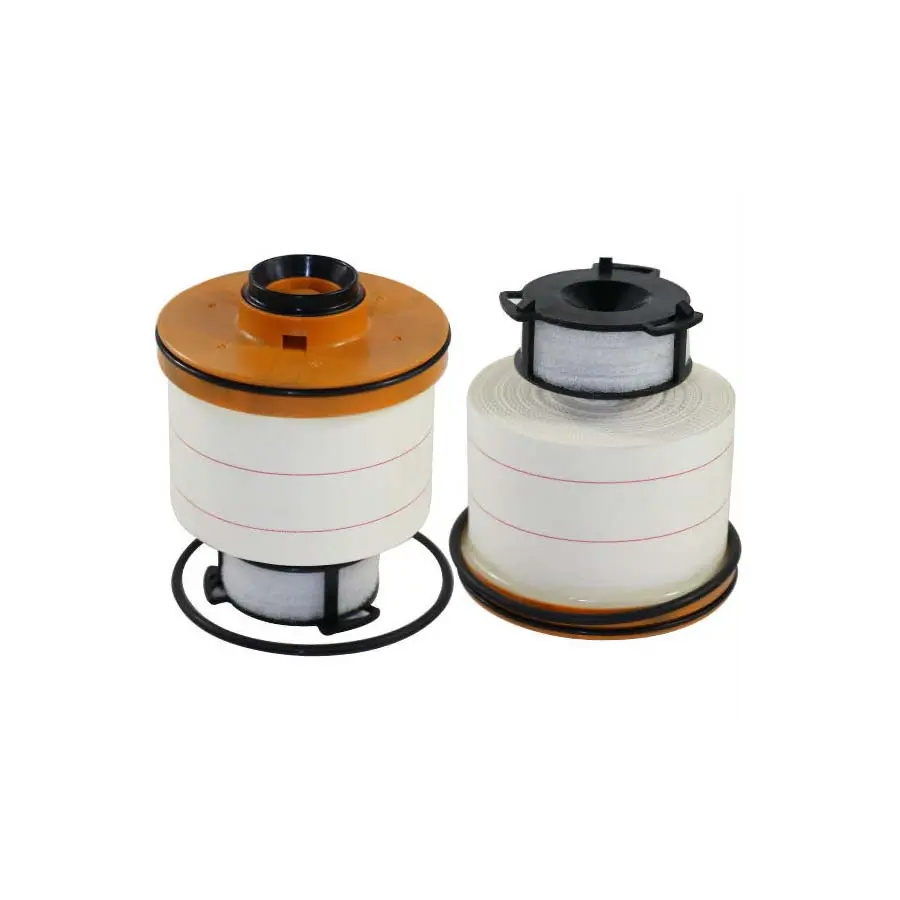
China’s automotive supply chain enters 2026 at substantial scale. The China Association of Automobile Manufacturers reported 30.16 million vehicles produced in China in 2023. OICA recorded 93.5 million vehicles produced worldwide that year. These figures do not measure filter demand directly. They do show the size of the manufacturing and service ecosystem in which Auto Engine Filter suppliers compete. For buyers, the practical questions are less abstract: Can a filter maintain stable airflow? Does its seal fit the housing? Can the supplier deliver consistent batches?
Powertrain changes also shape the market. The International Energy Agency’s Global EV Outlook 2024 estimated nearly 14 million electric car sales worldwide in 2023, about 18% of total car sales. Yet combustion-engine vehicles remain in use, and their maintenance still depends on effective air, oil, and fuel filtration. This transition makes product focus and production flexibility worth examining. Not every supplier serves every application.
This guide reviews ten China-based manufacturers using factors such as product range, manufacturing capability, quality controls, export experience, and application support. Public company information can vary in depth, so claims should be checked against current certifications, samples, and technical documents. A polished catalogue is not proof of consistent performance. That distinction matters. The ranking is a starting point, not a substitute for supplier due diligence.
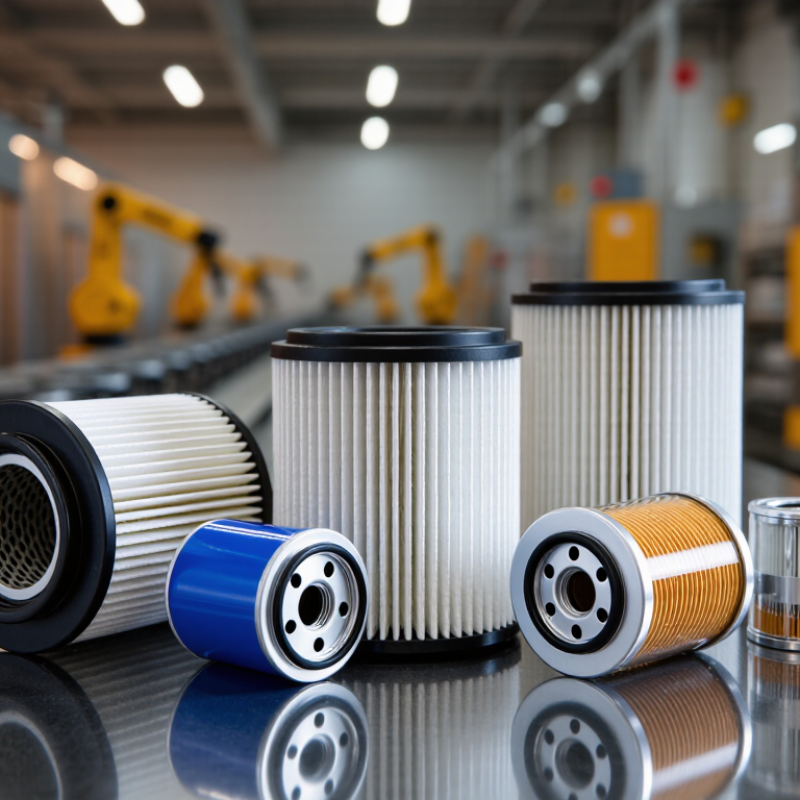
China’s automotive engine filter industry in 2026 is shaped by compact vehicle designs, varied road conditions, and rising expectations for service life. Domestic suppliers serve passenger cars, commercial fleets, and replacement markets, making air, oil, and fuel filters. Product performance depends on consistent filter media, precise pleat spacing, secure end-cap bonding, and seals that withstand heat and vibration. A filter can look sound yet leak around its gasket. That failure is easy to miss. Testing often covers airflow resistance, dust-holding capacity, burst strength, and performance after thermal cycling. Test methods differ, so buyers should compare conditions, not just headline figures.
Tips: Request samples from multiple production batches. Check dimensions, sealing, and pressure drop for the intended application. Keep records. A short trial can reveal fit problems that a polished specification sheet may hide.
Automation and digital inspection are improving repeatability, but manufacturing capability remains uneven. Some factories provide detailed material records but limited field data; others may need clearer process controls. Ask about both. Verify filter-media traceability, vehicle fitment, and test reports with defined conditions. Engine duty cycles vary, especially in dusty areas and stop-and-go fleets, so one design may not suit every market. The industry is advancing, though consistency remains a practical challenge.
A defensible 2026 ranking should reward verified performance, not factory size or marketing claims. This assessment assigns 30% to filtration efficiency and pressure-drop results, 25% to production consistency, 20% to quality controls, 15% to supply reliability, and 10% to technical documentation and service. Scores should draw on comparable tests, sampled production batches, traceability records, and audited capacity data.
For air, oil, and fuel filters, reviewers should examine the relevant performance measures: particle capture, dust-holding capacity, flow resistance, sealing, and durability. Test results need clear methods and repeatable conditions. A polished sample proves little. Ongoing quality matters more. OICA reported 93.5 million motor vehicles produced worldwide in 2023, underscoring the scale and variety of automotive demand. The IEA’s Global EV Outlook 2024 reported nearly 14 million electric-car sales that year, about 18% of global car sales. These shifts make it important to assess suppliers’ ability to serve different powertrain and replacement-market needs.
Evidence should be weighted by reliability: independent test reports and audited records deserve more credit than unverified claims. Capacity should also be checked against delivery history, raw-material controls, and batch-to-batch variation. No ranking is perfect. Public data can be uneven, and a high score cannot guarantee every shipment will perform identically. Such limitations should be stated rather than hidden.
China’s auto engine filter manufacturers serve a large, varied vehicle market. The China Association of Automobile Manufacturers reported 31.282 million vehicles produced and 31.436 million sold in 2024. These figures show market scale, not filter demand directly. Still, they help explain why suppliers need both high-volume production and dependable replacement-part coverage.
The ten profiles compare manufacturers by product range, filtration media, testing, and production capability. Some focus on oil and air filters for passenger cars; others also supply fuel filters and heavy-duty applications. Useful details include pleat consistency, seal fit, pressure-drop testing, and whether products are designed for specific engine requirements. Small parts matter. A poorly seated gasket can undermine an otherwise well-made filter.
The profiles also distinguish verified information from sales claims, using published product specifications and company quality disclosures where available. CAAM’s 2024 annual industry figures provide context, while they cannot confirm any individual supplier’s quality or market share. Buyers should request test records and sample units before making comparisons. A caveat remains: public data is uneven, and a polished catalog is not proof of long-term performance.
Reference particle sizes relevant to engine air filtration
Particle size is one factor in filter design. PM10 and PM2.5 are particulate-matter size categories; human hair and red blood cell sizes are approximate references. These values provide context only and do not represent the filtration performance of any manufacturer or product.
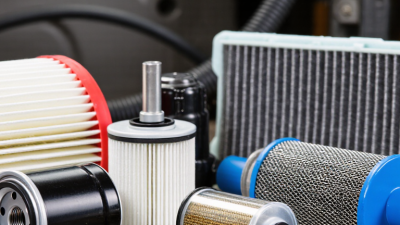
In 2026, China’s leading auto engine filter manufacturers are assessed by product range, engineering control, and test evidence. Their portfolios commonly include oil, intake-air, and fuel filters for passenger and commercial vehicles. Oil filters must capture particles while maintaining steady lubricant flow. Air filters need to balance dust retention with low intake resistance. Fuel filters require dependable separation and secure seals.
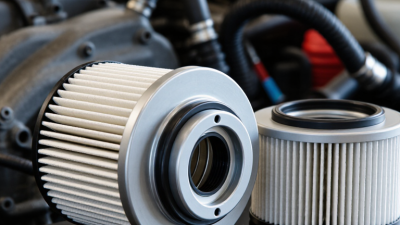
Filter media and construction affect real-world performance. Cellulose media can suit many routine applications, while synthetic blends may support finer filtration or greater dust capacity. Pleat spacing, end-cap bonding, and gasket fit matter too. Small details matter. A bypass valve must open within its specified pressure range, not simply look sturdy. For intake-air units, ISO 5011 provides relevant performance-testing methods.
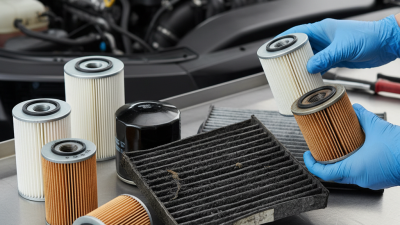
Quality checks should extend beyond appearance. Buyers can review batch traceability, leakage results, pressure-drop data, and dimensional inspection records. ISO 4548 covers test methods for full-flow lubricating-oil filters, while ISO 19438 addresses testing diesel and petrol fuel filters. Standards are useful, but a reference alone does not prove consistent production. Ask whether results apply to the supplied model and production lot. Even a well-tested element can underperform if its seal is compressed unevenly during installation.
Technical overview of ten common automotive engine-filter product categories and manufacturing capabilities
Scope: The rows below describe product and technology categories, not named companies or a verified company ranking. Standards listed are relevant test or quality-system references; applicability depends on the product, customer specification, and market.
| Product Category | Typical Construction and Technology | Key Performance Measures | Relevant Standards or References | Common Application |
|---|---|---|---|---|
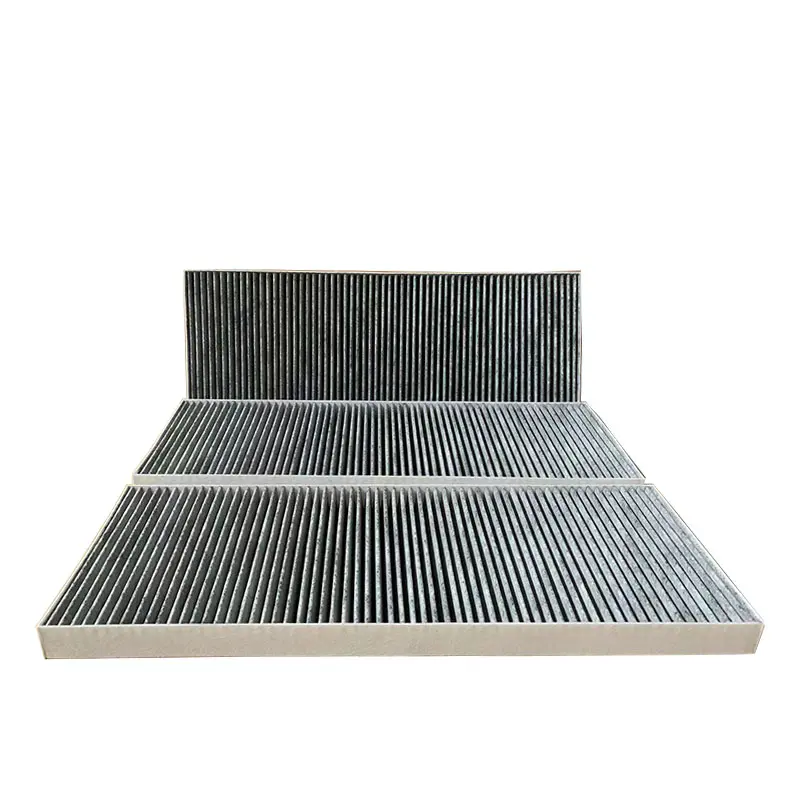
| 1. Passenger-Car Intake Air Filters | Pleated cellulose, synthetic, or blended filter media; molded seals and frames designed to limit air bypass. | Air-cleaning efficiency, dust-holding capacity, airflow restriction, and sealing performance. | ISO 5011 provides test methods for intake air-cleaning equipment. | Engine air-intake systems in passenger cars and light commercial vehicles. |
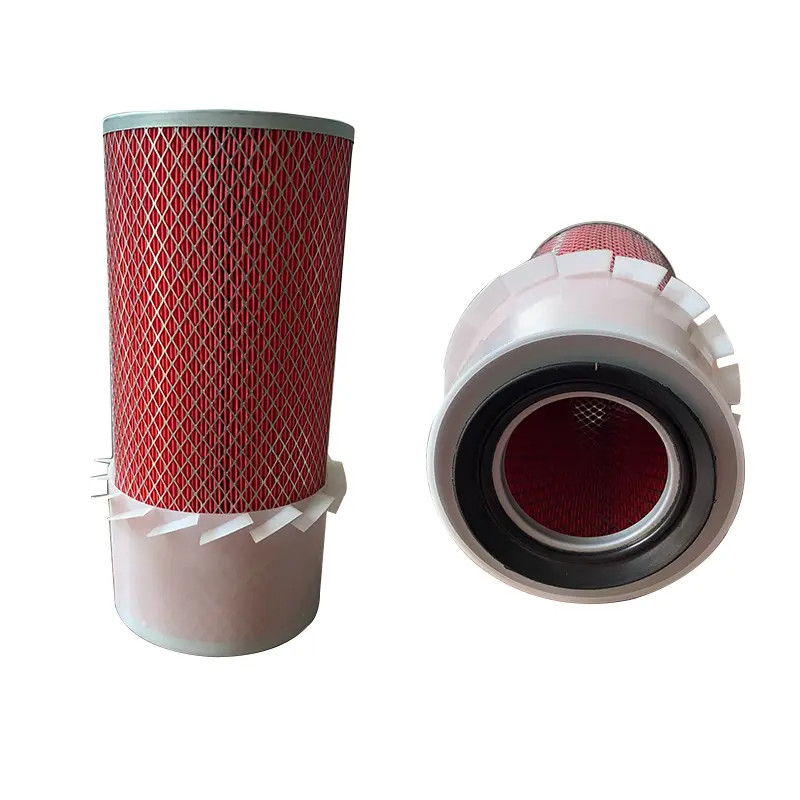
| 2. Heavy-Duty Engine Air Filters | High-capacity pleated media, often with radial seals; some assemblies use a primary element and a safety element. | Restriction over service life, dust-holding capacity, efficiency, and resistance to vibration or handling damage. | ISO 5011; vehicle and engine-maker specifications may define additional requirements. | Commercial vehicles, buses, construction equipment, and other heavy-duty applications. |
| 3. Spin-On Engine Oil Filters | Metal canister containing pleated media, an end plate, anti-drainback valve where required, and a bypass valve where specified. | Particle removal, flow resistance, contaminant capacity, pressure-pulse durability, and valve operation. | The ISO 4548 series covers test methods for full-flow lubricating-oil filters for internal-combustion engines. | Engines using a replaceable screw-on oil-filter assembly. |
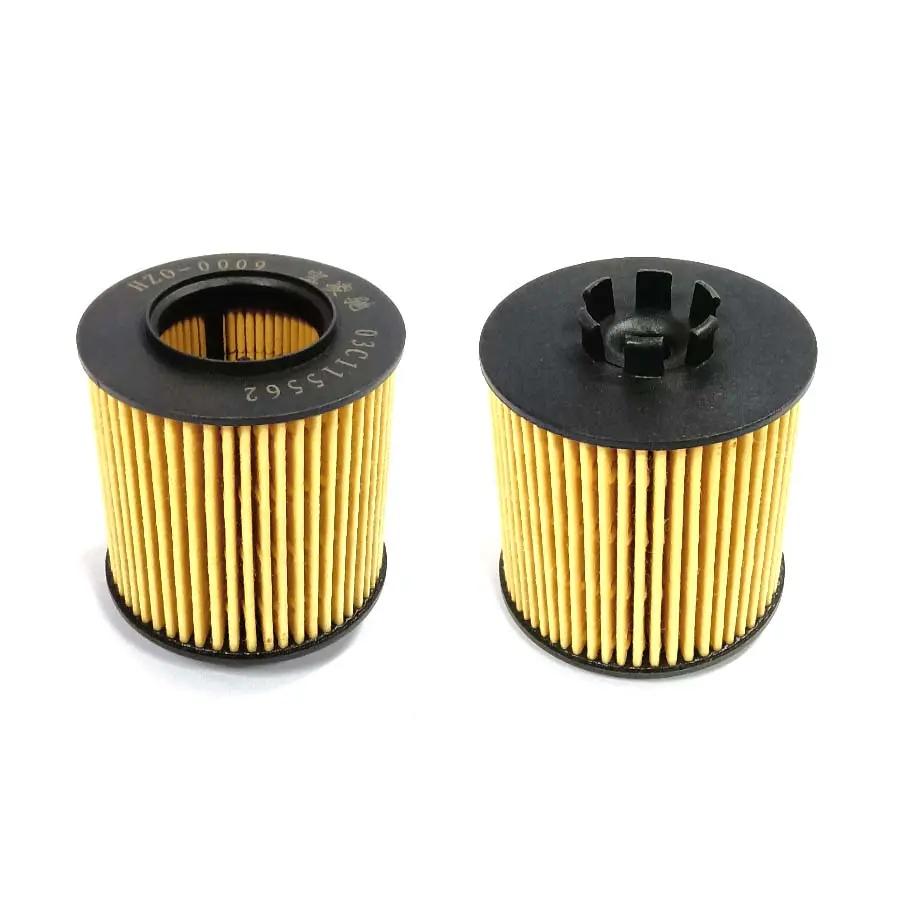
| 4. Cartridge Engine Oil Filters | Replaceable pleated element fitted into a reusable housing; may include end seals and a center support structure. | Filtration performance, pressure drop, collapse resistance, bypass behavior where applicable, and dimensional fit. | Applicable ISO 4548 test methods and vehicle or engine-maker specifications. | Modern passenger-car and light-commercial engines with cartridge-style filter housings. |
| 5. Diesel Fuel Water-Separating Filters | Coalescing or water-repellent media, sometimes combined with a sediment bowl, drain, or water sensor. | Water-separation efficiency, contaminant retention, flow restriction, and water-handling capacity. | ISO 16332 describes a method for evaluating diesel-fuel-filter water-separation efficiency. | Diesel fuel systems where protection from water and particulate contamination is required. |
| 6. Diesel Fine-Fuel Filters | Fine-grade cellulose, synthetic, or multilayer media; designs may be optimized for particle retention and fuel-flow requirements. | Filtration efficiency by particle size, contaminant capacity, pressure drop, and structural integrity. | ISO 19438 specifies a particle-counting method for evaluating filtration efficiency and contaminant-retention capacity of diesel and petrol fuel filters. | Fuel systems requiring downstream protection of pumps and injectors. |
| 7. Gasoline Fuel Filters | Inline or module-integrated designs using media selected for gasoline compatibility, flow, and pressure requirements. | Particle-removal efficiency, flow capacity, pressure drop, media compatibility, and housing integrity. | ISO 19438 is a relevant filtration-efficiency and contaminant-retention test reference for diesel and petrol filters. | Gasoline fuel systems, subject to vehicle-specific placement and service design. |
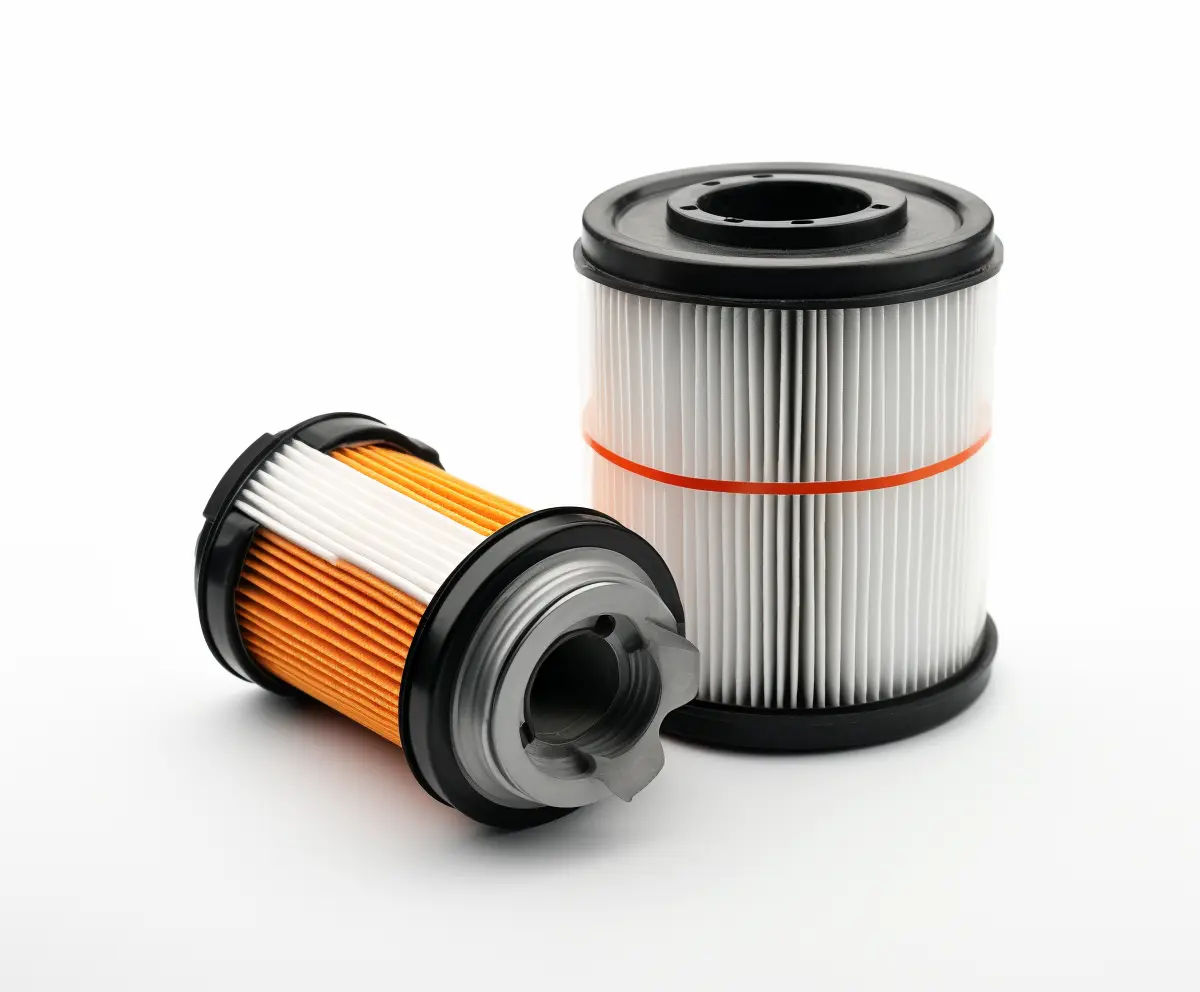
| 8. Fuel Filter Modules with Integrated Features | Filter elements combined with features such as a water sensor, heater, hand primer, pressure regulator, or quick-connect interfaces. | Filtration performance, leak tightness, connector retention, electrical-function checks where fitted, and pressure durability. | Applicable fuel-filter test methods, including ISO 19438 where relevant; additional validation is usually defined by the vehicle program. | Vehicle fuel systems requiring multiple filtration or service functions in one assembly. |
| 9. Engine Oil Bypass-Filtration Elements | Fine-media elements used in a bypass circuit that filters a portion of the circulating oil flow. | Particle capture, flow resistance, contaminant capacity, oil compatibility, and service-life performance. | Relevant ISO 4548 methods may support evaluation; system-level performance depends on the complete engine lubrication circuit. | Selected engine lubrication systems that use supplemental bypass filtration. |
| 10. Crankcase Ventilation and Oil-Mist Separators | Coalescing media or engineered separator structures designed to remove oil droplets from crankcase gases. | Oil-mist separation, pressure drop, oil-drain behavior, and resistance to clogging under specified operating conditions. | Performance is generally assessed against engine-maker or application-specific test procedures; the ISO filter test references above do not automatically cover these assemblies. | Crankcase ventilation systems in gasoline and diesel engines. |
Quality-system context: IATF 16949 and ISO 9001 are quality-management-system references used across automotive supply chains. Certification status is specific to an organization and site and should be verified independently; these standards do not by themselves establish a filter’s product performance.
In 2026, engine-filter manufacturing is adapting to a vehicle market that is changing, not disappearing. OICA reported approximately 92.5 million motor vehicles produced worldwide in 2024. Meanwhile, the IEA’s Global EV Outlook 2025 estimated electric-car sales would exceed 20 million that year. These figures point to a mixed fleet: battery-electric vehicles are growing, while combustion and hybrid vehicles still need reliable air and oil filtration. For manufacturers, consistent media quality, precise sealing, and traceable inspection matter more than chasing volume alone.
Production trends include tighter process control and more attention to material efficiency. Automated checks can catch uneven pleats or weak seals before filters reach the assembly line. Yet automation is not a cure-all. A clean-looking filter can still perform poorly if its media specification does not match the engine’s operating conditions. That detail is easy to overlook.
Tips: Compare filtration efficiency and dust-holding capacity under the same test conditions. Ask suppliers how they control pleat spacing and seal integrity. Check fitment carefully; a small mismatch can cause a big service problem.