Inquiry
Form loading...

How to Choose the Best Auto Filter in 2026?

Choosing the best Auto Filter in 2026 requires more than comparing prices or counting product reviews. Modern vehicles use increasingly precise engines, sensors, and filtration systems. A suitable filter must protect performance without restricting airflow or fluid movement. Fit matters.

This guide examines filter quality, material construction, efficiency ratings, service intervals, and vehicle compatibility. It also considers real driving conditions, including dusty roads, heavy traffic, cold starts, and frequent short trips. A filter that performs well in a laboratory may behave differently in daily use. That difference deserves attention. Reliable manufacturers usually provide clear specifications, testing information, installation guidance, and traceable part numbers. These details can help buyers avoid counterfeit or poorly matched products.

My practical view is simple: start with the vehicle manufacturer’s requirements, then compare reputable alternatives carefully. Check dimensions, sealing surfaces, pressure ratings, and maintenance records before purchasing. Do not assume the most expensive Auto Filter is automatically the best choice. That assumption can fail. Some drivers also replace filters too late, while others change them unnecessarily. Both habits may increase costs or reduce useful performance. I may not cover every vehicle design or regional condition, and product claims can change over time. Therefore, verify current specifications with the manufacturer or a qualified technician. The right decision combines verified data, real-world use, and careful inspection. In 2026, informed selection matters more than attractive packaging.
How to Choose the Best Auto Filter in 2026?

What an Auto Filter Is and Why It Matters in 2026

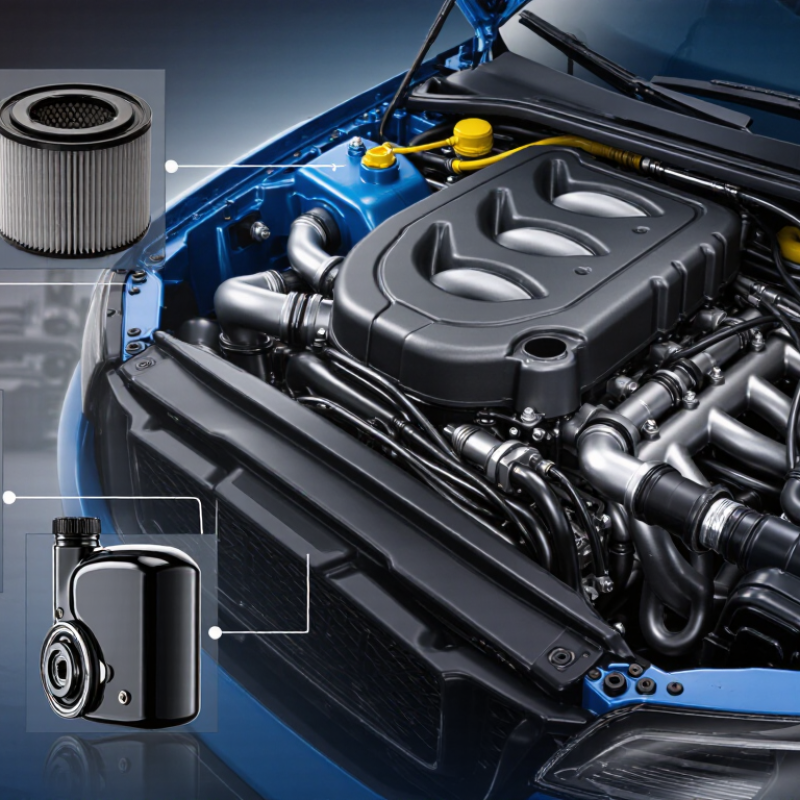
An auto filter removes unwanted particles from air or fluids moving through a vehicle. The term can mean an engine air filter, oil filter, cabin filter, or another component. Each has a different job. An engine air filter catches dust before it reaches the engine, while an oil filter traps contaminants circulating in lubricating oil. A cabin filter helps reduce pollen and road dust entering through the ventilation system. Small part. Important work.

In 2026, modern engines and ventilation systems still depend on clean airflow and fluids, but a filter is not automatically better because it looks denser or costs more. Fit, filtration performance, and suitable flow all matter. A poorly matched filter may restrict airflow or fail to seal properly. Check the vehicle’s owner manual for the correct specification and service interval, then consider driving conditions such as dusty roads or frequent stop-and-go trips. A visual inspection can reveal heavy dirt or damage, though appearance alone cannot confirm performance. I’ve learned that the simplest check is often overlooked: compare the replacement part’s dimensions and sealing surface with the one removed. Even then, I wouldn’t treat every dusty-looking filter as proof that it needs immediate replacement.

How to Identify the Right Filter Type for Your Vehicle

Choosing the best auto filter starts with identifying the filter your vehicle actually needs. “Auto filter” can mean an engine air filter, oil filter, cabin air filter, fuel filter, or transmission filter. Each protects a different system. Check the owner’s manual for the correct filter type, engine code, service interval, and required dimensions. Vehicle year alone is not always enough because engines and housings can vary.

Inspect the old filter before buying a replacement. An engine air filter with packed dust, damaged pleats, or a loose seal needs attention. Do not force a filter into place. The frame should sit flat, and the rubber gasket should contact the housing evenly. For an oil filter, confirm thread size, gasket diameter, and pressure specifications. A small mismatch can cause leaks. It is worth asking a qualified technician when specifications conflict.

One detail is easy to miss.

Your driving environment also affects the right filter choice. Frequent gravel roads may require a stronger engine air filter with deeper pleats. City driving can make a cabin filter with odor and fine-particle protection more useful. Damp climates may expose weak seals and poor moisture resistance. Fuel and transmission filters should follow the vehicle maker’s replacement schedule, not guesswork. I have seen owners replace a dirty cabin filter while ignoring a poorly seated engine filter. That choice feels reasonable, but it can still reduce protection. Recheck the fit after installation, especially when the housing closes with unusual resistance.

How to Choose the Best Auto Filter in 2026? - How to Identify the Right Filter Type for Your Vehicle

Use your vehicle’s owner’s manual and exact vehicle details to confirm filter fitment and service intervals.
Filter Type What It Does How to Identify the Right Type Replacement Guidance Key Selection Checks
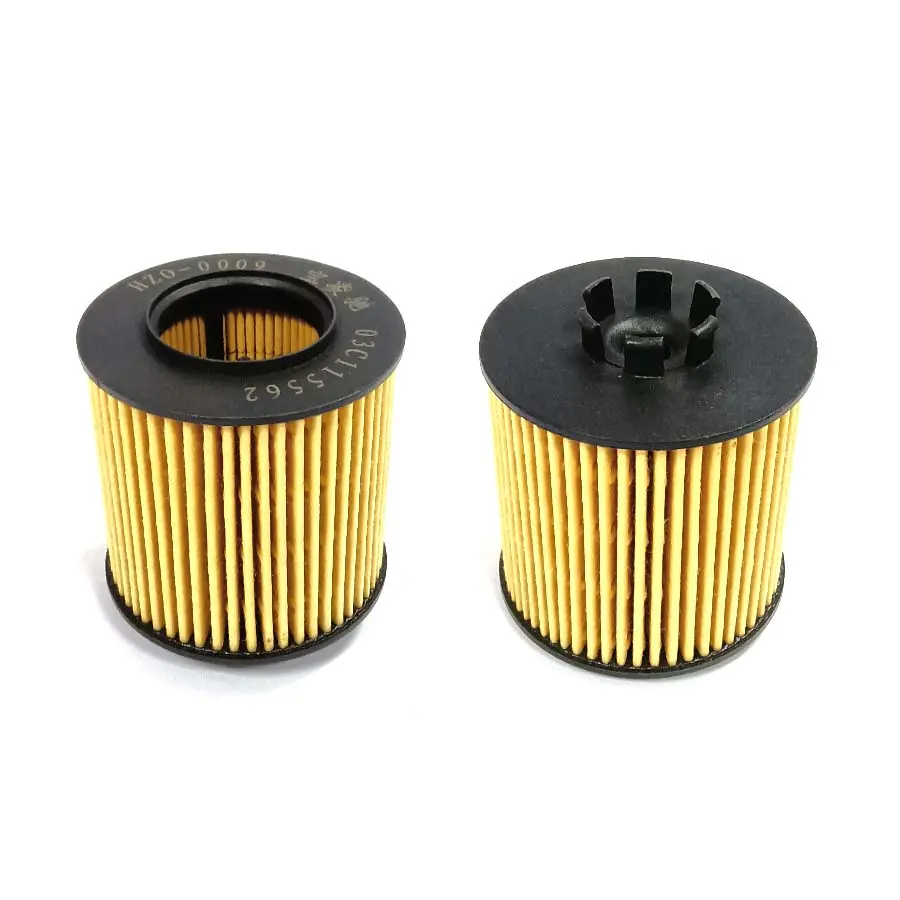
Engine oil filter Captures particles and contaminants in the engine oil. Check the owner’s manual or parts information using the model year, make, model, engine, and sometimes VIN. Determine whether the vehicle uses a spin-on filter or a replaceable cartridge element. Usually replaced when the engine oil is changed, following the vehicle’s maintenance schedule and oil-life monitoring system. Confirm thread or cartridge design, seal dimensions, bypass-valve requirements, and specified filtration rating.
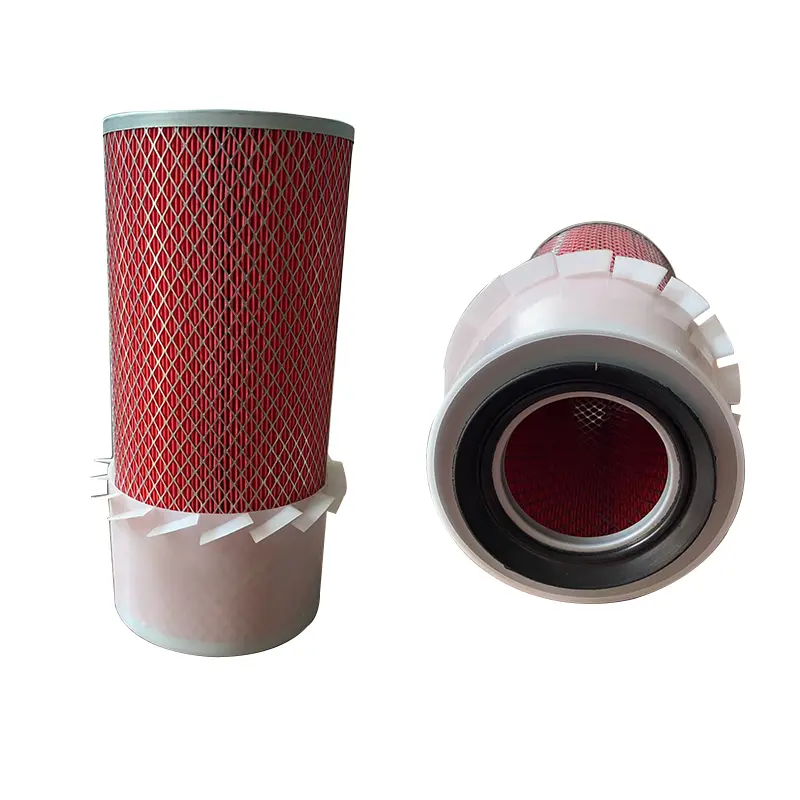
Engine air filter Traps dust and debris before air enters the engine. Match the filter to the vehicle’s exact engine and air-box configuration. Compare the replacement’s shape and dimensions with the installed filter. Inspect at the interval in the maintenance schedule; replacement frequency may increase in dusty or high-pollen conditions. Check the perimeter seal and frame fit. A filter that does not seal correctly can allow unfiltered air past it.
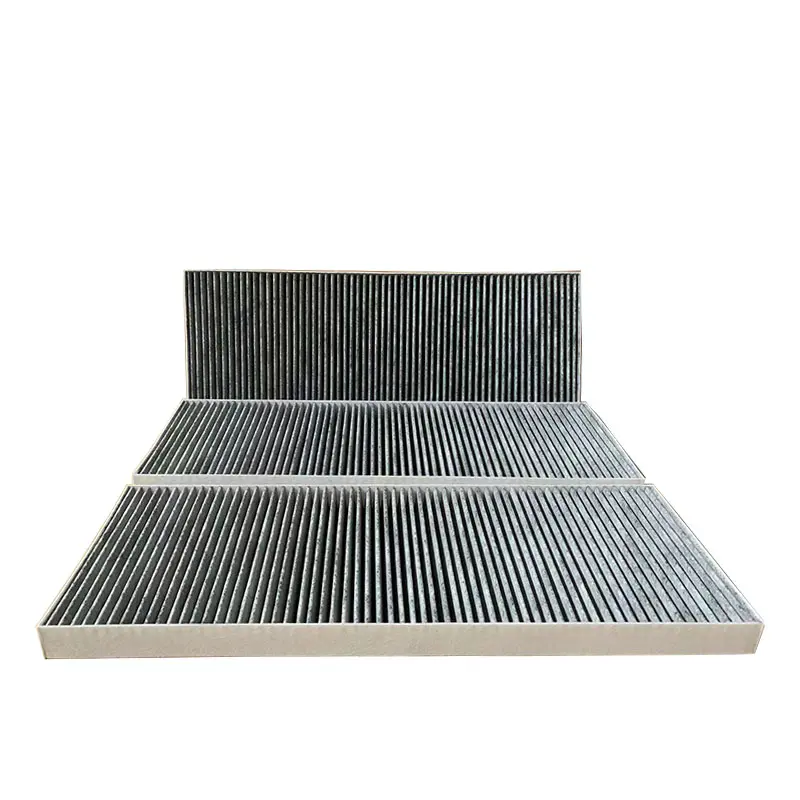
Cabin air filter Filters incoming air for the heating, ventilation, and air-conditioning system. Use the vehicle’s exact year, model, and trim or verify the filter compartment dimensions. Note the airflow-direction arrow before removing the old filter. Follow the maintenance schedule; inspect more often when driving in dusty areas or when airflow decreases or odors persist. Choose the specified filter size and orientation. Particle-only and activated-carbon media have different odor-filtering properties.
Fuel filter Removes contaminants from fuel before they reach fuel-system components. Check the service information for the vehicle and fuel system. Some vehicles have an accessible inline filter; many modern gasoline vehicles use a filter integrated with the in-tank fuel-pump assembly. Service intervals and serviceability vary. Replace only as directed by the manufacturer or when a confirmed fault calls for it. Verify fuel type, pressure rating, connection style, and whether the filter is separately replaceable.
Transmission filter Helps capture debris in automatic-transmission fluid where a serviceable filter is fitted. Identify the exact transmission code as well as the vehicle details. Designs vary, and some transmissions use a filter integrated into a pan or assembly. Follow the transmission-specific service schedule. Not every transmission has a filter intended for routine replacement. Confirm filter, pan gasket, fluid specification, and service procedure as a compatible set; incorrect fluid can cause damage.
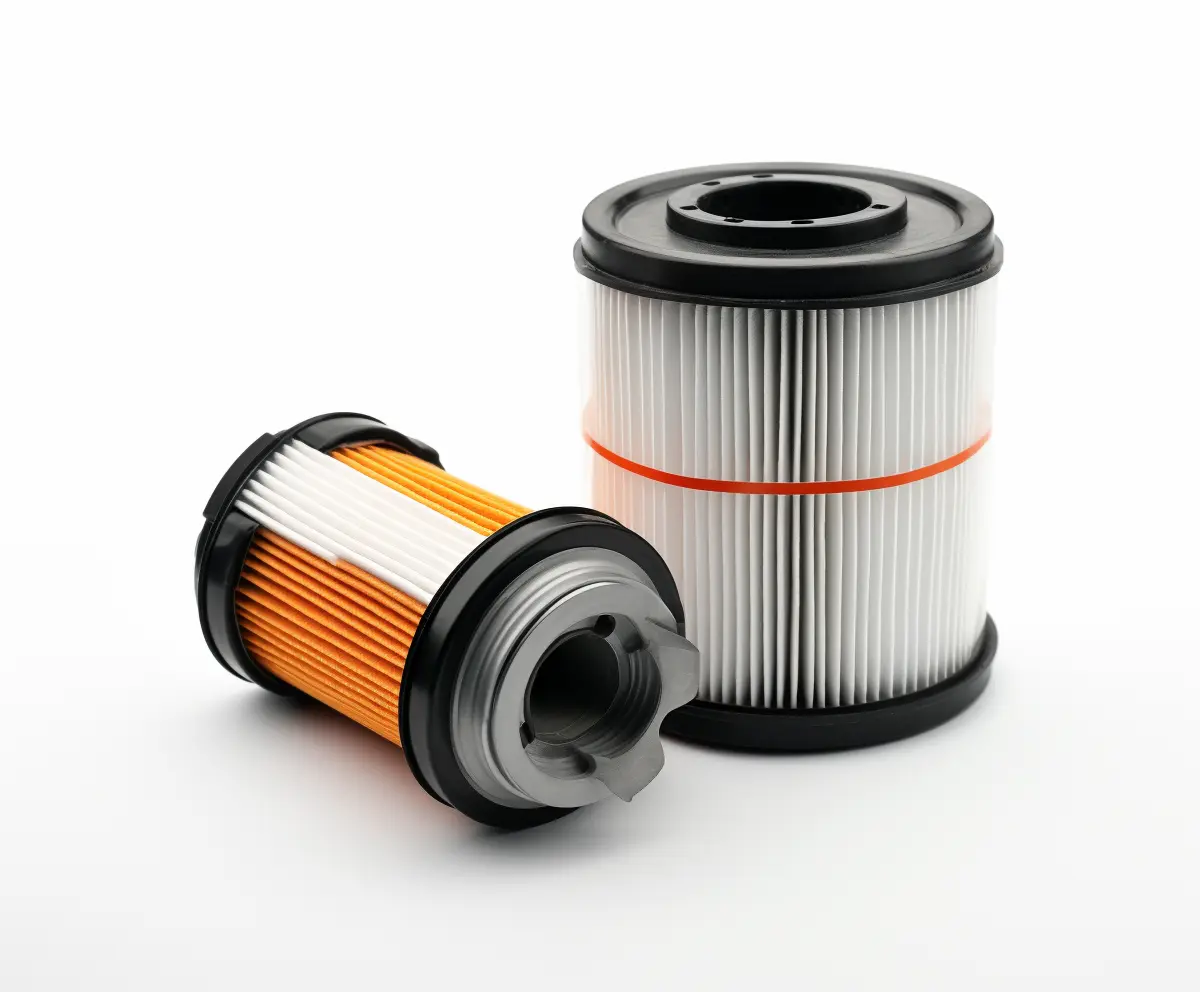
Diesel fuel filter / water separator Filters diesel fuel and, in some systems, separates water to protect fuel-system components. Confirm the engine and fuel-system version. Check whether the vehicle uses one filter or a filter-and-separator assembly. Use the diesel-specific maintenance schedule. Drain collected water only if the system and owner’s manual instruct you to do so. Check the specified filtration rating, seals, sensor connections, and water-separator design.

Which Filter Materials and Performance Features to Compare

Choosing the best auto filter in 2026 means comparing materials with measured performance, not trusting a single efficiency number. Cellulose media remains affordable and holds coarse dust well. Synthetic fibers usually offer steadier airflow and better moisture resistance. For cabin air, activated carbon can reduce some odors and gases, but its adsorption capacity declines as the media becomes saturated. It is not a permanent solution.

Look for test results based on recognized methods. ISO 5011 evaluates engine air filters through efficiency, pressure drop, and dust-loading tests. Cabin filters should show particle performance, airflow, and gas-removal data under relevant conditions. A HEPA-grade claim often references 99.97% removal at 0.3 microns, but vehicle airflow and sealing can reduce real-world results. The World Health Organization’s 2022 air-quality database reported that 99% of people lived where guideline levels were exceeded. That makes cabin filtration more than a comfort feature.

Pressure drop matters. A highly restrictive filter may clean air well but reduce ventilation or engine intake flow. Compare clean and loaded results, then inspect pleat depth, gasket compression, and frame rigidity. Fit is not optional. A small bypass gap can defeat expensive media. I would also question impressive laboratory figures without dust-loading data. Road dust, humidity, and irregular replacement intervals expose weaknesses quickly. In dusty regions, replacing by mileage alone may be a poor decision. Real driving conditions deserve more weight than polished packaging.

How to Choose the Best Auto Filter in 2026?

Comparing common automotive filter materials by typical particle filtration, dust-holding capacity, and airflow performance.

Scores are indicative industry ranges normalized to a 0–100 scale from commonly published technical characteristics. Synthetic media generally offers a strong balance of efficiency and airflow, while glass fiber prioritizes fine-particle capture. Activated carbon is mainly used for odor and gas adsorption and should be evaluated together with a particle-filter layer.

How to Check Compatibility, Quality, and Maintenance Needs

How to Choose the Best Auto Filter in 2026?

Start with compatibility, not appearance. Check your vehicle’s owner’s manual for the required filter type and specifications. Then compare the part number with a trusted fitment catalog, using your exact model year, engine, and trim. Small differences matter. A filter that looks right may still have the wrong seal diameter or thread size. If details conflict, confirm them with a qualified parts specialist before buying.

Quality is more than a sturdy-looking canister. Look for clear specifications, secure seams, a well-fitted gasket, and media designed to capture contaminants without restricting normal flow. For cabin filters, consider your usual conditions: dusty roads, pollen, or frequent city driving. A layered filter may help with odors, but only if it fits correctly and allows adequate airflow. Price alone proves little. I’ve seen buyers focus on appearance and overlook the printed service interval; that’s an easy mistake.

Maintenance needs depend on mileage and driving conditions. Follow the vehicle maker’s schedule, and inspect the filter sooner after dusty trips or construction-zone driving. Keep a note of the installation date and mileage. When removing an old filter, check for uneven dirt, moisture, or damaged seals. Those clues can reveal a fit or housing problem. Replacement can be simple, though some housings are awkward. Don’t force a cover that resists; pause and check the instructions.

How to Choose an Auto Filter Based on Cost and Driving Conditions

How to Choose the Best Auto Filter in 2026?

How to Choose an Auto Filter Based on Cost and Driving Conditions

A filter that suits a quiet commuter may struggle with frequent dusty-road driving. Check your vehicle manual for the required filter type and specifications before comparing prices. A low-cost option can be reasonable when it meets those requirements and you replace it on schedule. Paying more is not automatically better. What matters is dependable fit, clear product information, and service intervals that match your driving.

Consider where and how you drive. Gravel roads, construction areas, and heavy traffic can expose filters to more dust and debris. If you often travel these routes, inspect the filter more regularly, especially during routine maintenance. For mostly clean, steady highway driving, the manual’s normal schedule may be suitable. Don’t guess from color alone; some discoloration is expected, and a clogged filter needs proper inspection.

Tips: Compare the full ownership cost, not just the shelf price. Include replacement frequency and any labor charge. Keep a note of installation dates and mileage. If the filter looks damaged, fits loosely, or causes a noticeable change in airflow, ask a qualified technician to check it. I’d avoid stretching an interval just to save a little; that shortcut can be a false economy.