How to Choose the Best Auto Filter for Global Sourcing?
Choosing the best Auto Filter for global sourcing is not a simple price comparison. It requires evidence, field experience, and disciplined supplier verification. MarketsandMarkets estimated that the global automotive filters market would grow from approximately USD 10.9 billion in 2023 to USD 14.7 billion by 2028. Grand View Research also identifies stricter emission controls, vehicle growth, and longer service intervals as major market drivers. These figures show demand. They do not prove product quality.
A practical sourcing decision should examine filtration efficiency, pressure drop, sealing performance, media strength, and traceability. Request test reports, batch records, and samples from the same production line. A filter that performs well in a laboratory may fail after vibration, humidity, or repeated temperature changes. Small details matter. Check the gasket’s flexibility. Inspect the pleat spacing. Measure the package protection before ocean shipment.
Frank Behrens, a filtration specialist associated with MANN+HUMMEL, has emphasized that “a filter must be evaluated as part of the complete system, not in isolation.” This principle is easy to overlook. The correct Auto Filter must match the engine, operating environment, maintenance schedule, and regional fuel conditions.
Reports from MarketsandMarkets, Grand View Research, and SAE technical publications provide useful benchmarks, but they cannot replace supplier audits. Some specifications remain unclear. That is where buyers should pause, ask better questions, and avoid assumptions. The lowest quotation may conceal inconsistent media, weak quality control, or expensive warranty exposure. Global sourcing works best when data, inspection, and real-world experience support every decision.
Define Auto Filter Types and Their Global Sourcing Applications
How to Choose the Best Auto Filter for Global Sourcing?
Auto filters are not one uniform product.
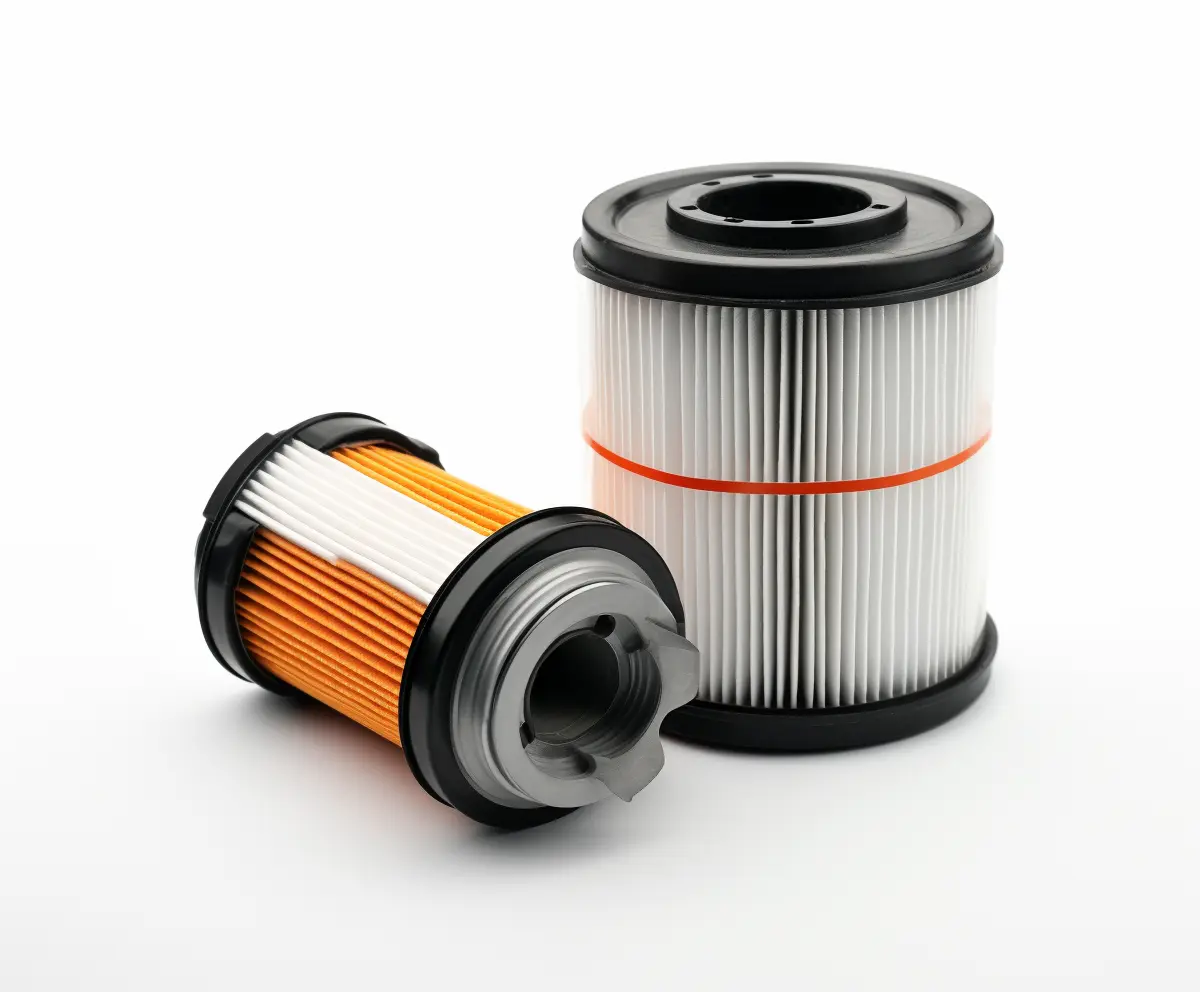
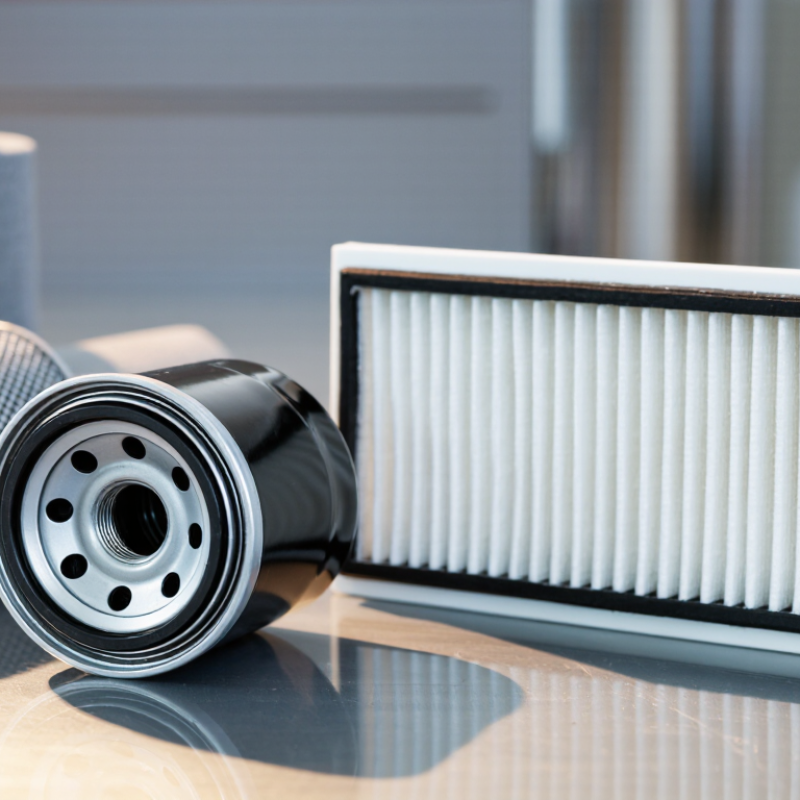
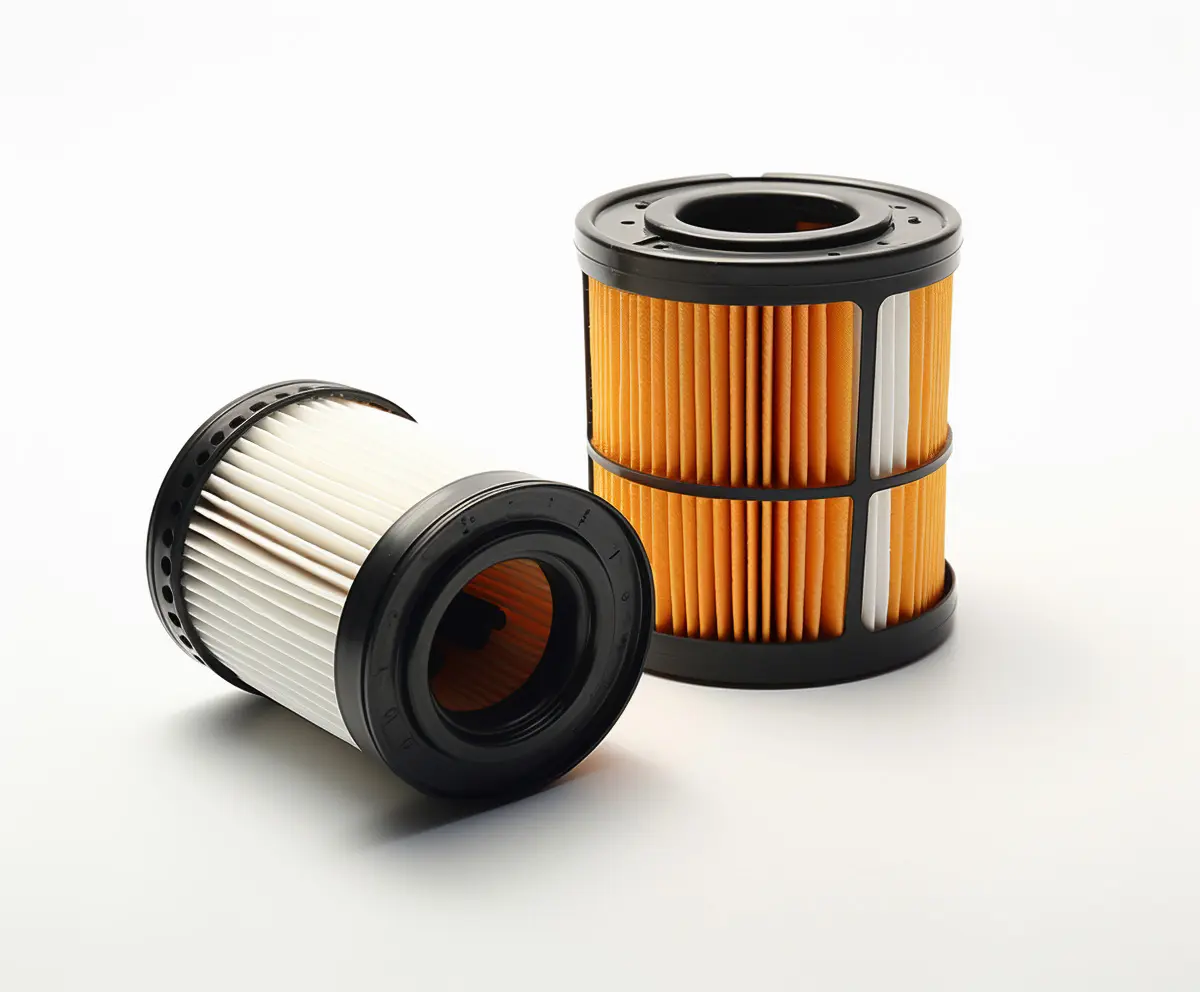
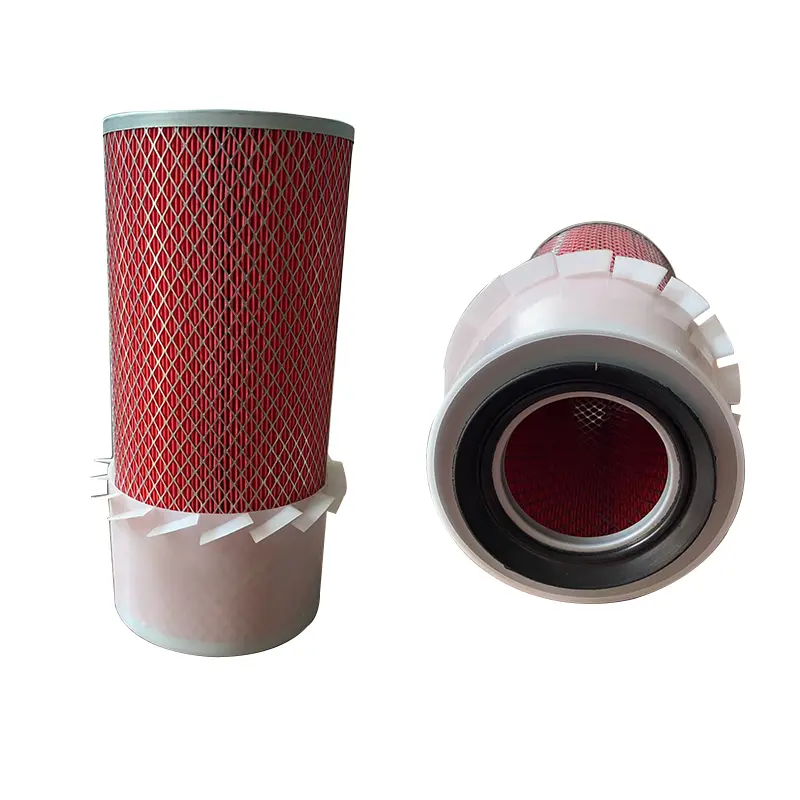
Engine air filters protect intake systems from dust and sand. Oil filters capture particles circulating through lubricated components. Fuel filters separate contaminants from fuel, while cabin filters improve interior air quality. Transmission filters support hydraulic cleanliness in automatic systems. Each type serves a different operating environment.
Application changes by market.
OICA reported 93.5 million motor vehicles produced worldwide in 2023.
This scale creates demand for standardized, traceable filter supply. However, specification matching matters more than volume. A desert fleet may need high dust-loading capacity. A cold-region vehicle needs stable flow during start-up. Cabin filters for dense cities may require fine particulate control, but pressure drop must remain acceptable.
Electric vehicles alter the sourcing map.
The International Energy Agency reported nearly 14 million electric car sales in 2023, representing about 18% of global car sales.
These vehicles reduce demand for engine oil filters, yet cabin filters and thermal-management filtration remain relevant. Suppliers should verify media efficiency, sealing quality, test methods, packaging, and replacement intervals. ISO 16750 environmental testing can help assess vibration, temperature, humidity, and mechanical stress.
A practical mistake is selecting by unit price alone.
It looks efficient, briefly. Poor fit can increase warranty exposure, returns, and transport waste. Regional validation is still necessary. Supplier audits, sample testing, and clear documentation reduce uncertainty, although no sourcing plan is perfect.
Assess Filtration Performance, Compatibility, and Quality Standards
Choosing an auto filter for global sourcing requires more than comparing micron ratings. Filtration performance should match the engine system, fluid type, service interval, and operating temperature. Check particle-removal efficiency, pressure drop, dirt-holding capacity, and collapse strength under consistent test conditions. A filter may capture fine particles well but restrict flow too quickly.
Compatibility is equally important. Confirm dimensions, thread size, gasket material, sealing pressure, and resistance to fuel, oil, heat, or moisture. Request dimensional drawings and production samples before placing large orders. During inspection, compare samples with approved specifications, not only supplier photographs. Numbers can mislead.
Quality standards make supplier claims more reliable. Look for documented quality systems, controlled batch records, material certificates, and traceable test results. Applicable industry test methods should be clearly identified, while manufacturing controls may align with recognized quality standards such as ISO 9001 or IATF 16949. Independent laboratory testing can verify efficiency and burst performance. It costs more, but one failed shipment may cost far more. A practical weakness remains: laboratory results may not reflect dusty roads, cold starts, or extended service intervals. Field trials and periodic inspection are still necessary.
Verify Samples, Manufacturing Capability, and Supply Chain Reliability
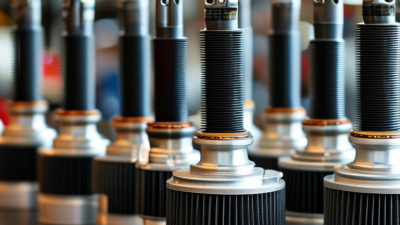
Choosing the best auto filter starts with a sample, not a quotation. Check dimensions, sealing surfaces, pleat consistency, media thickness, and bypass-valve behavior. Ask for test results covering filtration efficiency, pressure drop, dust-holding capacity, burst strength, and temperature resistance. A sample may look excellent while failing after vibration or heat exposure. Test at least three production samples, not one hand-finished unit. Small differences matter.
Manufacturing capability must be verified on the factory floor. Request the IATF 16949 certificate, audit its scope, and compare it with the actual production line. Review incoming-material controls, automated inspection, traceability records, and PPAP documents. Confirm whether tooling, testing equipment, and quality staff are owned or subcontracted. A capable supplier should explain its control plan without hiding behind technical language. It should also provide corrective-action records. Imperfect records are not always disqualifying; vague answers are more concerning.
Supply chain reliability needs evidence beyond a promised lead time. UNCTAD’s Review of Maritime Transport 2023 states that ships carry over 80% of global merchandise trade by volume, making port congestion and routing changes important sourcing risks. The World Bank’s Logistics Performance Index 2023 compares logistics conditions across 139 economies. Use these external conditions when assessing delivery plans. Ask for monthly capacity data, safety-stock rules, alternate material sources, and shipment-performance history. Verify whether the supplier can maintain quality during a sudden volume increase. A low price is useful only when the filter arrives consistently and performs consistently.
Select the Best Supplier and Establish Inspection and Delivery Terms
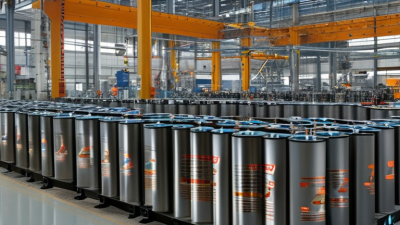
Choosing the best auto filter for global sourcing starts with supplier discipline, not the lowest quotation. Request audited production records, material certificates, process photographs, and traceable batch numbers. The supplier should explain filter-media density, sealing performance, pressure-drop limits, and storage controls in measurable terms. The 2023 Logistics Performance Index identifies tracking, timeliness, and customs handling as essential supply-chain capabilities. Ask for these capabilities before negotiating price.
Inspection terms must be written beside the purchase specification. Define sampling levels, critical defects, dimensional tolerances, leakage tests, packaging checks, and the party approving any deviation. A pre-shipment inspection should verify quantity, labels, carton strength, and test records. Our first checklist was too short. It checked appearance but missed compressed seals after long storage. That mistake was avoidable.
Delivery terms need equal precision. State the named delivery location, production lead time, inspection window, shipping documents, and responsibility for damage or delay. Require photos before loading and independent quantity confirmation when shipment value is high. UNCTAD’s Review of Maritime Transport 2024 highlights how route disruptions can extend transit times and increase logistics costs. Build a realistic buffer, not an optimistic promise. A cheaper supplier can become expensive when rework, port delays, and incomplete documents appear. Rate suppliers quarterly using defect rate, on-time delivery, response speed, and corrective-action quality. One weak metric deserves investigation, not immediate dismissal.
How to Choose the Best Auto Filter for Global Sourcing?
Use a weighted supplier scorecard to compare quality consistency, inspection readiness, delivery performance, lead-time reliability, and commercial flexibility before confirming inspection and delivery terms.
Recommended decision rule: Select the supplier with the highest verified score, then document product specifications, sampling requirements, acceptance criteria, inspection responsibility, shipment lead time, packaging standards, and on-time delivery expectations in the purchase agreement.

 Products
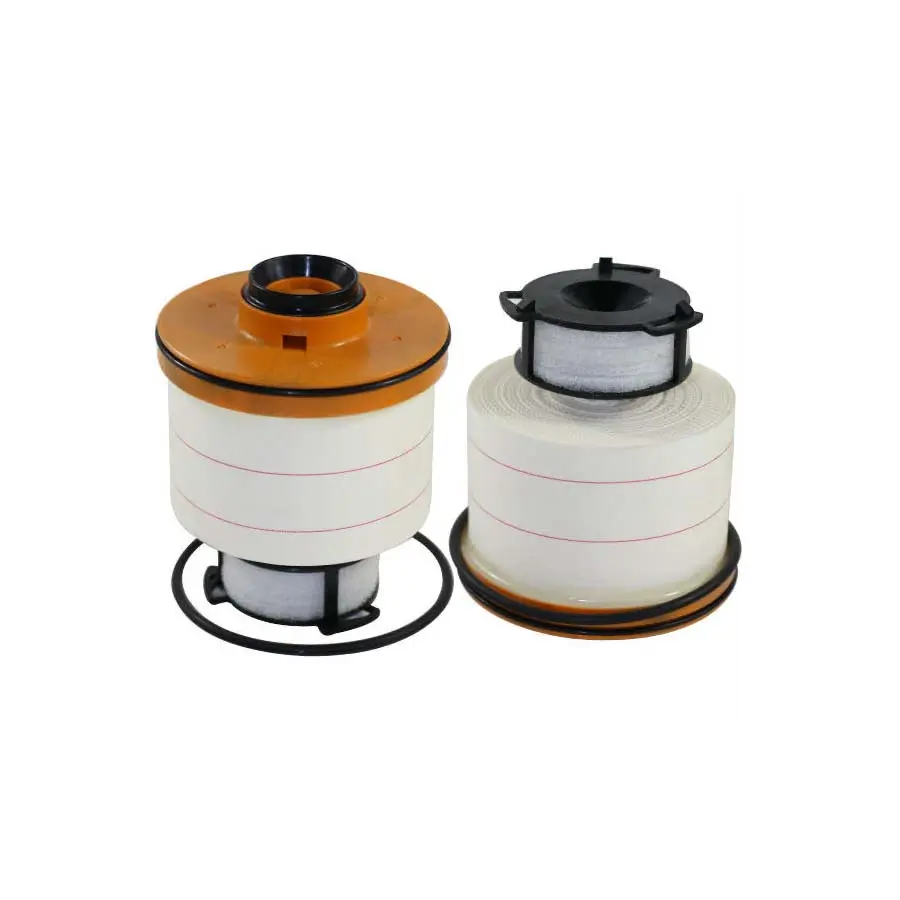 FUEL FILTER
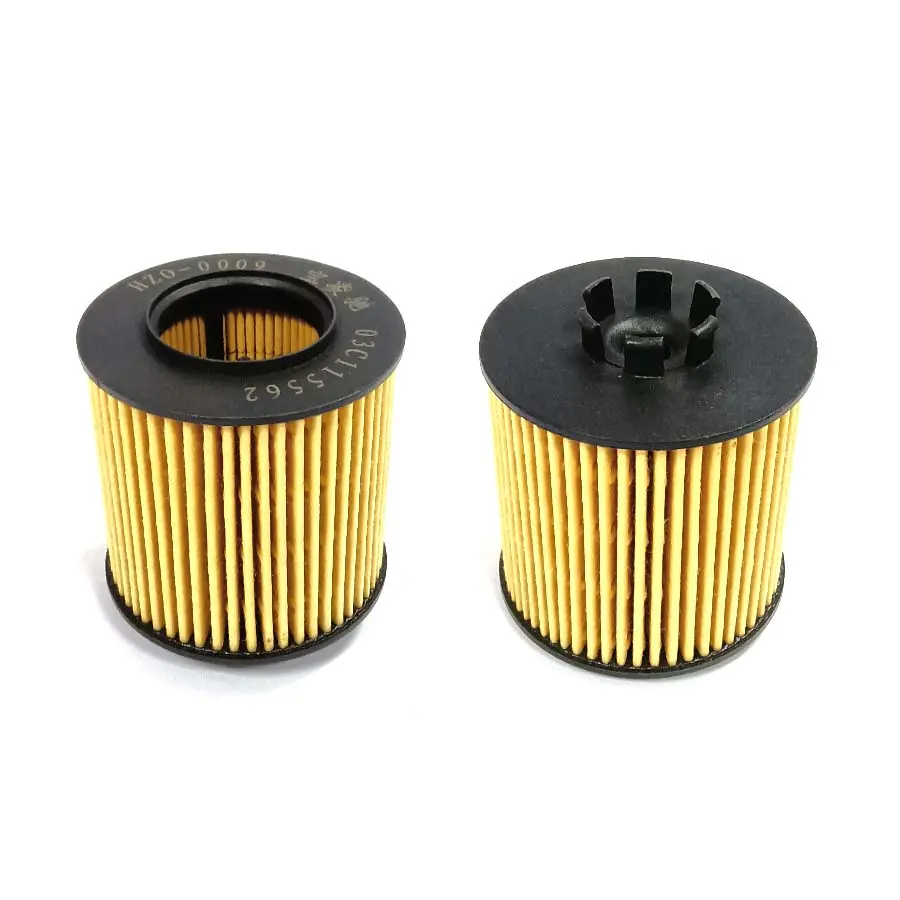 OIL ELEMENT FILTER
 OIL FILTER
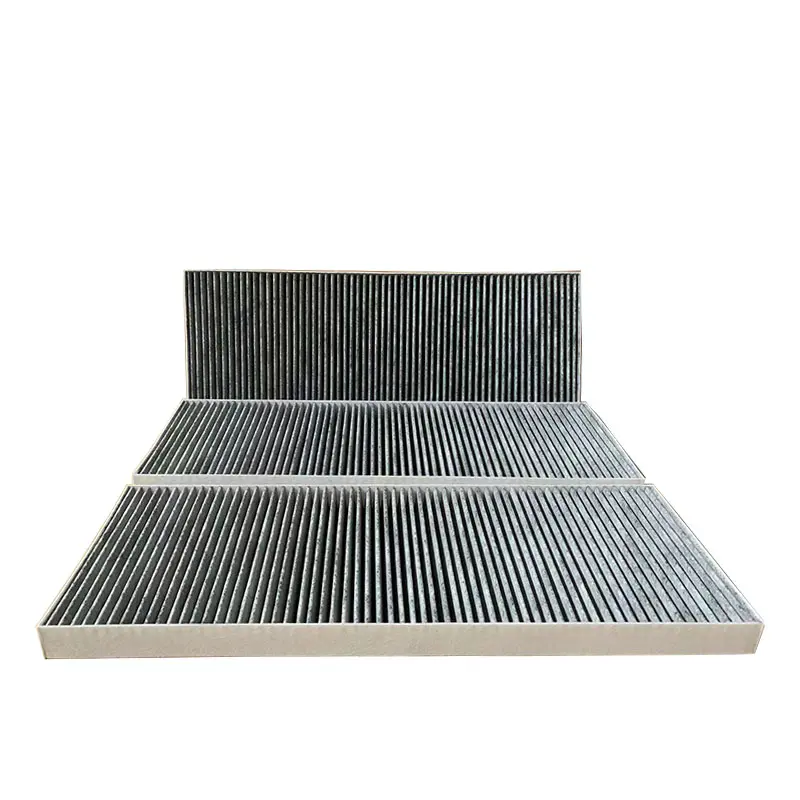 CABIN FILTER
 AIR FILTER