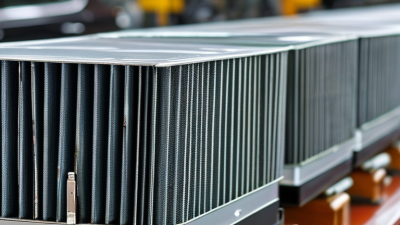
How to Choose the Best Oil Filter for Your Vehicle?
Choosing the best Oil Filter for your vehicle can be challenging. According to industry expert Jake Simmons, "The right Oil Filter can dramatically impact engine performance." This highlights the importance of understanding what makes a quality Oil Filter essential for your car.
Many drivers overlook the Oil Filter's role. It is not just a part; it is a critical component that enhances engine life. A poor Oil Filter can lead to oil contamination, resulting in engine wear and tear. Different vehicles require different filters, and not all Oil Filters are created equal. Drivers must consider their specific engine type and driving habits.
Some might choose an Oil Filter based simply on price. However, a lower price may compromise quality, risking engine damage. Researching filters can seem daunting but examining reputable brands and understanding specifications will pay off. An informed choice leads to better engine health in the long run.
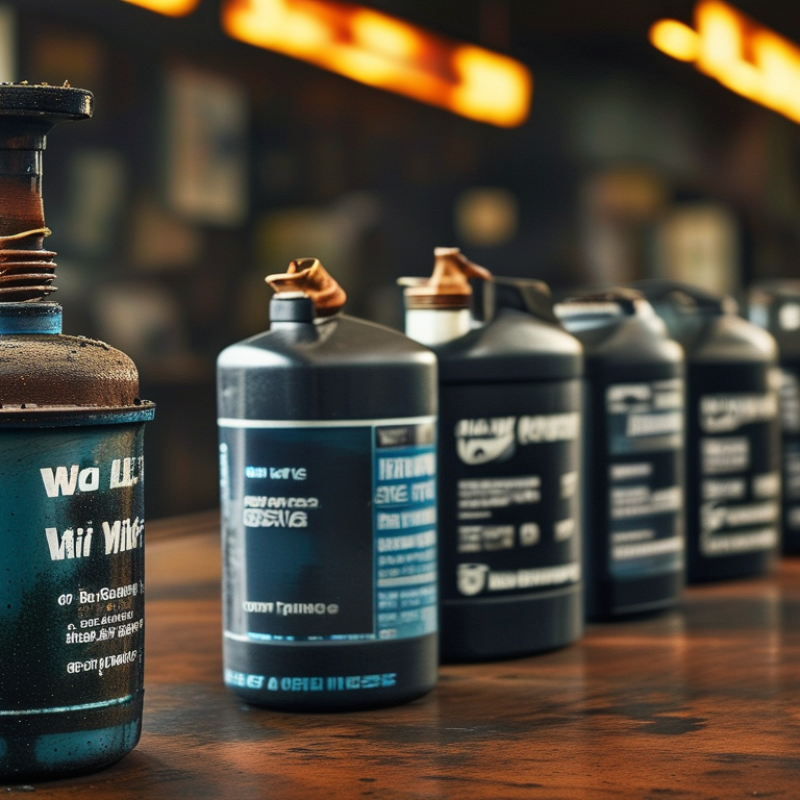
Understanding the Function of Oil Filters in Vehicles
Oil filters play a crucial role in maintaining the health of your vehicle's engine. They remove contaminants from engine oil, ensuring that only clean oil circulates. This process helps to prevent engine wear and extends its lifespan. According to the American Petroleum Institute, dirty oil can reduce engine efficiency by up to 10%. Regular oil changes, combined with high-quality filters, can enhance performance and fuel economy.
An effective oil filter must trap debris and particles as small as 20 microns. However, not all filters perform equally. Some may allow smaller particles to pass through, compromising engine integrity. A study by the Society of Automotive Engineers emphasized that filters that exceed original equipment manufacturer (OEM) standards often yield better filtration efficiency. It's essential to consider the filter's capacity and dirt-holding ability when making a choice.
Selecting the right oil filter isn’t just about brand recognition. It’s about understanding how various filters function under different conditions. For example, extreme weather can affect oil viscosity and filter performance. If the filter is too restrictive, it can impede oil flow, creating pressure build-up. This reality highlights the need for careful research. Often, even experienced vehicle owners overlook these factors, potentially leading to costly repairs later.
Different Types of Oil Filters Available on the Market
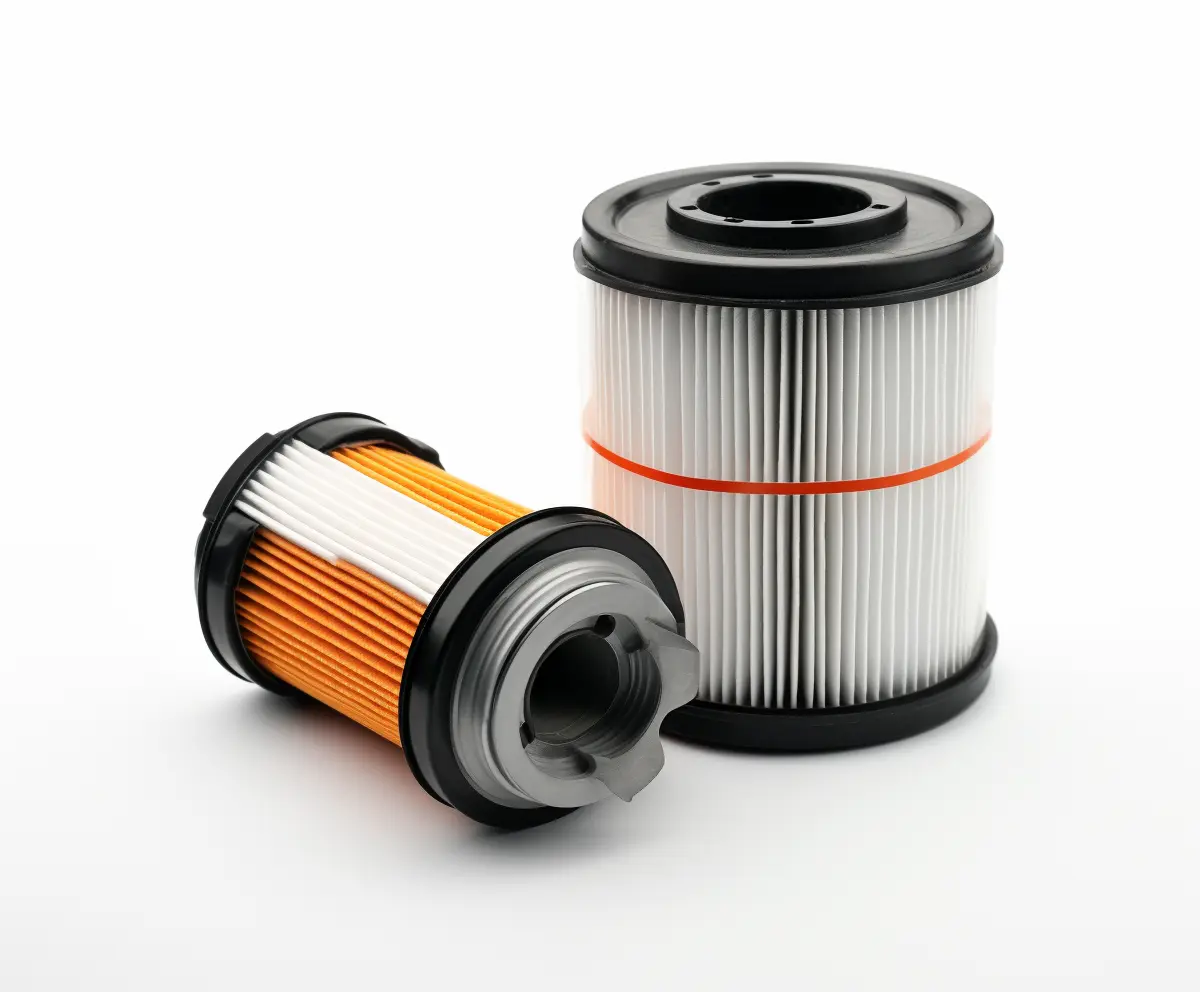
When it comes to oil filters, understanding the different types available is crucial for vehicle maintenance. There are primarily three types of oil filters:
mechanical, cartridge, and spin-on filters.
Mechanical filters are often used for traditional engines. They capture larger particles, but may not filter finer contaminants effectively.
This could lead to decreased engine performance over time.
Cartridge filters, on the other hand, tend to be more environmentally friendly. They are often reusable and reduce waste.
However, they can be tougher to install and may require more technical knowledge. Many drivers overlook them, thinking they're too complicated to manage.
Spin-on filters are generally easier for most car owners. They come as a complete unit that simply screws onto the engine.
But, they might not provide the best filtration efficiency.
Choosing the right filter requires careful consideration of your vehicle's needs.
It's essential to know your engine type and driving conditions. Filters that work well in one scenario may not in another.
Many drivers find themselves confused by these options. A little research and perhaps consultation with a trusted mechanic can go a long way
in ensuring the best choice. Balancing cost with quality is key, but don’t rush the decision.
Each filter has its strengths and weaknesses.
Factors to Consider When Selecting an Oil Filter
Choosing the right oil filter for your vehicle requires careful consideration of several key factors. One important aspect is the filter's compatibility with your engine type. Different engines have specific requirements, and using the wrong filter can lead to performance issues. Always refer to your vehicle’s manual for recommendations on specifications.
Another critical factor is the filter’s filtration efficiency. A higher filtration rating means better dirt and contaminant removal. This can enhance engine life and performance. Look for filters that provide optimal protection against sludge and wear. Additionally, consider the construction quality of the filter. A sturdy design can prevent leaks, ensuring your engine operates smoothly.
Cost should not be the sole driver in your choice. While cheaper filters might save you money upfront, they may not offer the same level of protection. Weigh the potential risks against your budget. Reflect on the long-term benefits of investing in a reliable oil filter. Quality filters can prevent costly repairs down the line, benefiting your vehicle in the long run.
How to Choose the Best Oil Filter for Your Vehicle? - Factors to Consider When Selecting an Oil Filter
| Filter Type |
Filtering Efficiency (%) |
Capacity (L) |
Life Span (Months) |
Price Range ($) |
| Synthetic |
99% |
8 |
12 |
15-25 |
| Standard |
95% |
5 |
6 |
5-15 |
| Heavy-Duty |
98% |
10 |
18 |
20-35 |
| Cartridge |
97% |
6 |
8 |
10-20 |
How to Check Compatibility of Oil Filters with Your Vehicle
Choosing the right oil filter for your vehicle is crucial for optimal engine performance. Compatibility is key. Many filters look similar but may not fit your vehicle. Look for specifications that match your car’s make and model. Research shows that the right oil filter can enhance the engine’s life by up to 30%, according to industry reports.
To check compatibility, refer to the vehicle owner’s manual. This document contains vital information about filter specifications. You can also visit reliable automotive websites for reference. Many filters are tested and rated for specific vehicles. This ensures you choose a filter that keeps your engine clean.
**Tips:** Always double-check measurements. Sometimes, filters with similar dimensions do not have the same thread pattern. Pay attention to the oil filter's micron rating, as it indicates filtering efficiency. Choose filters with a higher rating for better protection.
Keep in mind that using an incompatible filter can lead to poor performance. Inspect your current filter before purchasing. If you notice significant wear or damage, it might not be right for your engine. Take these steps seriously for the longevity of your vehicle.
Oil Filter Types and Compatibility with Various Vehicles
Tips for Proper Installation and Maintenance of Oil Filters
Proper installation and maintenance of oil filters are crucial for vehicle performance. When replacing an oil filter, ensure the engine is cool. A hot engine can cause burns. Use the right tools to remove the old filter, and check for any debris. An oil filter wrench can help make this task easier. You may want to use a little fresh oil on the rubber gasket of the new filter. This prevents it from sticking and ensures a better seal.
Regular maintenance is key. Change the oil filter every time you change the oil. Skipping this step can lead to clogged filters, which reduce engine efficiency. Always check for leaks after installation. Small leaks can lead to larger issues. If you find yourself needing assistance, do not hesitate to consult a professional. Mechanical knowledge can vary widely among vehicle owners, and sometimes we overlook the basics. Pay attention to your vehicle’s manual; it provides vital information about filter specifications and installation tips.

 Products
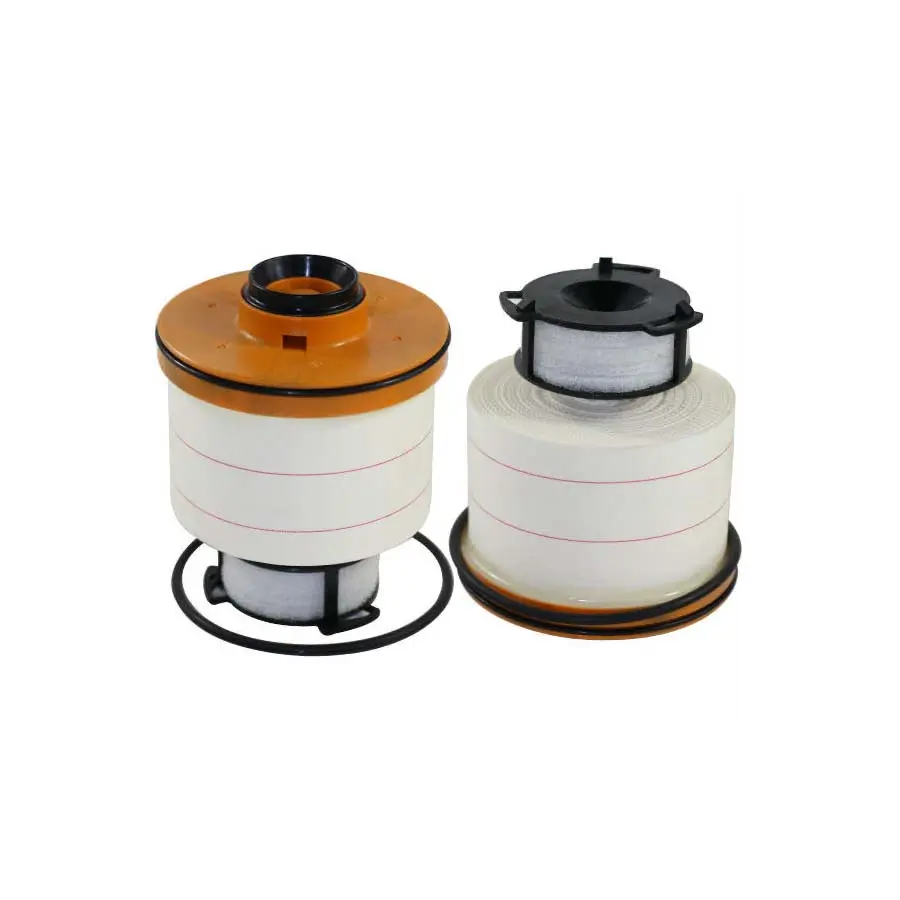 FUEL FILTER
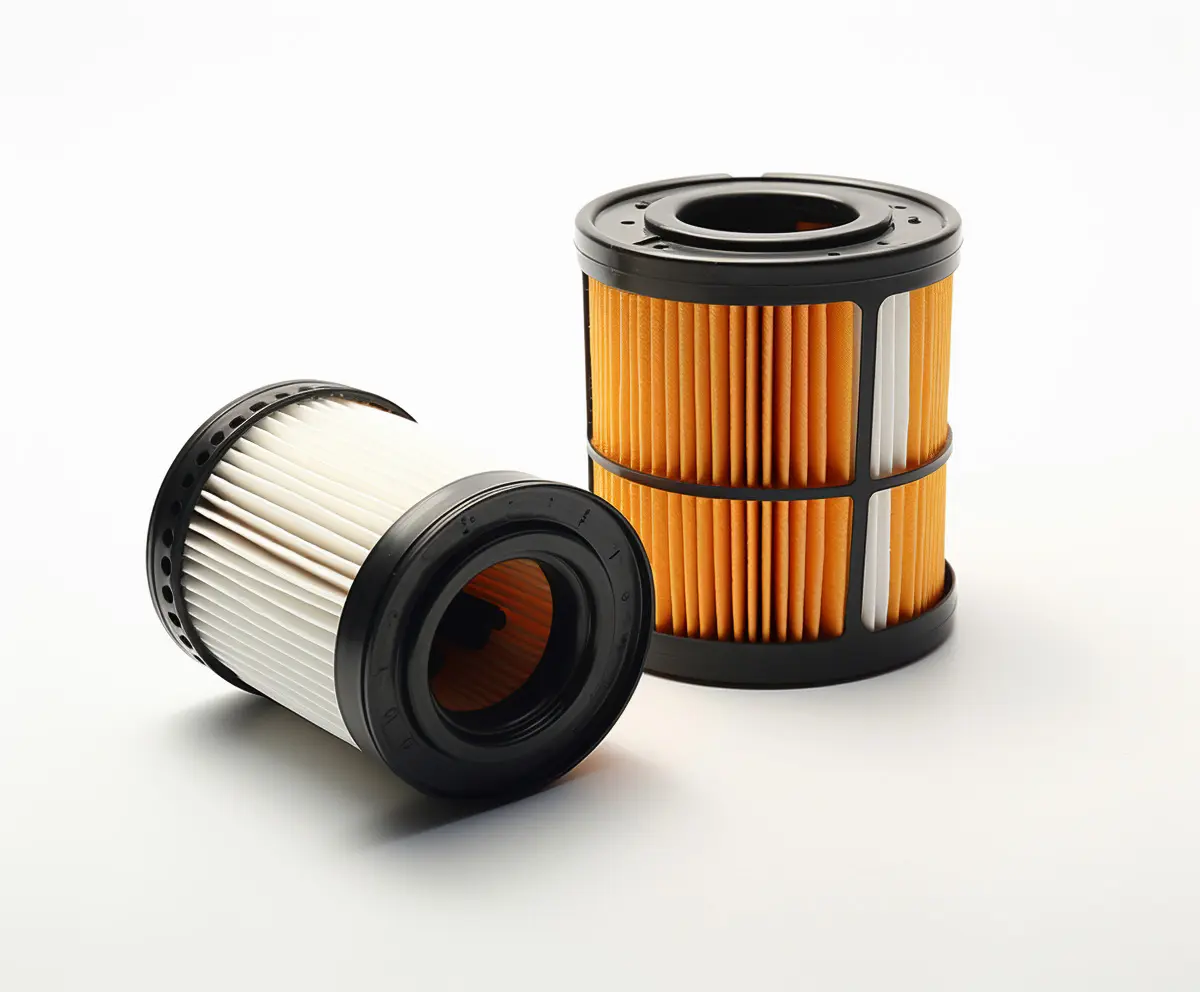
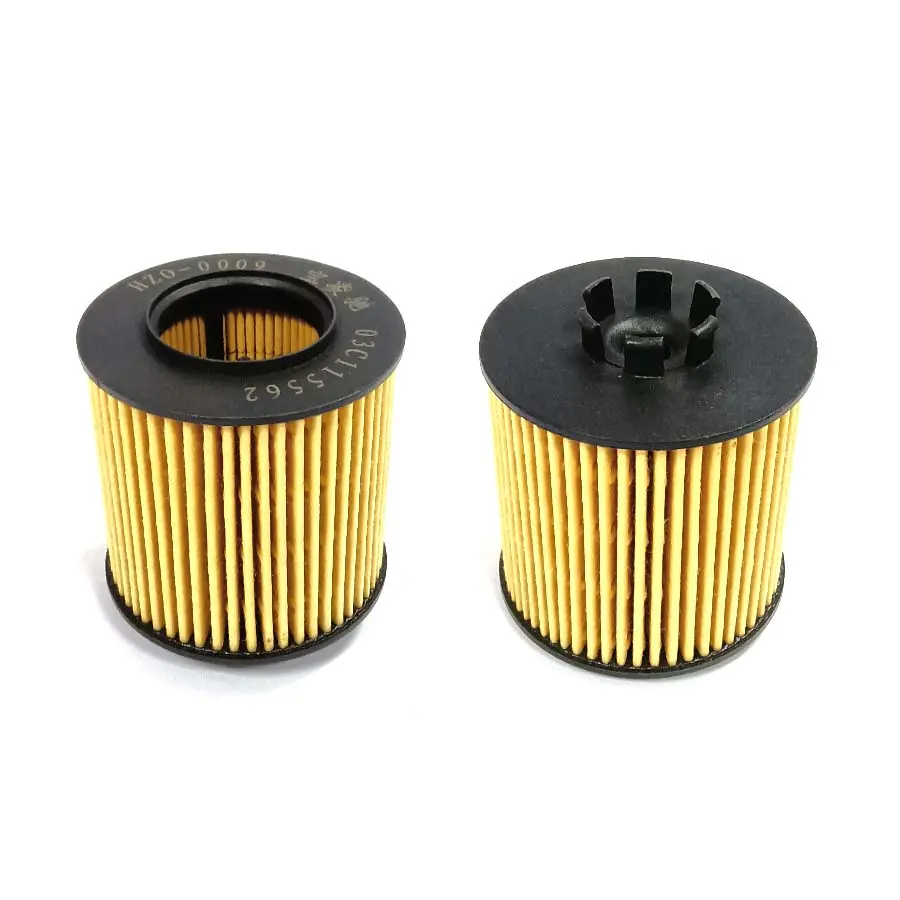 OIL ELEMENT FILTER
 OIL FILTER
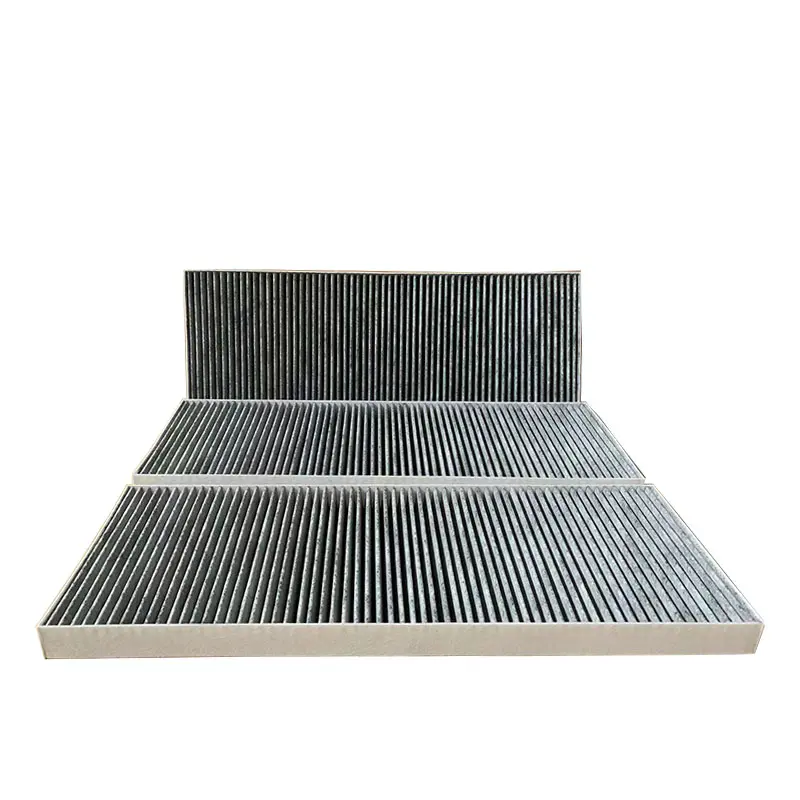 CABIN FILTER
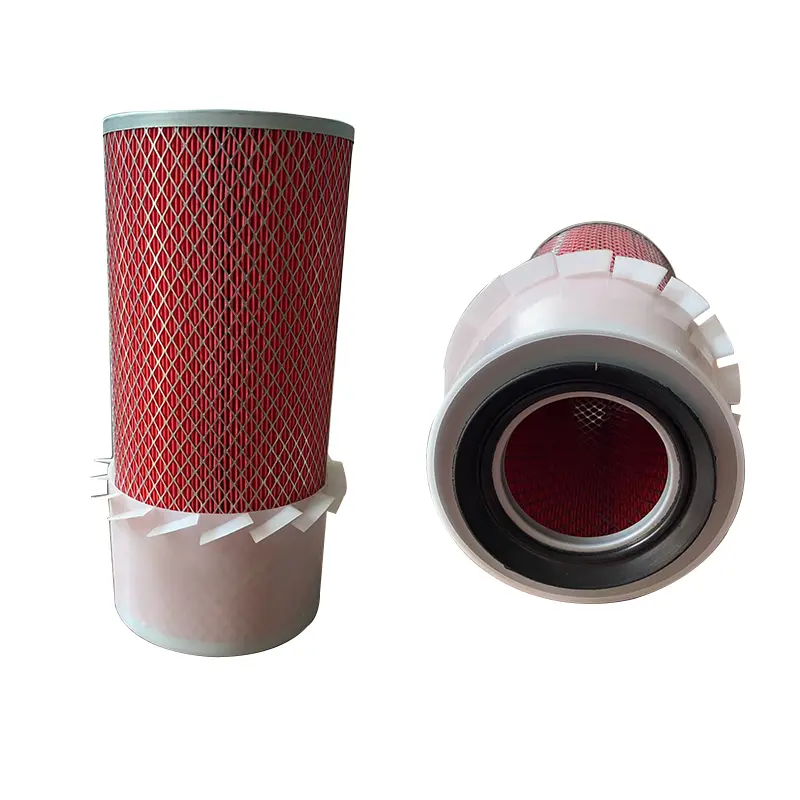 AIR FILTER