Inquiry
Form loading...

How to Choose the Right Element Filter in 2026?

Choosing the right Element Filter in 2026 requires more than comparing prices or micron ratings. A filter may look suitable on paper, yet perform poorly in a humid plant, a dusty workshop, or a high-flow process line. The correct decision starts with the fluid, flow rate, operating temperature, pressure range, and contamination type. A 10-micron filter for clean water may fail quickly when exposed to oil, chemicals, or abrasive particles.

Reliable selection depends on verified technical data. Review the manufacturer’s efficiency reports, pressure-drop curves, material compatibility charts, and replacement guidance. Check whether testing follows recognized industry standards. Also inspect the housing, seals, connection size, and available monitoring options. A filter that fits the pipe may still create excessive energy loss. Small details matter.

There is no universal filter for every application. That sounds obvious, but it is often ignored. Field experience suggests that operators should examine real operating conditions, not ideal laboratory figures. Record pressure before and after the filter, then compare readings during peak demand. Ask suppliers for traceable documentation and practical installation advice. Still, specifications can be incomplete, and even expert recommendations may need revision after testing. A pilot installation can reveal unexpected fouling, noise, or maintenance demands. The best Element Filter is not simply the most advanced model. It is the one that delivers dependable protection, manageable maintenance, and verified performance in your specific system.
How to Choose the Right Element Filter in 2026?

Understanding What an Element Filter Does

How to Choose the Right Element Filter in 2026?

Understanding What an Element Filter Does

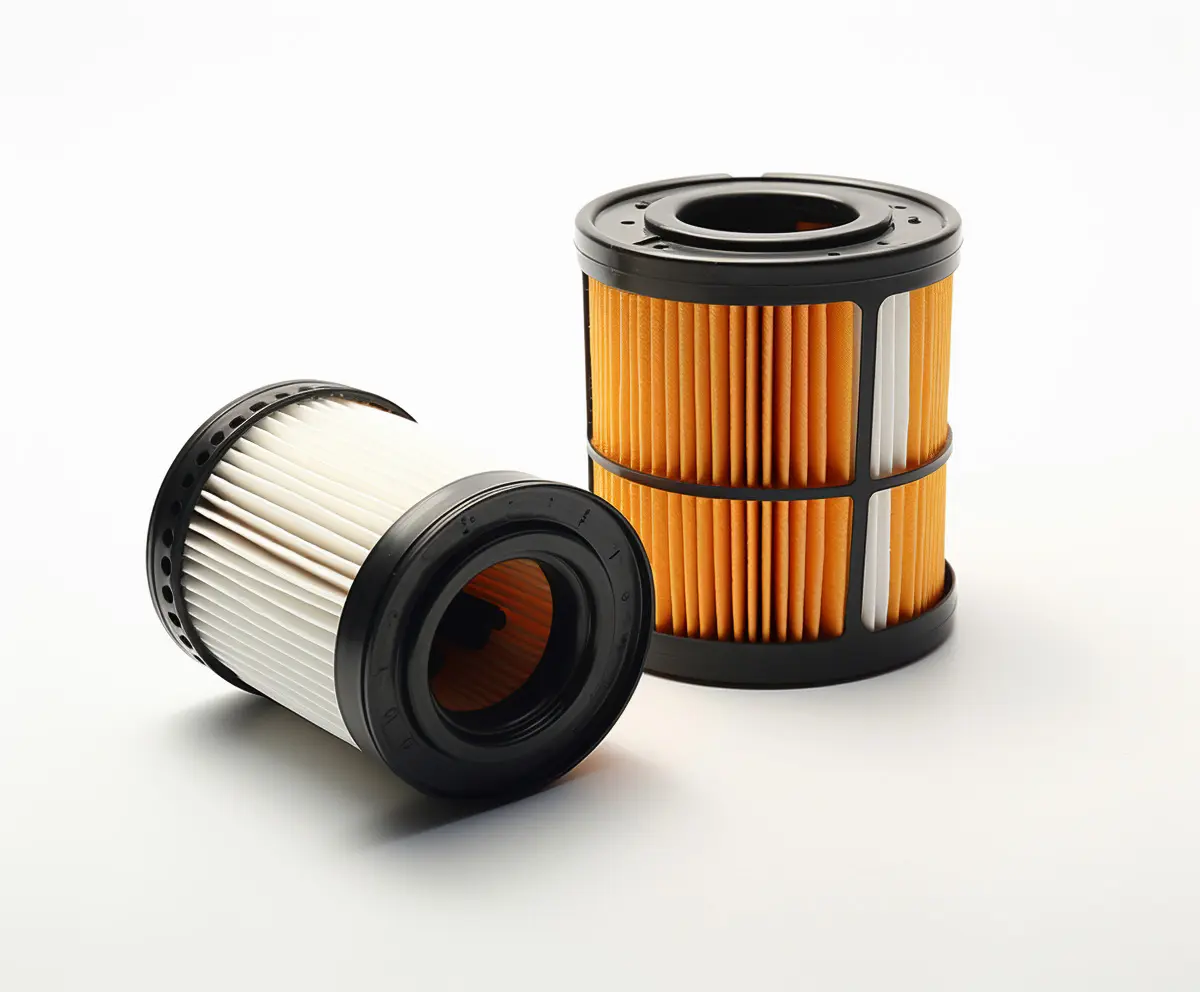
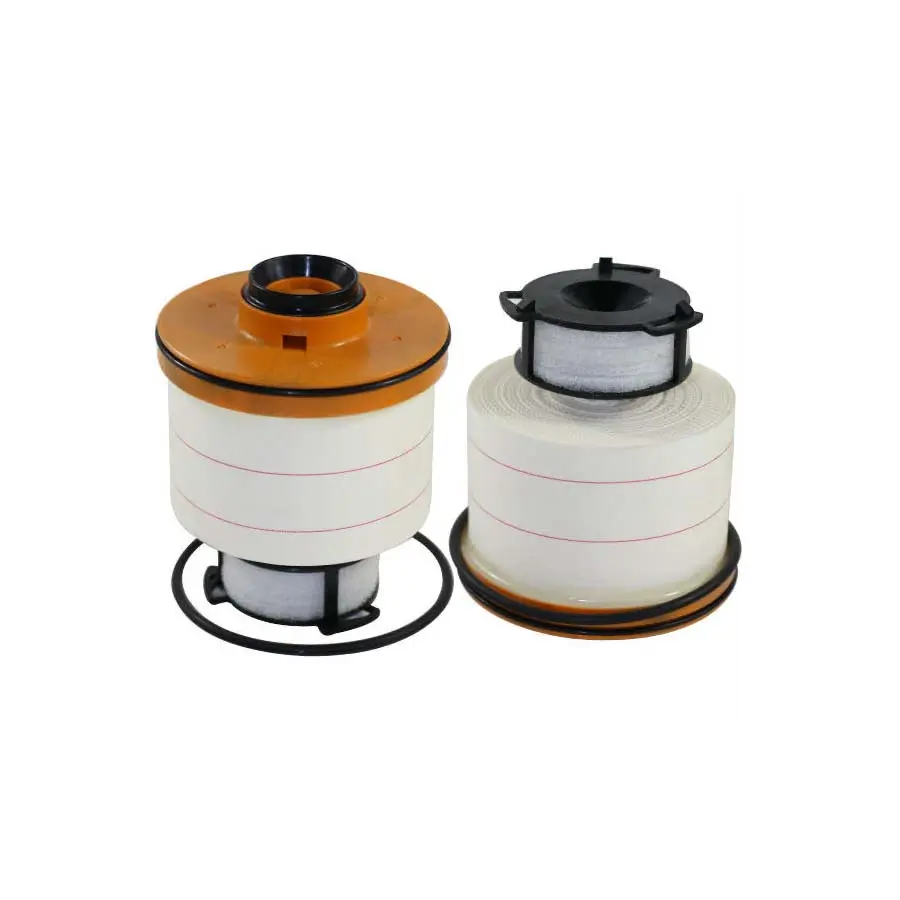
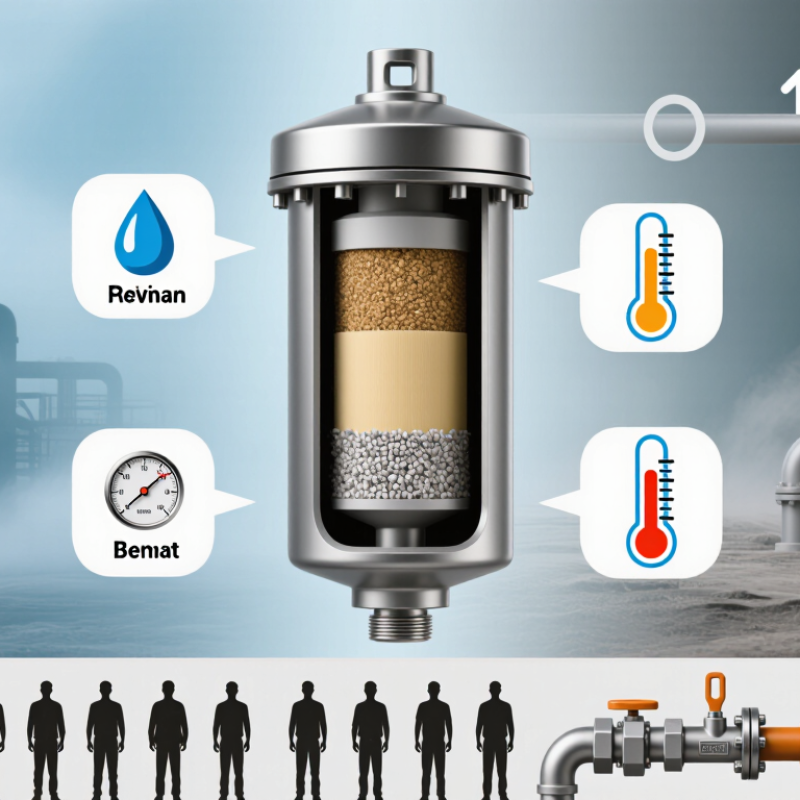
An element filter is the working part inside a filtration system. It captures particles as air or water passes through its media. The housing holds it in place, but the element performs the actual separation. Some elements trap dust mechanically. Others use activated carbon, membranes, or layered fibers to reduce odors, chemicals, or microbes.

The U.S. Environmental Protection Agency reports that indoor pollutant levels can be two to five times higher than outdoor levels. This makes filter performance more than a maintenance detail. A suitable element should match the target particle size, flow rate, pressure limit, and operating temperature. For ventilation systems, ASHRAE Standard 52.2 measures particle removal through efficiency ratings. Higher efficiency can also increase resistance. That may raise fan energy use.

Pressure drop matters.

In water systems, the U.S. Geological Survey notes that suspended solids can affect taste, clarity, and equipment performance. A filter rated at five microns may remove larger sediment, but it cannot solve every contamination problem. Test results depend on water quality, flow, and replacement timing. Real conditions are often less tidy than product sheets suggest. Check the element after use; uneven discoloration may reveal channeling or poor installation. A cheaper choice can become expensive when clogged early.
How to Choose the Right Element Filter in 2026?

Understanding What an Element Filter Does

An element filter captures particles from a fluid or air stream. The chart below compares the minimum particle-removal efficiency thresholds of selected MERV ratings across three particle-size ranges, based on ASHRAE Standard 52.2.

Higher-rated filters generally remove more fine particles, but they can also create greater airflow resistance. Choose a filter by matching the required particle size, airflow capacity, pressure-drop limit, and operating conditions. For the smallest particle range, the MERV 8 threshold is below 20%; the chart uses 19.9% only to represent that standard category visually.

Reference: ASHRAE Standard 52.2, minimum efficiency reporting values for particle-size ranges of 0.30–1.0 μm, 1.0–3.0 μm, and 3.0–10.0 μm.

Identifying Your Filtering Goals and Required Features

Before choosing an element filter in 2026, define the decision it must support. Are visitors narrowing products, records, locations, or content? A filter for 12 options needs a different structure from one with 12,000 entries. I start by observing real user tasks, not by copying familiar layouts. Watch where people hesitate. Note which terms they use.

Required features should follow those goals. Multi-select controls help users compare several values at once. Range sliders suit measurable data, such as price, distance, or temperature. Search within the filter saves time when categories become lengthy. Clear labels, visible selections, keyboard access, and readable contrast are essential. On mobile screens, test touch targets with one hand. Small controls fail quickly.

Performance also matters. Filters should respond quickly, preserve selections, and show useful empty states. I measure loading time and task completion instead of trusting visual polish. In practice, server-side filtering may handle large datasets better than loading everything first. Yet this choice depends on data quality and connection speed. I once preferred a compact filter panel, but users missed hidden options. That mistake changed my approach. Give advanced controls room, then test them with people who were not involved in the design. Their confusion is valuable evidence. Still, no test is perfect. Recheck assumptions after launch.

Comparing Filter Types, Materials, and Performance Levels

Choosing the right element filter in 2026 starts with the contaminant, not the catalogue photograph. For air systems, pleated synthetic media usually offers more usable surface area than flat fiberglass. Fiberglass remains economical, but it can load quickly in dusty workshops. Metal mesh suits washable pre-filtration, not fine particle control. It is a different job.

Performance levels need evidence. ASHRAE Standard 52.2 measures removal through MERV ratings, while ISO 16890 reports ePM1, ePM2.5, and ePM10 efficiency. These systems are not interchangeable. A filter rated strongly for coarse dust may perform poorly against smaller particles. The U.S. Environmental Protection Agency reports indoor pollutant concentrations can be two to five times outdoor levels, depending on the pollutant and ventilation. That makes particle size important.

Pressure drop is the detail people skip. They should not. A highly efficient element can restrict airflow, increase fan energy, and shorten service intervals. The International Energy Agency has repeatedly identified building energy efficiency as a major emissions-reduction opportunity, so filter selection affects more than cleanliness. Check initial and final pressure drop, airflow, humidity exposure, and frame sealing. HEPA elements provide very high particle capture, but they need compatible equipment and careful installation. I have seen a “better” filter reduce room airflow because the housing was undersized. The specification was correct. The application was not. Industry reports offer useful benchmarks, yet measured site conditions deserve the final decision.

How to Choose the Right Element Filter in 2026? — Comparing Filter Types, Materials, and Performance Levels
Filter Type Typical Filter Material Common Filtration Range Typical Efficiency or Performance Level Recommended Applications Main Advantages Key Limitations Selection Priority
Pleated Depth Element Cellulose, polyester, polypropylene, or glass fiber Approximately 1–100 µm Good dirt-holding capacity; nominal or absolute ratings depending on construction General liquid filtration, prefiltration, hydraulic fluids, coolants, and process water Large filtration area, broad chemical compatibility options, and relatively low initial cost Performance can vary significantly between nominal and absolute ratings; disposable versions generate waste Choose when filter area, service life, and operating cost must be balanced
Melt-Blown Depth Element Thermally bonded polypropylene Approximately 1–100 µm Nominal depth filtration with good particle-loading capacity Water treatment, chemical prefiltration, and protection of membrane or cartridge filters No fiber binders or adhesives in many designs; cost-effective for disposable service Usually less suitable for high-temperature service, aggressive solvents, or very precise absolute filtration Choose when economical particle removal and broad contaminant capture are required
Membrane Element Polyethersulfone, polyvinylidene fluoride, nylon, or polytetrafluoroethylene Approximately 0.03–1.2 µm, depending on membrane type High to very high; commonly used for fine or microbiological control Pharmaceutical processing, laboratory fluids, food and beverage clarification, and final water filtration Precise pore-size control and strong particle or microorganism retention when properly validated Higher pressure drop, greater sensitivity to fouling, and more demanding cleaning or integrity testing Choose when validated fine-particle or microorganism retention is essential
Sintered Porous Element Stainless steel, bronze, nickel alloy, or polymer powder Approximately 0.5–100 µm Stable pore structure with high mechanical strength High-pressure gas and liquid systems, chemical processing, instrumentation, and harsh industrial environments Reusable, rigid, temperature-resistant, and suitable for backwashing or repeated cleaning Higher purchase cost and potentially higher pressure drop than some fiber-based elements Choose when durability, cleanability, and pressure resistance outweigh initial cost
Wire Mesh Element Woven stainless steel or other corrosion-resistant metal wire Approximately 10–1,000 µm Defined surface filtration with predictable openings Hydraulic systems, polymer processing, industrial water, and coarse process filtration Easy to clean, low media migration risk, and good resistance to mechanical damage Limited depth-loading capacity; particles may rapidly block the surface if contaminant loading is high Choose when repeatable openings, cleanability, and coarse-to-medium particle removal are needed
Coalescing Element Fine glass fiber, synthetic fiber, or multilayer composite media Liquid droplets and aerosols; often specified by droplet size rather than pore size High separation efficiency for oil mist, water aerosols, and entrained liquids when correctly sized Compressed air, natural gas, process gas, vacuum systems, and oil-mist removal Separates dispersed liquid from gas and can reduce downstream contamination Requires correct flow direction, drainage design, and velocity control; not a substitute for particle filtration in every system Choose when the primary contaminant is entrained liquid or aerosol in a gas stream
Activated Carbon Element Granular or carbon-impregnated activated carbon Adsorbs dissolved contaminants rather than filtering by particle size Effective for many organic compounds, chlorine, taste, and odor compounds; performance is contaminant-specific Water polishing, solvent vapor control, odor reduction, and selected chemical purification duties Removes or reduces dissolved substances that ordinary particulate filters cannot capture Finite adsorption capacity, possible particle shedding, and limited effectiveness for salts, metals, and many inorganic compounds Choose only after identifying the chemical contaminant and required contact time
Hydrophobic Gas Filter Polytetrafluoroethylene or other hydrophobic membrane materials Commonly around 0.01–0.2 µm for gas and vent filtration High-efficiency particle and aerosol retention in dry gas or vent applications Tank vents, sterile gas filtration, compressed gas, and protection against airborne contamination Resists wetting by water and supports gas flow while limiting liquid penetration May require prefiltration and careful pressure control; incompatible solvents can damage some membrane materials Choose when gas filtration must continue reliably in humid or splash-prone environments
Important selection note: Micron ratings are not directly comparable across all filter types. Nominal ratings indicate an approximate removal level, while absolute ratings are based on a defined test method and contaminant. Confirm chemical compatibility, operating temperature, pressure drop, flow rate, contaminant loading, cleanability, and the applicable industry standard before final selection.

Checking Compatibility, Installation, and Maintenance Needs

Choosing the right filter element in 2026 starts with compatibility, not price. Check the housing diameter, seal material, flow direction, pressure rating, and fluid chemistry. ISO 16889 testing compares filtration performance through a multi-pass method. However, laboratory results may not match a dusty plant floor. I have seen a correctly sized element fail early because its gasket softened in warm hydraulic fluid. Small detail. Big consequence.

Installation also deserves a measured approach. Clean the housing before fitting the element, and inspect threads, springs, and sealing surfaces. A tilted element can bypass contaminants without obvious leakage. The U.S. Department of Energy’s Operations and Maintenance guidance reports that HVAC systems may represent roughly 40% of commercial building energy use. Excessive pressure drop can increase fan or pump workload, so record the initial differential pressure after installation. Do not rely on appearance alone.

Maintenance intervals should follow pressure-drop readings, operating hours, and contamination patterns. ISO 4406 cleanliness codes help operators describe fluid cleanliness consistently, while ISO 2942 addresses filter element integrity testing. Keep replacement records with date, fluid type, pressure reading, and operating conditions. That history improves the next selection. Still, fixed calendar changes can be wasteful. In one facility, our schedule was too conservative; in another, it was dangerously slow. The better method combines manufacturer test data, site measurements, and periodic inspection.

Evaluating Cost, Durability, and Long-Term Value

How to Choose the Right Element Filter in 2026?

Purchase price rarely shows the real cost of a filter element. Energy use, labor, disposal, and unplanned shutdowns matter more over time. The International Energy Agency reported that buildings consumed about 30% of global final energy in 2022. Even a small pressure increase can affect fan energy. Ask for initial and final pressure-drop data, not only the efficiency percentage.

Durability should match the operating environment. ISO 16890 classifies air filters by ePM1, ePM2.5, and ePM10 performance. ASHRAE Standard 52.2 measures particle removal by size, but it does not predict service life. Dust concentration, humidity, vibration, and cleaning practices still control performance. A filter with higher efficiency may require more energy. That trade-off is easy to miss.

Calculate lifecycle value over three to five years. Include replacement frequency, technician time, energy consumption, and the cost of contamination. A simple spreadsheet helps. Still, the result will not be perfect. Field conditions change, and published test results may not match your system. Review pressure readings monthly, record replacement dates, and compare actual performance with the supplier’s test data. A cheaper element can become expensive after one dirty season. A costly option can also disappoint if its sealing frame is weak. Small gaps matter.