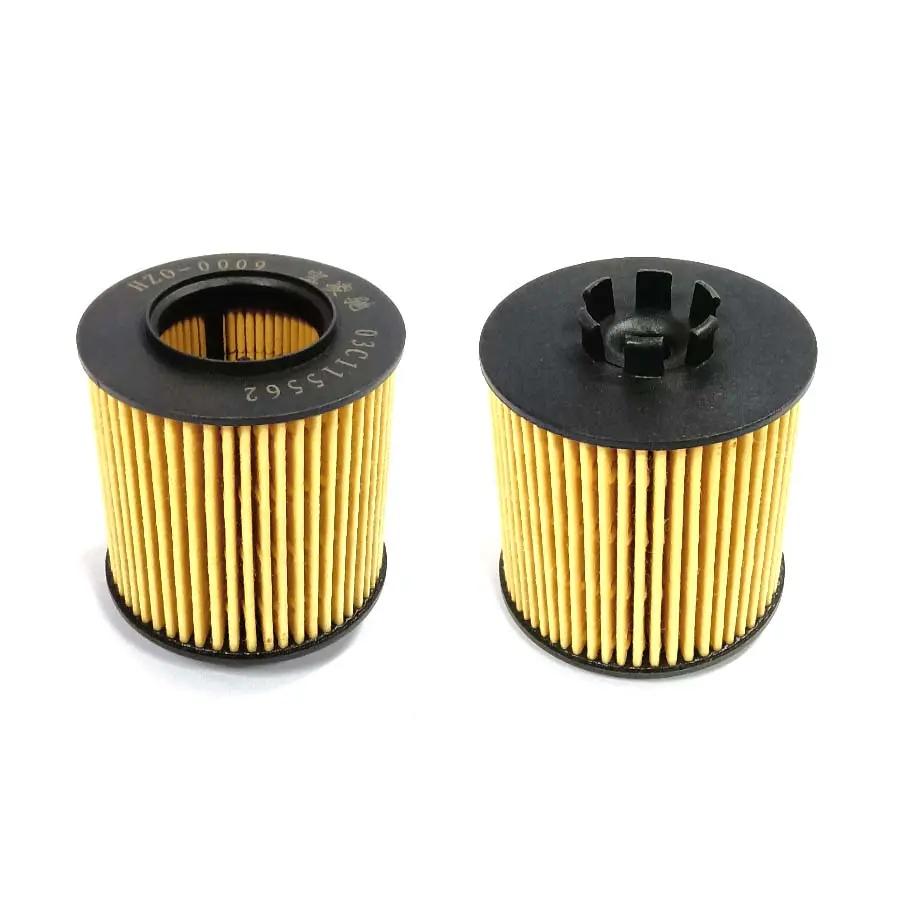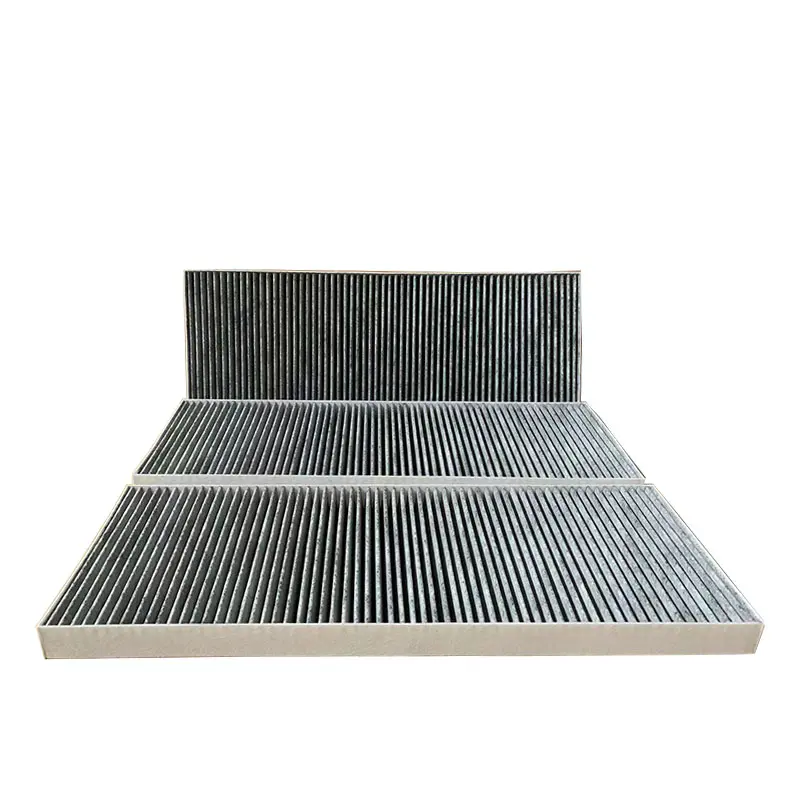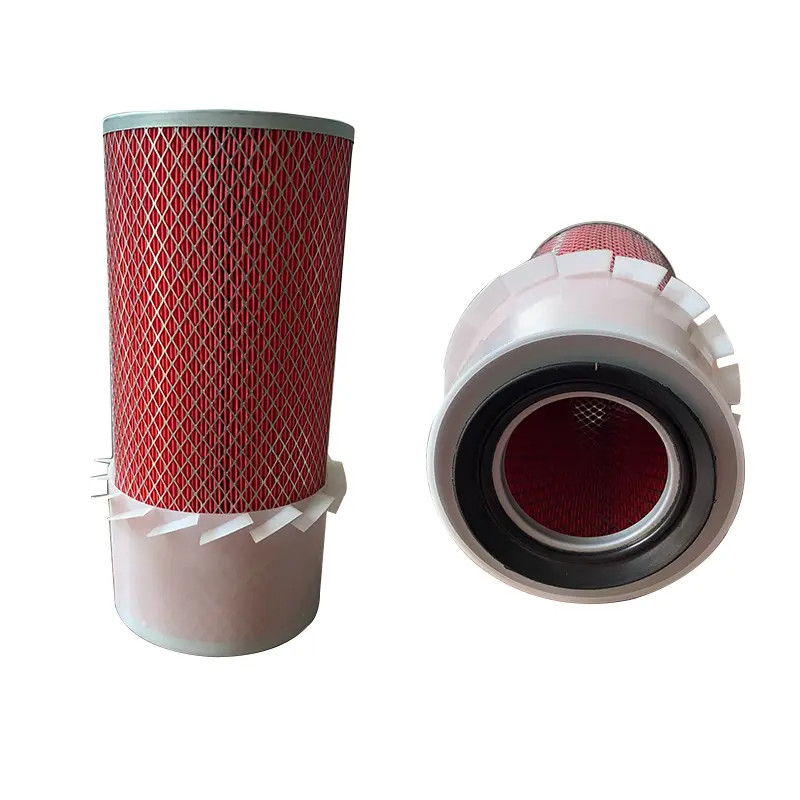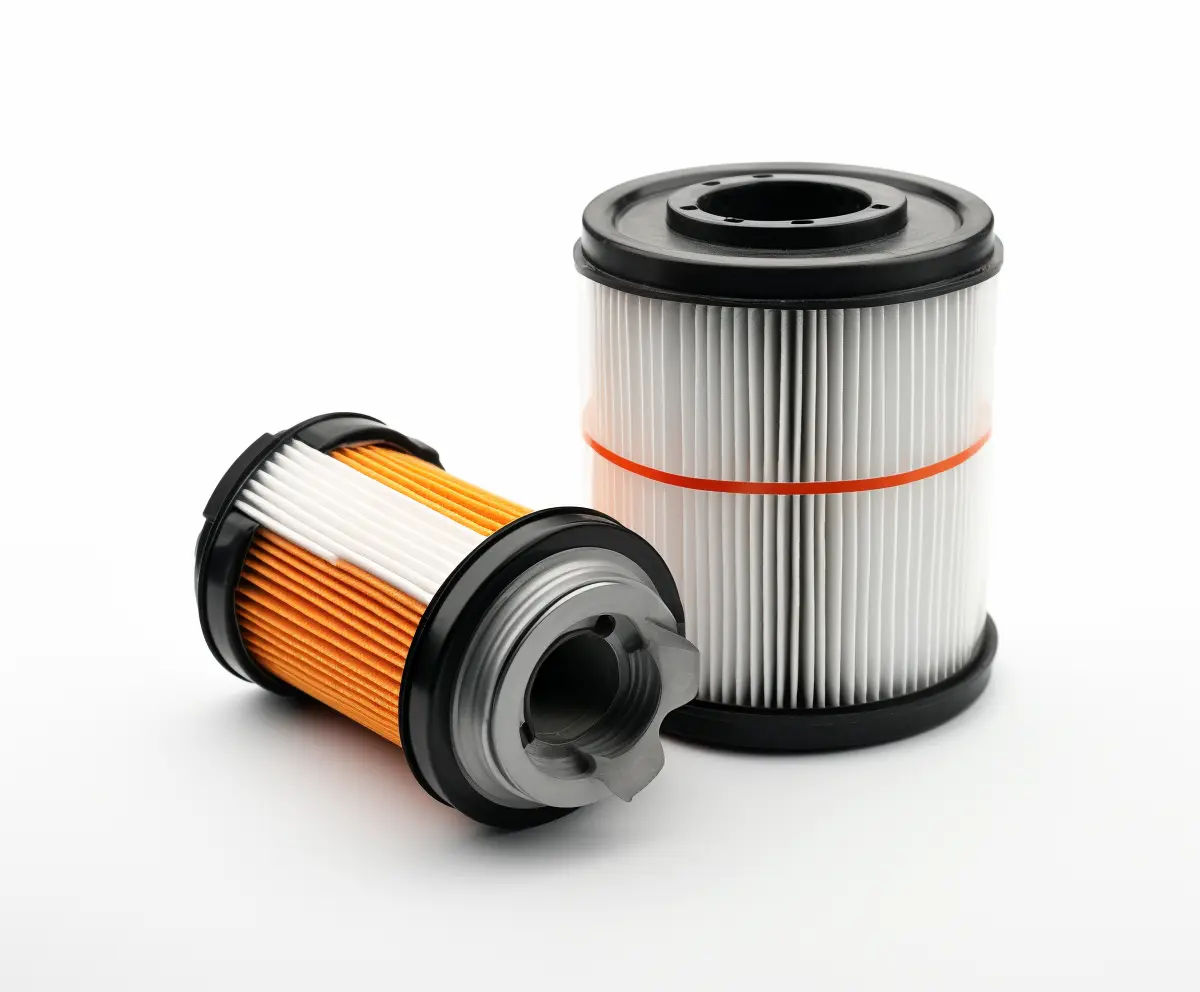
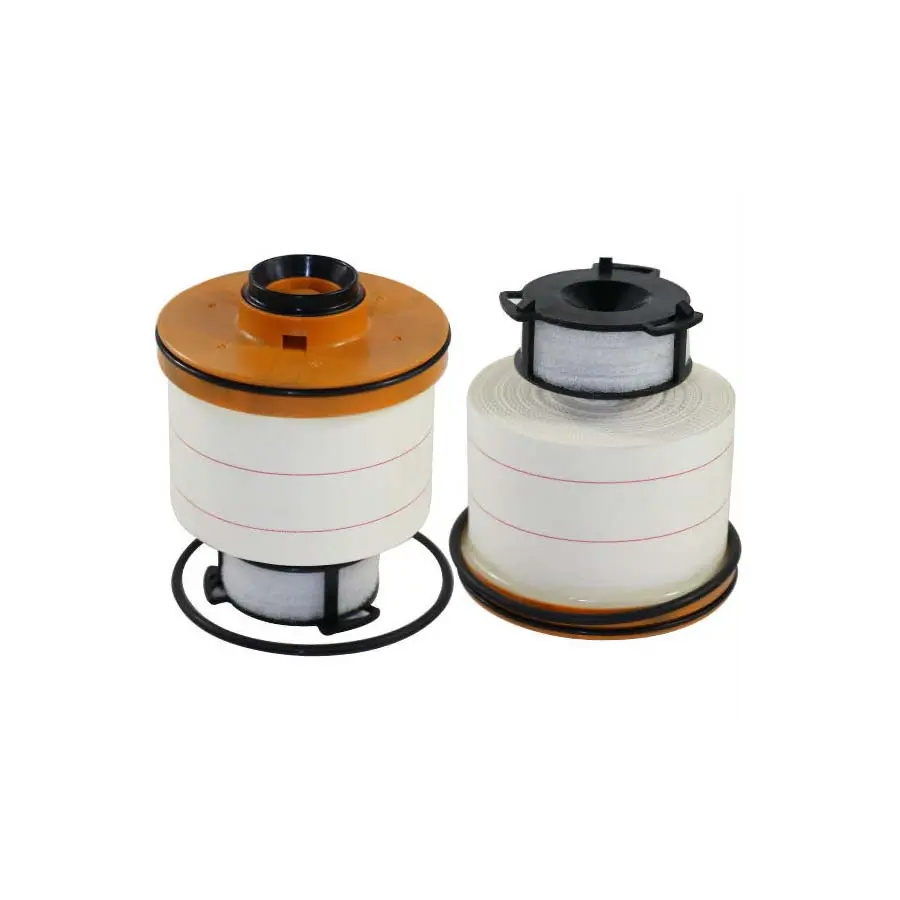
Choosing among China’s top AC filter manufacturers requires more than comparing prices and product photos. A dependable Ac Filter should match the equipment, airflow requirements, indoor environment, and maintenance plan. In real projects, a filter that looks efficient may create excessive pressure drop. That can increase energy use and reduce cooling performance. Small details matter. Frame strength, media quality, sealing, and dimensional accuracy often decide whether a system performs reliably.
Experienced buyers usually examine factory capabilities before accepting technical claims. Ask for material specifications, efficiency test reports, production samples, and quality-control procedures. A serious manufacturer should explain how filters are tested, packed, stored, and replaced. Site experience also helps. Dust levels in a textile workshop differ greatly from those in an office or hospital area. One standard solution may not fit every building. This is where many purchasing decisions become too simple.
The best supplier is not always the largest one. Communication, traceability, stable lead times, and after-sales support deserve equal attention. Request a sample Ac Filter and inspect its dimensions, gasket contact, pleat consistency, and pressure behavior. Compare performance under realistic operating conditions, not only catalog numbers. Some specifications may still need verification. That is normal, and careful buyers should acknowledge it. A reliable selection process combines manufacturer evidence, engineering judgment, and practical maintenance feedback. This guide explains how to assess Chinese AC filter manufacturers with clearer criteria and fewer costly assumptions.
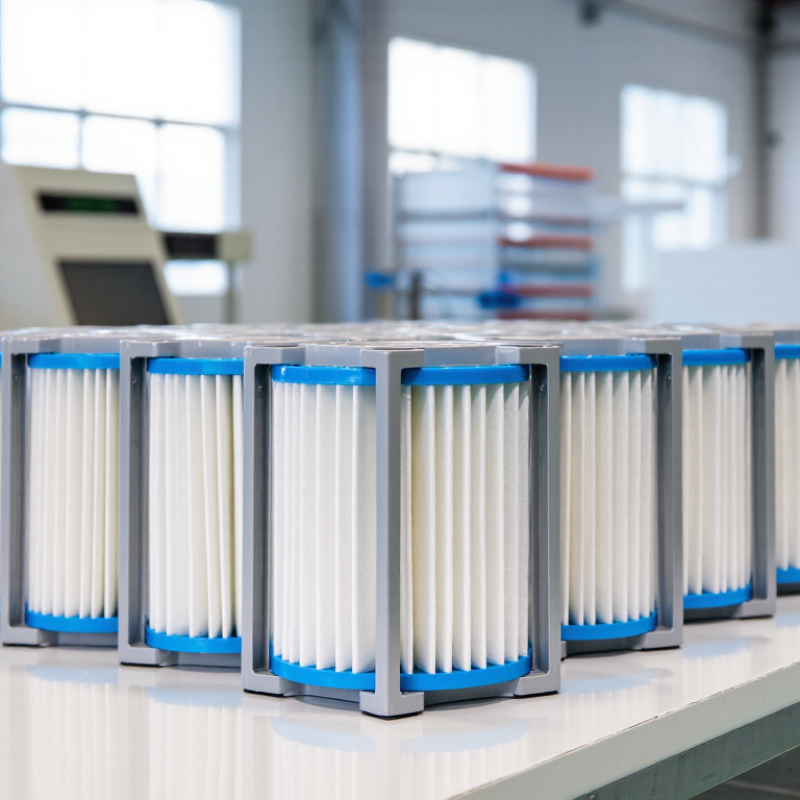
An AC filter is a porous barrier inside an air-conditioning system. It traps airborne particles before they reach indoor spaces or the cooling coil. Common targets include dust, pollen, pet dander, and fabric fibers. It does not remove every pollutant. Standard filters usually cannot capture gases or strong odors without specialized carbon media.
A suitable filter supports cleaner air and protects equipment. When dust coats the coil, heat transfer becomes weaker. The system may run longer, consume more electricity, and cool unevenly. Filter efficiency is often described by a rating such as MERV. A higher rating can capture smaller particles, but it may also restrict airflow. Bigger is not always better. The equipment manual and measured airflow should guide the choice.
During routine service, check the filter size, sealing edges, and pressure drop. A loose frame can let dirty air bypass the media. A clogged filter may look harmless from the room side. That can be misleading. Reliable manufacturers should provide test data, material details, and clear replacement guidance. They should also match products to residential, commercial, or industrial conditions. One maintenance assumption deserves reconsideration: replacing a filter on a fixed calendar is not always accurate. Construction dust, pets, humidity, and operating hours change loading speed. A visual check, airflow observation, and manufacturer guidance create a more dependable maintenance decision.
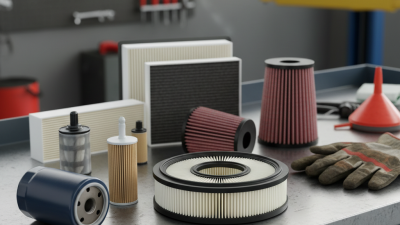
Chinese AC filter manufacturers produce several practical filter types for homes, offices, workshops, and commercial buildings. Washable mesh filters use nylon, aluminum, or synthetic fibers. They catch hair, dust, and larger particles. These filters are easy to rinse and reuse. However, they cannot replace high-efficiency filtration.
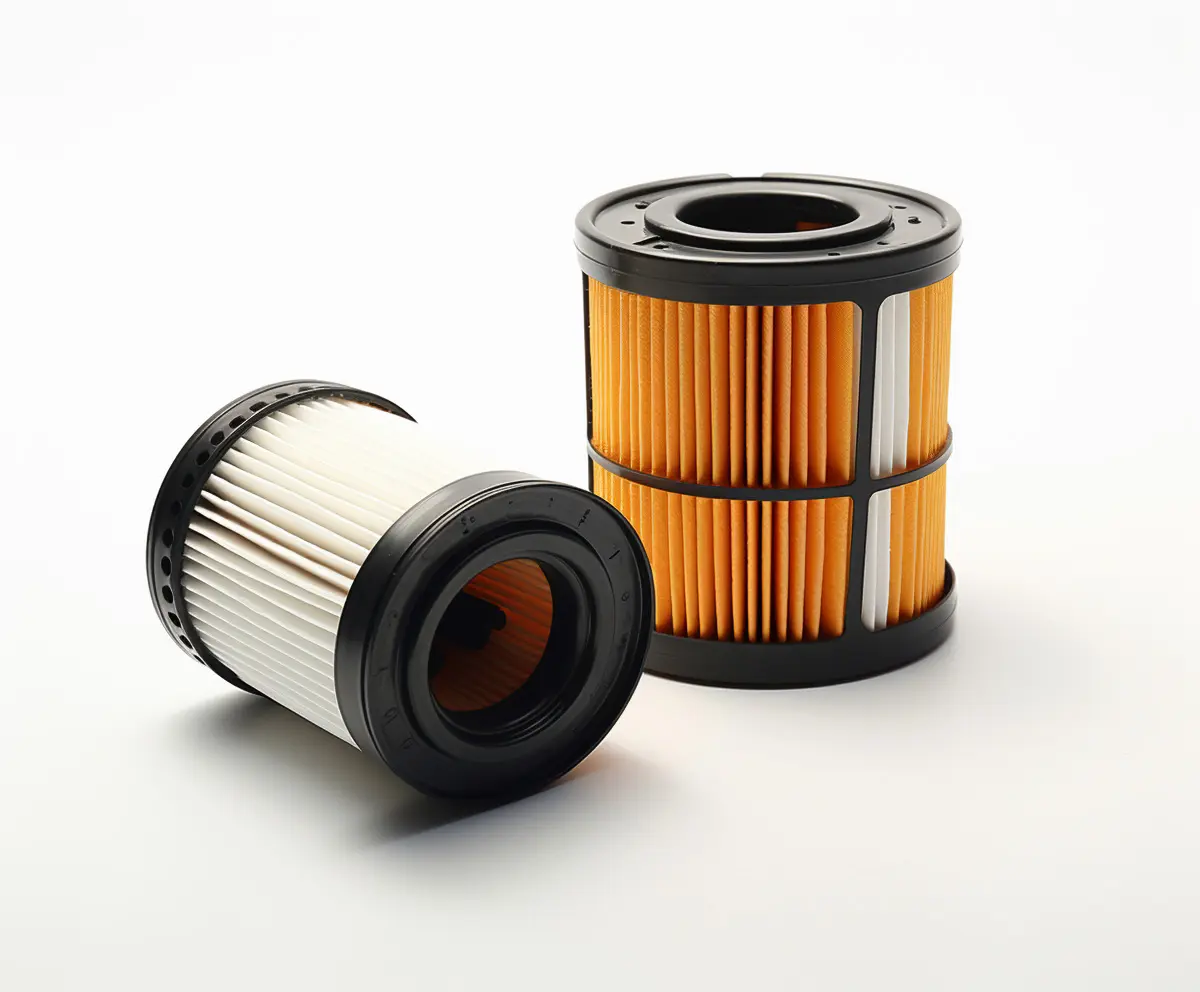
Pleated panel filters are widely made with synthetic or glass-fiber media. Their folded surface offers more dust-holding capacity within a compact frame. HEPA filters provide finer particle control and are often used in cleanrooms, laboratories, and healthcare spaces. Activated carbon filters help reduce odors and certain gaseous pollutants. Electrostatic filters use charged media to attract airborne particles, though their performance depends on proper maintenance. Bag filters are common in larger air-handling systems.
In sourcing work, I check frame sealing before judging filter quality. A strong filter media cannot compensate for air bypass. Manufacturers should provide efficiency data, pressure-drop readings, and material specifications. ISO 16890 ratings suit many ventilation filters, while EN 1822 is relevant for HEPA classification. Ask for batch testing when possible. It matters.
A common mistake is choosing the highest efficiency without checking the air conditioner’s fan capacity. Excessive resistance can reduce airflow, increase noise, and waste energy. Some factory samples look excellent but vary slightly between production batches. That detail deserves verification. Controls, dimensions, gasket quality, and replacement availability should be assessed together.
Choosing a Chinese AC filter manufacturer requires more than comparing online quotations. Quality begins with verifiable production control, not attractive photographs. I usually request a factory video call, process map, and recent inspection records. The supplier should explain filter media, frame materials, adhesive, gasket, and sealing methods clearly. Numbers matter. Ask for airflow resistance, filtration efficiency, dust-holding capacity, and tested service life under defined conditions. A serious manufacturer links each result to a recognized test method and sample identity.
Visit the facility when possible, or appoint an independent auditor to check incoming-material inspection and assembly controls. Look for calibrated instruments, clean storage, batch labels, and records tracing filters to raw materials. Confirm whether the laboratory is internal or independent. Internal testing is useful, but independent verification gives stronger confidence. Request samples from normal production, not specially prepared units. Compare dimensions, pleat spacing, frame rigidity, and seal contact with your drawings. Small gaps can increase bypass.
Reliability also appears in communication. Can the team answer technical questions without vague promises? Check production capacity, lead times, packaging tests, complaint handling, and corrective-action reports. Certifications deserve careful reading; verify their scope, validity, and issuing body. I have seen suppliers pass document reviews yet struggle with consistent sealing. That possibility deserves attention. A lower price may hide thinner media or weaker frames. Still, no audit predicts every shipment. Use a trial order, define acceptance limits, and review performance after installation. This approach is slower, but it exposes weaknesses before they reach occupied rooms.
How to Evaluate the Quality of Chinese AC Filter Manufacturers
A reliable evaluation should prioritize verified filtration performance, pressure-drop data, ISO 16890 test documentation, material quality, production consistency, and traceability. The percentages represent a practical procurement weighting model rather than data from any individual company or brand.
China Top AC Filter Manufacturers: How to Choose?
Choosing a Chinese AC filter manufacturer requires more than comparing catalog prices. Inspect how the factory forms frames, seals media, and controls pleat spacing. A clean production area matters, but documented process controls matter more. Ask for airflow, pressure-drop, and leakage test records from recent batches. These records reveal consistency better than polished sales claims. Request samples with identical dimensions and compare their weight, rigidity, and gasket compression.
Certification should match the filter’s intended use. Look for a valid quality management system and test reports based on recognized filtration standards. Check the report number, laboratory details, test date, and tested product configuration. A certificate covering one media type may not cover another. This is often overlooked. Independent laboratory verification can reduce uncertainty, especially for hospitals, offices, and industrial facilities.
Customization involves more than printing a label. Confirm media efficiency, frame material, depth, flange design, gasket position, and operating temperature. Provide drawings with tolerances, not only photographs. The manufacturer should explain how tooling costs, minimum quantities, and replacement parts affect the quotation. Before approving mass production, run a pilot order and measure fit inside the actual air-handling unit. I would not trust a perfect sample alone; production pressure can expose weaknesses. A slightly slower supplier with traceable inspections may prove more dependable over time.
| Evaluation Dimension | Measurable Data or Requirement | What to Verify from the Manufacturer | Why It Matters | Recommended Selection Benchmark |
|---|---|---|---|---|
| Filter Efficiency Standard | ASHRAE 52.2 MERV ratings or ISO 16890 ePM classifications | A current laboratory test report identifying the filter model, test method, airflow, pressure drop, and efficiency results | A standardized test makes filtration performance easier to compare across suppliers | Use the rating specified by the HVAC equipment designer; avoid comparing unverified “efficiency percentages” alone |
| Fine-Particle Filtration | ISO 16890 classifications include ePM10, ePM2.5, and ePM1 | The classification report should state the declared particulate matter category and minimum efficiency | The ePM categories relate more directly to particle-size removal than a general dust-arrestance claim | Select ePM1 or ePM2.5 when the application requires improved control of fine airborne particles, subject to fan capacity |
| HEPA or EPA Grade | EN 1822: H13 has a minimum overall efficiency of 99.95% at the most penetrating particle size; H14 has 99.995% | Individual filter test certificate, MPPS efficiency, pressure drop, and leak-test result | High-efficiency filters can create substantially higher resistance than ordinary HVAC filters | Use H13 or H14 only when required by the system design, cleanliness class, or risk assessment |
| Initial Pressure Drop | Measured in Pa at a defined face velocity or airflow rate | A pressure-drop curve covering the intended operating airflow, not just one single test point | Higher resistance can reduce airflow, increase fan energy use, and affect cooling performance | Compare filters at the same airflow and confirm that the HVAC fan has adequate available static pressure |
| Dust-Holding Capacity | Reported according to the selected test standard and test procedure | Test method, final pressure-drop limit, dust type, and test duration or dust mass | Capacity affects service intervals and operating cost, but results are not directly comparable across different test methods | Compare capacity only when the test standard and final resistance limit are identical |
| Filter Media | Common materials include synthetic fiber, glass fiber, cellulose, activated carbon, and electrostatically enhanced media | Material specification, basis weight, moisture resistance, adhesive compatibility, and media batch controls | Media construction affects efficiency, resistance, durability, and suitability for humid environments | Choose media according to particle type, humidity, temperature, chemical exposure, and required service life |
| Frame Construction | Frame materials may include galvanized steel, aluminum, stainless steel, cardboard, or plastic | Frame thickness, corner strength, corrosion resistance, sealant type, and dimensional tolerances | A rigid, corrosion-resistant frame helps prevent bypass leakage and deformation during installation | Use corrosion-resistant construction for high-humidity, coastal, washable, or chemically exposed locations |
| Air Bypass Control | Gasket, gel seal, knife-edge seal, or holding-frame compatibility | Seal design, gasket dimensions, face dimensions, and evidence of fit testing in the intended housing | Air leakage around the filter can significantly reduce actual system-level filtration performance | Specify the complete filter-and-frame interface, not only the nominal filter size |
| Fire Performance | Applicable classifications may include EN 13501-1 or other locally required fire-test systems | A valid fire-test report for the complete filter construction, including media, frame, adhesive, and sealant | Fire behavior can be a mandatory requirement in commercial, industrial, transportation, and public buildings | Match the fire classification to local building codes and the project specification |
| Quality Management | ISO 9001 certification indicates a quality-management system, not a specific filter-performance grade | Certificate scope, validity, issuing body, production traceability, inspection plans, and corrective-action records | Process control helps reduce variation in dimensions, media quality, bonding, and final performance | Prefer a manufacturer with a verifiable certificate and documented incoming, in-process, and final inspections |
| Material Compliance | RoHS and REACH may be required depending on the destination market and product specification | Declaration of conformity, restricted-substance documentation, and supplier material declarations | Compliance documentation reduces regulatory and procurement risk | Confirm the requirements for the destination country before approving materials or coatings |
| Dimensional Customization | Length, width, depth, pleat count, gasket position, header design, and airflow direction | Approved technical drawing, dimensional tolerance table, first-article sample, and fit verification | Correct fit prevents installation delays, bypass leakage, and damage to the filter or housing | Require written approval of drawings before mass production and retain a controlled revision number |
| Environmental Operating Range | Temperature, relative humidity, water exposure, chemical vapors, and outdoor-air conditions | Published operating limits and test evidence for moisture resistance, temperature, and chemical compatibility | Standard dry-air filters may deform, swell, or lose performance in severe environments | Select moisture-resistant or corrosion-resistant construction when the installation environment requires it |
| Traceability and Packaging | Batch number, production date, filter model, airflow direction, storage conditions, and installation instructions | Labels, packing list, certificate-of-conformance process, pallet protection, and documented storage limits | Traceability supports quality investigations and helps prevent incorrect installation or stock rotation | Require permanent product identification and packaging that protects the filter from moisture and crushing |
| Total Cost of Ownership | Purchase price plus freight, replacement frequency, labor, fan energy, disposal, and downtime | A comparison using the same airflow, operating hours, electricity assumptions, and replacement schedule | The lowest unit price may result in higher energy or maintenance costs | Select the filter with the best verified life-cycle cost while meeting efficiency and pressure-drop requirements |
Note: Filter performance values should be compared only when the test standard, airflow, filter dimensions, and reporting method are equivalent. Actual selection must also consider the HVAC equipment design and applicable local regulations.
Choosing among China’s top AC filter manufacturers requires more than comparing prices.
Start with the filter’s actual working conditions: airflow, dust load, humidity, pressure drop, and replacement frequency. A reliable supplier should explain how its media, frame, sealing method, and efficiency rating match your equipment.
Ask for recent test reports, material specifications, and batch traceability. Check whether testing follows recognized industry standards, not only an internal claim. Request a sample and inspect its dimensions, gasket fit, pleat spacing, and finishing quality. Small details matter. A poorly sealed edge can reduce real-world performance, even when laboratory efficiency looks impressive.
Compare production capacity, quality controls, lead times, and communication. A factory visit or live production review can reveal storage conditions and process discipline. Discuss packaging, damage protection, replacement support, and how complaints are handled.
The lowest quotation may hide shorter service life or inconsistent batches. I have seen buyers focus too heavily on unit cost and overlook labor spent on frequent changes. That comparison was incomplete.
Ask for a total-cost estimate based on service life, energy impact, and maintenance time. Choose the manufacturer that provides clear evidence, responds precisely, and accepts technical questions without vague promises. Reliability is built through repeated performance, not attractive paperwork alone.