Inquiry
Form loading...

How to Choose the Best Automobile Air Intake Filters?

Choosing the right Automobile Air Intake Filters can seem simple, until dust, heat, and driving conditions enter the picture. A filter sits between the outside air and the engine, catching particles before they reach sensitive components. The details matter. A poorly fitting filter may let dirt pass around its edges, while an overly restrictive design can affect airflow. Neither outcome is ideal.

Start with your vehicle’s make, model, engine, and manufacturer specifications. Then compare filter dimensions, filtration materials, and stated service intervals. A clean paper filter may suit routine commuting, while dusty roads can call for more frequent inspection. Reusable filters need proper cleaning and careful re-oiling, if their maker requires it; too much oil can cause problems in some vehicles. Check the product instructions, not just the packaging claims. Fit matters most.

Performance promises deserve a closer look. Claims of major horsepower gains are difficult to judge without controlled testing on the same vehicle and conditions. Real-world results vary. A modest filter with clear compatibility information may be a more dependable choice than a bold advertisement. Look for credible test details, warranty terms, and guidance from the vehicle manufacturer or a qualified technician. I have seen buyers focus on brand names and overlook a small mismatch in shape. That mistake is easy to make. This guide explains how to compare filter types, assess fit and maintenance needs, and choose an option that protects your engine without paying for benefits you may not notice.
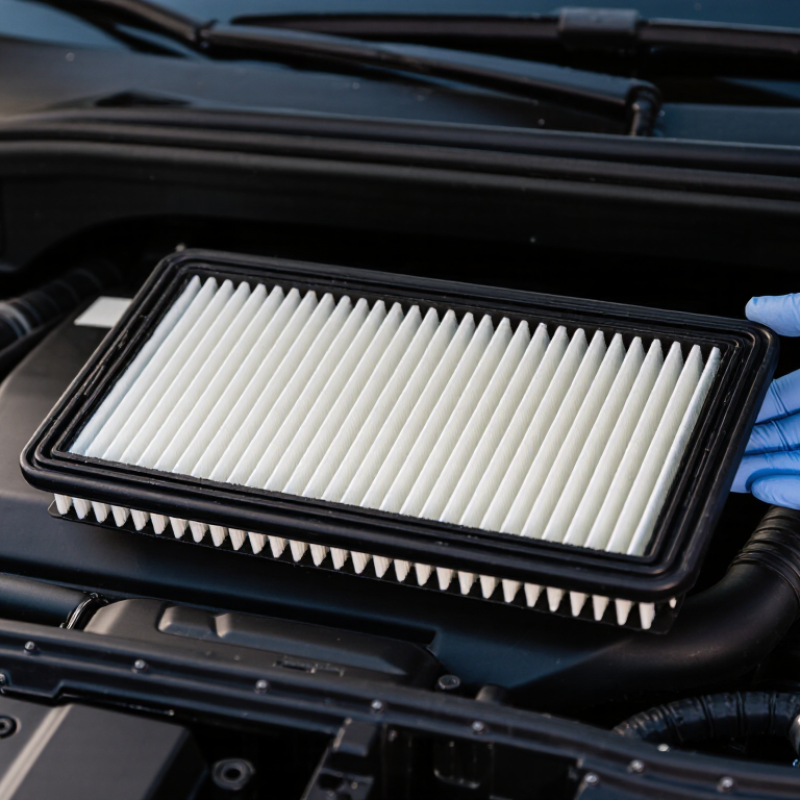
How to Choose the Best Automobile Air Intake Filters?

Understanding the Role of an Automobile Air Intake Filter

How to Choose the Best Automobile Air Intake Filters?

Understanding the Role of an Automobile Air Intake Filter

An automobile air intake filter helps keep dust, grit, and plant debris from entering the engine with incoming air. Clean air matters because combustion depends on a steady supply of air and fuel. The filter also needs to let enough air pass through; blocking too much airflow can affect engine operation. It is a small part with a practical job.

Picture a dry, dusty road. Fine particles may gather in the filter’s folds, even when the outside looks fairly clean. A clogged filter can restrict airflow, though its effects vary by vehicle and driving conditions. In routine maintenance, check the filter according to the vehicle’s service guidance, and inspect it sooner after frequent driving on dusty roads. Don’t judge by color alone. Some filters darken as they collect dust, but appearance does not always reveal how much airflow remains.

A good replacement should fit the vehicle’s specified housing and seal around its edges. Gaps can let unfiltered air bypass the filter, which defeats its purpose. Material and construction also affect how well a filter captures particles while allowing airflow. I’ve found that checking the fit is easy to overlook; it is not glamorous, but it matters. Replacement intervals are not universal, so follow the owner’s manual and consider local driving conditions. When uncertain, compare the part specifications or ask a qualified technician.


Comparing Common Air Intake Filter Types

Filter types
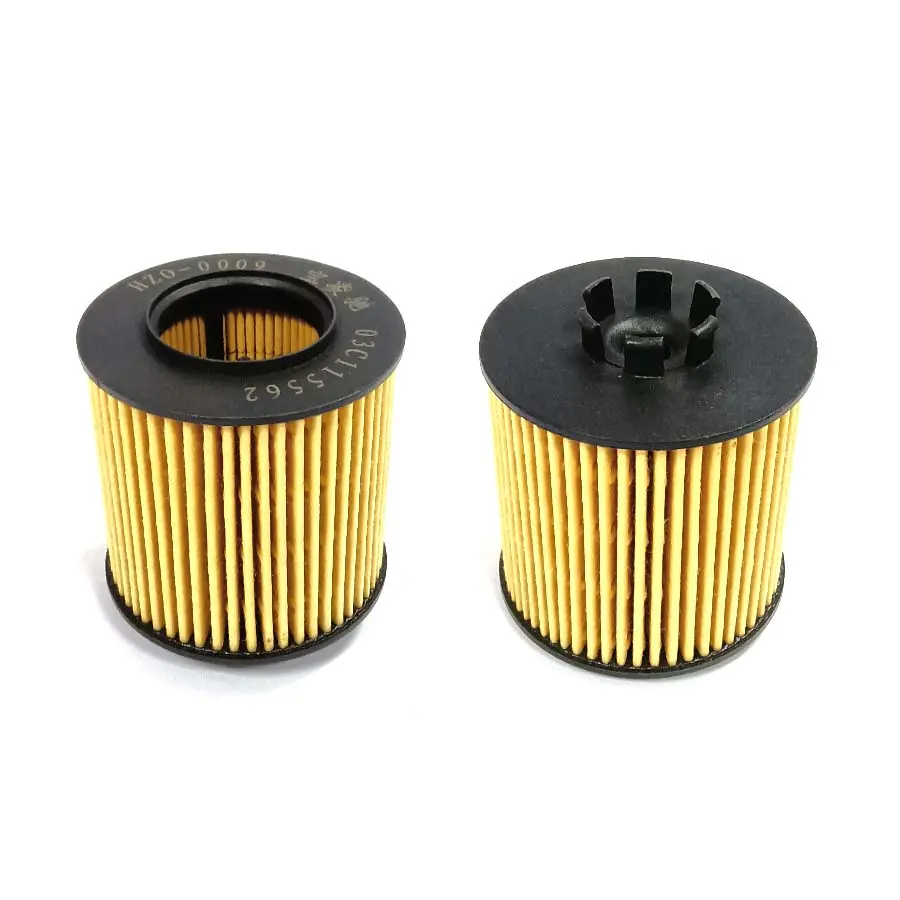
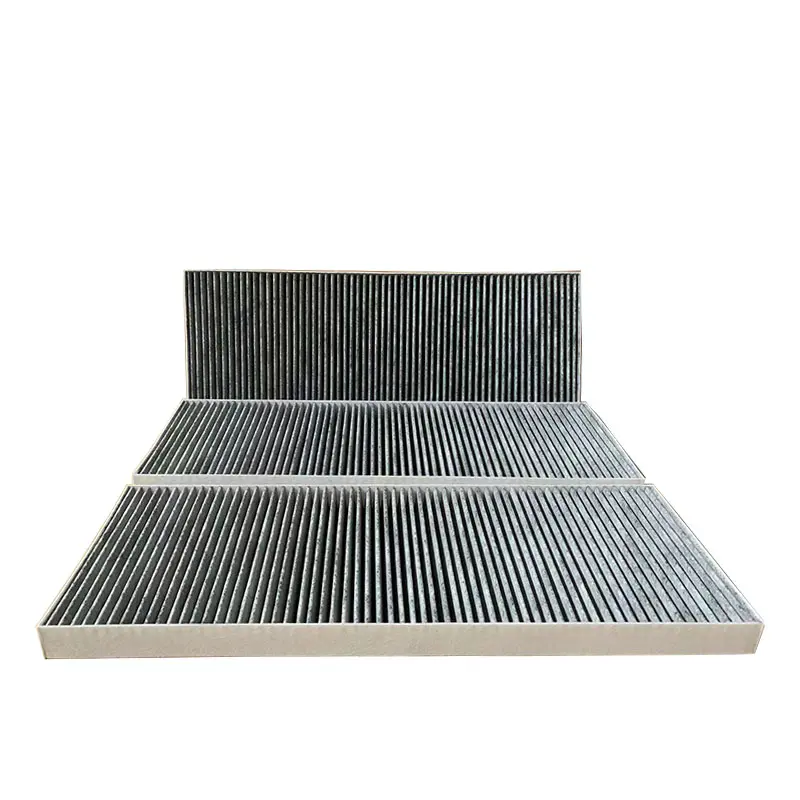
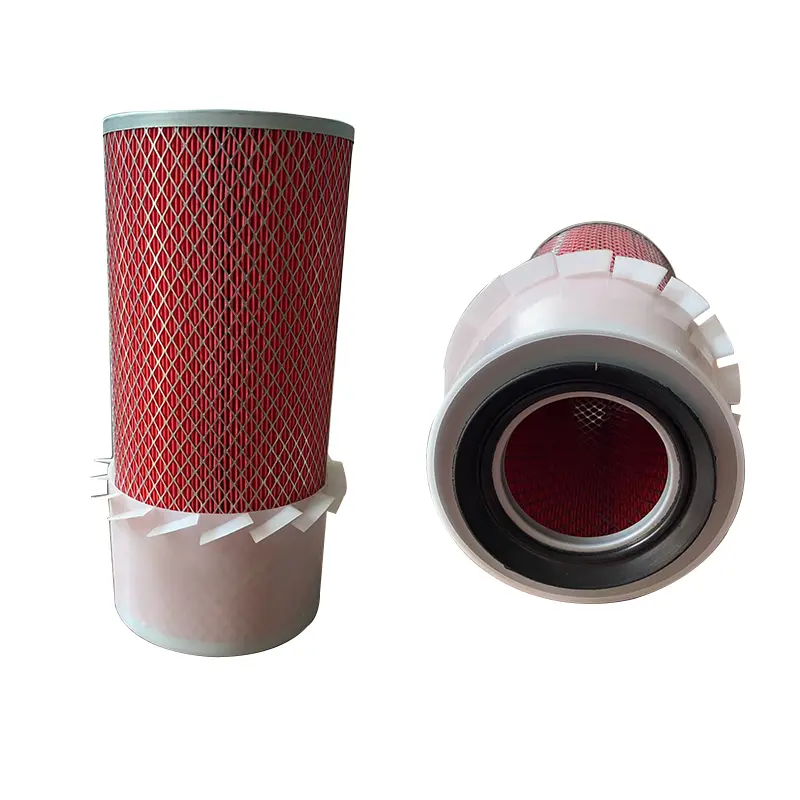
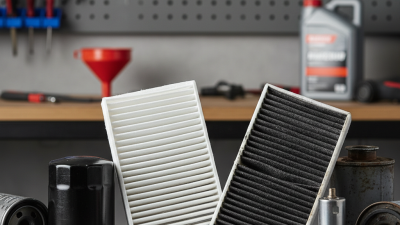
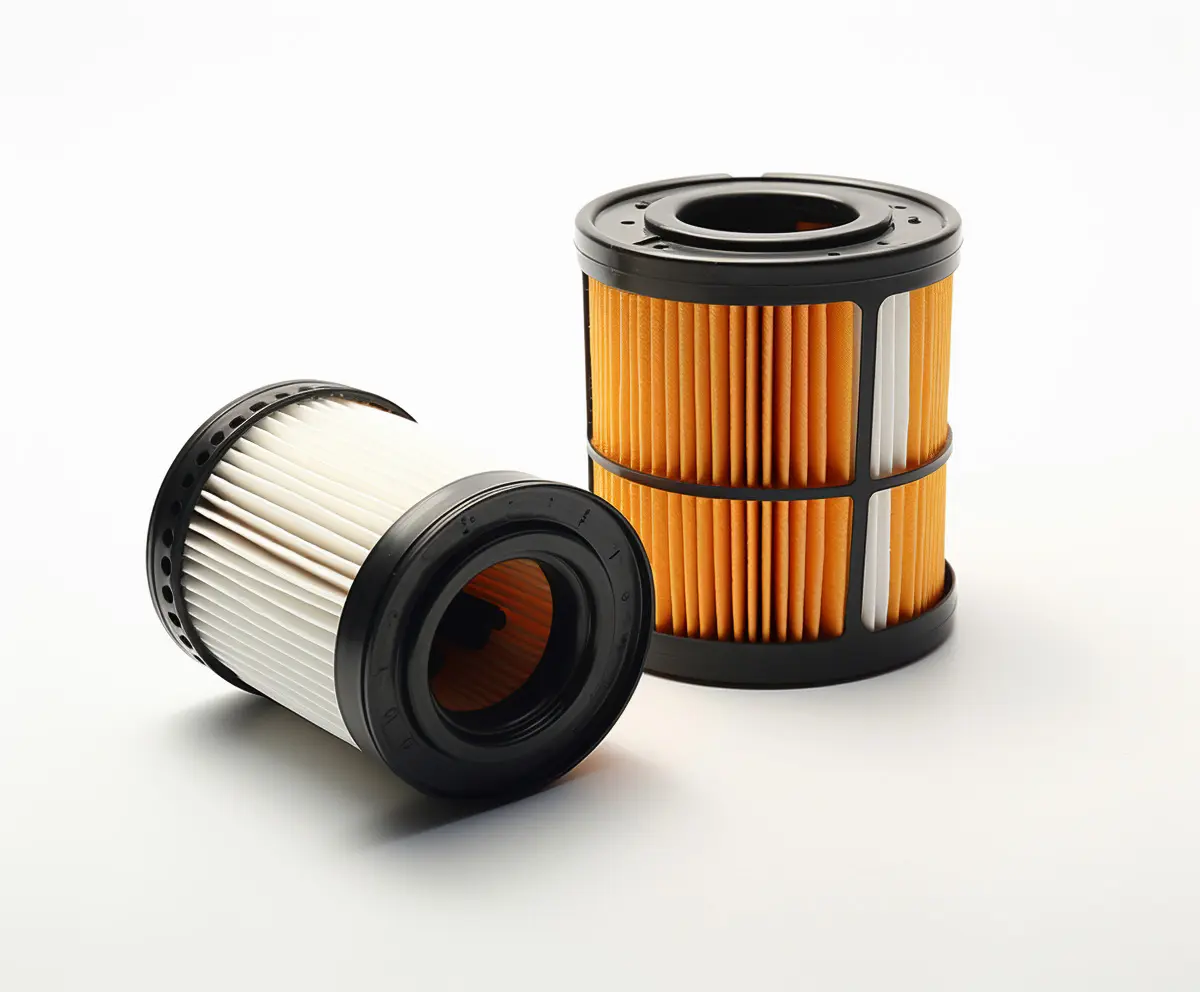
Common automobile air intake filters use pleated paper, reusable cotton gauze, synthetic media, or foam. Each balances airflow, filtration, cost, and maintenance differently. Paper filters are usually inexpensive and trap fine dust effectively. Their pleats look simple, but surface area matters: a cramped filter can restrict airflow sooner as it loads with dirt.

Reusable and alternative media
Cotton gauze filters are washable and may allow strong airflow when clean. Some use oil to capture particles, so cleaning and re-oiling must follow the maker’s instructions. Too much oil can cause problems for certain engine sensors. Synthetic filters vary widely; some are disposable, while others are washable. Check the service guidance rather than assuming all synthetic media behaves alike. Foam filters can hold substantial dust, especially in dusty conditions, but they also need careful cleaning and correct oiling where specified.

Choosing and inspecting a filter
Match the filter to the vehicle’s housing and your driving environment. Short trips on paved roads place different demands on a filter than frequent driving on dry, unpaved roads. Inspect it in good light. A gray surface is not automatically clogged, while torn pleats or a poor seal deserve attention. Fit matters. Even an efficient filter can perform poorly if air slips around its edges. Reusable types sound economical, though cleaning takes time, and an imperfect wash can leave residue. That part is easy to underestimate.

Checking Vehicle Compatibility and Filter Specifications

Before choosing an automobile air intake filter, match the exact vehicle year, make, model, engine, and intake configuration. A filter that fits the housing but leaves a gap can let unfiltered air bypass the element. Check the owner’s manual and compare the old filter’s length, width, depth, sealing edge, and airflow direction. Engine variants matter. Two vehicles from the same year may use different housings.

Read the specification sheet, not just the product label. ISO 5011 describes laboratory methods for evaluating intake-filter restriction, dust-holding capacity, and filtration efficiency; its results help compare tested filters under controlled conditions. Confirm that the listed test applies to the correct filter size and application. The U.S. Department of Energy’s fueleconomy.gov notes that replacing a clogged air filter can improve acceleration in some vehicles, but does not necessarily improve fuel economy in modern fuel-injected cars. A “high-flow” claim alone is not proof of better protection or performance.

Tips: With the engine off, inspect the housing for dust tracks, torn pleats, or a distorted gasket. Compare the replacement with the removed filter before installation. If the fit feels forced, stop and recheck the part number. I have seen small sealing mismatches overlooked; they are easy to miss.

Evaluating Filtration, Airflow, Durability, and Cost

Choosing an automobile air intake filter means balancing filtration, airflow, durability, and cost. Start with the vehicle manufacturer’s specifications, then check that the filter fits snugly in the housing. A small gap can let unfiltered dust pass around the edges. Look for clear information about particle capture, not just claims of “high performance.” Fine dust on a rural road can affect an engine differently from occasional city driving. Conditions matter.

Airflow deserves careful attention. A filter that restricts too much may reduce engine breathing, while a less restrictive design is not automatically better. Ask whether testing compares filtration and airflow under consistent conditions. Numbers without test details are hard to judge. Inspect the filter’s frame and pleats, too; loose seams or uneven folds can signal poor construction. On a dusty commute, check it at the service interval and note how quickly debris builds up. That observation is useful, though not a laboratory test.

Durability changes the real cost. A washable filter may seem economical, but cleaning takes time, and incorrect reinstallation can cause problems. Disposable filters cost more over repeated replacements, yet they are straightforward to swap. Compare purchase price, expected service life, and maintenance effort. Be realistic. I would not choose by price alone, nor assume the most expensive option is best. A practical choice fits correctly, filters reliably, and suits the roads and upkeep you can manage.

Choosing and Maintaining the Right Filter for Your Driving Conditions

How to Choose the Best Automobile Air Intake Filters?

Choosing and Maintaining the Right Filter for Your Driving Conditions

Your driving environment matters more than a filter’s appearance. On dusty rural roads or construction routes, fine particles can collect quickly in the filter pleats. A properly sized paper filter is often a practical choice for everyday driving. In wet climates, inspect the housing for moisture and debris after heavy rain, but do not assume a washable filter is automatically better. Check your vehicle manual for the correct fit and service guidance. A loose edge can let unfiltered air pass through.

Look closely. A gray surface may be normal, while a thick layer of dust or damaged pleats calls for attention. Inspect the filter more often if you drive on gravel, through dry fields, or in stop-and-go traffic. Follow the recommended interval, adjusting it when conditions are unusually harsh. If the filter is reusable, clean it only as directed and let it dry fully before reinstalling it. Too much cleaning can damage delicate material. I would not judge filter condition by color alone; some dirt is hard to see, and my first visual check can be wrong. Keep a simple note of inspection dates and mileage. Small habit.