Top Engine Filter Options for Global Buyers in China?
Engine filters are crucial components in vehicles, ensuring optimal performance and longevity. In China, buyers face a myriad of choices when selecting engine filters. The market is vast and can be overwhelming. Understanding the options is key to making informed decisions.
Various factors should be considered when choosing engine filters. The quality of materials, brand reputation, and price are all essential. Some filters may promise high performance but fall short in real-world conditions. Reliability is vital; a subpar engine filter can lead to significant engine damage.
Moreover, the growing demand for high-quality engine filters in China highlights the need for thorough research. Global buyers often overlook local brands that offer competitive advantages. Each buyer's needs are unique; reflecting on personal requirements can lead to better choices. In a time of rapid development, staying informed about engine filter advancements is essential for all automotive enthusiasts.
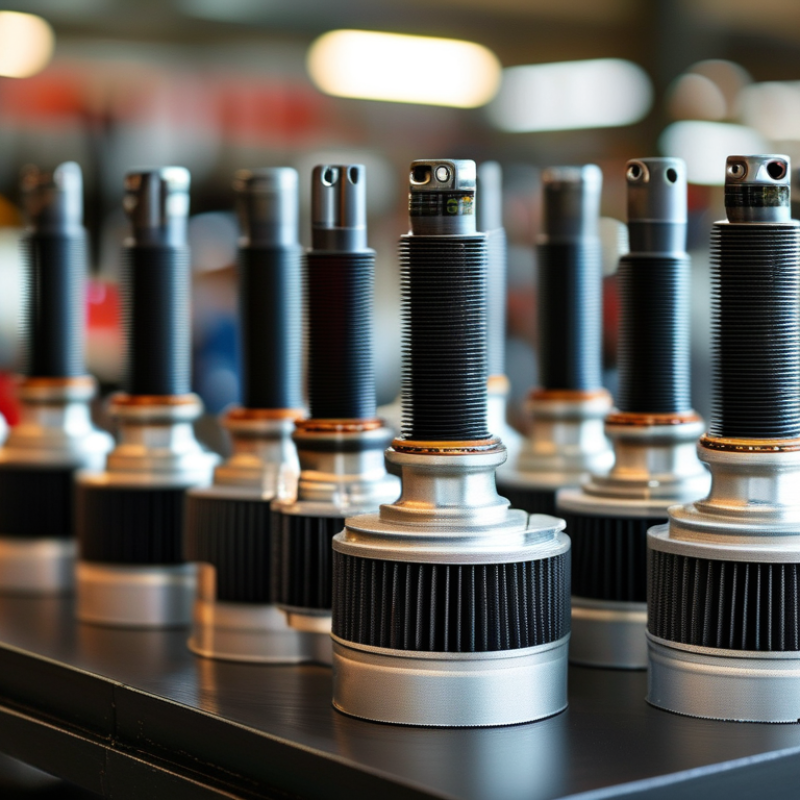
Top Engine Filter Types Available for Buyers in China
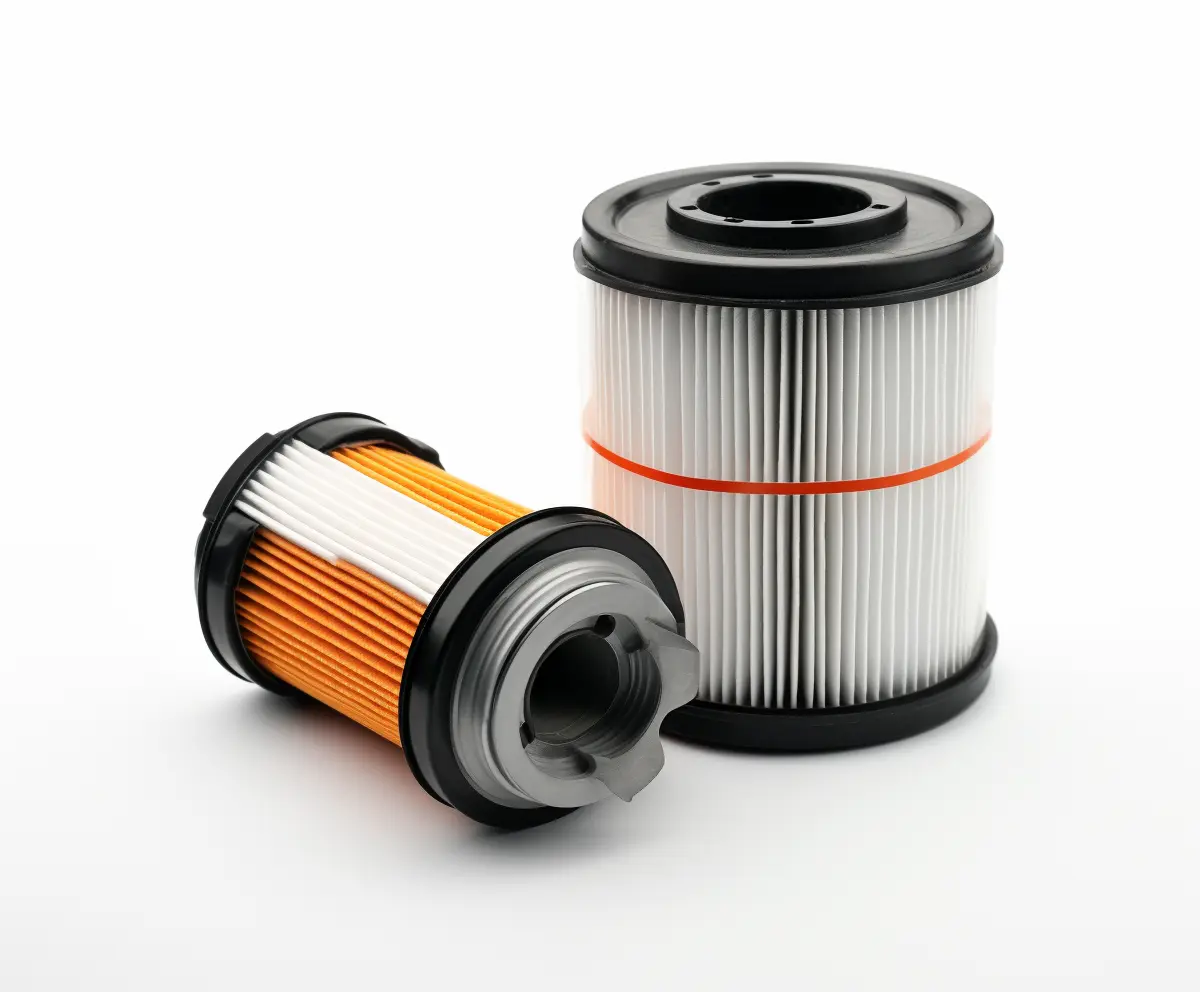
When considering engine filters, China offers various types to meet diverse needs. Key types include oil filters, air filters, and fuel filters. Each serves a specific purpose.
Oil filters prevent contaminants from affecting engine performance. Air filters ensure clean air enters the engine. Fuel filters keep impurities from the fuel system.
Buyers should think about where they operate their vehicles. Urban environments can introduce more pollutants. This makes frequent filter changes necessary. In contrast, rural areas might experience different wear and tear on filters. It’s important to assess your driving conditions.
Tips: Always buy filters that match your vehicle specifications. Regular maintenance can extend engine life. Don’t skip inspections. Over time, filters may look fine yet still impact performance. Remember that neglecting filters could lead to costly repairs later on. Keep a regular schedule for replacements.
Key Factors to Consider When Choosing Engine Filters
When selecting engine filters, various factors come into play. The type of vehicle and its operating conditions significantly influence filter choice. Each filter type varies in efficiency and lifespan. It's crucial to consider filtration material. High-efficiency filters often capture more contaminants, prolonging engine life.
Next, installation and maintenance ease are vital. Some filters are user-friendly, while others may require professional assistance. A filter that demands frequent replacement might not be the best choice for everyone. Cost-effectiveness also matters. Sometimes, cheaper options may not provide the same level of protection. Evaluating long-term value is essential.
Lastly, look for certifications or industry standards. These indicators can point towards reliability and performance. However, trusting these claims requires careful scrutiny. Not all certifications hold the same weight across markets. Some brands might exaggerate claims. Always research thoroughly before deciding. It’s important to balance features, costs, and real-world performance.
Top Engine Filter Options for Global Buyers in China - Key Factors to Consider When Choosing Engine Filters
| Filter Type |
Material |
Lifespan (miles) |
Cost (USD) |
Key Benefits |
| Oil Filter |
Synthetic Fiber |
5,000 - 10,000 |
15 - 30 |
High dirt retention, good flow rate |
| Air Filter |
Paper with Pleating |
15,000 - 30,000 |
10 - 25 |
Improves engine efficiency, easy to replace |
| Fuel Filter |
Micron Mesh |
20,000 - 40,000 |
20 - 50 |
Reduces engine misfires, enhances fuel quality |
| Cabin Air Filter |
Activated Carbon |
15,000 - 25,000 |
15 - 40 |
Improves air quality in cabin, reduces odors |
Leading Engine Filter Brands in the Chinese Market
The Chinese engine filter market is seeing significant growth, driven by increased vehicle production and consumer demand for high-efficiency filters. A report from a leading industry analyst indicates that the market is expected to grow at a compound annual growth rate (CAGR) of 5.6% through 2026. This growth highlights the rising awareness of vehicle maintenance among Chinese consumers.
Several brands stand out in this competitive landscape. Expert reviews consistently mention their strong performance in filtration efficiency and durability. Engine filters from these brands often meet stringent international standards, a factor that increases consumer trust and brand credibility. Surveys reveal that more than 70% of vehicle owners prioritize filter quality over cost. This change in consumer behavior signifies a shift towards valuing reliability over price.
However, the market is not without challenges. Some consumers still struggle to identify high-quality filters due to the myriad of options available. The presence of counterfeit products complicates the decision-making process. Consequently, educating consumers on how to discern authentic products is crucial for the industry. Despite advancements, the need for transparency and information remains an ongoing challenge.
Comparative Analysis of Filter Performance and Reliability
When selecting engine filters in China, performance and reliability stand out as crucial factors. Engine filters are essential for maintaining optimal engine health. They trap harmful particles, ensuring clean fuel and air flow. A reliable filter enhances engine longevity and performance.
Tips: Always check filter specifications before purchase. Look for filters with a high dirt-holding capacity. This indicates better longevity and efficiency.
Various filters may offer different levels of filtration. It’s important to compare their efficiency ratings. A filter that performs well in one environment may not withstand another. Adaptability matters significantly in diverse climates. Testing under real conditions can provide insights into potential weaknesses or unexpected failures.
Tips: Pay attention to user reviews. Real-world experiences often highlight performance discrepancies. Relying solely on specifications can be misleading. Ensure that your choice matches your specific conditions.
Regulatory Standards Impacting Engine Filters in China
In China, regulatory standards for engine filters are evolving rapidly. The implementation of stringent emission laws aims to reduce air pollution. According to a report by the China Automotive Technology and Research Center, approximately 30% of vehicles fail to meet current emission standards. This gap creates an opportunity for high-quality engine filters that comply with regulations.
Industry experts emphasize that the correct filtration technology can significantly enhance engine efficiency. Filters that meet the latest standards can increase the lifespan of engines and reduce harmful emissions. A study from the National Environmental Protection Agency highlights that updated filters can decrease particulate matter by up to 25%.
However, not all manufacturers keep pace with these standards. Some may compromise on quality to cut costs. Buyers should exercise caution, as inferior filters might not only violate regulations but also harm engine performance. In a market where reliability is paramount, choosing a filter built for compliance is vital. The engine filter market in China is complex, and understanding these regulatory impacts is crucial for informed purchasing decisions.

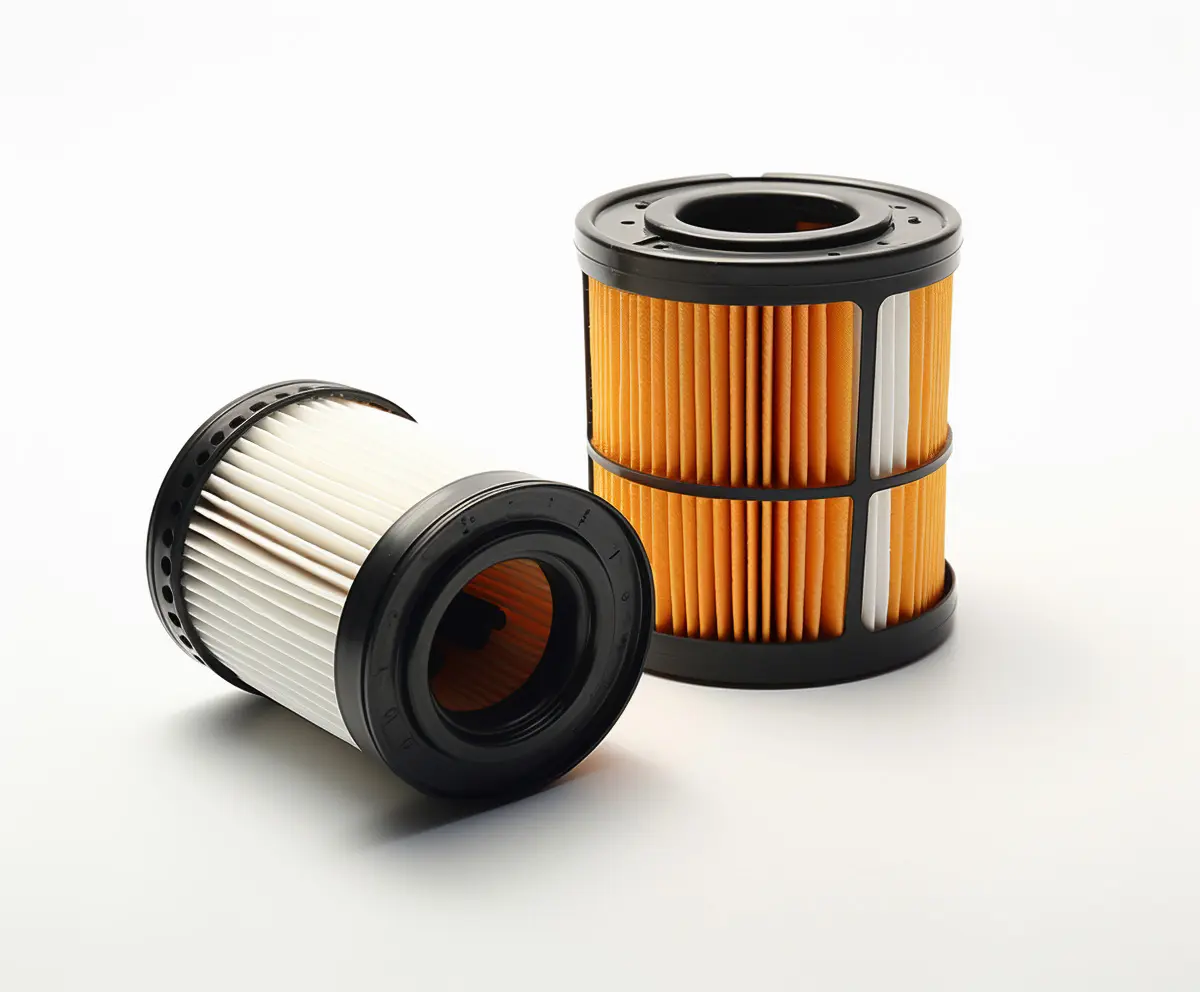 Products
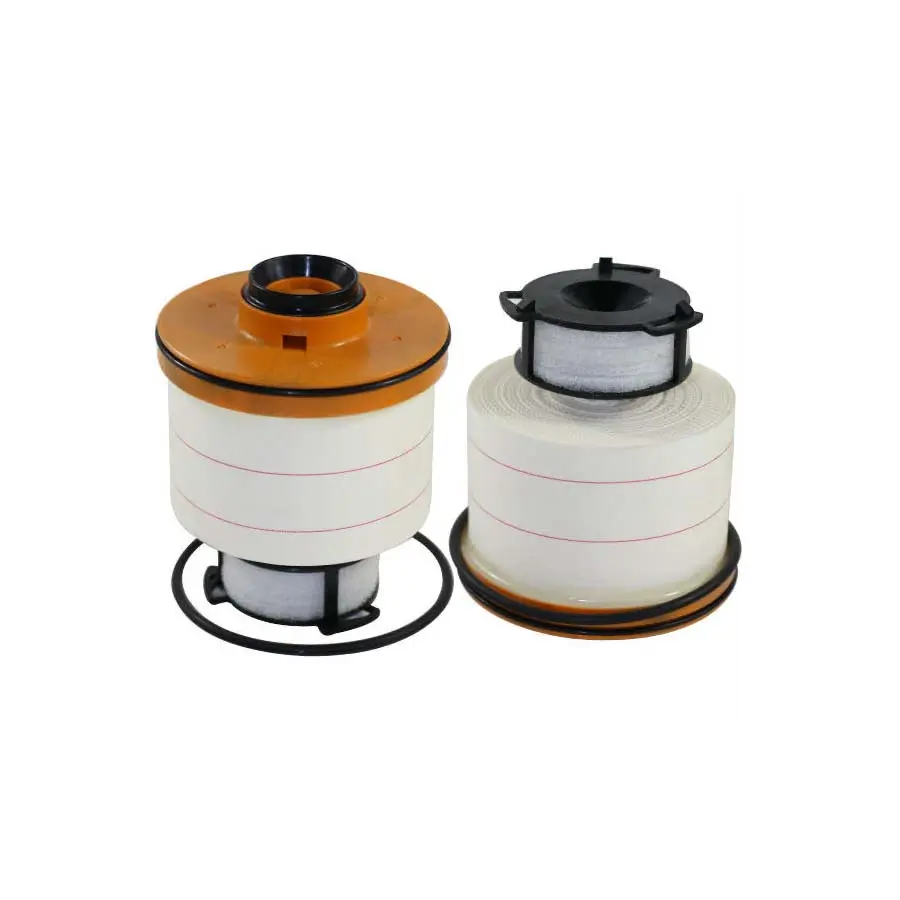 FUEL FILTER
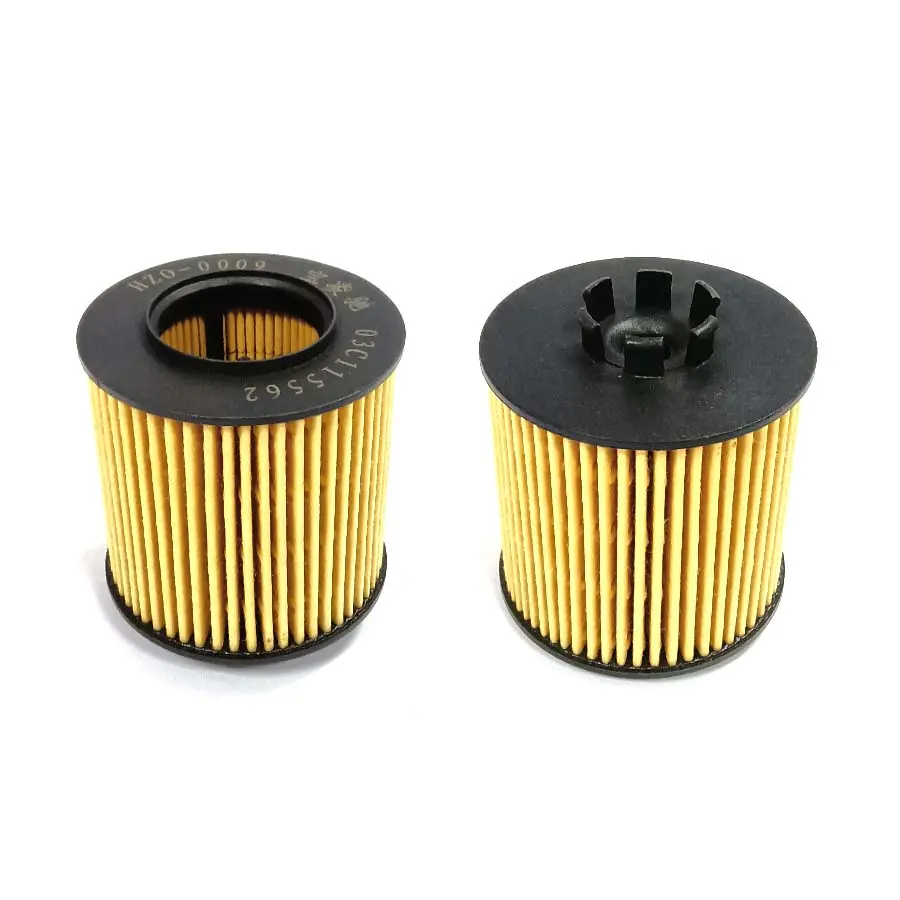 OIL ELEMENT FILTER
 OIL FILTER
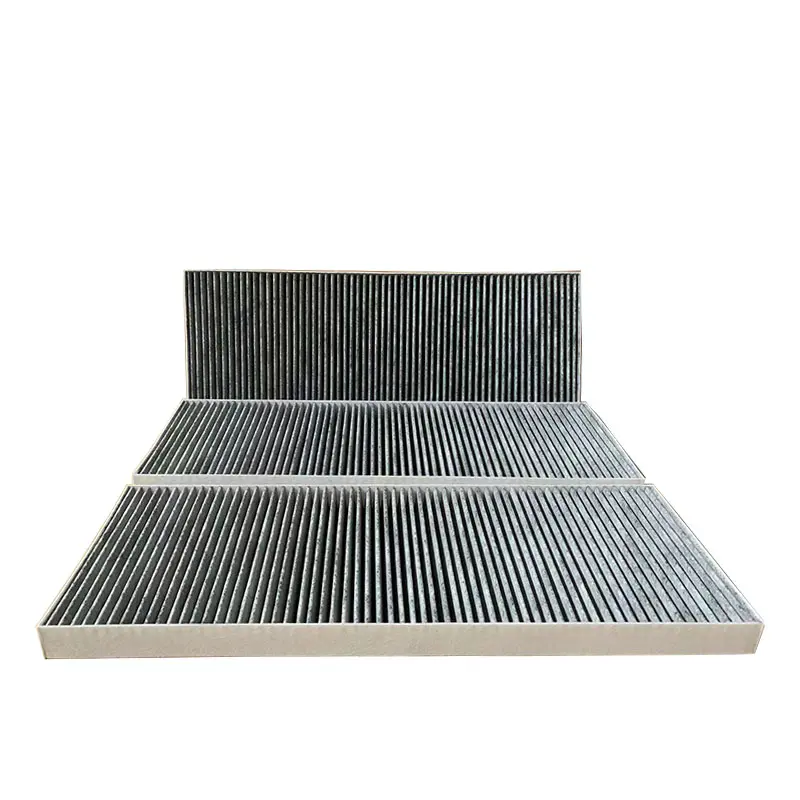 CABIN FILTER
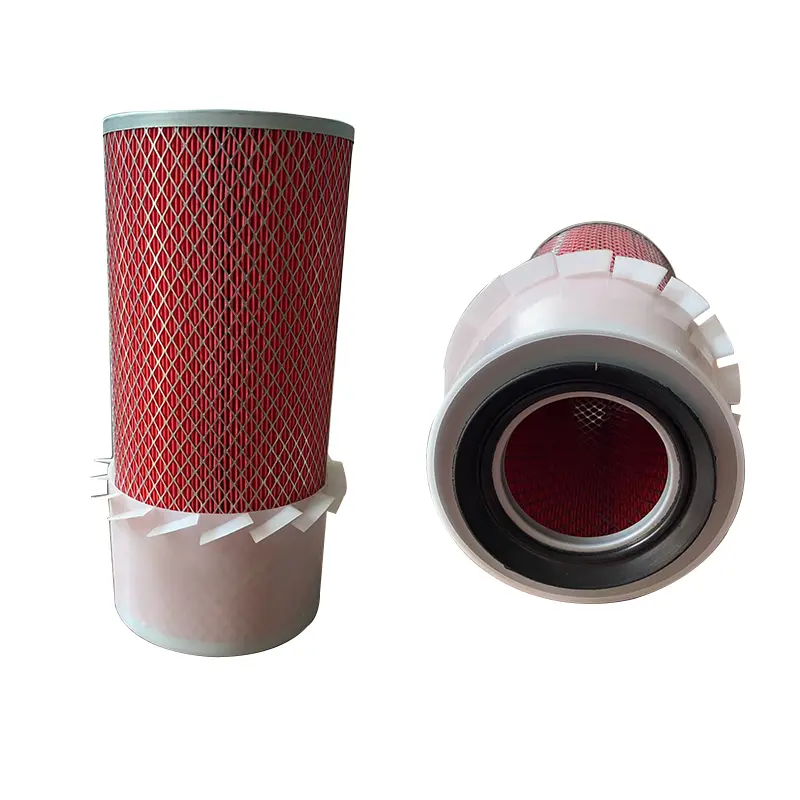 AIR FILTER