Inquiry
Form loading...

What Is an Auto Parts Filter and How Does It Work?

An Auto Parts Filter protects vehicle systems by separating harmful particles from air, oil, fuel, or cabin airflow. Its design is simple, but its effect is substantial. Filter media trap dust, soot, metal fragments, pollen, and moisture. Clean air supports efficient combustion. Clean oil reduces abrasive contact between moving engine parts. A cabin filter can also reduce airborne particles before they reach passengers. The engine is not the only beneficiary.

Air filters usually guide intake air through pleated paper or synthetic fibers. Oil filters force lubricating oil through porous media. Fuel filters capture sediment and water before injection components receive fuel. Cabin filters clean air entering through the ventilation system. Pressure gradually builds when contaminants accumulate. That resistance can reduce airflow and increase system workload. The dashboard warning may appear late. Physical inspection still matters.

The World Health Organization’s 2021 Global Air Quality Guidelines emphasize the health significance of fine particulate matter. This supports careful cabin filtration, especially in congested urban areas. ISO 5011 provides testing principles for engine intake air cleaners. ISO 11155 addresses vehicle interior air filters. These standards show why filter quality requires more than attractive packaging. Grand View Research’s automotive filters market analysis also indicates continuing demand across passenger and commercial vehicles. Growth alone does not prove performance. That assumption deserves testing.

In real service work, technicians compare the replacement part with the vehicle’s specifications. They check sealing edges, pleat condition, contamination, and installation direction. A small gap around an air filter can bypass the media entirely. Wrong oil-filter dimensions can restrict flow or cause leakage. Replacement intervals are useful, but driving conditions change them. Dusty roads, short trips, and heavy traffic can shorten service life. Manufacturer guidance remains the safest reference. The filter looks ordinary. Its failure rarely is.
What Is an Auto Parts Filter and How Does It Work?

What Is an Auto Parts Filter?

What Is an Auto Parts Filter?

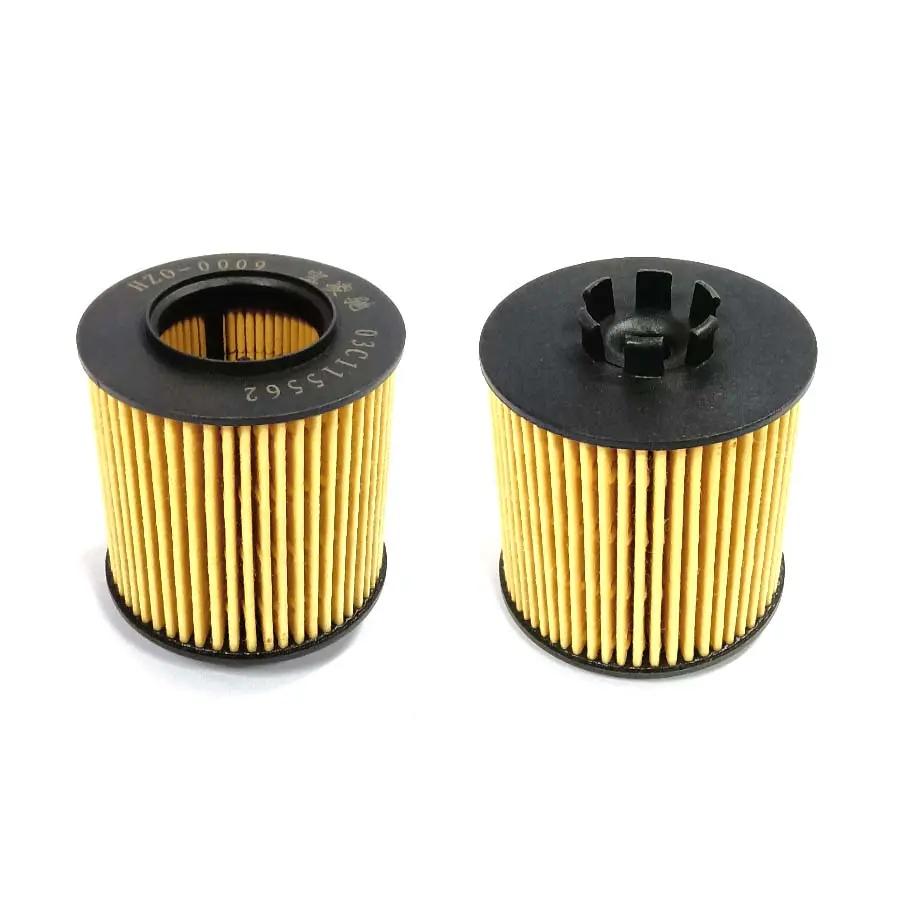
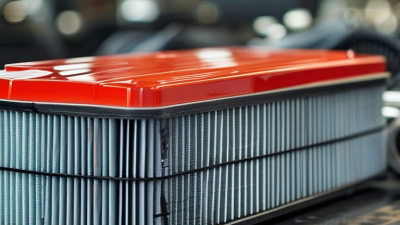
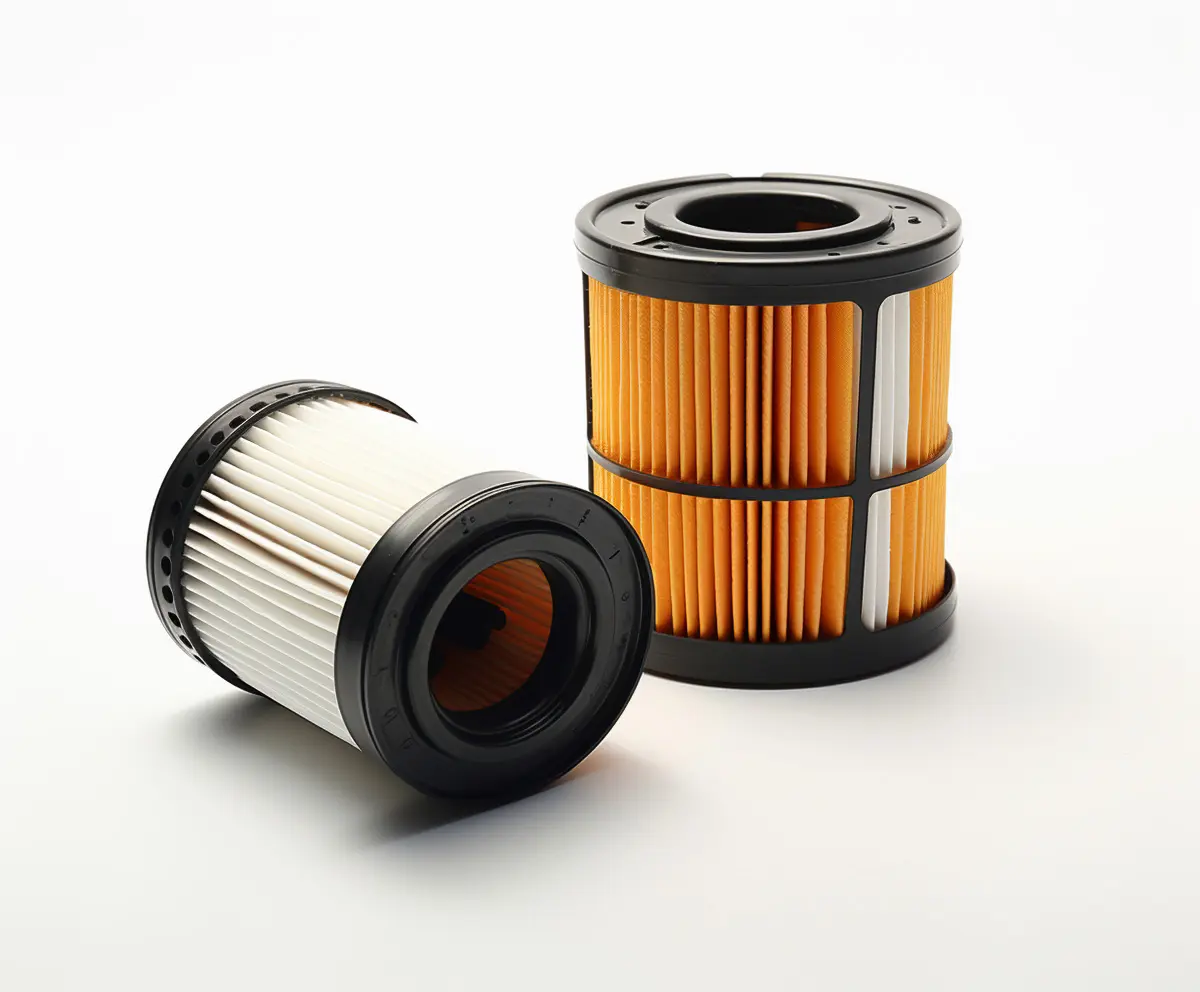
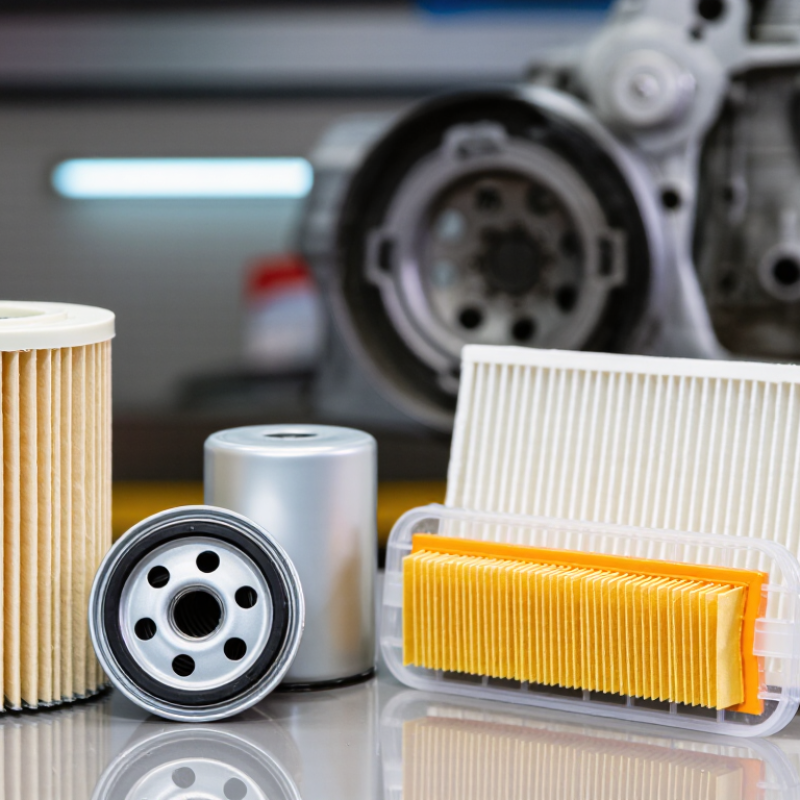
An auto parts filter is a replaceable component that removes unwanted particles from a vehicle’s fluids or air. Common types include air, oil, fuel, cabin, and transmission filters. Each one protects a different system. For example, an engine air filter traps dust before air enters the combustion chamber. An oil filter captures metal particles, soot, and other debris circulating through the engine.

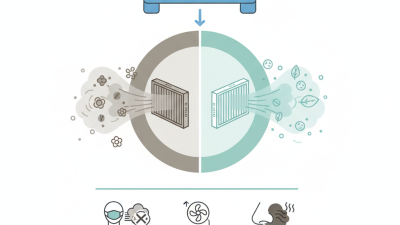
The working process is simple but important. Contaminated fluid or air enters the filter housing. Its fibrous or synthetic filtering material catches particles while cleaner air or fluid continues through the system. A properly fitted filter supports stable engine performance and reduces wear. A restricted filter can limit airflow, lower efficiency, or increase pressure. It is easy to assume every dirty filter needs immediate replacement, but service condition and vehicle specifications should be checked first. Some filters look acceptable but are already saturated inside.

Tips: Check the filter during routine maintenance, especially after driving on dusty roads. Compare the old part with the replacement carefully. The seal should sit flat, without folds or gaps. Never force a filter into place. A small installation mistake can allow unfiltered air or fluid to pass. Keep the service date and mileage recorded. This detail is often forgotten.
What Is an Auto Parts Filter and How Does It Work?

Automotive filters remove contaminants before they can damage important systems. The chart shows common service-interval ranges for four major filter types. Actual replacement timing depends on the vehicle, driving conditions, filter design, and the manufacturer’s maintenance schedule.

Why Vehicles Need Different Types of Filters

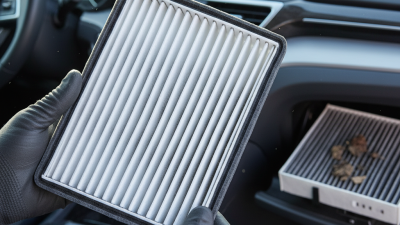
An auto parts filter is a barrier that removes unwanted particles from air, oil, fuel, or cabin airflow. Vehicles need different filters because each system faces different contaminants. Engine air filters catch dust before it reaches the cylinders. Oil filters trap metal particles and sludge inside circulating oil. Fuel filters screen rust, sediment, and water before fuel reaches sensitive components. Cabin filters clean air entering through the dashboard vents.

Each filter works in a slightly different environment. An engine air filter usually contains pleated material with many small passages. Air passes through, while dust remains on the surface. A clogged filter can reduce airflow and make acceleration feel dull. The oil filter uses layered media to collect tiny debris under pressure. Some designs include a bypass valve, allowing oil flow during severe blockage. That protection is useful, but it does not make neglect safe.

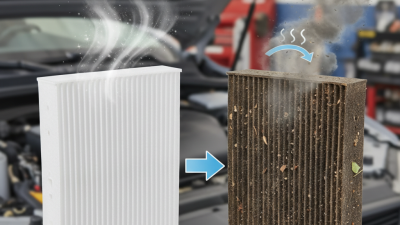
Filter condition depends on mileage, road dust, weather, and driving habits. A vehicle on unpaved roads may need an earlier inspection. Mechanics often check service records, airflow, fluid condition, and visible damage together. A dark filter is not automatically unusable. I have seen clean-looking filters with restricted airflow, and dirty-looking ones still working properly. That is why appearance alone can mislead. Cabin filters may also hold leaves, pollen, and odors, especially after wet weather. Replacement intervals are helpful, but real conditions deserve attention.

How an Auto Parts Filter Removes Contaminants

What Is an Auto Parts Filter and How Does It Work?

An auto parts filter separates harmful contaminants from air, oil, fuel, or cabin airflow. Its media contains fine fibers, folds, or porous layers. These structures trap dust, soot, metal particles, water, and loose debris. Air filters protect the engine’s intake system. Oil filters capture wear particles before they circulate through bearings and valve parts. Fuel filters remove sediment and water that can damage injectors. A filter does not destroy contamination. It stores it until replacement becomes necessary.

The removal process combines surface capture, depth filtration, and particle adhesion. Larger particles hit the fibers directly. Smaller particles follow airflow and become trapped inside the media. The U.S. EPA identifies PM2.5 as particles measuring 2.5 micrometers or less. These particles can enter cabin airflow and require finer filtration. ISO 16889 uses the beta ratio for multi-pass testing. A beta ratio of 200 at 10 micrometers represents 99.5% particle removal under that test condition. It is a benchmark, not a universal promise. Real results change with pressure, moisture, dust loading, and poor installation. That part is often overlooked.

Tips: Check the service schedule, but inspect the actual filter too. A dark filter is not always blocked. Measure airflow restriction when possible. Never judge performance by appearance alone. Sealing matters. A small gap can let unfiltered air bypass the media.

Where Filters Are Installed in a Vehicle

An auto parts filter is installed wherever a vehicle must keep contamination away from a sensitive system. The location matters because each filter faces different fluid, pressure, and temperature. Under the hood, the engine air filter sits inside a sealed airbox before the throttle body. It traps dust before particles reach intake valves and cylinder walls. The oil filter connects to the pressurized lubrication circuit, usually beside the engine block or oil pan. Fuel filters sit between the tank and injectors, although some vehicles place them inside the tank module. Diesel systems may add a water-separating filter. The cabin filter is commonly behind the glovebox, below the dashboard, or beneath the windshield cowl. It cleans air entering the passenger compartment. Transmission filters are commonly inside the transmission pan or near the pump inlet. Placement is not standardized.

Published 2024 industry outlooks estimate the global automotive-filter market near US$20 billion in 2023, with continued growth projected through 2032. The U.S. Department of Energy notes that clogged filters can restrict airflow, but fuel-economy effects vary sharply by vehicle design. That qualification is easy to miss. In practice, a restricted engine filter may cause weak acceleration. A dirty cabin filter can produce weak airflow and fogged glass. A blocked oil filter can trigger bypass-valve operation, leaving filtration temporarily reduced. Inspection should include the housing seal, arrow direction, trapped debris, and moisture. In workshop inspections, the filter may look clean while the housing is packed with leaves. That makes a tidy replacement incomplete.

How to Choose and Replace the Right Filter

Choosing the right auto parts filter starts with identifying its job. An engine air filter protects the intake system from dust. An oil filter traps particles inside circulating oil. A cabin filter reduces dust, pollen, and other airborne debris. These parts are not interchangeable. Check the vehicle manual, engine code, and filter dimensions before buying. A loose seal can let dirt bypass the filter.

Replacement timing should follow condition, not guesswork. The U.S. Department of Energy reports that replacing a clogged air filter improved acceleration by 6–11% in tested older vehicles. Fuel economy gains were smaller in modern fuel-injected vehicles. That detail matters. A clean filter does not guarantee better mileage. Inspect it during routine servicing, especially after driving on gravel roads or in dusty areas. A dark surface alone is not always proof of failure.

The Auto Care Association’s 2024 Factbook places the average U.S. vehicle age near 12.6 years. Older vehicles may need closer inspection. When replacing a filter, switch off the engine, clean the housing, and check for warped seals. Never force the cover closed. I have seen maintenance schedules treated like promises, although driving conditions can change quickly. A filter may look acceptable but still have a damaged edge. If airflow drops, windows fog repeatedly, or engine response feels uneven, recheck the fit before blaming another component.

What Is an Auto Parts Filter and How Does It Work? - How to Choose and Replace the Right Filter
Filter Type Primary System What It Removes How It Works Typical Replacement Guidance Key Selection Factors Common Warning Signs
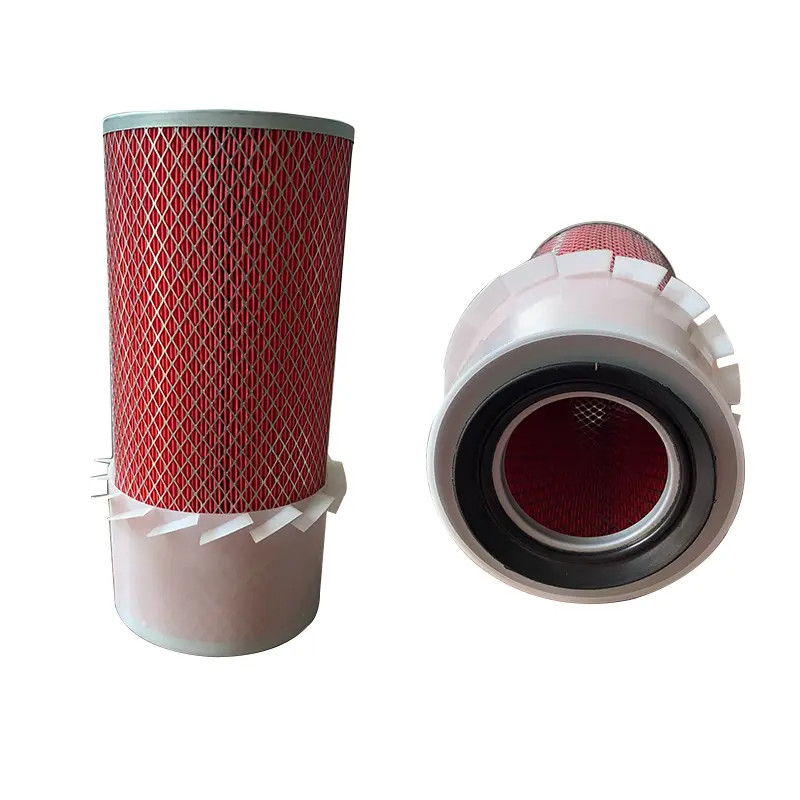
Engine Air Filter Engine air-intake system Dust, pollen, sand, insects, and other airborne particles Porous filter media traps contaminants before air enters the engine. Clean air supports the correct air-to-fuel mixture and protects internal components. Inspect during routine servicing. Replacement commonly ranges from about 19,000 to 48,000 km, but driving conditions and the vehicle manufacturer’s schedule take priority. Exact vehicle application, dimensions, sealing edge, filter shape, media quality, and housing fit Reduced acceleration, lower fuel economy, visible dirt, unusual engine intake noise, or a restricted filter indicator where equipped
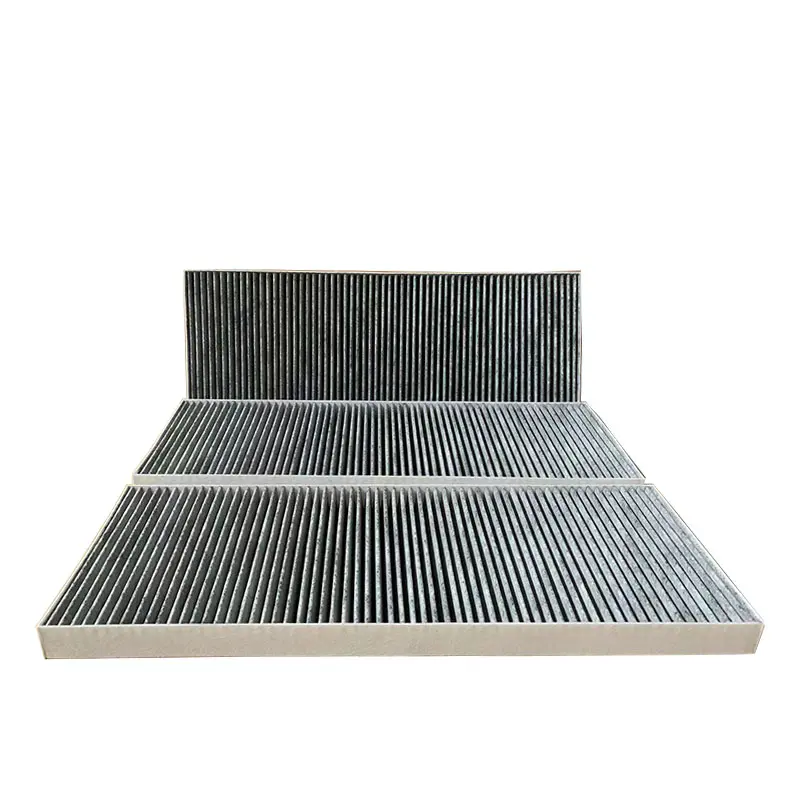
Cabin Air Filter Passenger-compartment ventilation and climate-control system Dust, pollen, soot, leaves, and some airborne odors depending on the filter media Air passes through pleated media before reaching the cabin. Activated-carbon versions can adsorb certain gases and odors, while particulate media mainly capture solid particles. Often inspected or replaced approximately every 12 to 24 months, or sooner in dusty, urban, or high-pollen conditions. Vehicle fit, airflow direction, particulate or carbon media, frame rigidity, and sealing around the filter Weak airflow, unpleasant odors, increased window fogging, noisy blower operation, or visible debris
Engine Oil Filter Engine lubrication system Metal wear particles, carbon deposits, dirt, and other contaminants suspended in engine oil A pressure-driven filter directs circulating oil through filter media. A bypass valve may allow oil flow if the media becomes highly restricted or the oil is very cold. Normally replaced at every engine-oil change unless the vehicle manufacturer specifies otherwise. Thread and gasket dimensions, pressure rating, bypass-valve specification, anti-drainback function, and engine application Oil-pressure warning, oil leaks around the filter, contaminated oil, or abnormal engine noise; these symptoms require prompt inspection
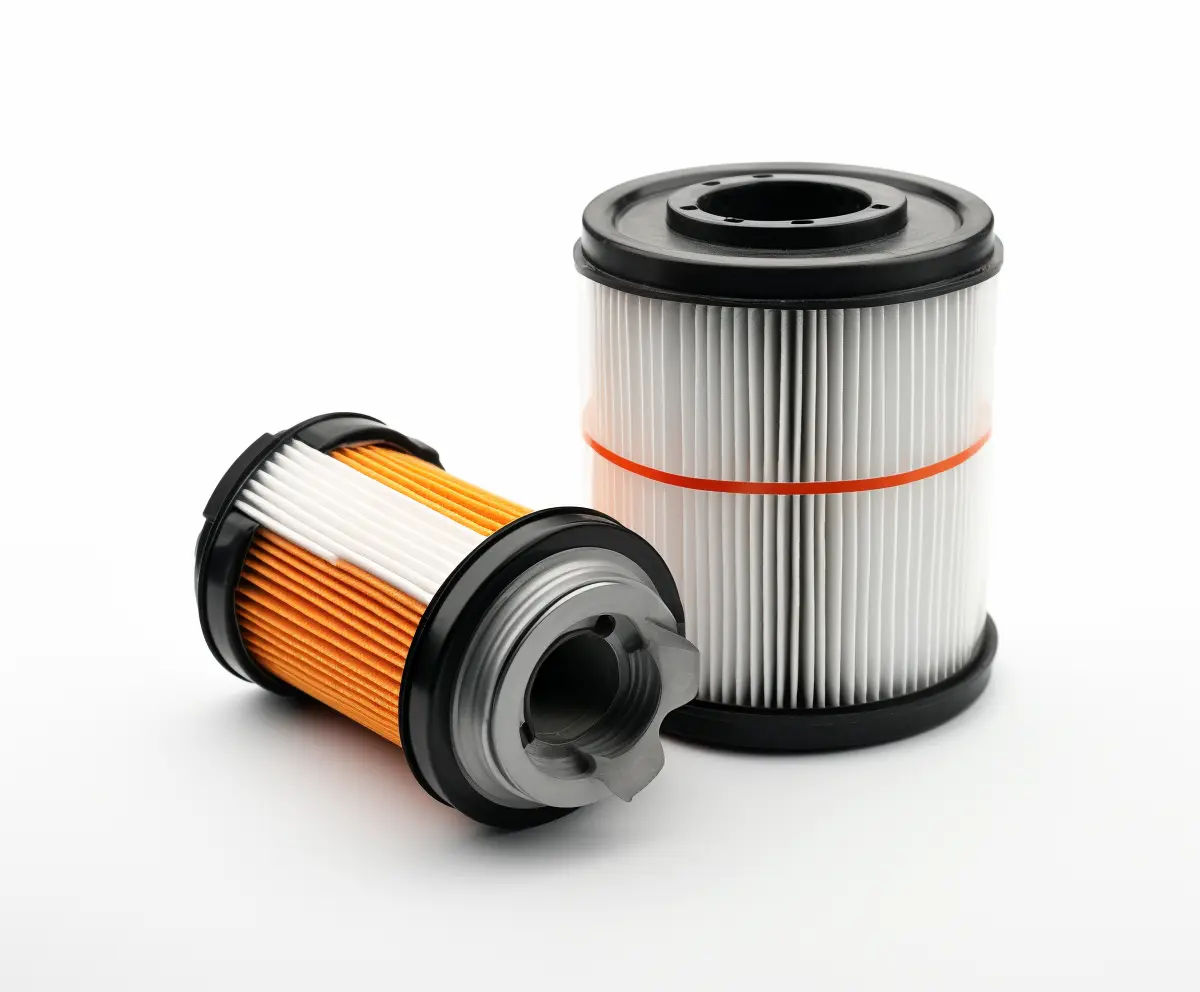
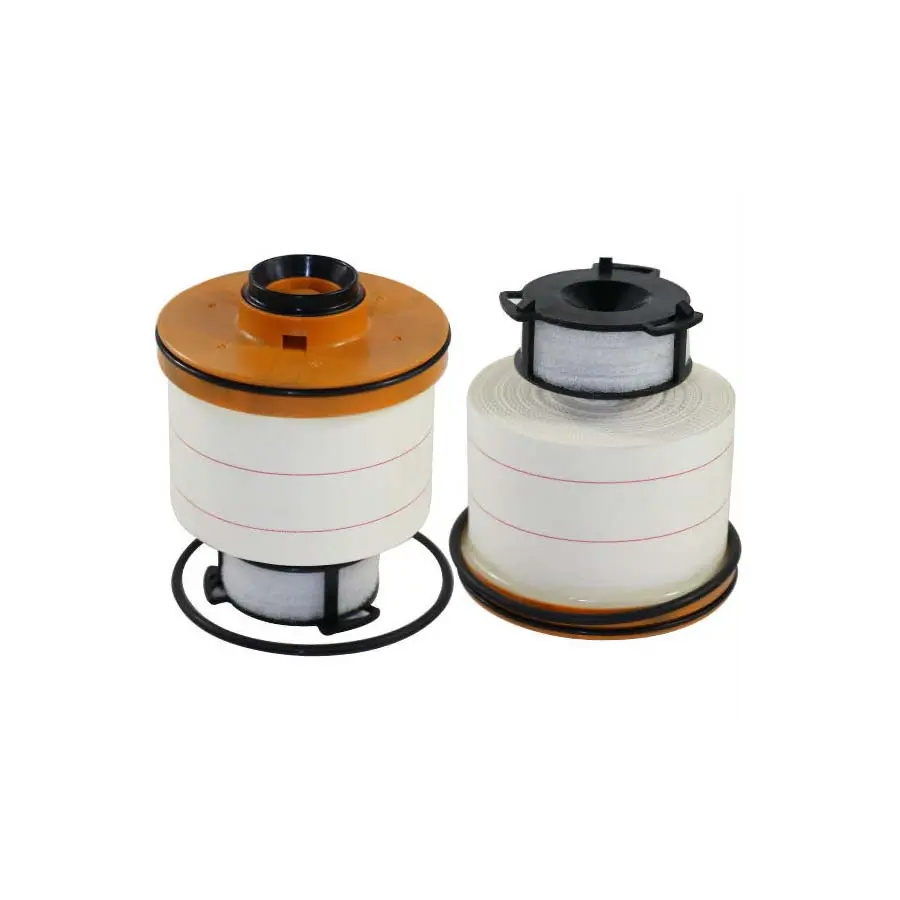
Fuel Filter Fuel-delivery system Rust, sediment, dirt, and water where water separation is included Fuel flows through a porous medium that captures particles before they reach the fuel pump, injectors, or carburetor. Some diesel designs also separate water from fuel. Service intervals vary widely by vehicle and fuel system. Replace according to the maintenance schedule or when contamination and flow restriction are confirmed. Fuel type, pressure rating, flow capacity, connection style, filtration rating, and water-separation capability Hard starting, hesitation, loss of power under load, engine stalling, poor fuel delivery, or reduced fuel pressure
Automatic Transmission Filter Automatic transmission hydraulic and lubrication system Clutch-material particles, metal debris, and other contaminants in transmission fluid The filter screens transmission fluid before it reaches hydraulic passages and control components. Some units use a serviceable pan filter, while others use an internal or non-serviceable design. Follow the transmission manufacturer’s service schedule. Inspection is especially important during fluid service or when the transmission pan is removed. Transmission model, filter design, gasket or seal requirements, fluid compatibility, and correct pickup-tube fit Delayed engagement, slipping, harsh shifting, restricted fluid flow, or abnormal transmission noise
Hydraulic System Filter Power steering, suspension, braking, or other hydraulic circuits Fine particles, wear debris, and contaminants that can damage pumps, valves, and actuators Hydraulic fluid is forced through filter media designed for a specified flow rate and pressure. Some systems use return-line, pressure-line, or reservoir filters. Replace according to the system service schedule and inspect sooner if the fluid is dirty, the system has been opened, or a component has failed. Maximum working pressure, flow rate, filtration rating, bypass setting, fluid compatibility, and connection dimensions Slow actuator movement, abnormal pump noise, increased operating temperature, pressure changes, or hydraulic leaks
Filter Selection and Replacement Checklist
Step What to Check Why It Matters Practical Action
1. Identify the Vehicle and System Vehicle year, make, model, engine or transmission type, and filter location Similar vehicles may use different filter shapes, capacities, or specifications. Use the owner’s manual, service information, or the original filter identification details.
2. Confirm Physical Fit Length, diameter, mounting threads, gasket size, connector type, and sealing surfaces A filter that does not seal correctly can leak, bypass contaminants, or restrict flow. Compare the replacement with the removed part and verify all dimensions before installation.
3. Match Technical Specifications Flow capacity, filtration rating, pressure rating, bypass-valve setting, and fluid compatibility Correct filtration performance must be balanced with the system’s required flow and pressure. Choose a filter that meets the vehicle or equipment manufacturer’s specifications, not only one that looks similar.
4. Check Installation Direction Flow arrows, inlet and outlet ports, gaskets, seals, and mounting orientation Incorrect direction or damaged seals can cause poor filtration, leaks, or system failure. Clean the mounting surface, lubricate applicable rubber seals with the specified fluid, and install without over-tightening.
5. Inspect After Replacement Leaks, warning lights, fluid level, airflow, pressure, and system operation Post-installation checks help identify loose fittings, incorrect parts, or trapped air. Run the system as instructed, recheck for leaks, and dispose of the used filter and fluid responsibly.