Inquiry
Form loading...

What Is a Vehicle Filter and How Does It Work?

A Vehicle Filter is a small component with a major responsibility. It protects the engine, passengers, and fuel system from harmful contaminants. Dust, pollen, soot, metal particles, and moisture can enter a vehicle during everyday driving. Without proper filtration, these particles may increase wear and reduce performance.

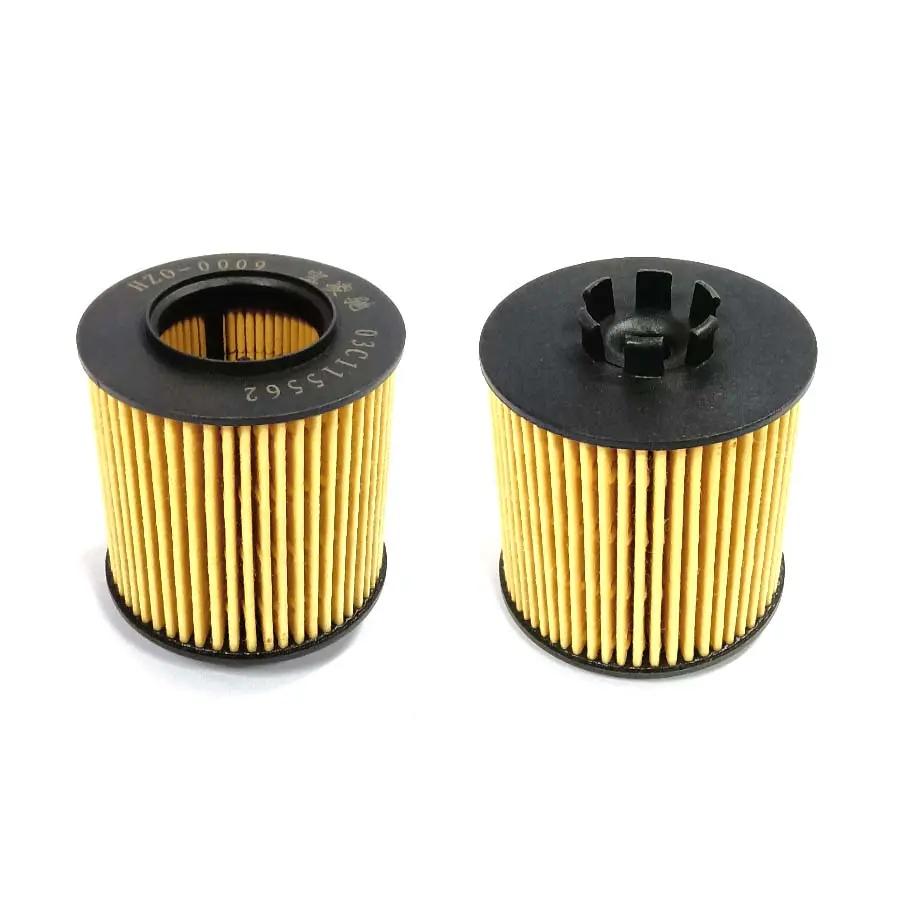
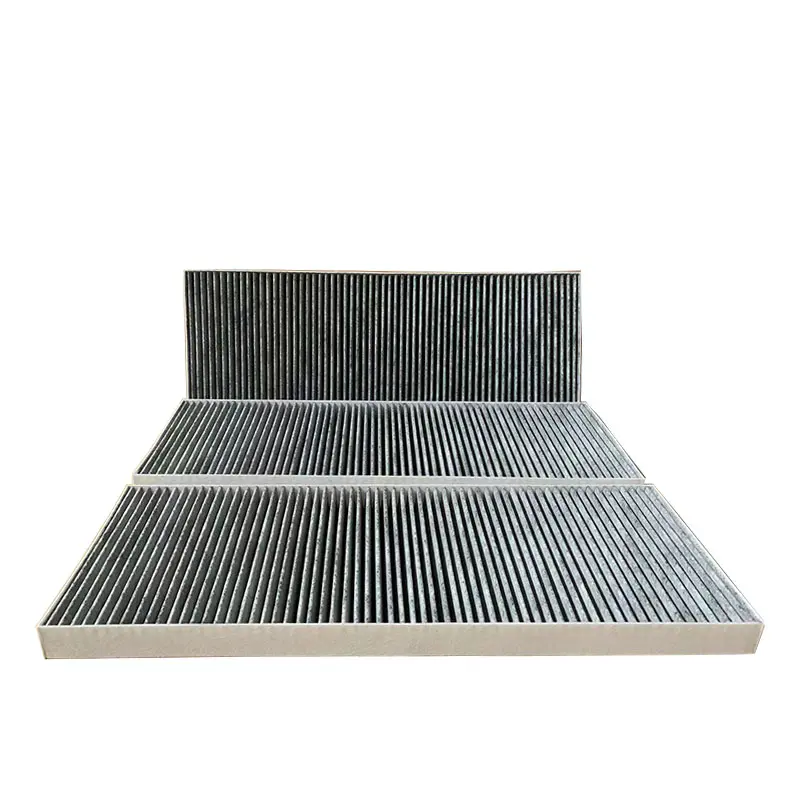
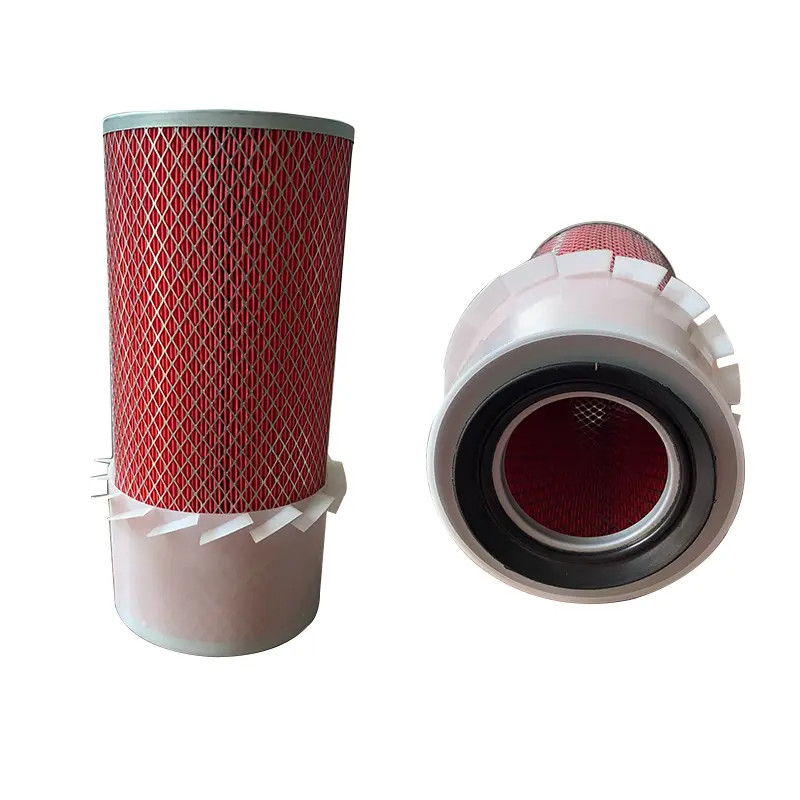
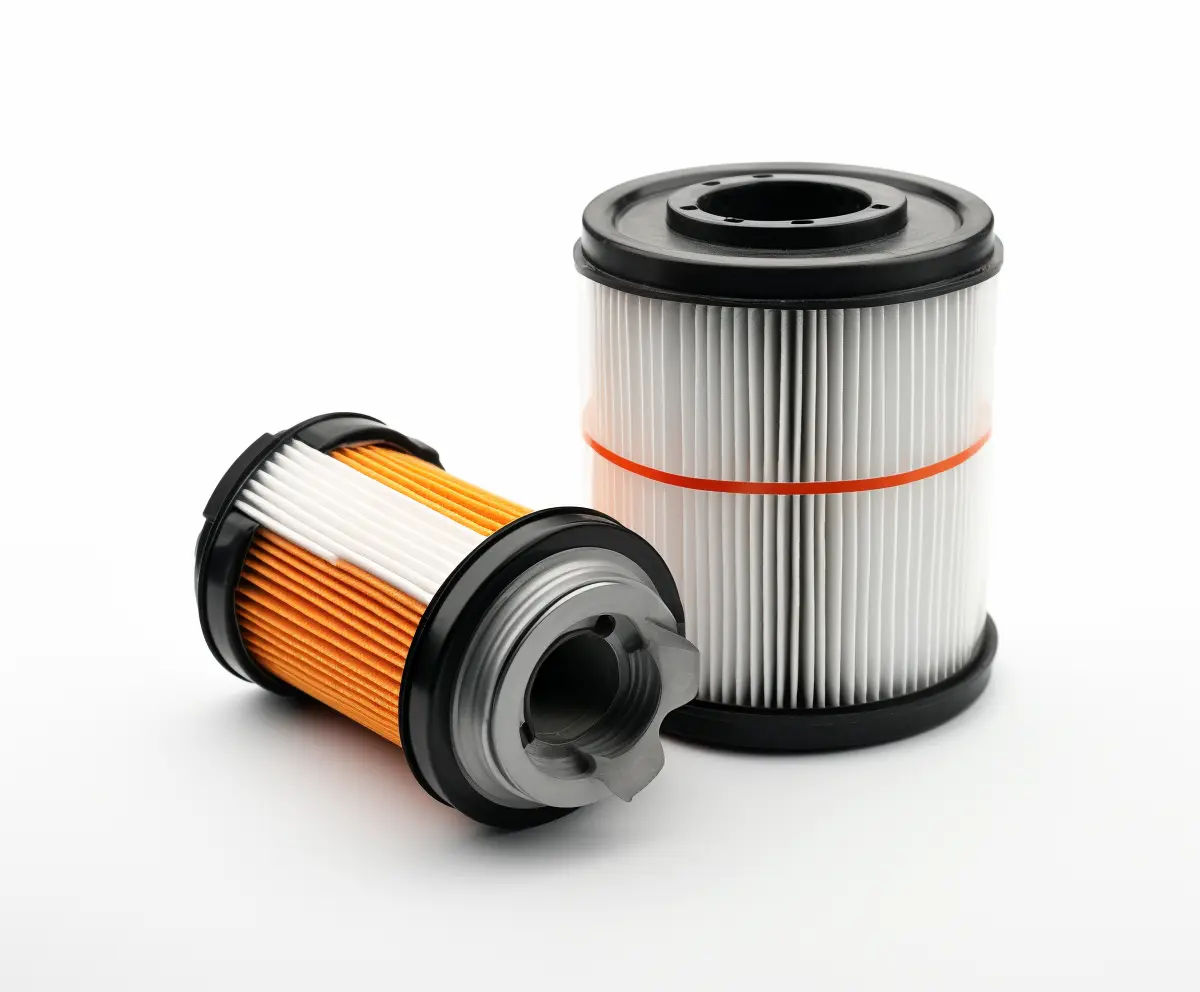
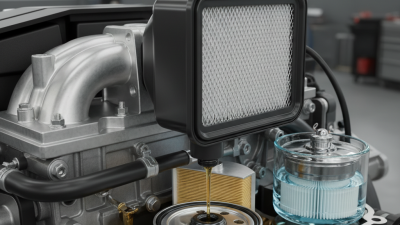
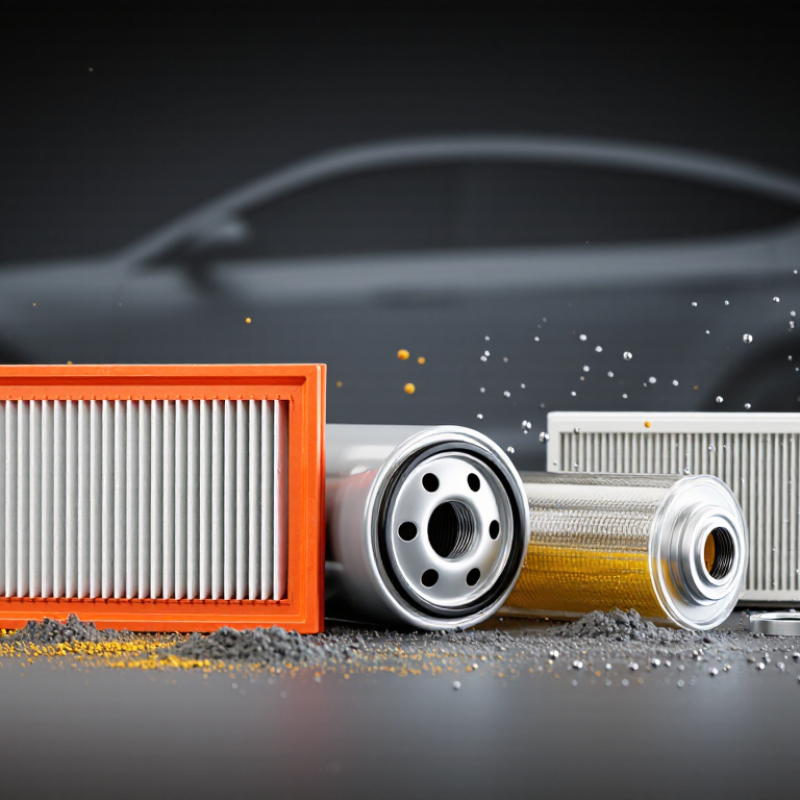
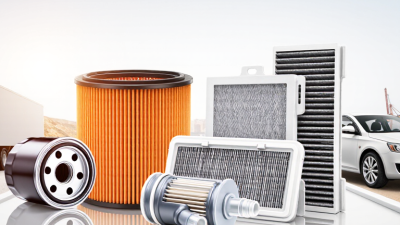
Most vehicles use several filters, including air, oil, fuel, and cabin filters. Each one serves a different area of the vehicle. The engine air filter traps dirt before clean air reaches the combustion chamber. The oil filter captures tiny particles as engine oil circulates through moving parts. A fuel filter removes debris and water before fuel reaches sensitive injectors. Meanwhile, the cabin filter cleans air entering the passenger compartment.

The basic process is simple. Contaminated fluid or air passes through a layered filtering material. The material holds unwanted particles while allowing the useful flow to continue. Filter design varies by vehicle, driving environment, and manufacturer specifications. A vehicle driven on dusty roads may need more frequent inspection than one used mainly on clean city streets.

Small signs can matter. Reduced acceleration, poor airflow, unusual odors, or dark engine oil may suggest a filter problem. Still, these symptoms can have several causes. Checking the owner’s manual and using manufacturer-approved parts remains the most reliable approach. This explanation cannot cover every filter design, and real-world conditions sometimes complicate maintenance decisions. That limitation is worth remembering. A clean filter is not a cure for every vehicle issue, but it is an important part of dependable operation.
What Is a Vehicle Filter and How Does It Work?

Vehicle Filters Explained: Four Types, Contaminants, and Core Functions

What Is a Vehicle Filter and How Does It Work?

Vehicle Filters Explained: Four Types, Contaminants, and Core Functions

A vehicle filter traps unwanted particles before they damage sensitive systems. Four common types handle different fluids and air paths.

The engine air filter catches dust, sand, insects, and road debris before combustion.

A cabin air filter reduces pollen, soot, and fine particles entering the passenger area.

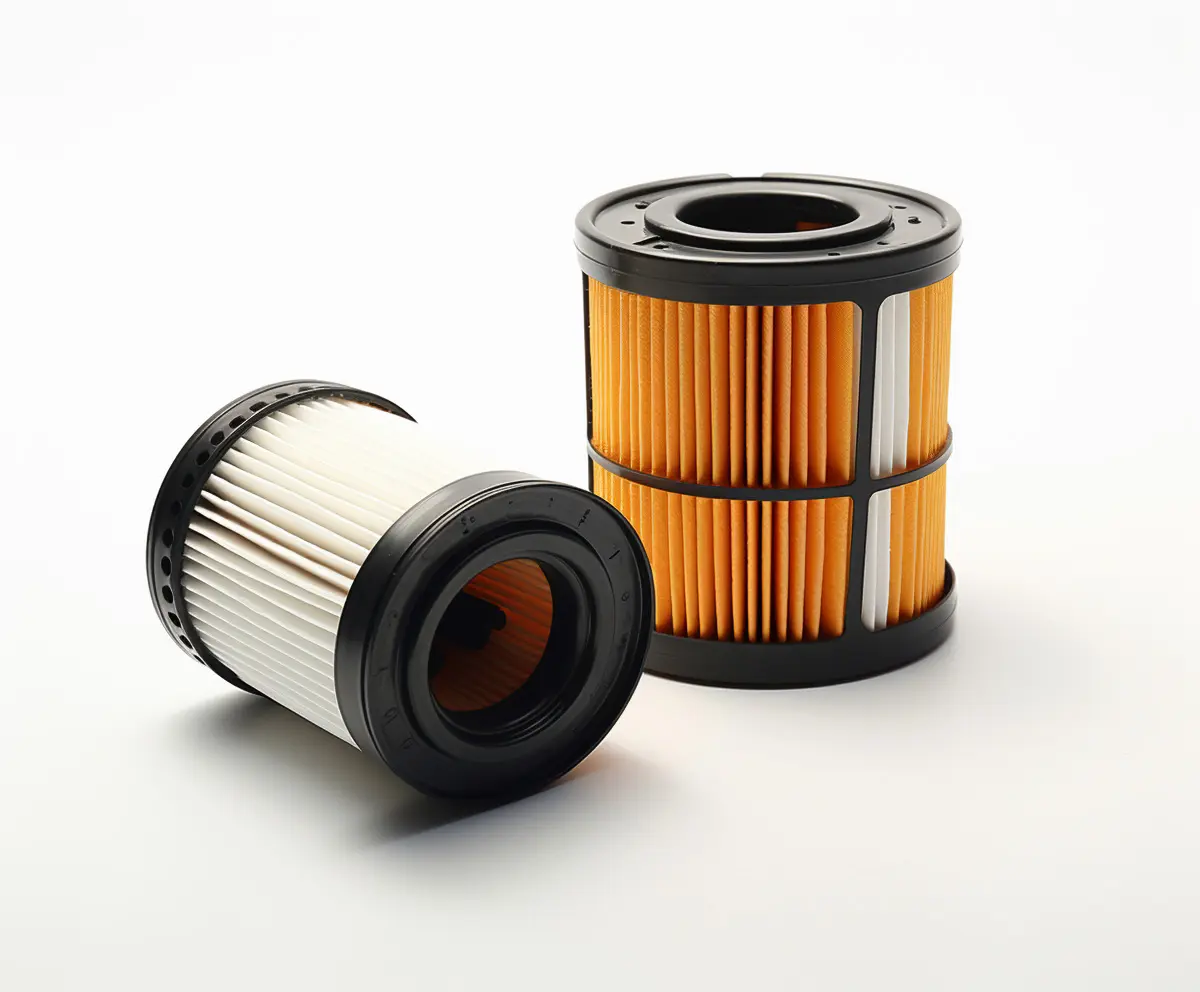
The oil filter removes metal fragments, carbon residue, and other debris from engine oil.

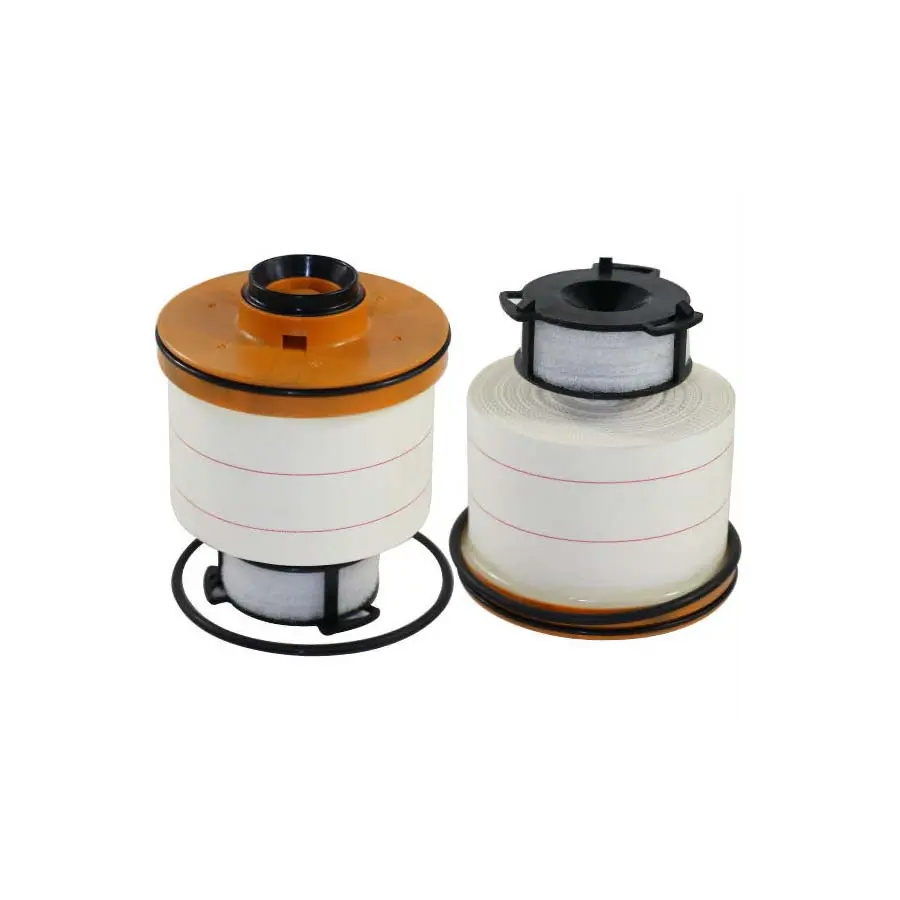
The fuel filter screens rust, sediment, and water that could affect fuel delivery.

Each filter uses a porous material or layered media. Clean fluid passes through the tiny openings. Contaminants remain captured inside.

During routine inspections, a heavily loaded air filter often looks gray and feels less flexible. A clogged cabin filter may also produce weak airflow or unpleasant odors. These observations are useful, but they are not perfect diagnostic evidence.

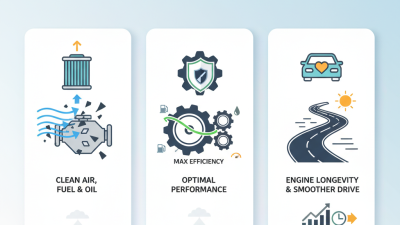
Filter condition affects performance, protection, and reliability. A restricted air filter can reduce airflow and increase engine strain. Dirty oil filtration may allow abrasive particles to circulate longer. Fuel contamination can interfere with pumps, injectors, or combustion quality.

Replacement intervals depend on vehicle design, driving conditions, and maintenance records. Dusty roads demand closer attention than clean urban routes. A filter can appear acceptable while its inner layers are saturated. That limitation deserves more respect during inspections.

Proper service should follow the vehicle maker’s specifications and verified maintenance guidance.
Air Intake Filtration: ISO 5011 Testing and 99%+ Dust Capture

A vehicle filter protects the engine by cleaning incoming air before combustion. It traps dust, sand, pollen, and fine particles inside a layered filter medium. Larger particles strike the fibers, while smaller particles are intercepted or held through diffusion. Clean air supports stable combustion and reduces abrasive wear on engine components.

ISO 5011 testing measures air-cleaner performance under controlled airflow and dust conditions. Test engineers monitor filtration efficiency, pressure restriction, and dust-holding capacity. A filter advertised with 99%+ dust capture may perform extremely well in that test. However, the result depends on particle size, airflow, humidity, and test dust. It is not a universal promise.

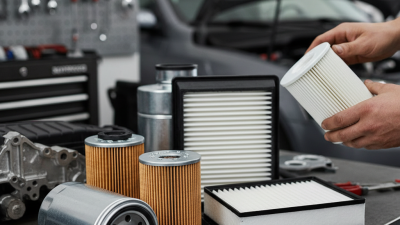
The seal matters as much as the media. A small gap around the gasket can let unfiltered air bypass the filter completely. During service inspections, technicians should check pleats, housing clips, sealing surfaces, and accumulated dust on the clean side. The dirty side should look dusty. The clean side should not.

Real vehicle conditions are less tidy. Vibration, water exposure, and delayed replacement can change performance. A high-efficiency filter may also create greater airflow restriction when loaded. That trade-off deserves attention. The correct choice balances capture efficiency, pressure drop, service interval, and the vehicle manufacturer’s operating requirements. Even careful testing has limits. Field results should be checked, not assumed.

What Is a Vehicle Filter and How Does It Work?

Air Intake Filtration: ISO 5011-Style Dust Capture Performance

An engine air filter removes airborne dust before it reaches the intake system. The chart shows representative mass-based dust capture results for progressively finer test-dust fractions. In an ISO 5011-style evaluation, efficiency is determined by comparing the dust retained by the filter with the total dust introduced, while pressure drop is measured to assess airflow resistance. Actual performance varies with filter design, airflow, dust loading, and service condition.

Oil and Fuel Filtration: 10–40 Micron Ratings and ISO Test Methods

What Is a Vehicle Filter and How Does It Work?

Oil and fuel filters protect engines by trapping abrasive particles, water, and combustion residue. Ratings from 10 to 40 microns describe the tested particle size. They do not guarantee perfect removal at that size.

A 10-micron filter may use a nominal or absolute rating. Nominal ratings show general performance, while absolute ratings indicate a tighter limit. The ISO 4548-12 method evaluates engine oil filters through particle-counting tests. For fuel filtration, ISO 19438 measures particle-removal efficiency and contaminant-holding capacity. ISO 16332 focuses on water separation in diesel fuel filters. ISO 16889 also uses beta ratios in multi-pass testing. A beta ratio of 1,000 means 99.9% efficiency at the tested particle size. That sounds precise. Real service is messier.

Temperature, oil viscosity, pressure, and filter loading can change performance. A filter that works well on a test bench may behave differently during a cold start. Field experience shows that a clogged filter can restrict flow before it looks visibly dirty. Therefore, replacement intervals should follow measured pressure drop, vehicle requirements, and operating conditions. Guessing by appearance is weak evidence.

Tips: Check whether the rating is nominal or absolute. Look for the ISO test method, not only a micron number. Record mileage, fuel quality, and warning signs. Laboratory data builds confidence, but maintenance records reveal the vehicle’s actual story.

Cabin Air Filters: ISO 11155-1, PM2.5, and 99.97% HEPA Claims

What Is a Vehicle Filter and How Does It Work?

A cabin air filter cleans air before it reaches the vehicle’s occupants. It can capture dust, pollen, soot, and some fine particles. ISO 11155-1 provides test methods for vehicle air-filter performance, including filtration efficiency and pressure drop. However, laboratory results do not perfectly represent daily driving. A filter may perform differently after absorbing moisture, loading with dust, or being fitted poorly.

PM2.5 particles are especially concerning because they can travel deep into the respiratory system. The World Health Organization’s 2021 air-quality guidelines recommend annual exposure below 5 µg/m³ and a 24-hour level below 15 µg/m³. These figures describe outdoor air, not cabin conditions. Still, they show why filter performance matters in traffic. The filter’s seal matters too. Even a strong media layer cannot compensate for air bypassing its edges.

Tips: Treat “99.97% HEPA” claims carefully. That figure usually refers to removing particles near 0.3 micrometres under controlled test conditions. It does not guarantee identical cabin performance. Ask which standard was used, whether the result covers the complete filter assembly, and how pressure drop was measured. A highly restrictive filter may reduce airflow, especially when dirty. Check the housing, inspect the gasket, and replace the filter according to driving conditions. City traffic and dusty roads shorten its useful life. I have found that real-world fit is often less impressive than the headline number.

Filter Performance: Pressure Drop, Service Intervals, and Failure Signs

A vehicle filter keeps damaging particles, moisture, or unwanted residue away from sensitive systems. Its performance depends heavily on pressure drop, the difference in pressure before and after the filter. A clean filter usually allows steady flow with limited resistance. As dust or sludge accumulates, resistance rises. The engine may then work harder to breathe, circulate oil, or receive fuel.

Pressure-drop testing Pressure-drop testing gives technicians useful evidence. A gauge or electronic sensor can reveal restriction more accurately than appearance alone. A filter may look reasonably clean but still be loaded inside. Service intervals should follow the vehicle manufacturer’s schedule, including both mileage and time limits. Severe conditions can shorten them. Frequent short trips, dusty roads, heavy traffic, and towing deserve closer attention.

Some signs require inspection rather than guesswork. A restricted air filter may cause sluggish acceleration or uneven engine response. A blocked fuel filter can contribute to difficult starting or hesitation under load. A saturated cabin filter may weaken airflow and create unusual odors. Oil-pressure warnings demand immediate attention because the filter may be restricted, damaged, or unrelated to the real fault. A fixed interval is useful, but it is not perfect. Filters age differently. Technicians should consider test results, driving conditions, and maintenance records before replacing one.